Attractions and Places To See around Montejo De Tiermes - Top 20
Best attractions and places to see around Montejo De Tiermes include historical sites, natural landscapes, and cultural landmarks in the province of Soria, Spain. The area features the significant Tiermes Archaeological Site, showcasing Celtiberian and Roman history. Montejo De Tiermes is situated near the Sierra Pela and Sierra de Ayllón mountain ranges, offering diverse natural environments like holm oak forests and waterways. This region provides a blend of historical depth and natural beauty for exploration.
Best attractions and places to…
Last updated: July 2, 2026
Navapalos
Highlight • Settlement
Translated by Google •
Tip by

Nufri Apple Orchards, La Rasa
Highlight (Segment) • Structure
Translated by Google •
Tip by

Sign up now to discover places like this
Get recommendations on the best single tracks, peaks, & plenty of other exciting outdoor places.
Sign up for free
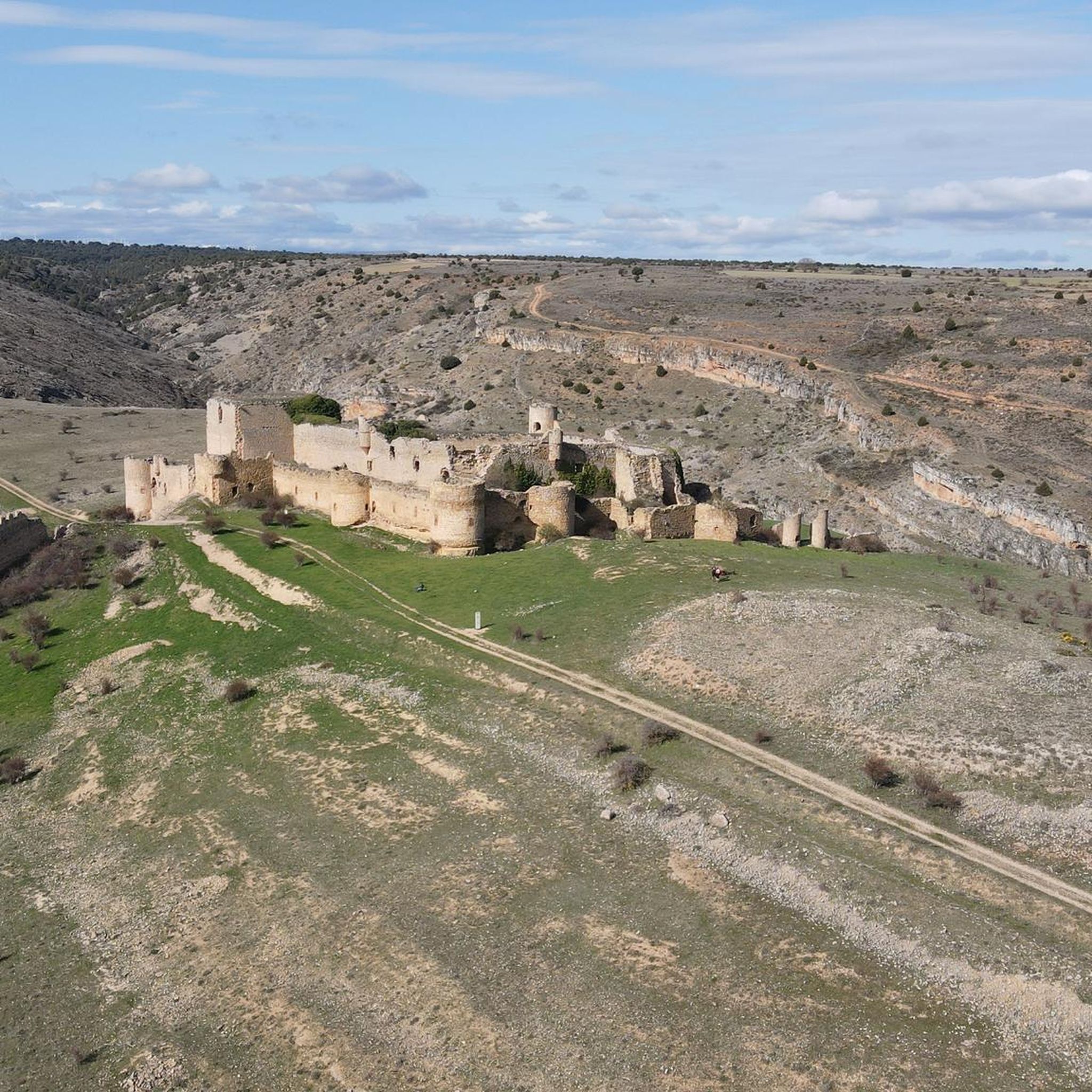
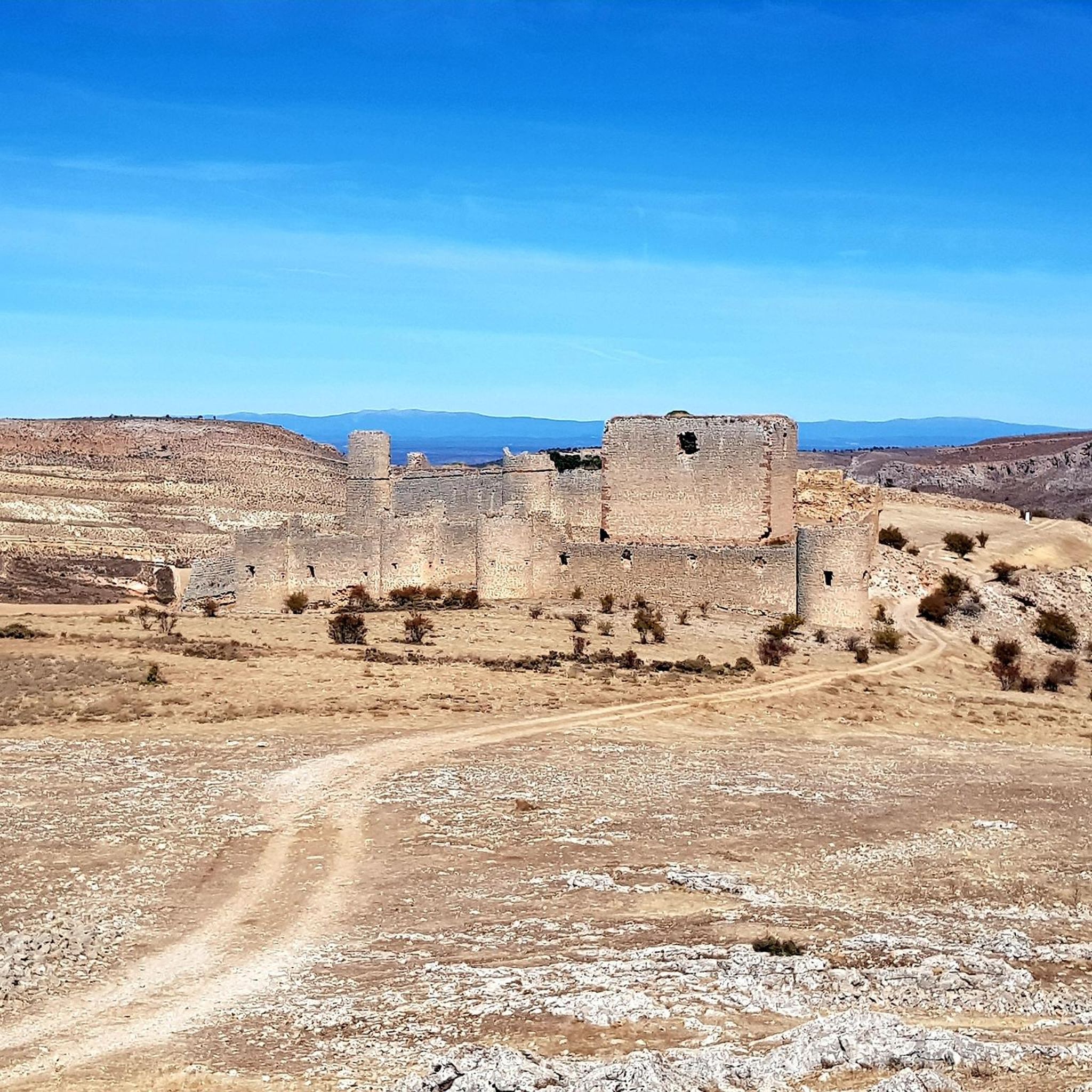
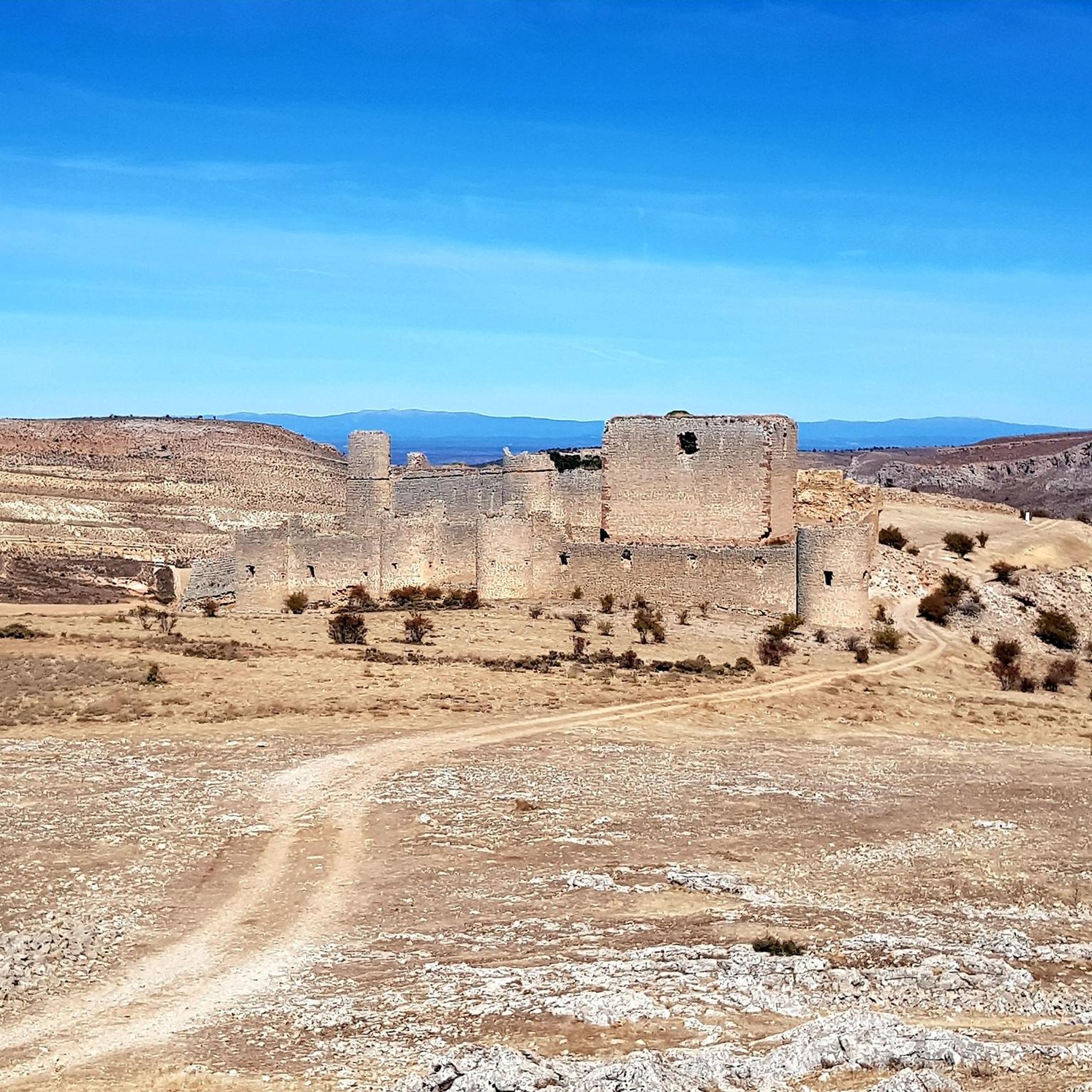
Caracena Castle
Highlight • Castle
Translated by Google •
Tip by

Vildé Reservoir
Highlight • Lake
Translated by Google •
Tip by
El Muyo
Highlight • Settlement
Translated by Google •
Tip by

Sign up for free to discover even more attractions around Montejo De Tiermes.
Sign up for free
Already have an account?
Start today with a free account
Your next adventure awaits.
Login or Signup
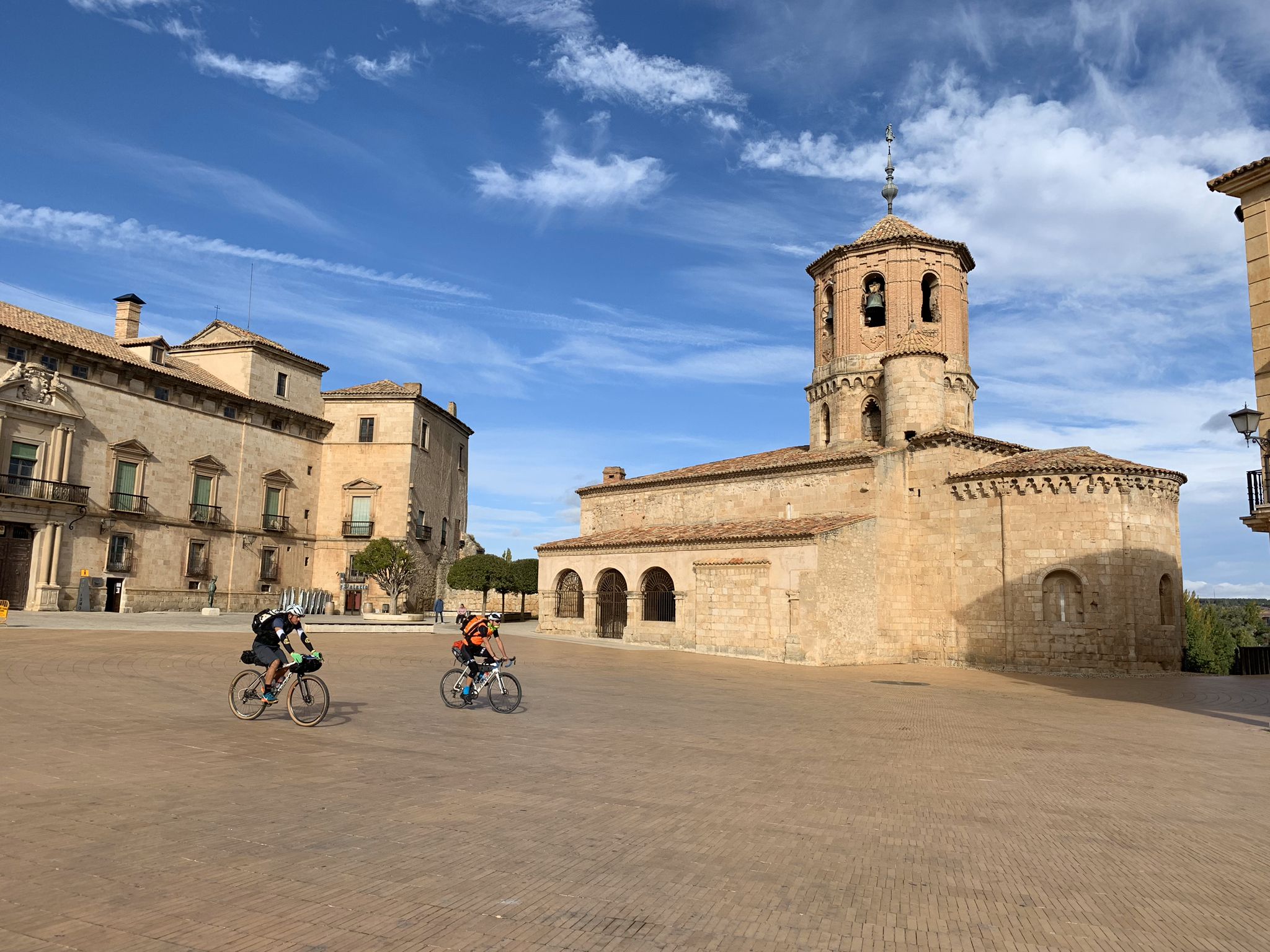
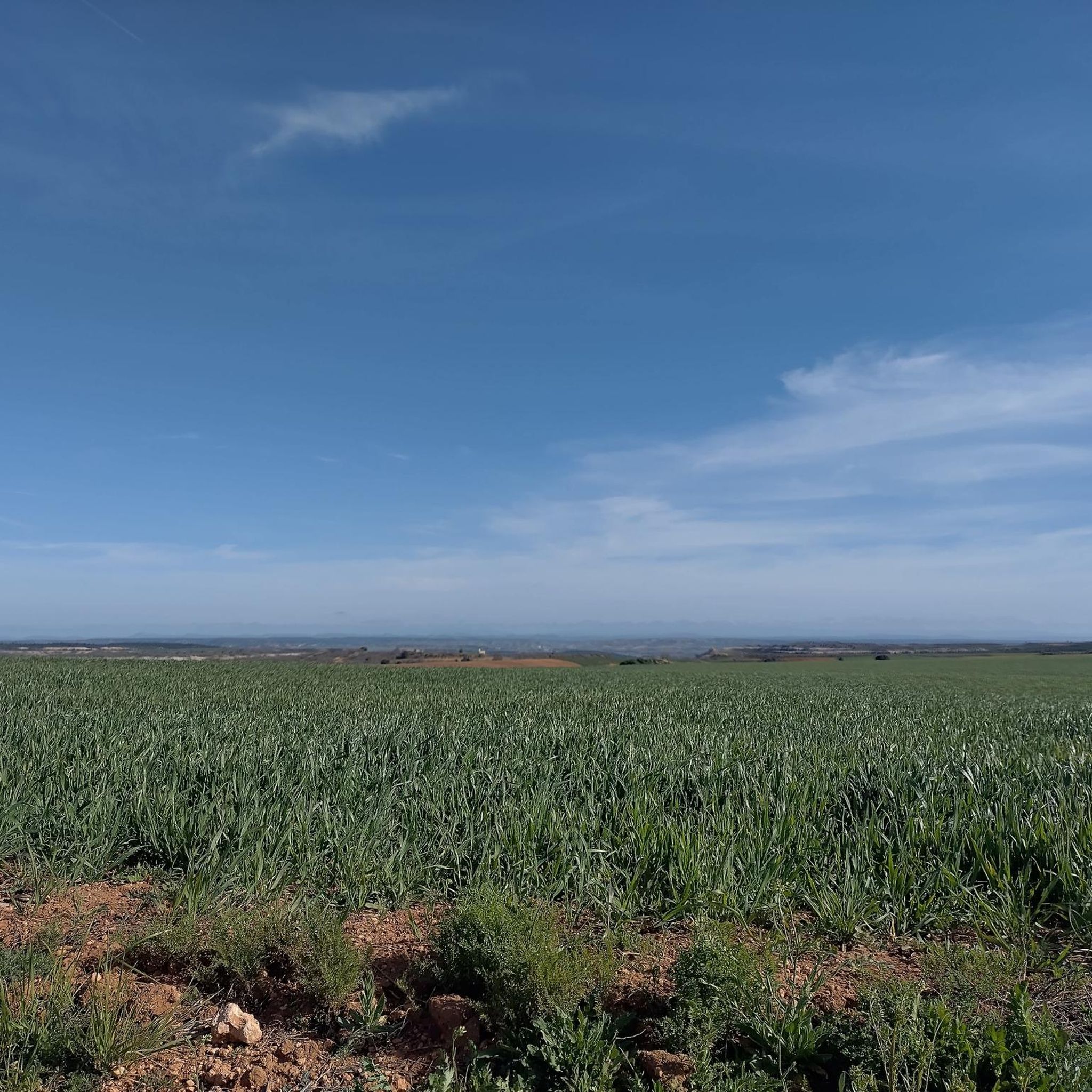

Other adventures around Montejo De Tiermes

Tips from the Community

It hosted study sessions on ancient construction systems.
0
0

It is part of the so-called black villages of the Ayllón Mountains, so called because of the colour of the buildings, mainly built of black stone and slate, a material that is abundant in the region and on which the village is built.
0
0

Nice area for hiking and mountain biking trails
0
0
Nice area for hiking and mountain biking trails
0
0

Frequently Asked Questions
What historical sites are a must-see around Montejo De Tiermes?
Montejo De Tiermes is rich in history. The most significant is the Tiermes Archaeological Site, often called the "Spanish Pompeii," which showcases Celtiberian and Roman remains carved into red rock. You can also visit Caracena Castle, a 15th-century structure offering panoramic views, and Navapalos, a settlement known for its traditional adobe architecture and an Islamic watchtower.
Are there any natural attractions or scenic landscapes to visit?
Yes, the region offers diverse natural beauty. Montejo De Tiermes is nestled facing the Sierra Pela and Sierra de Ayllón mountain ranges, part of the Natura 2000 network. You can explore the Encinares de Tiermes, a site of holm oak forests, or visit the Vildé Reservoir. The Manadero del Aguisejo is also a fascinating spot where a river emerges amidst limestone formations.
What kind of outdoor activities can I do near Montejo De Tiermes?
The area is excellent for outdoor enthusiasts. You can find numerous hiking opportunities, including ascents to Cerro del Castillo. For cycling, there are various routes for touring bikes, road bikes, and mountain bikes. Explore options like the "Campisábalos from Galve de Sorbe" for touring, "Ayllón and Maderuelo Loop" for road cycling, or "Sierra de Ayllón, Puerto del Infante y El Muyo" for MTB. You can find more details on these routes in the cycling guide, road cycling guide, and MTB guide for the area.
Are there any family-friendly attractions in the Montejo De Tiermes area?
Families can enjoy the natural surroundings and some unique sites. The Nufri Apple Orchards, La Rasa, offers an impressive agricultural landscape with viewpoints, and the area around it is suitable for hiking. The village of El Muyo, known for its distinctive "black" slate architecture, also provides a pleasant atmosphere for a family visit, especially on weekends.
What is the best time of year to visit Montejo De Tiermes?
The region's historical sites and natural landscapes can be enjoyed throughout the year. However, for hiking and exploring the outdoor areas like the Sierra Pela and Sierra de Ayllón, spring and autumn offer pleasant temperatures and vibrant scenery. The local hermitage also holds pilgrimages in May and October, which can be a unique cultural experience.
What is the Tiermes Archaeological Site and what can I see there?
The Tiermes Archaeological Site is a remarkably preserved Celtiberian and Roman city, continuously occupied for over 35 centuries. Visitors can explore structures carved directly into the rock, an ancient aqueduct, a public gathering space, a Visigothic hermitage, and a necropolis. It provides a deep dive into the region's ancient past.
Is there a museum related to the archaeological findings in the area?
Yes, near the Tiermes Archaeological Site, you'll find the Tiermes Monographic Museum. It houses a collection of artifacts unearthed from the excavations, including weapons, bronze and ceramic ornaments, Celtiberian bone remains, funeral treasures, and Roman and medieval items, offering further insight into the site's history.
What is special about the village of El Muyo?
El Muyo is a unique village known as a "black village" due to its distinctive architecture built primarily from black slate and stone, which is abundant in the region. It's a picturesque spot for nature lovers and also features a 14th-century church with historical treasures.
Are there any religious or cultural landmarks in Montejo De Tiermes?
Beyond the ancient sites, Montejo De Tiermes features the Church of San Cipriano in the urban center, a Romanesque-style church with a Baroque altarpiece. The Hermitage of Nuestra Señora de Tiermes is also significant, maintaining a strong religious tradition with local pilgrimages held twice a year.
What are the Nufri Apple Orchards, La Rasa?
The Nufri Apple Orchards, La Rasa, is an extensive apple plantation that is one of the largest in the world. It's an impressive sight, especially from viewpoints, showcasing large-scale agricultural landscapes. The surrounding area is also popular for hiking and mountain biking trails.
Can I find any ancient Roman structures in Montejo De Tiermes?
Yes, besides the Roman elements within the Tiermes Archaeological Site, you can see a Roman Fountain located at the entrance of Montejo de Tiermes, towards Ayllón. This fountain dates back over 1,500 years and stands as a testament to the enduring Roman presence in the area.
What is the Concejo or Casa de la Tierra?
The Concejo or Casa de la Tierra is a medieval building located a few minutes from Montejo de Tiermes. Historically, it served as an important meeting point for local representatives, an old hospital, and a shelter for pilgrims, reflecting the region's medieval communal life.
Most popular attractions around Montejo De Tiermes

Get inspired with the komoot mobile app


Explore more
Still not found the Highlight you’re looking for? See guides of the top attractions in other regions:
