Attractions and Places To See around Salvaleón - Top 16
Best attractions and places to see around Salvaleón include a blend of historical landmarks and natural features within the Sierra Suroeste region of Extremadura, Spain. This historic town, built upon an ancient Celtic settlement, showcases the traditional Extremaduran dehesa landscape. Visitors can explore a variety of sites, from ancient castles to unique natural monuments, set amidst rounded mountains and rocky outcrops. The area offers insights into both its rich history and diverse ecosystems.
Best attractions and places to see around…
Last updated: July 2, 2026
Nogales Castle
Highlight • Castle
Translated by Google •
Tip by

San Juan Hermitage of La Parra
Highlight • Religious Site
Translated by Google •
Tip by

Sign up now to discover places like this
Get recommendations on the best single tracks, peaks, & plenty of other exciting outdoor places.
Sign up for free
Ancient Olive Tree of La Tapada
Highlight • Natural Monument
Tip by

The Twelve Apostles Cork Oaks
Highlight • Natural Monument
Translated by Google •
Tip by
View of the Sierra de Tierra de Barros
Highlight (Segment) • Viewpoint
Translated by Google •
Tip by

Sign up for free to discover even more attractions around Salvaleón.
Sign up for free
Already have an account?
Start today with a free account
Your next adventure awaits.
Login or Signup

Tips from the Community

The fortress has a 35-metre-high keep and a perimeter wall with cylindrical towers at the corners. Originally, the castle had a drawbridge that allowed access through a moat, although this no longer exists. The castle was restored by the Junta de Extremadura at the end of the 20th century, preserving its structure and historical elements.
7
0
Located in the Badajoz town of Nogales, this medieval fortress built in the 15th century sits on a small hill and its character is purely defensive. For this reason, its most outstanding element is the keep surrounded by a wall, since it was of great importance during the clashes with the French and the Portuguese.
9
0

Located on the outskirts of the town of La Parra and in the middle of the beautiful landscape of the valley, we find the beautiful Hermitage of San Juan, so loved by the residents.
0
0

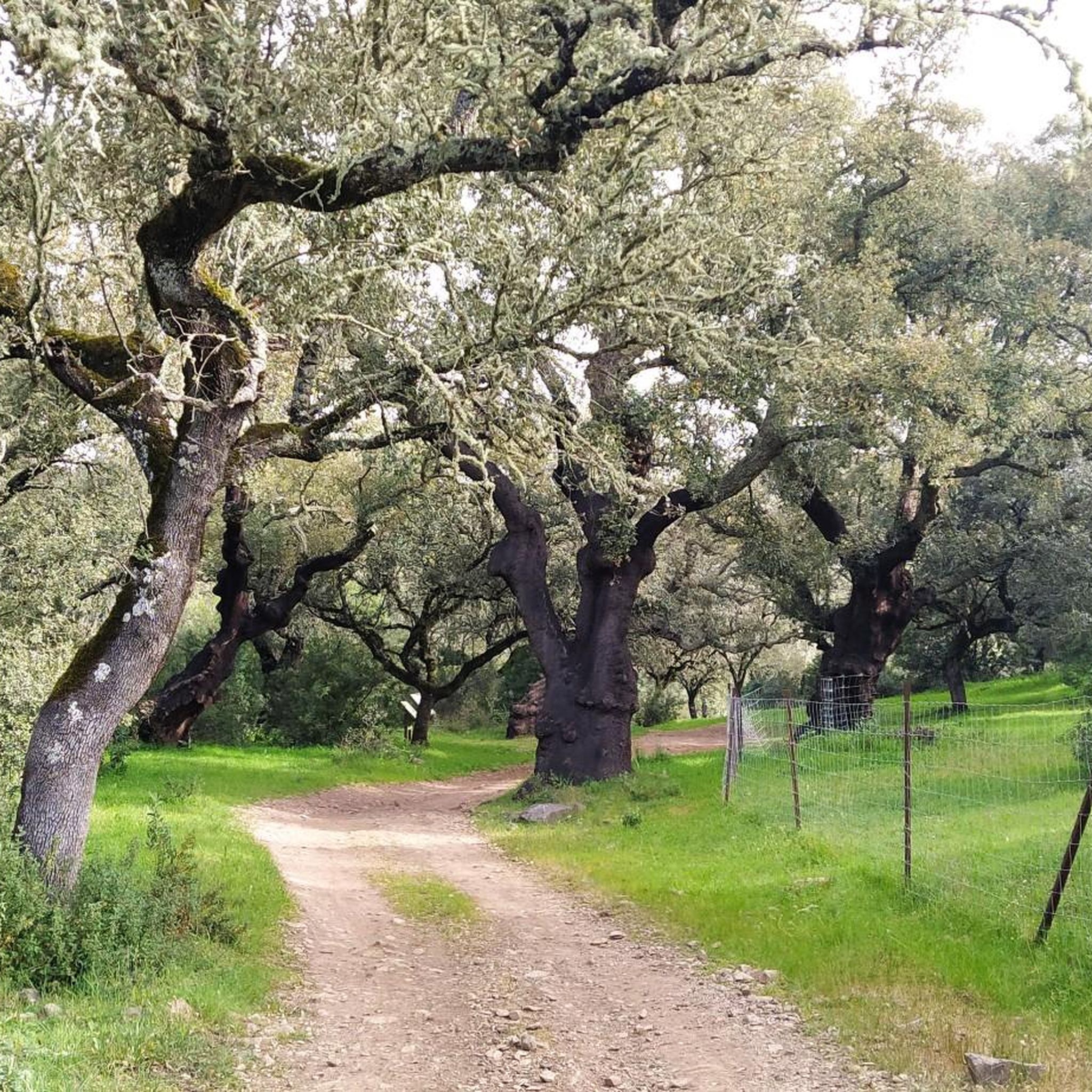
Road that connects the towns of Salvatierra de los Barros with the center of Salvaleón, where it winds along a road where you can see the typical landscape of this Extremadura area, the so-called Dehesas: oak forests with little undergrowth.
0
0

Built in the 15th century on a strategic site, the castle of Nogales dominates the region, being able to see land even several kilometers away. It is a site that can be visited, the medieval fortress is one of the best preserved. Very close to here is the Church of San Cristóbal, another site of interest to visit.
2
0
Route the 12 Apostles. This route originates as an activity of the Nature Classroom of the Popular University of Salvaleón. It is a circular route of 16.5km, of moderate difficulty.
10
0

THE TWELVE APOSTLES ", located between the Monsalud and Rozallana mountains, at an altitude of 400 meters. It owes its name to the existence of twelve hundred-year-old cork oaks of which seven remain standing due to the passage of time.
2
1
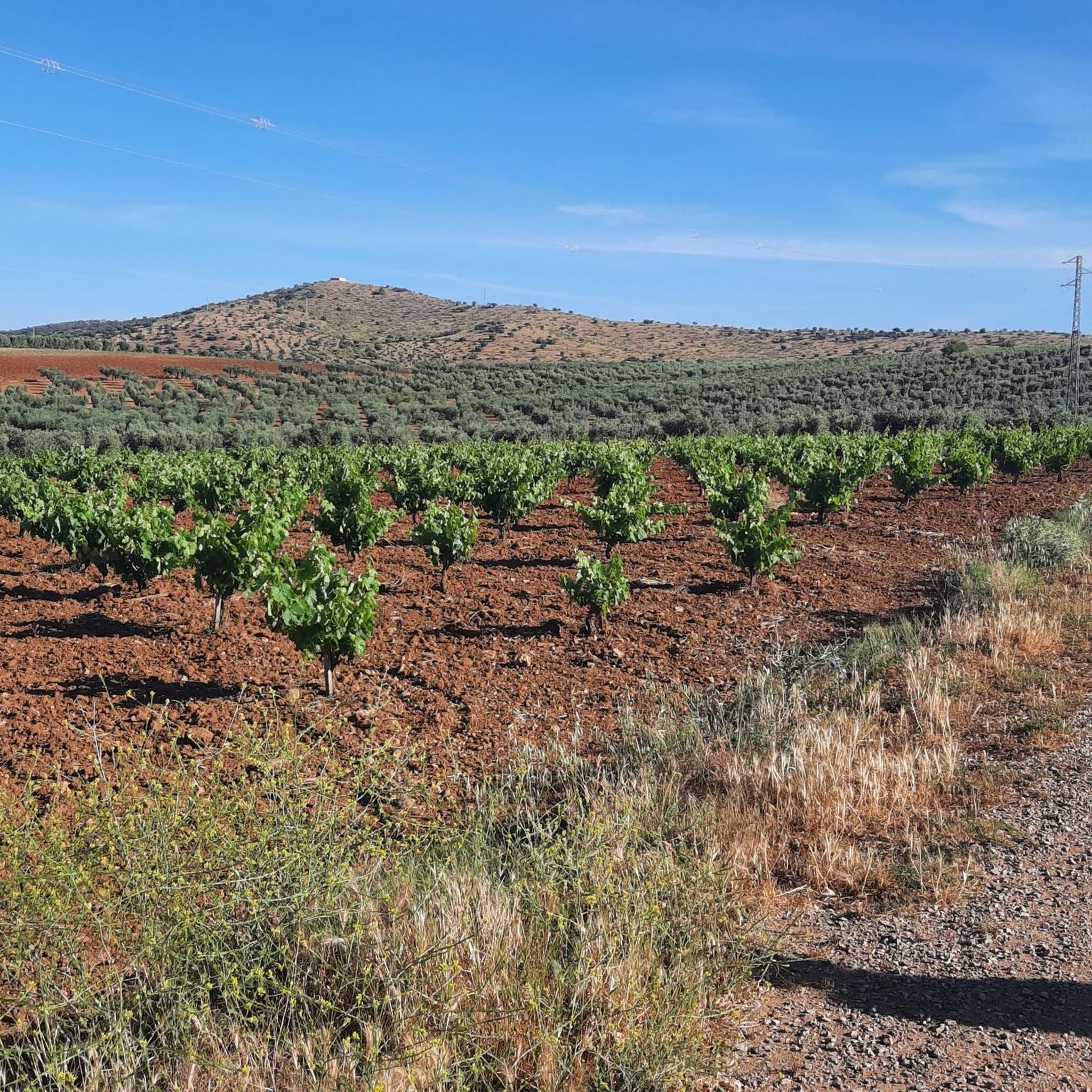
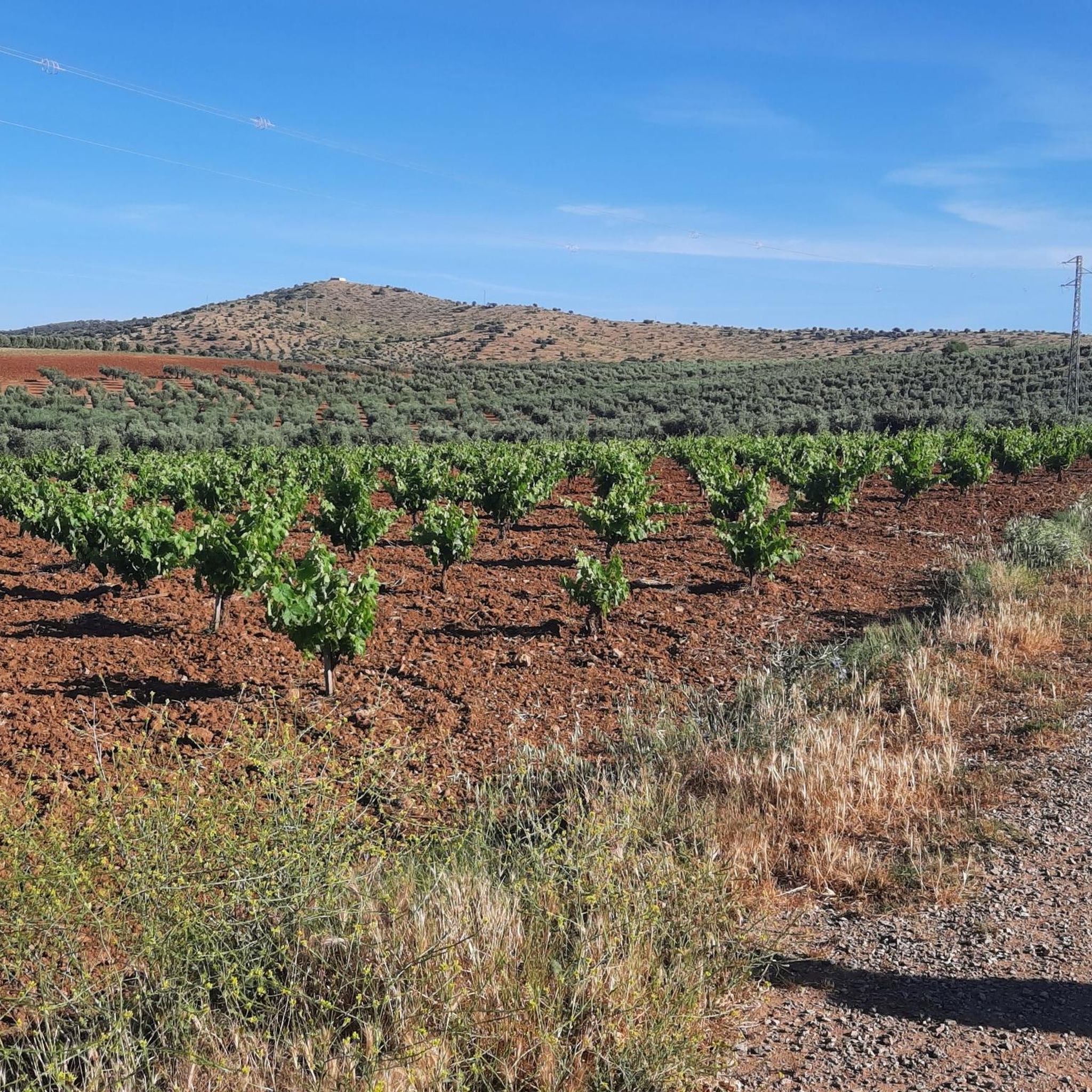
La Mesta has bequeathed to us one of the most singular and attractive monuments of the town: the Hermitage of San Juan and its peculiar Plaza de Toros with an irregular ring and loopholes through burladeros. It was a resting place for the cattle on their last day before reaching the pastures of Feria and La Parra. The building denotes being, built on top of Roman ruins. It is possible that during this time it was a farmhouse, as witnessed by the Roman discoveries. Located north, 1 km. away from the town, located in the countryside, next to the "Entrin" stream and on the banks of the Cañada Real, located in the area of the routes connected with the itineraries of the Mesta. It served as a halt and rest stop for transhumant farmers and was closely related -at first- with the Order of the Temple and later with the Order of Santiago through the initiative of the Lords of the Duchy of Feria (D. Lorenzo Suárez de Figueroa) , whose coats of arms preside over the entrance to the hermitage. The Hermitage is made up of the following dependencies: Chapel. Refectory hostelry. The holy water font: a Roman piece discovered at the beginning of the 18th century, with which the existence of an imperial Roman settlement called CALPURNIANA is related, a supposed antecedent of the population. El Madoz, when referring to this town, says the following about this Roman piece: In the year 1706, a white marble tombstone was unearthed, 1 1/2 vara high and 1 1/2 wide, with an inscription, which today serves as the holy water font of that temple, in which it is contained that was buried there: Helvia Çemodesia, 40 years old, mother of Liçio Blaio Calpurniano, who clearly says: D.M.S. Helvia Çemodesia ANN XXXX H.S.E.S.T.T.L. L. Blaivs. calpurnianvs Matri. pientissimae Postvit. Its translation is as follows: «Sacred Manes Gods: Helvia, from an illustrious and virtuous family, died at the age of 40. Luçio Blayo Calpurniano dedicated this monument to his dear mother». It is a Roman piece with Latin inscriptions and a Visigothic recording of the Lamb, reused as a font for holy water. Brotherhood of the Holy Christ of Mercies. the vine
0
0
Frequently Asked Questions
What historical sites can I explore in Salvaleón?
Salvaleón is rich in history. You can visit the 14th-century Salvaleón Castle, though only remnants like its powerful stone keep remain. Another significant historical site is Nogales Castle, a 15th-century medieval fortress with a 35-meter-high keep. The town also features the 16th-century Church of Santa Marta, known for its impressive main altarpiece, and the San Juan Hermitage of La Parra, which is built on Roman ruins.
Are there any ancient ruins or archaeological sites in the area?
Yes, the Monte Porrino Communal Estate, an expansive dehesa, contains archaeological remains from various periods. These include Neolithic dolmens and menhirs, Bronze Age cists, Roman villa ruins, and a medieval tomb. Additionally, the San Juan Hermitage of La Parra is believed to be built upon Roman ruins, with Roman discoveries found nearby.
What natural monuments can I visit near Salvaleón?
The region boasts several unique natural monuments. You can see the Ancient Olive Tree of La Tapada, an impressive millenary olive tree with a trunk perimeter of 15.60 meters. Another notable site is The Twelve Apostles Cork Oaks, a natural monument where seven ancient cork oaks still stand. Don't miss La Piedra Montá, a large granite rock balanced on another, resembling a mushroom or acorn.
Where can I experience the unique dehesa landscape?
The traditional Extremaduran dehesa landscape is a defining feature of Salvaleón. The Monte Porrino Communal Estate, a 1700-hectare dehesa, is an excellent place to experience this ecosystem, complete with diverse wildlife. You can also get a great perspective from the View of the Sierra de Tierra de Barros, which offers vistas of the typical dehesa landscape with oak forests.
Are there opportunities for wildlife spotting in Salvaleón?
The Monte Porrino Communal Estate is a prime location for wildlife spotting. This dehesa ecosystem is home to diverse species such as rabbits, hares, bee-eaters, hoopoes, eagles, and black storks. The area's natural beauty provides a habitat for various local fauna.
What hiking trails are available around Salvaleón?
Salvaleón offers several hiking opportunities. A popular option is the 16.5 km circular route that includes The Twelve Apostles Cork Oaks, originating from the Salvaleón Popular University's Nature Classroom. For more hiking options, explore the various trails listed in the Hiking around Salvaleón guide, which includes routes like the 'Route of the XII Apostles' and trails around Nogales Castle.
Can I go cycling near Salvaleón's attractions?
Yes, the region around Salvaleón is suitable for cycling. You can find various routes, including a challenging 41 km loop around Castillo de Nogales from Salvaleón, or a longer 56 km loop through Valle de Matamoros and Valle de Santa Ana. Discover more options in the Cycling around Salvaleón guide.
Are there any scenic viewpoints in the region?
Absolutely. The View of the Sierra de Tierra de Barros is a highly recommended viewpoint. It's located on the road connecting Salvatierra de los Barros with Salvaleón and offers stunning vistas of the typical Extremaduran dehesa landscape with its characteristic oak forests.
Are there family-friendly attractions or activities in Salvaleón?
For families, Los Mártires Park is a municipal park perfect for children. The Ancient Olive Tree of La Tapada is also a fascinating natural monument that can be enjoyed by all ages. Exploring the dehesa landscape in Monte Porrino offers an educational and engaging outdoor experience for families.
What is the best time of year to visit Salvaleón for outdoor activities?
The best time to visit Salvaleón for outdoor activities, including exploring natural monuments like the Ancient Olive Tree, is generally from fall to spring. During these seasons, the weather is typically milder and more pleasant for hiking, cycling, and enjoying the natural landscapes.
What is special about the 'Twelve Apostles Cork Oaks'?
The Twelve Apostles Cork Oaks is a natural monument named for an original group of twelve ancient cork oaks, of which seven still stand today. It's located between the Monsalud and Rozallana mountains and is a key feature of a popular 16.5 km circular hiking route that starts from Salvaleón.
What is the significance of Monte Porrino?
Monte Porrino is highly significant as a 1700-hectare communal dehesa that showcases the traditional Extremaduran landscape. It's not only a natural haven for diverse wildlife but also holds archaeological importance with Neolithic, Bronze Age, Roman, and medieval remains. The area also features an Interpretation Center of the Dehesa, providing insights into this unique ecosystem.
Most popular attractions around Salvaleón

Get inspired with the komoot mobile app


Explore more
Still not found the Highlight you’re looking for? See guides of the top attractions in other regions:
