Attractions and Places To See around Cijuela - Top 20
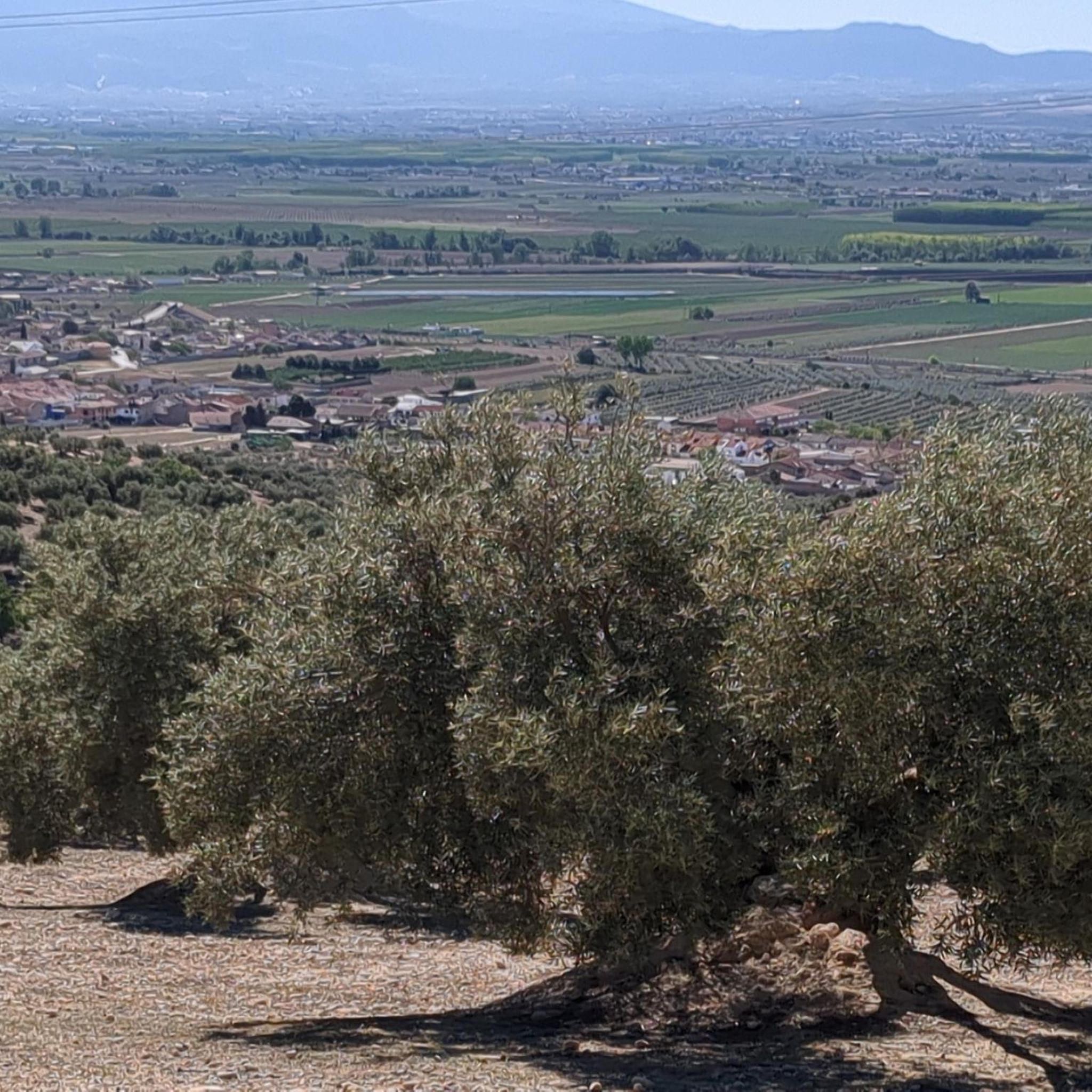
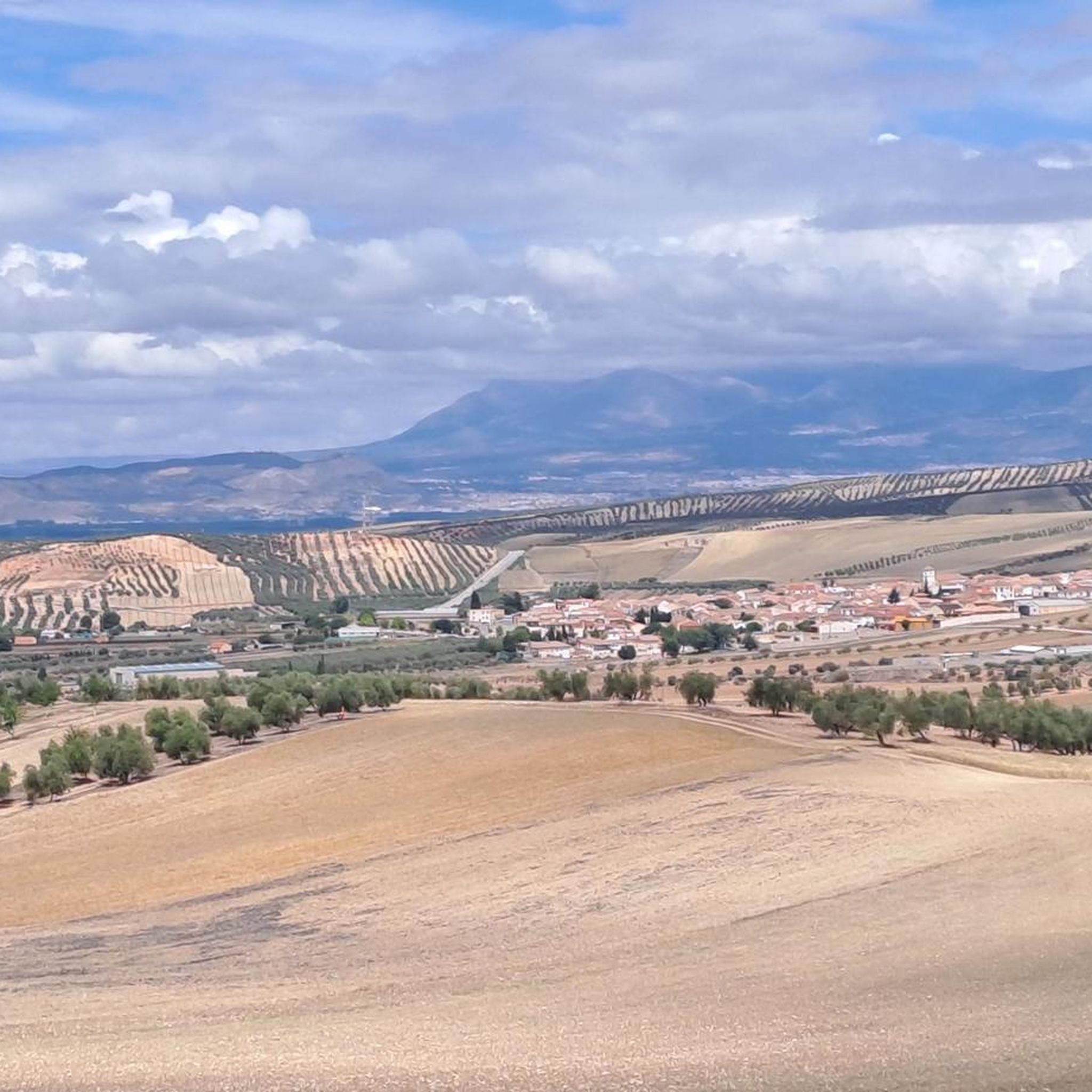
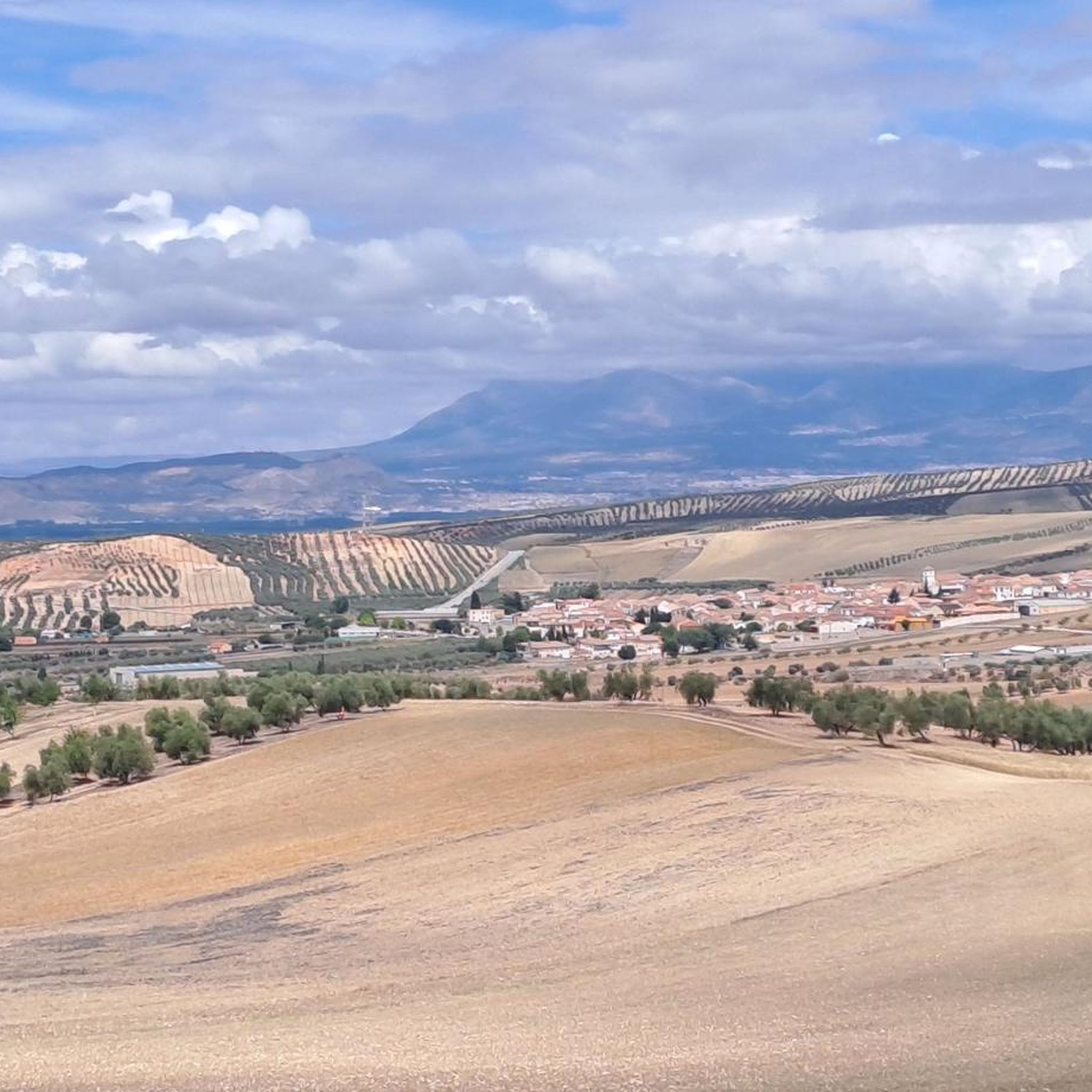
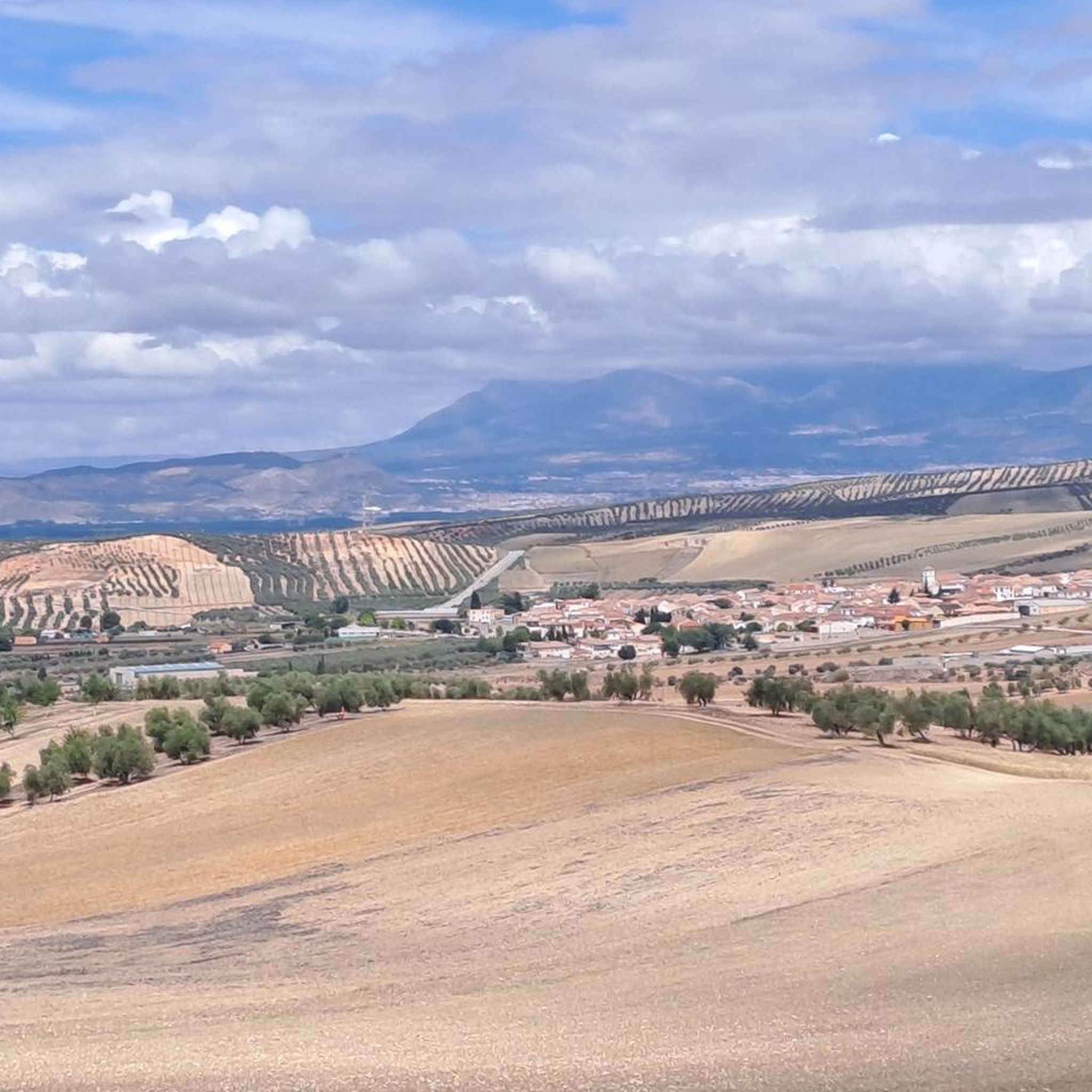
Attractions and places to see around Cijuela are characterized by a blend of local landmarks and access to historical and natural sites. Situated in the fertile Vega of Granada, the area is known for its green poplars, orchards, and advanced irrigation systems. The region's landscape is shaped by the Rio Noniles and the Genil River, contributing to its agricultural richness. This area offers a variety of points of interest, from ancient structures to natural hot springs.
Best attractions and places…
Last updated: July 7, 2026
Santa Fe Hot Springs
Highlight • Natural
Translated by Google •
Tip by

Pinos Puente Bridge
Highlight • Bridge
Translated by Google •
Tip by

Sign up now to discover places like this
Get recommendations on the best single tracks, peaks, & plenty of other exciting outdoor places.
Sign up for free
Federico García Lorca Birthplace
Highlight • Historical Site
Translated by Google •
Tip by

Santa Fe
Highlight • Settlement
Translated by Google •
Tip by

Aqueduct of the Río Cacín Canal
Highlight (Segment) • Monument
Translated by Google •
Tip by
Sign up for free to discover even more attractions around Cijuela.
Sign up for free
Already have an account?
Start today with a free account
Your next adventure awaits.
Login or Signup


Tips from the Community

This bridge is of Arab origin and was strategically located at the entrance to the town to cross the ravine eroded by the Cubillas River. It was declared an architectural-artistic monument in 1922. It also contains a gate to control the entrance to the town to ensure the passage of people wishing to enter the town. It has three large horseshoe arches with spans between seven and eleven meters. Some historians have suggested that its origin may even be earlier, and that it may be Visigothic. This is not a far-fetched idea, since from the dawn of time when the first human settlements occurred in the town, it must have included a way to cross the ravine from one side to the other.
19
0

Santa Fe is a municipality in the province of Granada, in the autonomous community of Andalusia. Located in the Vega de Granada and crossed by the Genil River from east to west, the municipal area is almost completely flat and has no mountainous heights.
3
0

The birthplace of Federico García Lorca is a historical and cultural place in the city of Fuente Vaqueros, Spain. It was in this house that the poet and playwright was born in 1898 and spent a large part of his childhood. The house has been restored and turned into a museum that shows the life and work of García Lorca. Inside you can find personal belongings of the writer, photographs, manuscripts and editions of his works. García Lorca's birthplace is a place of pilgrimage for lovers of literature and the arts, and a testament to the cultural legacy of one of the most important poets of the 20th century.
1
0
In a canal that transports water from the Bermejales reservoir to irrigate the lands to the west of Vega de Granada. Along the way you can see some of the aqueducts built to carry the water.
1
1

Santa Fe is a municipality in the province of Granada, in the autonomous community of Andalusia. Located in the Vega de Granada and crossed by the Genil river from east to west, the municipal area is almost completely flat and lacks mountainous elevations.
3
0

We were there, but unfortunately it is no longer accessible. It's all locked
0
0

The Termas de Santa Fe or Aguas Calientes, as the locals call them, is a space of freedom among olive groves, in the suburban park of Dehesa de Santa Fe. Here, there are some pools from which waters arise naturally, at more than 36 degrees centigrade. Given the temperature of the water at the point of emergence and its physical-chemical composition, they are considered hyperthermal, and classified as strongly mineralized, within the group of sulfated, calcium and magnesium.
11
0

Old bridge over the Cubillas river. It is a caliphal work from the 10th century, built on foundations from the Visigoth period.
0
0
Frequently Asked Questions
What natural attractions can I explore near Cijuela?
Near Cijuela, you can visit the Santa Fe Hot Springs, also known as Aguas Calientes. These natural hot springs are nestled amidst olive groves in the suburban park of Dehesa de Santa Fe, offering naturally warm, hyperthermal, and highly mineralized waters. The area is also influenced by the Rio Noniles and the Genil River, contributing to a lush landscape of green poplars and orchards within the Vega of Granada.
Are there historical sites to visit in and around Cijuela?
Yes, the region boasts several historical sites. You can explore the ancient Pinos Puente Bridge, an architectural-artistic monument of Arab origin. In Santa Fe, the Puerta de Granada, a historic city gate from the 15th century, is also worth seeing. Within Cijuela itself, you'll find the 15th-century Church (Iglesia de Jesús el Nazareno), an aqueduct, and the Torre Árabe (Arab Tower / Torre de Bordonal) which offers picturesque views of the Vega.
What cultural landmarks are unique to Cijuela itself?
Cijuela features several local cultural landmarks. The 15th-century Church (Iglesia de Jesús el Nazareno) is a significant architectural feature. An ancient aqueduct stands as a testament to the region's historical irrigation systems. Additionally, the Torre Árabe (Arab Tower / Torre de Bordonal) on a hill in Pago de la Hoja provides historical insight and scenic views. For green spaces, García Lorca Park is Cijuela's most representative tranquil spot.
Can I find family-friendly activities or attractions near Cijuela?
Many attractions around Cijuela are suitable for families. The Pinos Puente Bridge and the Puerta de Granada are historical sites that can be enjoyed by all ages. The Federico García Lorca Birthplace museum also offers an educational and engaging experience for families interested in literature and history.
What kind of outdoor activities are available around Cijuela?
The area around Cijuela is excellent for outdoor activities. You can find various routes for hiking, road cycling, and mountain biking. For hiking, explore trails like the Santa Fe Hot Springs Loop or the Genil River loop. Cyclists can enjoy routes such as the Iglesia de Santa Fe loop or the Path along the Genil River. Mountain bikers have options like the Cortijo Santa Catalina loop or the Río Genil Crossing. You can find more details on these activities in the hiking, road cycling, and MTB guides for the region.
Are there hiking opportunities near Cijuela?
Yes, there are several hiking opportunities near Cijuela. Popular routes include the 'Santa Fe Hot Springs Loop' (moderate, 14.3 km) and the 'Genil River – Río Genil loop from Fuente Vaqueros' (moderate, 10.1 km). For an easier option, consider the 'Santa Fe – Santa Fe Historic Center loop from Santa Fe' (easy, 5.8 km). These trails allow you to experience the natural beauty of the Vega of Granada. More hiking routes can be found in the Hiking around Cijuela guide.
Where can I learn about the famous poet Federico García Lorca near Cijuela?
You can visit the Federico García Lorca Birthplace in the nearby town of Fuente Vaqueros. This restored house functions as a museum, showcasing the life and work of the renowned poet and playwright, including personal belongings, photographs, manuscripts, and editions of his works.
What is the significance of the Pinos Puente Bridge?
The Pinos Puente Bridge is an ancient bridge of Arab origin, strategically located to cross the Cubillas River. Declared an architectural-artistic monument in 1922, it features three large horseshoe arches. Some historians even suggest a possible Visigothic origin, highlighting its long historical importance as a crossing point.
Is there anything interesting to see in the nearby town of Santa Fe?
The nearby town of Santa Fe is rich in history. It was founded during the siege of Granada by the Catholic Monarchs in the 15th century. You can visit the Puerta de Granada, one of its original city gates, known for its rich decorations. Santa Fe is also home to the Santa Fe Hot Springs, a popular natural attraction.
What do visitors particularly enjoy about the attractions near Cijuela?
Visitors appreciate the unique blend of historical and natural sites. The Santa Fe Hot Springs are a favorite for their naturally warm waters and serene setting among olive groves. The historical significance of sites like the Pinos Puente Bridge and the Federico García Lorca Birthplace also draw considerable interest, offering insights into the region's rich past and cultural heritage.
Are there cycling routes available around Cijuela?
Yes, Cijuela offers various cycling routes for both road cycling and mountain biking. For road cyclists, options include the 'Iglesia de Santa Fe – Santa Fe loop from Chauchina' (moderate, 57 km) or the 'Path along the Genil River loop from Fuente Vaqueros' (easy, 43.3 km). Mountain bikers can explore routes like the 'Cortijo Santa Catalina – Santa Fe Hot Springs loop from Chauchina' (moderate, 47.7 km). Detailed routes can be found in the Road Cycling Routes around Cijuela and MTB Trails around Cijuela guides.
What is the best time of year to visit Cijuela for outdoor activities?
Given the warm climate of Andalusia, spring (April-May) and autumn (September-October) are generally the most pleasant times to visit Cijuela for outdoor activities. During these seasons, temperatures are milder, making hiking, cycling, and exploring historical sites more comfortable than the peak summer months, which can be very hot.
Most popular routes around Cijuela

Get inspired with the komoot mobile app


Explore more
Still not found the Highlight you’re looking for? See guides of the top attractions in other regions:
