The best running trails around Calzadilla
5.0
(1)
82
runners
13
runs
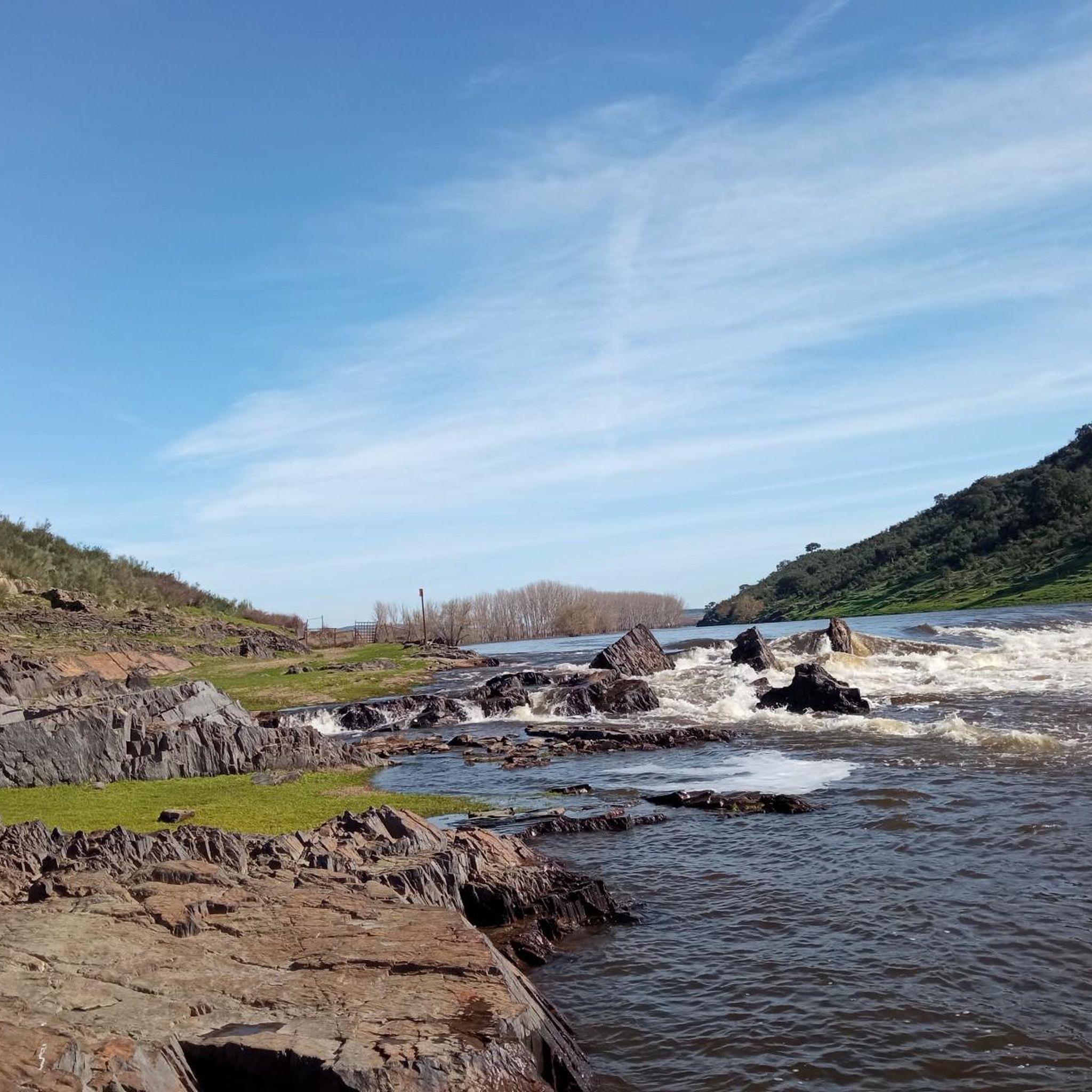
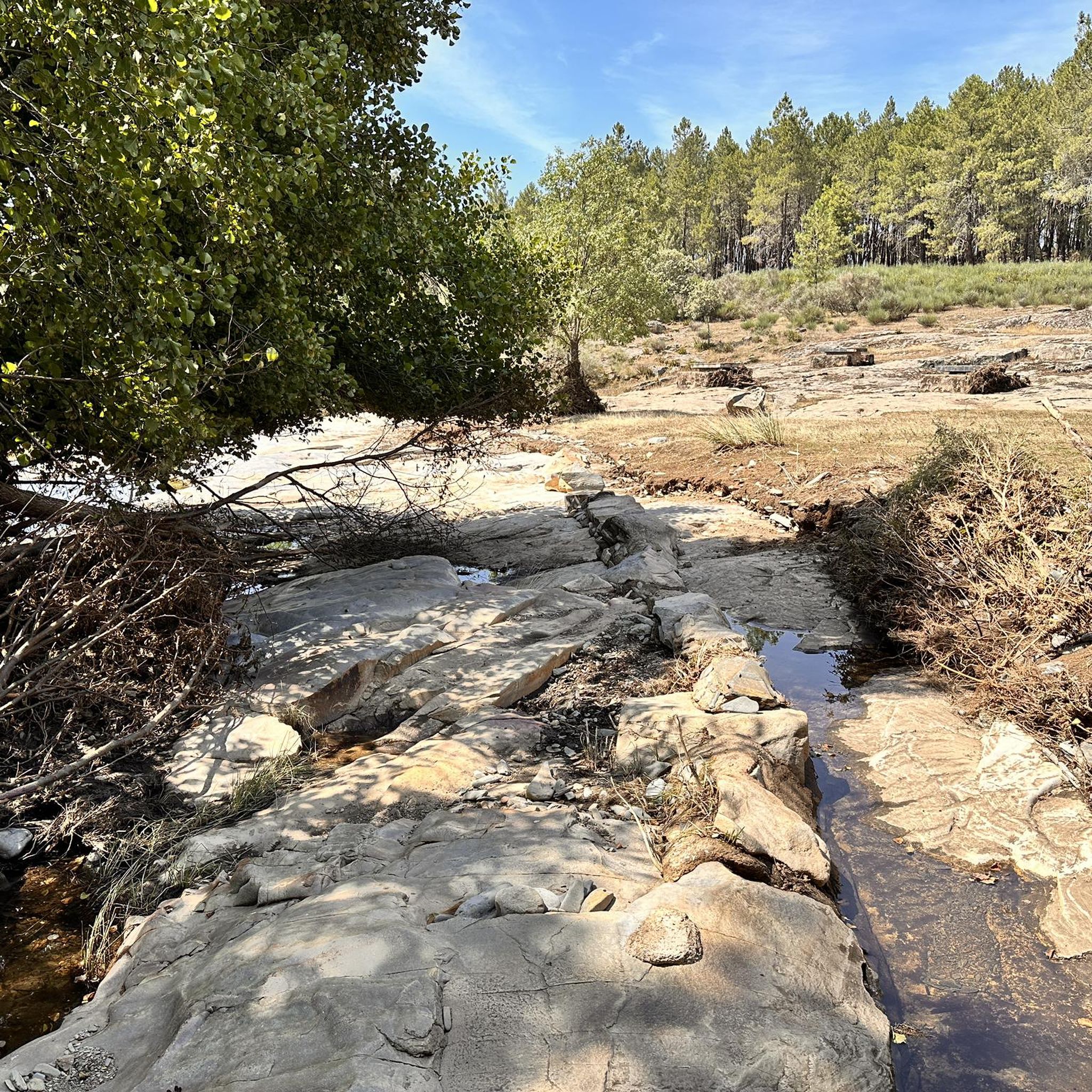
Jogging around Calzadilla offers diverse terrain, from riverine landscapes to historical paths. The region features natural groves, especially around the Tera River and Agabanzal Reservoir in Calzadilla de Tera. Runners can also find routes along the ancient Roman Aquitanian Way, characterized by mostly flat, clay-like grounds with small stones. Green spaces and reservoir perimeters, such as the Borbollón Reservoir, provide additional opportunities for scenic running routes.
Best jogging routes around Calzadilla
- The most popular jogging route is Coria Castle and…
Last updated: July 11, 2026
5.0
(1)
19
runners
Moderate run. Good fitness required. Mostly accessible paths. Some sure footedness required.
15
runners
8.65km
00:56
60m
60m
Moderate run. Good fitness required. Mostly paved surfaces. Suitable for all skill levels.

Sign up for free
11
runners
11.5km
01:11
30m
30m
Moderate run. Good fitness required. Mostly paved surfaces. Suitable for all skill levels.
7
runners
7.49km
00:53
40m
40m
Moderate run. Good fitness required. Mostly accessible paths. Some sure footedness required.
5
runners
5.88km
00:37
50m
50m
Moderate run. Good fitness required. Mostly paved surfaces. Suitable for all skill levels.
Get access to more routes and recommendations from other explorers.
Sign up for free
Already have an account?
Our route recommendations are based on thousands of hikes, rides, and runs completed by other people on komoot.
Start today with a free account
Your next adventure awaits.
Login or Signup


Tips from the Community

Coria Castle is an imposing medieval fortress located in the upper part of Coria's historic center, very close to the Cathedral, and is one of the city's most prominent landmarks. It is integrated into the walled enclosure, forming part of the defensive complex of Roman origin. Main construction: between 1473 and 1478, commissioned by García Álvarez de Toledo, Marquis of Coria and Duke of Alba.
4
0
The Iron Bridge in Coria is a beautiful civil work of metal architecture and nineteenth-century modernist design. It was built by the Asturian engineers D. Salvador and D. Próspero Ardura. The bridge stands over the Alagón River, connecting both banks in the City of Coria. Its total length is 178.30 meters, and its deck has a width of 7.78 meters, with a two-way road flanked by two sidewalks.
9
0
The Medieval Bridge of Coria is a historical structure that is located next to the main façade of the Monastery of San Juan Bautista or Corias. Its construction had the objective of connecting the monastery with the town of Corias. Although its foundations are believed to be of Roman origin, the bridge was rebuilt in 1571, as indicated by an inscription preserved on one of the stones of its parapet.
8
0
Founded before the Romans occupied the Iberian Peninsula, Coria was known as Cauria or Caurus. The Romans gave it its current Latin name, CAVRIUM. Later, he was granted Roman citizenship. In the Visigothic era, the Diocese of Coria was created, which maintained Coria as an episcopal see until the 20th century. After the Reconquista, Coria became the capital of a manor to which towns that still bear the name of Coria belonged, such as Guijo de Coria or Casillas de Coria.
8
0
Moraleja is a Spanish municipality, located in the province of Cáceres, autonomous community of Extremadura. It includes the town of the same name and an extensive municipal area in which there are several small hamlets and colonization towns such as Cañadas and Rozacorderos.
8
0

Moraleja is a small town in the Sierra de Gata region on the Gata river. Here there are natural pools, shady walks and beautiful areas to explore.
1
0
Coria is a small city with a population of 12,500 inhabitants. It was established before Roman times and has many historical sites such as the castle, the Episcopal Palace, the Stone Bridge and the Cathedral.
1
0

Moraleja is a town in the Sierra de Gata region in the Árrago river basin. The natural pool of the river and the shaded park to rest at the end of the walk.
2
1
Frequently Asked Questions
How many running routes are available in Calzadilla?
There are over 10 dedicated running routes around Calzadilla, offering a variety of distances and difficulties to explore the region. You can find options ranging from easy jogs to more challenging trails.
Are there easy jogging routes suitable for beginners in Calzadilla?
Yes, Calzadilla offers at least one easy jogging route perfect for beginners or those looking for a relaxed run. While most routes are moderate, the region's generally flat terrain, especially along historical paths like the Camino de Santiago, provides accessible options.
What kind of terrain can I expect on the running trails around Calzadilla?
The terrain around Calzadilla is quite varied. In areas like Calzadilla de la Cueza, you might encounter historical paths with 'clay-like grounds and full of small stones' from the Roman Aquitanian Way. Other areas, such as Calzadilla de Tera, offer beautiful landscapes of groves and riverine paths along the Tera River and Agabanzal Reservoir, providing a mix of natural surfaces.
Are there any circular running routes in Calzadilla?
Yes, many of the running routes in Calzadilla are designed as loops, allowing you to start and finish in the same location. For example, the Coria Castle and Cathedral – Medieval Bridge of Coria loop from Coria is a great option, offering a scenic circular run.
Can I bring my dog on the running trails in Calzadilla?
While specific regulations can vary, many natural paths and rural trails in Spain, including those around Calzadilla, are generally dog-friendly. It's always recommended to keep your dog on a leash, especially near livestock or in populated areas, and to carry waste bags. The open landscapes and historical routes often provide ample space for you and your canine companion.
What interesting sights or landmarks can I see while jogging in Calzadilla?
Many routes offer glimpses of local history and natural beauty. You can run past the impressive Iron Bridge of Coria or the historic Medieval Bridge of Coria. The Coria Castle and Cathedral – Puente de Hierro de Coria loop from Coria is a good example of a route that combines historical sights with your run. The Borbollón Dam is also a notable feature in the wider region.
Where can I park when accessing the jogging routes in Calzadilla?
Parking availability will depend on your starting point. For routes originating in towns like Coria or Moraleja, you can typically find street parking or designated public parking areas. For more rural trails, look for small pull-offs or areas near trailheads, keeping local regulations in mind. The Camino de Santiago often has accessible parking near its main stops.
Is public transport available to reach the running trails in Calzadilla?
Public transport options to specific trailheads might be limited, especially for more remote routes. However, larger towns like Coria or Moraleja, which serve as starting points for several running trails, are generally accessible by regional bus services. It's advisable to check local bus schedules if you plan to rely on public transport.
What is the best time of year to go jogging in Calzadilla?
Spring and autumn are generally the most pleasant seasons for jogging in Calzadilla, offering mild temperatures and beautiful scenery. Summers can be hot, especially in the middle of the day, so early morning or late evening runs are recommended. Winters are typically mild, making year-round running possible, though some paths might be muddier after rain.
What do other runners enjoy the most about jogging in Calzadilla?
The running routes in Calzadilla are highly rated by the komoot community, with an average score of 5.0 stars. Runners often praise the region for its peaceful rural landscapes, the historical significance of paths like the Camino de Santiago, and the opportunity to combine exercise with exploring charming villages and natural features like rivers and reservoirs.
Are there any longer distance running trails for advanced runners?
While many routes are moderate, you can combine or extend existing trails to create longer runs. For instance, the Moraleja loop from Moraleja offers a good distance of over 11 km. The historical Camino de Santiago paths also provide opportunities for extended runs through varied rural landscapes.
Are there any routes that pass by water features like reservoirs or rivers?
Yes, the region offers beautiful routes alongside water. Calzadilla de Tera, for example, is enriched by the presence of the Tera River and the Agabanzal Reservoir, providing scenic paths. In the wider Cáceres province, the Borbollón Reservoir is a significant feature, and routes in that area may offer picturesque views of the water.
Most popular attractions around Calzadilla

Get inspired with the komoot mobile app


Explore more
Browse the best Running Trails & Routes in other regions.
