Attractions and Places To See around Nogueira De Ramuín - Top 20
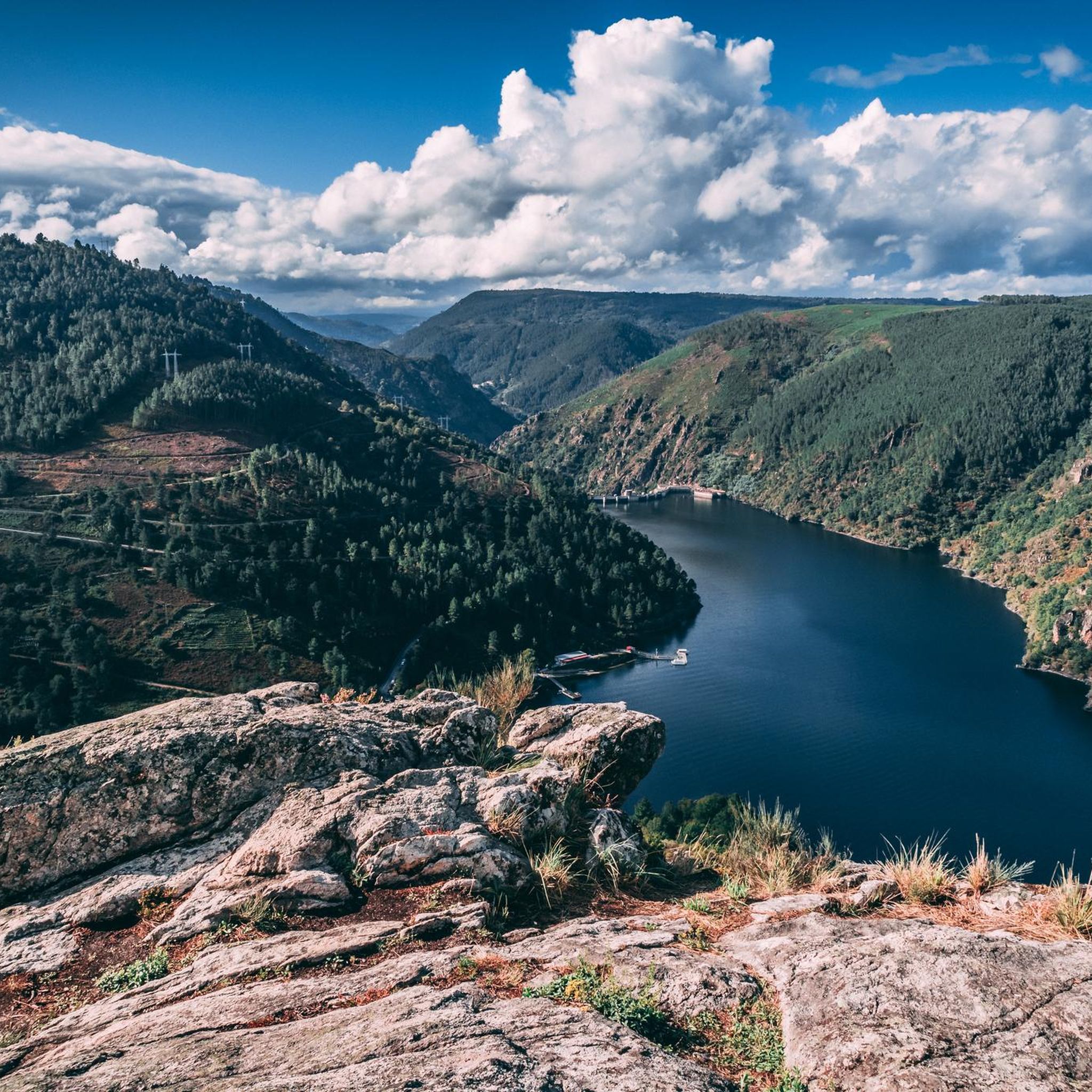
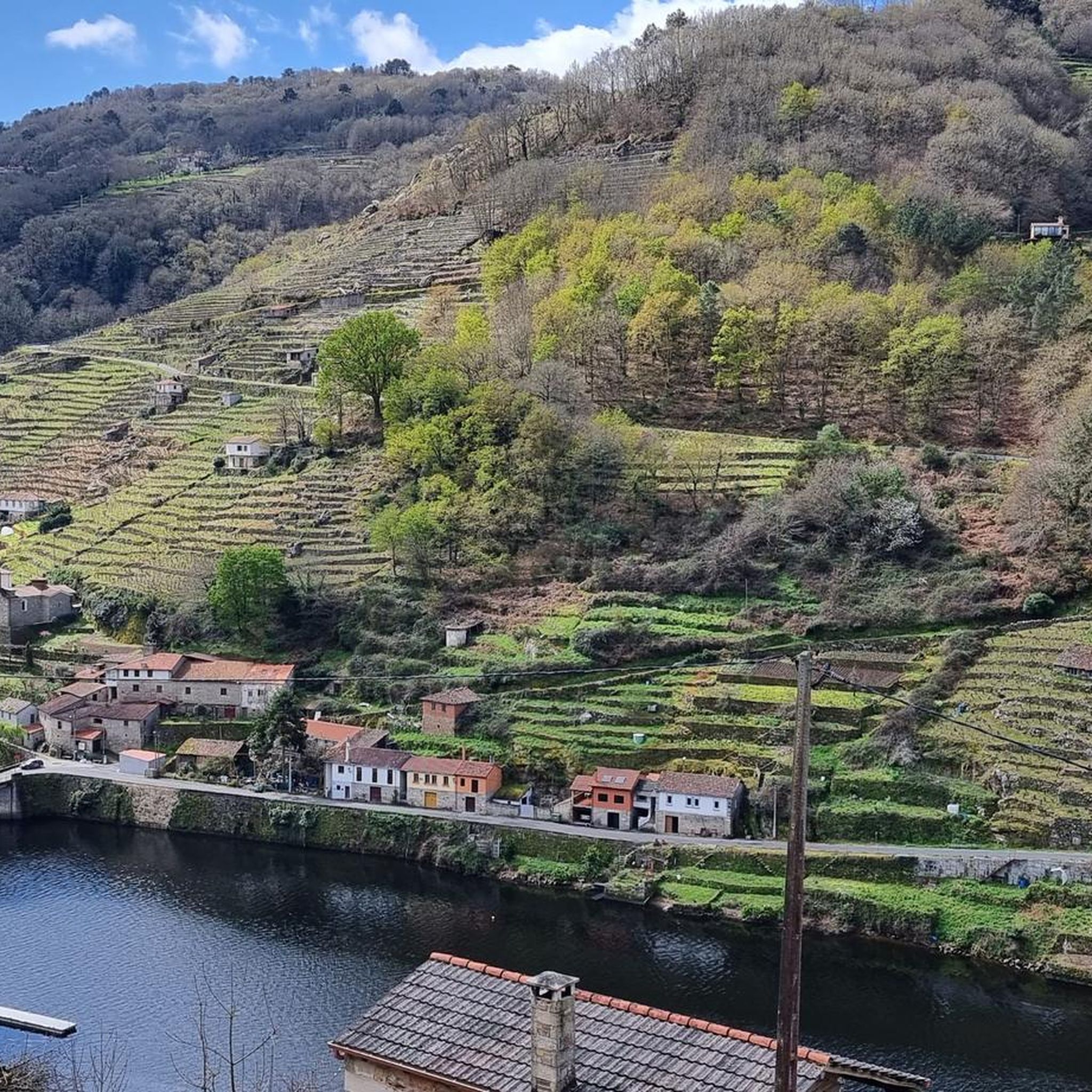
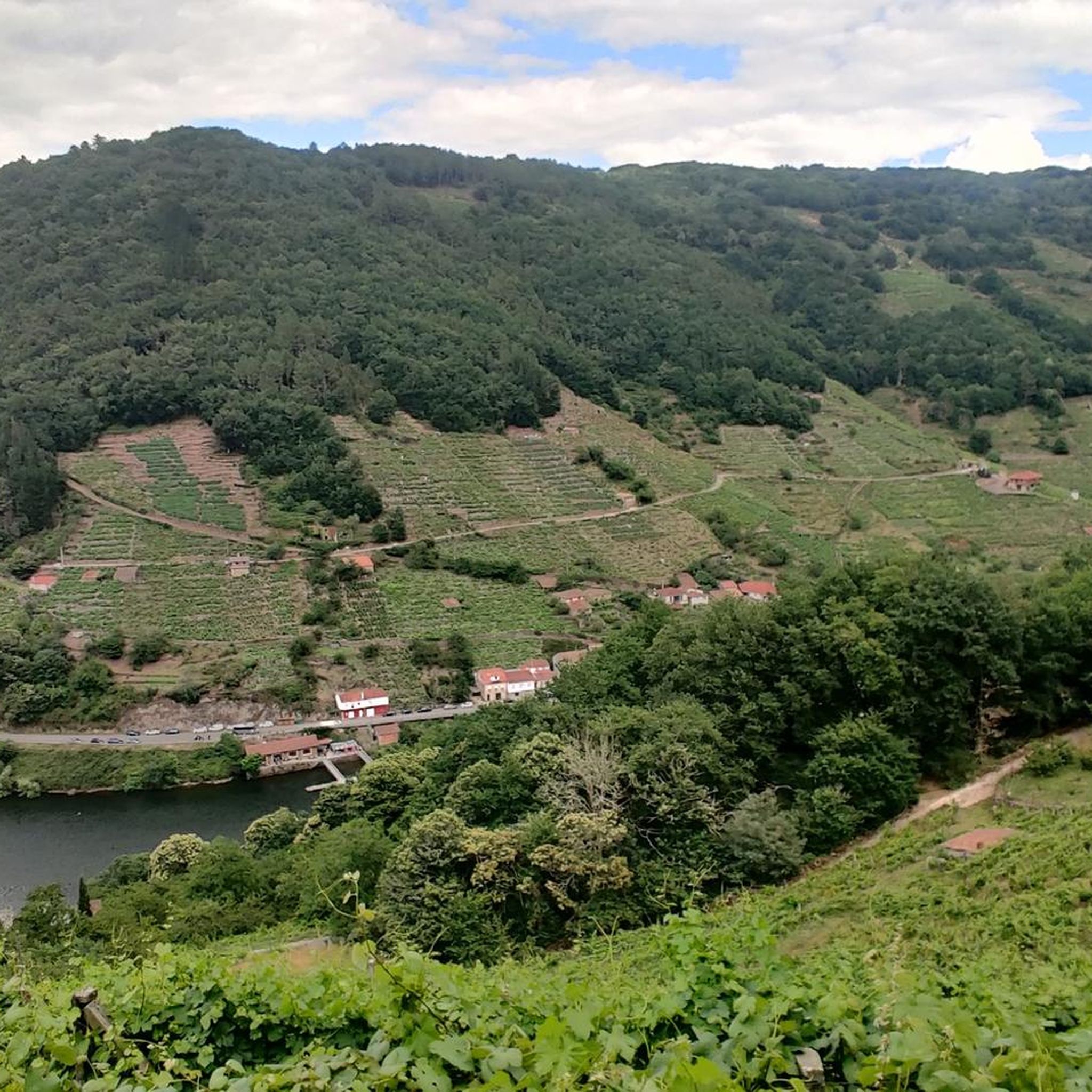
Best attractions and places to see around Nogueira De Ramuín are situated within the Ribeira Sacra, a region known for its confluence of the Sil and Miño rivers. This area features a landscape of valleys and canyons, alongside a rich historical and cultural heritage. Nogueira De Ramuín offers a variety of historical sites, ancient monasteries, and numerous viewpoints overlooking the river canyons. The region's character is shaped by its traditional vineyards and significant architectural landmarks.
Best attractions and places to see around Nogueira De Ramuín
- The most popular attractions is Ponte Vella (Roman Bridge of Ourense), a bridge that dates back to the 1st century AD and spans the Miño river. Only a few original Roman stones remain, with the current structure largely rebuilt in the 13th and 17th centuries.
- Another must-see spot is Main Square of Ourense, a settlement and the central point of monumental Ourense. Visitors can expect a unique sloping floor, a rarity among Spanish main squares, surrounded by historic buildings including the Town Hall.
- Visitors also love Monastery of Santa Cristina, a Benedictine religious building with origins in the 10th century. It is a significant example of rural Galician Romanesque architecture, preserving 12th-century elements and later additions.
- Nogueira De Ramuín is known for its historical monasteries, ancient churches, and numerous viewpoints. The area offers a variety of attractions to see and explore, from Romanesque architecture to natural river canyons.
- The attractions around Nogueira De Ramuín are appreciated by the komoot community, with more than 100 upvotes and 50 photos shared.
Last updated: July 15, 2026
Ponte Vella (Roman Bridge of Ourense)
Highlight • Bridge
According to tradition, it dates from the time of Trajan, however its construction characteristics bring it closer to the time of Augustus. Of that first bridge, only a few padded ashlars from the bases remain, as mute witnesses of the past.
Translated by Google •
Tip by

Main Square of Ourense
Highlight • Settlement
Translated by Google •
Tip by
Sign up now to discover places like this
Get recommendations on the best single tracks, peaks, & plenty of other exciting outdoor places.
Sign up for free
Monastery of Santa Cristina
Highlight • Religious Site
Translated by Google •
Tip by
Cathedral of San Martín de Ourense
Highlight • Religious Site
Translated by Google •
Tip by
As Burgas Hot Springs
Highlight • Natural Monument
Translated by Google •
Tip by
Sign up for free to discover even more attractions around Nogueira De Ramuín.
Sign up for free
Already have an account?
Start today with a free account
Your next adventure awaits.
Login or Signup
Tips from the Community

Ourense's Plaza Mayor is one of the most emblematic spaces in the historic center: It's a porticoed square with a slight incline, making it unique in Galicia. The slope is used to create a very photogenic perspective. Since the Middle Ages, it has been the city's administrative and social center. Markets, public events, and neighborhood meetings were held here. Notable buildings: City Hall: a 19th-century neoclassical building with an elegant façade and balconies. Palaces and noble houses: several properties with heraldic shields and typical Galician galleries.
2
0
They are located in the historic center of Ourense, on Rúa das Burgas / Praza das Burgas, next to the Barbaña River. They are perfectly integrated into the urban environment, near the Cathedral and the Roman Bridge. Explored since Roman times, these waters were the origin of the city (Aquis Auriensis), and the remains include a 1st-century AD pool-sanctuary and votive stones dedicated to an indigenous deity. The water flows at approximately 64–68°C, with a flow rate of about 300 liters per minute. Rich in minerals such as metasilicates, fluoride, lithium, bicarbonate, and sodium, they are recommended for pruritic skin conditions and rheumatism. Recent studies support their beneficial effect on acne after washing with thermal water.
2
0
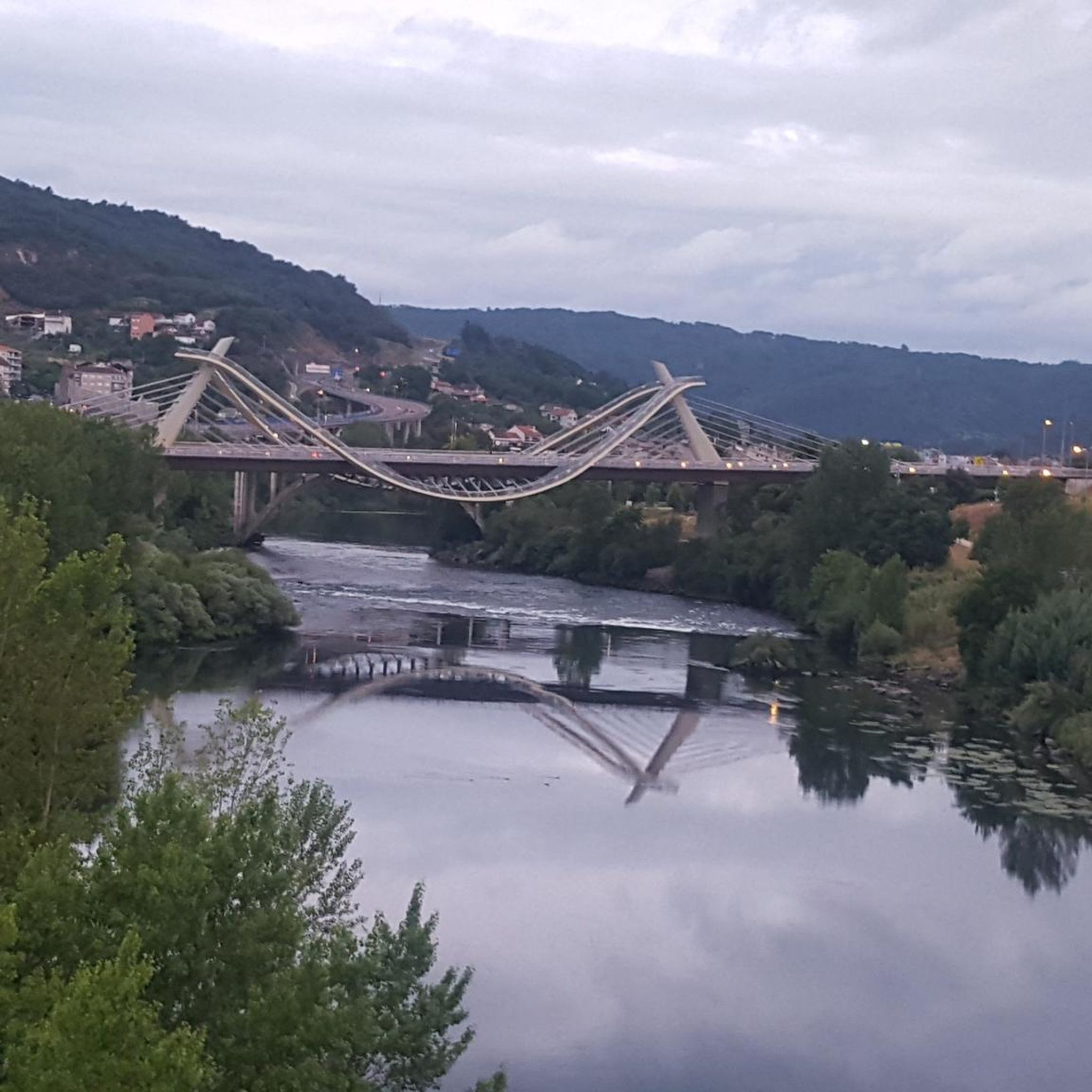
It spans the Miño River, linking the historic center of Ourense with the A Ponte neighborhood. It was built in the 1st century AD as a branch of the Via Nova (Via XVIII), connecting Bracara Augusta (Braga) with Asturica Augusta (Astorga). Only traces of the original Roman phase remain, such as rusticated stonework at the ends near the banks. It suffered damage during the Middle Ages; in 1228, under Bishop Lorenzo and with the support of Ferdinand III, it was rebuilt with pointed arches and renovated approaches. Until the 17th century, the bridge repeatedly collapsed. The final work was directed by Melchor de Velasco Agüero around 1660, establishing its current appearance.
1
0

It is a magnificent example of rural Galician Romanesque architecture. The original building is from the 12th century, and preserves carvings from the 16th century and baroque altarpieces from the 18th century. The entrance to the cloister has a Romanesque doorway with lobed arches and a magnificent sculptural pantheon. The economic power of the monks of the Sil reached a notable splendour in the 12th century, when they received royal privileges and papal protection to expand the monasteries and sanctuaries on both banks of the Sil, a territory with a strong historical and cultural personality, called Rivoyra Sacrata at that time and known since then as Ribeira Sacra.
1
0

Romanesque cathedral 🤙
0
1
Beautiful old cathedral 🤙
1
0
The Romans knew how to use the springs even earlier 🤙
1
0
Frequently Asked Questions
What natural features can I explore around Nogueira De Ramuín?
Nogueira De Ramuín is nestled within the stunning Ribeira Sacra, where the Sil and Miño rivers converge, creating dramatic canyons. You can enjoy breathtaking views from numerous miradores (viewpoints) like Mirador de Vilouxe, Mirador de O Castro, and Mirador de Alba. The region is also famous for its steep vineyards, traditional mills, and the Embalse de Santo Estevo (Santo Estevo Reservoir).
What historical and cultural sites are a must-see in the area?
The region boasts a rich historical heritage. Don't miss the 10th-century Monastery of Santa Cristina, a significant example of rural Galician Romanesque architecture. Other notable sites include the Monasterio de Santo Estevo de Ribas de Sil, which now operates as a Parador hotel, and various historic churches like Santa Eurfemia and San Martiño de Nogueira. The Ponte Vella (Roman Bridge of Ourense) and the Cathedral of San Martín de Ourense are also prominent historical landmarks.
Are there family-friendly attractions around Nogueira De Ramuín?
Yes, several attractions are suitable for families. The Ponte Vella (Roman Bridge of Ourense) and the Main Square of Ourense are great for a leisurely stroll and offer historical insights. Exploring the various viewpoints (miradores) also provides engaging experiences for all ages, with stunning natural scenery.
What do visitors enjoy most about the attractions in Nogueira De Ramuín?
Visitors particularly appreciate the unique blend of historical architecture and dramatic natural landscapes. The Main Square of Ourense is loved for its distinctive sloping floor and surrounding historic buildings, perfect for dining. The Ponte Vella is admired for its ancient Roman origins and scenic views over the Miño river. The region's monasteries, like Santa Cristina, are highly valued for their historical significance and architectural beauty.
Where can I find the best panoramic views of the Sil and Miño Canyons?
The region is renowned for its numerous miradores (viewpoints) offering spectacular vistas. Highly recommended are Mirador de Vilouxe, a natural balcony 700 meters high over the Sil canyons, and Mirador de Alba, which provides impressive panoramic views of the Sil river canyon and surrounding vineyards. Mirador de O Castro offers excellent views of the Monasterio de San Estevo de Ribas de Sil.
Are there hiking trails near these attractions?
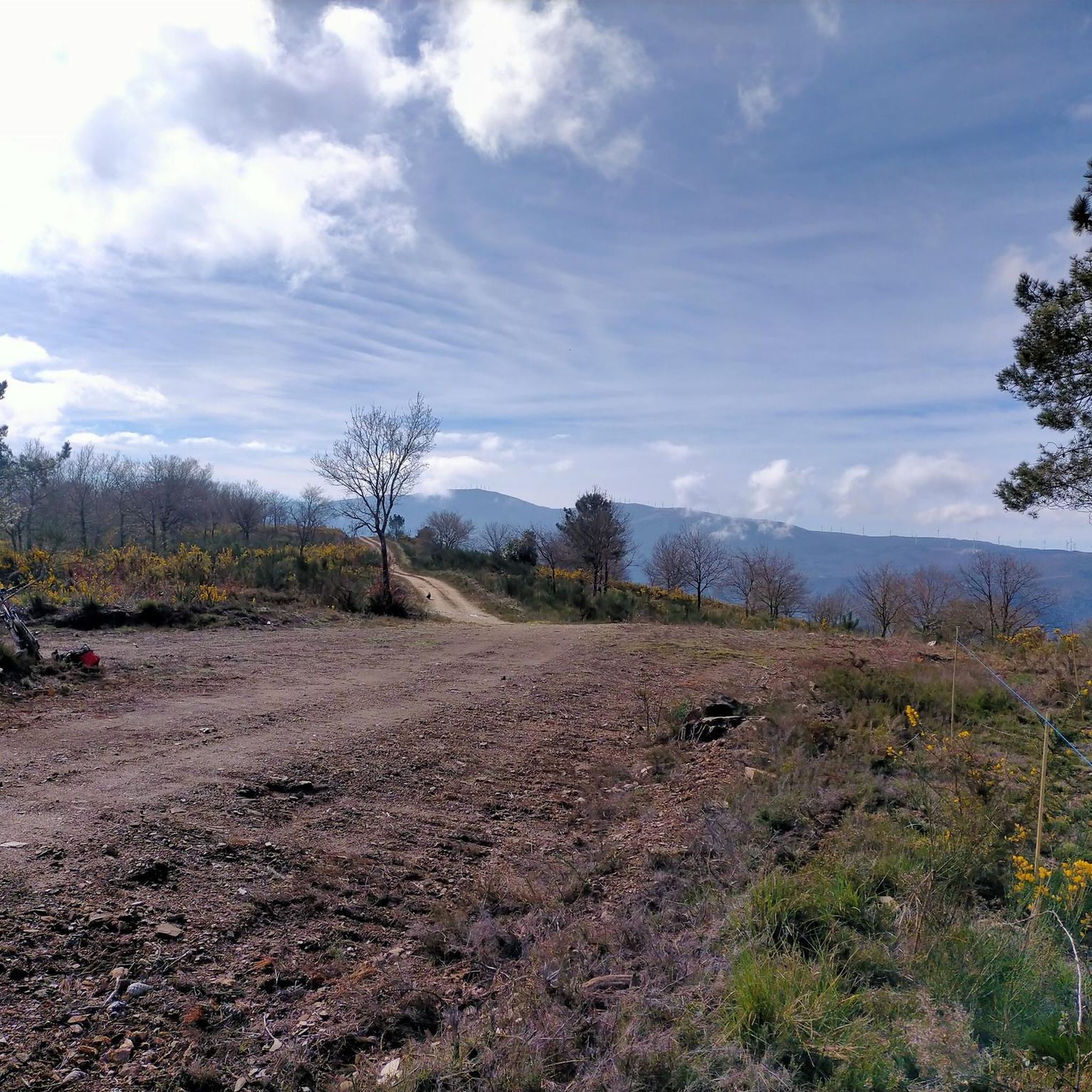
Absolutely! The area offers numerous excellent routes for walkers. You can find a variety of trails amidst forests of chestnut trees and ancient paths. For more detailed information on routes, including difficulty and distance, explore the Running Trails around Nogueira De Ramuín guide, which also covers walking paths.
Can I go mountain biking in the Nogueira De Ramuín area?
Yes, Nogueira De Ramuín and its surroundings offer challenging and scenic mountain biking opportunities. You can find routes like the 'Mirador das Escadas – Pena do Pobre Viewpoint loop from Nogueira de Ramuín' or the 'San Pedro de Rocas Trail loop'. For a comprehensive list of trails, check out the MTB Trails around Nogueira De Ramuín guide.
What cycling routes are available around Nogueira De Ramuín?
Cyclists can enjoy a variety of routes through the picturesque landscapes. Options range from moderate rides like the 'Luintra – tour around Monasterio San Pedro de Rocas – Ribeira Sacra Biosphere Reserve' to more difficult ones such as the 'Caserío de Fontes – Sil River Canyon loop'. Discover more routes in the Cycling around Nogueira De Ramuín guide.
Are there any Roman sites or thermal baths to visit?
Yes, Ourense, a short distance from Nogueira De Ramuín, is known for its Roman heritage. You can visit the Ponte Vella (Roman Bridge of Ourense), which dates back to the 1st century AD. Additionally, the As Burgas Roman Baths offer a chance to see ancient thermal springs, with waters flowing at temperatures between 60ºC and 67ºC, known for their therapeutic properties.
What is the Necrópolis Megalítica de As Cabanas de Moura?
For archaeology enthusiasts, the Necrópolis Megalítica de As Cabanas de Moura is an intriguing site. It provides insights into the funerary practices of the region's first farmers and shepherds, with stone chambers and mounds dating from 3,500 to 2,000 BCE.
Is there anything unique about Ourense's Main Square?
The Main Square of Ourense is indeed unique. It stands out for its distinctive sloping floor, a rarity among Spanish main squares. Surrounded by historic buildings, including the 19th-century Town Hall, it serves as the central point of monumental Ourense and is a great place to experience the city's atmosphere.
What is the Monumento al Afilador?
Located in Luintra square, the Monumento al Afilador is a statue that pays homage to the traditional grinder artisans. This monument celebrates an important historical profession in the area, reflecting the region's rich cultural heritage. The Monasterio de Santo Estevo also displays early tools and conveyances used by these artisans.
Most popular routes around Nogueira De Ramuín
Most popular attractions around Nogueira De Ramuín

Get inspired with the komoot mobile app


Explore more
Still not found the Highlight you’re looking for? See guides of the top attractions in other regions:
