Attractions and Places To See around Venturada - Top 20
Attractions and places to see around Venturada offer a blend of historical, cultural, and natural features in the Sierra Norte of Madrid. This municipality is characterized by its varied topography, including valleys formed by the Arroyo Santa Lucía and Arroyo Albalá, and forests of holm oaks. The area provides opportunities to explore historical landmarks and natural landscapes. It serves as a gateway to the Sierra Norte, connecting to the Sierra de Guadarrama and the Jarama River basin.
Best attractions and…
Last updated: July 6, 2026
Hervidero Waterfall
Highlight • Waterfall
Be careful when going down the narrow stairs that …
Translated by Google •
Tip by

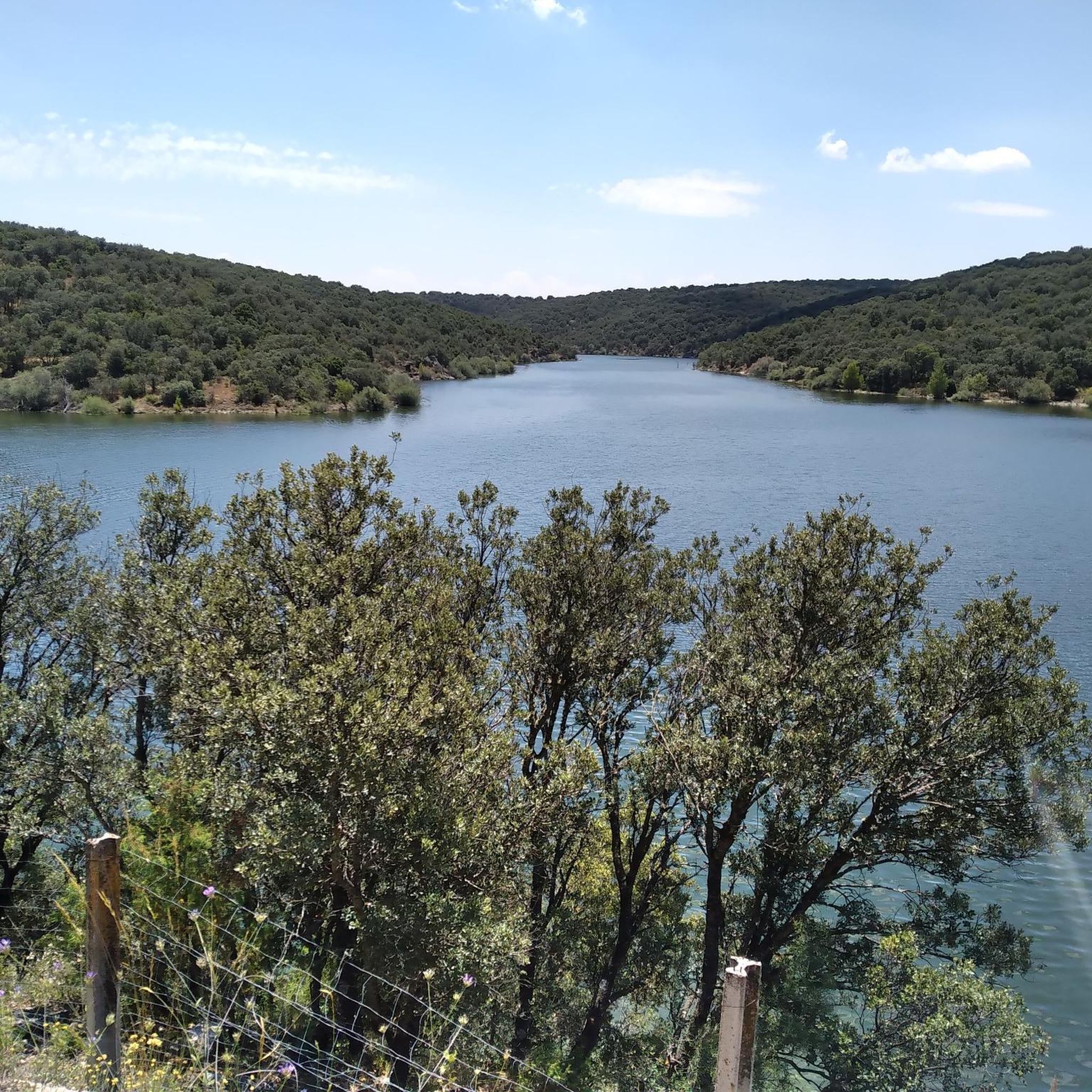
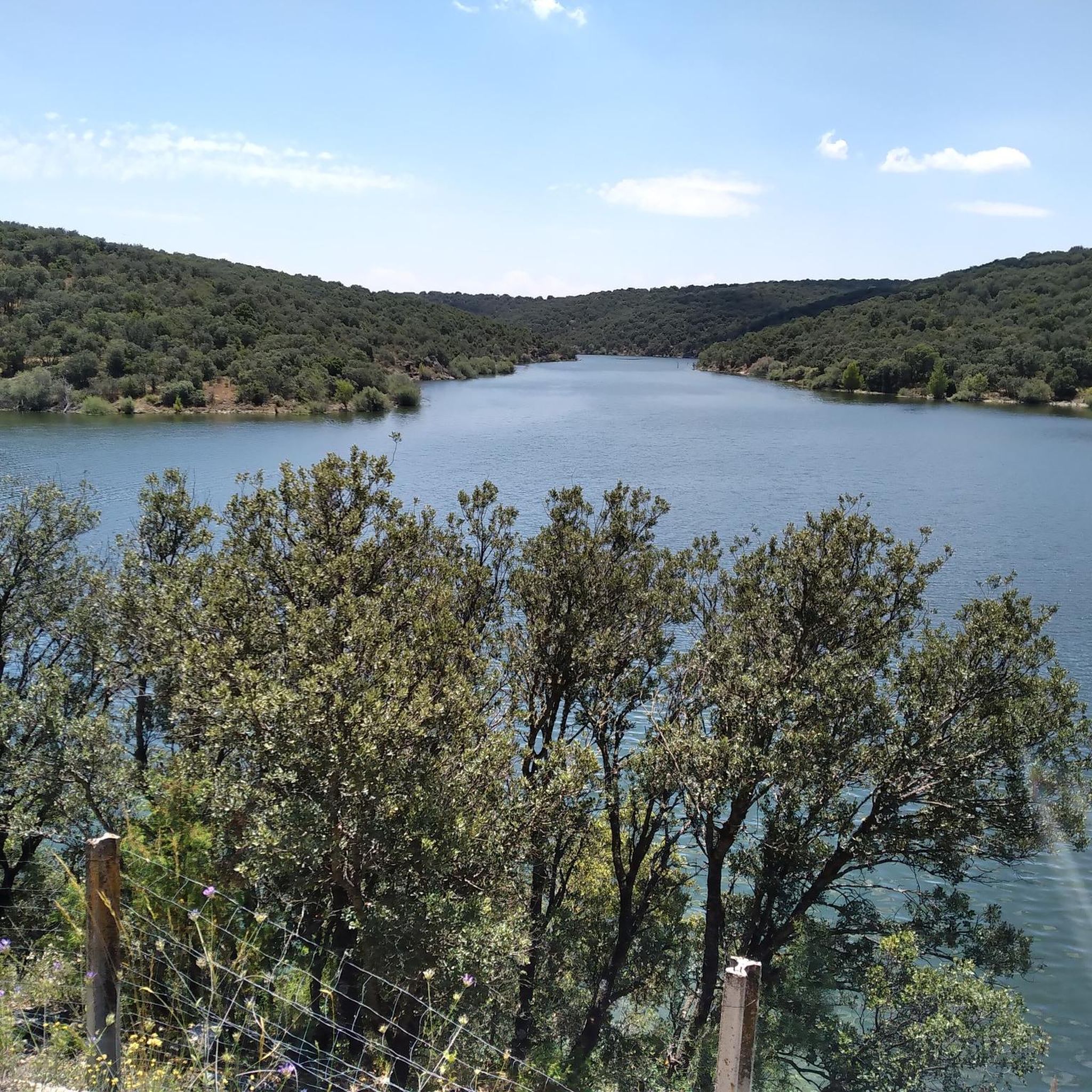
Pedrezuela Reservoir
Highlight • Lake
Translated by Google •
Tip by

Sign up now to discover places like this
Get recommendations on the best single tracks, peaks, & plenty of other exciting outdoor places.
Sign up for free
El Mesto Weir
Highlight • Monument
Translated by Google •
Tip by

Town Gate of Talamanca de Jarama
Highlight • Historical Site
Translated by Google •
Tip by

Atalaya de El Molar
Highlight • Monument
Translated by Google •
Tip by

Sign up for free to discover even more attractions around Venturada.
Sign up for free
Already have an account?
Start today with a free account
Your next adventure awaits.
Login or Signup

Other adventures around Venturada

Tips from the Community

The Hervidero Waterfall is a double waterfall on the Guadalix River, nestled in a rocky canyon and surrounded by riverside vegetation. It can be reached via a flat and easy 7 km (round trip) route starting from San Agustín del Guadalix, ideal for family hikes.
4
0

The historic center of Talamanca de Jarama is one of the most interesting medieval ensembles in the Community of Madrid, boasting a rich heritage and a history dating back to the Iron Age. It is associated with the ancient Roman city of Armántica and later became a fortified medina founded by Emir Muhammad I in 852 to protect the Jarama River route. Muslim period: It reached its peak as a military and cultural center, with walls and a Koranic school. Reconquest: In 1085, it fell into Christian hands and became an important commercial center under the Archbishopric of Toledo. Later centuries: It preserves Roman, Visigothic, Arab, and Christian traces, giving it a unique character.
17
0

The Puerta de la Tostonera, also known as the Puerta de la Villa, is a historic gate located in Talamanca del Jarama, in the Community of Madrid. This gate preserves a relief of the Virgin and Child at its top, as well as another relief that appears to date back to the 14th century. The Puerta de la Tostonera is one of the many points of interest in Talamanca del Jarama, along with the Roman Bridge, the Church of San Juan Bautista, and the Bodega del Arrabal. The town is known for its rich history and its connection to Spanish cinema, having been the setting for numerous films and series.
21
0

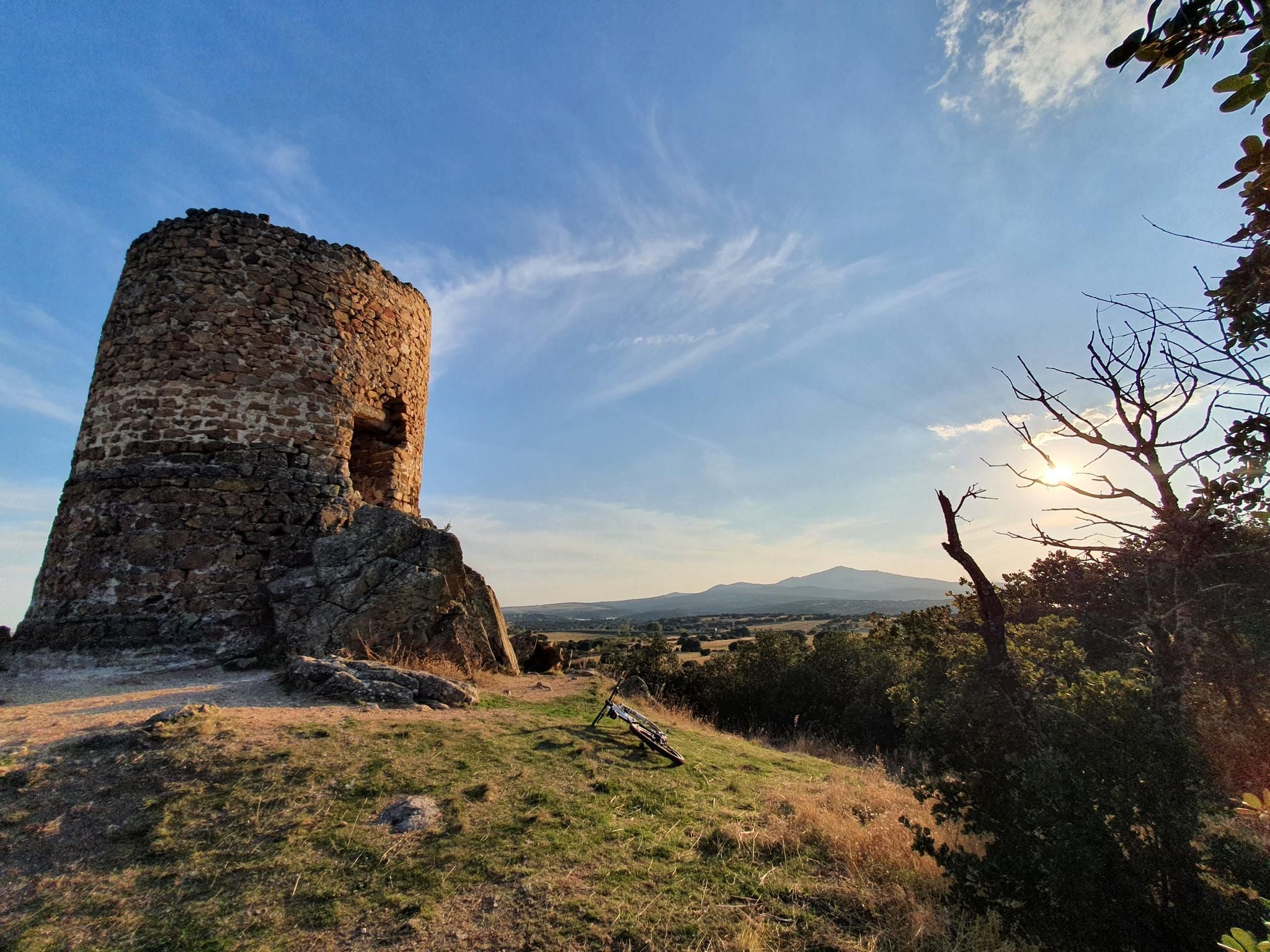
The Molar watchtower is one of the six old defensive watchtowers of the Mayrit mountain range. Visibly rebuilt, it has an extensive view of the surrounding valleys and allowed communication between different towers through fire signals or, failing that, smoke. These messages could travel 200 kilometers in 45 minutes, eliminating the Christian factor from the Christian troops. Thanks to its strategic positioning, today its foot serves as a viewpoint of the Sierra Norte and Cuerda Larga.
1
0

Of great beauty and easy to access (be careful, there are some winding stairs) they are one of these little-known corners of Madrid. In the bed of the Guadalix River and almost at the mouth of its spectacular canyon, the waterfall depends on the opening of the reservoir, upstream, which guarantees water flow practically all year round.
4
0

Also known as Puerta de la Villa, this arch made of masonry with brick executions is part of the remains of the urban wall of the municipality.
0
1

This gate of the Villa was not part of the original wall, but was opened later. In times of peace, when intramural confinement was no longer necessary, this step facilitated the town's commerce and its repopulation.
3
0
Frequently Asked Questions
What historical landmarks can I explore in and around Venturada?
Venturada and its surroundings offer a rich historical tapestry. You can visit the iconic 10th-century Atalaya de Venturada, a cylindrical watchtower offering panoramic views, or the Iglesia Parroquial de Santiago Apóstol, a church showcasing Romanesque and early Gothic architecture. Nearby, explore the Town Gate of Talamanca de Jarama, part of a medieval ensemble with Roman, Visigothic, Arab, and Christian traces. Another significant site is the Atalaya de El Molar, one of the ancient defensive watchtowers of the Mayrit mountain range, providing extensive views.
Are there any natural water features to visit near Venturada?
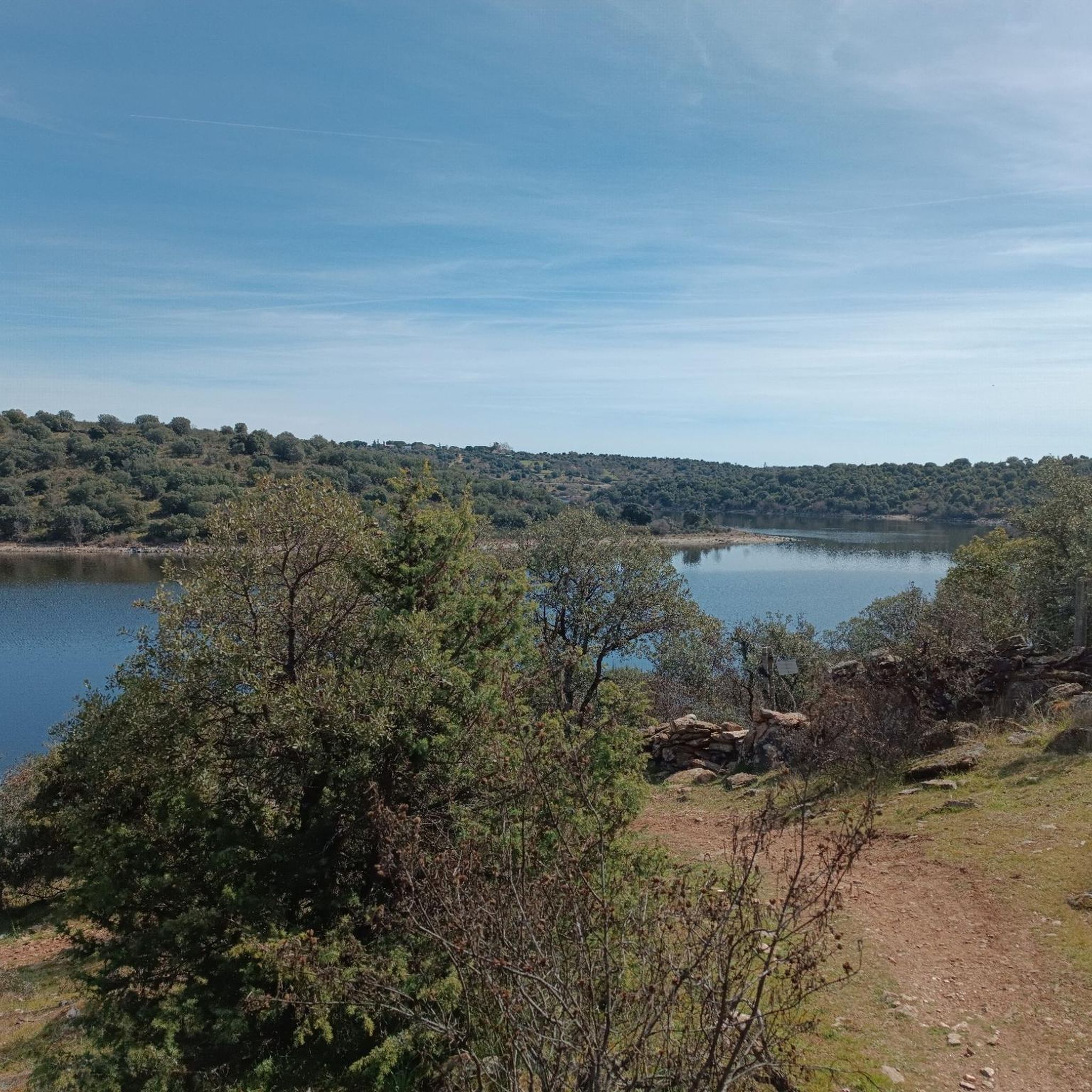
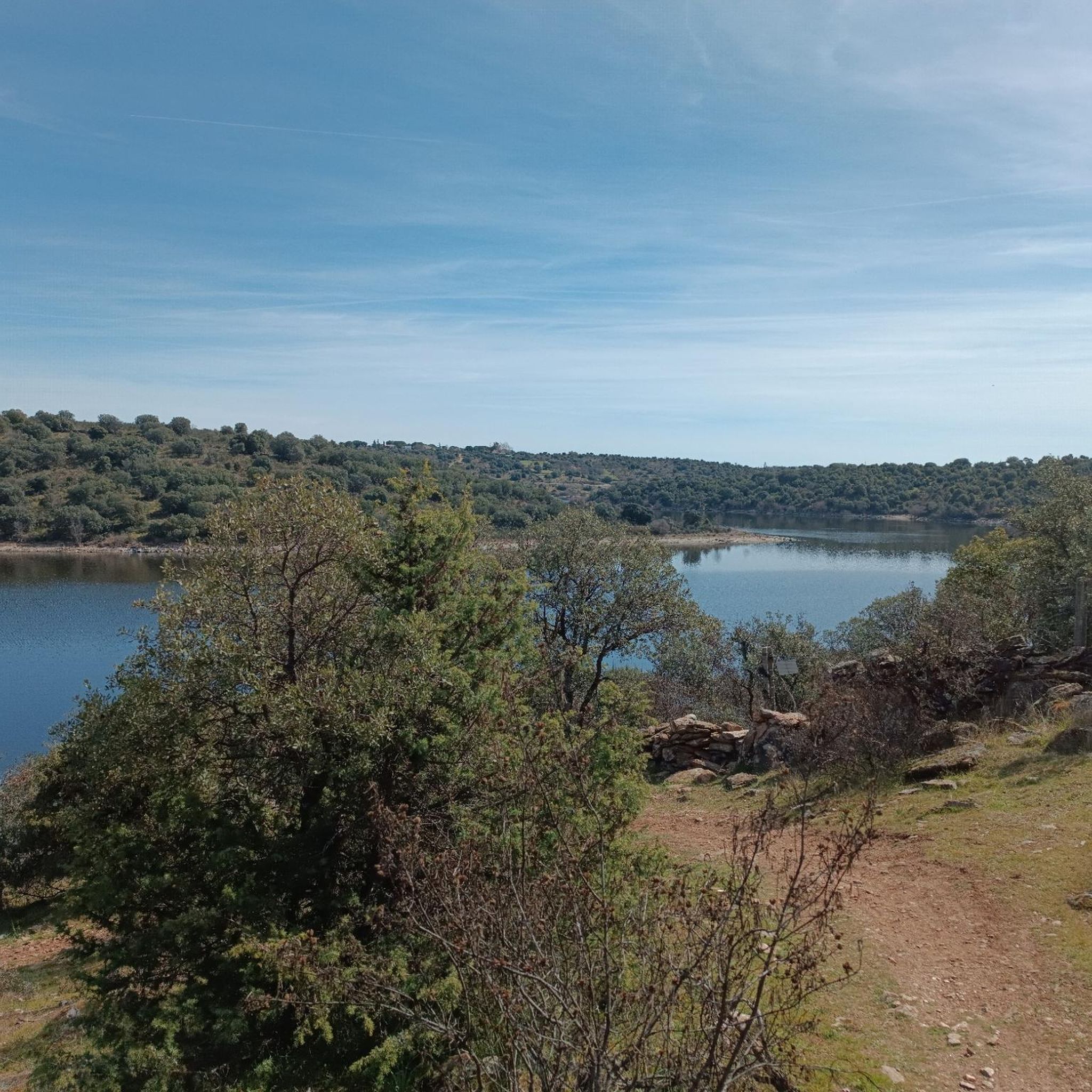
Yes, the area boasts several beautiful natural water features. The Hervidero Waterfall is a stunning cascade of crystalline water between siliceous rock in the Guadalix River bed, ideal for a refreshing stop. You can also visit the Pedrezuela Reservoir, a tranquil lake completed in 1967 to regulate the Guadalix River for Madrid's water supply, offering a peaceful setting for relaxation.
What kind of outdoor activities can I do near Venturada's attractions?
Venturada is an excellent base for outdoor enthusiasts. You can enjoy various cycling routes, including challenging road cycling tours around Guadalix de la Sierra or scenic touring bicycle loops that pass by the Pedrezuela Reservoir and the Atalaya de Venturada. For runners, there are moderate to difficult running trails, such as the Pedrezuela Reservoir loop. Find more details on these activities in the dedicated guides for Road Cycling Routes around Venturada, Cycling around Venturada, and Running Trails around Venturada.
Are there family-friendly attractions or activities in Venturada?
Absolutely. Many of the natural attractions are suitable for families. The Hervidero Waterfall is described as ideal for families, offering a beautiful spot to disconnect and enjoy a snack in the shade. The Pedrezuela Reservoir is also a quiet, family-friendly place to relax. Additionally, the Town Gate of Talamanca de Jarama offers an engaging historical experience for all ages.
What are some notable viewpoints in the Venturada area?
The region offers several spots with expansive views. The Atalaya de Venturada, due to its elevated position, provides panoramic vistas of the valley and surrounding area. The Atalaya de El Molar also serves as a fantastic viewpoint of the Sierra Norte and Cuerda Larga, thanks to its strategic historical positioning. Many hiking and BTT routes in the area also feature well-marked panoramic viewpoints among oak, pine, and holm oak trees.
What is the best time of year to visit Venturada for outdoor activities?
Venturada's climate is generally pleasant for outdoor activities, but spring (April-May) and autumn (September-October) are often considered ideal. During these seasons, temperatures are milder, and the natural landscapes are particularly vibrant, making hiking, cycling, and exploring historical sites more comfortable. Summer can be hot, while winters are cooler but still offer opportunities for outdoor pursuits.
What is the significance of the Atalaya de Venturada?
The Atalaya de Venturada is the most iconic symbol of the municipality. This cylindrical masonry watchtower, built in the 10th century during the Islamic period, was part of a defensive network. Standing approximately 9 meters tall on rocky outcrops, it provided strategic panoramic views of the valley and surrounding area. It was declared a Historic-Artistic Monument in 1983, highlighting its historical importance.
Are there any traditional or rural heritage sites in Venturada?
Yes, Venturada preserves its traditional rural heritage. The Potro de Herrar (Horseshoeing Stock) is a well-preserved metallic apparatus formerly used to restrain animals during horseshoeing or branding, reflecting the municipality's past in livestock farming. Furthermore, Venturada's old urban layout has been declared a historical-artistic site due to its unique heritage and traditional architecture.
What do visitors enjoy most about the attractions around Venturada?
Visitors frequently appreciate the blend of historical and natural beauty. The tranquility of places like the Pedrezuela Reservoir and the stunning natural setting of the Hervidero Waterfall are often highlighted. The historical sites, such as the ancient watchtowers and traditional architecture, also draw significant interest. The komoot community has shown its appreciation with over 300 upvotes and more than 230 photos shared across the attractions.
Can I find hiking trails that connect different attractions in the area?
Yes, the region is well-suited for connecting attractions via trails. A pedestrian path connects Cotos de Monterrey, Venturada, and Redueña, offering scenic stops and environmental information points. Additionally, the Camino Mendocino, an historic route, passes through natural landscapes and historical sites, serving as a pilgrim path connecting to the French Way of Saint James. Many well-marked trails among oak, pine, and holm oak trees also allow for exploration between various points of interest.
What is the El Mesto Weir and its historical context?
The El Mesto Weir is an old reservoir in the Guadalix riverbed, inaugurated in 1905. It was part of an early 20th-century project to channel water from the Guadalix River to Madrid's primitive canal (Canal Bajo). Today, only ruins remain, making it an iconic historical landmark along the well-known Hervidero route, showcasing Madrid's early efforts in water supply management.
Most popular routes around Venturada
Most popular attractions around Venturada

Get inspired with the komoot mobile app


Explore more
Still not found the Highlight you’re looking for? See guides of the top attractions in other regions:
