Attractions and Places To See around Parada De Sil - Top 20
Best attractions and places to see around Parada De Sil include dramatic natural landscapes and significant cultural heritage within the Ribeira Sacra region. The area is defined by the deep Sil River Canyon, which features depths of up to 500 meters and numerous viewpoints offering panoramic vistas. Visitors can explore ancient monasteries, archaeological sites, and a network of hiking trails that showcase the region's unique geography. This area provides a blend of natural beauty and historical insight.
Best attractions and…
Last updated: August 25, 2026
Monastery of Santa Cristina
Highlight • Religious Site
Translated by Google •
Tip by

Monastery of Santo Estevo de Ribas de Sil
Highlight • Religious Site
Translated by Google •
Tip by

Sign up now to discover places like this
Get recommendations on the best single tracks, peaks, & plenty of other exciting outdoor places.
Sign up for free
Monastery of San Pedro de Rocas
Highlight • Religious Site
Translated by Google •
Tip by

Cividade Viewpoint
Highlight • Viewpoint
Translated by Google •
Tip by

Pedra Longa Viewpoint
Highlight • Viewpoint
Translated by Google •
Tip by
Sign up for free to discover even more attractions around Parada De Sil.
Sign up for free
Already have an account?
Start today with a free account
Your next adventure awaits.
Login or Signup


Tips from the Community

It is a magnificent example of rural Galician Romanesque architecture. The original building is from the 12th century, and preserves carvings from the 16th century and baroque altarpieces from the 18th century. The entrance to the cloister has a Romanesque doorway with lobed arches and a magnificent sculptural pantheon. The economic power of the monks of the Sil reached a notable splendour in the 12th century, when they received royal privileges and papal protection to expand the monasteries and sanctuaries on both banks of the Sil, a territory with a strong historical and cultural personality, called Rivoyra Sacrata at that time and known since then as Ribeira Sacra.
1
0

The Monastery of San Pedro de Rocas is one of the oldest and most unique monasteries in Galicia, located in the municipality of Esgos, in the province of Ourense. This monastery stands out for being partially excavated in the rock, which gives it a unique and mysterious character. The foundation of the monastery dates back to the 6th century, although most of the structures visible today date from the 9th and 10th centuries. The monastery church is composed of three naves excavated in the rock, with a series of anthropomorphic tombs also carved in the stone. Outside, you can see a bell tower that was added in the 15th century. San Pedro de Rocas is known not only for its architecture, but also for its natural environment, surrounded by forests and mountains, making it a place of great beauty and tranquility. The monastery has been declared a Historic-Artistic Monument and is an important tourist and pilgrimage destination.
6
2

The viewing platform was designed by the Ola Estudio architectural studio, a Galician team specialising in landscape interventions and sustainable architecture. The viewing platform is built primarily from wood and Corten steel, durable and resistant materials that allow the structure to blend harmoniously with the natural environment. The use of Corten steel, which develops a protective patina that imitates rust, contributes to the rustic aesthetic of the Galician landscape.
1
0
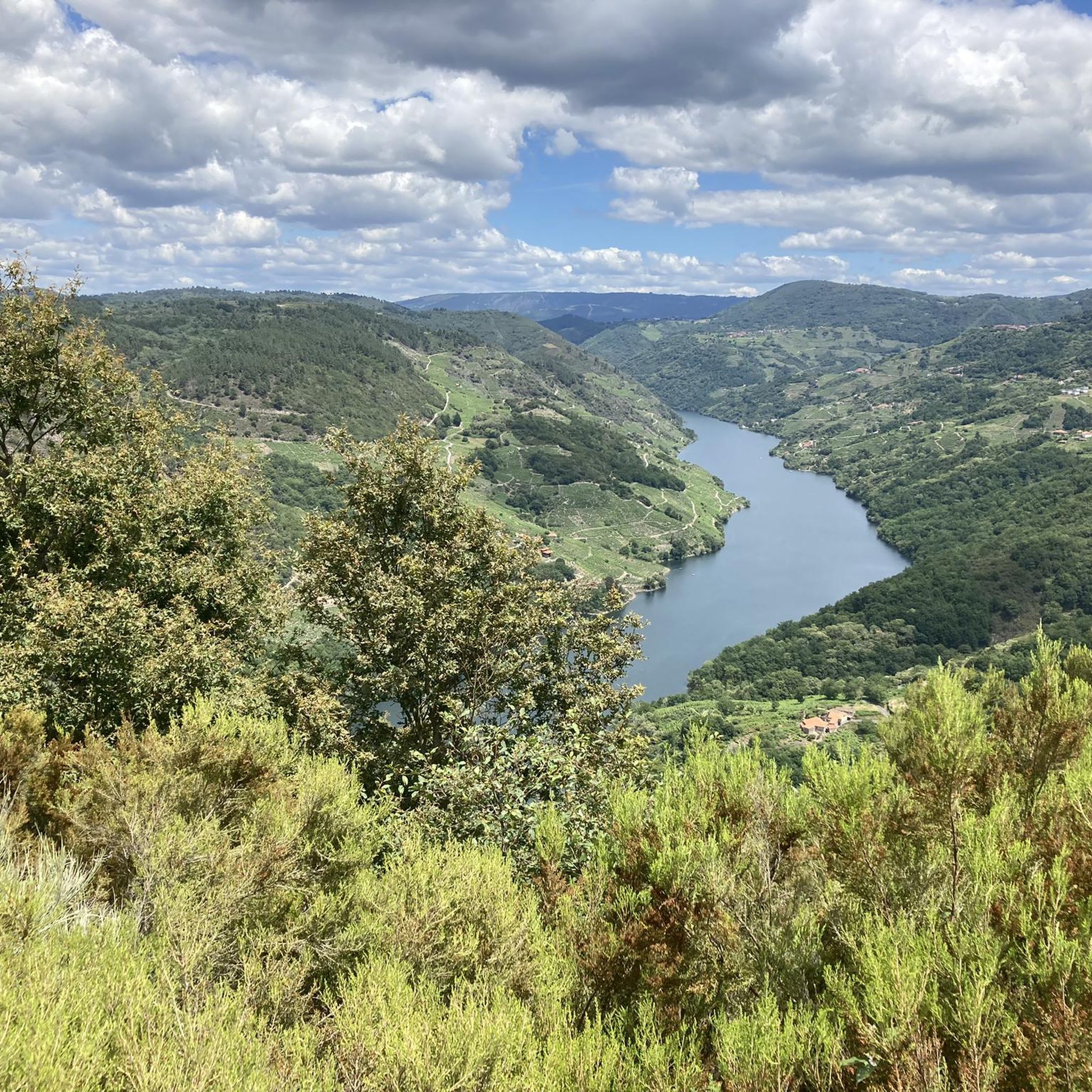
Designed to offer panoramic views of the Ribeira Sacra landscape, especially the Cabe River valley and the surrounding areas of the city. From this viewing point you can see the terraced vineyards, the hills and the lush forests that characterise the region.
1
0


The monastery of Santo Estevo de Ribas de Sil is one of the most outstanding and spectacular complexes of the rich monumental heritage of Galicia. It was built between the 12th and 18th centuries. This monastery was important, because nine bishops retired to it and renounced their episcopal sees and chose the monastery to end their days throughout the 10th century and perhaps part of the 11th. The monastery kept his remains and as a souvenir it carried the nine miters on its shield. The church has a basilica plan, spacious and proportioned. It preserves the Romanesque apse with three apses, the central one being lower than the lateral ones, an unusual case in Galician Romanesque. The façade of the church is from the end of the 16th century or beginning of the 17th century. At the top there is a simple oculus that gives light to the interior and ends in a niche inside which is the image of Saint Stephen.
1
0
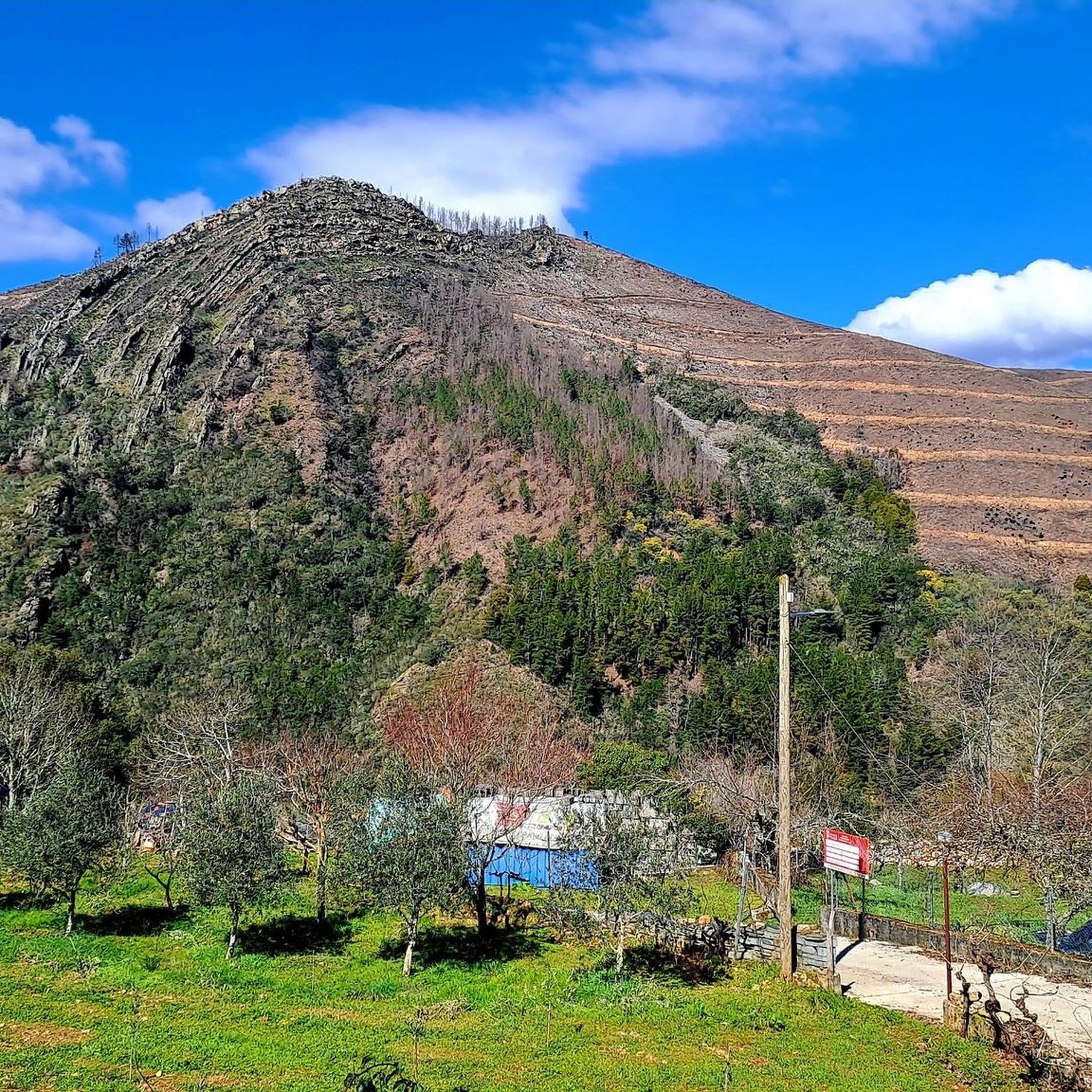
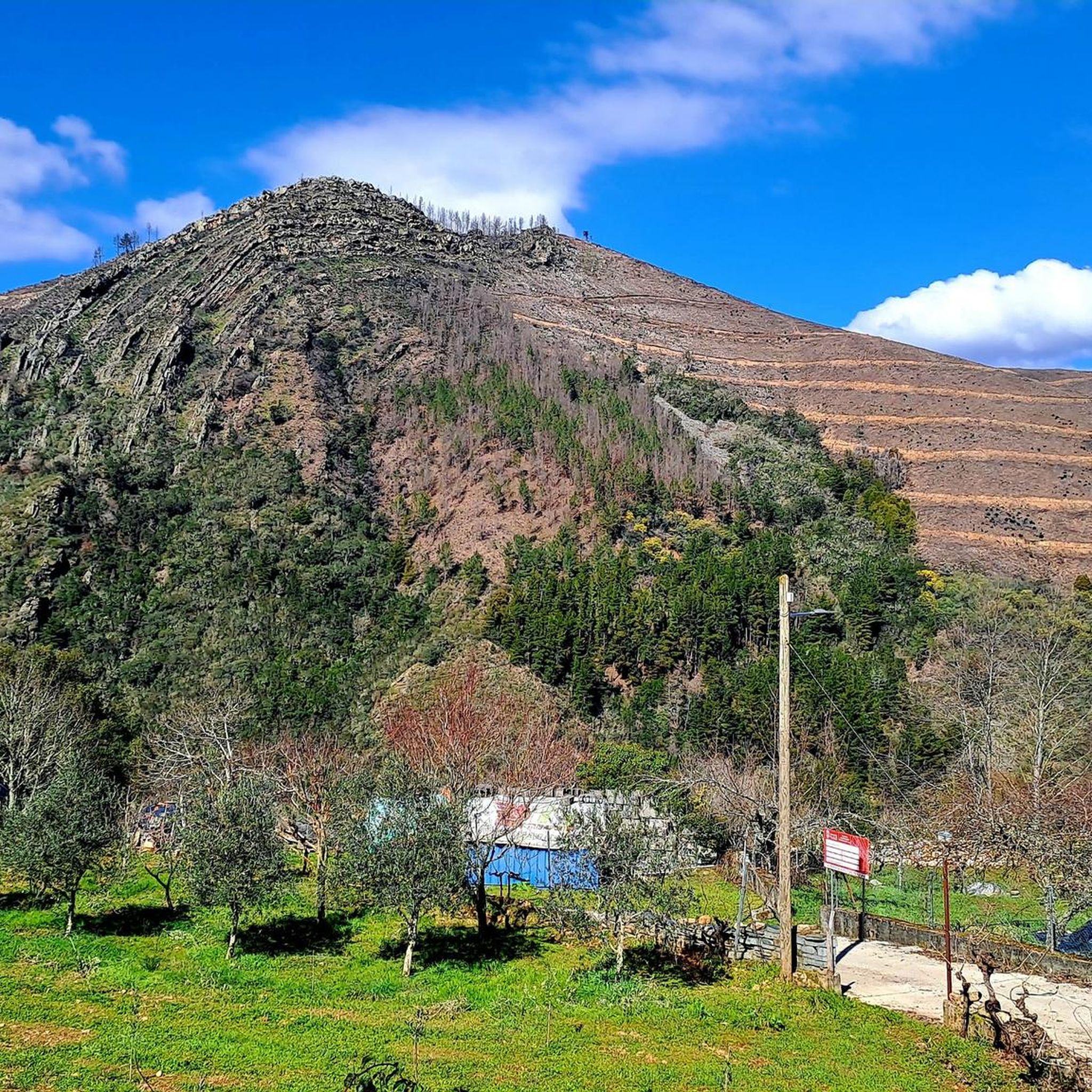
Mirador da Pedra Longa, a majestic rock formation in the shape of a vertical monolith whose height exceeds 7 meters and is made up of just one piece of stone. Rain and wind have been responsible for sculpting this wonderful work of art for millions of years. It is accompanied by the special background that the valley and the Sil canyon give it. From here you will see a good stretch of the Sil River, from Pombeiro (Pantón) to the mouth of the Cabe River, in A Barca. Also in the distance you will appreciate the high and vertical slopes of the canyon in Sober, in the parishes of Belmonte or Santiorxo.
2
0
Along the Sil River Canyon as it passes through the Ribeira Sacra there is a wide network of viewpoints on both banks. Beautiful views.
6
0
Frequently Asked Questions
What natural features define the landscape around Parada de Sil?
The region is primarily defined by the majestic Sil River Canyon, which carves deep gorges up to 500 meters deep. You'll find numerous viewpoints offering panoramic vistas of these canyons and the surrounding terraced vineyards. Other notable natural features include the Pedra Longa Viewpoint with its unique monolith, the Pasarelas do Río Mao (Mao River Walkways), and the ancient Castiñeiro de Entrambosríos, a chestnut tree over seven centuries old.
Where can I find the best panoramic views of the Sil Canyon?
Parada de Sil is renowned for its stunning viewpoints. Among the most popular are Balcones de Madrid (Os Torgás), Mirador de Cabezoás, Mirador de la Columna (Mirador do Picotiño), and Mirador de As Xariñas de Castro, which features wooden walkways extending into the canyon. The Cividade Viewpoint also offers spectacular views of the Ribeira Sacra landscape, including terraced vineyards and lush forests.
What historical and cultural sites can I visit in the area?
The area boasts a rich cultural heritage. Key sites include the Monastery of Santa Cristina, a Benedictine monastery with origins in the 10th century, and the Monastery of Santo Estevo de Ribas de Sil, an outstanding complex built between the 12th and 18th centuries. You can also explore the Necropolis of San Víctor de Barxacova, an archaeological site with anthropomorphic tombs, and the Casa Museo do Chocolate in Teimende, which preserves the history of local chocolate production.
Are there any ancient monasteries worth exploring near Parada de Sil?
Absolutely. The Monastery of Santa Cristina is a magnificent example of rural Galician Romanesque architecture, preserving 16th-century carvings and 18th-century baroque altarpieces. Another significant site is the Monastery of San Pedro de Rocas, one of Galicia's oldest and most unique monasteries, partially excavated into natural rock.
What outdoor activities are available around Parada de Sil?
The region is ideal for outdoor enthusiasts. You can enjoy extensive hiking and cycling routes, including approved trails like PRG-98 and PRG-177 that wind through the Cañón do Sil. The area is also part of the Centro BTT Ribeira Sacra, offering over 150 kilometers of cycling routes. For a unique perspective, consider a catamaran tour along the Sil River to experience the canyon from the water.
Are there hiking trails suitable for different skill levels?
Yes, Parada de Sil offers a variety of hiking trails. For an easy walk, you can explore the Río Mao Canyon Route or the Mao River Boardwalk loop from Ruta A fabrica da Luz. More challenging options include the PR-G 98 Sil Canyon - Santa Cristina Trail, which has both moderate and difficult sections, and the Mirador de los Balcones de Madrid – circular desde Parada de Sil – Ribeira Sacra.
Can I explore the Sil River by boat?
Yes, catamaran tours are a popular way to experience the dramatic beauty of the Sil Canyon. These excursions offer a unique perspective of the towering cliffs and terraced vineyards from the river itself.
Is Parada de Sil a good destination for families with children?
Parada de Sil offers several family-friendly options. The Pasarelas do Río Mao (Mao River Walkways) provide an accessible and scenic route for all ages. The Casa Museo do Chocolate in Teimende can also be an engaging and educational visit for children. Many of the viewpoints are easily accessible, offering stunning views without strenuous hiking.
What is the best time of year to visit Parada de Sil?
The best time to visit Parada de Sil is generally during spring (April to June) and autumn (September to October). During these seasons, the weather is pleasant for outdoor activities like hiking and cycling, and the landscapes are particularly beautiful with spring blooms or autumn colors. Summer can be warm, while winter offers a quieter, often misty, atmosphere.
What kind of local cuisine can I expect in Parada de Sil?
Parada de Sil boasts a varied gastronomic offer, focusing on traditional Ribeira Sacra dishes. You can expect local meats, fresh garden produce, and river fish such as trout and eels. The region is also famous for its 'heroic viticulture' on steep terraces, so sampling the local wines with Denominación de Origen status is a must.
What do komoot users particularly enjoy about the attractions in Parada de Sil?
Komoot users appreciate the spectacular views from the viewpoints, often describing them as a 'spectacle to behold.' They also highlight the historical significance and architectural beauty of the monasteries, such as Monastery of Santa Cristina, and the unique natural formations like the vertical monolith at Pedra Longa Viewpoint. The overall blend of natural beauty and rich history is highly valued.
Are there options for cycling enthusiasts in Parada de Sil?
Yes, cycling is a popular activity. The area is part of the Centro BTT Ribeira Sacra, offering over 150 kilometers of routes. You can find various cycling tours, including challenging loops like the View of the Mao Canyon – Mao Walkways loop from Parada de Sil or the O Boqueiriño Viewpoint – Amandi loop.
Where can I see ancient archaeological sites?
Beyond the monasteries, you can visit the Necropolis of San Víctor de Barxacova. This archaeological site features the ruins of an ancient medieval chapel and anthropomorphic tombs carved into stone, dating back to between the 9th and 10th centuries. It's located on a hill, offering panoramic views of the Mao River valley.
Most popular attractions around Parada De Sil

Get inspired with the komoot mobile app


Explore more
Still not found the Highlight you’re looking for? See guides of the top attractions in other regions:
