The best cycling routes around Valdunciel
3.9
(12)
179
riders
37
rides
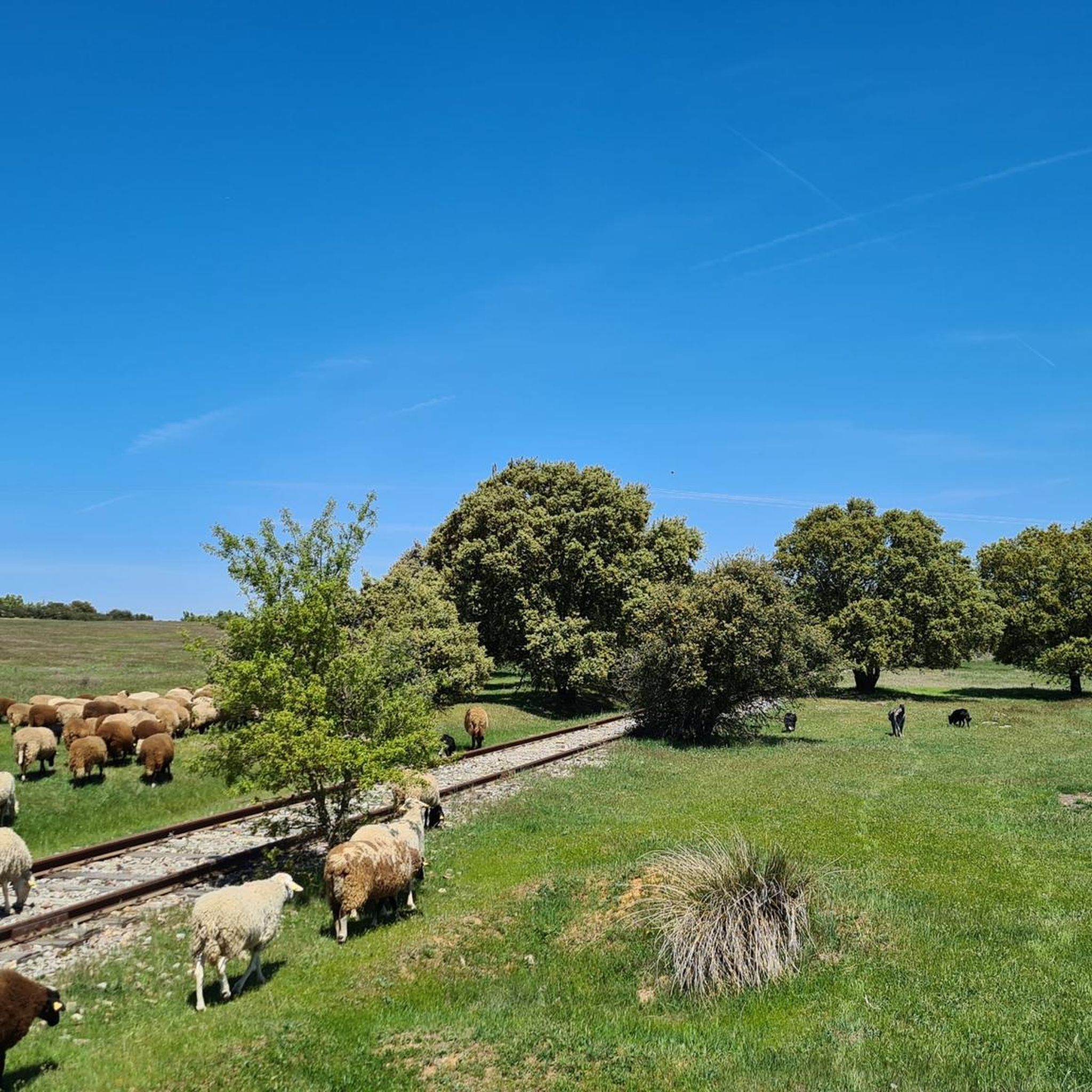
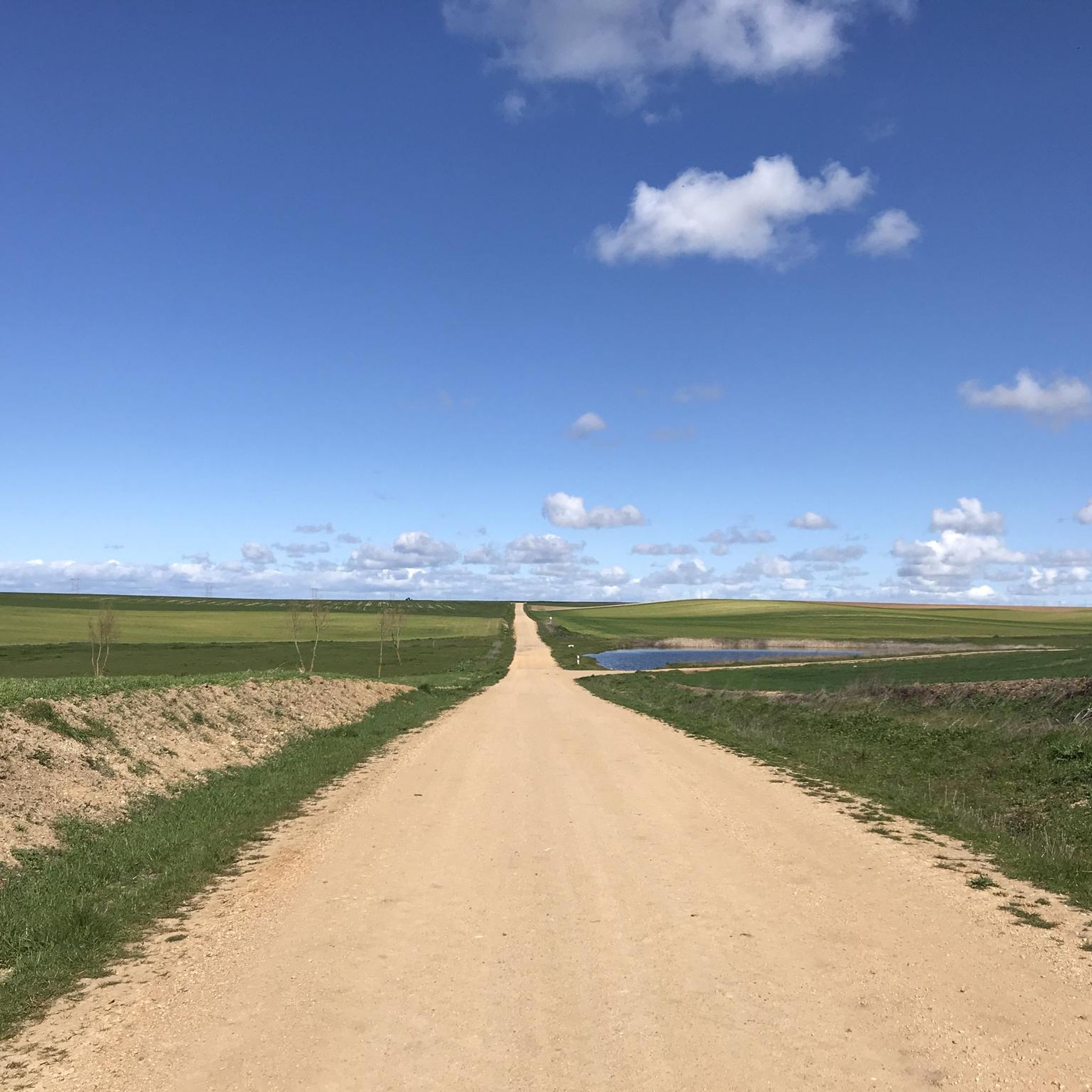
Touring cycling routes around Valdunciel traverse a landscape shaped by historical routes and agricultural plains. The region is situated along the ancient Vía de la Plata and the Mozarabic Jacobean way, offering routes through diverse terrain. Cyclists will encounter the expansive cereal fields of the La Armuña region, the winding Encina stream, and the elevated Septa ridge. This area provides a blend of cultural heritage and open, tranquil scenery suitable for touring cyclists.
Best touring cycling routes around Valdunciel
- The…
Last updated: July 11, 2026
3.0
(2)
22
riders
63.7km
05:25
400m
410m
Hard bike ride. Very good fitness required. Mostly paved surfaces. Suitable for all skill levels.
5.0
(2)
21
riders
21.0km
01:37
60m
60m
Easy bike ride. Great for any fitness level. Mostly paved surfaces. Suitable for all skill levels.

Sign up for free
3.0
(1)
12
riders
25.8km
01:58
160m
160m
Moderate bike ride. Good fitness required. Mostly paved surfaces. Suitable for all skill levels.
5.0
(2)
7
riders
13.2km
00:48
110m
110m
Easy bike ride. Great for any fitness level. Mostly paved surfaces. Suitable for all skill levels.
3.0
(1)
5
riders
27.9km
01:47
200m
200m
Moderate bike ride. Good fitness required. Mostly paved surfaces. Suitable for all skill levels.
Get access to more routes and recommendations from other explorers.
Sign up for free
Already have an account?
Our route recommendations are based on thousands of hikes, rides, and runs completed by other people on komoot.
Start today with a free account
Your next adventure awaits.
Login or Signup

Tips from the Community

Nothing to add to all the superlatives, magnificent!
11
0

The bell tower of Salamanca Cathedral is one of the most emblematic elements of its architecture. It forms part of the New Cathedral, although it is integrated into the complex that includes the Old Cathedral. Baroque style predominates, although the base is Renaissance, reflecting the transition between the two cathedrals. Height: Approximately 92 meters, making it one of the tallest points in the city.
14
0
The history of Salamanca's Roman bridge is intertwined with that of the city itself, and it has been one of its defining features for centuries. Located in a position that facilitated human settlement and the development of economic activity, its proximity to the three hills and the Tormes River made it a strategic location. It is a solid bridge, resistant to the passage of time. For centuries it served as the main access point to the city, until a new bridge was completed over the Tormes River in 1913, allowing the passage of vehicles.
10
0

The New Cathedral of Salamanca, dedicated to the Assumption of the Virgin, began construction in 1513, although construction lasted until 1733. Great architects such as Juan and Rodrigo Gil de Hontañón, Juan de Álava, and the Churriguera brothers, among others, worked there. The initial style was late Gothic, and despite the extensive work, this stylistic unity assigned by the Chapter has been maintained. On the exterior, we can see impressive facades with highly elaborate and unique decorative details, such as those on the three doors of the main façade, an interesting iconographic ensemble with reliefs of scenes from the Nativity and the Epiphany, and, above the large central ogee arch, a beautiful Calvary. The Palm Doorway depicts the sculptural group of the Entry of Jesus into Jerusalem. On this façade there are sculpted figures that do not correspond to the period, since we can see, to mention the most well-known, a monster eating ice cream or a curious astronaut (author's licenses in a 1992 restoration to justify the historical moment of its incorporation).
1
0

A must-see! Narrow steps up to the bell tower with an incredible view
2
0
The Tormes is a river, a tributary of the Duero on its left bank, which runs through the provinces of Ávila, Salamanca and Zamora, in the autonomous community of Castilla y León,
3
0
The New Cathedral is one of the two cathedrals in the city of Salamanca. The need to build this building arose when what is now known as the Old Cathedral became too small due to the rise of the city, due to university activity, at the beginning of the 16th century. For its construction, help was requested from the Catholic Monarchs. The works began in 1512, on a project by Gil de Ontañón, and ended in 1733, making this cathedral one of the last manifestations of Spanish Gothic. It was planned that the Old Cathedral would remain standing to allow worship until the construction work on the New was completed and at that time it would be demolished. When the work was completed, more than two centuries later, the idea was reconsidered and, luckily, both buildings were preserved.
11
0
The Roman Bridge of Salamanca, also known as Puente Mayor del Tormes, is an ancient bridge that crosses the Tormes River in the city of Salamanca, Spain. This bridge has a rich history and is a testament to Roman and medieval architecture.
22
0
Frequently Asked Questions
How many touring cycling routes are available around Valdunciel?
There are nearly 40 touring cycling routes around Valdunciel, offering a wide range of options for different preferences and skill levels. These routes traverse the historical Vía de la Plata and the agricultural plains of La Armuña.
What kind of terrain can I expect on touring cycling routes in Valdunciel?
The terrain around Valdunciel is generally characterized by the expansive cereal fields of the La Armuña region, offering mostly gentle gradients and open views. You'll also find routes along the winding Encina stream and paths that are part of the ancient Vía de la Plata, which can include varied landscapes from plains to valleys.
Are there any easy touring cycling routes suitable for beginners or families?
Yes, Valdunciel offers 16 easy touring cycling routes. A great option is the Gudino Bridge – Río Tormes Riverside Path loop from Villamayor, which is a 21 km trail leading along the Río Tormes and is often completed in about 1 hour 37 minutes.
What are some moderate touring cycling routes in the area?
For those seeking a moderate challenge, there are 21 routes available. Consider the Salamanca Cathedral – Roman Bridge of Salamanca loop from Villamayor, a 45.3 km path that connects historical landmarks, or the Gudino Bridge – Murals in Plaza del Oeste loop from Villares de la Reina, which is about 25.8 km.
Are there any challenging touring cycling routes for experienced cyclists?
Yes, there are 2 difficult touring cycling routes for experienced riders. One notable option is the Endless Plain – El Cubo del Vino loop from Villamayor. This challenging 63.7 km route navigates through open agricultural landscapes and typically takes over 5 hours to complete.
What historical landmarks or natural features can I see along the cycling routes?
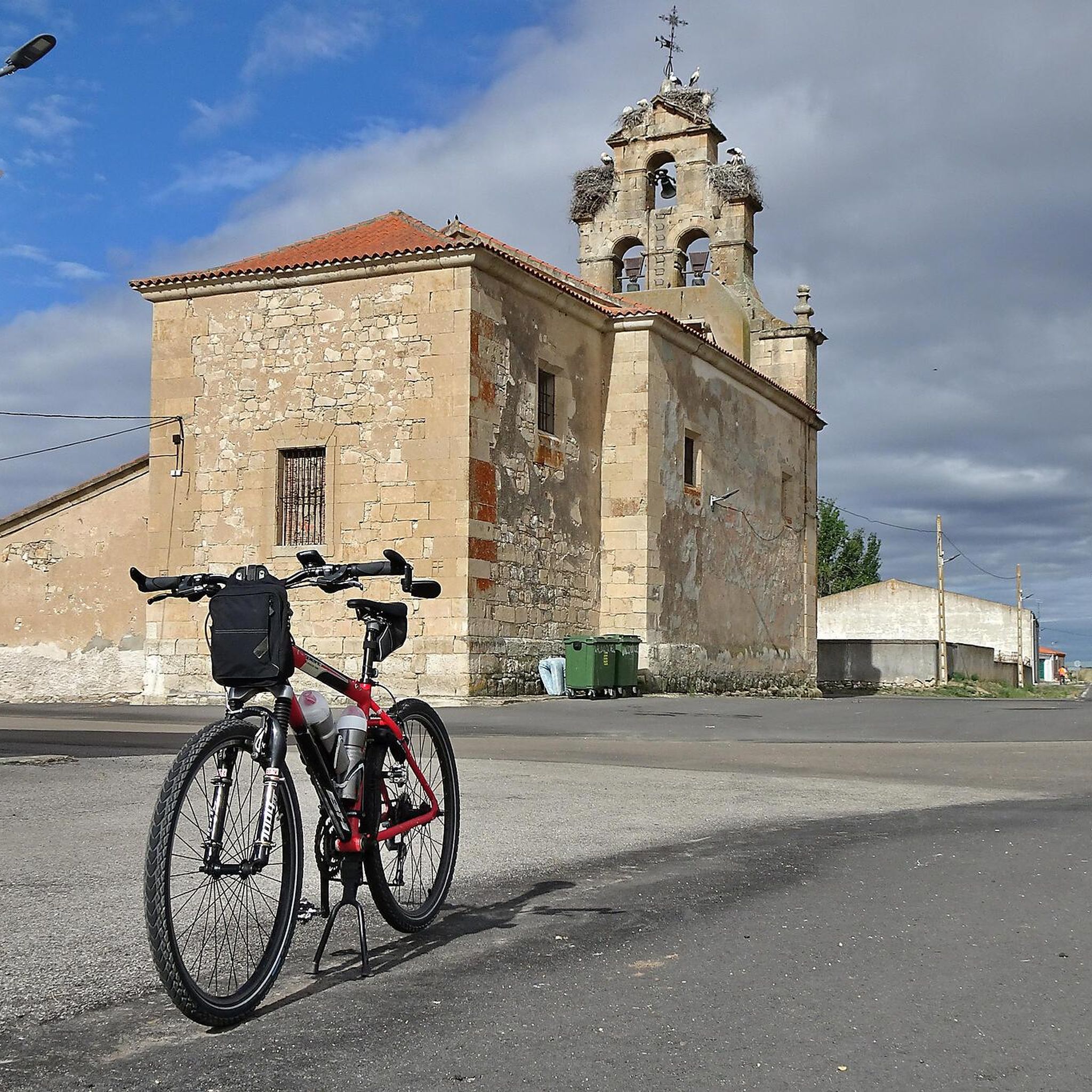
Valdunciel's routes are rich in history and natural beauty. You can encounter ancient Roman milestone markers along the Vía de la Plata. Specific highlights include the Church of Santa Elena of Calzada de Valdunciel, the historic Gudino Bridge, and the Vía de la Plata - Camino de Santiago itself. The region also boasts a wonderful variety of local flora and fauna, particularly along the Encina stream and Septa Ridge.
Are there any circular touring cycling routes available?
Many of the touring cycling routes around Valdunciel are designed as loops, allowing you to start and end at the same point. Examples include the Gudino Bridge – Río Tormes Riverside Path loop from Villamayor and the Salamanca Cathedral – Roman Bridge of Salamanca loop from Villares de la Reina.
What do other touring cyclists say about the routes in Valdunciel?
The touring cycling routes around Valdunciel are highly rated by the komoot community, with an average score of 4.1 stars from over 20 reviews. Cyclists often praise the tranquil agricultural landscapes, the historical significance of the Vía de la Plata, and the variety of routes suitable for different abilities.
Is Valdunciel well-connected for cyclists using public transport?
Valdunciel's location on the Vía de la Plata and its proximity to Salamanca mean it's part of a broader network. While specific public transport links for cyclists directly to Valdunciel aren't detailed, the wider Salamanca province has over 1500 km of signposted paths, suggesting good regional connectivity that may include public transport options to nearby towns.
Are there places to stop for refreshments or accommodation along the routes?
Given Valdunciel's historical role on the Vía de la Plata and Mozarabic Jacobean way, it caters to travelers. Establishments like the Calzada Hostal, built specifically for pilgrims, offer convenient resting points. You'll find amenities in Valdunciel itself and in nearby towns like Villamayor and Villares de la Reina, which are common starting points for many routes.
What is the best time of year to go touring cycling in Valdunciel?
While specific seasonal recommendations are not provided, the region's agricultural landscape and historical routes suggest that spring and autumn would be ideal. These seasons typically offer milder temperatures, making for more comfortable cycling conditions compared to the heat of summer or the cooler, potentially wetter, winter months.
Most popular routes around Valdunciel
Most popular attractions around Valdunciel

Get inspired with the komoot mobile app


Explore more
Browse the best Cycling routes in other regions.
