Attractions and Places To See around Liceras - Top 20
Best attractions and places to see around Liceras include historical sites and natural landscapes in its vicinity. This small locality is surrounded by significant landmarks such as Caracena Castle and the archaeological site of Tiermes. Natural features like the Barranco de los Pilones and the Source of the Aguisejo River also define the area's character. The region offers a blend of cultural heritage and outdoor exploration.
Best attractions and places to see around Liceras
- The most popular attractions is Caracena…
Last updated: May 9, 2026
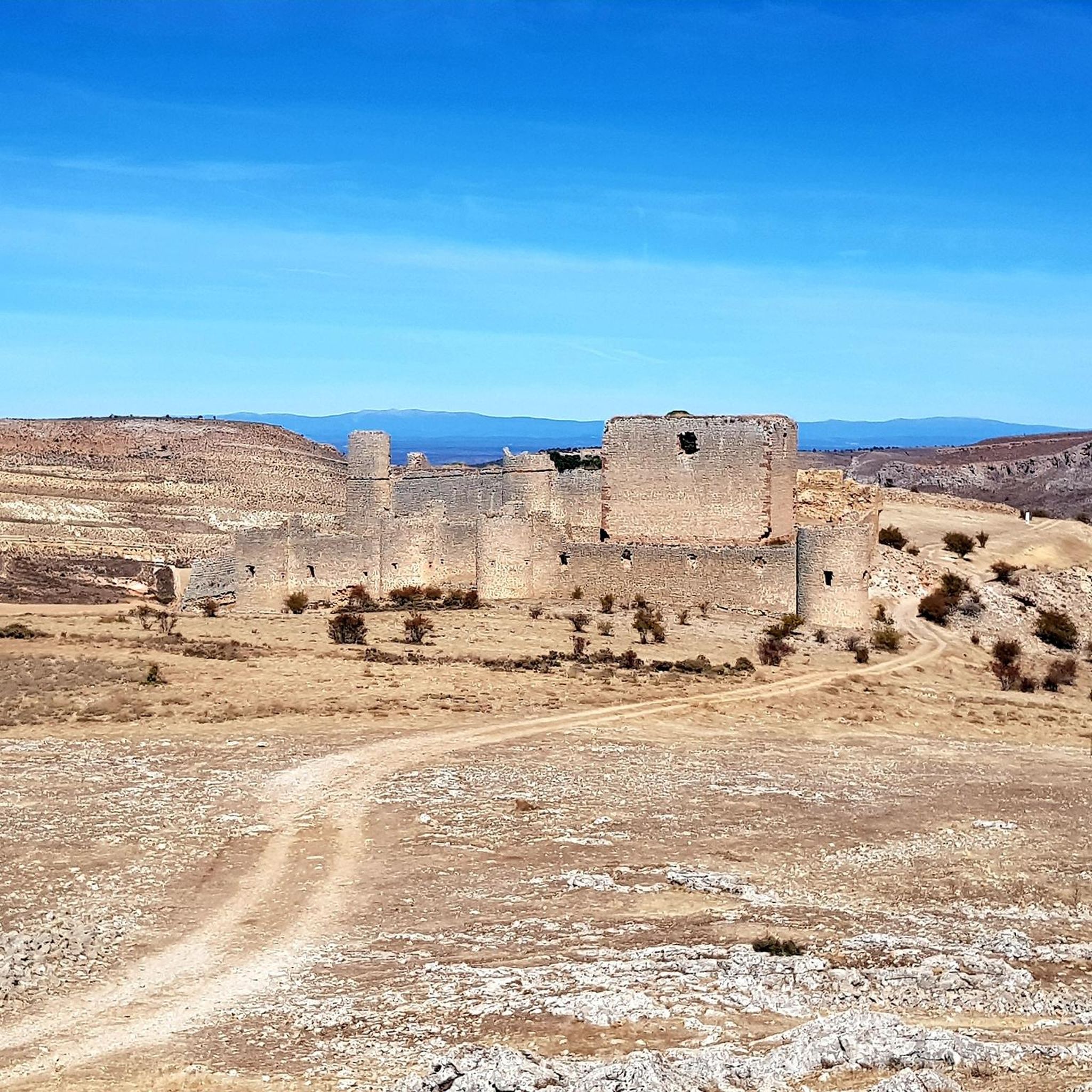
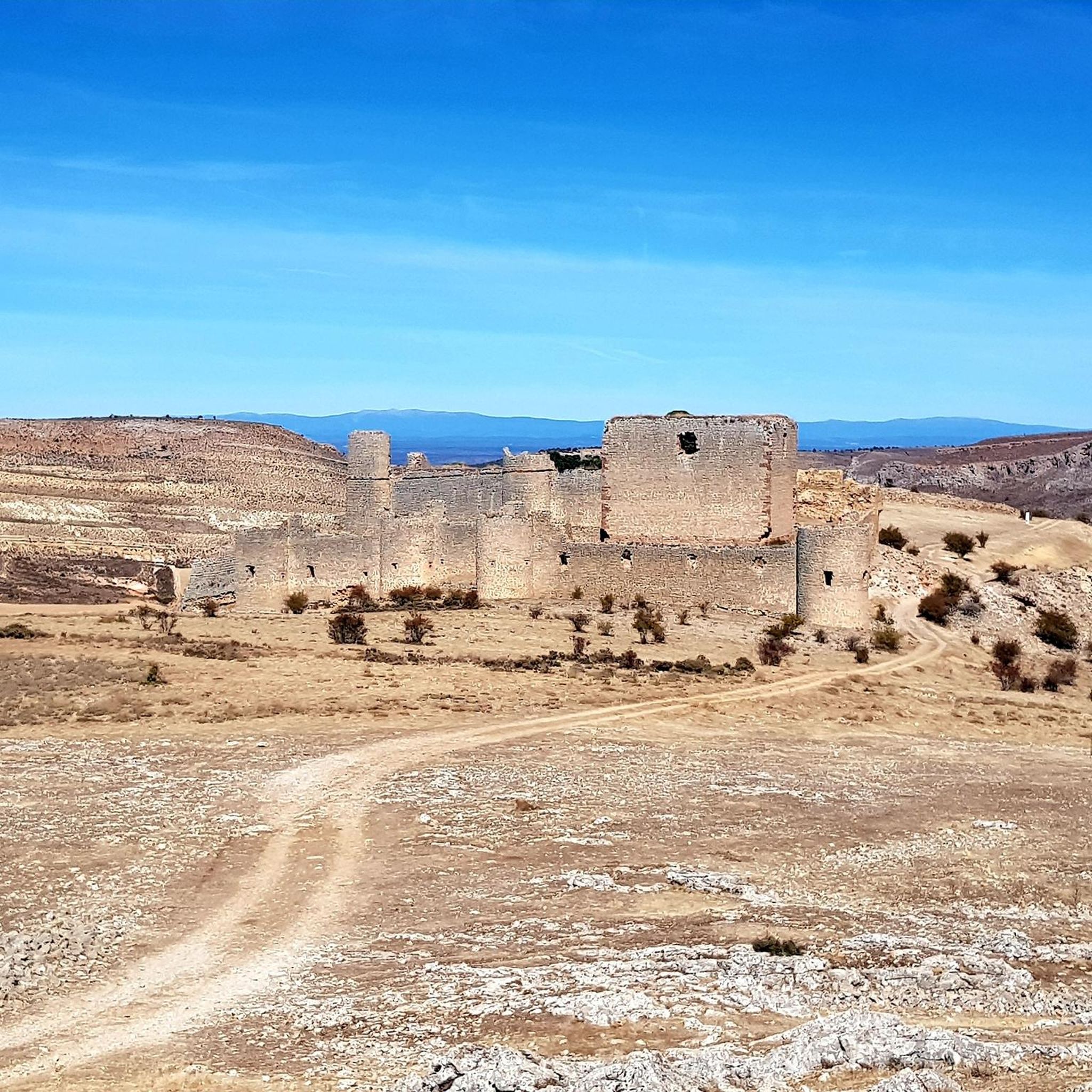
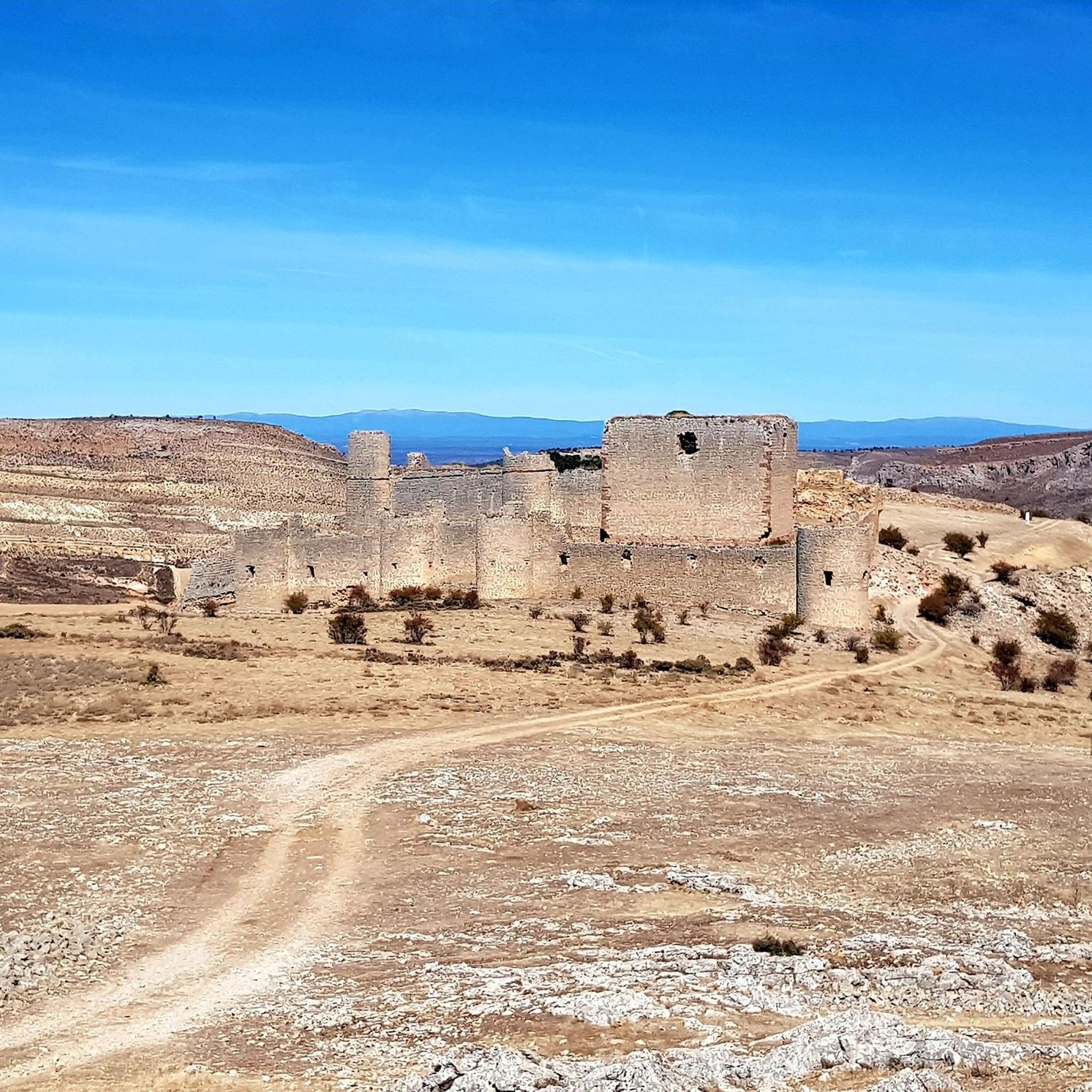
Caracena Castle
Highlight • Castle
Translated by Google •
Tip by

Tiermes archaeological site
Highlight • Historical Site
Translated by Google •
Tip by

Sign up now to discover places like this
Get recommendations on the best single tracks, peaks, & plenty of other exciting outdoor places.
Sign up for free
Source of the Aguisejo River
Highlight • River
Translated by Google •
Tip by

Rollo de Justicia of Caracena
Highlight • Monument
Translated by Google •
Tip by
Carrasca de Valderromán
Highlight • Natural Monument
Translated by Google •
Tip by
Sign up for free to discover even more attractions around Liceras.
Sign up for free
Already have an account?
Start today with a free account
Your next adventure awaits.
Login or Signup
Popular around Liceras
Tips from the Community

The source of the Aguisejo River is located in the Ayllón Mountains and rises from the confluence of several small rivers that originate on the peaks of this mountain range, which serves as a natural border between the provinces of Guadalajara, Segovia and Madrid.
0
0

In the archaeological site of Tiermes there are remains of different cultures: Celtiberians and Romans. In addition to a Romanesque hermitage. Guided tours can be done and it has accommodation.
1
0

In the municipality of Montejo de Tiermes in the south of the province of Soria, the Arevaci established themselves in one of the most impregnable Celtiberian enclaves, along with Numancia, for the troops of the Roman Empire. It was Termes when the Celtiberian and Tiermes wars from the Middle Ages.
0
1

The Aguisejo River is a water course in the interior of the Iberian Peninsula, which runs through the municipalities of Ayllón and Languilla, both in the Spanish province of Segovia.
8
0

Beautiful „mystical“ place!
2
0

This beautiful Roll looks in a square where we can also find the old Jail and the Laundry
1
0
The first news of the castle correspond to a lawsuit in the 12th century between the bishops of Osma and Sigüenza. The remains of the wall that runs along the top correspond to this period. Already in the 15th century it was taken and confiscated by Don Pedro de Acuña and the Lord of Caracena, Francisco de Tovar, who agreed to its demolition. It is in 1491 when Bishop Alfonso Carrillo de Acuña acquires the lordship of Caracena and it is probable that it is between 1491 and 1496 when the castle is rebuilt in its current configuration. Iglesia de San Pedro. The castle is located at a height of about 1150m, one kilometer from the town in a southerly direction, between the two cliffs that form the Barranco de los Pilones and that of the Gorges, which flow into the Caracena River . The most spectacular images are obtained from the Llano del Castillo and from the difficult ascent to the Chaparral corrals, on the Barranco de los Cotos. Built in masonry, the remains of the original construction can be clearly seen, a wall that runs along the height between the ravines and which in turn serves as the base for the subsequent keep and the north wall of the interior enclosure, both from the 15th century . It has a double enclosure with an artificial pit and a highly protected zigzag access. The interior enclosure has a rectangular plan with the keep in the southeast corner. The exterior follows the outline of the interior, with ten hollow cubes with artillery attachments. It is still possible to appreciate the remains of vaulted rooms, wells and flown gates.
2
0
Antaño importante villa de la Comunidad de la Tierra de Caracena, a la que daba nombre y que comprendía una veintena de aldeas, Caracena es hoy sólo una pequeña población de menos de 11 habitantes, situada en un entorno escarpado espectacular, terreno calizo como toda esta zona. Testigos de su importancia y posterior despoblación han sido sus iglesias de Santa María (o la Virgen del Casado) y San Pedro, esta última Monumento Nacional con una muy interesante colección de diez capiteles en su galería porticada, y por supuesto nuestro castillo. Las primeras noticias que se tienen del castillo corresponden a un pleito en el S. XII entre los obispos de Osma y Sigüenza. A esta época corresponden los restos de la muralla que recorre el alto. Ya en el S. XV es tomado y confiscado por don Pedro de Acuña y el señor de Caracena,Francisco de Tovar, que acuerdan su demolición. Es en 1491 cuando el obispo Alfonso Carrillo de Acuña adquiere el señorío de Caracena y es probable que sea entre 1491 y 1496 cuando el castillo es reedificado en su actual configuración. Iglesia de San Pedro .El castillo se encuentra situado en un alto de unos 1150m, a un kilómetro de la población en dirección sur, entre los dos cortados que forman el Barranco de los Pilones y el de las Gargantas, que desembocan en el río Caracena. Las más espectaculares imágenes se obtienen desde el Llano del Castillo y desde la difícil subida a los corrales del Chaparral, sobre el Barranco de los Cotos. Construido en mampostería, se aprecian claramente los restos de la construcción original,una muralla que recorre el alto entre los barrancos y que sirve a su vez de base para la posterior torre del homenaje y el muro norte del recinto interior, ambos del S. XV. Cuenta con un doble recinto con foso artificial y un acceso en zig-zag muy protegido. El recinto interior es de planta rectangular con la torre del homenaje en la esquina sureste. El exterior sigue el contorno del interior, con diez cubos huecos con aditamentos artilleros. Es posible aún apreciar los restos de salas abovedadas, aljibes y garitones volados.
1
0
Frequently Asked Questions
What historical sites can I explore around Liceras?
The region around Liceras is rich in history. You can visit the impressive Caracena Castle, which dates back to the 12th century, or the Tiermes archaeological site, featuring remains from Celtiberian and Roman cultures, along with a Romanesque hermitage. The nearby village of Caracena also hosts the historic churches of Santa María and San Pedro, the latter being a National Monument.
Are there any castles to visit near Liceras?
Yes, the most prominent castle is Caracena Castle. Located about one kilometer south of Caracena, this significant landmark was rebuilt between 1491 and 1496 and features a double enclosure and a highly protected zigzag access. Remains of vaulted rooms and wells are still visible.
What natural attractions are there in the Liceras area?
Nature lovers can explore the Source of the Aguisejo River, located in the Ayllón Mountains, which offers beautiful natural scenery. The dramatic ravines of Barranco de los Pilones and Barranco de los Cotos, through which the Caracena River flows, also provide spectacular views, especially from areas like Llano del Castillo.
Can I find family-friendly places to visit around Liceras?
Yes, several natural spots are suitable for families. The Source of the Aguisejo River is an ideal place for a walk or bike ride with pets, and the Carrasca de Valderromán, a monumental hundred-year-old Holm oak, is another family-friendly natural monument.
Are there options for hiking near Liceras?
Absolutely. The region offers various hiking opportunities. You can find moderate trails like the 'Trail of the Red and Black Villages I' (11.5 km) or 'Trail of the Red and Black Villages II' (15.9 km). For an easier option, consider the 'Nacimiento Río Aguisejo — circular por Grado del Pico' (4.3 km). More hiking routes are available in the Hiking around Liceras guide.
What kind of cycling routes are available around Liceras?
For cyclists, there are several routes, including road cycling and mountain biking. Road cyclists can explore routes like the 'Ayllón and Riaza River Meanders Loop' (94.4 km, difficult) or 'Start of Los Muros – Medieval Gate of Ayllón loop' (49.9 km, moderate). Mountain bikers have options such as the 'Source of the Aguisejo River – Park entrance loop' (39.8 km, moderate). Discover more in the Road Cycling Routes around Liceras and MTB Trails around Liceras guides.
Are there any unique natural monuments to see?
Yes, the Carrasca de Valderromán is a singular natural monument. It's an enclave of ancient trees, most notably a huge, hundred-year-old Holm oak that stands out as a monumental tree.
What is the significance of the Caracena Castle?
The Caracena Castle is historically significant, with its origins tied to a 12th-century dispute. It was substantially rebuilt in the late 15th century and served as a strategic stronghold. Its impressive masonry, double enclosure, and protected zigzag access showcase medieval military architecture.
Where does the Aguisejo River originate, and can I visit it?
The Source of the Aguisejo River is located in the Ayllón Mountains, where it forms from the confluence of several small rivers. It's a natural monument and an ideal place to visit for a walk or bike ride, and pets are welcome.
What is the best time of year to visit Liceras for outdoor activities?
While specific weather data isn't provided, regions like Liceras with historical sites and natural landscapes are generally best enjoyed during spring and autumn when temperatures are milder for hiking and exploring. Summer can be hot, and winter might bring colder weather, especially in the mountainous areas.
Are there any archaeological sites worth visiting?
Definitely. The Tiermes archaeological site is a must-see. It features significant remains from both Celtiberian and Roman cultures, offering a glimpse into ancient civilizations. Guided tours are available, and there's also a Romanesque hermitage on site.
Can I bring my dog to attractions or trails around Liceras?
Yes, several natural attractions and trails are dog-friendly. For instance, the Source of the Aguisejo River is an ideal place to visit with pets. Many hiking routes in the area are also suitable for dogs, but it's always good to check specific trail regulations.
What are the Barranco de los Pilones and Barranco de los Cotos?
These are dramatic ravines through which the Caracena River flows, creating a stunning natural backdrop for the Caracena Castle. They offer spectacular views, particularly from vantage points like Llano del Castillo and the ascent to the Chaparral corrals, making them great for scenic walks and photography.
Most popular routes around Liceras
Most popular attractions around Liceras

Get inspired with the komoot mobile app


Explore more
Still not found the Highlight you’re looking for? See guides of the top attractions in other regions:
