Attractions and Places To See around Bonares - Top 16
Best attractions and places to see around Bonares include a blend of historical sites, cultural traditions, and natural features within the Huelva province. The village itself offers cultural landmarks, while the nearby town of Niebla provides significant historical attractions. The region is characterized by its unique natural landscapes, such as the Río Tinto, and specialized botanical areas. Visitors can explore a variety of sites reflecting Roman, Visigothic, and Arab influences.
Best attractions and places to see around Bonares
- The most popular attractions is Niebla Castle, a castle with remnants of Roman construction. This fortification has a history spanning Roman, Visigothic, and Arab periods, making it one of Andalusia's well-preserved complexes.
- Another must-see spot is Roman Bridge 🌉 Niebla, a historical bridge. This structure is considered one of the best-preserved Roman bridges in the Iberian Peninsula, having stood for over 2000 years.
- Visitors also love Roman Walls – North Gate, Niebla, a historical site. These walls, declared a Site of Cultural Interest, have origins dating back to the pre-Roman period.
- Bonares is known for historical sites, cultural venues, and natural areas. Visitors can explore ancient fortifications, unique natural landscapes, and traditional village life.
- The attractions around Bonares are appreciated by the komoot community, with 18 upvotes and 14 photos shared by visitors.
Last updated: May 10, 2026
Niebla Castle
Highlight • Castle
Tip by

Alcázar or Castle of the Guzmáns
Highlight • Castle
Translated by Google •
Tip by

Sign up now to discover places like this
Get recommendations on the best single tracks, peaks, & plenty of other exciting outdoor places.
Sign up for free
Roman Bridge 🌉 Niebla
Highlight • Bridge
Translated by Google •
Tip by
Santa María de la Granada Church
Highlight • Religious Site
The church was built on the site of Niebla's main mosque (11th century), which itself stood on the site of an ancient Roman temple.
After the Reconquista (13th century), it was transformed into a Christian church in the Gothic-Mudéjar style.
Translated by Google •
Tip by
Roman Walls – North Gate, Niebla
Highlight • Historical Site
Translated by Google •
Tip by
Sign up for free to discover even more attractions around Bonares.
Sign up for free
Already have an account?
Start today with a free account
Your next adventure awaits.
Login or Signup
Tips from the Community

The church was built on the site of Niebla's main mosque (11th century), which itself stood on the site of an ancient Roman temple. After the Reconquista (13th century), it was transformed into a Christian church in the Gothic-Mudéjar style. It preserves Roman, Visigothic, Islamic, and Christian elements, such as: A Muslim mihrab and minaret tower. An ornamental panel and Visigothic episcopal chair. Roman columns. A Mudéjar apse and a Gothic presbytery with star vaults.
2
0
The Plaza de Santa María de la Granada in Niebla (Huelva) is home to the Church of Santa María de la Granada, one of the town's most emblematic monuments. The church was built on the site of Niebla's main mosque (11th century), which itself stood on the site of an ancient Roman temple. After the Reconquista (13th century), it was transformed into a Christian church in the Gothic-Mudéjar style.
1
0

Top here is an old Roman bridge
1
0

The originally Romanesque church was initially a tolerated Christian church during the Moorish period. This later became the main mosque of Lepla, as the place was called at that time. Today's bell tower was the minaret. An Islamic mihrab (prayer niche) has been preserved in the church as well as a stone bishop's chair from the city's Visigothic era. Through renovation work in the 16th century, the church received Gothic elements with references to the Mudejar style. Unfortunately the church is usually closed.
0
1
Here you will find, among other things, the town hall and at the end of the square is the Mezquita church of Santa María de la Granada, one of the most important sights in Niebla
0
1
The current appearance of the castillo dates back to the 15th century. Inside is the weapons yard. Steps and stairs lead up to the fortress walls. From here you can enjoy a beautiful panoramic view (apart from the ugly cement factory) of the town, the surrounding area and the Río Tinto.
1
0
Beautiful Roman bridge over the Rio Tinto.
1
0

One of the best preserved fortified complexes in Andalusia. It has a very long history and we can discover remains of its Roman, Visigothic, and Arab past. It has a square plan and is structured around two central patios that are delimited by square towers. The Tribute Tower, topped by defensive battlements, is the most singular.
1
0
Frequently Asked Questions
What historical sites can I explore around Bonares?
The region is rich in history. You can visit the impressive Niebla Castle, which has Roman, Visigothic, and Arab origins. Also, don't miss the Roman Bridge 🌉 Niebla, one of the best-preserved Roman bridges in the Iberian Peninsula, and the ancient Roman Walls – North Gate, Niebla, dating back to the pre-Roman period.
Are there any natural attractions or unique landscapes near Bonares?
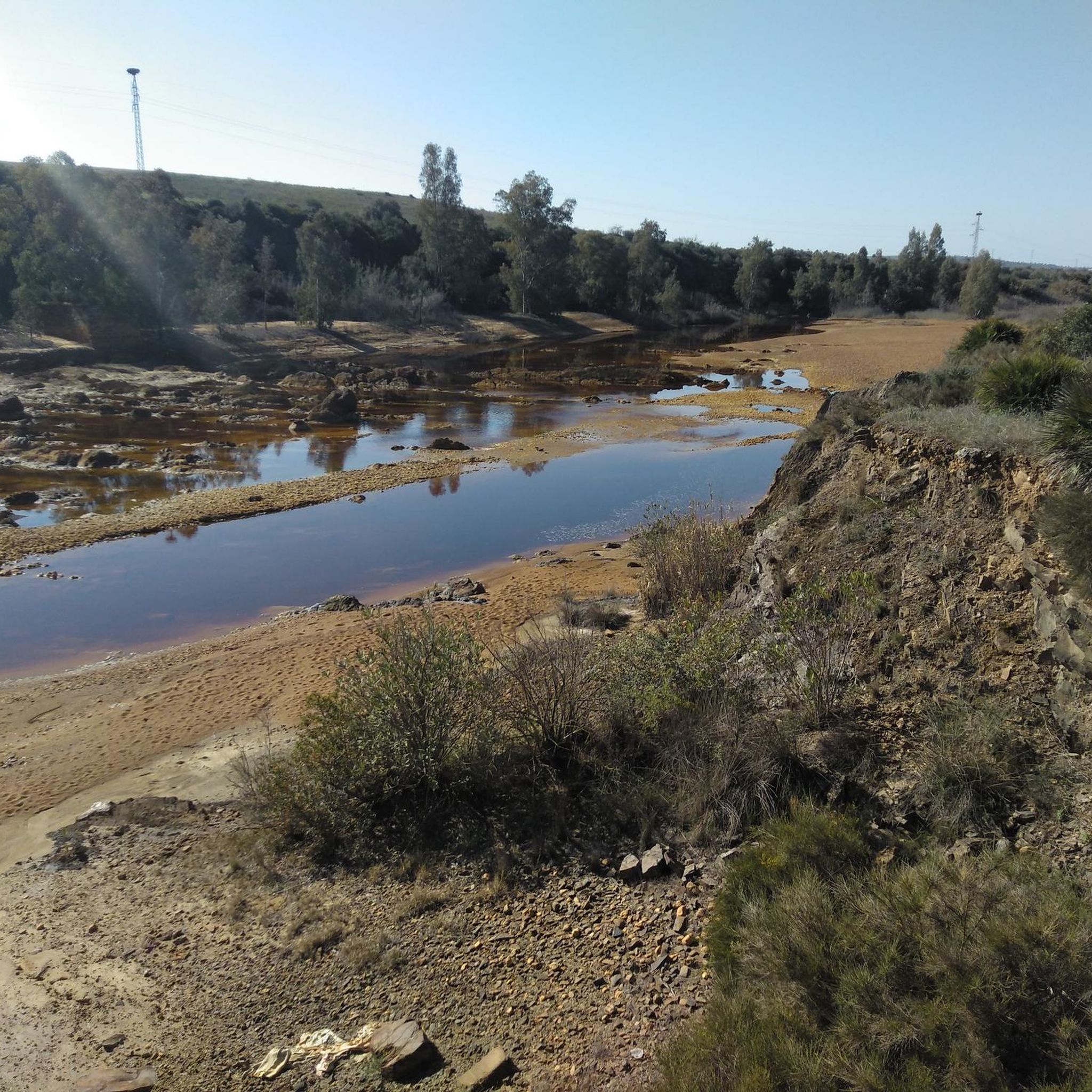
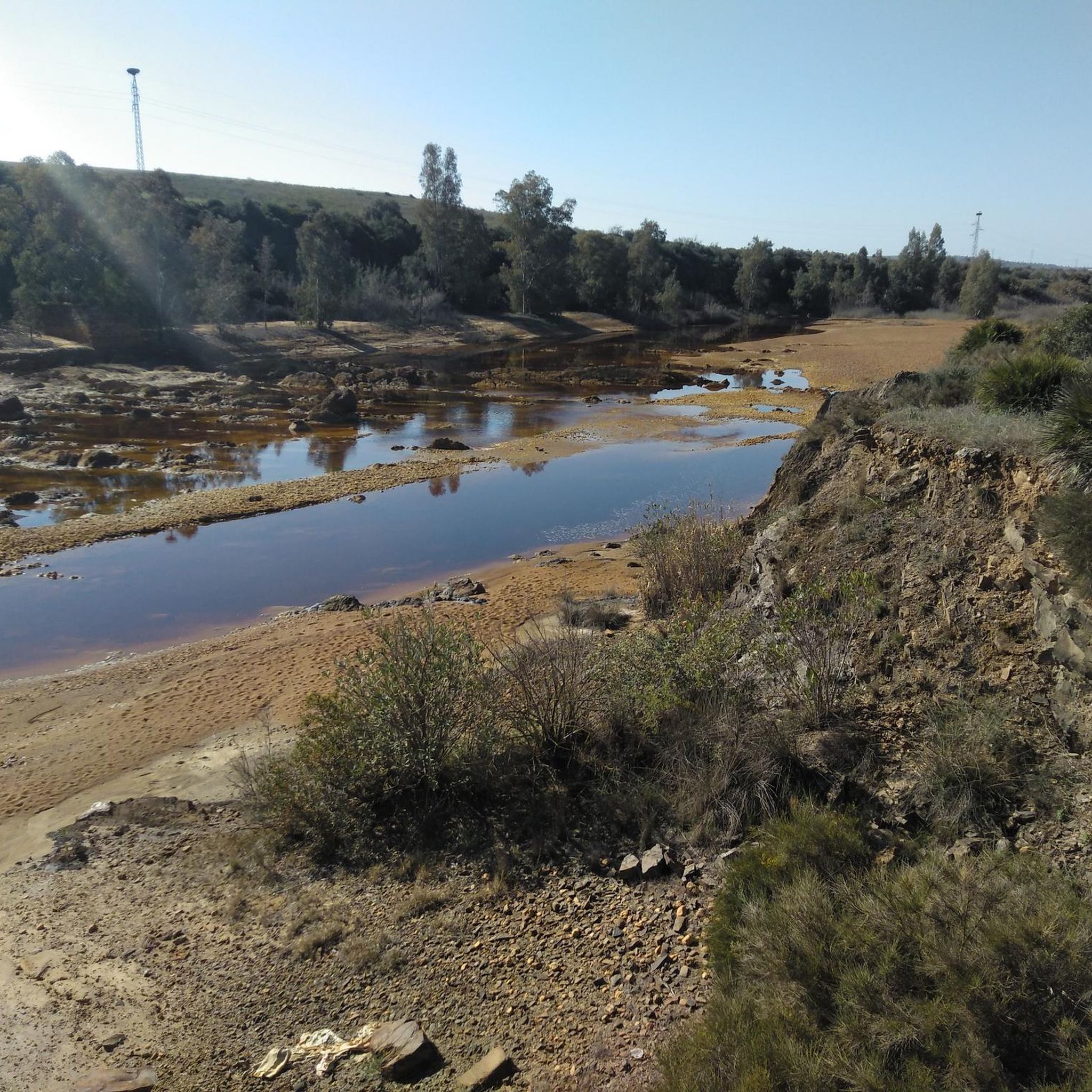
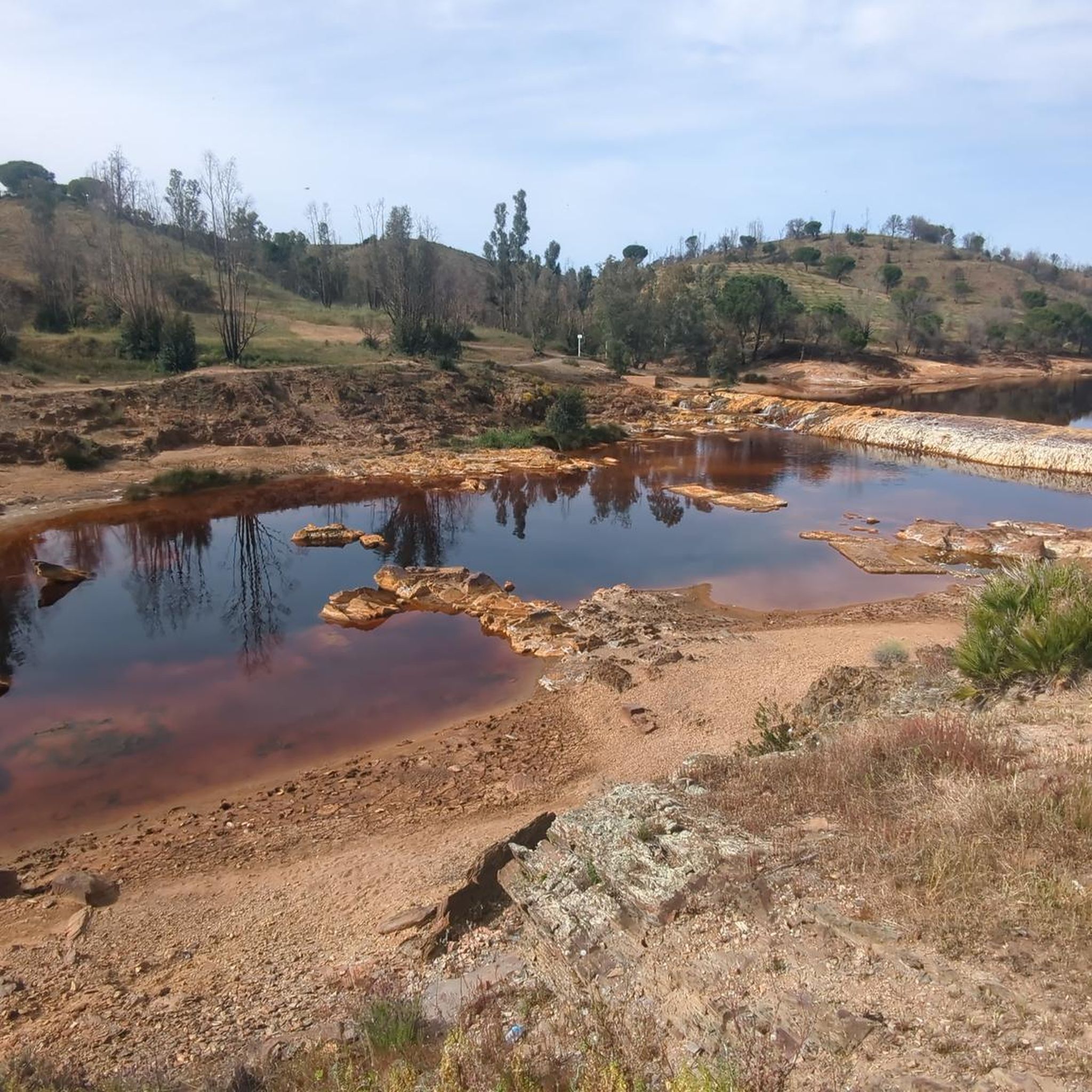
Yes, Bonares and its surroundings offer unique natural features. You can explore El Arboreto del Villar, an exotic forest about 10 km away, home to one of Europe's most diverse collections of eucalyptus species. The nearby Río Tinto is also a significant natural feature, known for its distinctive reddish-copper colored waters, creating an otherworldly landscape.
What cultural experiences can I find in Bonares itself?
In Bonares, you can visit the 17th-century Parish Church (Iglesia Nuestra Señora de la Asunción) with its Baroque and Classical design, and the neoclassical Ermita de San Sebastián. The village's main square, Plaza de España, is a charming spot, and the Teatro Cine Colón hosts various cultural events. A significant tradition is the Cruces de Mayo, where twelve crosses are decorated throughout the village in May.
Are there family-friendly attractions or activities in the area?
Many historical sites are suitable for families, such as the Roman Bridge 🌉 Niebla. The El Corchito natural area, with its pine trees, is a pleasant spot for a family outing. Additionally, the Green Way track is ideal for walks and cycling with children.
What kind of outdoor activities can I do around Bonares?
The area around Bonares is great for outdoor enthusiasts. You can find numerous routes for hiking, road cycling, and mountain biking. For example, there are easy hiking routes like the 'Fog - circular tour to the walled city' or more challenging ones like 'Villarrasa - Gadea Bridge over the Tinto River'. You can explore more options on the Hiking around Bonares guide, the Road Cycling Routes around Bonares guide, or the MTB Trails around Bonares guide.
Are there any viewpoints to enjoy the landscape?
While specific viewpoints in Bonares are not highlighted, the walls of the Alcázar or Castle of the Guzmáns in Niebla offer beautiful panoramic views of the town, the surrounding area, and the Río Tinto.
What is the best time to visit Bonares and its attractions?
The spring months, particularly May, are excellent for visiting Bonares, as you can experience the traditional Cruces de Mayo. Generally, spring and autumn offer pleasant weather for exploring historical sites and natural areas without the intense summer heat.
Are there any ancient archaeological sites in Bonares?
Bonares has deep historical roots, with archaeological sites and a Roman necropolis that provide insights into its ancient Roman and Visigothic past, indicating early military settlements in the area.
Can I find any unique architectural styles in the village?
Beyond the historical churches, Bonares also features interesting bourgeois-style houses from the 20th century, adding to the village's architectural diversity.
Are there any dog-friendly walking options around Bonares?
Many of the natural areas and tracks, such as the Green Way, are suitable for walks with dogs, allowing you to enjoy the local landscape together. Always ensure your dog is on a leash and you clean up after them.
What is the Santa María de la Granada Church known for?
The Santa María de la Granada Church in Niebla is remarkable for being built on the site of an 11th-century mosque, which itself was on an ancient Roman temple. It preserves a unique blend of Roman, Visigothic, Islamic, and Christian elements, including a Muslim mihrab and Roman columns.
What are the most popular attractions according to visitors?
Visitors particularly enjoy the historical significance and preservation of sites like Niebla Castle, with its ancient Roman remnants, and the Roman Bridge 🌉 Niebla, which has stood for over 2000 years. The Roman Walls – North Gate, Niebla are also highly appreciated for their historical depth.

Get inspired with the komoot mobile app


Explore more
Still not found the Highlight you’re looking for? See guides of the top attractions in other regions:
