Attractions and Places To See around Beas - Top 20
Attractions and places to see around Beas, located in the province of Huelva, Spain, offer a blend of historical landmarks and natural landscapes. The area is characterized by its rich heritage, including ancient fortifications and Roman structures, alongside scenic routes like the Vía Verde Molino de Acha. Visitors can explore sites reflecting centuries of history and enjoy outdoor activities along the Río Tinto. This region provides opportunities for cultural exploration and engagement with its natural environment.
Best attractions and places to see around Beas
- The most popular attractions is Niebla Castle, a castle that features remnants of Roman construction. It is one of the best-preserved fortified complexes in Andalusia, showcasing Roman, Visigothic, and Arab pasts.
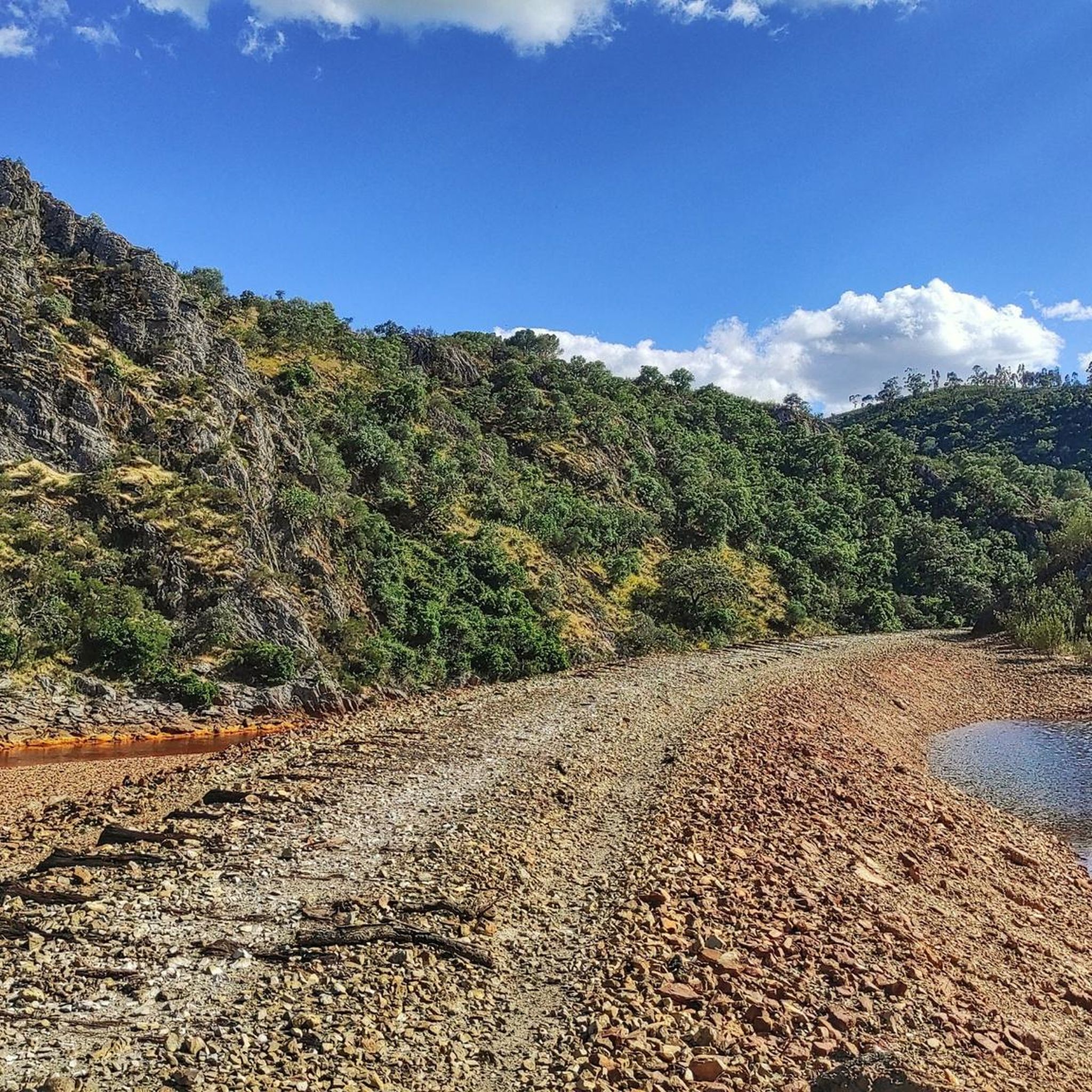
- Another must-see spot is Vía Verde Molino de Acha, a trail that extends for 33.2 km from the banks of the Tinto to the ravines of the Serranía de Huelva. This route passes through countryside, pine forests, and cork oak meadows, named after the historic flour mills in Beas.
- Visitors also love Roman Bridge 🌉 Niebla, a historical bridge. It is one of the best-preserved Roman bridges in the Iberian Peninsula, still supporting passage across the Río Tinto after more than 2000 years.
- Beas is known for its castles, historical sites, and scenic trails. The area offers a variety of attractions to see and explore, from ancient fortifications to natural greenways.
- The attractions around Beas are appreciated by the komoot community, with 18 upvotes and 14 photos shared across 3 highlights.
Last updated: August 30, 2026
Niebla Castle
Highlight • Castle
Tip by

Alcázar or Castle of the Guzmáns
Highlight • Castle
Translated by Google •
Tip by

Sign up now to discover places like this
Get recommendations on the best single tracks, peaks, & plenty of other exciting outdoor places.
Sign up for free
Roman Bridge 🌉 Niebla
Highlight • Bridge
Translated by Google •
Tip by
Roman bridge over the Odiel River
Highlight • Bridge
Translated by Google •
Tip by
Valverde del Camino Town Center
Highlight • Settlement
Translated by Google •
Tip by

Sign up for free to discover even more attractions around Beas.
Sign up for free
Already have an account?
Start today with a free account
Your next adventure awaits.
Login or Signup
Tips from the Community

The Roman bridge over the Odiel River in Calañas is a historic structure that is part of the region's rich heritage. This bridge is a point of interest on several hiking trails that run through the area, allowing visitors to enjoy the natural beauty and cultural heritage of the area.
8
0

Top here is an old Roman bridge
1
0

The current appearance of the castillo dates back to the 15th century. Inside is the weapons yard. Steps and stairs lead up to the fortress walls. From here you can enjoy a beautiful panoramic view (apart from the ugly cement factory) of the town, the surrounding area and the Río Tinto.
1
0
Beautiful Roman bridge over the Rio Tinto.
1
0

There are several places that can be visited to discover more of this town. For example, the Ermita del Santo, the old railway station (where you can see a wonderful Berlina car from 1900) and the Los Gabrieles dolmen complex, which can be seen on the outskirts of town. The most outstanding festivals are the Romería de San Pancracio in June and the August Fair during the week of August 15.
2
0
One of the best preserved fortified complexes in Andalusia. It has a very long history and we can discover remains of its Roman, Visigothic, and Arab past. It has a square plan and is structured around two central patios that are delimited by square towers. The Tribute Tower, topped by defensive battlements, is the most singular.
1
0
This work by the architect Ambrosio Figueroa corresponds to the 18th century, according to the files of the Municipal Archive of Calañas. The place chosen for its construction was the foot of Cabezo del Escamocho in the direction of the La Coronada archway and next to the dam of an old mill. The bridge is located at the entrance to Sotiel, before reaching the Hermitage of La Coronada, and is currently "out of service", since another modern bridge has been built near the previous one through which the A- road runs. 493 (La Palma del Condado - Rosal de la Frontera).
7
0

It is one of the most important rivers in the province of Huelva and it runs entirely through it. Its source is in the Sierra de Aracena, in a beautiful place known as Marimateos. This river meanders through Huelva until it flows into the Huelva estuary where it meets the Tinto river, another of the most important waterways in the region. In this place it is crossed by a Roman bridge that has been there for centuries or perhaps millennia.
1
1
Frequently Asked Questions
What historical attractions can I explore around Beas?
Beas and its surroundings are rich in history. You can visit Niebla Castle, a remarkably preserved fortified complex showcasing Roman, Visigothic, and Arab influences. Another significant historical site is the Roman Bridge 🌉 Niebla, which has stood for over 2000 years, still supporting passage across the Río Tinto.
Are there any scenic trails or greenways for outdoor activities near Beas?
Yes, the Vía Verde Molino de Acha is a popular choice. This 33.2 km trail extends from the banks of the Tinto River to the ravines of the Serranía de Huelva, passing through picturesque countryside, pine forests, and cork oak meadows. It's named after the historic flour mills in Beas.
What kind of outdoor activities are available around Beas?
The region offers various outdoor activities, especially cycling and mountain biking. You can explore routes like the Vía Verde Molino de Acha for gravel biking or enjoy cycling tours around the area. For more specific routes, check out the gravel biking, cycling, and MTB trails guides for Beas.
Are there family-friendly attractions in the Beas area?
Absolutely. The Vía Verde Molino de Acha is a great option for families, offering a pleasant trail for walking or cycling. The Roman Bridge 🌉 Niebla is also considered family-friendly, providing an interesting historical landmark to visit. Additionally, the Valverde del Camino Town Center offers cultural sites and a glimpse into local life suitable for all ages.
What can I see in Valverde del Camino Town Center?
The Valverde del Camino Town Center features several points of interest, including the Ermita del Santo, an old railway station with a vintage Berlina car from 1900, and the Los Gabrieles dolmen complex on the outskirts. The town also hosts notable festivals like the Romería de San Pancracio in June and the August Fair.
What is the significance of the Río Tinto in the Beas region?
The Río Tinto is a central natural feature in the region, known for its distinctive reddish hue due to its high iron and heavy metal content. It is crossed by the ancient Roman Bridge 🌉 Niebla, highlighting its historical importance as a crossing point. The riverbanks also mark the starting point of the Vía Verde Molino de Acha.
What do visitors particularly enjoy about Niebla Castle?
Visitors appreciate Niebla Castle for its well-preserved architecture and its long history, with remnants of Roman, Visigothic, and Arab pasts visible. The castle's structure, including its two central patios and the defensive battlements of the Tribute Tower, offers a fascinating journey through time. From its walls, you can also enjoy panoramic views of the town and the surrounding area.
Can I find any ancient Roman structures around Beas?
Yes, the area boasts significant Roman heritage. The Roman Bridge 🌉 Niebla is one of the best-preserved Roman bridges on the Iberian Peninsula. Additionally, Niebla Castle contains remnants of Roman construction, with its ancient concrete mix still surviving after 2000 years.
What kind of landscapes will I encounter on the Vía Verde Molino de Acha?
The Vía Verde Molino de Acha offers a diverse landscape. As you traverse the trail, you'll pass through open countryside, dense pine forests, and charming cork oak meadows, providing a varied and scenic experience.
Are there any other castles or fortifications besides Niebla Castle?
While Niebla Castle is the most prominent, the region of Beas is known for its historical fortifications. The castle itself, also referred to as the Alcázar or Castle of the Guzmáns, is a significant example of the area's rich defensive architecture, with its current appearance dating back to the 15th century and earlier Roman and Muslim origins.
What is the best way to explore the historical sites in Niebla?
To fully appreciate the historical sites in Niebla, consider visiting both the Niebla Castle and the Roman Bridge 🌉 Niebla. The castle offers insights into various historical periods, while the bridge provides a tangible connection to Roman engineering. Many visitors enjoy walking between these two landmarks to experience the town's heritage.

Get inspired with the komoot mobile app


Explore more
Still not found the Highlight you’re looking for? See guides of the top attractions in other regions:
