Attractions and Places To See around Cañete - Top 18
Best attractions and places to see around Cañete, a region in Peru, encompass a mix of natural landscapes, cultural sites, and historical landmarks. The area is characterized by its diverse geography, including coastal towns, river valleys, and unique lomas ecosystems. Cañete offers opportunities for exploring archaeological sites, experiencing local culture, and engaging with its natural environment.
Best attractions and places to see around Cañete
- The most popular attractions is Zafrilla River Trail, a trail that follows a beautiful ravine…
Last updated: July 12, 2026
Montañas Vacías (section)
Highlight (Segment) • Trail
Translated by Google •
Tip by

Zafrilla River Trail
Highlight (Segment) • Trail
Translated by Google •
Tip by

Sign up now to discover places like this
Get recommendations on the best single tracks, peaks, & plenty of other exciting outdoor places.
Sign up for free
Cuerno de la Cumbre
Highlight • Summit
Translated by Google •
Tip by

Monument to the 1959 Plane Crash Victims
Highlight • Monument
An Iberia Douglas DC-3 aircraft flying from Barcelona to Madrid deviated from its route due to a storm …
Translated by Google •
Tip by

Las Corbeteras
Highlight • Natural Monument
Translated by Google •
Tip by

Sign up for free to discover even more attractions around Cañete.
Sign up for free
Already have an account?
Start today with a free account
Your next adventure awaits.
Login or Signup
Other adventures around Cañete

Tips from the Community

This section is before reaching Zafrilla and before and after it. I confess that the slope is tough and, especially if you do it on a hot day, you will have to take refuge (as was my case) in the shadows of the few scrubland trees to cope with the difficulty.
9
0

Sculpture commemorating the victims of the plane crash on April 29, 1959. An Iberia Douglas DC-3 aircraft flying from Barcelona to Madrid deviated from its route due to a storm and crashed into the Pico del Telégrafo (peak of Collado Bajo) between the towns of Valdemeca and Huerta del Marquesado. On this flight, along with the 27 other people traveling on the plane, Spanish gymnast Joaquín Blume lost his life. He was one of Spain's most popular athletes of his time, world champion in 1957 and winner of several consecutive Spanish championships. His wife also died. The rescue of the victims proved extremely difficult. It was snowing when the first people arrived at the scene, some reforestation workers. During the lengthy operation to recover the bodies, it snowed intermittently throughout the night and into the next day. Chronicles describe Dantesque scenes, as almost all of the victims of the accident were scattered over a vast and completely forested area. The notoriety of the prominent victim, Joaquín Blume, made it impossible for the Franco dictatorship to cover up the accident. An interesting fact surrounding this event is that a certain Antonio Fraguas de Pablo (1942–2018) missed the plane, fortunately for him and for us. The then 17-year-old later became very famous as a Spanish graphic humorist/cartoonist under the pen name Forges. He was awarded the Gold Medal for Merit to His Work in 2007, the Gold Medal for Merit to Fine Arts in 2011, and the Ondas Mediterráneas Award in 2011. www.forges.com
0
0

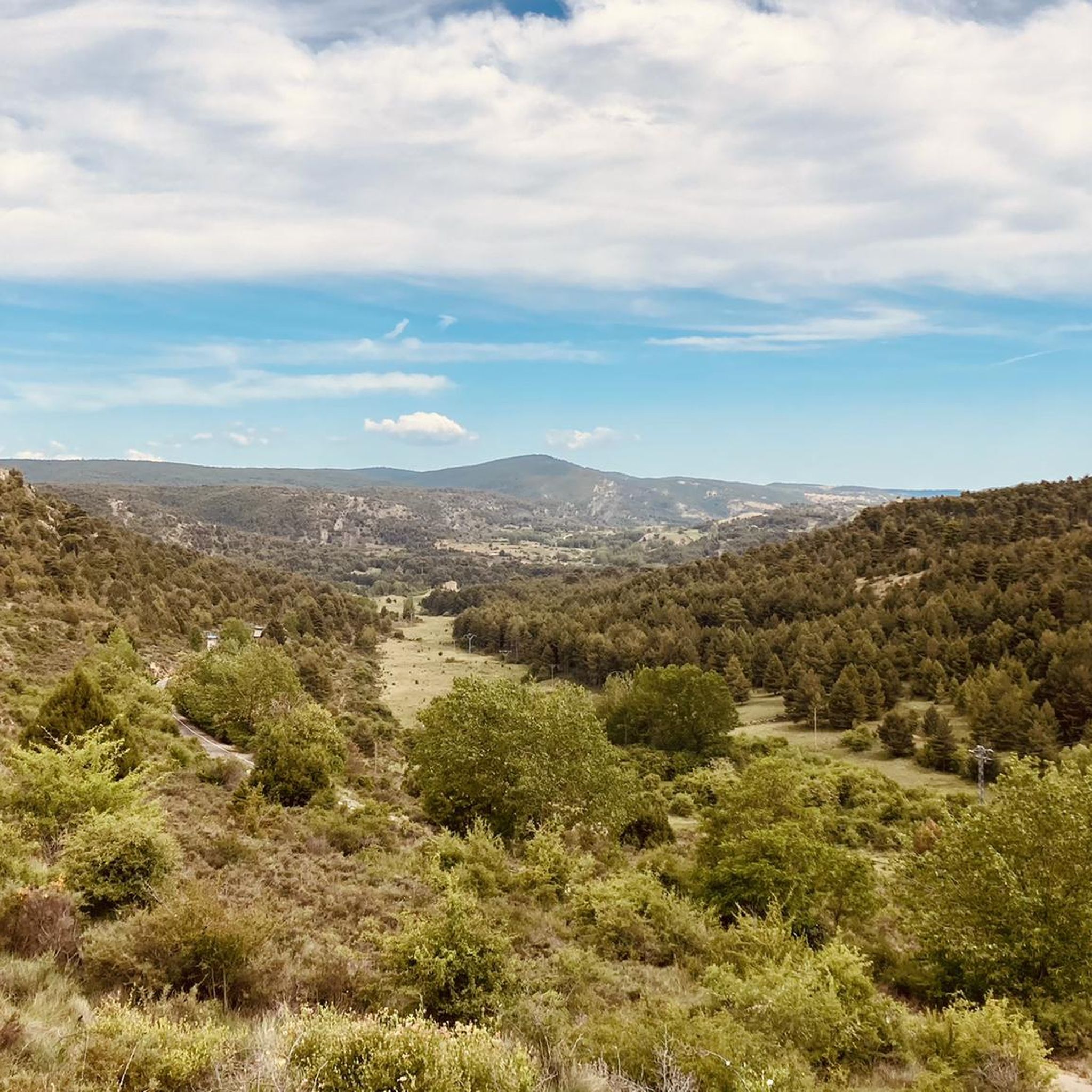
Road of "up's and dows" that is close to the town of Laguna del Marquesado and where you can see the set of mountains and vegetation in the area! Beautiful!
1
0

The interior of Cuenca is full of curious rock formations, products of its geology and topography that have suffered the onslaught of erosion over thousands of years. Like the well-known Ciudad Encantada, very close to the little-known town of Pajaroncillo is this set of formations that attract a lot of attention due to their curious shapes and that are truly worthy of a postcard.
1
0
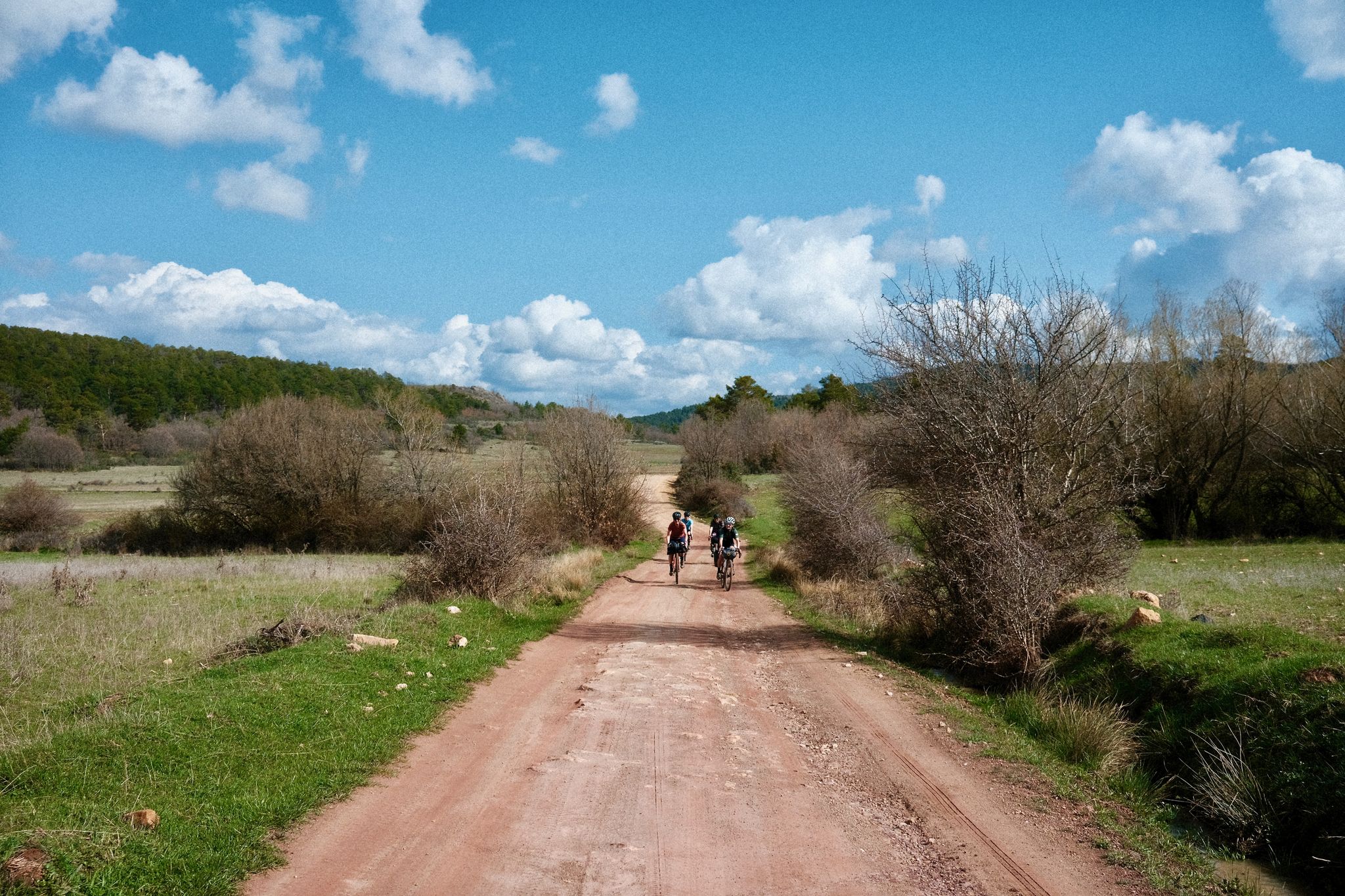
Another picturesque and entertaining section of the Montañas Vacías route, in this case joining the towns of Zafrilla with Laguna del Marquesado, crossing the beautiful landscape of the Dehesa de Arriba.
5
0

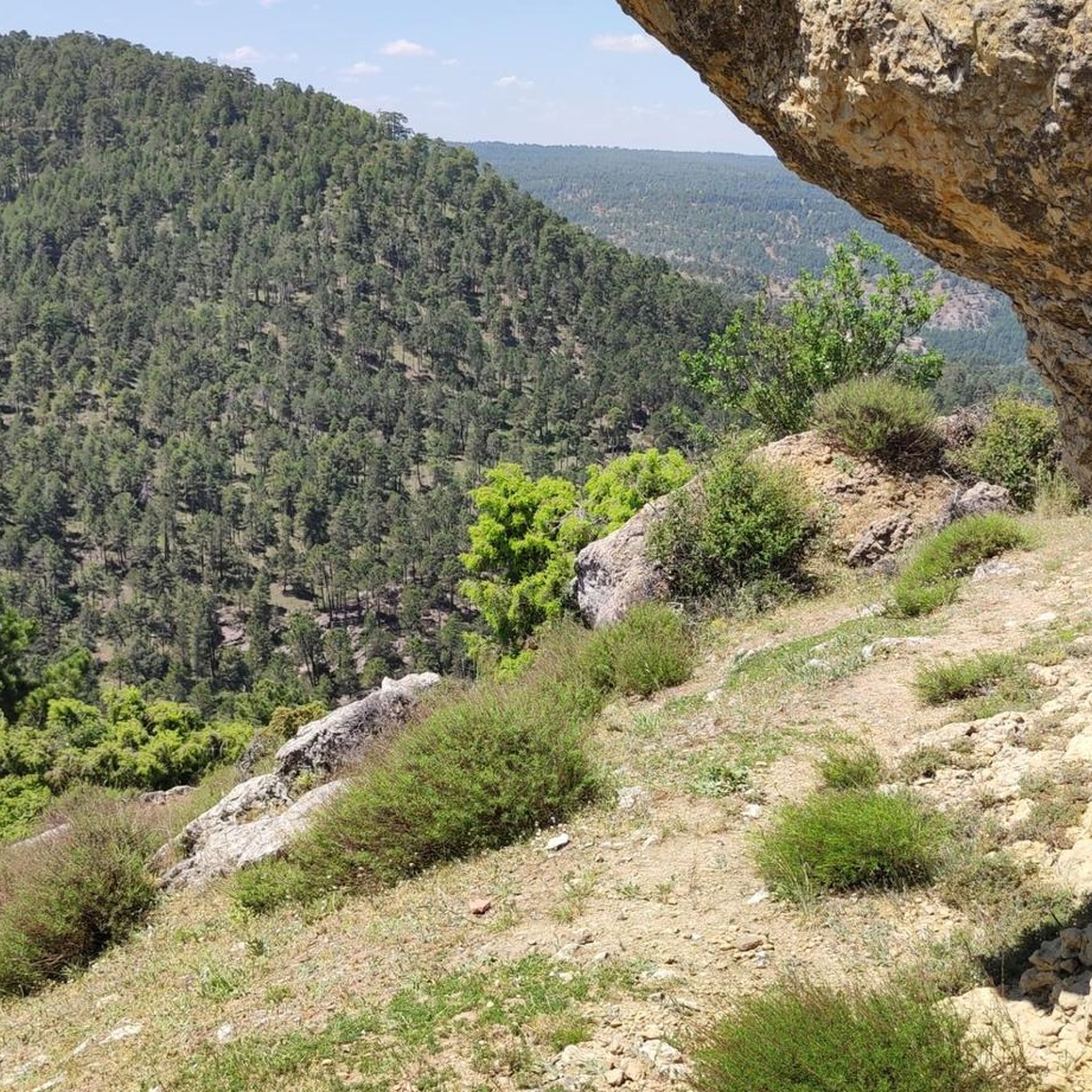
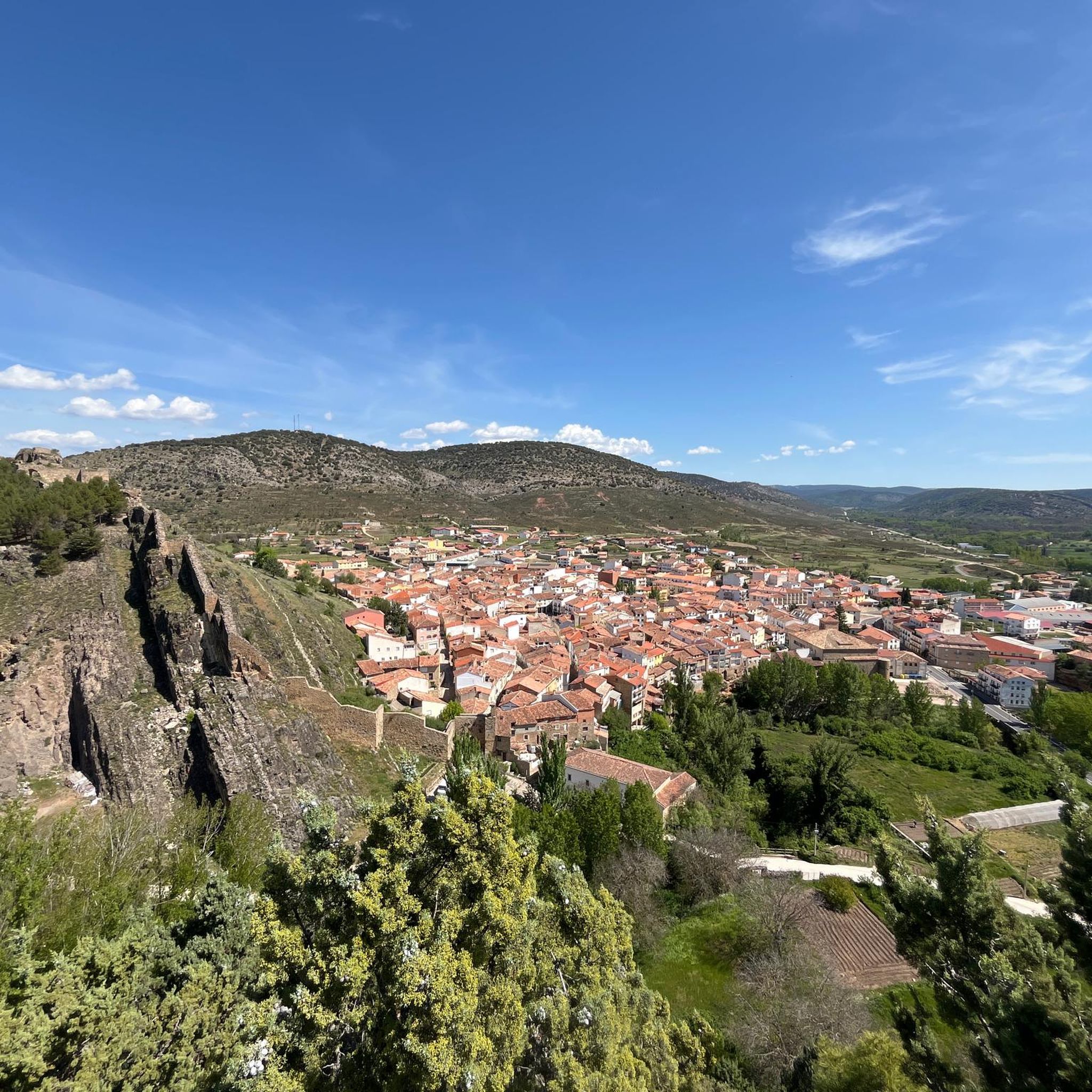
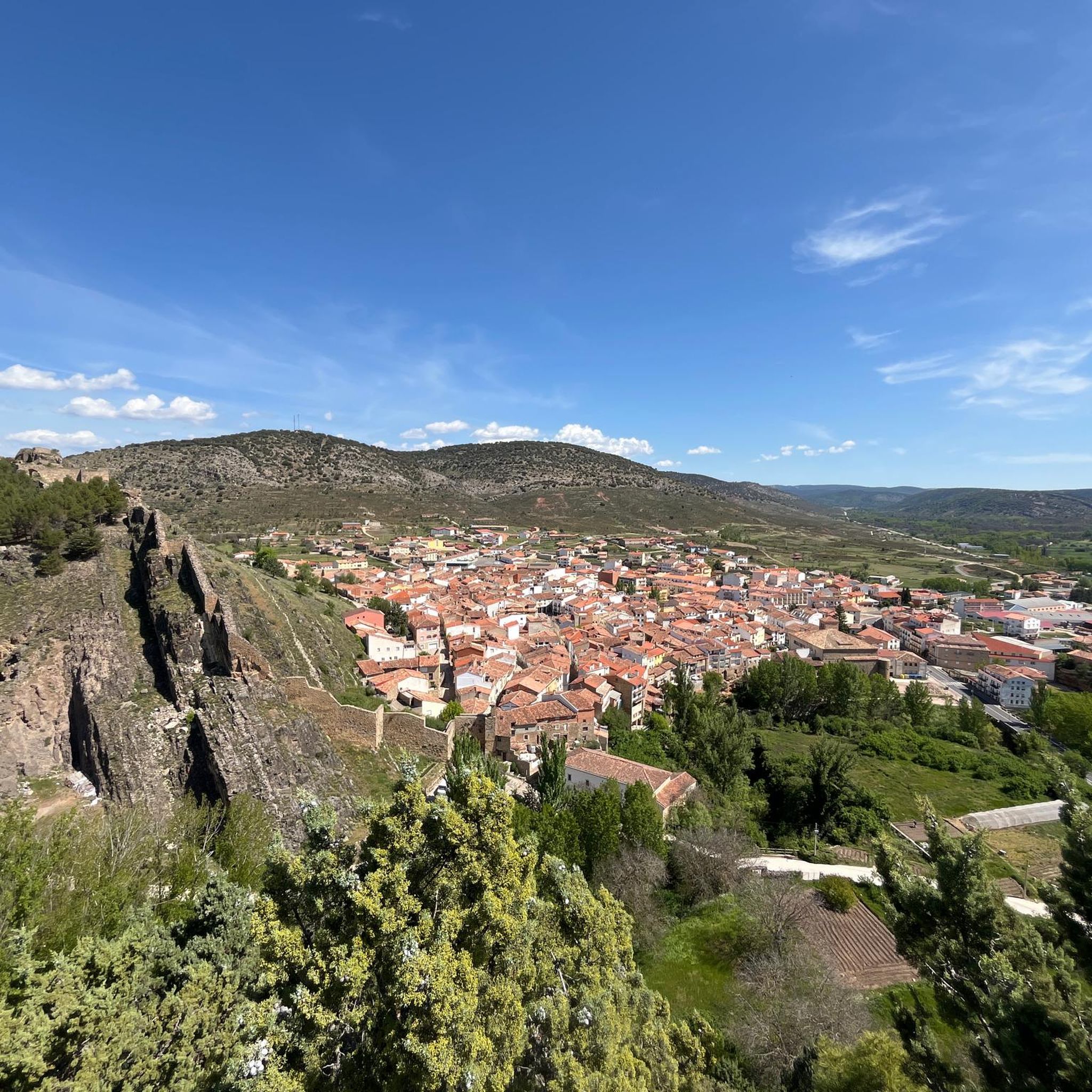
It is a beautiful place that is worth it for the views it has towards the Zafrilla River
0
0
Beautiful ravine that you arrive at from Zafrilla. The road is wide and in good condition. After the rains we can find a puddle and some mud.
1
0

Frequently Asked Questions
What natural attractions can I explore in the Cañete region?
Cañete offers a variety of natural attractions. You can experience the unique ecosystem of Lomas de Cantera, which becomes lush and green during winter, perfect for hiking and birdwatching. The Zafrilla River Trail offers a beautiful ravine with wide paths and some technical sections. For stunning views, consider visiting Cuerno de la Cumbre, a gravel summit overlooking the Zafrilla River, or the curious rock formations at Las Corbeteras.
Are there any significant historical or archaeological sites in Cañete?
Yes, Cañete is rich in history. You can visit the Incahuasi Archaeological Site, also known as the Inca House, which showcases impressive Inca architecture. Another notable site is Cerro de Oro, an archaeological monument with evidence of pre-Hispanic, Wari, and Inca occupations. Additionally, the Unanue Castle, a neo-Gothic structure built on a pre-Hispanic huaca, offers a glimpse into the region's diverse past.
What kind of outdoor activities are popular in Cañete?
Cañete is an excellent destination for outdoor enthusiasts. In Lunahuaná, you can enjoy adventure sports like canoeing and canopying on the Cañete River, as well as trekking and mountain biking. Azpitia offers similar activities on the Mala River, including canoeing, horseback riding, and quad biking. The region also has numerous trails for hiking and cycling. For more detailed routes, explore the hiking routes around Cañete or cycling tours.
Where can I find beaches or coastal attractions in Cañete?
For coastal attractions, head to Cerro Azul. This spa town is known for its beautiful landscapes and soft sand beaches, perfect for relaxation and camping. It also features a historic pier and is a popular spot for surfing, especially for beginners at Puerto Viejo beach. The boardwalk offers restaurants specializing in fresh seafood.
What cultural experiences can I have in Cañete?
The capital, San Vicente de Cañete, is a hub for Afro-Peruvian culture, particularly the town of San Luis de Cañete, recognized for its 'Living Repository of Afro-Peruvian Collective Memory.' Here, you can immerse yourself in rich traditions, gastronomy, and music. The district of Pacarán also offers a cultural experience with its main square, where you can sample traditional desserts and pisco made from the local uvina grape.
Are there any viewpoints or scenic spots in the Cañete area?
Absolutely. Cuerno de la Cumbre provides excellent views towards the Zafrilla River. The Montañas Vacías (section) is known for its picturesque landscapes and scenic beauty. Additionally, the unique rock formations at Las Corbeteras offer postcard-worthy views resulting from thousands of years of erosion.
What kind of trails are available for hiking or mountain biking?
The Cañete region offers diverse trails. The Montañas Vacías (section) features varied terrain with challenging slopes and beautiful scenery. The Zafrilla River Trail follows a picturesque ravine, offering both wide paths and technical sections. For more options, you can explore the hiking guide or the MTB trails guide for the area.
What local gastronomy and products can I experience in Cañete?
Cañete is known for its local gastronomy and agricultural products. In Lunahuaná, you can savor river shrimp and enjoy pisco and wine tastings at local vineyards. Pacarán is famous for traditional desserts made from grapes and cassava, as well as pisco crafted with the local uvina grape. The region's fertile lands also produce cotton, grapes, and tangerines, and dishes like carapulcra with dry soup are local specialties.
What do visitors particularly enjoy about the trails in Cañete?
Visitors appreciate the diverse and scenic nature of Cañete's trails. For example, the Montañas Vacías (section) is loved for its picturesque landscapes and entertaining sections, despite some tough slopes. The Zafrilla River Trail is praised for its beautiful ravine. Many find the views from summits like Cuerno de la Cumbre to be very rewarding.
Is there a specific monument or memorial worth visiting in Cañete?
Yes, you can visit the Monument to the 1959 Plane Crash Victims. This sculpture commemorates the victims of a tragic plane crash, including the renowned Spanish gymnast Joaquín Blume, and stands as a poignant historical site in the region.
What is the best time to visit Cañete for outdoor activities?
The Cañete region offers different experiences depending on the season. For hiking and birdwatching in the unique Lomas de Cantera, the winter months are ideal as the dense fog from the Pacific brings unexpected greenery to the hills. For river-based adventure sports in Lunahuaná and Azpitia, the warmer, drier months might be more suitable, though some trails can be muddy in rainy weather, as noted for Cuerno de la Cumbre.
Most popular routes around Cañete

Get inspired with the komoot mobile app


Explore more
Still not found the Highlight you’re looking for? See guides of the top attractions in other regions:
