Attractions and Places To See around Villafranca De Duero - Top 20
Best attractions and places to see around Villafranca De Duero offer a glimpse into rural Castilian life, characterized by agricultural traditions and proximity to the Duero River. This tranquil municipality in the province of Valladolid, Spain, provides a serene setting with local points of interest. It also serves as a gateway to several notable attractions in its immediate vicinity, including historical sites and natural features.
Best attractions and places to see around Villafranca De Duero
- The most popular attractions is…
Last updated: May 20, 2026
San José Dam
Highlight • River
Translated by Google •
Tip by

Collegiate Church of Santa María la Mayor (Toro)
Highlight • Religious Site
Translated by Google •
Tip by
Sign up now to discover places like this
Get recommendations on the best single tracks, peaks, & plenty of other exciting outdoor places.
Sign up for free
Plaza Mayor de Toro
Highlight • Settlement
Translated by Google •
Tip by
Hermitage of the Holy Christ of La Muela
Highlight • Religious Site
Located on Alto de la …
Translated by Google •
Tip by
View of the Duero River Meander from La Muela Park
Highlight • Viewpoint
Translated by Google •
Tip by
Sign up for free to discover even more attractions around Villafranca De Duero.
Sign up for free
Already have an account?
Start today with a free account
Your next adventure awaits.
Login or Signup
Tips from the Community

It was built between the late 12th and early 13th centuries by Commander Fernán (Hernán) Rodríguez de Valbuena, becoming a funerary chapel for the Order. For centuries, it served as a fortified church overlooking the Duero River, and was linked to the now-vanished castle and other medieval chapels in the town. It suffered several collapses in the 19th and 20th centuries, until the original ruins had practically disappeared; the current structure is the one dedicated to Santa María del Castillo (Saint Mary of the Castle).
4
0
Hermitage of Santa María del Castillo (also known as the Hermitage of Santo Cristo or the Church of the Order of Saint John) in Castronuño: Located on Alto de la Muela, on the banks of the Duero River in Castronuño (Valladolid). A medieval building originally linked to the Military and Hospitaller Order of Saint John of Jerusalem, which established a commandery here.
4
0

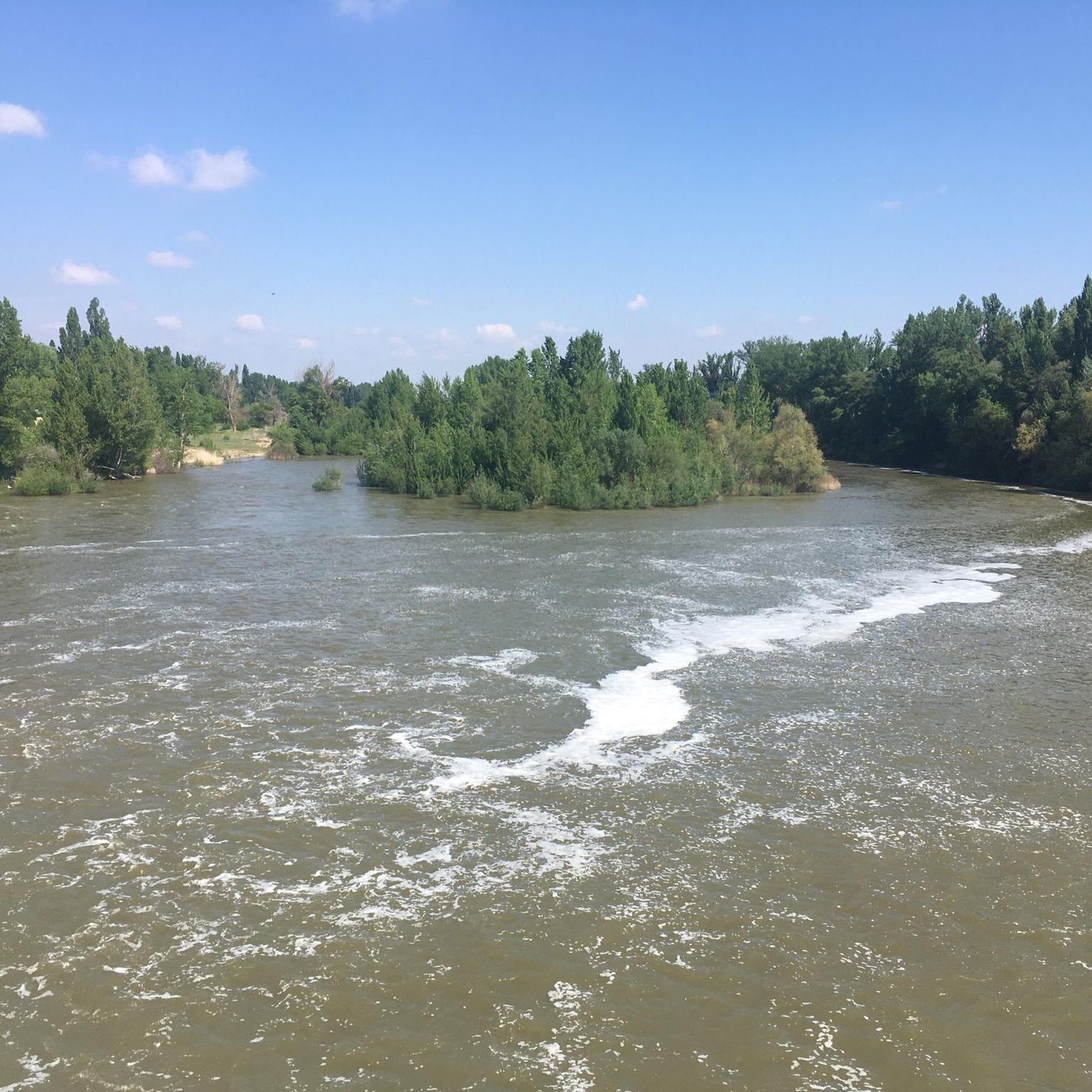
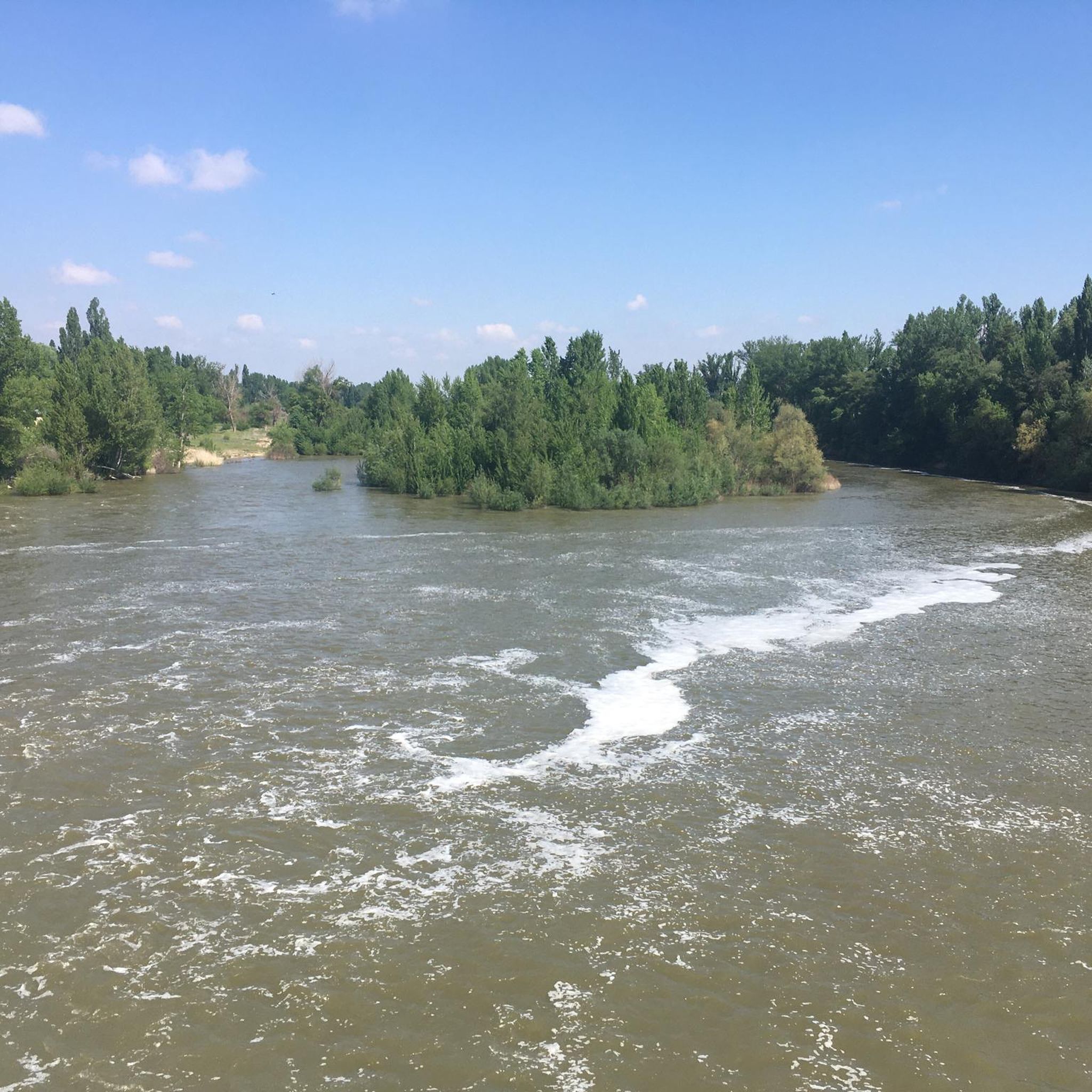
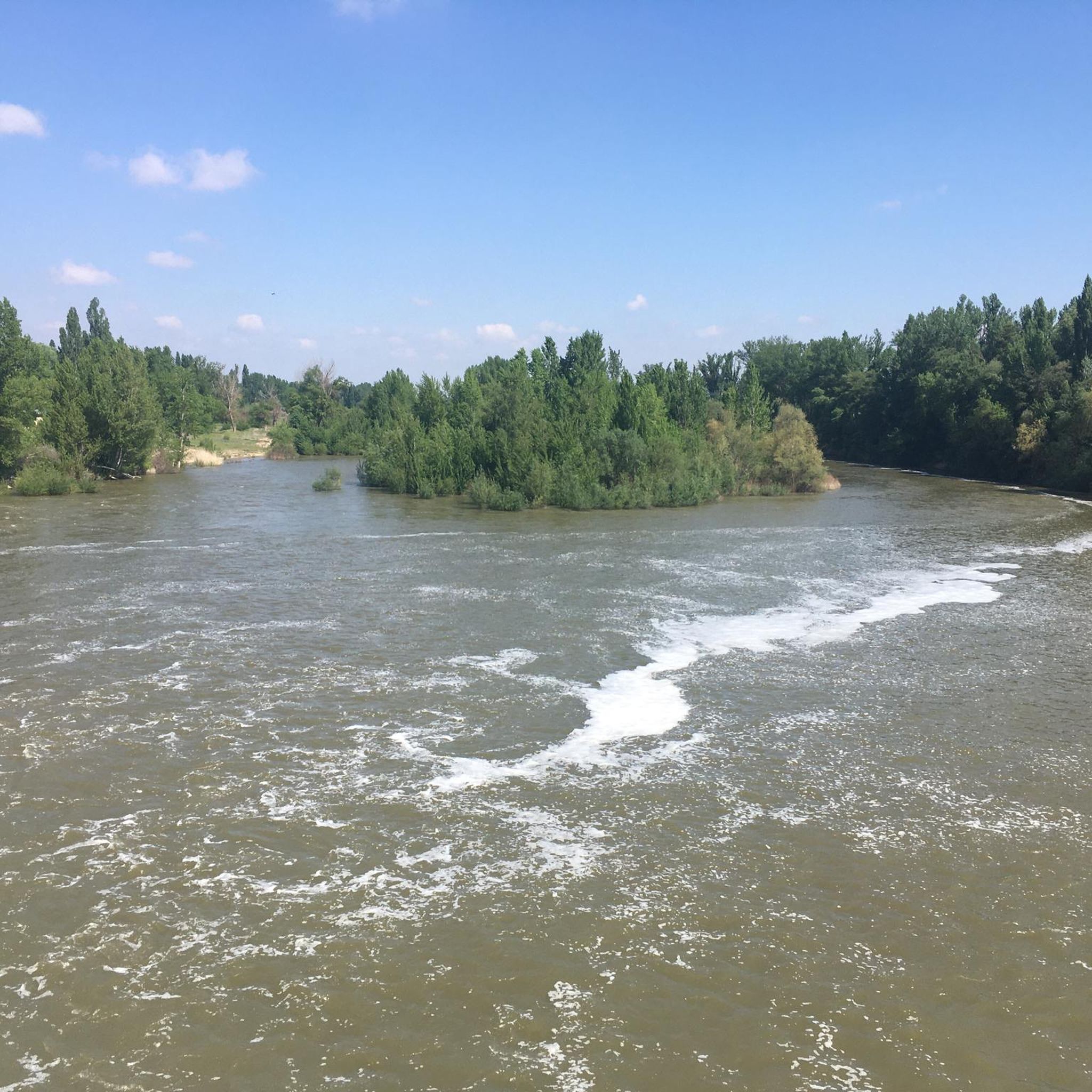
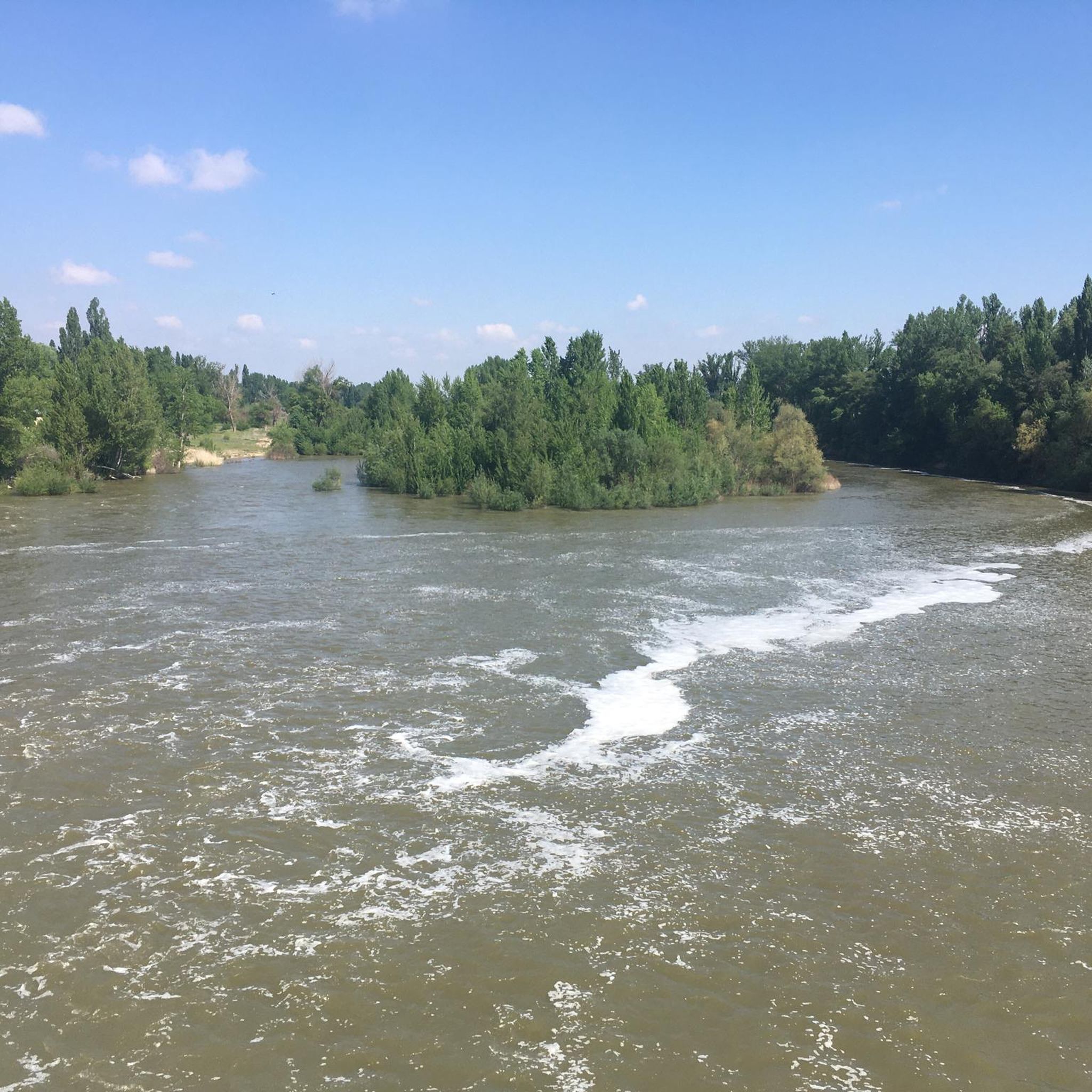
You can cross over the dam without any danger, it is a road with little traffic...
0
1
The San José Reservoir and Dam, also known as the Castronuño Dam, is a hydroelectric engineering project located in the middle course of the Duero River, about 2 km from the town of Castronuño. Built between 1941 and 1945, the dam is a gravity type and has a height of 14.05 metres.
6
0
The natural viewpoint of La Muela Park in Castronuño is an impressive place that you cannot miss. From this privileged balcony, you can observe the great meander that the Duero River draws as it passes through Castronuño. This meander is one of the largest in Europe and is located in the heart of the Riberas de Castronuño natural reserve. The landscape is idyllic, and the river has been a silent witness to the passage of time and the history of this region. If you visit Castronuño, you should definitely explore this viewpoint and enjoy the panoramic views. Also, if you like hiking, there are interesting routes in the area. I hope you have a wonderful experience there! 😊
3
0
The inspiration for the Collegiate Church came from the Cathedral of Zamora, and its design also influenced other buildings, such as the Old Cathedral of Salamanca. Construction began in the 12th century under the auspices of the kings of León. It is one of the most characteristic examples of Romanesque in its transitional phase. The works extended over an unusually long period, from the last third of the 12th century to the middle of the 13th. The collegiate church was built in two stages: the first included the side portals, walls and layouts, while the second focused on the roof and a dome with attached towers. If you ever have the opportunity to visit Toro, don't miss the opportunity to explore this wonderful collegiate church. It is a true historical treasure! 🌟
3
0
The Plaza Mayor de Toro is located halfway between the Collegiate Church and the Clock Tower. It is a typical Castilian square, surrounded by three-story houses with arcades and balconies with wrought iron bars. The ground floor of these houses are usually occupied by bars and restaurants. If you ever have the opportunity to visit Toro, be sure to stop by the Plaza Mayor and enjoy its lively and welcoming atmosphere. Have a good trip! 🌟
3
0

A nice little dam that allows you to get to the other side of the river. It also has very nice views of the landscape.
1
1
Frequently Asked Questions
What natural features can I explore around Villafranca de Duero?
The Duero River flows alongside Villafranca de Duero, offering a serene natural environment with vineyards and agricultural fields. A must-see is the View of the Duero River Meander from La Muela Park in Castronuño, which provides impressive panoramic views of one of Europe's largest river meanders. The area is also home to the Riberas de Castronuño y Vega del Duero Natural Reserve, known for its diverse aquatic birdlife and riparian forest.
Are there historical or cultural sites to visit near Villafranca de Duero?
Yes, the region offers several significant historical and cultural sites. Within Villafranca de Duero, you can visit the Parish Church of Santa María Magdalena, a modern construction from the 1980s. Nearby, in Castronuño, is the medieval Hermitage of the Holy Christ of La Muela, originally built between the late 12th and early 13th centuries. Further afield, in Toro, you'll find the remarkable Collegiate Church of Santa María la Mayor, a stunning example of transitional Romanesque architecture, and the historic Clock Tower of Toro.
What outdoor activities are available around Villafranca de Duero?
The area around Villafranca de Duero is excellent for outdoor activities, particularly along the Duero River. You can enjoy walks and hiking, with routes like the 'Almond Tree Trail' or the 'Villafranca de Duero on the banks of the Duero River — Castronuño Riverside Nature Reserve'. Cycling and mountain biking are also popular, with various routes exploring the riverbanks and surrounding landscapes. For more details on routes, check out the hiking guide, MTB trails guide, and cycling guide for the region.
Are there hiking trails suitable for different skill levels near Villafranca de Duero?
Yes, there are hiking trails catering to various skill levels. You can find easy walks like the 'Almond Tree Trail' (4.9 km) or the 'San José Dam – Viewpoint loop from Castronuño' (6.6 km). For moderate challenges, consider the 'Villafranca de Duero on the banks of the Duero River — Castronuño Riverside Nature Reserve' (12.1 km) or the 'San José Dam loop from Castronuño' (9.9 km). Explore more options in the hiking guide.
Can I find family-friendly attractions in the area?
Many attractions around Villafranca de Duero are suitable for families. The View of the Duero River Meander from La Muela Park offers beautiful natural scenery that can be enjoyed by all ages. The San José Dam is also considered family-friendly, providing an interesting engineering marvel to observe. Historic sites like the Collegiate Church of Santa María la Mayor (Toro) and the Clock Tower of Toro offer cultural experiences for families interested in history.
What is the significance of the Duero River to Villafranca de Duero?
The Duero River is central to Villafranca de Duero's identity and environment. It shapes the natural landscape with its vineyards and agricultural fields, contributing to the region's 'Tierra del Vino' (Land of Wine) heritage. The river also provides opportunities for outdoor activities and is home to significant features like the San José Dam and the impressive Duero River meander visible from La Muela Park.
What is the best time of year to visit Villafranca de Duero for outdoor activities?
For outdoor activities like hiking and cycling, the spring and autumn months generally offer the most pleasant weather, with milder temperatures. Summer can be warm, but the river areas provide some respite. The town celebrates its festivities in honor of Santa María Magdalena on July 22nd, which could be an interesting time to visit for cultural immersion.
What is the San José Dam?
The San José Dam, also known as the Castronuño Dam, is a hydroelectric engineering project located on the Duero River, about 2 km from Castronuño. Built between 1941 and 1945, it's a gravity-type dam standing 14.05 meters high, and visitors can even cross over it by road. It's a notable landmark and part of the scenic river landscape.
What kind of wildlife can be observed in the Riberas de Castronuño Natural Reserve?
The Riberas de Castronuño y Vega del Duero Natural Reserve is highly regarded for its diverse aquatic birdlife and riparian forest. It's a crucial area for nesting and wintering birds, including species like grey herons, egrets, and cormorants. The ecosystem also features poplars, willows, ash trees, and hawthorns along the riverbanks, providing a rich habitat for various flora and fauna.
Are there any legends associated with Villafranca de Duero?
Yes, Villafranca de Duero holds a legend related to King Pedro I of Castile, often called 'El Cruel.' The story suggests that the king sought refuge in the town and, in gratitude, granted it the status of 'realengo.' This made Villafranca de Duero directly dependent on the crown rather than the church or nobility, and exempted its residents from taxes, highlighting its historical significance.
What makes the Collegiate Church of Santa María la Mayor in Toro a significant site?
The Collegiate Church of Santa María la Mayor (Toro) is a remarkable example of transitional Romanesque architecture, located about 16.2 km from Villafranca de Duero. Its construction began in the 12th century and extended into the 13th, drawing inspiration from the Zamora Cathedral and influencing other designs. It's considered an authentic jewel of Romanesque-Gothic style, particularly noted for its four impressive covers, including a representation of the Last Judgment.
Are there cycling routes available near Villafranca de Duero?
Yes, the area offers several cycling routes, including options for touring bicycles and mountain bikes. You can find routes like 'Rio Duero from Toro - circular via San Jose canal - Reserva natural de las Riberas de Castronuño-Vega del Duero' (41.2 km, moderate) or 'Toro and Duero River Loop' (22.5 km, moderate). For more detailed information and additional routes, consult the cycling guide for the region.
Most popular routes around Villafranca De Duero

Get inspired with the komoot mobile app


Explore more
Still not found the Highlight you’re looking for? See guides of the top attractions in other regions:
