The best cycling routes around Cabrera D'Anoia
4.6
(89)
3,209
riders
251
rides
Touring cycling routes around Cabrera D'Anoia traverse a diverse landscape situated between the Anoia river and Alt Penedès. The region features a mix of wooded, mountainous terrain, agricultural lands, and vineyards. Cyclists encounter small valleys, hills, and abundant pine and holm oak forests, with elevations rising from the river up to approximately 600 meters. This varied topography provides a range of routes for different skill levels.
Best touring cycling routes around Cabrera D'Anoia
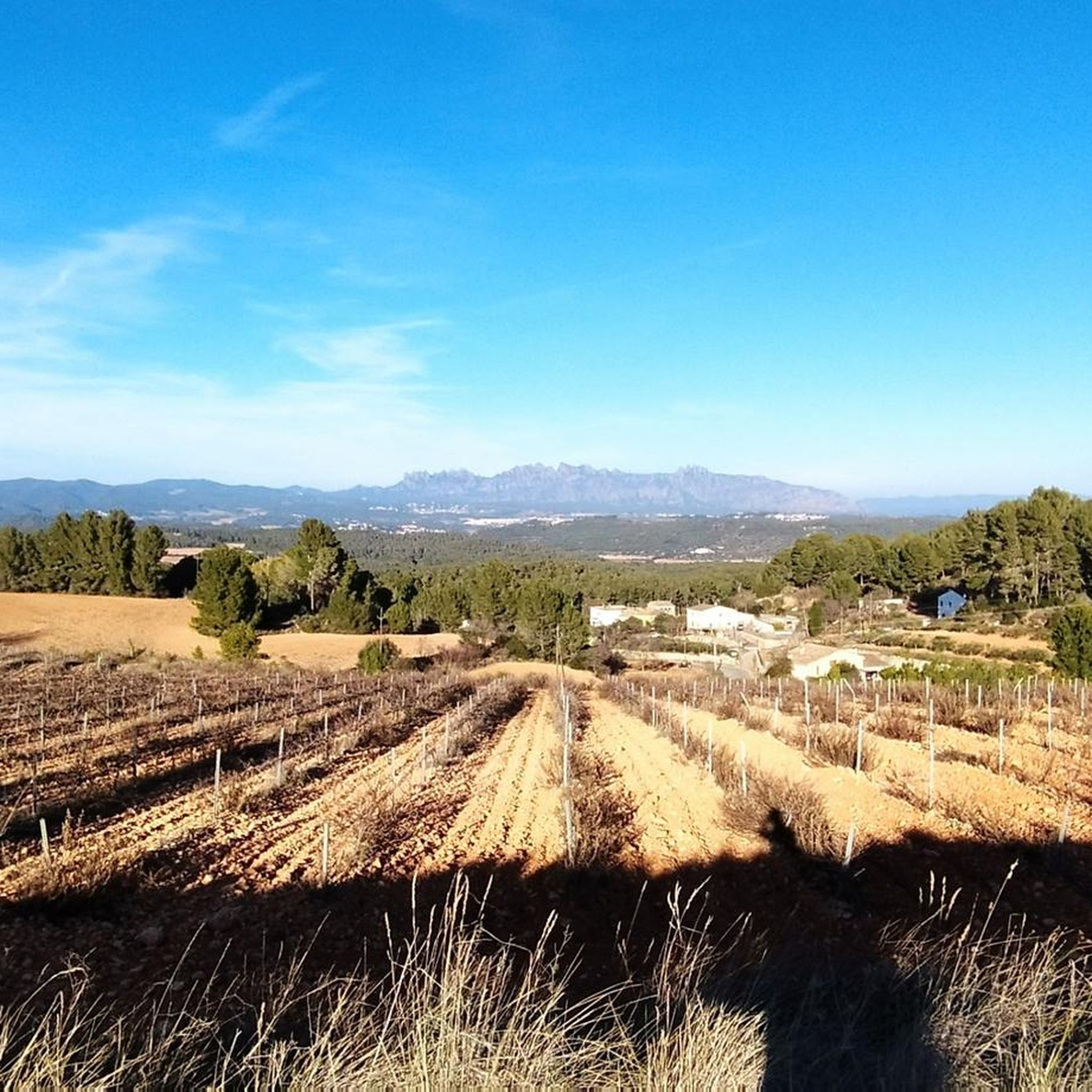
- The most popular touring cycling route is Sant Martí Sarroca and Mediona Castles Loop, a 38.7 miles (62.3 km) trail that takes 5 hours 6 minutes to complete. This route connects historical castle landmarks within the region.
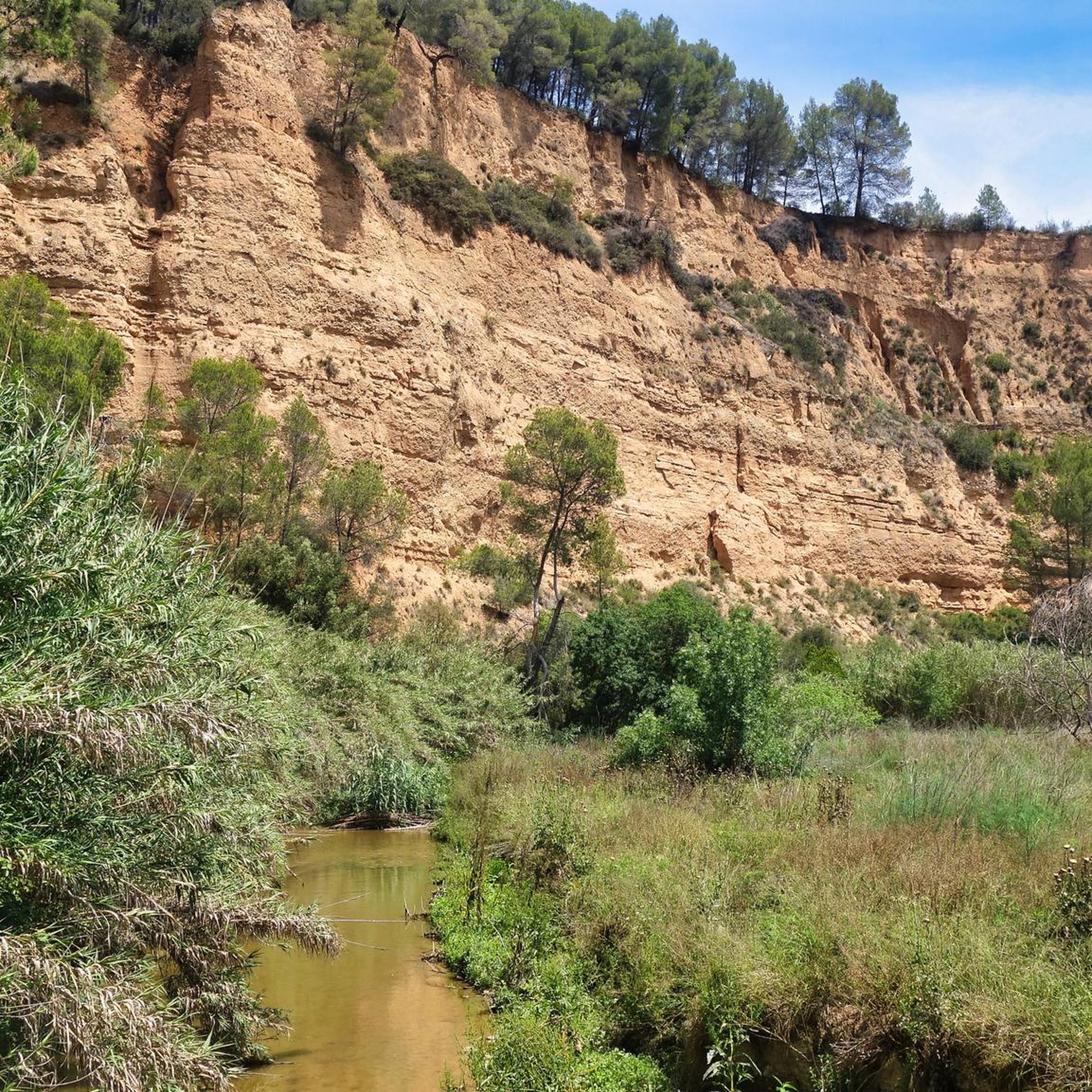
- Another top favourite among local touring cyclists is Riu Anoia Dam – House loop from Capellades, a difficult 28.1 miles (45.3 km) path. This route follows the Anoia river, passing by a dam and offering views of the surrounding natural environment.
- Local touring cyclists also love the Footbridge – Cross of Life loop from Sant Pere de Riudebitlles, a 18.3 miles (29.5 km) trail leading through varied terrain, often completed in about 2 hours 28 minutes.
- Touring cycling around Cabrera D'Anoia is defined by its valleys, hills, and extensive vineyards, alongside pine and holm oak forests. The network offers options for different ability levels, from moderate paths to more challenging ascents.
- The routes in Cabrera D'Anoia are highly rated by the komoot community with an average score of 4.5 stars from over 80 reviews. More than 3000 touring cyclists have used komoot to explore Cabrera D'Anoia's varied terrain.
Last updated: June 29, 2026
5.0
(1)
3
riders
62.3km
05:06
1,120m
1,120m
Cycle a difficult 38.7-mile route through Alt Penedès, visiting Sant Martí Sarroca and Mediona castles with 3691 feet of elevation gain.
4.6
(8)
68
riders
44.4km
02:56
580m
580m
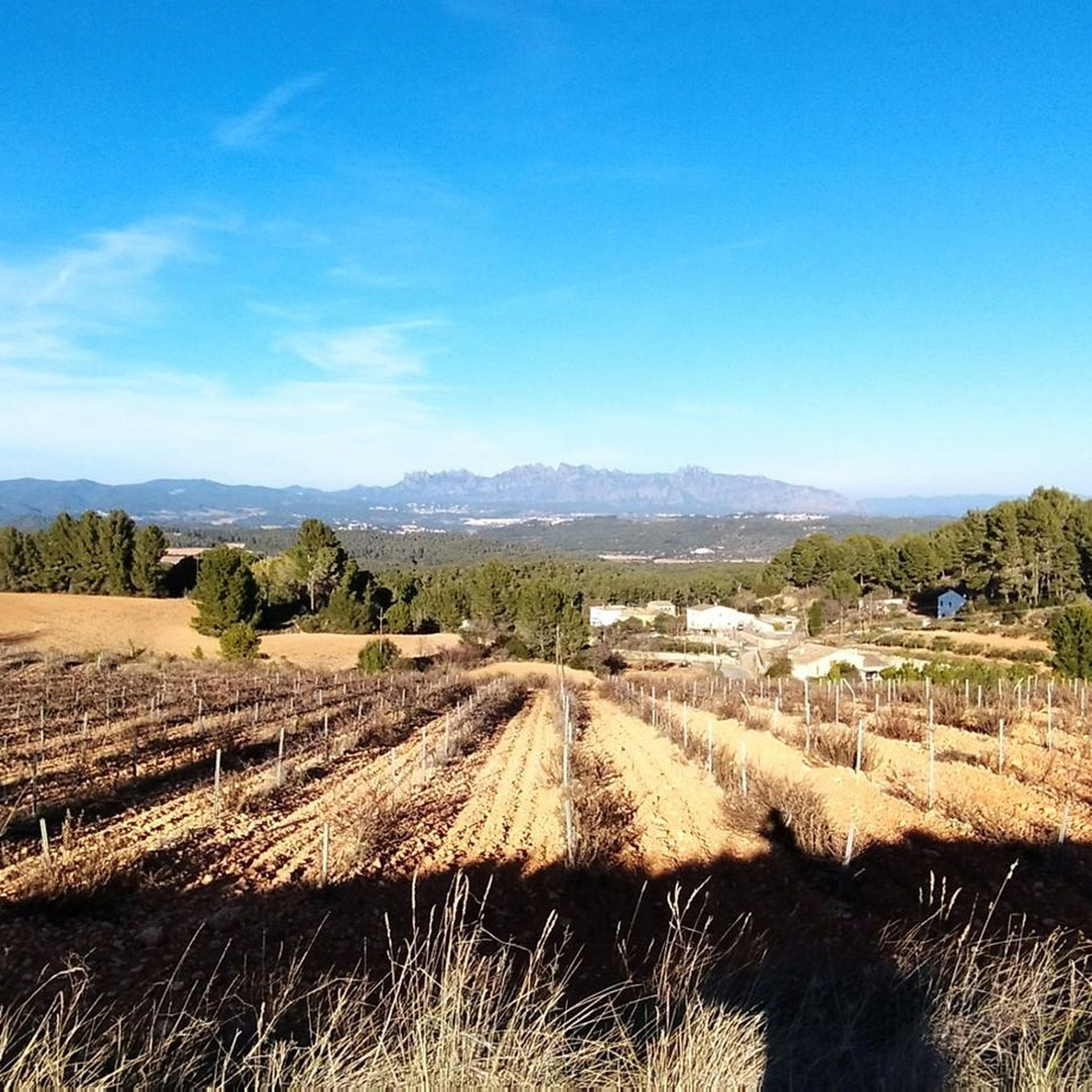
Hard bike ride. Very good fitness required. Mostly paved surfaces. Suitable for all skill levels.

Sign up for free
4.0
(1)
34
riders
29.5km
02:29
410m
410m
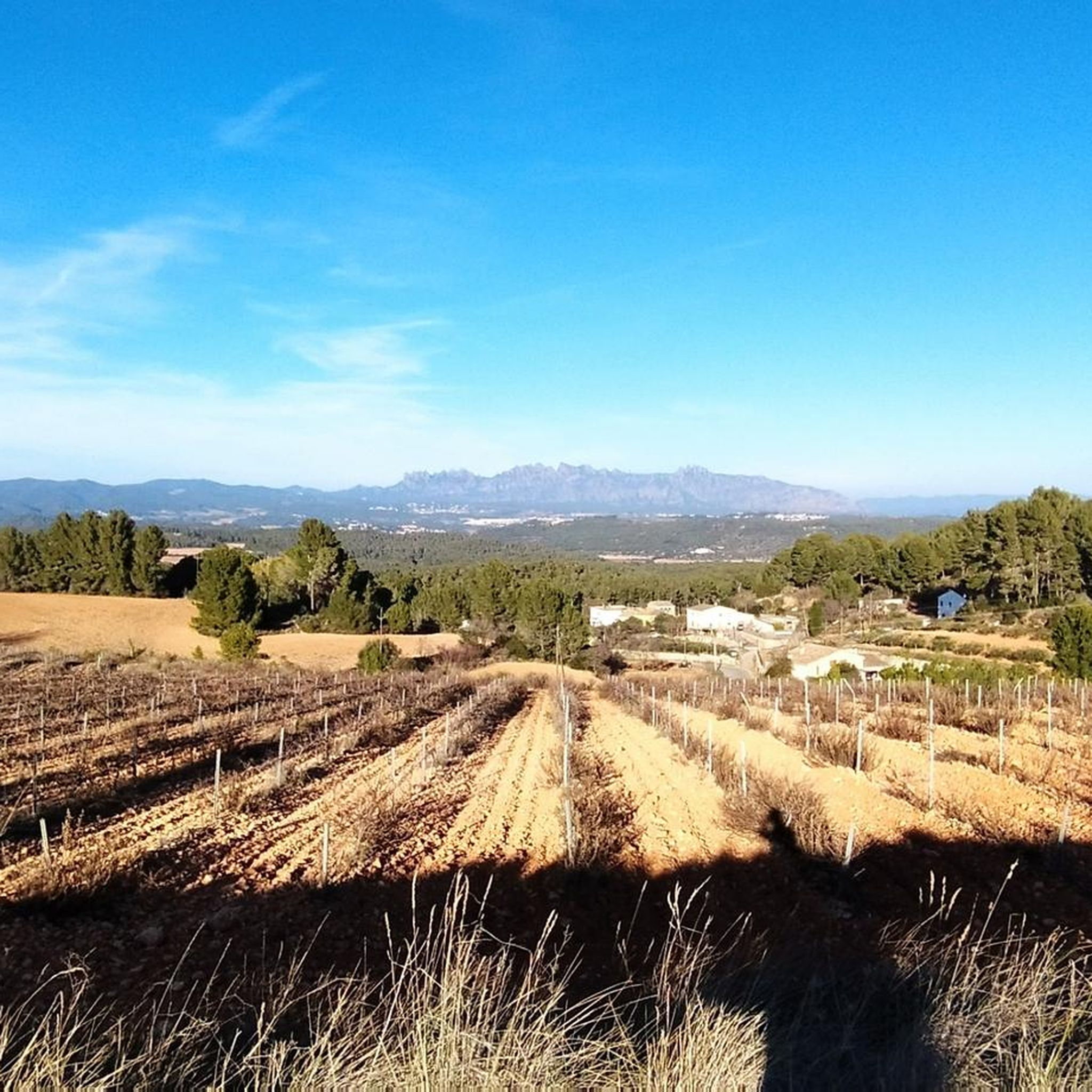
Moderate bike ride. Good fitness required. Mostly paved surfaces. Suitable for all skill levels.
22
riders
53.1km
05:17
1,150m
1,150m
Hard bike ride. Very good fitness required. You may need to push your bike for some segments of this route.
14
riders
Hard bike ride. Very good fitness required. Mostly paved surfaces. Suitable for all skill levels.
Get access to more routes and recommendations from other explorers.
Sign up for free
Already have an account?
Our route recommendations are based on thousands of hikes, rides, and runs completed by other people on komoot.
Start today with a free account
Your next adventure awaits.
Login or Signup

Tips from the Community

For all fitness levels, experience with the bike is required if you are riding on wet/damp terrain as the bike may skid, you may need to push the bike in some sections.
0
0

The path is very easy and pleasant.
0
0

It is located in a rural environment of vine cultivation that has certainly been a mute witness to conflicts between the farmers, to dead rabassa contracts, to the appearance of phylloxera... but also to the prosperity of its inhabitants, of demographic growth, changes... Sant Joan de Lledó is a small church of Romanesque origin, whose factory has been modified over the years. It is one of the many testimonies that are part of the repopulating movement of these borderlands. It is a chapel with a single rectangular nave with an added side building, the sacristy, which has the shape of a pre-Romanesque apse. It has lateral buttresses and a raised apse, with a Romanesque window, in the Baroque period. It has a door on the west facade with an archivolt and above it, an open bull's eye and a redone bell tower. The chapel is located in the middle of vineyards, almond trees and olive trees. Source: https://ca.wikipedia.org/wiki/Sant_Joan_de_Lled%C3%B3
0
0

A giant chair that stands on the hill of Malgranada in Torrelavit. From here you can enjoy a 360 degree view of the Penedès landscape.
0
0

Note that the railing has some spots with rust.
1
0

The Museu Molí Paperer de Capellades is a museum dedicated to the paper industry, located in the town of Capellades, in the Catalan region of l'Anoia. The museum occupies the old premises of a paper mill, called Molí de la Vila, which preserves the structure of the paper mills of the 18th century. Next to the building there is an artificial lake fed by a water source, known as the "bassa" and which is fed by the Carme - Capellades aquifer. The museum explains the history of papermaking, and preserves original tools for manual papermaking. In fact, in its underground premises paper is still made with these artisanal techniques.
0
0
The Capellades prehistoric park is a cultural facility located in the Cinglera del Capelló, the cliff on which the town of Capellades sits, in the Catalan region of l'Anoia. This area, in addition to its geological and landscape value, has great archaeological value, due to the presence of around twenty sites from various periods. The cliff itself is one of the park's attractions. Its origin is in the action of carbonated waters that, by fossilizing plant colonies, form fall travertines, a type of fossil waterfall that is locally called "capellons". Its growth formed cornices, grottoes and caves that were used as shelter by groups of prehistoric settlers. One of these caves constitutes the best preserved Paleolithic archaeological site in the complex, known as "l'Abric Romaní", used as a refuge by groups of Neanderthals and which has been excavated since 1983.
0
0

It is located in a rural environment of vine cultivation that has certainly been a mute witness to conflicts between the farmers, to dead rabassa contracts, to the appearance of phylloxera... but also to the prosperity of its inhabitants, of demographic growth, changes... Sant Joan de Lledó is a small church of Romanesque origin, whose factory has been modified over the years. It is one of the many testimonies that are part of the repopulating movement of these borderlands. It is a chapel with a single rectangular nave with an added side building, the sacristy, which has the shape of a pre-Romanesque apse. It has lateral buttresses and a raised apse, with a Romanesque window, in the Baroque period. It has a door on the west facade with an archivolt and above it, an open bull's eye and a redone bell tower. The chapel is located in the middle of vineyards, almond trees and olive trees.
0
0
Frequently Asked Questions
How many touring cycling routes are available in Cabrera D'Anoia?
There are over 260 touring cycling routes in Cabrera D'Anoia, offering a wide range of options for different skill levels and preferences.
What kind of terrain can I expect on touring cycling routes in Cabrera D'Anoia?
The terrain in Cabrera D'Anoia is quite varied, ranging from wooded, mountainous areas to agricultural lands and extensive vineyards. You'll encounter small valleys, hills, and forests of pine and holm oak, with elevations rising from the Anoia river up to around 600 meters. This diverse landscape provides both challenging ascents and scenic, rolling paths.
Are there any easy touring cycling routes suitable for beginners?
Yes, Cabrera D'Anoia offers a few easy touring cycling routes perfect for beginners or those looking for a more relaxed ride. While most routes are moderate to difficult, there are at least 3 routes categorized as easy. These typically feature less elevation gain and smoother paths.
Can I find routes that feature waterfalls or natural monuments?
Absolutely! The region is known for its natural beauty, including several waterfalls and natural monuments. You can explore highlights like Can Rimundet's Waterfall, Font d'en Sala, and Les Deus Fountains. The "Ruta dels Salts d'Aigua" is a popular way to discover these cascades, especially after rainfall.
What historical landmarks can I see along the touring cycling routes?
Cabrera D'Anoia is rich in history. You can cycle past the remains of **Castillo de La Granada** and **Castell de Cabrera**, both significant historical landmarks. The route Sant Martí Sarroca and Mediona Castles Loop specifically connects historical castle landmarks within the region, offering a blend of cycling and cultural exploration.
Are there any touring cycling routes that offer scenic viewpoints?
Yes, the varied topography of Cabrera D'Anoia provides several opportunities for stunning views. The Miravinya “La Cadira” Viewpoint – La Bleda Tower loop from Sant Pere de Riudebitlles is a great option, passing by the Miravinya La Bardera viewpoint, which offers panoramic vistas of the surrounding landscape.
What do other touring cyclists enjoy the most about touring cycling in Cabrera D'Anoia?
The area is highly rated by the komoot community, with an average score of 4.5 stars from over 80 reviews. Reviewers often praise the diverse landscape, which includes valleys, hills, and extensive vineyards, alongside beautiful pine and holm oak forests. The variety of routes, catering to different ability levels, is also a frequently highlighted positive aspect.
Are there any circular touring cycling routes in the area?
Many of the touring cycling routes in Cabrera D'Anoia are designed as loops, allowing you to start and end at the same point. For example, the Riu Anoia Dam – House loop from Capellades and the Footbridge – Cross of Life loop from Sant Pere de Riudebitlles are popular circular options that showcase different aspects of the region's natural beauty.
What is the best time of year for touring cycling in Cabrera D'Anoia?
The province of Barcelona, where Cabrera D'Anoia is located, is known for its year-round hospitable weather, making it an ideal cycling destination for much of the year. Spring and autumn generally offer the most pleasant temperatures for touring cycling, with comfortable conditions and vibrant landscapes. Even winter can be suitable, though some routes might be affected by rainfall, which in turn makes the waterfalls more impressive.
Are there any routes that pass through vineyards or offer opportunities for enotourism?
Yes, as Cabrera D'Anoia is integrated within the DO Penedès wine production area, many routes traverse agricultural lands and extensive vineyards. This provides excellent opportunities for enotourism, allowing cyclists to visit local cellars and taste wines. The region's landscape is characterized by these vineyards, making them a common and scenic feature of many touring cycling paths.
Can I find routes that are suitable for families with children?
While many routes in Cabrera D'Anoia are categorized as moderate to difficult, there are easier options available that could be suitable for families, especially those with some cycling experience. Look for routes with less elevation gain and shorter distances. It's always recommended to check the specific route details and difficulty ratings on komoot to ensure it matches your family's capabilities.
Are there any routes that follow the Anoia river?
Yes, the Anoia river is a significant natural feature of the region, and some touring cycling routes follow its course. The Riu Anoia Dam – House loop from Capellades, for instance, follows the Anoia river, passing by a dam and offering picturesque views of the surrounding natural environment along the riverbanks.
Most popular routes around Cabrera D'Anoia
Most popular attractions around Cabrera D'Anoia

Get inspired with the komoot mobile app


Explore more
Browse the best Cycling routes in other regions.
