Attractions and Places To See around Vega De Santa María - Top 9
Best attractions and places to see around Vega De Santa María include a blend of historical sites, cultural landmarks, and natural features within the province of Ávila, Spain. This municipality is situated in the La Moraña region, characterized by its plains and the presence of rivers like the Adaja and Arevalillo. Visitors can explore a landscape that contrasts with the extensive Castilian plain, featuring hills and lagoons. The area offers insights into local history and traditional architecture.
Best attractions and…
Last updated: July 12, 2026
El Bohodón
Highlight • Settlement
Translated by Google •
Tip by

Mingorría
Highlight • Settlement
Translated by Google •
Tip by
Sign up now to discover places like this
Get recommendations on the best single tracks, peaks, & plenty of other exciting outdoor places.
Sign up for free
Church of San Pedro Apóstol and the Verraco Vettón (Stone Bear)
Highlight • Religious Site
Translated by Google •
Tip by
Church of San Miguel Arcángel of Gotarrendura
Highlight • Religious Site
Regarding its artistic style, it connects very well with the Mudejar style typical of its area, although its baroque part stands out more.
Translated by Google •
Tip by

Maello
Highlight • Settlement
Translated by Google •
Tip by

Sign up for free to discover even more attractions around Vega De Santa María.
Sign up for free
Already have an account?
Start today with a free account
Your next adventure awaits.
Login or Signup

Tips from the Community

The Church of San Pedro Apóstol in El Oso, Ávila, is a parish church dating back to the 16th century. It stands out for its stone architecture, with three naves separated by large semicircular arches and a 17th-century Baroque main altarpiece. ⛪😎 In front of the church, there is the Stone Bear, also known as Verraco Vettón. This stone sculpture is part of the town's Open Air Museum and has great historical and cultural importance.🐻
4
0
El Bohodón is a municipality in Spain belonging to the province of Ávila, in the autonomous community of Castilla y León. It is located in the La Moraña region, in the north of the province. It is located 35 kilometers from the capital and 17 kilometers from Arévalo.
5
0
The place name Mingorría retains Basque reminiscences, deriving from “mendi gorria,” which means “red mountain” or “red land.” This is observed in other cases in the province of Ávila, such as the town of Mendigorría in Navarra. In historical documents, Mingorría already appears as Ningorría, and it is believed that there was an assimilation due to the change of the liquid initials “M” to “N.” Another legend attributes the name of Mingorría to the notice that José Chinchurreta gave to monarch Felipe II, justifying the delay in the supply of granite during the works of the Monastery of El Escorial.
4
0

It is the parish church of Gotarrendura and its construction dates from the s. XVII. Regarding its artistic style, it connects very well with the Mudejar style typical of its area, although its baroque part stands out more.
1
0
It is the church of the locality, with origin of the s. XVI. In front of it, you can see another of the stops of the Open Air Museum: the stone bear or Verraco Vettón, around which there is a whole local mythology.
2
1

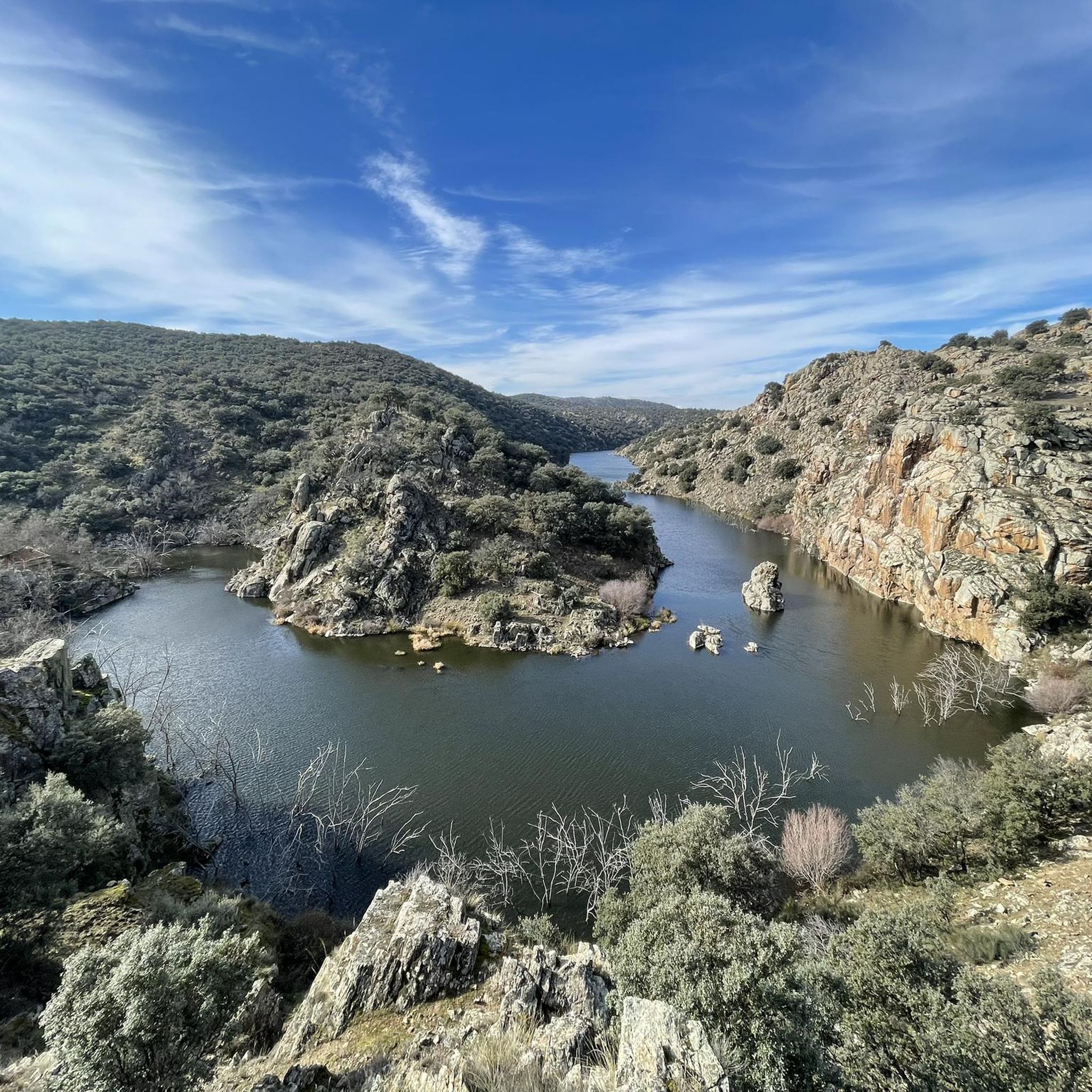
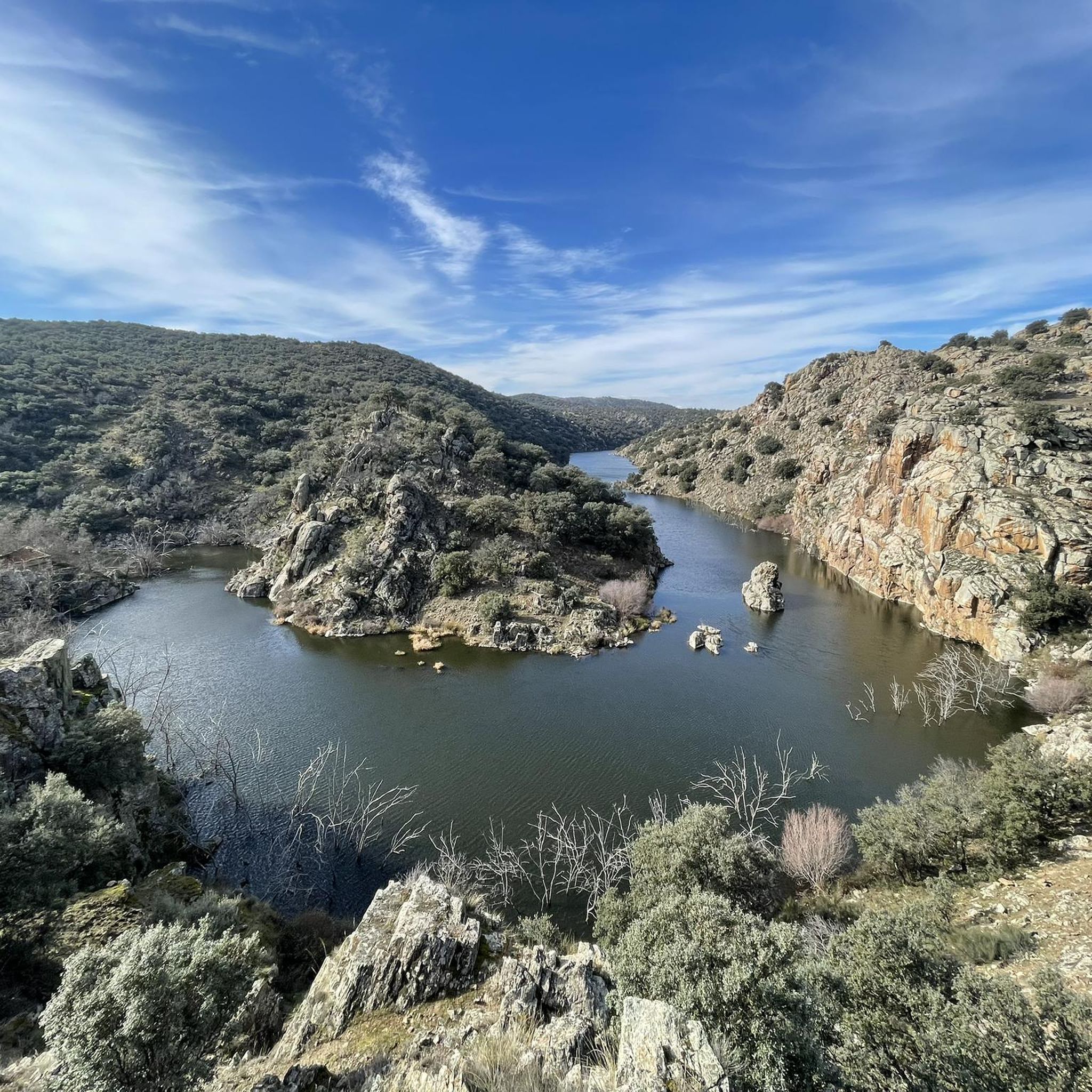
Small population where two rivers bathe the lands of the municipality, to the east the Adaja river and to the west the Arevalillo river, a tributary of the previous one.
1
0
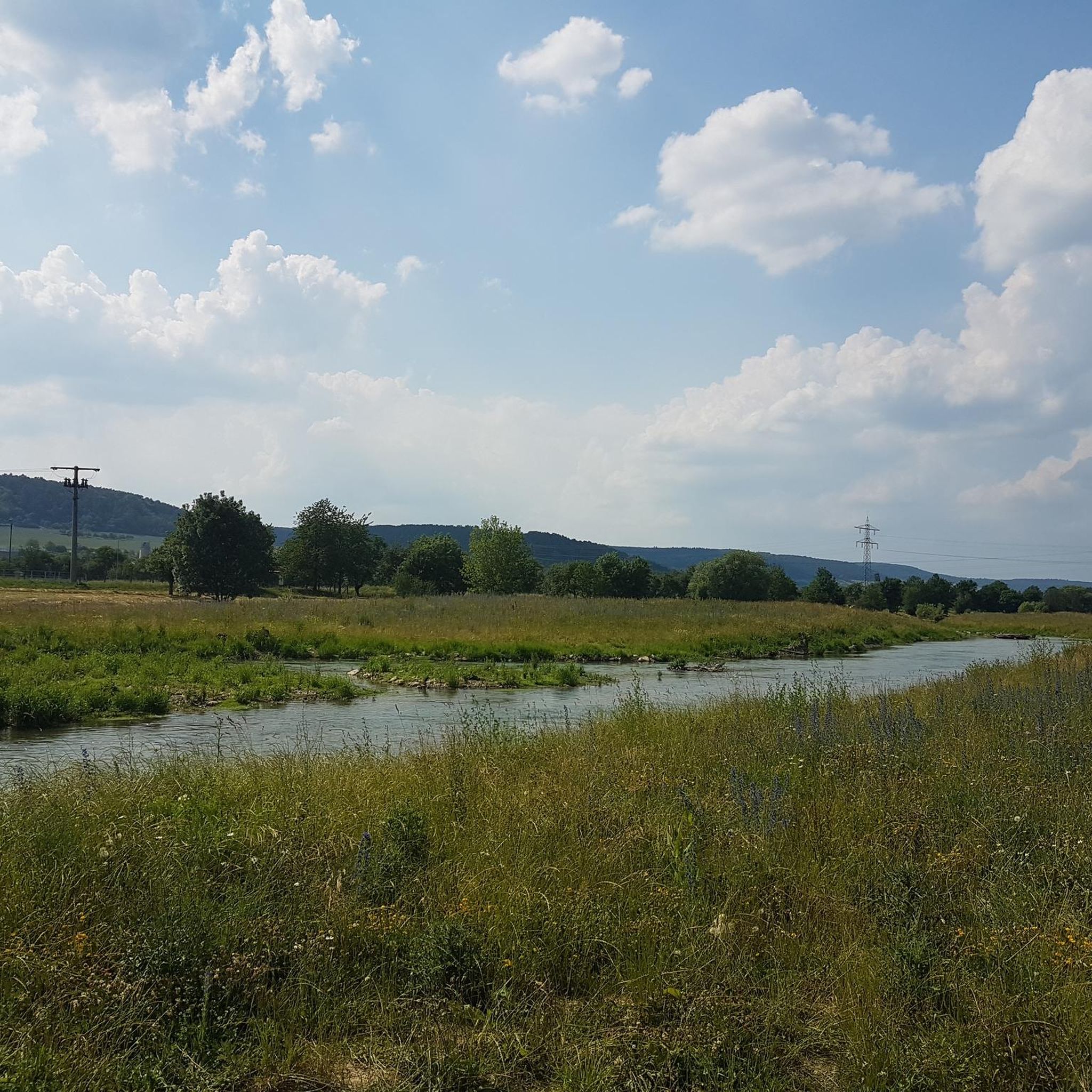
A small town that is characterized by its location close to the banks of the Adaja river where it flows through the territory of the municipality. The surroundings of the town are beautiful, as is the church that is in the old center of the town.
2
0
On its arrival in the town, it is enclosed in large ridges that fall in rounded shapes where the nucleus is located in its lower part. The church, beautiful, there is usually a nest of storks that give it a special touch.
1
0
Frequently Asked Questions
What historical and cultural sites can I explore in Vega de Santa María?
Vega de Santa María offers several historical and cultural points of interest. You can visit the Parish Church of Nuestra Señora de la Asunción, known for its Mudejar tower and apse, and its richly ornamented interior. Another significant site is the ruins of The Palace, which once belonged to the Marquis of San Saturnino. For a unique experience, explore the Museo de Escultura al Aire Libre VSM, an open-air sculpture museum featuring works by Javier Jiménez throughout the village.
Are there any notable religious buildings or churches to visit in the area?
Yes, the region has several significant religious buildings. In Vega de Santa María itself, the Parish Church of Nuestra Señora de la Asunción is a must-see. Additionally, the current local church, known as The Hermitage, features a belfry with three bells. Further afield, you can visit the Church of San Pedro Apóstol in El Oso, a 16th-century parish church with a Baroque altarpiece, and the church in Maello, which is often home to a stork's nest.
What natural features or landscapes can I discover around Vega de Santa María?
The area around Vega de Santa María offers diverse natural landscapes that contrast with the Castilian plain. You can explore hills such as the "Cerro de la Goyá," the "Alto de San Pedro," and "Los Valles o las Barrancas." The municipality also features two lagoons to the north. The settlement of El Bohodón is notable for being bathed by the Adaja and Arevalillo rivers.
Are there any unique local traditions or historical anecdotes associated with the attractions?
Yes, the Parish Church of Nuestra Señora de la Asunción in Vega de Santa María hosts celebrations in mid-August for the Virgin Mary and performs Lope de Vega's sacred rhymes during Holy Week. The village is also known for its numerous fountains, whose waters are traditionally believed to have beneficial properties for stomach ailments. In El Oso, the Verraco Vettón (Stone Bear) in front of the Church of San Pedro Apóstol has a rich local mythology surrounding it.
What kind of outdoor activities, like cycling or mountain biking, are available near Vega de Santa María?
The region around Vega de Santa María is excellent for outdoor activities. For mountain biking enthusiasts, you can find various MTB Trails around Vega De Santa María, including moderate routes like the "Arco de Consejeros – Castro de Las Cogotas loop." If you prefer cycling, there are several Cycling routes around Vega De Santa María, such as the "Muñopedro Straights loop." Road cyclists can also explore Road Cycling Routes around Vega De Santa María, with options like the "Muñopedro, Maello y Hernansancho — circular desde Sanchidrián" route.
Are there any family-friendly attractions or settlements to visit?
Several settlements in the area are considered family-friendly. Maello is a charming settlement with a beautiful church. Vega de Santa Maria itself is a small town offering views of the plains and features the Iglesia de Nuestra Señora de la Asunción. Mingorría is another small town characterized by its location near the Adaja river, with beautiful surroundings and an old church in its center.
What is the significance of the name 'Mingorría'?
The place name Mingorría retains Basque influences, deriving from “mendi gorria,” which translates to “red mountain” or “red land.” Historical documents show it appearing as Ningorría, suggesting an assimilation due to the change of liquid initials. There's also a local legend attributing its name to a message given to King Felipe II regarding granite supply for the Monastery of El Escorial.
What are some of the unique architectural features found in the region?
The region showcases interesting architectural elements. The Parish Church of Nuestra Señora de la Asunción in Vega de Santa María features Mudejar vestiges in its tower and a Mudejar coffered ceiling inside. The Church of San Pedro Apóstol in El Oso is a 16th-century stone church with three naves and a 17th-century Baroque main altarpiece. Even the ruins of the "Salón del Baile" in Vega de Santa María hint at past architectural use as a dance hall and theater.
Are there any specific viewpoints or scenic spots to enjoy the landscape?
Yes, the settlement of Vega de Santa Maria itself offers views of the surrounding plains of Ávila. The ruins of The Palace are situated on a hill, providing a commanding view over the entire village. Additionally, natural elevated areas like the "Cerro de la Goyá" and the "Alto de San Pedro" offer scenic perspectives of the contrasting Castilian landscape.
What are the main rivers that flow through the region?
The region is characterized by the presence of two main rivers. The settlement of El Bohodón is notably bathed by both the Adaja and Arevalillo rivers. The Adaja river also flows near Mingorría, contributing to the beautiful surroundings of the town.
What kind of art can be found in Vega de Santa María?
Vega de Santa María is home to the unique Museo de Escultura al Aire Libre VSM (Open-Air Sculpture Museum VSM). This museum features various stone sculptures by the artist Javier Jiménez, integrated into the village landscape, offering an engaging artistic experience as you explore.
Most popular routes around Vega De Santa María

Get inspired with the komoot mobile app


Explore more
Still not found the Highlight you’re looking for? See guides of the top attractions in other regions:
