Attractions and Places To See around Ocaña - Top 20
Best attractions and places to see around Ocaña include a rich cultural and architectural heritage, situated in the historic town within the province of Toledo, Castilla-La Mancha. Its medieval layout features numerous landmarks, palaces, convents, and churches. Ocaña's strategic location on the Mesa de Ocaña also provides natural appeal, offering a landscape with its own character. This region serves as a gateway to La Mancha, providing opportunities to explore both historical sites and the local environment.
Best attractions and places…
Last updated: July 7, 2026
Royal Palace of Aranjuez
Highlight • Historical Site
Royal Palace of Aranjuez: This majestic residence of the Spanish royal …
Translated by Google •
Tip by

Royal Palace of Aranjuez
Highlight • Historical Site
Translated by Google •
Tip by
Sign up now to discover places like this
Get recommendations on the best single tracks, peaks, & plenty of other exciting outdoor places.
Sign up for free
Royal Chapel of San Isidro
Highlight • Religious Site
Translated by Google •
Tip by
Tree-Lined Road to Aranjuez
Highlight (Segment) • Cycleway
Translated by Google •
Tip by
Church of San Antonio
Highlight • Religious Site
Translated by Google •
Tip by
Sign up for free to discover even more attractions around Ocaña.
Sign up for free
Already have an account?
Start today with a free account
Your next adventure awaits.
Login or Signup
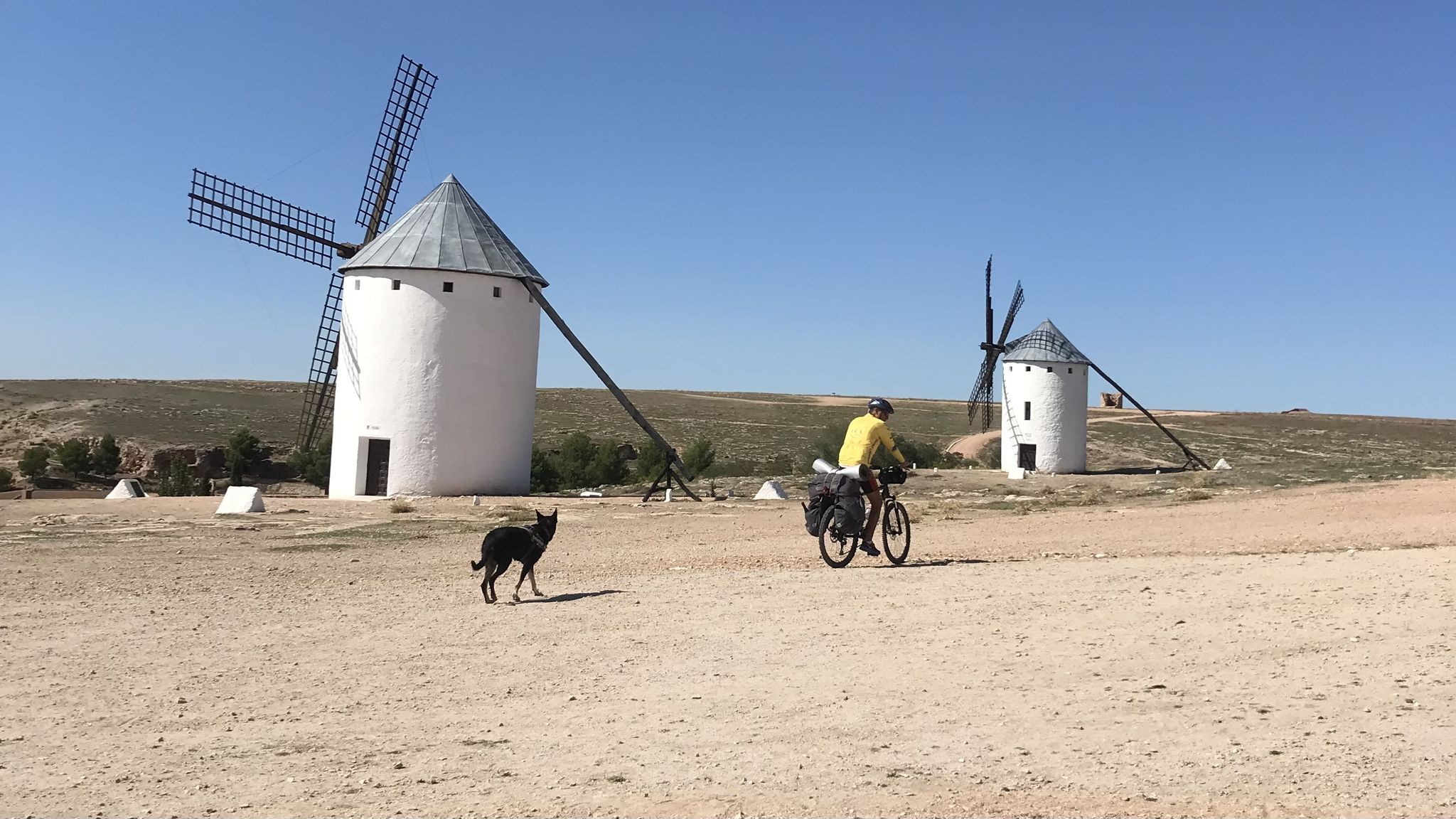
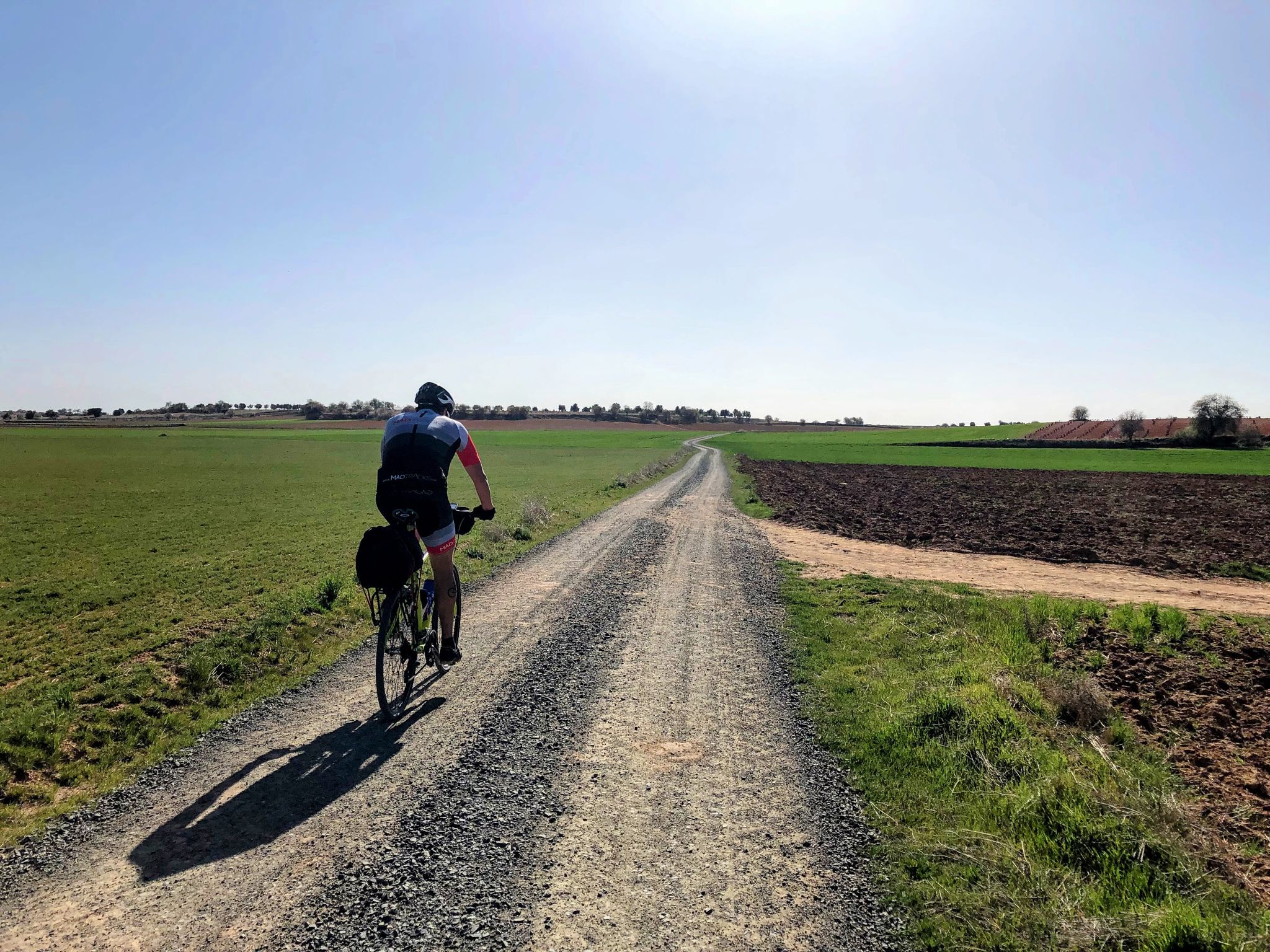
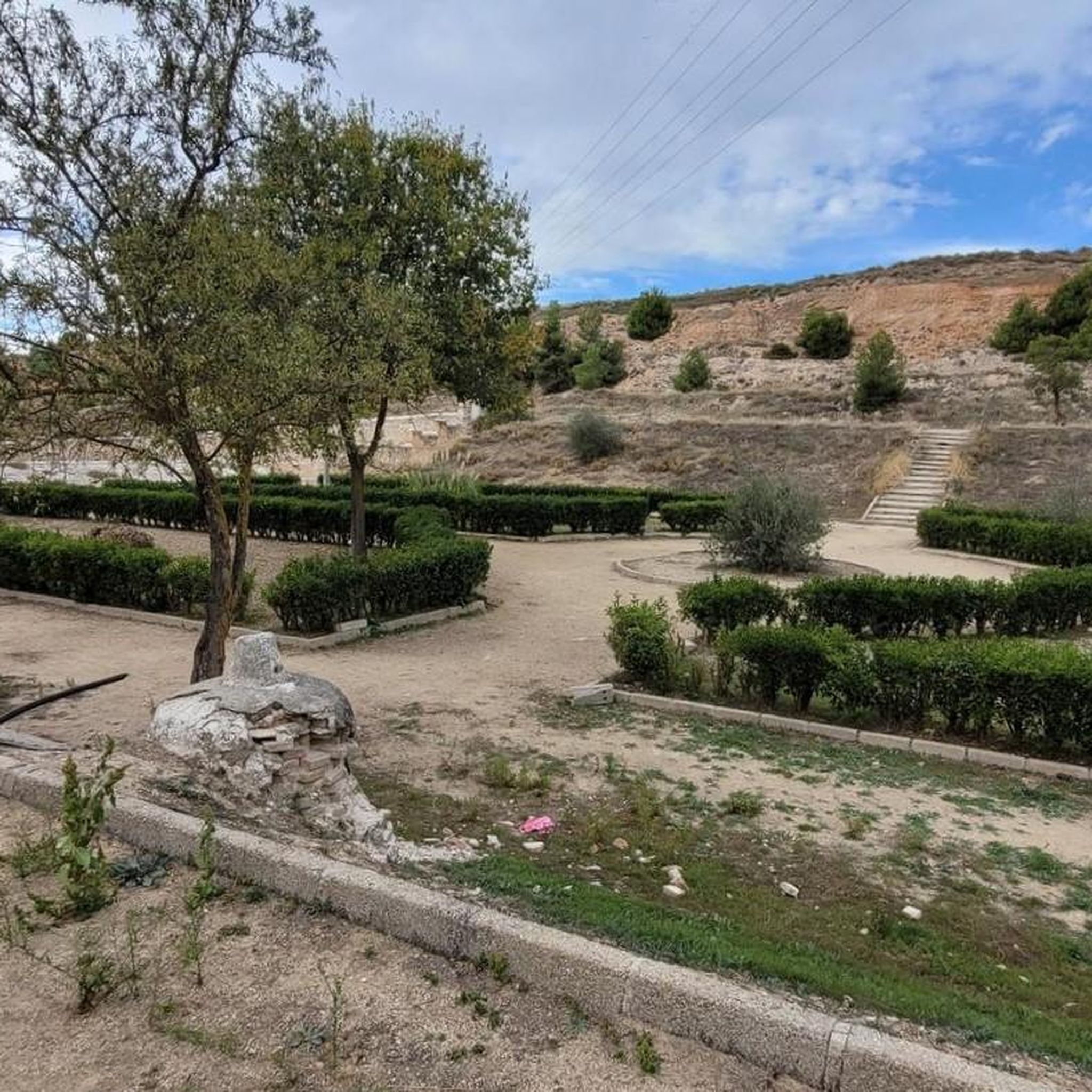
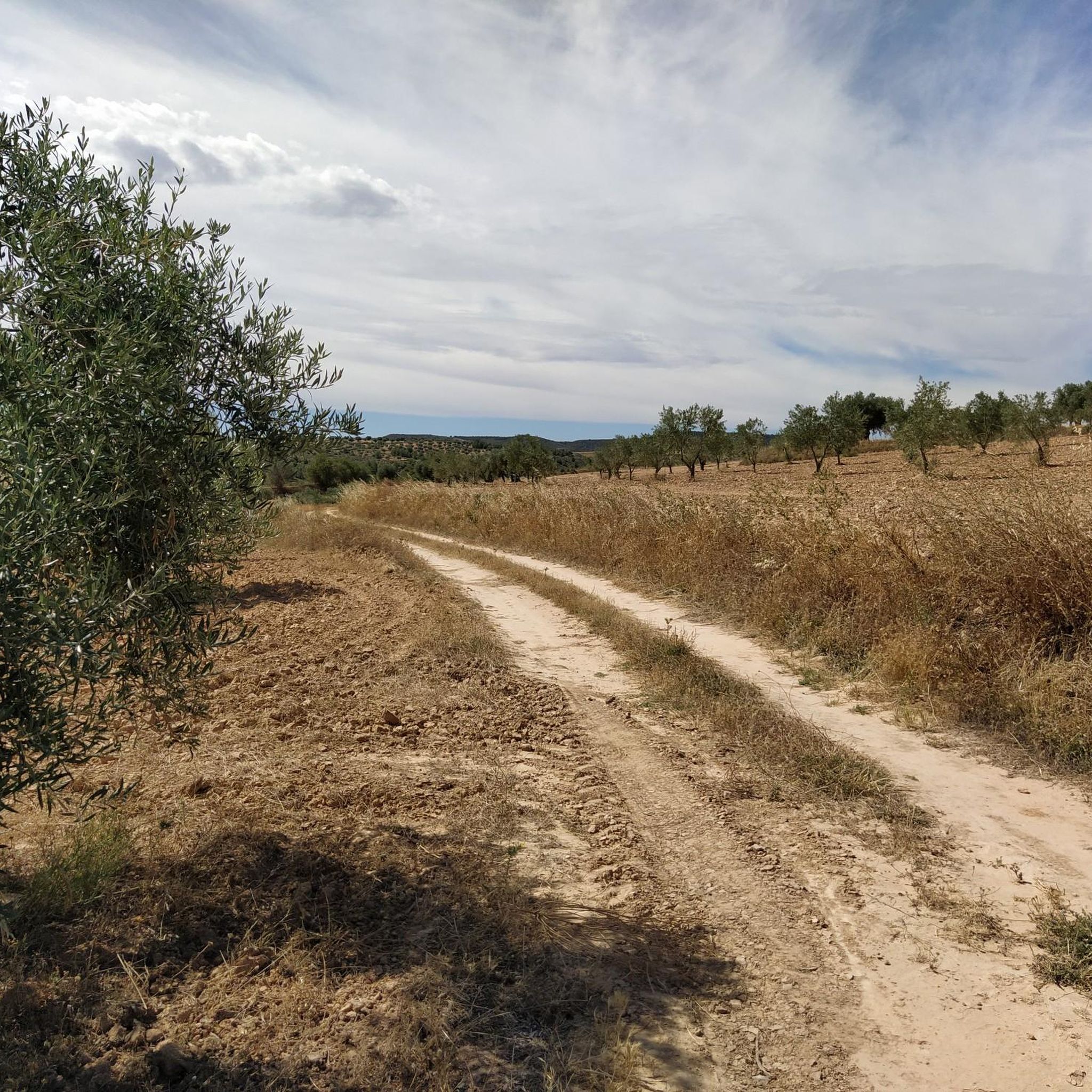



Tips from the Community

The M-305 highway in Aranjuez passes by the Puente de la Reina (Queen's Bridge), a key point for accessing the Royal Estate of San Isidro and connecting with the Prince's Garden. From this point, Calle San Isidro, lined with linden and elm trees, leads directly to the Royal Estate of San Isidro. It is a paved secondary road with two lanes, connecting Aranjuez with Colmenar de Oreja and other nearby towns. It forms part of the southern access to the Royal Site of Aranjuez and is surrounded by historical and agricultural areas.
4
0
Declared a World Heritage Site by UNESCO, the Royal Palace of Aranjuez is surrounded by a total of 111.23 hectares of gardens that can be visited and is located in a fertile plain at the confluence of the Tajo and Jarama rivers. It has been the country residence par excellence of the Spanish monarchs.
6
0
The Royal Chapel of San Isidro was built by order of King Carlos III because the oratory of the Royal House could not accommodate all of its employees and laborers who lived in the Cortijo. In this way, the ministers Floridablanca and Grimaldi commissioned the project to Jaime Marquet, but when he died in 1782, Manuel Serrano took over building the current church, which was inaugurated on May 15, 1788. The chapel has a neoclassic. The portico is adorned with four Doric style columns.
30
0
This old agricultural farmhouse, ordered to be created in 1766 by Charles III, sits on land that previously belonged to the 12th century town of Villafranca. With an area of 1,126 hectares, it is located about six kilometers northeast of Aranjuez, on the Colmenar de Oreja highway (M-305).
12
0
Aranjuez, located in the Community of Madrid, is a Royal Site and Villa with a rich history and beauty. Royal Palace of Aranjuez: This majestic residence of the Spanish royal family is located on the banks of the Tagus River. Its gardens, such as those of the Island, Isabel II and the Jardín del Príncipe, are aesthetic spaces and plant museums. The Prince's Garden houses the Fountain of Apollo and the Asian and American Islands.
11
0
This majestic palace, managed and maintained by National Heritage, is located on the banks of the Tagus River. Its history and beauty fill every corner of this Royal Site, which is part of the Cultural Landscape of Aranjuez, declared World Heritage by UNESCO. I hope you enjoy your visit to the Royal Palace of Aranjuez! 🏰🌳🌸
10
0

Royal Palace, open to visitors. The surrounding gardens can also be visited (free). https://nl.m.wikipedia.org/wiki/Koninklijk_Paleis_van_Aranjuez
1
0

There is little to say that is no longer known about the royal palace of Aranjuez, except that it was a summer stay for the rest of the monarchs and their entourage, whom they accompanied on each trip. All kinds of cultural activities took place there, including chapel music concerts and some stage performances such as zarzuelas or small-format operas.
2
0
Frequently Asked Questions
What historical landmarks can I explore in Ocaña?
Ocaña is rich in history. You can visit the impressive Plaza Mayor, a Baroque-style square declared a historical and artistic monument. Other notable sites include the 15th-century Palacio de los Cárdenas with its blend of Renaissance, Gothic, and Mudejar elements, and the majestic Gothic-style Rollo de Justicia (Pillory) from the same century.
Are there any significant religious buildings to visit in Ocaña?
Yes, Ocaña features several important religious sites. The Convent of Santo Domingo de Guzmán is a Renaissance building with a beautiful two-storied cloister. You can also explore the Parish Church of Santa María de la Asunción, built over a 12th-century mosque, and the Parish Church of San Juan Bautista, one of the oldest Mudejar churches in the province of Toledo.
What natural features characterize the area around Ocaña?
Ocaña is situated on the Mesa de Ocaña, a tableland in the northeast of the province of Toledo. This offers a landscape with its own unique character and serves as a gateway to La Mancha, providing opportunities to experience the local environment.
Are there family-friendly attractions near Ocaña?
Absolutely. Many of the historical sites are suitable for families. For instance, the Royal Palace of Aranjuez and its extensive gardens are considered family-friendly. The Fountain of Hercules and Antaeus and the Royal Chapel of San Isidro are also great options for all ages.
What kind of outdoor activities can I do around Ocaña?
The region around Ocaña is excellent for outdoor activities, particularly cycling. You can find various routes for mountain biking, road cycling, and touring bicycles. For example, there are routes like 'Royal Palace of Aranjuez – circular from Ocaña' for MTB, or 'Yepes y Huerta de Valdecarabanos – circular from Ocaña' for road cycling. You can explore more options on the Cycling around Ocaña guide.
Can I find cycling routes near Ocaña's attractions?
Yes, there are numerous cycling routes that pass by or lead to attractions. For instance, the 'Royal Palace of Aranjuez and the Prince's Garden – circular from Ocaña' is a moderate touring bicycle route. The Tree-Lined Road to Aranjuez is also a popular cycle way. You can find detailed routes in the Road Cycling Routes around Ocaña guide.
What is the best time of year to visit Ocaña for outdoor activities?
Given Ocaña's location in Castilla-La Mancha, spring (April-May) and autumn (September-October) generally offer the most pleasant weather for outdoor activities like cycling and exploring historical sites, with milder temperatures compared to the hot summer months.
Where can I see impressive architecture in Ocaña?
Beyond the Plaza Mayor, Ocaña boasts the 16th-century Fuente Grande ('Great Spring'), an impressive example of Herrerian Renaissance style dedicated to water. The Torre de San Martín, a 16th-century Herrerian-style bell tower, is another architectural highlight.
What do visitors particularly enjoy about the attractions around Ocaña?
Visitors frequently praise the historical significance and beauty of the area. The Royal Palace of Aranjuez, for example, is highlighted for its majestic residence and aesthetic gardens, with one visitor noting it as 'one of the most beautiful towns in the Community of Madrid and in all of Spain.' The overall rich cultural and architectural heritage is a major draw.
Are there any palaces or grand residences to visit near Ocaña?
Yes, the most prominent is the Royal Palace of Aranjuez, a majestic residence of the Spanish royal family. It's renowned for its history, beauty, and extensive gardens, which are part of the Cultural Landscape of Aranjuez, a UNESCO World Heritage site.
What cultural events are notable in Ocaña?
Ocaña is known for its vibrant cultural events. Its Easter Week has been declared a National Tourist Interest Festival. Additionally, the town hosts the Peribáñez Theater Festival, which stages Lope de Vega's play in the historic Plaza Mayor.
Are there specific mountain biking routes available near Ocaña?
Yes, mountain biking enthusiasts can find several routes. Options include 'Palacio Real de Aranjuez – circular desde Ocaña por laguna de Noblejas' and 'Mesa de Ocaña – Plaza Mayor de Ocaña loop from Estación de Ocaña'. These routes offer a great way to explore the landscape. More details can be found in the MTB Trails around Ocaña guide.
Can I find any ancient water features in Ocaña?
Ocaña is home to two significant historical water features. The Fuente Grande ('Great Spring') is a monumental 16th-century work in Herrerian Renaissance style. There's also the Fuente Vieja ('Old Spring'), which is likely of Roman origins and shares similar characteristics with the Fuente Grande.
Most popular attractions around Ocaña

Get inspired with the komoot mobile app


Explore more
Still not found the Highlight you’re looking for? See guides of the top attractions in other regions:
