The best walks and hikes around Arévalo
5.0
(2)
2
hikers
4
hikes
Hiking around Arévalo offers trails characterized by gentle terrain and minimal elevation changes, making them suitable for various fitness levels. The region features river paths and routes connecting local towns, often passing through open landscapes. These trails provide opportunities to explore the area's natural and rural environments.
Best hiking trails around Arévalo
- The most popular hiking route is Arévalo River Walk, an easy 2.5 miles (4.1 km) trail that takes 1 hour 5 minutes to complete. This path follows…
Last updated: July 7, 2026
5.0
(1)
1
hikers
4.08km
01:06
50m
50m
This easy 2.5-mile (4.1 km) circular hike in Arévalo offers riverside scenery and unique views of the historic Castillo de Arévalo.
5.0
(1)
1
hikers
4.82km
01:14
20m
20m
Enjoy an easy 3.0-mile (4.8 km) hike on the Arévalo to Fuente el Saúz Trail, featuring gentle terrain and the Valtodano Picnic Area.

Sign up for free
Moderate hike. Good fitness required. Easily-accessible paths. Suitable for all skill levels.
Moderate hike. Great for any fitness level. Mostly accessible paths. Sure-footedness required.
13.1km
03:22
50m
50m
Hike 8.2 miles (13.1 km) from Muriel de Zapardiel to the abandoned village of Honquilana, exploring historical ruins and rural landscapes.
Our route recommendations are based on thousands of hikes, rides, and runs completed by other people on komoot.
Start today with a free account
Your next adventure awaits.
Login or Signup

Other adventures around Arévalo

Tips from the Community

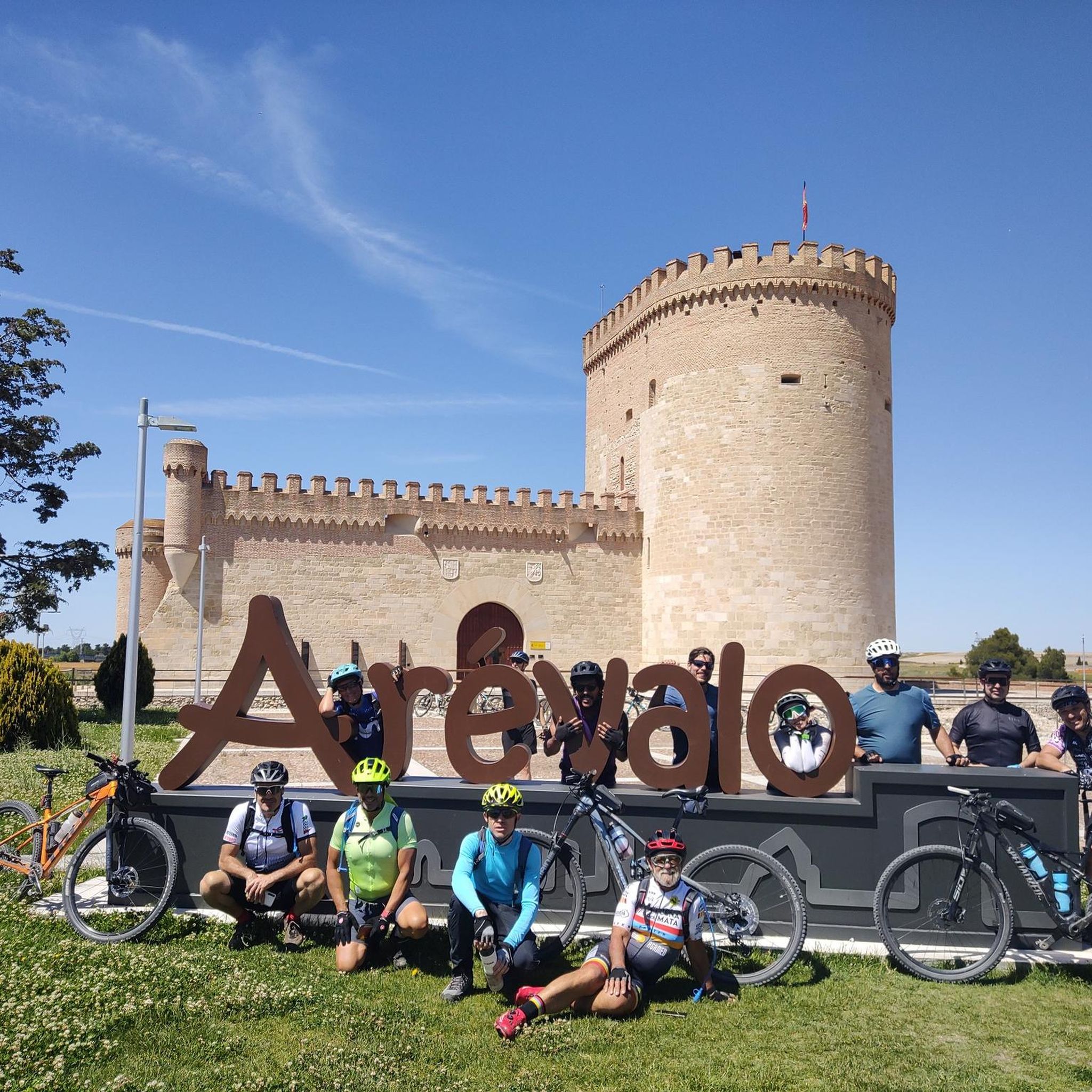
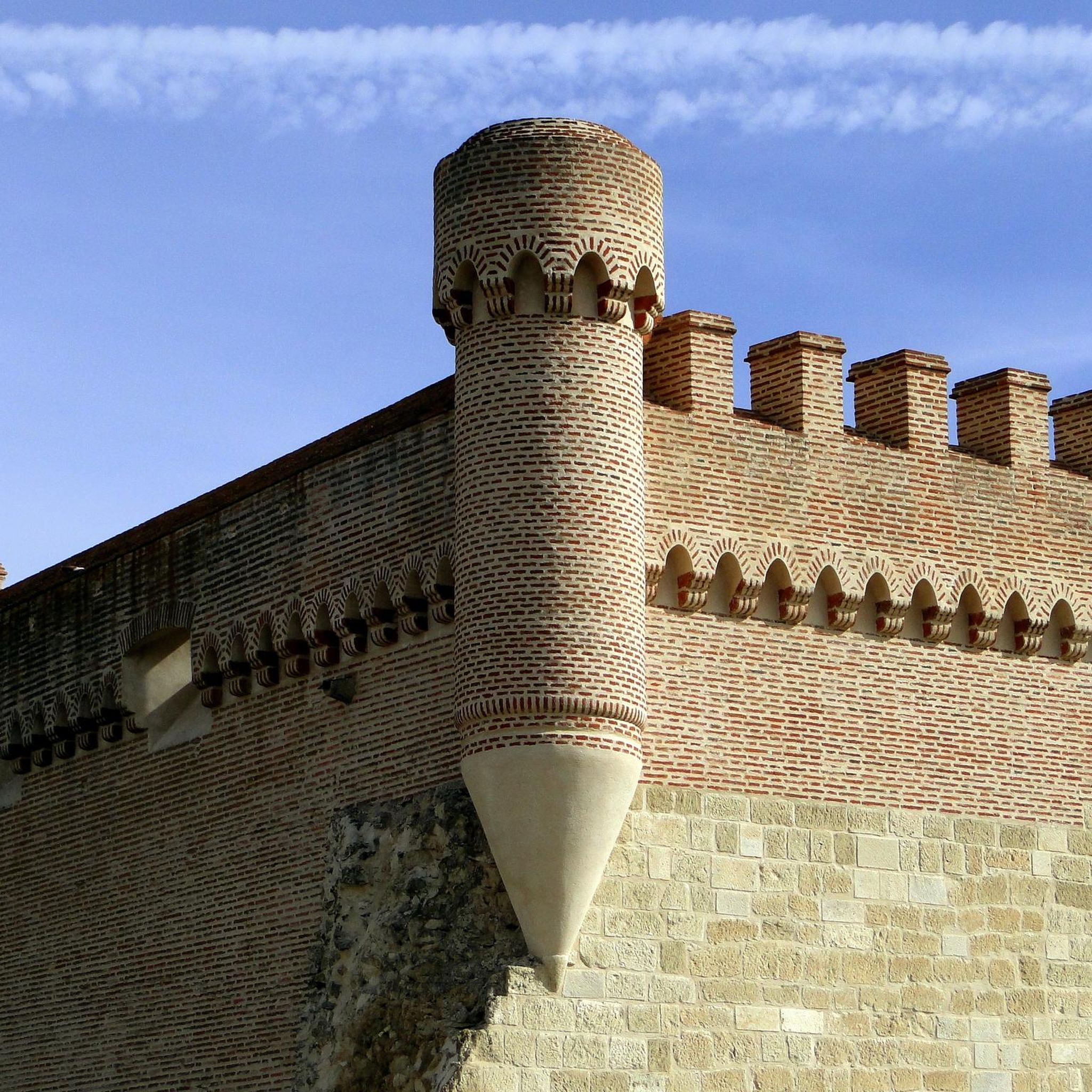
Arévalo Castle, located in the town of Arévalo (province of Ávila, Castile and León), is one of the most representative examples of Castilian Mudéjar architecture. Its origins date back to the 14th century, although it was built upon earlier fortifications. It was expanded between the 15th and 16th centuries, especially during the reign of the Catholic Monarchs. It played an important role as a noble and military castle, but also as an administrative building. In the 20th century, it fell into near ruin until its restoration, beginning in 1952, by the Ministry of Agriculture, which uses it as the headquarters of a research center.
5
0
Arévalo Castle, located in the town of Arévalo (province of Ávila, Castile and León), is one of the most representative examples of Castilian Mudéjar architecture. Its origins date back to the 14th century, although it was built upon earlier fortifications. It was expanded between the 15th and 16th centuries, especially during the reign of the Catholic Monarchs. It played an important role as a noble and military castle, but also as an administrative building. In the 20th century, it fell into near ruin until it was restored starting in 1952 by the Ministry of Agriculture, which uses it as the headquarters of a research center.
5
0

The Plaza de la Villa de Arévalo is one of the most beautiful squares, absolutely traffic-free and without bars or terraces, it stands out for its tranquility and for being surrounded by history and Mozarabic buildings.
1
0
Nice place in Arévalo to walk around.
1
0
Castle fortress located at the most extreme part of the triangle formed by the confluence of the Adaja and Arevalillo rivers, which serve as defensive ditches. It was rebuilt in the second half of the 15th century by order of Álvaro de Zúñiga, Duke of Béjar, although it subsequently underwent important reforms at the beginning of the 16th century, when the fortress was in the hands of the Catholic Monarchs. The Castle is worth visiting for its good condition, and it also has a very interesting exhibition.
1
0

Beautiful town in Segovia, with all services. It stands out for its imposing castle and the squares with a marked medieval character.
0
1
In addition to the imposing Castle where Isabel la Católica resided, in the town we have all the services: Shops, restaurants and accommodation.
1
0
The Arevalillo River is a watercourse that flows through the interior of the Iberian Peninsula. Its route is picturesque and crosses several municipalities in the province of Ávila, including Arévalo. Point close to the Medina Bridge, also known as Puente Llana, is a medieval jewel that rises majestically over the river.
3
0
Frequently Asked Questions
What is the typical length of hikes in Arévalo?
Hikes in Arévalo vary in length, with options ranging from shorter paths like the Arévalo River Walk at 2.5 miles (4.1 km) to longer routes such as the Ermita del Cristo de los Pinares from Nava de Arévalo — circular by Pedro Rodríguez, which is 7.8 miles (12.5 km).
Are there easy hiking trails in Arévalo?
Yes, Arévalo offers several easy hiking trails characterized by gentle terrain and minimal elevation changes. The Arévalo River Walk is an easy 2.5-mile (4.1 km) path, and the Arévalo to Fuente el Saúz Trail is another easy 3.0-mile (4.8 km) option, both suitable for various fitness levels.
Are there family-friendly hiking options in Arévalo?
Absolutely. The region's gentle terrain and river paths make many trails suitable for families. The Arévalo River Walk is particularly family-friendly, offering a flat and accessible experience along the river.
Can I find circular walks in Arévalo?
Yes, there are circular routes available. An example is the Ermita del Cristo de los Pinares from Nava de Arévalo — circular by Pedro Rodríguez, which is a 7.8-mile (12.5 km) loop through pine areas. Another option is From Tiñosillos to El Bohodón — circular by the Camino de El Chorrillo.
Are dogs allowed on the hiking trails in Arévalo?
Generally, dogs are welcome on most hiking trails in Arévalo, especially those traversing open countryside and river paths. However, it's always advisable to keep them on a leash and respect local regulations, particularly when passing through agricultural areas or near livestock.
What kind of landscapes can I expect to see while hiking in Arévalo?
Hiking in Arévalo is characterized by river paths, open rural landscapes, and routes connecting local towns. You'll experience gentle terrain, often passing through fields and along waterways, providing a peaceful natural and rural environment.
Are there any interesting landmarks or attractions near the hiking trails?
Yes, Arévalo is rich in historical and natural attractions. You can explore sites like the historic Arévalo Castle or the Plaza de la Villa and Church of San Martín. The Arevalillo Riverbank itself is a pleasant natural feature often integrated into walks.
What do other hikers enjoy most about hiking in Arévalo?
The komoot community highly rates the trails in Arévalo, with an average score of 5.0 stars. Hikers often praise the region's gentle terrain, the peaceful river paths, and the opportunity to explore the quiet rural landscapes and historical towns.
Is public transport available to reach hiking trailheads in Arévalo?
While specific public transport links directly to every trailhead may be limited, Arévalo is a town with local bus services that can connect you to various points within the municipality and nearby villages. From these points, many trails, particularly those connecting towns, are accessible on foot.
Are there any moderate difficulty hikes in Arévalo?
Yes, beyond the easy routes, Arévalo also offers moderate trails. The Ermita del Cristo de los Pinares from Nava de Arévalo — circular by Pedro Rodríguez and From Tiñosillos to El Bohodón — circular by the Camino de El Chorrillo are examples of moderate routes that provide a slightly longer and more engaging experience.
What is the best time of year to go hiking in Arévalo?
The best time to hike in Arévalo is typically during spring (April-May) and autumn (September-October). During these seasons, the weather is mild and pleasant, making for comfortable walking conditions. Summers can be hot, and winters can be chilly, though hiking is possible year-round with appropriate gear.
Most popular attractions around Arévalo

Get inspired with the komoot mobile app


Explore more
Browse the best Hikes in other regions.
