Attractions and Places To See around Santovenia - Top 20
Best attractions and places to see around Santovenia are concentrated in the Esla Valley, a region known for its historical routes and natural landscapes. This area, often referred to as Santovenia del Esla, is situated on the Vía de la Plata and Camino de Santiago, offering a blend of cultural heritage and scenic beauty. The Esla River shapes the valley, providing a setting for various outdoor activities and historical sites. Visitors can explore ancient pathways and discover landmarks that reflect…
Last updated: July 7, 2026
Quintos Bridge Over the Esla River
Highlight • Bridge
Translated by Google •
Tip by

Junction of Camino Sanabrés and Via de la Plata
Highlight • Trail
Translated by Google •
Tip by
Sign up now to discover places like this
Get recommendations on the best single tracks, peaks, & plenty of other exciting outdoor places.
Sign up for free
Stone Bridge over the Esla River
Highlight • Bridge
Translated by Google •
Tip by

San Juan Church and Pilgrim Hostel, Granja de Moreruela
Highlight • Religious Site
Granja …
Translated by Google •
Tip by

Bridge of the Vía Verde de la Plata
Highlight • Bridge
Translated by Google •
Tip by
Sign up for free to discover even more attractions around Santovenia.
Sign up for free
Already have an account?
Start today with a free account
Your next adventure awaits.
Login or Signup
Tips from the Community

Legend has it that during a flood in the early 20th century, a cart carrying its entire load of wheat was swept away, and the next day it reappeared intact beneath the central arch of the bridge, as if the river had kept it to return it. The locals considered it a miracle and for years left dried ears of wheat among the stones as an offering. Even today, in summer, when the water level drops, some of those ears can still be seen trapped in the cracks of the old wall.
0
0

Even if we always use the term “St. James Way” in the singular in the German language, there is no such thing as “one”. Rather, it is a network of many Ways of St. James that runs through several European countries and then concentrates on a few main routes in Spain (the most famous is the "Camino Frances", which leads from the Pyrenees through the north of Spain). However, in order to get from the south of Spain to Santiago de Compostela in Galicia, a different route is required, which JavierCR and DennisKe have already described briefly.
2
0

An incredible stretch of the 'Vía la Plata' pilgrimage route south of Benavente towards the small town of Barcial del Barco. Disused railway line converted into an adventure paradise, far from cars and traffic.
2
0

This is a beautiful place to cross the Elsa River. The views are beautiful, and the old stone bridge with the arches is impressive.
1
0
Spectacular stone bridge with 9 symmetrical arches that crosses the Esla River. It was built in 1920 to connect the trade route between the Zamora regions of Tierra de Campos and Tábara. The bridge is located on the Jacobean route known as Camino Mozárabe Sanabrés, which allows pilgrims to cross into Zamora and Galicia beyond.
3
1
The Quintos bridge over the Esla river is located on the road between Zamora and Galicia. It unites the Zamora regions of Tierra de Tábara and Tierra de Campos, forming a link on the Camino de Santiago Sanabrés.
4
1
Stone masonry bridge over the Esla River built in 1920 to connect the trade route between the Zamora regions of Tierra de Campos and Tábara. The Quintos Bridge has beautiful 9 symmetrical arches.
1
1

The population of Granja de Moreruel was born by the impulse of the Monastery of Santa María, raised by the eagerness of the Leonese monarchs to colonize extensive wastelands. Granja de Moreruela also has a church built in the mid-19th century, the Church of San Juan. Its term is crossed by the old Vía de la Plata, the Camino de Santiago de la Vía de la Plata and its variant, the Camino Mozárabe or Sanabrés. There is a Pilgrims Hostel.
3
0
Frequently Asked Questions
What historical routes can I explore around Santovenia?
Santovenia is uniquely positioned on two significant historical routes: the Junction of Camino Sanabrés and Via de la Plata. The Vía de la Plata, an ancient Roman road, and the Camino Sanabrés, a variant of the Camino de Santiago, converge here, offering rich historical and cultural experiences for walkers and cyclists.
Are there any notable historical bridges in the Santovenia area?
Yes, the area features several impressive historical bridges. The Quintos Bridge Over the Esla River, built in 1920 with nine semicircular arches, is a solid masonry stone structure connecting the Zamora regions. Another is the Stone Bridge over the Esla River, known for its beautiful views and a local legend about a cart of wheat. You can also find the Bridge of the Vía Verde de la Plata, a disused railway line converted into a trail.
What religious sites are important for pilgrims near Santovenia?
Pilgrims often visit the San Juan Church and Pilgrim Hostel, Granja de Moreruela. This church, built in the mid-19th century, is located in a settlement that originated from the Monastery of Santa María and serves as a crucial stop on both the Vía de la Plata and Camino Sanabrés.
What natural features define the landscape around Santovenia?
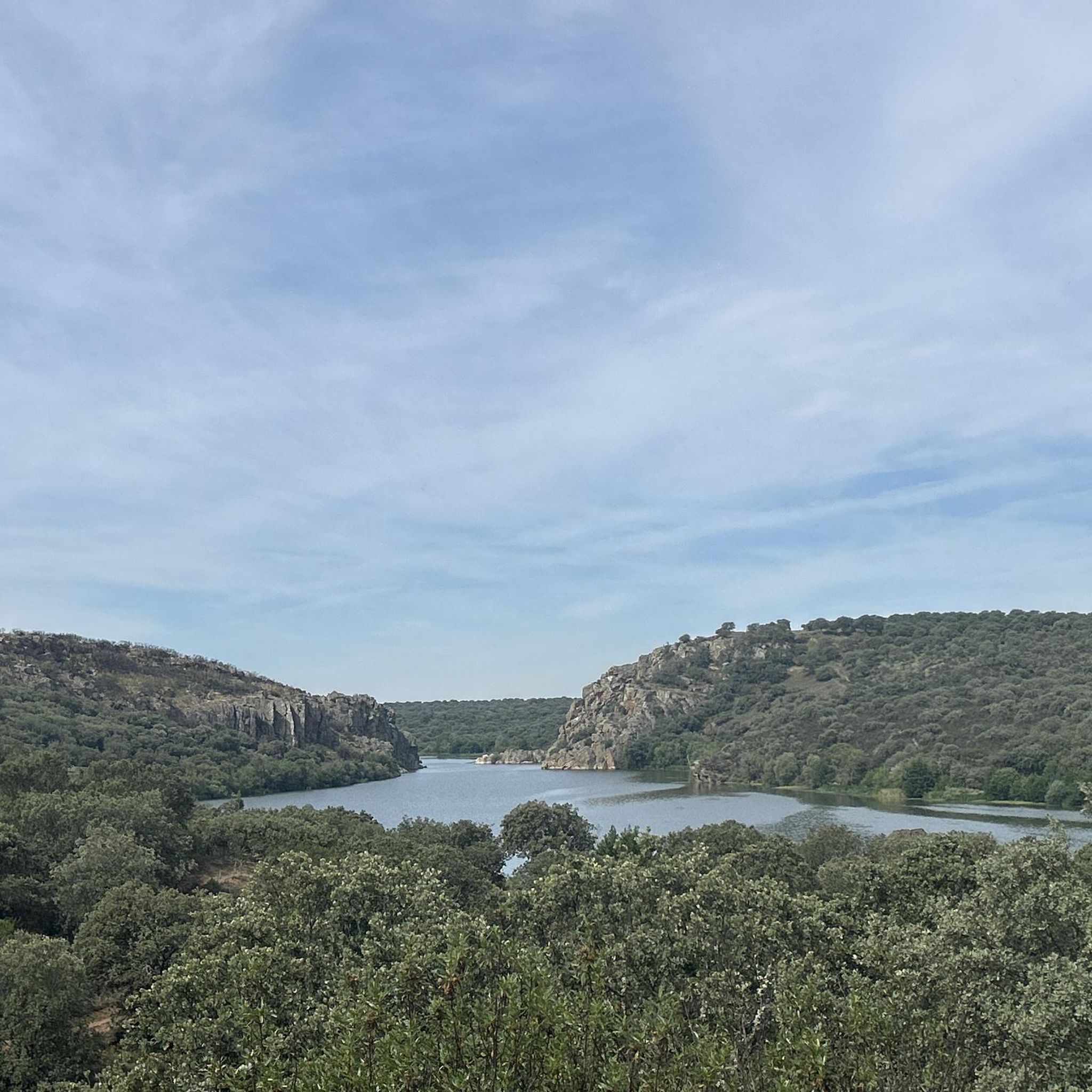
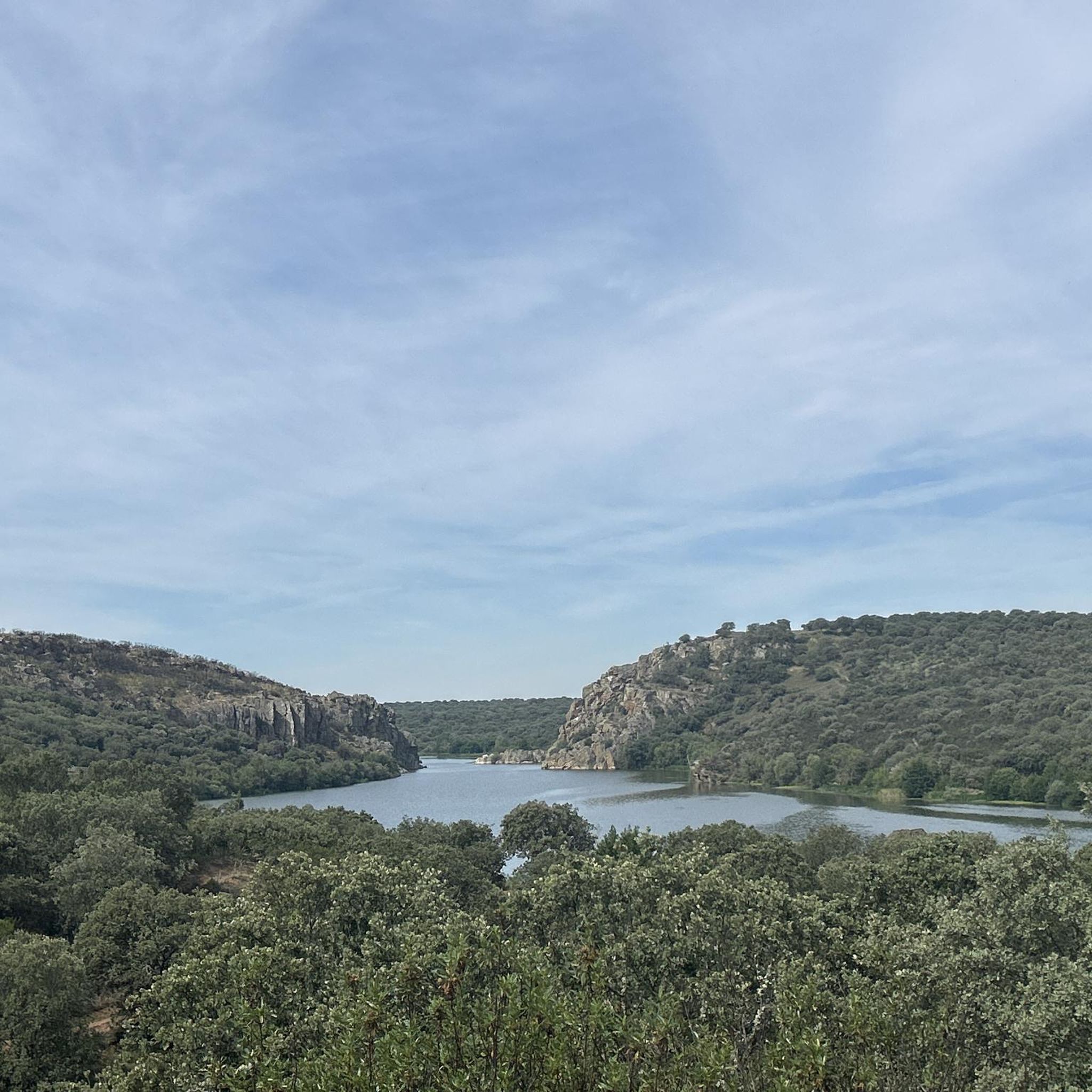
Santovenia is nestled in the spectacular Esla Valley, with the Esla River shaping the landscape. The area also features the hills of Los Tesos, offering beautiful natural scenery. Further afield, the Villafáfila Lagoons Nature Reserve provides a vast natural space for birdwatching.
Are there opportunities for wildlife spotting near Santovenia?
Absolutely. The Villafáfila Lagoons Nature Reserve, located between Granja de Moreruela and Santovenia, is a crucial winter refuge for birds in the Iberian Peninsula. This vast natural space is ideal for observing various bird species and other wildlife.
What outdoor activities can I do around Santovenia?
The region offers a variety of outdoor activities. You can explore numerous hiking trails, such as the 'Río Esla from Puente Quintos' or the 'Laguna Salina Grande' loop. For cycling enthusiasts, there are MTB trails like the 'Ruta de la Plata Greenway Trail' and road cycling routes that explore the Esla and Tera rivers. You can find more details on these activities in the dedicated komoot guides for hiking, MTB, and road cycling around Santovenia.
Are there any family-friendly attractions or activities?
Yes, the Stone Bridge over the Esla River is considered family-friendly, offering beautiful views and a chance to enjoy the river. Additionally, the Bridge of the Vía Verde de la Plata is part of a cycle path, making it suitable for family bike rides or walks away from traffic.
What are some popular hiking trails near Santovenia?
Popular hiking trails include the easy 'Río Esla from Puente Quintos – circular by Camino Mozárabe Sanabrés' (6.5 km) and the 'Cistercian Monastery of Santa Maria from Granja de Moreruela' (7.8 km). For a moderate challenge, try the 'Laguna Salina Grande – return via the Villafáfila Lagoons Natural Reserve' (10.1 km). More hiking options are available in the hiking guide for Santovenia.
Can I go mountain biking around Santovenia?
Yes, there are several mountain biking routes. The 'Ruta de la Plata Greenway Trail' (22.9 km) offers an easy ride, while the 'Santovenia del Esla and Bretó Loop' (33.1 km) and 'Reserva Natural de Lagunas de Villafáfila — ruta circular' (40.7 km) provide moderate challenges. Explore more routes in the MTB Trails around Santovenia guide.
What do visitors enjoy most about the attractions around Santovenia?
Visitors particularly appreciate the historical significance of the pilgrimage routes and ancient bridges, such as the Quintos Bridge Over the Esla River and the Stone Bridge over the Esla River. The serene paths along the Esla River and the natural beauty of the Esla Valley are also highly valued for walking and cycling.
Are there any unique cultural sites or traditions in Santovenia (Zamora)?
Santovenia (Zamora) features the Parish Church (Iglesia de Nuestra Señora del Tobar), primarily from the 17th century, showcasing various architectural styles. The Fuente Charil (Fuente de los Tres Caños), a historic three-spout fountain, reflects the town's past importance for livestock and travelers on ancient routes.
What is the Vía Verde de la Plata and what can I do there?
The Vía Verde de la Plata is a disused railway line that has been converted into a greenway. It's an excellent spot for hiking, gravel biking, or mountain biking, offering a scenic and car-free path. It's part of the larger 'Vía la Plata' pilgrimage route and provides an adventure paradise for outdoor enthusiasts.
Most popular attractions around Santovenia

Get inspired with the komoot mobile app


Explore more
Still not found the Highlight you’re looking for? See guides of the top attractions in other regions:
