The best walks and hikes around Santibáñez De Vidriales
5
hikers
10
hikes
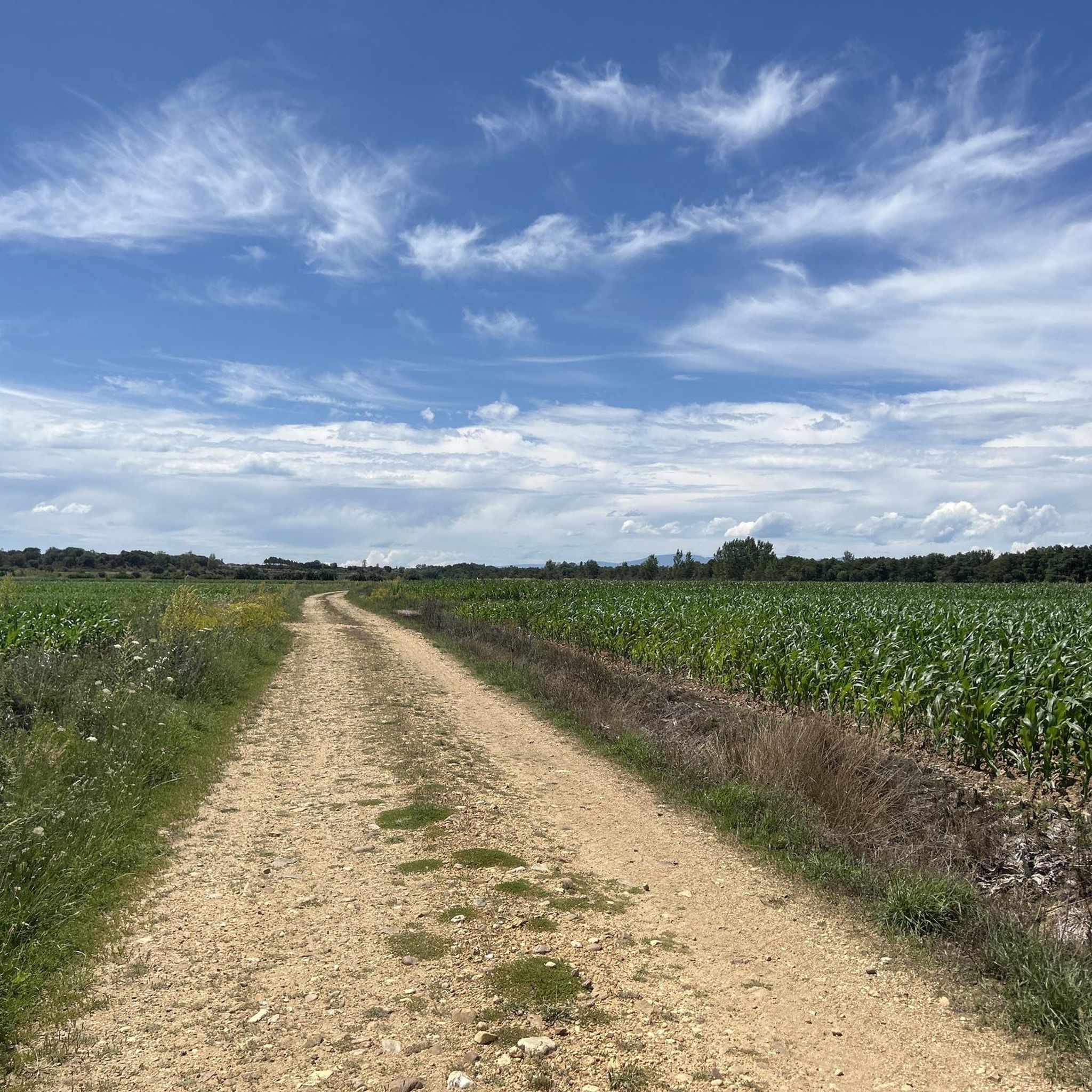
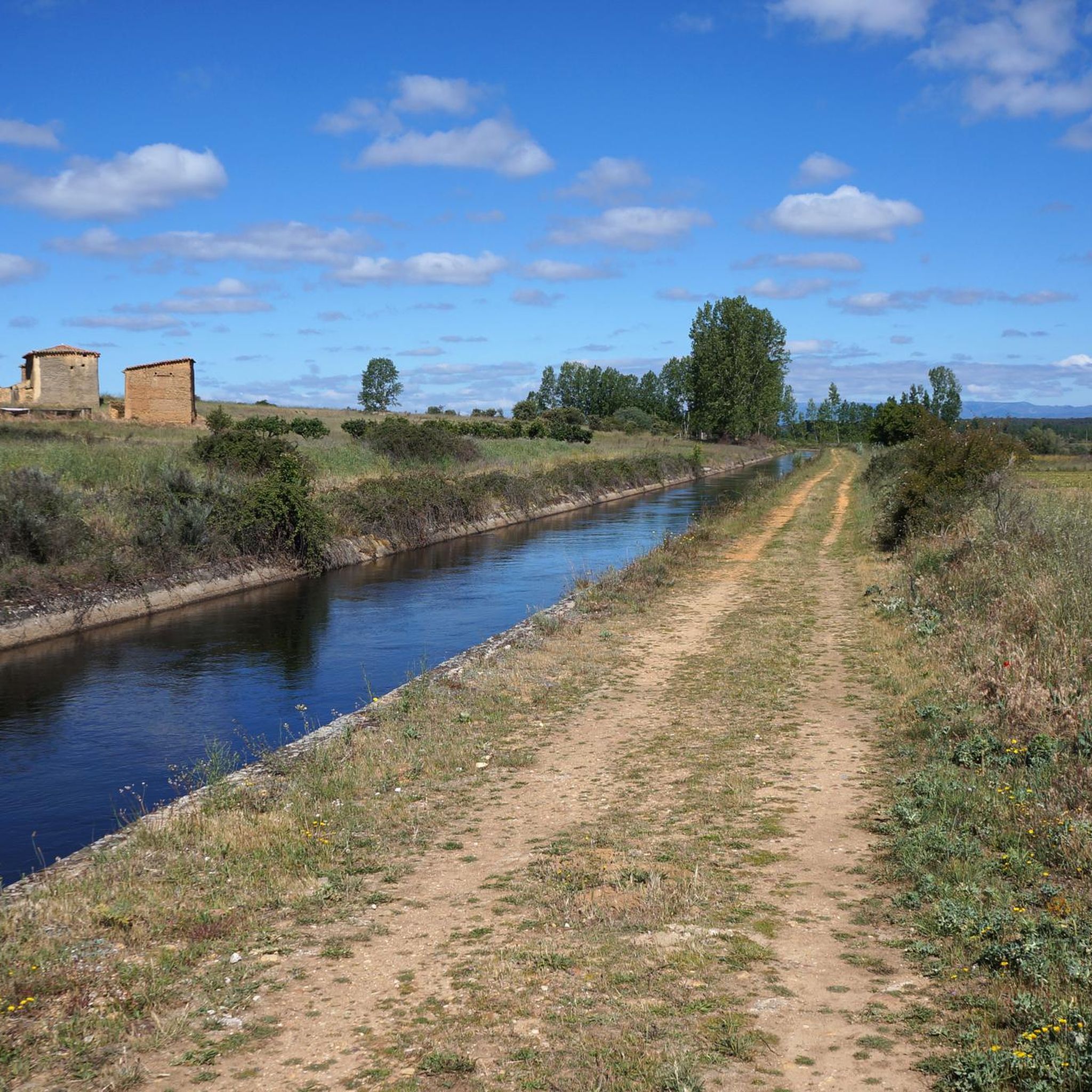
Hiking around Santibáñez De Vidriales offers diverse natural landscapes within Spain's Castile and León region. The area is characterized by the fertile plains of the Valle de Vidriales, irrigated by the Almucera stream, supporting lush environments. Hikers can expect to traverse through extensive holm oak forests, alongside chestnuts, thyme, rockrose, and heather. The region also features historical attractions, including Roman sites, adding cultural interest to outdoor exploration.
Best hiking trails around Santibáñez De Vidriales
- The most popular hiking route is Bosque Las Majadas y arboles milenarios — vuelta desde San Pedro de Ceque, a 7.5 miles (12.0 km) trail that takes 3 hours 5 minutes to complete. This moderate path leads through ancient forests and offers views of the surrounding plains.
- Another top favourite among local hikers is Nogales Monastery Ruins Loop, a moderate 7.6 miles (12.3 km) path. This route explores historical ruins and the natural landscape of the area.
- Local hikers also love the Arrabalde — circular through the Sierra de las Labradas, a 5.3 miles (8.5 km) trail leading through the Sierra de las Labradas, often completed in about 2 hours 29 minutes.
- Hiking around Santibáñez De Vidriales is defined by fertile plains, holm oak forests, and historical Roman sites. The network offers options for different ability levels, from easy walks to moderate trails.
- The guide includes highly-rated routes that showcase the best of the region's landscape. More than 5 hikers have used komoot to explore Santibáñez De Vidriales's varied terrain.
Last updated: July 21, 2026
2
hikers
Moderate hike. Good fitness required. Easily-accessible paths. Suitable for all skill levels.
8.46km
02:29
230m
230m
Moderate hike. Good fitness required. Mostly accessible paths. Sure-footedness required.

Sign up for free
12.3km
03:14
110m
100m
Moderate hike. Good fitness required. Easily-accessible paths. Suitable for all skill levels.
15.4km
03:59
90m
90m
Moderate hike. Good fitness required. Easily-accessible paths. Suitable for all skill levels.
15.3km
04:02
130m
130m
Moderate hike. Good fitness required. Easily-accessible paths. Suitable for all skill levels.
Get access to more routes and recommendations from other explorers.
Sign up for free
Already have an account?
Our route recommendations are based on thousands of hikes, rides, and runs completed by other people on komoot.
Start today with a free account
Your next adventure awaits.
Login or Signup


Tips from the Community

On December 20, 1164, the widow of the Noble Vela Gutiérrez, Doña Sancha Ponce, transferred to the Cistercian Order of Santa María de Moreruela all the possessions and belongings of the territory of Nogales in hereditary right so that they could build another monastery that would be called Santa María from Nogales. From this moment and until the monks abandoned the monastery, in the mid-19th century, the Eria Region was governed according to the guidelines of the Order. This settlement established the model of repopulation and new management at all levels; social, cultural, agricultural and economic. At the same time it marked the appearance of the Villa de Nogales, which was initially made up of the servants and servants of the Monks. Without a sumptuous construction, Santa María de Nogales is located according to the criteria of the Cistercian order: a valley of fertile lands, abundance of water, and impressive solitude. For more than seven centuries it stood out for being the cradle of great men, an emporium of letters and science, where royal advisors and professors for the University of Alcalá emerged. Currently, only the ruins and remains of its greatness remain: scattered walls, the belfry of the Church and the main entrance arch with its heraldic shield. However, the surrounding area, fertile orchard, abundant vegetation, fruit trees and the waters of the Eria River, invite you to relax, contemplate and enjoy nature.
1
0

One of dozens of prehistoric stone structures found in this area.
2
0
Brime de Urz is a small town at the foot of the Sierra de Carpurias. Walk to the small chapel at the top of the hill where you can take in beautiful views of the valley and mountains.
1
0
A prehistoric stone circle. The structure was usually built from locally quarried granite or slate. They were used for various ceremonies throughout the seasons.
2
0
Rectangular wall that surrounds the ruins of the Castle-palace of the counts of Benavente built in the 15th century.
1
0
Surrounded by fields is a small and charming chapel on the outskirts of the town of Granucillo. You can rest under the shade of the trees during your walk.
1
0
A prehistoric rock formation on the outskirts of the town of Arrabalde in the foothills of the Sierra de las Labradas.
2
0
Arrabalde is a small town located between the Eria River and the Sierra de Carpurias that rises above it at 1000 meters above sea level. Head to the main square to admire the local church.
1
0
Frequently Asked Questions
How many hiking trails are available in Santibáñez De Vidriales?
There are over 10 hiking trails in Santibáñez De Vidriales, offering a variety of experiences for different skill levels. You'll find options ranging from easy walks to more moderate routes through the region's diverse landscapes.
Are there any easy hiking trails suitable for beginners or families with children?
Yes, Santibáñez De Vidriales offers several easy trails perfect for beginners or families. While specific 'easy' routes aren't detailed here, the region's network includes options that are less demanding, allowing everyone to enjoy the natural surroundings of the Valle de Vidriales.
What kind of landscapes can I expect to see while hiking in Santibáñez De Vidriales?
Hikers in Santibáñez De Vidriales can expect diverse landscapes, including fertile plains irrigated by the Almucera stream, extensive holm oak forests, and areas with chestnuts, thyme, rockrose, and heather. The region also offers panoramic views, especially on routes connecting to higher points.
Are there any circular hiking routes in the area?
Yes, there are several circular routes available. For instance, the Arrabalde — circular through the Sierra de las Labradas is a moderate 5.3-mile (8.5 km) trail that takes about 2 hours 29 minutes to complete, offering a great way to explore the local terrain.
What historical sites or landmarks can I discover along the hiking trails?
The region is rich in history. You can explore the ruins of the Roman camp of Petavonium (Ciudad de Sansueña) near Rosinos de Vidriales, or visit the Dolmen de San Adrián. The Nogales Monastery Ruins Loop is a moderate trail specifically designed to explore historical ruins and the natural landscape.
Can I hike with my dog in Santibáñez De Vidriales?
Generally, the natural trails in Santibáñez De Vidriales are suitable for hiking with dogs. However, it's always recommended to keep your dog on a leash, especially in areas with wildlife or near livestock, and to check for any specific local regulations or protected areas that might have restrictions.
What is the best time of year to go hiking in Santibáñez De Vidriales?
The best time for hiking in Santibáñez De Vidriales is typically during spring and autumn when the weather is mild and the natural scenery is at its most vibrant. Summers can be warm, while winters offer a different, often quieter, hiking experience, though some trails might be affected by weather conditions.
Are there any routes that feature ancient trees or unique natural formations?
Yes, the area is known for its ancient flora. The Bosque Las Majadas y arboles milenarios — vuelta desde San Pedro de Ceque trail specifically leads through ancient forests. You can also find the Ancient Trees of Las Majadas and the Prehistoric Rock Formation of Arrabalde as highlights in the region.
Where can I find parking for hiking trails in Santibáñez De Vidriales?
Parking availability varies by trailhead. Many routes start from or pass through villages where street parking might be available. For specific routes, it's advisable to check the komoot tour details for information on starting points and potential parking areas.
What wildlife might I encounter on the trails?
The diverse natural environment of Santibáñez De Vidriales is home to various wildlife. Hikers might spot deer, wild boar, rabbits, and a variety of bird species, especially in the holm oak forests and along the Almucera stream.
Are there any longer, more challenging routes for experienced hikers?
While most routes are moderate, some trails offer longer distances. For example, the Route of the Dolmens and Castles of Granucillo is a moderate 9.5-mile (15.4 km) trail, and the Granucillo — circular by the Roman Military Road covers a similar distance, providing a good challenge for those looking for longer excursions.
What do other hikers enjoy most about the trails in Santibáñez De Vidriales?
Hikers often praise the region for its blend of natural beauty and historical interest. The komoot community appreciates the well-maintained paths through ancient forests and the opportunities to discover Roman sites and other landmarks, making for a culturally enriching outdoor experience.
Most popular routes around Santibáñez De Vidriales
Most popular attractions around Santibáñez De Vidriales

Get inspired with the komoot mobile app


Explore more
Browse the best Hikes in other regions.
