Attractions and Places To See around San Vicente Del Palacio - Top 16
Best attractions and places to see around San Vicente Del Palacio include a blend of historical landmarks, cultural sites, and natural features. This municipality in the province of Valladolid, Spain, is situated on both the Camino de Santiago de Levante and the Cañada Real Leonesa, historic routes that have shaped its character. Visitors can explore a diverse landscape, from significant architectural works to areas around local waterways and pine forests. The region offers a variety of points of interest for…
Last updated: July 12, 2026
Collegiate Church of San Antolín
Highlight • Religious Site
The collegiate church is, along with the La Mota Castle, one of …
Translated by Google •
Tip by

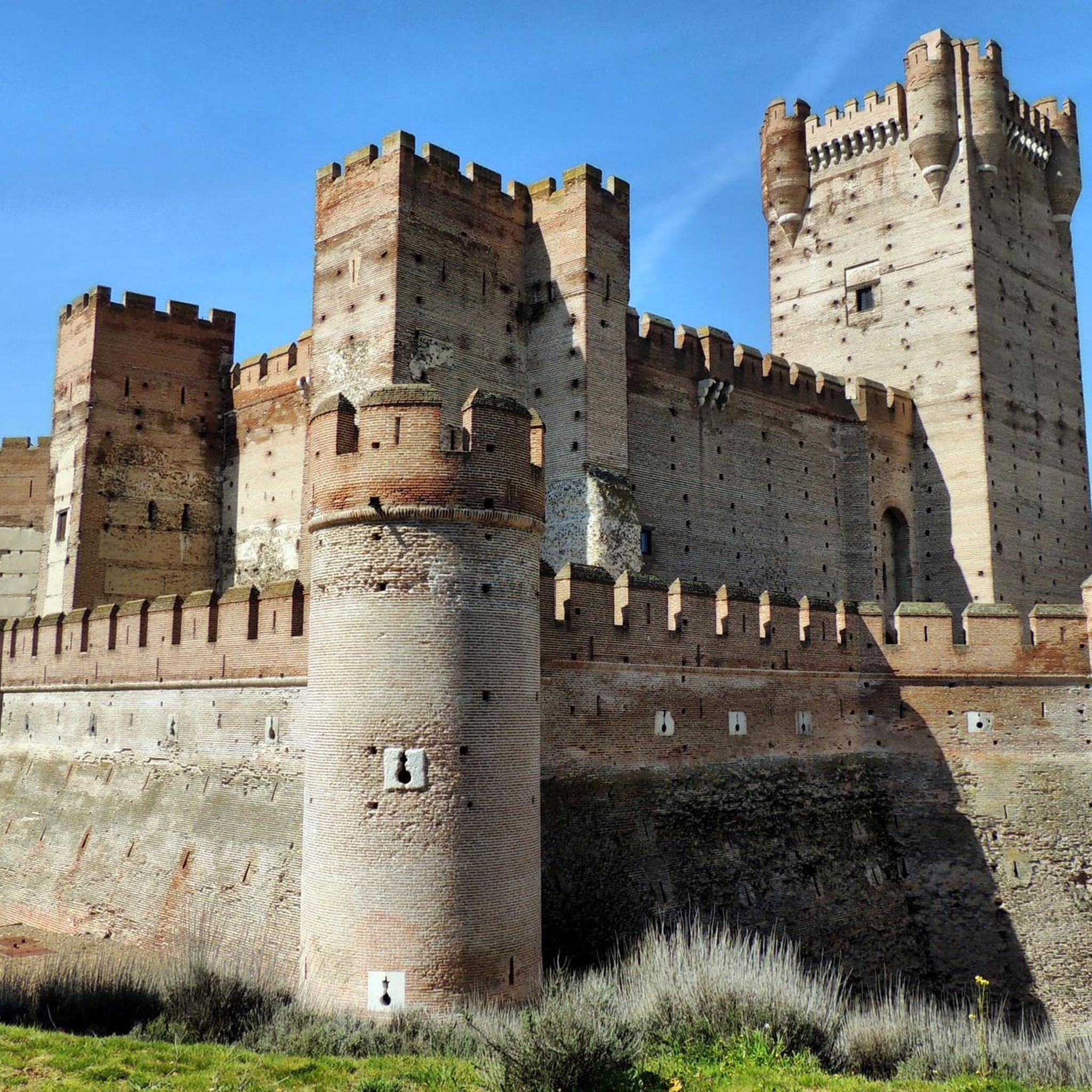
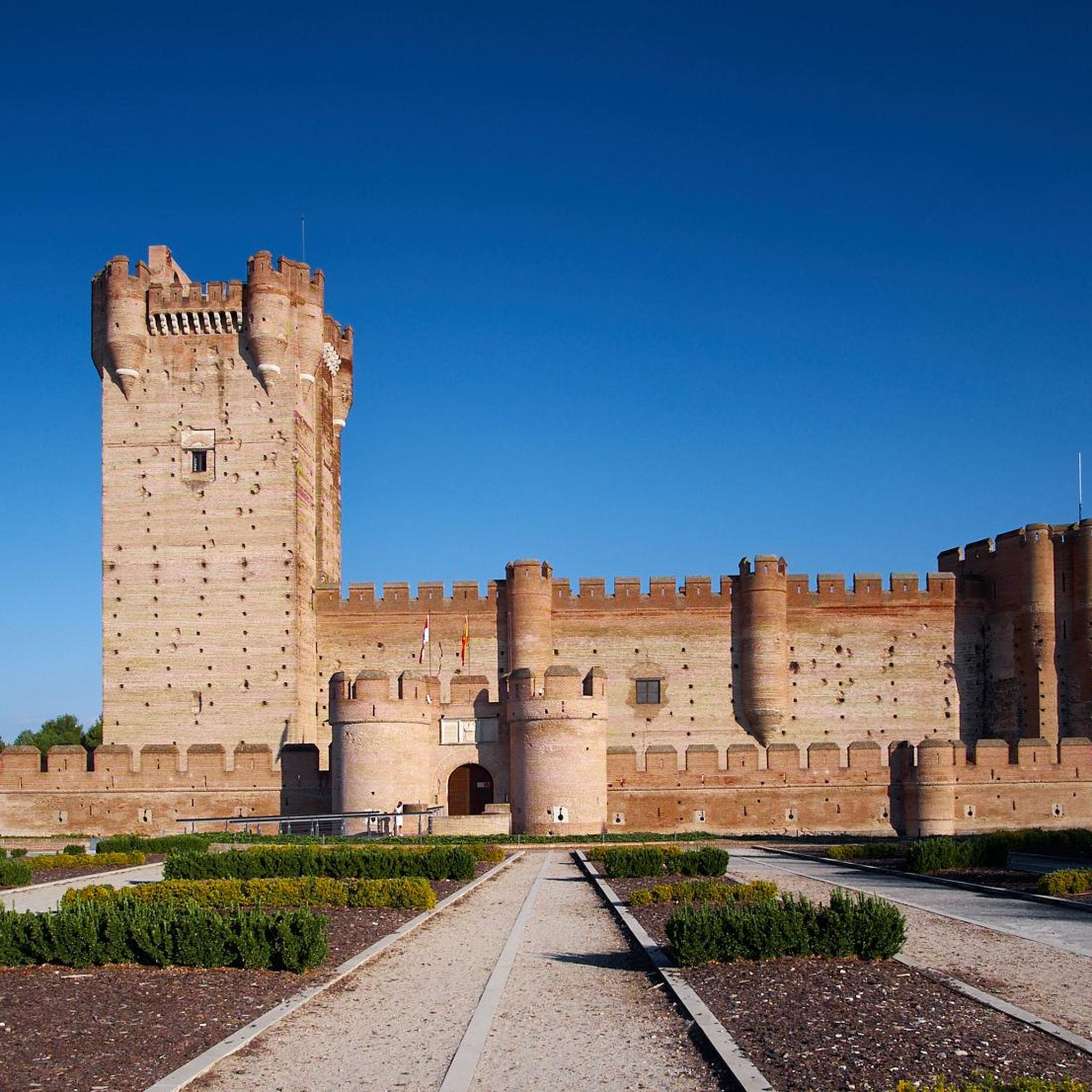
Castle of La Mota
Highlight • Castle
Translated by Google •
Tip by
Sign up now to discover places like this
Get recommendations on the best single tracks, peaks, & plenty of other exciting outdoor places.
Sign up for free
Palacio de Dueñas Courtyard
Highlight • Historical Site
Translated by Google •
Tip by

Church of Saint James the Royal
Highlight • Religious Site
Translated by Google •
Tip by
Convent of St. Joseph – Discalced Carmelites
Highlight • Religious Site
The construction is very similar to that of the …
Translated by Google •
Tip by
Sign up for free to discover even more attractions around San Vicente Del Palacio.
Sign up for free
Already have an account?
Start today with a free account
Your next adventure awaits.
Login or Signup


Tips from the Community

Built in the 16th century by Diego Beltrán, a nobleman and member of the Royal Council of the Indies, around 1528–1533, on a site previously used on Santiago Street. Its design is attributed to the royal architect Luis de Vega. From 1602 to 1604, it housed the Royal Chancery; later, it served as the residence of the Marquis of Ensenada during his exile. In 1916, it was acquired by the Marquises of Argüeso; in 1950, it passed into the hands of the State and was used as a vocational institute, currently functioning as an educational center.
5
0
It was the second foundation established by Saint Teresa of Ávila as part of the Carmelite reform, officially founded on August 15, 1567, thanks to houses donated by María Juárez de Herrera. Over the following decade, the convent was expanded by acquiring adjacent land. In 1654, the architect Mateo Martínez reinforced the structures and added another story to the cloister. Here, Saint Teresa first met Saint John of the Cross, who had been living in another local Carmelite convent since 1563.
5
0
Parish Church of Santiago el Real, in Medina del Campo. Medieval origins: a church dedicated to Saint James already existed in 1177, located on Santa Teresa Street. It was renovated in the 16th century and used until 1770. The current building was initially the church of the Jesuit novitiate dedicated to Saints Peter and Paul. The first stone was laid in July 1553 by Saint Francis Borgia, and it was opened for worship around 1563. After the expulsion of the Jesuits, around 1770 it became the parish church of Saint James, retaining only the church from the original complex. It was declared a Site of Cultural Interest on January 18, 1968 (RI-51-0003793).
4
0
Also known as the Main Parish Church of San Antolín. The original parish dates back to 1177, founded by settlers from the north (Palencia) and dedicated to Saint Antolín. In 1480, the Catholic Monarchs obtained a papal bull from Pope Sixtus IV elevating its status to a collegiate church with a free abbey. Construction of the current church began in 1502 and continued into the 18th century, with prominent architects such as Juan Gil de Hontañón, Rodrigo Gil, and the Gutiérrez brothers. It lost its collegiate church status in 1851, becoming simply the main parish church.
9
0

This is a Renaissance building constructed in the 16th century. It was designed by Luis de Vega, who was the architect of Charles V. Importantly, the Marquis of Ensenada lived in exile and died in this building in December 1781.
11
0
We are looking at another imposing building belonging to the Discalced Carmelite nuns, whose name is the Convent of San José. The construction is very similar to that of the other religious buildings, where exposed brick is the predominant material, especially in the towers and upper sections, while carved stone is used for the main and secondary doors and facades.
11
0
Located a considerable distance from the city center, this imposing church stands like a solitary sentinel, its exposed brick structure very similar to the other local buildings, where part of the building is constructed of carved stone and the rest of the aforementioned exposed brick. Today we couldn't go inside because it was closed, but under normal circumstances it can be visited during the hours posted on the door.
11
0
This Gothic-style building began construction in 1503, although, as is often the case with such complex structures, it wasn't completed until almost two centuries later. It is a relatively large church, notable for the balcony of the Virgin of the People and the clock tower. The main entrance dates from the 18th century, while the side entrance is from the 16th.
11
0
Frequently Asked Questions
What historical landmarks can I explore in and around San Vicente Del Palacio?
The region is rich in history. You can visit the impressive Collegiate Church of San Antolín, a Gothic-style building with construction dating back to 1503. Another significant site is the Palacio de Dueñas Courtyard, a 16th-century Renaissance building designed by Luis de Vega. Don't miss the medieval Castle of La Mota in nearby Medina del Campo, offering panoramic views.
Are there any notable religious buildings to visit?
Yes, besides the Collegiate Church of San Antolín, you can explore the Church of Saint James the Royal, known for its exposed brick structure. The Convent of St. Joseph – Discalced Carmelites is another imposing religious building, historically significant as the second foundation established by Saint Teresa of Ávila.
What natural features can I discover in the area?
San Vicente Del Palacio offers several natural points of interest. You can explore the areas around the River Zapardiel and Arroyo Malpaso, which add to the area's natural beauty, especially after rains. The Laguna de la Colada is a notable lagoon, and the landscape features pine forests and 'lavajos' (small pools of water). For panoramic views, head to Torrejón de Serracín.
What kind of wildlife can be observed in San Vicente Del Palacio?
The area is home to diverse birdlife. Enthusiasts can spot species such as the great bustard, azure-winged magpie, hoopoe, common treecreeper, booted eagle, Montagu's harrier, western marsh harrier, stone-curlew, and many others, including various owls, larks, and starlings.
Are there family-friendly attractions or activities available?
Many historical sites like the Castle of La Mota and the Palacio de Dueñas Courtyard are considered family-friendly, offering educational and engaging experiences for all ages. Exploring the natural areas around the River Zapardiel or the Laguna de la Colada can also be enjoyable for families.
What outdoor activities can I do near these attractions?
The region offers various outdoor activities. You can find numerous routes for hiking, cycling, and mountain biking. For example, there are easy hiking routes like the "City tour through Medina del Campo" or more challenging ones like "Balneario Palacio de las Salinas — circular por las lagunas de Medina del Campo." Cyclists can enjoy routes such as "Medina del Campo – circular by Moraleja de las Panaderas and Gomeznarro." You can find more details on these activities in the hiking guide, cycling guide, and MTB trails guide for San Vicente Del Palacio.
Are there hiking trails near the attractions?
Yes, there are several hiking trails. You can explore routes like the "Royal Testamentary Palace – Collegiate Church of San Antolín loop from Medina del Campo" or the "Ruinas de Honquilana desde Muriel de Zapardiel." These trails offer a great way to experience the local landscape and historical sites. For a comprehensive list, refer to the hiking guide for San Vicente Del Palacio.
What is the best time to visit San Vicente Del Palacio for sightseeing and outdoor activities?
The region experiences a Mediterranean climate with hot, dry summers and mild winters. Spring and autumn generally offer the most pleasant weather for exploring historical sites and engaging in outdoor activities like hiking and cycling, with comfortable temperatures and less extreme conditions.
What historical routes pass through San Vicente Del Palacio?
San Vicente Del Palacio is uniquely situated on both the Camino de Santiago de Levante and the Cañada Real Leonesa. These historic routes have played a significant role in shaping the town's character as a passage for travelers and merchants over centuries.
What do visitors enjoy most about the attractions around San Vicente Del Palacio?
Visitors appreciate the blend of rich history and natural beauty. The architectural grandeur of sites like the Collegiate Church of San Antolín and the imposing presence of the Castle of La Mota are frequently highlighted. The serene natural landscapes, including the waterways and pine forests, also receive positive feedback for their tranquility and scenic views.
Are there any hidden gems or less-known spots worth visiting?
While the main attractions are well-known, exploring the local Church of Saint James the Royal with its distinct brick architecture, or seeking out the historic Fuente del Caño, which still supplies water to ancient pilones, can offer a glimpse into the town's authentic character beyond the major landmarks.
Can I find viewpoints to enjoy panoramic scenery?
Yes, the Castle of La Mota, situated on a high hill, provides excellent views of Medina del Campo and its surroundings. Additionally, the slight elevation of Torrejón de Serracín offers a wide panoramic vista of the entire region.
Most popular routes around San Vicente Del Palacio

Get inspired with the komoot mobile app


Explore more
Still not found the Highlight you’re looking for? See guides of the top attractions in other regions:
