Attractions and Places To See around Santervás De Campos - Top 18
Best attractions and places to see around Santervás De Campos include a blend of historical, cultural, and natural points of interest. The region is characterized by the expansive Tierra de Campos landscape, situated at an altitude of 780 meters, and features the Valderaduey River. It is notably recognized as the birthplace of explorer Juan Ponce de León and is a stop on the Madrid route of the Camino de Santiago. The area offers diverse sites, from significant historical landmarks to…
Last updated: July 12, 2026
Geographical Center of the Camino Francés – Ermita de la Virgen del Puente
Highlight • Religious Site
Translated by Google •
Tip by

San Benito Arch and Ruins of the Monastery of San Benito
Highlight • Historical Site
Translated by Google •
Tip by

Sign up now to discover places like this
Get recommendations on the best single tracks, peaks, & plenty of other exciting outdoor places.
Sign up for free
Province Border Marker: Palencia to León on the Camino de Santiago
Highlight • Monument
Translated by Google •
Tip by

Pilgrims' hostel
Highlight • Mountain Hut
Translated by Google •
Tip by
Pilgrim sculpture near Sahagún
Highlight • Monument
Translated by Google •
Tip by
Sign up for free to discover even more attractions around Santervás De Campos.
Sign up for free
Already have an account?
Start today with a free account
Your next adventure awaits.
Login or Signup
Popular around Santervás De Campos
Tips from the Community

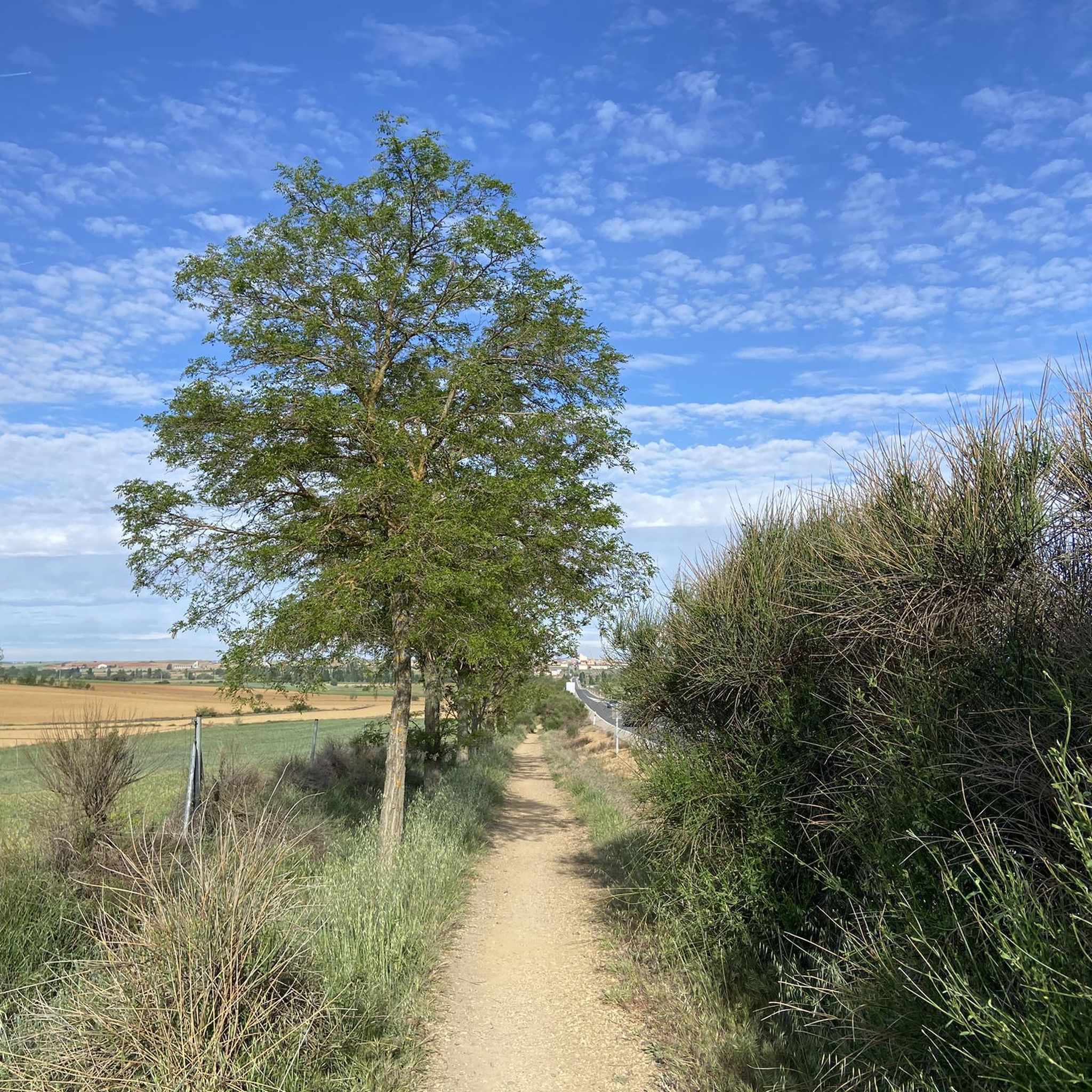
On the approximately 800-kilometer route through northern Spain – perhaps even earlier in France – the pilgrim has repeatedly crossed borders that may have had significant significance in the past, and some still do today from a regional-political perspective. However, for us, who are striving toward the tomb of the Apostle James, the "Credencial" was the only important identification document, and pilgrimage routes – like the heavens – have always been borderless.
1
0

The Hermitage of the Virgin of the Bridge is a historic gem located about three kilometers east of Sahagún, in the province of León. Built in the 13th century, the hermitage is an example of the Mudejar style, characterized by its blend of Christian and Islamic elements. It's a place steeped in history and tradition, perfect for a visit if you're in the area.
7
0

The Arco de San Benito is an impressive monument in Sahagún, located in the region of Castilla y León, Spain. It was built around 1662 by the architect Felipe Berrojo to replace the old Romanesque portal of the Monasterio de San Benito. The arch is designed as a triumphal arch, under which the N-120 passes, and is also known as "la puerta de Sahagún" (the gate of Sahagún). The monument is richly decorated with a central shield, inscriptions and sculptures of Saints Facundo and Primitivo. At the top is the royal shield, and there are also sculptures of Alfonso III and Alfonso VI, who were important protectors of the monastery.
8
0
The Ermita de La Virgen del Puente is a 13th-century Mudéjar hermitage located about three kilometres east of Sahagún, on the Camino Francés of the Camino de Santiago. The building stands next to a bridge over the Valderaduey River, hence its name. It has a single nave and a small choir with a semicircular apse, cipher arcades and corner friezes. It was once a hospital for pilgrims and lepers and is now used for the annual San Marcos festival with the famous Tantáriga dance.
3
0
The Arch" author Manuel García Juan. This mural shows two unmistakable symbols of Sahagún, a pilgrim, who represents those who cross the streets throughout the year, and the Arch of San Benito, the entrance door to the Monastery of San Benito that remains open as a symbol of invitation. Year 2020
3
1
Sahagún is a charming town and municipality in the province of León, in the autonomous community of Castile and León, and is an important point on the Santiago de Compostela pilgrimage route. Sahagún is known for its rich history and beautiful architecture, including some of the earliest examples of the Mudejar style. The town also has a number of medieval churches from the 12th and 13th centuries. One of the most notable historical events is the Battle of Sahagún in 1808, where the British light cavalry won a victory over the French troops. The town is also famous for its former Benedictine monastery, which played an important role in the Santiago de Compostela pilgrimages. Although the monastery was dissolved and largely demolished in the 19th century, it remains an important part of Sahagún's history.
3
1
"El Arco, un peregrino y el Arco de San Benito.": Tribute to the pilgrim and the Arch of San Benito that shines in a mural of 150 square meters in the area of the Arch of San Benito.
3
1

In this urban hostel you can usually always find good accommodation for little money
4
0
Frequently Asked Questions
What historical sites are there to explore in Santervás de Campos?
Santervás de Campos is rich in history. You can visit the Church of San Gervasio and San Protasio, an 11th or 12th-century Romanesque-Mudejar church offering panoramic views. The town is also the birthplace of explorer Juan Ponce de León, commemorated by a Monument to Juan Ponce de León.
What is the significance of Santervás de Campos to the Camino de Santiago?
Santervás de Campos is an important stop on the Madrid route of the Camino de Santiago. It provides refuge for pilgrims, featuring a modern Pilgrims' hostel. The "Madrid Way of Saint James: Santervás de Campos Loop" is a moderate hiking route that highlights historic churches along the way.
Are there any museums dedicated to the region's history?
Yes, the Ponce de León Museum is located in Santervás de Campos. Opened in 2017 in a 17th-century building, it transports visitors back to the 15th and 16th centuries, contextualizing the historical period of Spanish discoveries and the life of Juan Ponce de León.
What kind of traditional architecture can be seen in Santervás de Campos?
The town features remarkable brick houses in its main square and leading up to the church, some centuries old with noble or ecclesiastical details. You can also find a beautiful adobe and rammed earth house with an impressive wooden overhang, showcasing traditional building styles.
What natural features can I enjoy around Santervás de Campos?
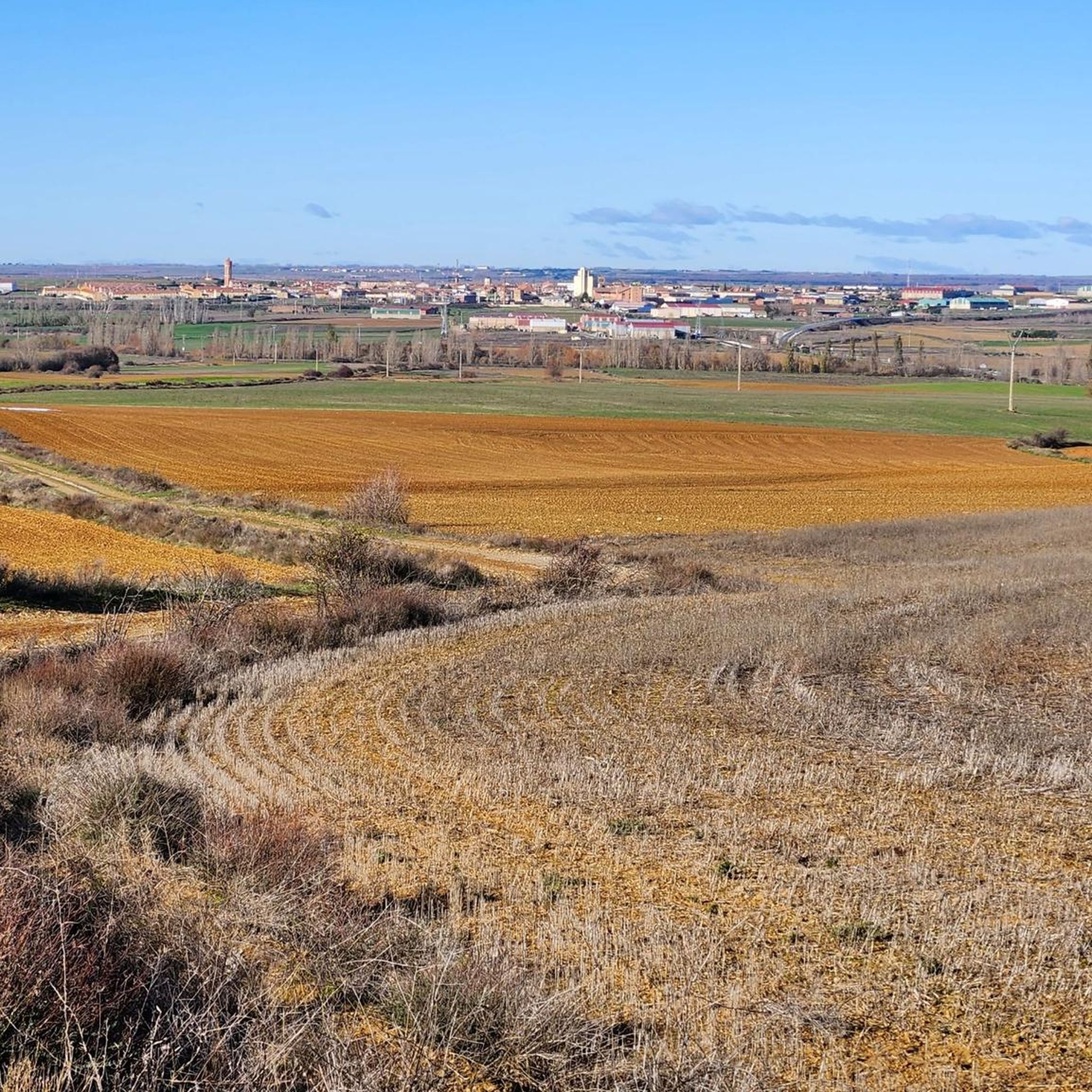
Santervás de Campos is nestled in the expansive Tierra de Campos region, offering wide, flat landscapes and natural viewpoints from its altitude of 780 meters. The Valderaduey River flows through the town, creating an ecological corridor that supports diverse flora and fauna, and serves as a refreshing spot for migrating birds.
Is Santervás de Campos a good place for birdwatching?
Yes, part of Santervás de Campos' municipal area is within the "La Nava - Campos Norte" Special Protection Area for Birds, which is part of the Natura 2000 network. This makes it an excellent spot for birdwatching enthusiasts, especially for observing migrating birds along the Valderaduey River.
What outdoor activities can I do near Santervás de Campos?
The area around Santervás de Campos offers various outdoor activities. You can explore hiking routes, including the "Madrid Way of Saint James: Santervás de Campos Loop." There are also numerous road cycling routes and MTB trails that allow you to discover the Tierra de Campos landscape.
Are there any family-friendly attractions around Santervás de Campos?
Many of the historical and natural sites can be enjoyed by families. For instance, the San Benito Arch and Ruins of the Monastery of San Benito in nearby Sahagún, and the Geographical Center of the Camino Francés – Ermita de la Virgen del Puente are considered family-friendly. Exploring the town's traditional architecture and the natural landscapes also offers engaging experiences for all ages.
What is the best time of year to visit Santervás de Campos?
The region experiences a continental climate. Spring and early autumn generally offer pleasant temperatures for exploring historical sites and enjoying outdoor activities like hiking and cycling. These seasons avoid the intense heat of summer and the colder, potentially wetter conditions of winter.
What do visitors enjoy most about the attractions near Santervás de Campos?
Visitors particularly appreciate the historical significance and the unique Mudejar art found in nearby Sahagún, such as the San Benito Arch. The spiritual journey along the Camino de Santiago, marked by sites like the Geographical Center of the Camino Francés, is also highly valued. The expansive natural beauty of the Tierra de Campos region and the sense of history are frequently highlighted.
Are there any notable landmarks outside of Santervás de Campos but still easily accessible for a day trip?
Yes, several significant landmarks are a short distance away. In Sahagún, you can visit the San Benito Arch and Ruins of the Monastery of San Benito, a center of Mudejar art. Also nearby is the Geographical Center of the Camino Francés – Ermita de la Virgen del Puente, and the Province Border Marker: Palencia to León on the Camino de Santiago.
Are there any accessible attractions for visitors with mobility considerations?
The San Benito Arch and Ruins of the Monastery of San Benito in Sahagún is noted as wheelchair accessible. While the historical streets of Santervás de Campos may present some challenges, many of the main squares and the Ponce de León Museum are generally accessible.
Most popular routes around Santervás De Campos

Get inspired with the komoot mobile app


Explore more
Still not found the Highlight you’re looking for? See guides of the top attractions in other regions:
