The best walks and hikes around Perales De Tajuña
4.6
(41)
286
hikers
67
hikes
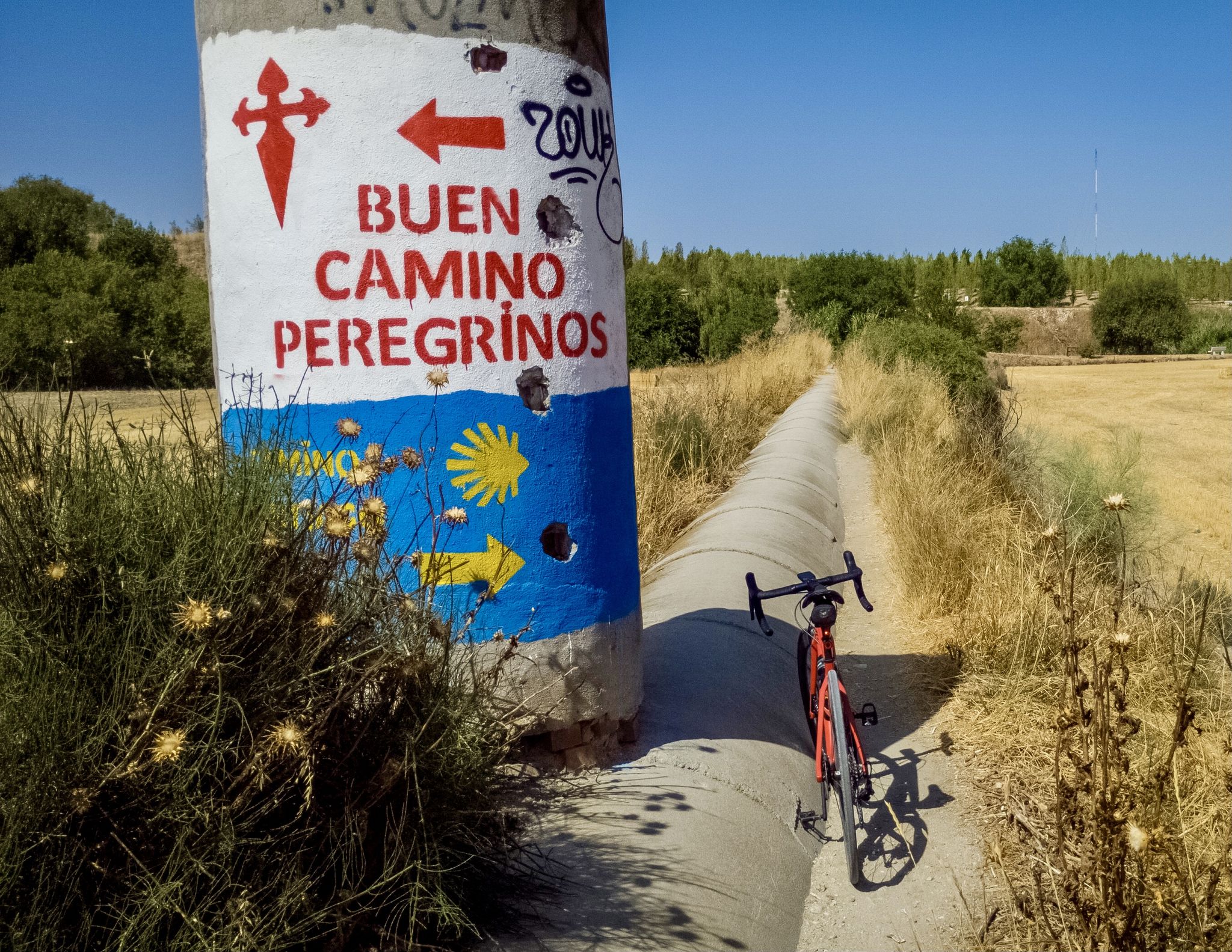
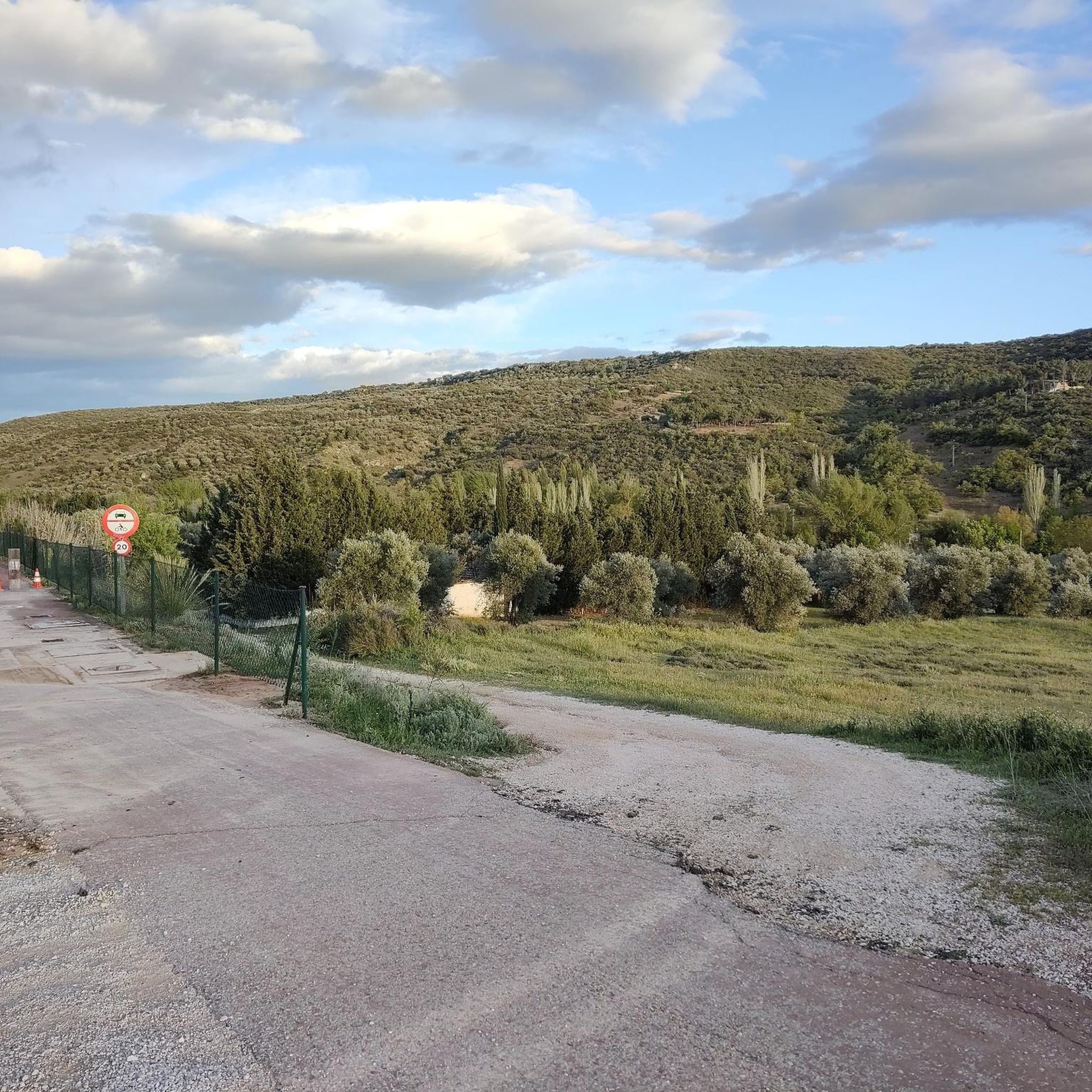
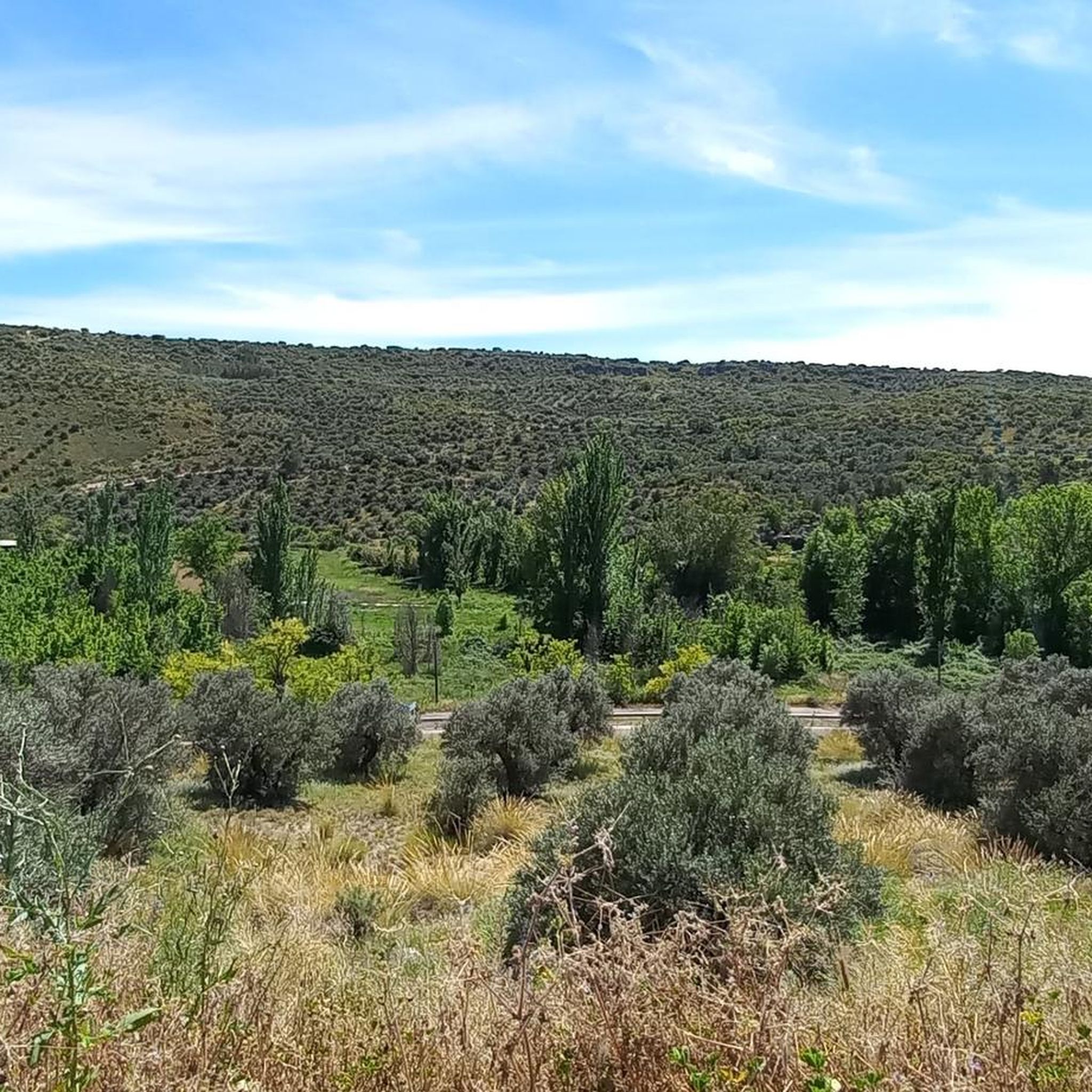
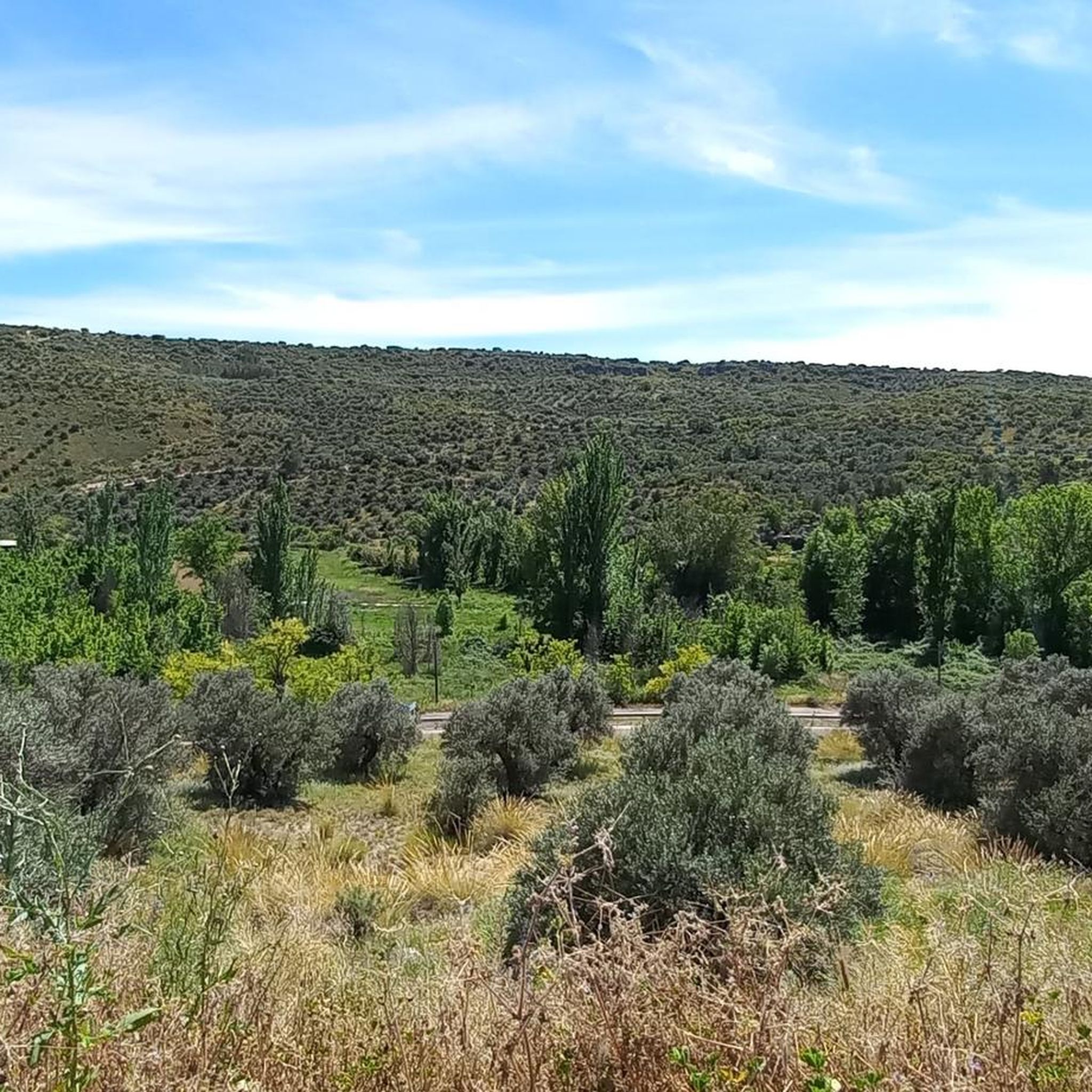
Hiking around Perales De Tajuña offers routes through the fertile Tajuña river valley, characterized by agricultural plains and ancient gypsum cliffs. The landscape features a mix of riverine environments, olive groves, and cultivated fields. Elevated areas provide views of the surrounding countryside, while the Tajuña Greenway offers a well-maintained path along an old railway line.
Best hiking trails around Perales De Tajuña
- The most popular hiking route is Isla Tarai Mill – Morata de Tajuña Town Square loop from Ctra.…
Last updated: May 15, 2026
11
hikers
Moderate hike. Good fitness required. Easily-accessible paths. Suitable for all skill levels.
5.0
(2)
9
hikers
12.5km
03:32
250m
250m
Moderate hike. Good fitness required. Easily-accessible paths. Suitable for all skill levels.

Sign up for free
8
hikers
Moderate hike. Good fitness required. Easily-accessible paths. Suitable for all skill levels.
5.0
(1)
7
hikers
11.8km
03:02
50m
50m
Moderate hike. Good fitness required. Easily-accessible paths. Suitable for all skill levels.
4.0
(2)
5
hikers
Moderate hike. Good fitness required. Easily-accessible paths. Suitable for all skill levels.
Get access to more routes and recommendations from other explorers.
Sign up for free
Already have an account?
Our route recommendations are based on thousands of hikes, rides, and runs completed by other people on komoot.
Start today with a free account
Your next adventure awaits.
Login or Signup

Other adventures around Perales De Tajuña

Tips from the Community

The Las Aguaderas viewpoint is located at a crossroads, taking advantage of a rise in the terrain. It features a pergola, a bench, and an interpretive panel dedicated to the "Las Aguaderas Area," a new section focusing on local customs linked to water and agriculture. The trail turns right and climbs the farm track that descends from the plateau. The initial steep section is impressive, but the climb only lasts a few minutes. The track reaches the edge of the plateau and continues through olive groves, holm oaks, and barren hills to the Camino de los Moledores (Wheelers' Path). The hiking route turns left, and now a steep descent to the valley floor begins.
0
0
The walk along the hillside is fantastic, a true flight over the meadows, villages, and rural landscapes of the Tajuña River valley. The path runs along the mountainside and passes by the Fuente del Arce (Maple Spring), another of Tielmes' historic springs. It's located at the bottom of a ravine, with a stone wall and a spout with a small basin that is usually dry in summer. Nearby is the Fuente del Sacristán (Sacristan's Spring), somewhat hidden. Shortly after, the bench at the Mirador Vega del Tajuña (Tajuña Valley Viewpoint) appears in a clearing along the path, offering views of Tielmes, the meadow, and the hamlet of Valdilecha at the bottom of the Vega stream valley. The trail continues along the same path and begins the descent to the next viewpoint.
0
0
The sign marking the start of the Tielmes Viewpoints Route is at the junction of the San Isidro Hermitage and the Tajuña Greenway. The first kilometer of the climb is quite steep along a well-maintained rural track. The first viewpoint is nearby; it's called the "Most Beautiful Bench," and it features an interpretive lectern and a bench with the words "Tielmes Is Heart" emblazoned on the back. It faces the town of Tielmes and the Tajuña River valley, making for a pleasant stop after the initial climb. The viewpoint's information panel offers a description of the views entitled "A Landscape Shaped by Water," providing an introduction to the culture of water, the fertile plains, and the orchards of the Las Vegas region of Madrid. The route continues uphill along the Camino del Llano de las Cabras (Goat Plain Path), offering spectacular panoramic views. At the edge of the plateau, at the top of the steep climb, the main path continues straight ahead, while the Viewpoints Route veers off to the left.
0
0

It is a beautiful town, one of those that remain with its essence.
0
0
Today it is a retirement home. Over the last three centuries it has been a flour mill, an electricity factory, a cloth mill, a paper factory and a private residence. The route passes along the opposite bank, where you can see the weir that provided water to the old mill.
1
0
In the 18th and 19th centuries, the dovecotes were owned by the local nobility and bourgeoisie. The Estacada dovecote is one of the few buildings dedicated to pigeon breeding that is still standing. Despite its deterioration, the double interior wall can be seen, with the pigeon cells and the roof closure.
0
0
It is located in the Molino de la Huerta de Angulo, there is a pedestrian walkway from the streets of Morata to the entrance of the milling area. The visit is recommended to learn about the milling culture and the old lifestyles associated with the water resources of the Tajuña River. It is open on Saturdays, Sundays and holidays, admission is free.
0
0
Morata is a village of orchards and plains on the railway line of the old Tren de Arganda, a 19th century project to run a railway from Madrid to the Aragón line through the valleys of the Tajuña and Tajo rivers. Work began in 1886 and in 1921 the last section was inaugurated, between Sacedón and Alocén, in Guadalajara. In the Plaza Mayor is the Casa Consistorial, the seat of the Town Hall and a unique building, an interesting example of 19th century civil architecture in limestone ashlars and elaborate wrought iron work on the first floor balcony. The main historical and artistic monument of Morata is the 17th century church of Nuestra Señora de la Concepción, with a superb stone bell tower. Popular culture and part of the local history are condensed in the Ethnographic Museum, the Museum of the Civil War and Postwar and the Museum of Milling, on the banks of the Tajuña river.
0
0
Frequently Asked Questions
How many hiking trails are available in Perales de Tajuña?
Perales de Tajuña offers a wide selection of routes, with over 60 hiking trails to explore. These range from easy strolls to more challenging paths, catering to various fitness levels.
What kind of terrain can I expect on hikes around Perales de Tajuña?
The terrain in Perales de Tajuña is diverse, characterized by the fertile Tajuña river valley, agricultural plains, and ancient gypsum cliffs. You'll find paths winding through olive groves and cultivated fields, as well as sections along the well-maintained Tajuña Greenway, which follows an old railway line. Elevated areas provide panoramic views of the surrounding countryside.
Are there any easy hiking routes suitable for beginners in Perales de Tajuña?
Yes, Perales de Tajuña has nearly 30 easy hiking routes perfect for beginners or those looking for a relaxed walk. Many of these routes offer gentle gradients, such as those found along the Tajuña Greenway, making them accessible for a wide range of abilities.
What is the best time of year to go hiking in Perales de Tajuña?
The best times for hiking in Perales de Tajuña are typically spring and autumn. During these seasons, the weather is mild and pleasant, making for comfortable conditions on the trails. Summers can be very hot, and winters can be chilly, so plan accordingly.
What do other hikers say about the trails in Perales de Tajuña?
The hiking trails in Perales de Tajuña are highly rated by the komoot community, with an average score of 4.6 stars from over 40 reviews. Nearly 300 hikers have used komoot to explore the area, often praising the scenic river valley, the historical elements, and the well-maintained paths like the Tajuña Greenway.
Are there any historical or natural landmarks to see while hiking in Perales de Tajuña?
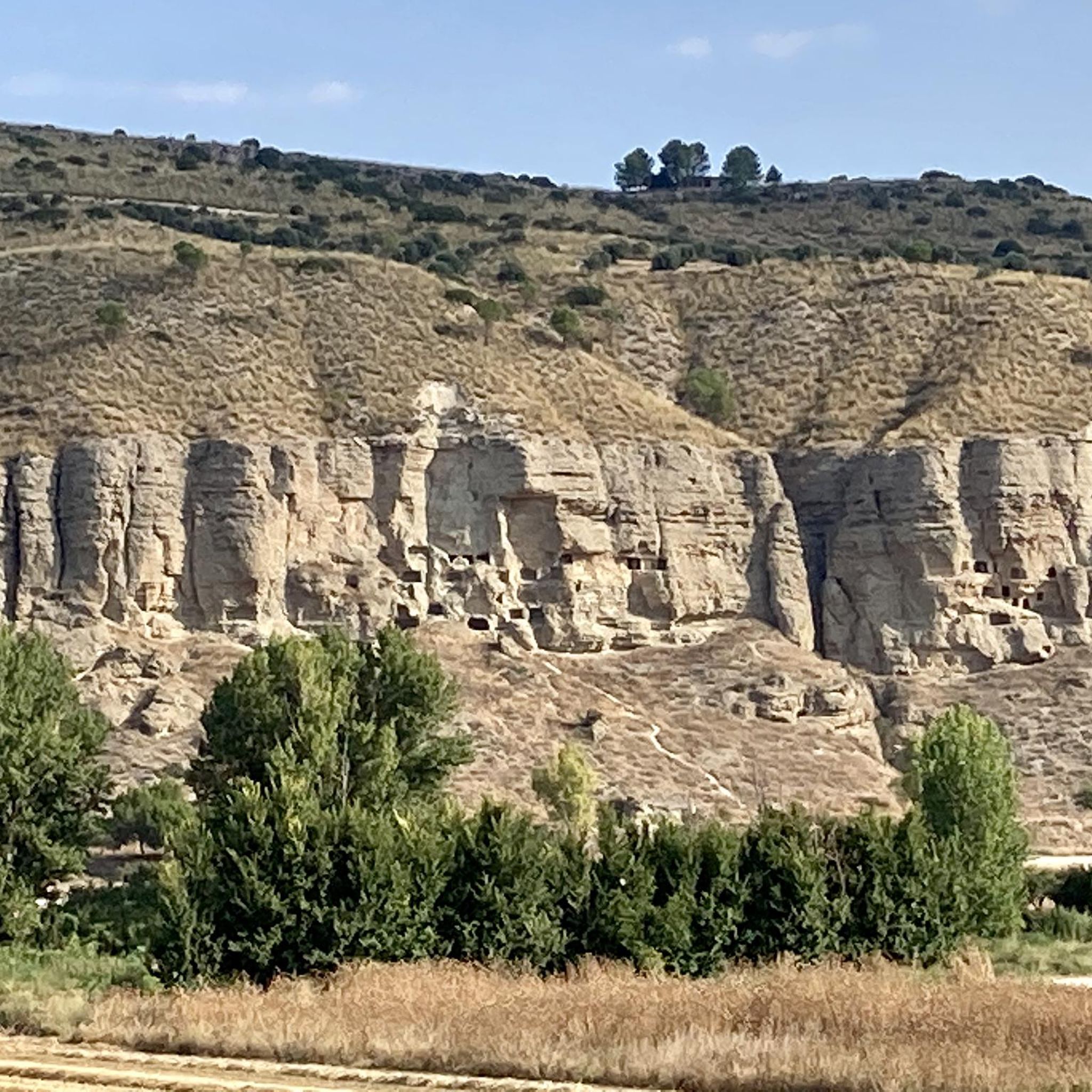
Absolutely. The region is rich in both historical and natural landmarks. You can explore the ancient Risco de las Cuevas of Perales de Tajuña, a national monument featuring about fifty artificial caves. Another intriguing natural feature is the Lágrimas de San Pedro, a cascading tufa limestone formation. The Cornicabra Station and Quarries also offer a glimpse into the region's industrial past.
Are there any viewpoints offering scenic vistas in the area?
Yes, several elevated parts of Perales de Tajuña provide spectacular panoramic views of the surrounding countryside, including the Tajuña river valley and its agricultural plains. Look for designated viewpoints that often describe the landscape shaped by water and local culture.
Are there any family-friendly hiking options in Perales de Tajuña?
Many of the easier routes in Perales de Tajuña are suitable for families. The Tajuña Greenway, for instance, offers a relatively flat and well-maintained path through olive groves and fields, making it an enjoyable experience for all ages.
Are there any circular hiking routes in Perales de Tajuña?
Yes, many of the trails in Perales de Tajuña are designed as circular routes, allowing you to start and end in the same location. An example is the Isla Tarai Mill – Morata de Tajuña Town Square loop, which offers a moderate 10.8 km hike through the Tajuña river valley.
Can I reach Perales de Tajuña by public transport for hiking?
Perales de Tajuña is located about 50 kilometers east of Madrid's Puerta del Sol, making it accessible. While specific public transport details for reaching trailheads vary, the town itself can be reached by bus services from Madrid, providing a good starting point for exploring the local routes.
Are there any specific routes that highlight the Tajuña Greenway?
The Tajuña Greenway is a prominent feature for hikers and cyclists in the area. The Puente del Tajuña – Tajuña Greenway loop from Tielmes is a great option, following this well-maintained path through olive groves and cultivated fields, passing by old train stations.
Are there any routes that explore the agricultural plains and olive groves?
Yes, many routes traverse the agricultural plains and ancient olive groves that characterize the region. The Palomar de la Estacada – Morata de Tajuña Town Square loop is a good example, leading you through these cultivated landscapes.
Most popular routes around Perales De Tajuña
Most popular attractions around Perales De Tajuña

Get inspired with the komoot mobile app


Explore more
Browse the best Hikes in other regions.
