Attractions and Places To See around Aldea Del Rey - Top 20
Best attractions and places to see around Aldea Del Rey are shaped by its location within the Campo de Calatrava, a region known for its volcanic massif and the Jabalón River valley. This area in the province of Ciudad Real, Spain, offers a blend of historical, cultural, and natural features. Its landscape is marked by past volcanic activity, alongside a rich legacy from the Order of Calatrava. Visitors can explore various sites reflecting its geological and historical significance.
Best attractions…
Last updated: May 11, 2026
Virgen de los Santos
Highlight • Religious Site
In the enclosure next to the hermitage there is a conglomerate of small and traditional …
Translated by Google •
Tip by

Oreto and Zuqueca Archaeological Site
Highlight • Historical Site
Translated by Google •
Tip by
Sign up now to discover places like this
Get recommendations on the best single tracks, peaks, & plenty of other exciting outdoor places.
Sign up for free
Hervideros Baños del Barranco
Highlight • Natural Monument
Translated by Google •
Tip by
Vega del Jabalón Reservoir
Highlight • Lake
This swamp, which can store 33.54 cubic …
Translated by Google •
Tip by
Valenzuela de Calatrava
Highlight • Settlement
Translated by Google •
Tip by
Sign up for free to discover even more attractions around Aldea Del Rey.
Sign up for free
Already have an account?
Start today with a free account
Your next adventure awaits.
Login or Signup
Tips from the Community

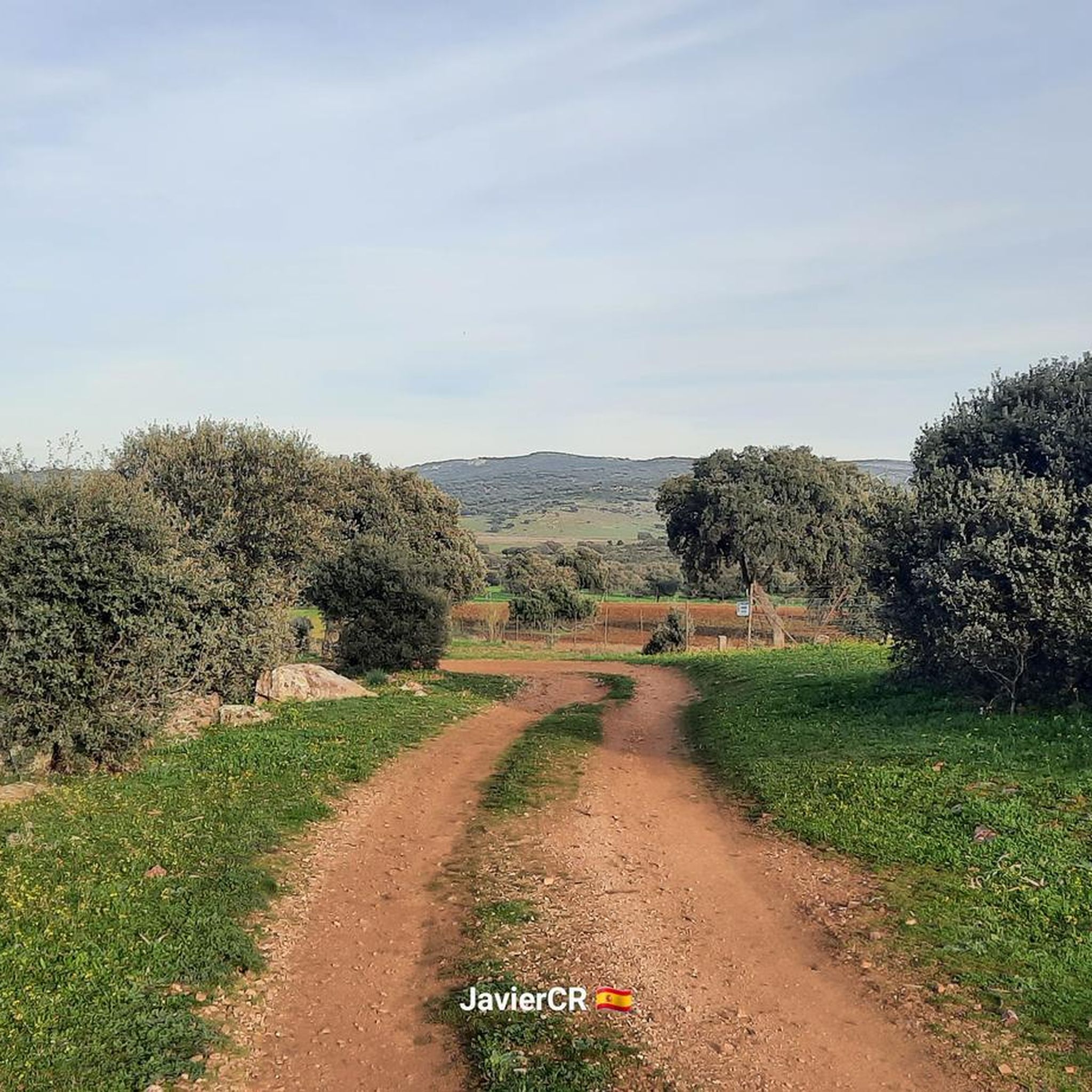
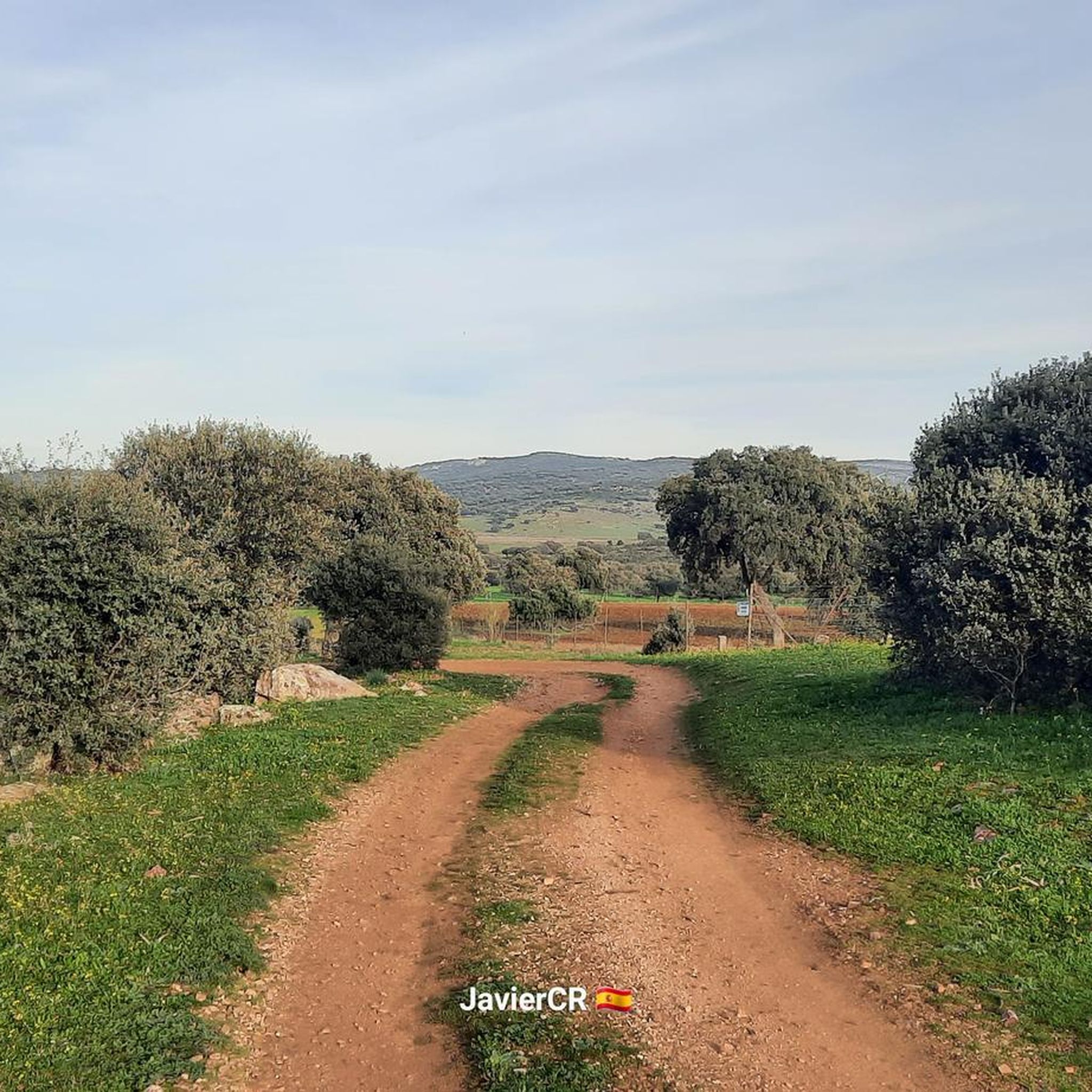
The Hermitage of the Virgen de los Santos is a place of worship and devotion on the hill that bears its name, near the town of Pozuelo de Calatrava. It is a construction from the 15th or 16th century, with a Mudejar roof and a baroque altarpiece that houses the image of the patron saint. The sanctuary is located on a magical and once strategic pointy mountain, and its white and luminous architecture stands out in the landscape.
32
0
The so-called “hotbeds” are one of the most common phenomena in the Calatrava region, as a consequence of its intense volcanic activity. A unique spectacle that, together with sour springs, maares, wells, and jets or sinas, are part of the history of the region and that the Association for the Development of Campo de Calatrava tries to preserve and make known outside its borders.
21
0
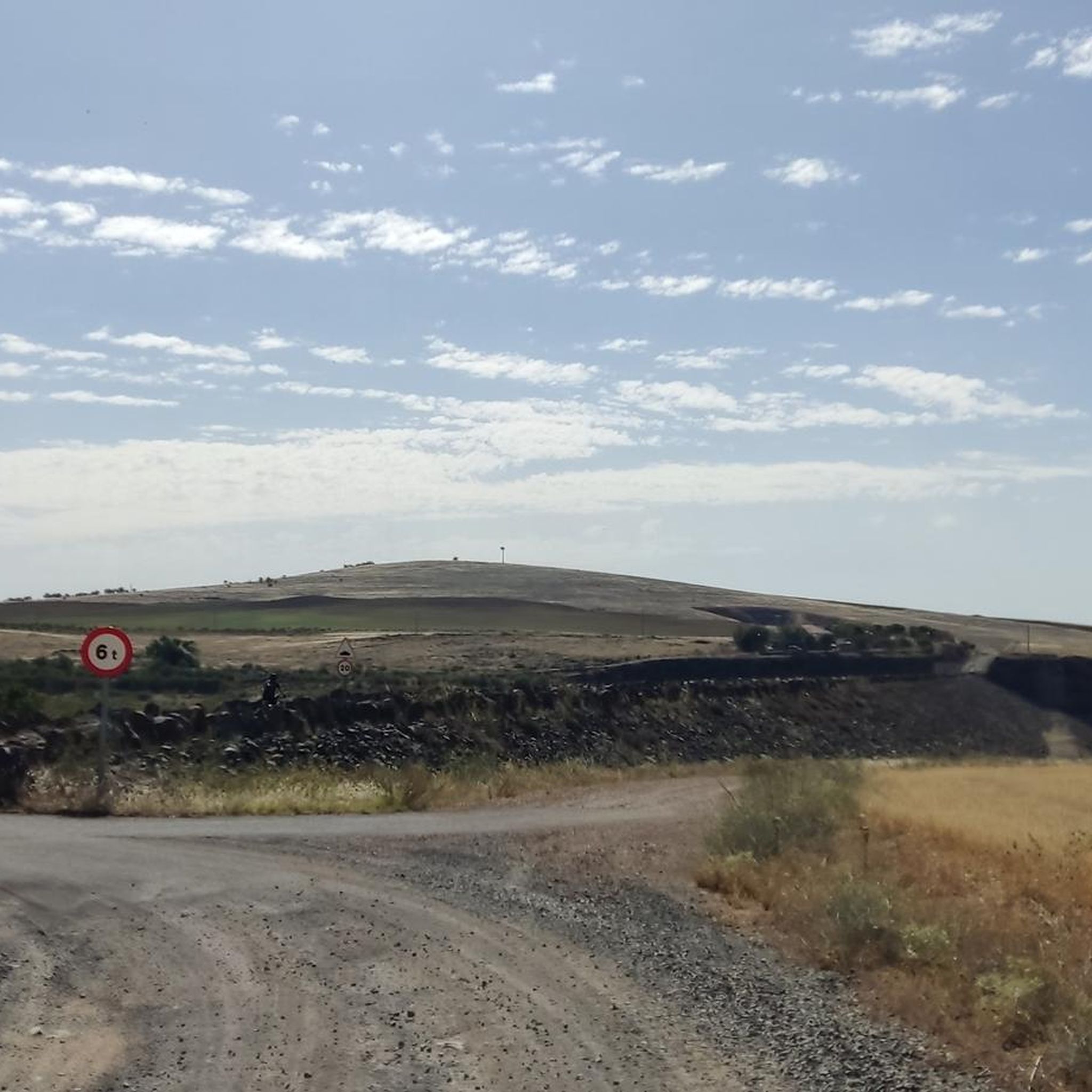
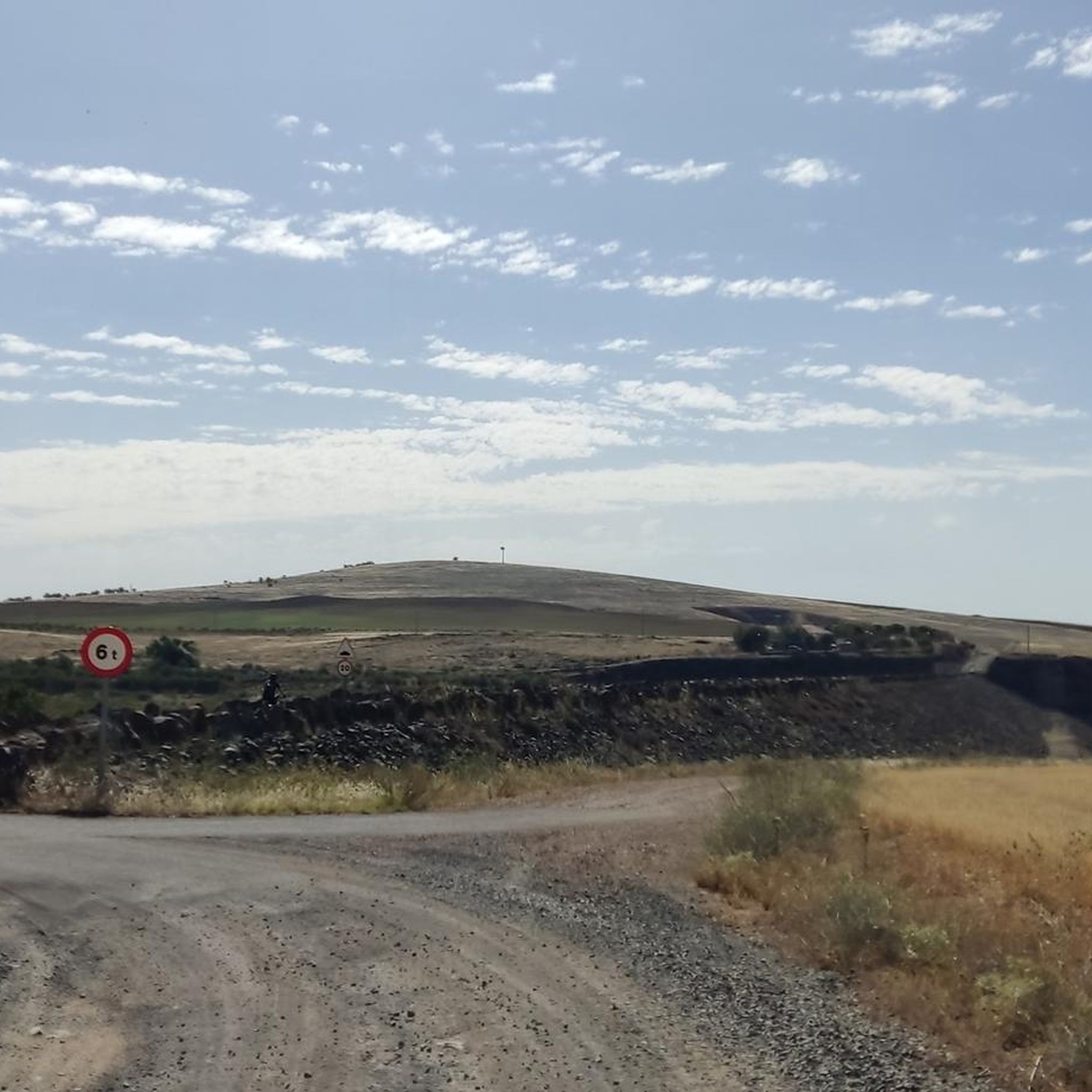
The water reserves in the Vega del Jabalón reservoir, one of the two that is already considered a dead reservoir, are practically nil. This swamp, which can store 33.54 cubic hectometres (hm3), currently has only 0.2 hm3, which is below the cubic hectometre, which is the minimum exploitation level set by the CHG.
22
0
In the heart of Campo de Calatrava is Valenzuela de Calatrava. It limits to the north, east and west with the city of Almagro, from which it is barely 6 kilometers away, and to the south with Granátula de Calatrava. The origin of the town is in an Arab castle built by the Almoravids in the 12th century. and a small village dedicated to horticulture. In Valenzuela de Calatrava, its gasified water fountains are famous both in public fountains and in houses.
33
0
In the heart of Campo de Calatrava is Valenzuela de Calatrava. It limits to the north, east and west with the city of Almagro, from which it is barely 6 kilometers away, and to the south with Granátula de Calatrava. he origin of the town is in an Arab castle built by the Almoravids in the 12th century. and a small village dedicated to horticulture. In Valenzuela de Calatrava, its gasified water fountains are famous both in public fountains and in houses.
3
0
In the heart of Campo de Calatrava is Valenzuela de Calatrava. It limits to the north, east and west with the city of Almagro, from which it is barely 6 kilometers away, and to the south with Granátula de Calatrava. he origin of the town is in an Arab castle built by the Almoravids in the 12th century. and a small village dedicated to horticulture. In Valenzuela de Calatrava, its gasified water fountains are famous both in public fountains and in houses.
3
0
The archaeological importance of the environment in which the site is located has been well known since ancient times, since the Cerro de Oreto is located nearby, which contains the ruins of the capital of Oretania, Oretum according to sources, (a Roman province that included from north to south beyond Sierra Morena and extended to the end of the Bética); the Cerro de los Obispos, an important Iberian site on whose slopes appeared some burials attributed to Visigothic bishops (one of them Bishop Amador, as recorded on the tombstone that covered his tomb); several late-Roman necropolises corresponding to that classical city and the Roman bridge over the Jabalón ordered to be built by Publio Baebio Venusto, dated between the end of the 1st century and the beginning of the 2nd century AD, and which has currently been covered by the waters of the Reservoir. Numerous pieces belonging to different periods have been found, among which are coins, ceramics, farm elements, and loom stones.
23
0

An important archaeological site, where remains of different cultures were found: Iberians, Romans, the first Christians, the Visigoths, the Muslims. The site is equipped with metal walkways to facilitate the visit. There are guided tours.
3
0
Frequently Asked Questions
What historical sites can I explore in Aldea del Rey and its surroundings?
The region is rich in history, particularly due to the Order of Calatrava. You can visit the impressive 13th-century Sacro-Convento y Castillo de Calatrava la Nueva, a fortress with a Gothic church and spectacular views. Another significant site is the Palacio de Clavería, a 16th-century Renaissance palace. Additionally, the Oreto and Zuqueca Archaeological Site offers insights into past civilizations, with remains from Iberian, Roman, Visigothic, and Arab periods.
Are there any significant religious buildings to visit in the area?
Yes, several religious sites are noteworthy. The Virgen de los Santos hermitage, dating from the 15th or 16th century, features a Mudejar roof and a Baroque altarpiece. Other religious buildings include the Iglesia de San Jorge Mártir in Aldea del Rey and the 14th-century Ermita de Nuestra Señora del Valle, also built by the Order of Calatrava.
What natural attractions can I see around Aldea del Rey?
Aldea del Rey is situated within the Macizo Volcánico del Campo de Calatrava, offering unique geological features. You can visit the Hervideros Baños del Barranco, a natural monument consisting of volcanic hot springs. The Vega del Jabalón Reservoir, fed by the Jabalón River, is another notable natural feature, though its water levels can vary.
Can I experience the volcanic landscape of Campo de Calatrava?
Absolutely. Aldea del Rey is nestled within the Campo de Calatrava volcanic massif. Beyond the Hervideros Baños del Barranco, you can explore other volcanic features like the Cueva del Alguacil and the Volcán y Maar de la Encina, which showcase the region's unique geological history.
What outdoor activities can I do near Aldea del Rey's attractions?
The area around Aldea del Rey offers various outdoor activities. You can find numerous routes for hiking, cycling, and mountain biking. For hiking, consider trails like the 'Oreto y Zuqueca Archaeological Site Loop' or 'Sierras de Aldea del Rey — circular por el Cerro de la Higuera'. Cyclists might enjoy the 'Aldea del Rey - Jabalón Reservoir Loop'. You can find more details on these and other routes in the hiking, cycling, and MTB guides for the region.
Are there family-friendly attractions around Aldea del Rey?
Yes, several attractions are suitable for families. The Hervideros Baños del Barranco, with its volcanic hot springs, offers a unique natural experience that can be enjoyed by all ages. The Oreto and Zuqueca Archaeological Site is also categorized as family-friendly, providing an educational outing into ancient history.
What is the best time to visit Aldea del Rey for outdoor activities?
The Campo de Calatrava region, where Aldea del Rey is located, experiences hot summers. Therefore, the best times for outdoor activities like hiking and cycling are typically spring (April to June) and autumn (September to November), when temperatures are milder and more comfortable for exploration.
What do visitors enjoy most about the attractions around Aldea del Rey?
Visitors frequently appreciate the unique geological phenomena, such as the 'hotbeds' at Hervideros Baños del Barranco, which are a direct result of the region's intense volcanic activity. The historical depth of sites like the Oreto and Zuqueca Archaeological Site also captivates those interested in ancient civilizations. The tranquil rural charm and scenic views from places like the Sacro-Convento y Castillo de Calatrava la Nueva are also highly valued.
Is there a town nearby with historical significance worth visiting?
Yes, Valenzuela de Calatrava, located in the heart of Campo de Calatrava, is a historically significant town. Its origins trace back to a 12th-century Arab castle built by the Almoravids. It's also known for its gasified water fountains.
Can I find viewpoints with scenic vistas in the Aldea del Rey area?
Yes, the region offers several spots with excellent views. The Sacro-Convento y Castillo de Calatrava la Nueva provides spectacular panoramic views of the Campo de Calatrava, a plain dotted with ancient volcanoes. The Virgen de los Santos hermitage is also situated on a strategic hill, offering a white and luminous landmark against the landscape.
What is the significance of the Jabalón River in the region?
The Jabalón River is a tributary of the Guadiana, and the municipality of Aldea del Rey is situated in its valley. This area is rich in archaeological and historical significance, showing continuous human settlement since the Lower and Middle Paleolithic periods. The Vega del Jabalón Reservoir is also fed by this river.
Most popular attractions around Aldea Del Rey

Get inspired with the komoot mobile app


Explore more
Still not found the Highlight you’re looking for? See guides of the top attractions in other regions:
