Attractions and Places To See around Alella - Top 20
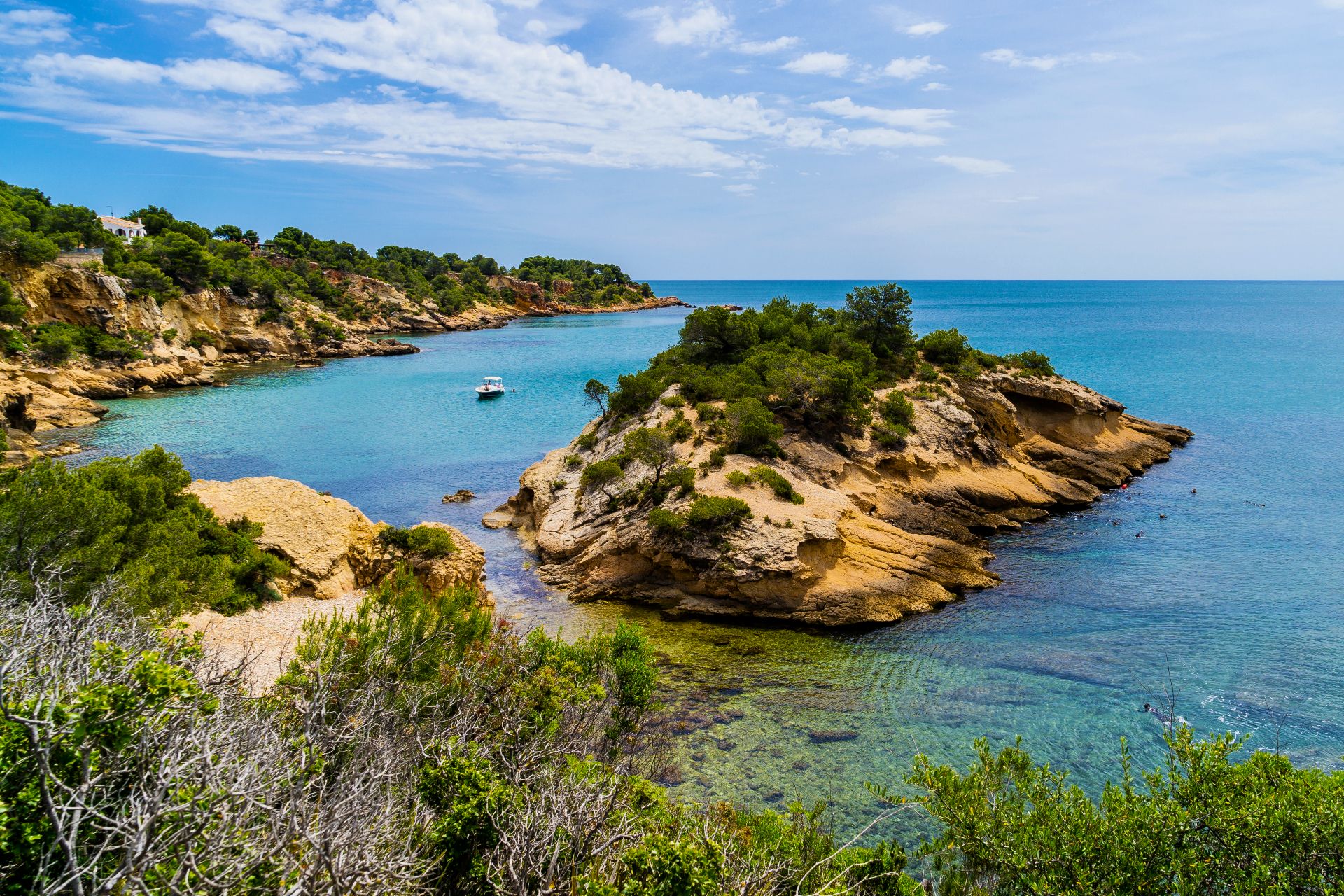
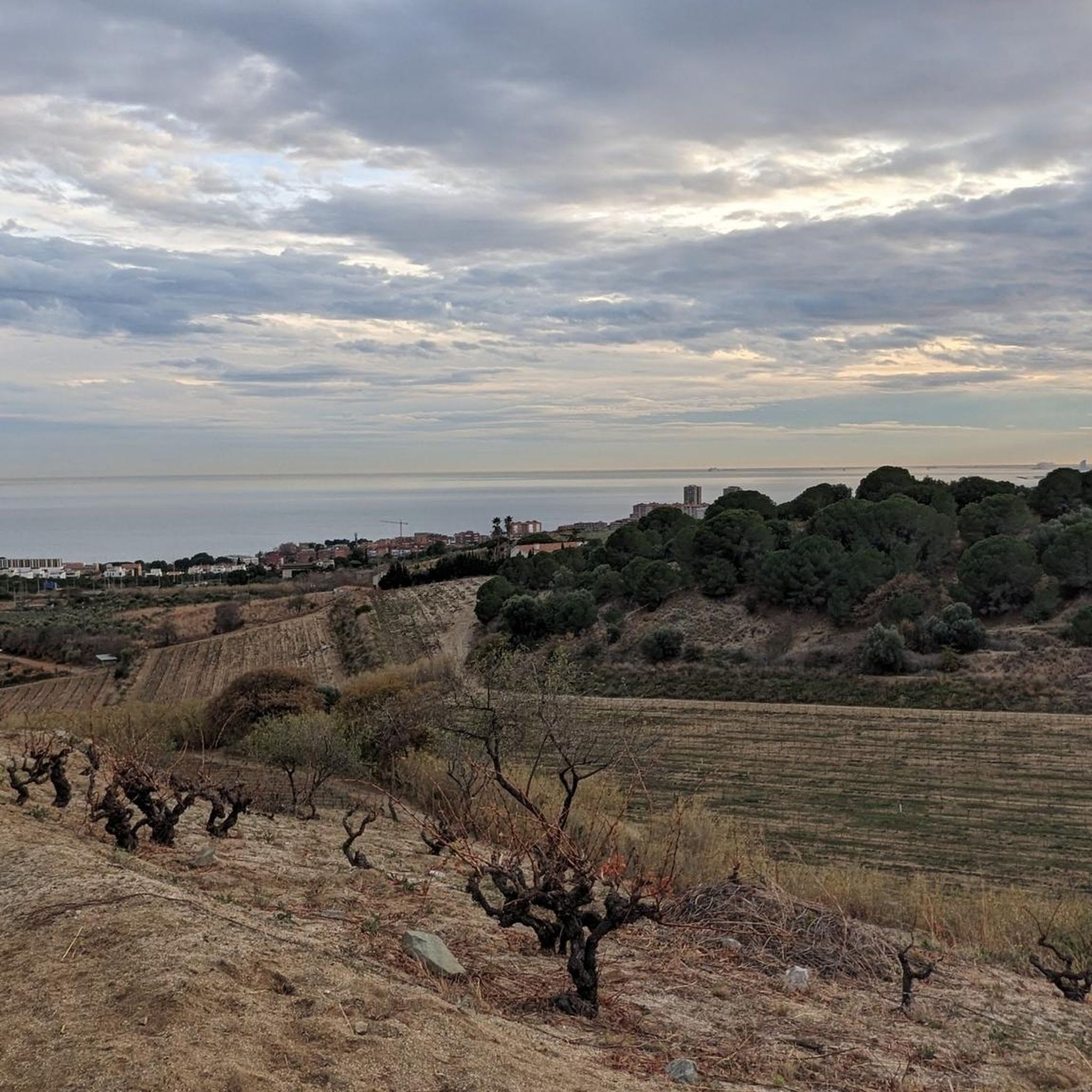
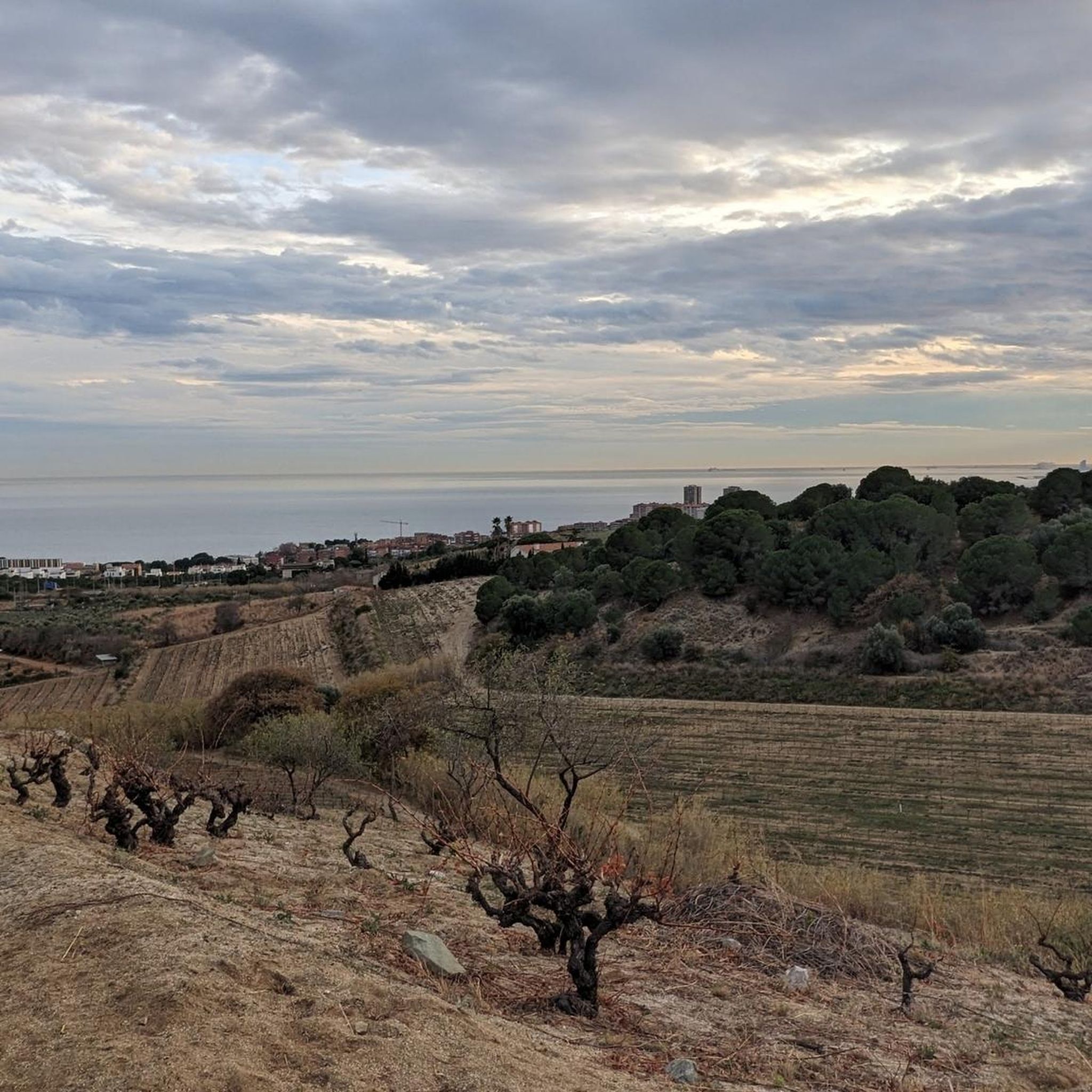
Best attractions and places to see around Alella include a blend of wine culture, historical sites, and natural beauty. This charming village is nestled on the coast of Catalonia, close to Barcelona, and is known for its vineyards and the Serralada Litoral Natural Park. The region offers diverse landscapes, from coastal cliffs to pine and holm oak forests, reflecting its rich history from Neolithic to Roman times.
Best attractions and places to see around Alella
- The most popular attractions is Parpers Pass, a mountain pass that offers a gentle ascent through pine and holm oak forests. It is a popular spot for cycling and connects with other parts of the coastal mountain range.
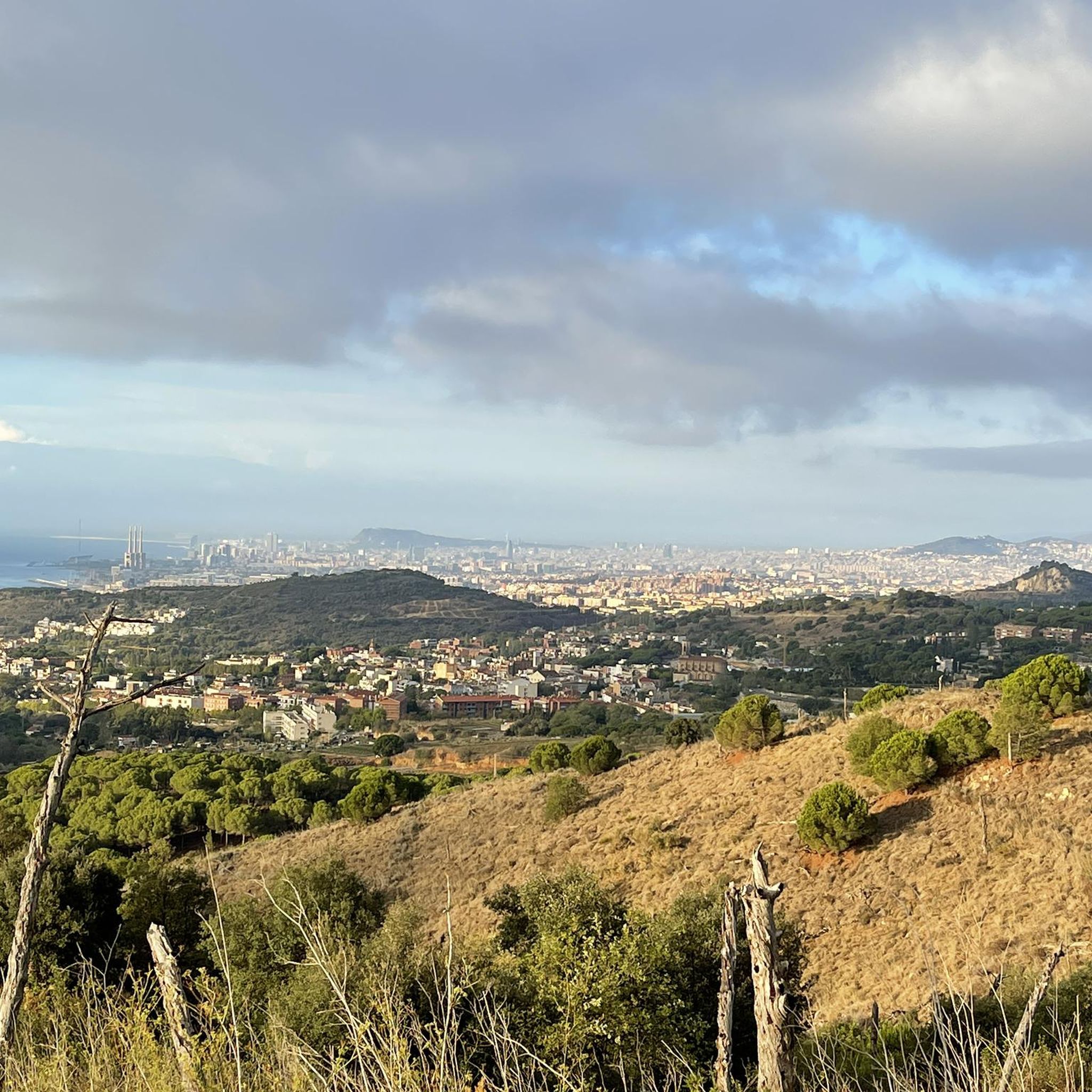
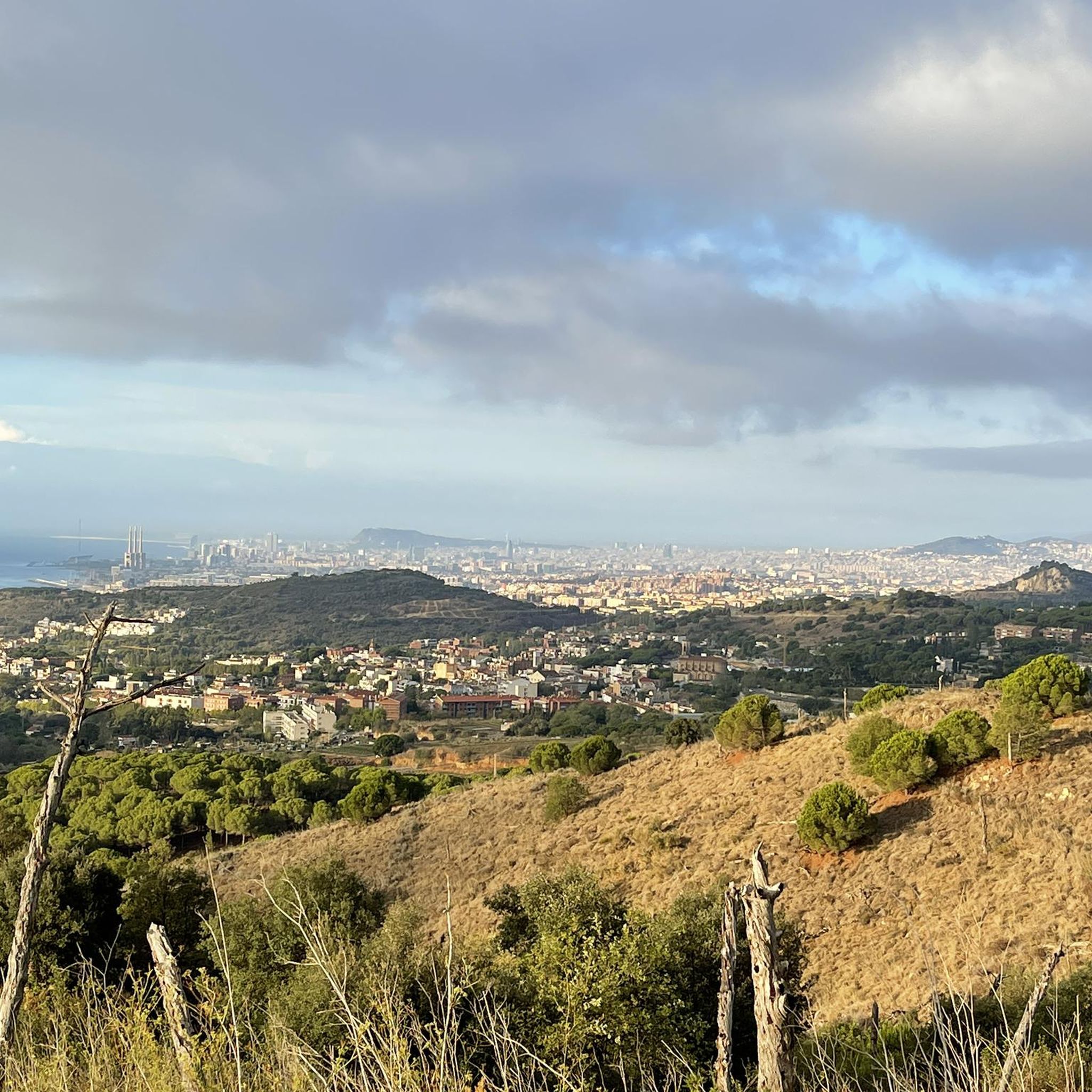
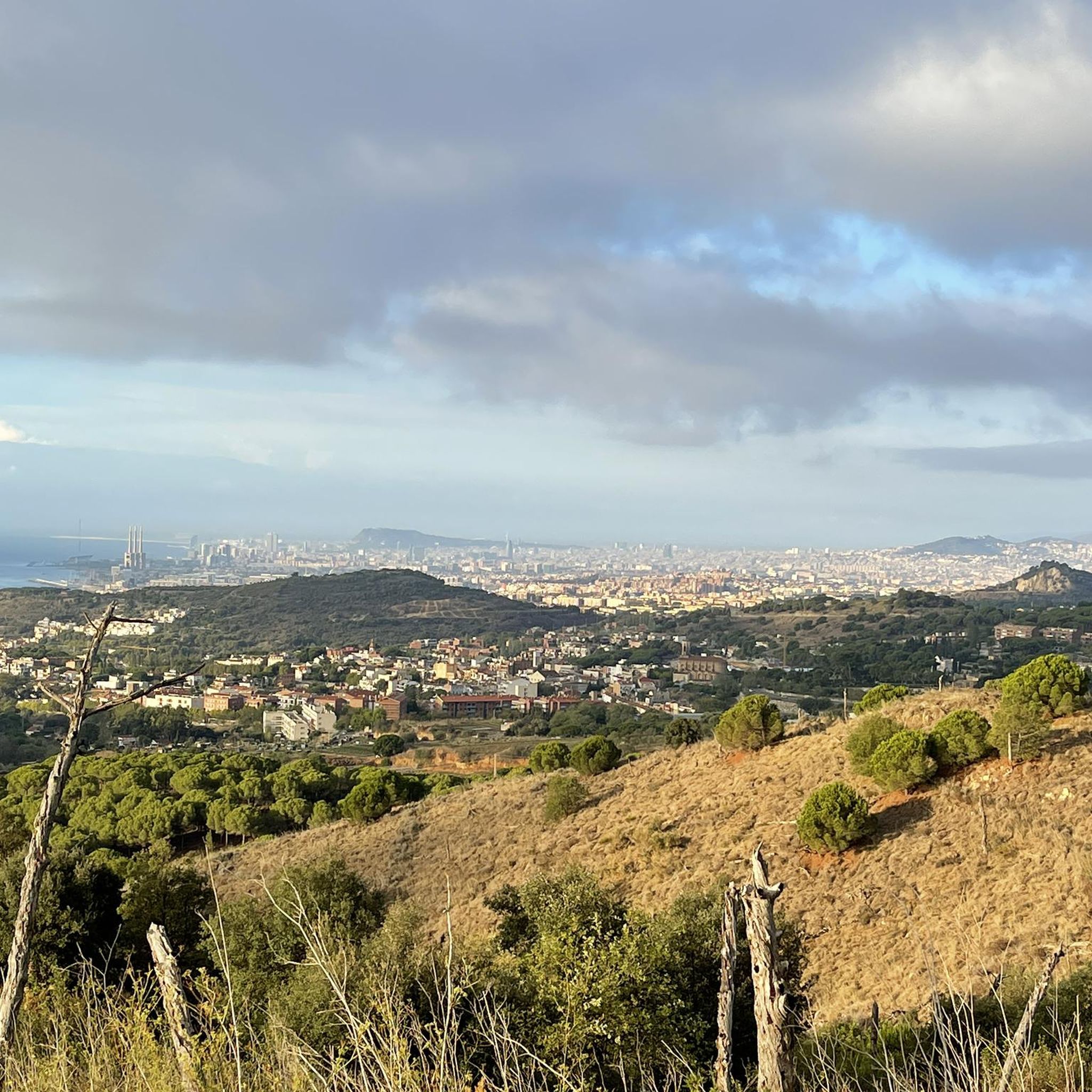
- Another must-see spot is La Coscollada Observation Tower, a viewpoint located on the highest hill in Badalona. From this tower, visitors can see the Pyrenees, Montseny, coastal mountains, the sea, and the plain of Barcelona.
- Visitors also love Dolmen of the Roca d'en Toni, a well-preserved historical site. This megalithic monument is believed to date from between the third and second millennium BC.
- Alella is known for its vineyards, historical sites, and natural parks. The region offers a variety of attractions, from ancient dolmens and Roman roads to modernist architecture and extensive natural landscapes.
- The attractions around Alella are appreciated by the komoot community, with over 190 upvotes and 8 photos shared across the highlights.
Last updated: July 6, 2026
Parpers Pass
Highlight • Mountain Pass
It is a gentle port on both sides but it is interesting because it connects with many ports of the coastal mountain range.
The ascent by the Roca del Vallés has 5.3 kms. with a very moderate mean of 3.2%. The port goes from East to West along the C-1415c.
Translated by Google •
Tip by

Besòs Riverside Path: Montcada to Can Zam
Highlight (Segment) • Trail
Translated by Google •
Tip by
Sign up now to discover places like this
Get recommendations on the best single tracks, peaks, & plenty of other exciting outdoor places.
Sign up for free
La Coscollada Observation Tower
Highlight • Viewpoint
At the top there is a forest watchtower, and from the very foot of this tower you can see the Pyrenees, Montseny, the coastal and pre-coastal mountains (with Montserrat), the sea, the plain of Barcelona, and some days until everything can be seen on the island of Mallorca.
Translated by Google •
Tip by
Dolmen of the Roca d'en Toni
Highlight • Historical Site
Translated by Google •
Tip by

Besòs River Bike Path
Highlight • Cycleway
Translated by Google •
Tip by

Sign up for free to discover even more attractions around Alella.
Sign up for free
Already have an account?
Start today with a free account
Your next adventure awaits.
Login or Signup

Other adventures around Alella

Tips from the Community

Un monument megalític datat entre el final del neolític i l'edat del bronze, considerat un dels jaciments prehistòrics més importants del Maresme.
0
0


The uphill stretch from Roca del Valles isn't difficult and is a lovely greenery. The descent to the Orrius junction is similar.
1
0

Final stretch of the Besòs River with a bike path and asphalted shoulder with a length of approximately 5 km. It is very busy on weekends with all types of walkers.
1
0

Quiet area to go for a walk
1
0

lonely road with lots of vegetation, very pretty
1
0

This is another of the legendary climbs in the coastal mountain range of the province of Barcelona. It is a very accessible climb with slopes that never exceed 6%. It has approximately 5 km of climbing on both sides. It connects the town of Roca del Vallés with Argentona, next to Mataró, very close to the coast. It is highly recommended because there is hardly any traffic and you can ride in complete peace.
1
0

The Dolmen of Can Boquet, also known as Roca d'en Toni, is a megalithic structure in Catalonia. The name Roca d'en Toni probably comes from the fact that, according to 19th century records, the landowner was called Toni Puig.
6
0
Frequently Asked Questions
What natural features can I explore around Alella?
Alella is nestled within the beautiful Serralada Litoral Natural Park, offering a diverse landscape of vineyards, mountains, and coastal cliffs. You can also experience the gentle ascent of Parpers Pass, popular for cycling and connecting to other parts of the coastal mountain range. The region's unique "sauló" topsoil, a sandy, granite-based material, is also a defining natural characteristic crucial for its wine terroir.
Are there historical sites to visit in Alella?
Yes, Alella boasts a rich history. You can explore the historic town center with its narrow, cobbled streets and traditional stone houses. Notable sites include the Dolmen of the Roca d'en Toni, a well-preserved megalithic monument dating back to the third and second millennium BC. Other historical landmarks include the Church of Sant Feliu, Cal Marqués, and Masía Can Magarola, one of Alella's oldest farmhouses.
What kind of architectural styles can I see in Alella?
Alella showcases a blend of architectural styles. The Church of Sant Feliu features Romanesque, Gothic, and Baroque elements. You can also find Neoclassical architecture, such as Cal Marqués, and various modernist buildings throughout the village. The Can Lleonart Centre Cultural is particularly noted for its Baroque facade adorned with sgraffito.
Can I go hiking near Alella?
Absolutely! The Serralada Litoral Natural Park provides excellent hiking opportunities. There are several routes available, including easy and moderate options like the 'GR 92: Turó d'en Galzeran Loop' or the 'Vineyard loop from Alella'. You can find more details and routes on the Hiking around Alella guide.
Are there cycling routes available around Alella?
Yes, Alella is a great area for cycling. The Parpers Pass is a popular spot for cyclists. You can find various routes for both touring and road cycling, ranging from easy to difficult. For example, the 'Taps Cove, Montgat – Badalona Seafront Promenade loop' is an easy option. Explore more routes on the Cycling around Alella and Road Cycling Routes around Alella guides.
What are the options for wine tourism in Alella?
Alella is renowned for its winemaking tradition. Visitors can embark on wine tours to learn about local viticulture and sample exquisite local varieties, particularly white wines made from the native Pansa Blanca grape. Notable wineries include Bouquet d'Alella, Alta Alella (known for organic wines and Cavas), and Parxet, which specializes in Cava production.
Are there any viewpoints offering panoramic views?
Yes, you can enjoy stunning panoramic views from several spots. The La Coscollada Observation Tower, located on the highest hill in Badalona, offers views of the Pyrenees, Montseny, coastal mountains, the sea, and the plain of Barcelona. The Parpers Pass also provides beautiful natural landscapes.
What family-friendly attractions are there in Alella?
Families can enjoy exploring the Dolmen of the Roca d'en Toni, a fascinating historical site. The nearby Petroli Pier in Badalona, though temporarily closed at times, offers a unique walk out over the sea when open. The gentle trails within the Serralada Litoral Natural Park are also suitable for family walks.
Can I find beaches near Alella?
While Alella itself is a village, it is situated close to the coast, offering access to beautiful beaches. Nearby options include Masnou Beach and Montgat Beach, which are within walking distance or a short distance away.
What is the Besòs Riverside Path?
The Besòs Riverside Path: Montcada to Can Zam is a scenic trail that runs parallel to the Besòs river. It's popular for cycling and walking, offering both paved and dirt sections. This path is part of the larger Besòs River Park, one of the most important green spaces in the Barcelona metropolitan region.
What is the significance of the 'sauló' topsoil in Alella?
The 'sauló' topsoil is a unique sandy, granite-based material found in the Serralada Litoral Natural Park. This specific soil type is crucial for Alella's distinctive wine terroir, contributing to the unique characteristics of the local wines, particularly those made from the Pansa Blanca grape.
Most popular attractions around Alella

Get inspired with the komoot mobile app


Explore more
Still not found the Highlight you’re looking for? See guides of the top attractions in other regions:
