Attractions and Places To See around Robledo De Chavela - Top 20
Best attractions and places to see around Robledo De Chavela include a blend of historical landmarks, cultural sites, and diverse natural landscapes. This town, located in the mountains southwest of the Community of Madrid, is recognized for hosting a NASA space station and its renovated town center. Visitors can explore significant historical buildings, extensive pine forests, and protected natural areas. The region offers a variety of experiences, from scientific interest to outdoor activities.
Best attractions and places to see around…
Last updated: July 6, 2026
Seat of Philip II
Highlight • Viewpoint
Some experts assure that these granite seats, for the king and two companions, are the …
Translated by Google •
Tip by

Mount Abantos
Highlight • Summit
Translated by Google •
Tip by
Sign up now to discover places like this
Get recommendations on the best single tracks, peaks, & plenty of other exciting outdoor places.
Sign up for free
Royal Monastery of San Lorenzo de El Escorial
Highlight • Historical Site
Translated by Google •
Tip by

Las Zetas de Abantos
Highlight (Segment) • Trail
Translated by Google •
Tip by

Start of the Ecological Trail of the Bosque de La Herrería
Highlight • Trail
Translated by Google •
Tip by

Sign up for free to discover even more attractions around Robledo De Chavela.
Sign up for free
Already have an account?
Start today with a free account
Your next adventure awaits.
Login or Signup
Popular around Robledo De Chavela
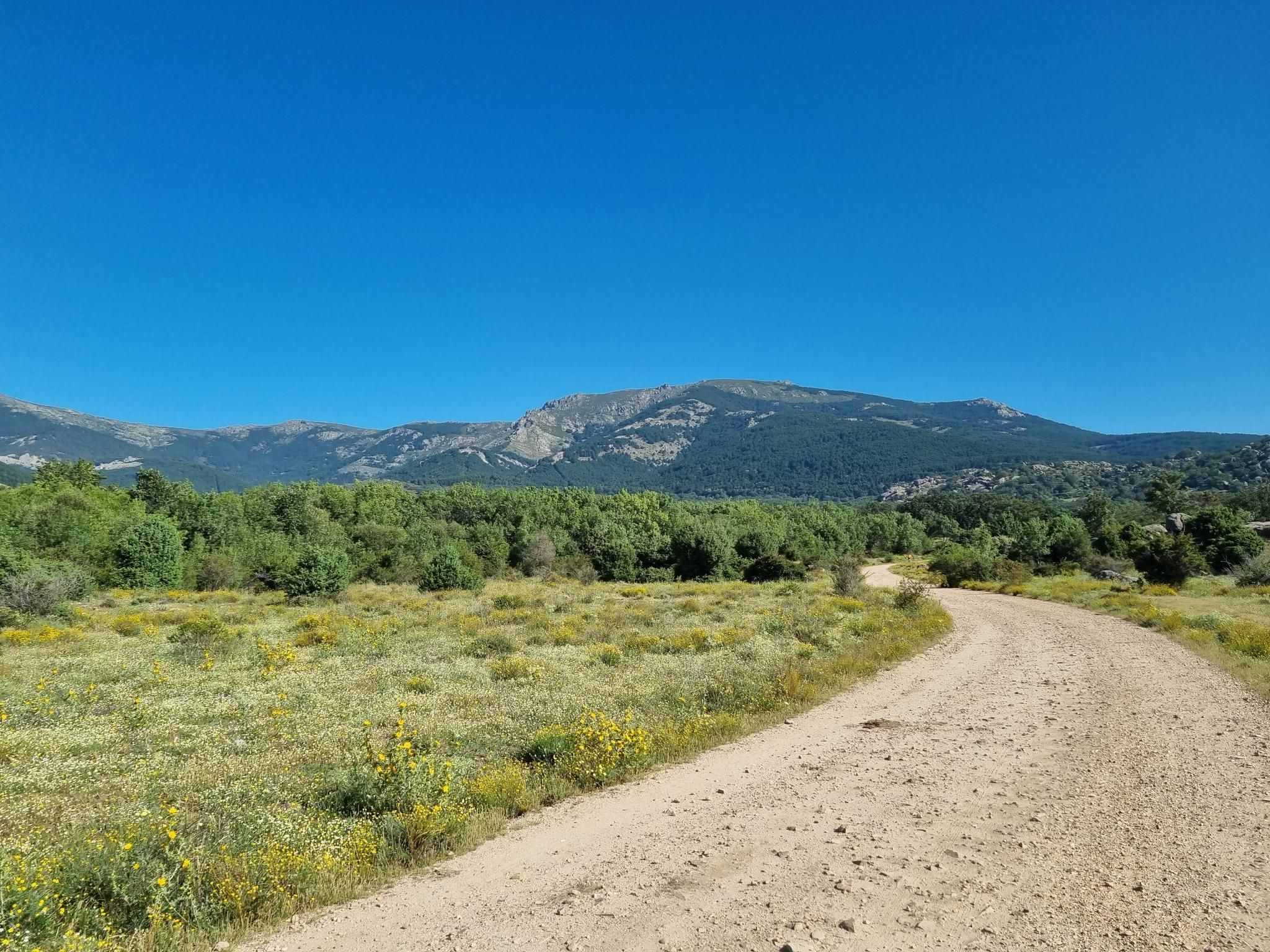
The treasures of Guadarrama – on foot along the GR 10 in Madrid
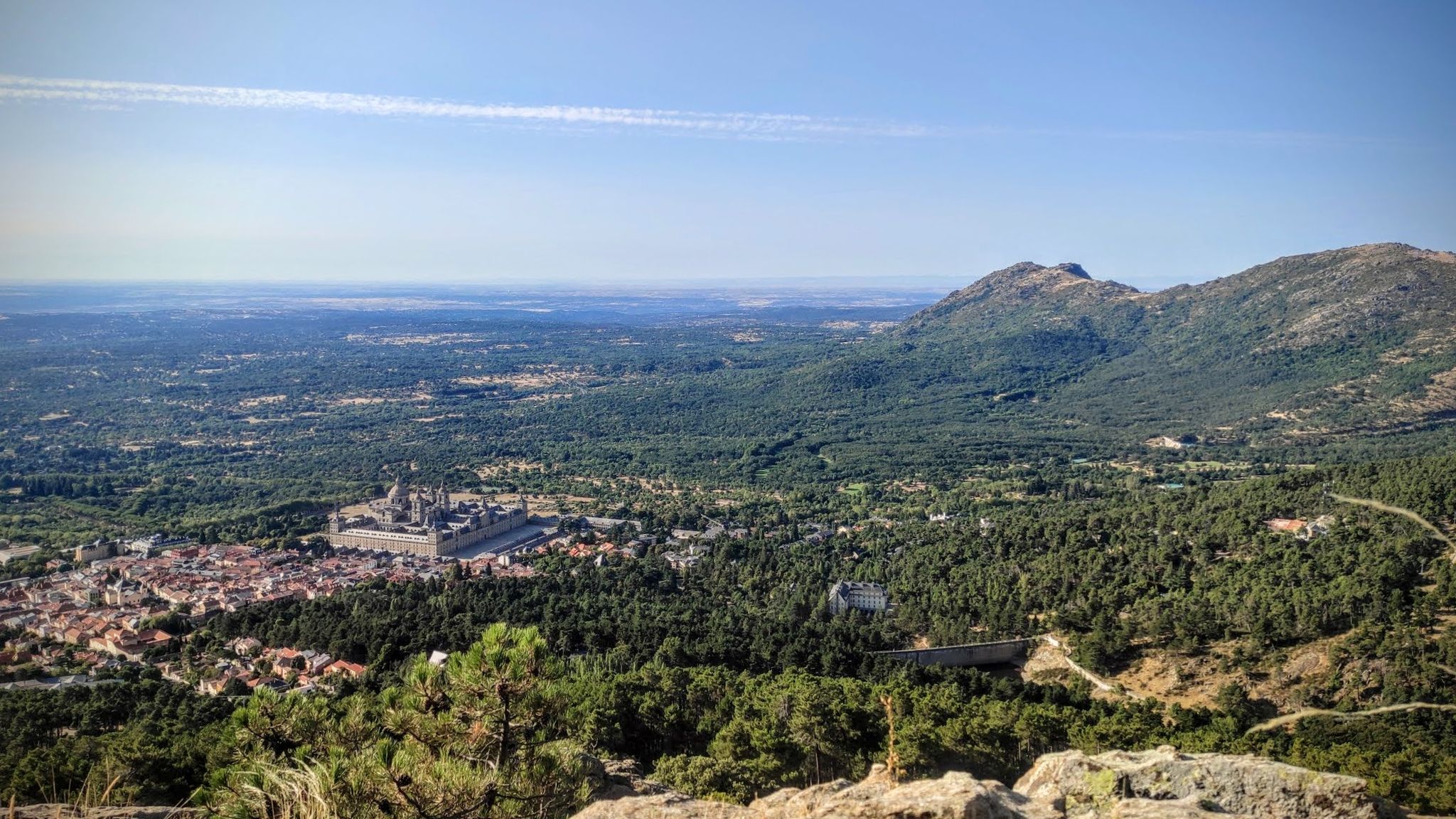
Sierras, countryside, reservoirs and history – Tour of Madrid gravel
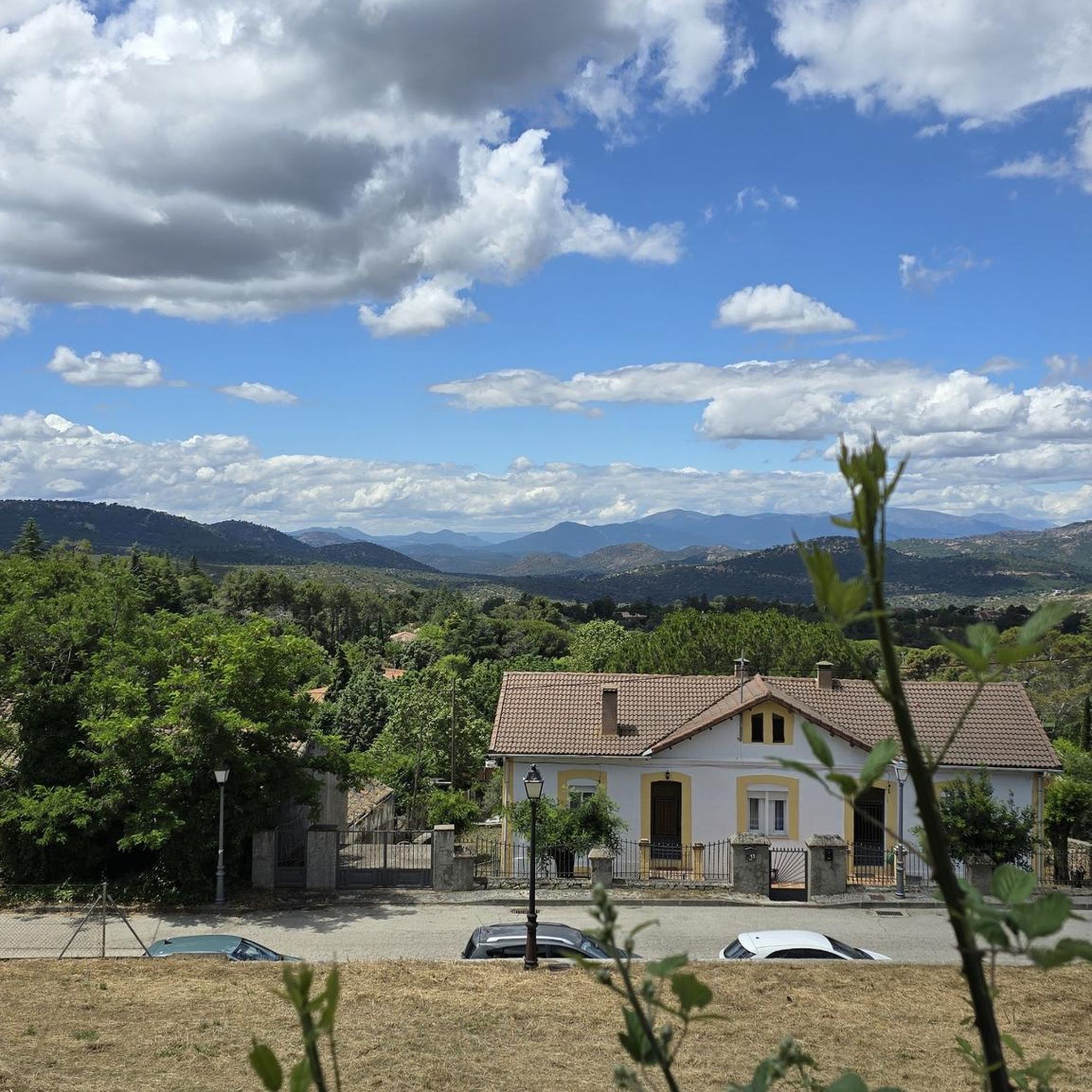
MTB Trails around Robledo De Chavela
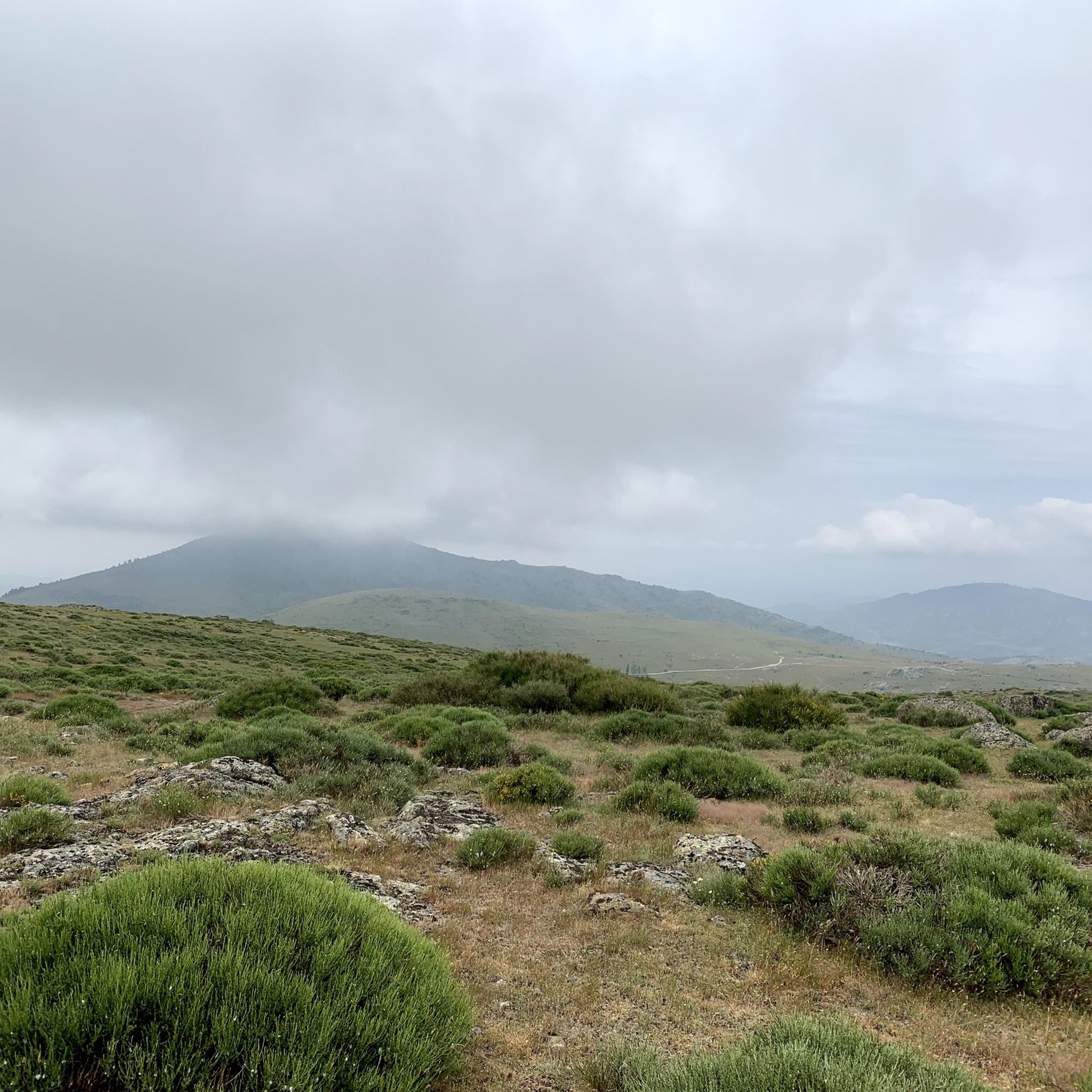
Hiking around Robledo De Chavela
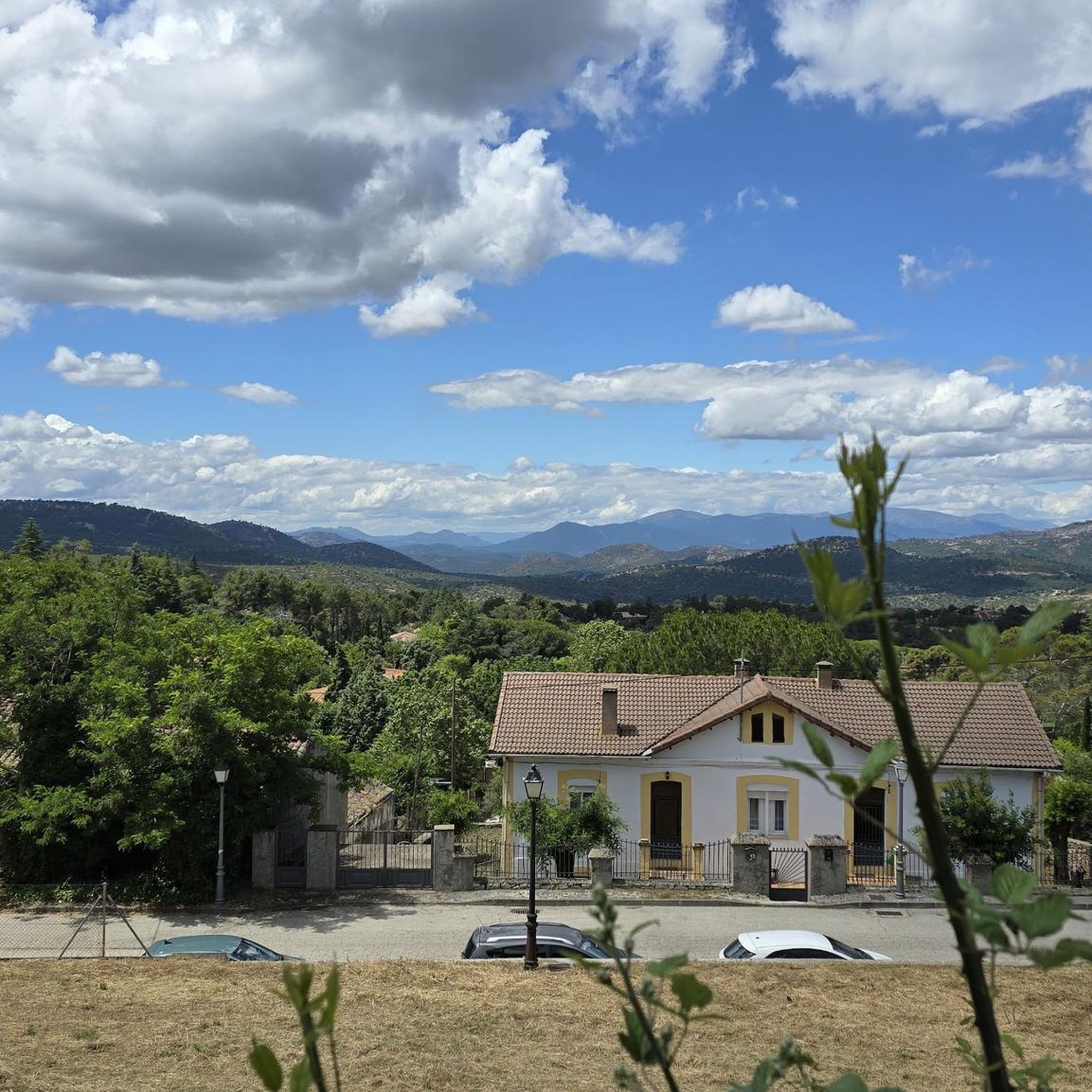
Road Cycling Routes around Robledo De Chavela
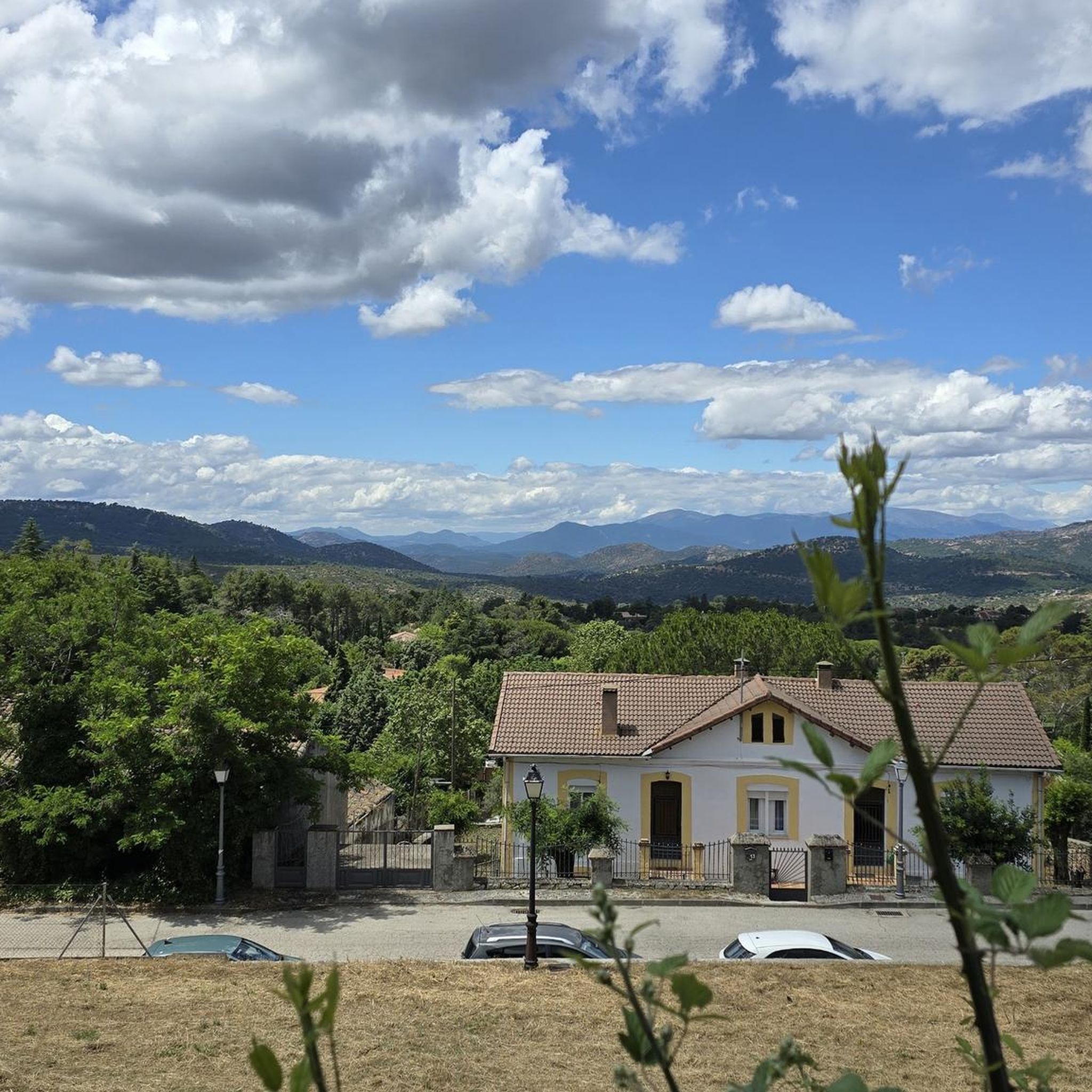
Cycling around Robledo De Chavela
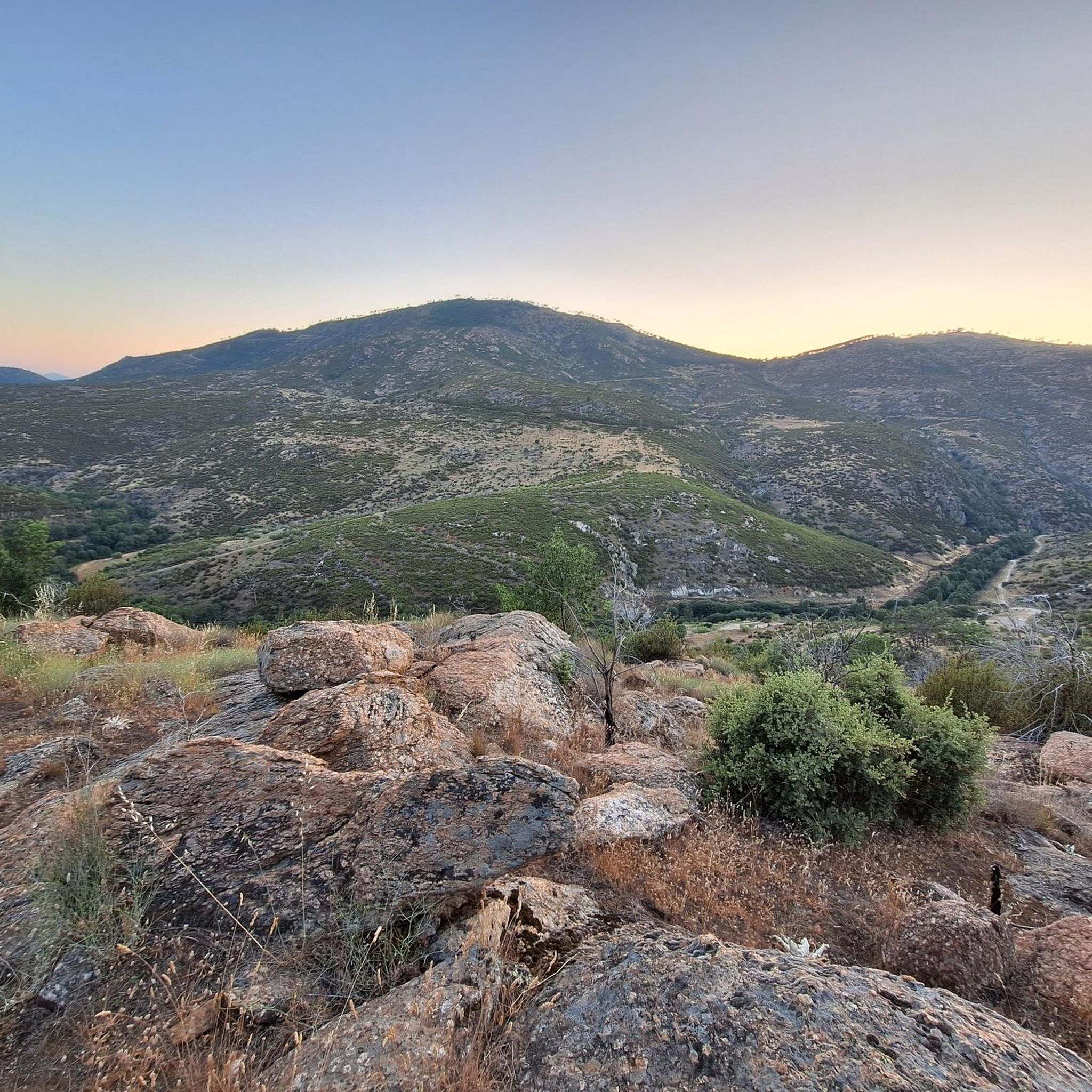
Running Trails around Robledo De Chavela

Gravel biking around Robledo De Chavela

Tips from the Community

They say (I don't know how true this is) that Philip II used to watch the progress of the construction of the colossal monastery from this very spot during his hunting trips, which he was very fond of. Whether true or not, it makes for a beautiful viewpoint, especially in autumn.
1
0

The Chair of Philip II is a famous granite viewpoint in San Lorenzo de El Escorial, near Madrid. Legend has it that King Philip II used it to view the construction of the Monastery of El Escorial. However, experts believe it was actually an ancient Celtic altar, possibly used for rituals. Today, it's a popular hiking spot with stunning views of the monastery and its surroundings.
3
0
The Monastery of El Escorial was built by King Philip II in the 16th century to commemorate a military victory and serve as a royal pantheon for the Habsburg dynasty. Designed by architects Juan Bautista de Toledo and Juan de Herrera, it is characterized by its sober, Renaissance style. Today it is a UNESCO World Heritage Site.
6
1

The Chair of Philip II is a group of platforms and seats carved in granite. According to tradition, Philip II used this site as an observatory during the construction of the Monastery of El Escorial. However, some theories suggest that it could be an ancient Vetton altar. This site offers spectacular views of the Monastery of El Escorial and its surroundings, including the La Herrería forest. The route to reach the Chair of Philip II is quite accessible and can be done in approximately one hour from the San Lorenzo de El Escorial Tourist Office.
1
0
The Chair of Philip II is a group of platforms and seats carved in granite. According to tradition, Philip II used this site as an observatory during the construction of the Monastery of El Escorial. However, some theories suggest that it could be an ancient Vetton altar. This site offers spectacular views of the Monastery of El Escorial and its surroundings, including the La Herrería forest. The route to reach the Chair of Philip II is quite accessible and can be done in approximately one hour from the San Lorenzo de El Escorial Tourist Office.
1
0

This popular stretch of the area is a perfect example of what hillside zetas are like. Well known among runners and bikers, it is also a luxury to do it on foot, since we can also link them with some more demanding routes. And remember, if you do them uphill, it is best to start little by little.
1
0

A long, hilarious path that descends dizzyingly in the form of sharp curves towards the Horizontal Alta. After passing the Luis Ceballos Arboretum and the Fuente de los Guindos we reach the junction where the Abantos road leaves, turning left along a dirt track to cross the Los Llanitos Recreational Area and after leveling out for about 800 meters we find a path the left that goes down the slope of the Pinar de Abantos. Las Zetas de Abantos is a fun trail with 16 twists and turns that descends to the Cordel Del Valle for 1,800 meters. Not technically complicated, only the curves require some skill. It is very busy on the weekend, both going up and down, so you have to be careful. Once the descent is finished, you can continue in an easterly direction towards El Escorial along the Cordel Del Valle, crossing the Montes del Romeral and El Cerrado, going down to the Senda La Horizontal along which we turn back towards the west. This 4.7 kilometer track was frequented by the monks of the monastery who chose flat paths to walk. At the end of the track, you go down to the M 505 road, which takes you to La Herrería.
0
0

Frequently Asked Questions
What historical and cultural sites can I visit in Robledo de Chavela?
Robledo de Chavela is rich in history. You can explore the Gothic-style Church of the Assumption of Our Lady, dating from the 15th and 16th centuries, known for its defensive appearance and Hispano-Flemish altarpiece. Other significant sites include the Hermitage of Nuestra Señora del Dulce Nombre de la Antigua and the 16th-17th century Hermitage of Navahonda, which hosts an annual pilgrimage. Don't miss the Plaza de España with its 18th-century town hall, the Vía Crucis with its granite crosses, and two Romanic bridges, Puente de la Fragua and Puente del Caño.
Are there any unique scientific attractions in the area?
Yes, Robledo de Chavela is famous for hosting one of NASA's deep space tracking stations, the Madrid Deep Space Communications Complex (MDSCC). It features a visitor center where you can observe videos, photographs, exhibitions, a lunar rock, and get a close-up view of the impressive 70-meter antenna that communicates with spacecraft like Voyager 1.
What natural landscapes and features can I explore around Robledo de Chavela?
The region offers diverse natural beauty. You can discover the extensive Pinares de Robledo, pine forests rich in fauna. The Río Cofio and its surroundings are ideal for hiking and birdwatching, with excellent water quality supporting otters and various bird species. The mountains Cerro Almenara and Cerro del Almojón provide expansive views of western Madrid and southeastern Ávila. A large portion of the territory is also protected as Special Protection Areas for Birds (ZEPA) and Sites of Community Importance (LIC).
What are some popular hiking trails near Robledo de Chavela?
The mountainous surroundings make Robledo de Chavela ideal for hiking. Popular routes include the path to Navahonda between the Almojón and Almenara mountains. You can find more detailed hiking options, including routes like 'La Almenara and Ermita de Navahonda Loop' and 'View of Puente Mocha loop from Valdemaqueda', by visiting the Hiking around Robledo De Chavela guide.
Are there any family-friendly attractions in Robledo de Chavela?
Yes, several attractions are suitable for families. The Seat of Philip II is a family-friendly viewpoint with historical significance. The Royal Monastery of San Lorenzo de El Escorial, a UNESCO World Heritage Site, also welcomes families to explore its history and architecture. Additionally, the natural areas like Pinares de Robledo and the Río Cofio offer opportunities for family walks and enjoying nature.
What outdoor activities can I do near these attractions?
Beyond hiking, the area around Robledo de Chavela is excellent for other outdoor activities. You can find numerous cycling routes, including challenging ones like 'Cruz Verde Pass – Cruz Verde Pass loop from Robledo de Chavela'. There are also running trails, such as the 'Robledo de Chavela loop from Robledo de Chavela'. For more options, explore the Cycling around Robledo De Chavela and Running Trails around Robledo De Chavela guides.
Where can I find scenic viewpoints in the region?
For breathtaking views, visit the Seat of Philip II, a famous granite viewpoint offering spectacular vistas of the Monastery of El Escorial. Another excellent spot is Mount Abantos, a classic peak in the Guadarrama mountain range with panoramic views from its summit. The Puerto de Malagón also provides amazing views of the Community of Madrid and is a significant spot in Spanish cycling history.
Are there any remnants of the Spanish Civil War in the area?
Yes, you can find remnants of trenches and bunkers from the Spanish Civil War near the Hermitage of San Antonio de Padua, on the road to Fresnadillas de la Oliva. These sites offer a glimpse into the region's more recent history.
What is the Royal Monastery of San Lorenzo de El Escorial?
The Royal Monastery of San Lorenzo de El Escorial is a UNESCO World Heritage Site built by King Philip II in the 16th century. It is renowned for its sober Renaissance style and served as a royal pantheon for the Habsburg dynasty. It's a must-visit for its historical and architectural significance.
What is Las Zetas de Abantos?
Las Zetas de Abantos is a well-known trail in the area, particularly popular for cycling. It's characterized by its tight curves, which give it its name ('Zetas' meaning 'Z's or switchbacks). It offers a fun and scenic experience through a beautiful boxed path, suitable for those with an intermediate technical level.
What is the significance of the Río Cofio?
The Río Cofio is a significant natural feature, ideal for hiking and enjoying nature. Its excellent water quality supports diverse wildlife, including otters and various bird communities such as kingfishers, dippers, and orioles. The dense vegetation along its banks provides great opportunities for birdwatching, and its oak groves are designated Special Protection Areas for Birds (ZEPA) and Sites of Community Importance (LIC).
What is the best time to visit Robledo de Chavela for outdoor activities?
Robledo de Chavela offers outdoor activities throughout the year. The extensive pine forests and river areas are pleasant in spring and autumn for hiking and birdwatching. The mountainous trails are popular in milder weather, while the historical sites and NASA station can be visited year-round. Always check local weather conditions before planning your trip.
Most popular routes around Robledo De Chavela
Most popular attractions around Robledo De Chavela

Get inspired with the komoot mobile app


Explore more
Still not found the Highlight you’re looking for? See guides of the top attractions in other regions:
