Attractions and Places To See around Valdeverdeja - Top 14
Best attractions and places to see around Valdeverdeja include a blend of historical landmarks, cultural sites, and natural features. The municipality retains a medieval urban structure with traditional masonry houses and cobbled streets. The Tagus River semicircles the area, forming a natural border and creating a landscape of environmental value. This region offers a variety of points of interest for visitors.
Best attractions and places to see around Valdeverdeja
- The most popular attractions is Puente del Arzobispo, a bridge built in the late 14th century. This bridge with eleven arches over the Tagus River plays a fundamental role in communication with Extremadura, Ávila, and Lisbon.
- Another must-see spot is Count’s Palace of Oropesa and Oropesa Castle, a historical site comprising a 14th-century Gothic-Mudejar old palace and a 15th-century Renaissance new palace. This complex was the first historic building to house a national tourist hostel.
- Visitors also love Camino Real de Guadalupe, a trail that offers a moderate difficulty route through the Toledo countryside. This section connects Oropesa with El Puente del Arzobispo, passing through rural tracks and roads.
- Valdeverdeja is known for its historical landmarks, cultural sites, and natural beauty, including riverside walks. The area offers a variety of attractions to see and explore, from ancient bridges to medieval architecture and scenic trails.
- The attractions around Valdeverdeja are appreciated by the komoot community, with 15 photos and 25 upvotes contributed by visitors.
Last updated: May 4, 2026
Puente del Arzobispo
Highlight • Bridge
Translated by Google •
Tip by

Count’s Palace of Oropesa and Oropesa Castle
Highlight • Castle
The complex formed by the old and new palaces of the counts of Oropesa was the first historic building to house a national tourist hostel in 1931.
The old palace, from the 14th century, is in the Gothic-Mudejar style and the new one, from the 15th century, is in the Renaissance style.
Translated by Google •
Tip by

Sign up now to discover places like this
Get recommendations on the best single tracks, peaks, & plenty of other exciting outdoor places.
Sign up for free
Camino Real de Guadalupe
Highlight (Segment) • Trail
Approximate distance: 24–25 km (depending on the exact route).
Terrain: rural tracks and roads, with some paved sections.
Difficulty: Moderate, with no major mountain passes on this section.
Surroundings: Toledo countryside, cereal fields, and pastures. Oropesa is notable for its castle and Renaissance palace (now a Parador).
Translated by Google •
Tip by

Villar del Pedroso
Highlight • Settlement
Translated by Google •
Tip by

Talavera la Vieja (ruins)
Highlight • Historical Site
It is interesting to note that the only Roman portico of the Curia that is preserved today comes from this city. Today it is next to the EX-118, since it was saved from the flood by moving the stones and relocating them in the place where they are now. This historical monument is better known as "the marbles".
Translated by Google •
Tip by
Sign up for free to discover even more attractions around Valdeverdeja.
Sign up for free
Already have an account?
Start today with a free account
Your next adventure awaits.
Login or Signup

Tips from the Community

The Camino Real de Guadalupe by bike, especially the Oropesa – Alcañizo section: Approximate distance: 24–25 km (depending on the exact route). Terrain: rural tracks and roads, with some paved sections. Difficulty: Moderate, with no major mountain passes on this section. Surroundings: Toledo countryside, cereal fields, and pastures. Oropesa is notable for its castle and Renaissance palace (now a Parador).
4
0
The Count's Palace of Oropesa, located in the province of Toledo, is an architectural gem with a rich history and great heritage value. The Old Palace (or Doña Elvira Palace): in the Mudejar Gothic style, built in the 14th century. The New Palace: in the Renaissance style, built in the 15th century. It stands out for its original coffered ceiling, its balconies with the coat of arms of the Counts of Oropesa, and a large interior courtyard that was even used as a bullring. Together with the adjacent castle, it forms a complex declared a Historic-Artistic Monument in 1923. In 1931, it was incorporated into the National Parador Network, becoming the first Parador built on a historic building.
4
0

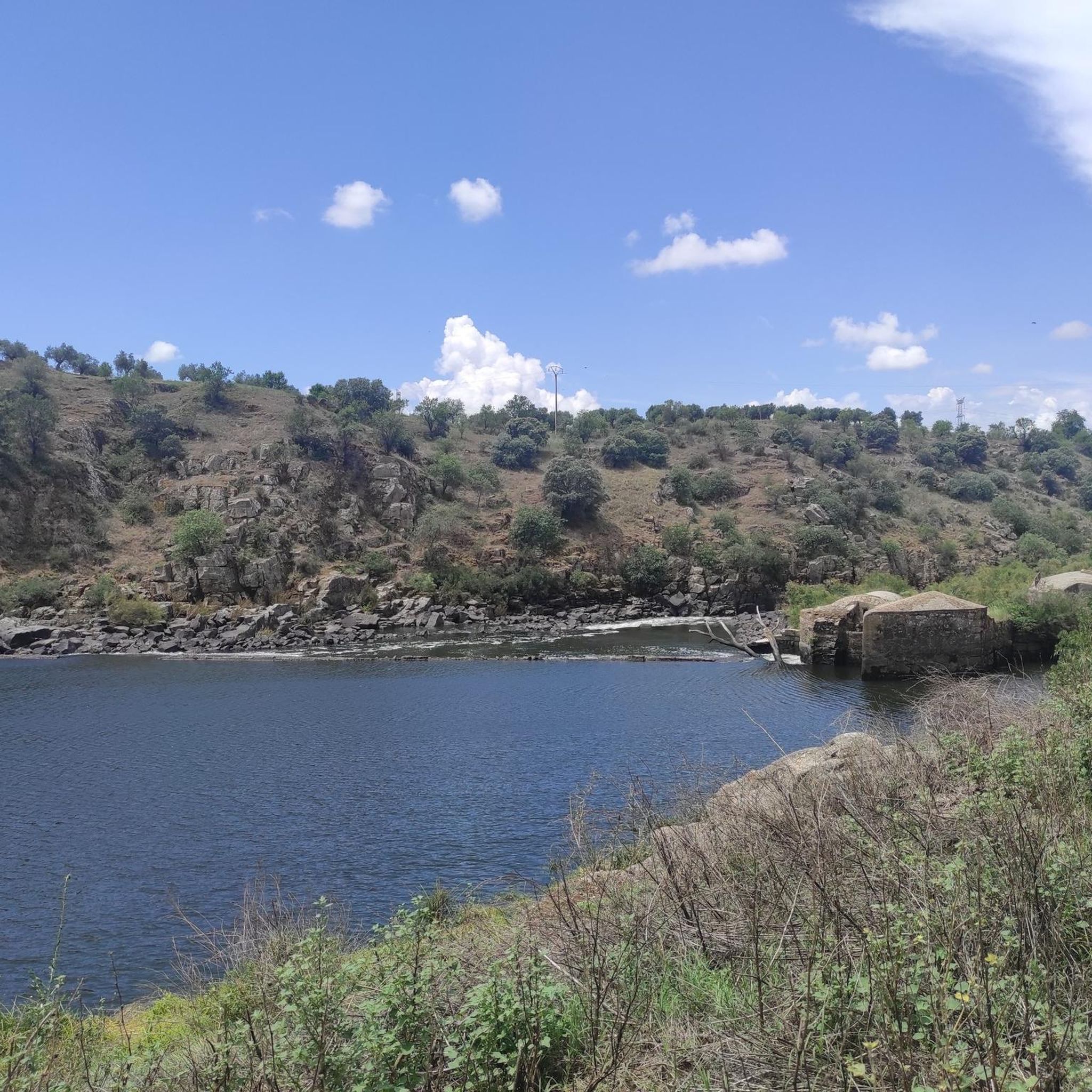
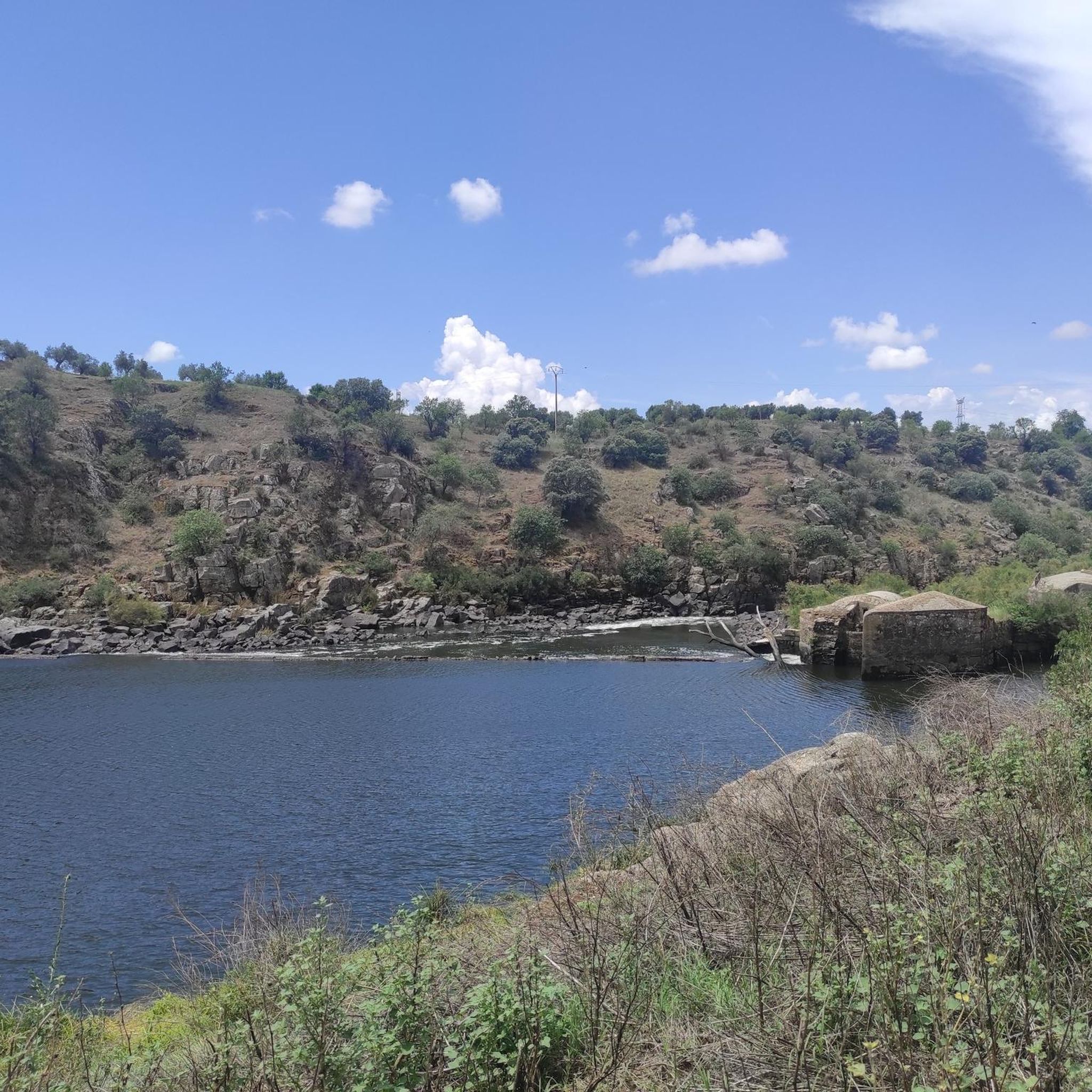
Villar del Pedroso is a municipality in the province of Cáceres, bordering Toledo to the north, where the Tagus acts as a border. Its municipal term has Celtiberian, Roman and medieval vestiges.
2
0
The Archbishop's Bridge is a municipality in Toledo that takes its name from its beautiful Gothic bridge with 11 arches that crosses the waters of the Tagus River. The town is famous for its ceramics, and together with Talavera de la Reina, it is the largest pottery center in Spain.
1
1
Talavera la Vieja corresponds to the Roman city of Augustobriga, halfway between Mérida (Emérita Augusta) and Talavera de la Reina (Caesarobriga). For a long time it was doubted that this was the Roman city, until an inscription was discovered that unquestionably linked the ancient city with the town of Talavera la Vieja. It is interesting to note that the only Roman portico of the Curia that is preserved today comes from this city. Today it is next to the EX-118, since it was saved from the flood by moving the stones and relocating them in the place where they are now. This historical monument is better known as "the marbles".
9
0

This section of the Camino Real de Guadalupe joins the city of Oropesa with El Puente del Arzobispo, crossing a very characteristic and picturesque landscape from La Mancha.
1
2

This great bridge with eleven eyes over the Tagus River gives its name to the Toledo town in which it is located, although the left bank of the river is already considered Cáceres and forms part of the municipality of Villar del Pedroso. It was built between 1383 and 1388 by order of the Archbishop of Toledo Pedro Tenorio.
2
1
Undoubtedly the main attraction of the city of Oropesa and its renowned "monumental route". The castle complex is made up of two main buildings, the "old castle" is a 12th century Arab fortress, and the "new castle" also known as the Álvarez de Toledo Count's Palace which dates from the 15th century and is of marked style. Renaissance. The most recent one has the particularity of having been converted into the first National Tourism Parador in 1931. It is worth making a visit to the complex, its schedules and rates can be consulted on the web. http://www.turismocastillalamancha.es/patrimonio/castillo-de-oropesa-2464/descripcion/
1
0
Frequently Asked Questions
What historical landmarks can I explore within Valdeverdeja itself?
Valdeverdeja boasts a rich history reflected in its urban fabric. You can explore the Plaza Mayor, the heart of the town with its 18th-century Town Hall. Other notable sites include the 16th-century Church of San Blas, the 18th-century Hermitage of Nuestra Señora de los Desamparados, and the architecturally significant Casa del Arco, built in 1876. The town's traditional masonry houses and cobbled streets also contribute to its medieval charm.
Are there any significant historical sites near Valdeverdeja?
Yes, several important historical sites are located nearby. Don't miss the Puente del Arzobispo, a medieval bridge over the Tagus River, crucial for historical communication. Another must-see is the Count’s Palace of Oropesa and Oropesa Castle, a complex featuring Gothic-Mudejar and Renaissance architecture. You can also visit the ruins of Talavera la Vieja, which corresponds to the Roman city of Augustobriga.
What natural features can I discover around Valdeverdeja?
The municipality is semicircled by the Tagus River, offering a landscape of significant environmental value. You can visit Pozos Nuevos ('New Wells'), an area with dozens of wells and stone troughs, holding great ethnological interest. The La Facciosa Recreational Area provides pleasant views of the Tagus and is ideal for leisure. The river section is also rich in old mills and dams, which you can explore along riverside walks.
What outdoor activities can I do near Valdeverdeja?
The area around Valdeverdeja is excellent for outdoor activities. You can find numerous hiking and cycling routes. For hiking, consider trails like the 'Fábrica de la Luz Trail' or the 'Molinos del Conde loop'. Cyclists can explore routes such as the 'Puente del Arzobispo – El Puente del Arzobispo loop'. You can find more details on these and other routes in the hiking guide and cycling guide for Valdeverdeja.
Are there family-friendly attractions in the Valdeverdeja area?
Yes, several attractions are suitable for families. The Puente del Arzobispo and the Count’s Palace of Oropesa and Oropesa Castle are historical sites that can be engaging for all ages. The La Facciosa Recreational Area, with its views of the Tagus River, is also a great spot for a family day out. Many of the local walks and trails, especially easier ones, are also enjoyable for families.
What is the Camino Real de Guadalupe and can I experience it near Valdeverdeja?
The Camino Real de Guadalupe is a historic trail that passes through the Toledo countryside. A section of this route connects Oropesa with El Puente del Arzobispo, offering a moderate difficulty route through rural tracks and roads. It's a great way to experience the local landscape and history.
What is the best time of year to visit Valdeverdeja for sightseeing and outdoor activities?
Spring (April-May) and Autumn (September-October) are generally the best times to visit Valdeverdeja. During these seasons, the weather is typically mild and pleasant, ideal for exploring historical sites, enjoying riverside walks, and undertaking hiking or cycling routes without the extreme heat of summer.
What do visitors enjoy most about the attractions around Valdeverdeja?
Visitors particularly appreciate the blend of historical significance and natural beauty. The impressive architecture of sites like the Puente del Arzobispo and the Count’s Palace of Oropesa and Oropesa Castle often receive high praise. The scenic views along the Tagus River and the charm of Valdeverdeja's medieval urban layout are also frequently highlighted.
Are there any easy walking routes or trails suitable for a leisurely stroll?
Yes, there are easy walking options. The riverside walks along the Tagus River offer pleasant and relatively flat paths. The 'Molinos del Conde loop from Valdeverdeja' is an example of an easy hiking route, perfect for a leisurely exploration of the area's natural and historical heritage. You can find more easy routes in the hiking guide.
Can I find places to eat or drink near the attractions or hiking trails?
While specific cafes directly on hiking trails might be limited, towns like Valdeverdeja and nearby Villar del Pedroso offer bars and restaurants where you can find refreshments and meals. It's advisable to check local establishments in the urban centers before heading out on longer routes.
What is the significance of the Tagus River to Valdeverdeja?
The Tagus River is a defining natural feature for Valdeverdeja, semicircling the municipality and forming its border with the province of Cáceres. It creates a landscape of significant environmental value and has historically been crucial for the area, powering old mills and dams. The river also provides opportunities for scenic walks and recreational activities.

Get inspired with the komoot mobile app


Explore more
Still not found the Highlight you’re looking for? See guides of the top attractions in other regions:
