The best walks and hikes around Parc Natural de la Serra d'Espadà
4.6
(741)
4,129
hikers
178
hikes
Hiking around Parc Natural de la Serra d'Espadà offers routes through a distinctive landscape characterized by sandstone outcrops, creating a rugged relief with peaks, ridges, and deep ravines. The region is home to extensive and well-preserved cork oak forests, which are unique in the Valencian territory. Numerous freshwater springs and shady ravines contribute to the park's natural features and diverse ecosystems. This protected area provides a varied environment for outdoor activities.
Best hiking trails around Parc Natural de la Serra d'Espadà
- The most popular hiking route is Órganos de Benitandús Loop from Sueras, a 4.7 miles (7.6 km) trail that takes 3 hours 9 minutes to complete. This moderate route explores the unique sandstone formations of the park.
- Another top favourite among local hikers is Parque Natural de la Serra d'Espadà — Circular from Aín to the top of Espadà, a moderate 6.2 miles (10.0 km) path. This route offers panoramic views from higher elevations within the park.
- Local hikers also love the Castro Castle and Nevera de Castro Loop, a 8.0 miles (12.9 km) trail leading through rugged terrain and historical sites, often completed in about 4 hours 35 minutes.
- Hiking around Parc Natural de la Serra d'Espadà is defined by sandstone outcrops, lush cork oak forests, and shady ravines. The extensive network offers options for various ability levels, from moderate paths to more challenging routes.
- The routes in Parc Natural de la Serra d'Espadà are highly rated by the komoot community with an average score of 4.6 stars from over 650 reviews. Nearly 4,000 hikers have used komoot to explore Parc Natural de la Serra d'Espadà's varied terrain.
Last updated: July 15, 2026
4.7
(29)
117
hikers
7.62km
03:15
530m
530m
The circular route of the Órganos de Benitandús from Sueras invites you to explore a fascinating landscape in the Serra d'Espadà Natural Park. Along its 7.6 kilometers, you'll delve into cork oak and pine forests, traversing ancient terraces and shaded ravines. The highlight is the impressive rock formations of the Órganos de Benitandús, which offer spectacular panoramic views of the Benitandús reservoir and the surrounding mountain range.
This moderately difficult hike takes approximately 3 hours and 8 minutes to complete, with an elevation gain of 496 meters. It's essential to wear appropriate footwear for varied terrain and be prepared for some steep sections with loose stones. The route is ideal for hikers with some experience who are looking for a rewarding challenge and unique landscapes.
What truly sets this route apart are the geological formations of the Órganos de Benitandús, sculpted by erosion over thousands of years, creating an almost surreal setting. In addition to its natural beauty, the environment is rich in biodiversity, featuring endemic plants and birds of prey. You'll also find historical remnants, such as Civil War trenches at the summit, adding an extra layer of interest to your adventure.
3.6
(5)
46
hikers
Moderate hike. Good fitness required. Mostly accessible paths. Sure-footedness required.

Sign up for free
4.7
(6)
24
hikers
12.9km
04:36
550m
550m
Hike 8.0 miles (12.9 km) through Serra d'Espadà to the historic Castro Castle, enjoying panoramic views and Mediterranean forests.
4.7
(7)
33
hikers
15.7km
05:53
800m
800m
Hard hike. Very good fitness required. Mostly accessible paths. Sure-footedness required.
4.9
(7)
17
hikers
11.8km
04:08
600m
590m
Moderate hike. Good fitness required. Mostly accessible paths. Sure-footedness required.
Get access to more routes and recommendations from other explorers.
Sign up for free
Already have an account?
Our route recommendations are based on thousands of hikes, rides, and runs completed by other people on komoot.
Start today with a free account
Your next adventure awaits.
Login or Signup
Popular around Parc Natural de la Serra d'Espadà
12 hiking gems throughout Spain
9 mountain biking routes in undiscovered Spain
Running Trails around Parc Natural de la Serra d'Espadà
MTB Trails around Parc Natural de la Serra d'Espadà
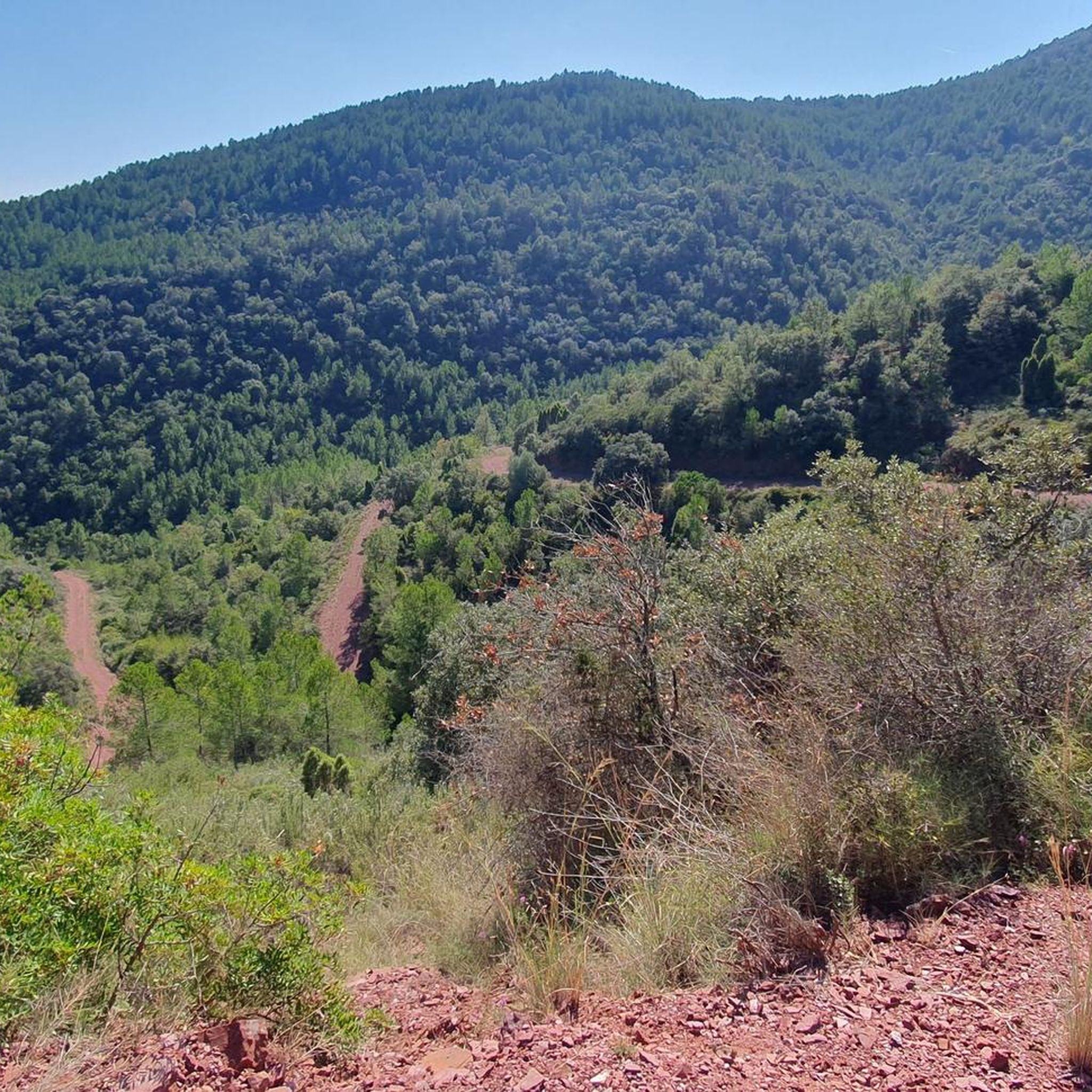
Cycling around Parc Natural de la Serra d'Espadà
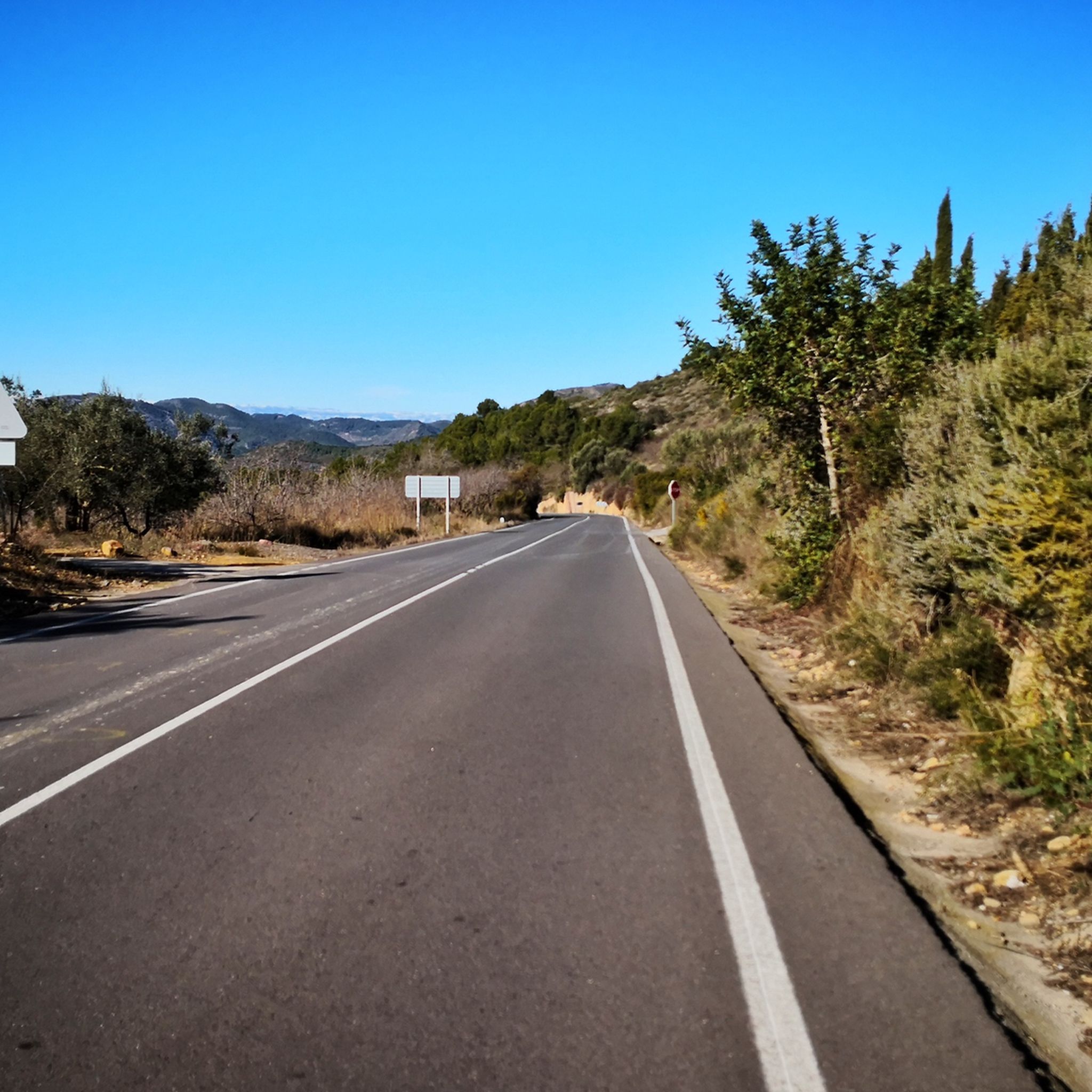
Road Cycling Routes around Parc Natural de la Serra d'Espadà

Gravel biking around Parc Natural de la Serra d'Espadà
Other adventures around Parc Natural de la Serra d'Espadà

Tips from the Community


L'Arquet is an emblematic arch with a controversial origin (some say it is Roman and others, Arab). Through here the water was transported to the Molinet de Castro, which no longer exists, but was very close.
2
1

It was built in the 12th century by the Muslims who inhabited the region. Its original purpose was to retain the waters of the ravine of the same name and then use them to irrigate the fields downstream. This route is ideal for hiking lovers and offers a variety of landscapes and experiences. I hope you enjoy exploring the Ajuez Reservoir and its surroundings! 🌿🏞️
4
0

Ernbalse de Ajuez Unfortunately, the reservoir is almost dry and things are slowly getting tight for the fish and turtles. The Chóvar Reservoir, as it is also called, is part of an ancient local irrigation system built to retain the rushing water from the eponymous gorge. The place name is derived from Arabic, the meaning of which means “common pastureland” and indicates the importance of agriculture and livestock breeding in the region. Due to its capacity of 30,000 m³ and the lack of water sources in the nature park, it is of great value for the fauna. It is currently included in the catalog of wetlands of the Valencian Community
8
0

After the Reconquista, many castles in the region were modified or rebuilt to adapt to Christian styles and needs.
7
0
The Castro Castle, an Arab fortress with an impressive watchtower at a height of about 780 m, was a fundamental bastion of the Moorish resistance at the time of their expulsion. It was taken by the Duke of Segorbe and General Cavanilles after the Castillo de Aín had also fallen. It was also used in the Carlist Wars. The castle covers an area of about 2,000 m2, where two parts can be distinguished: the "Albacar", a fortified refuge for the inhabitants of the towns dependent on the fortress; and on the other side, the castle itself, which presided surrounded by a large keep that was demolished in 1938 during the Civil War. The views are impressively beautiful.
9
0
There is an impressive abyss in front of us (be careful if you feel dizzy) and another stone needle rises below us, and to our left is the reservoir. Spectacular.
9
1
Ain Castle is of Arabic origin and was built in the 13th century. There they lived in peace and harmony, developed the cultivation of olive trees and plantations, introduced the irrigation system and exploited the natural resources.
6
0
Frequently Asked Questions
How many hiking trails are available in Parc Natural de la Serra d'Espadà?
Parc Natural de la Serra d'Espadà offers a wide variety of hiking trails, with over 180 routes recorded on komoot. These range from easy strolls to more challenging treks, ensuring options for all experience levels.
Are there any easy hiking routes suitable for beginners or families?
Yes, the park features 13 easy hiking routes, perfect for beginners or families looking for a relaxed outdoor experience. These trails often lead through the unique cork oak forests and offer gentle terrain.
What kind of landscapes can I expect to see while hiking in Serra d'Espadà?
Hikers in Serra d'Espadà will discover distinctive landscapes characterized by striking sandstone outcrops, creating a rugged relief with peaks, ridges, and deep ravines. The park is also home to extensive and well-preserved cork oak forests, unique to the Valencian territory, along with numerous freshwater springs and shady ravines.
Are there any circular hiking routes in the park?
Yes, many routes in Parc Natural de la Serra d'Espadà are circular, allowing you to start and end your hike in the same location. An example is the moderate Puntal de l'Aljub (PR-CV 352) — Circular from Eslida, which takes about 4 hours to complete.
What are some notable historical or natural attractions to see along the trails?
The region is rich in historical and natural points of interest. You can explore sites like Castro Castle, a significant historical landmark, or visit the charming Aín Village. Other attractions include Almonecir Castle and various viewpoints offering panoramic vistas.
What is the best time of year to go hiking in Parc Natural de la Serra d'Espadà?
The park is enjoyable year-round, but spring and autumn offer the most pleasant hiking conditions with milder temperatures and vibrant natural colors. The abundant water sources and shady ravines also make it a good option during warmer months, while clear winter days can provide crisp views.
Are there any challenging routes for experienced hikers?
Absolutely. For experienced hikers seeking a challenge, there are 35 difficult routes available. One such demanding trail is the Climb to Castillo de Castro – Sierra del Espadán, which covers nearly 16 km with significant elevation gain.
What do other hikers say about the trails in Serra d'Espadà?
The trails in Parc Natural de la Serra d'Espadà are highly regarded by the komoot community, with an average rating of 4.6 stars from over 650 reviews. Hikers often praise the well-preserved cork oak forests, the unique geological formations, and the extensive network of paths suitable for various skill levels.
Is Parc Natural de la Serra d'Espadà suitable for stargazing?
Yes, the area has gained recognition as a 'starlight destination,' indicating its clear skies are excellent for stargazing. This adds another unique dimension to an evening visit or overnight stay in the region.
Are there information centers available for visitors?
Yes, visitors can find detailed information on routes, activities, and the park's flora and fauna at the Sierra de Espadán Information Centre, which can help you plan your visit effectively.
What kind of wildlife might I encounter while hiking?
The park boasts exceptional faunal wealth. You might spot wild boar, fox, and genet. Birdwatchers can look out for various birds of prey such as the Bonelli's eagle, short-toed eagle, and booted eagle. Amphibians like the Iberian ribbed newt can also be found in irrigation pools.
Are there any other outdoor activities besides hiking in the area?
Beyond hiking, the park and its surroundings facilitate other outdoor activities such as canyoning, rock climbing, and bungee jumping, offering diverse options for adventure enthusiasts.
Most popular routes around Parc Natural de la Serra d'Espadà
Most popular attractions around Parc Natural de la Serra d'Espadà

Get inspired with the komoot mobile app


Explore more
Browse the best Hikes in other regions.
