Attractions and Places To See around Rueda De Jalón - Top 6
Best attractions and places to see around Rueda De Jalón include historical landmarks, cultural sites, and natural features within the Jalón river valley. This region, located 42 kilometers from Zaragoza, is characterized by its vineyards and fruit trees. Visitors can explore ancient castles, significant churches, and unique natural phenomena. The area offers a diverse range of points of interest for those seeking to discover the local heritage and landscape.
Best attractions and places to see around Rueda De Jalón
- The…
Last updated: July 15, 2026
Sanctuary of Rodanas
Highlight • Religious Site
Translated by Google •
Tip by

Church of Santa María la Mayor of Épila
Highlight • Religious Site
Translated by Google •
Tip by

Sign up now to discover places like this
Get recommendations on the best single tracks, peaks, & plenty of other exciting outdoor places.
Sign up for free
Pozuelo de Aragón Geyser
Highlight • Natural Monument
Translated by Google •
Tip by

Parish Church of San Francisco de Asís of Lumpiaque
Highlight • Religious Site
Translated by Google •
Tip by
Jalón Sugar Factory
Highlight • Monument
Translated by Google •
Tip by
Sign up for free to discover even more attractions around Rueda De Jalón.
Sign up for free
Already have an account?
Start today with a free account
Your next adventure awaits.
Login or Signup

Tips from the Community


The geyser spouts over 2 meters high. Analysis has revealed that the hot springs have mineral healing properties.
4
0

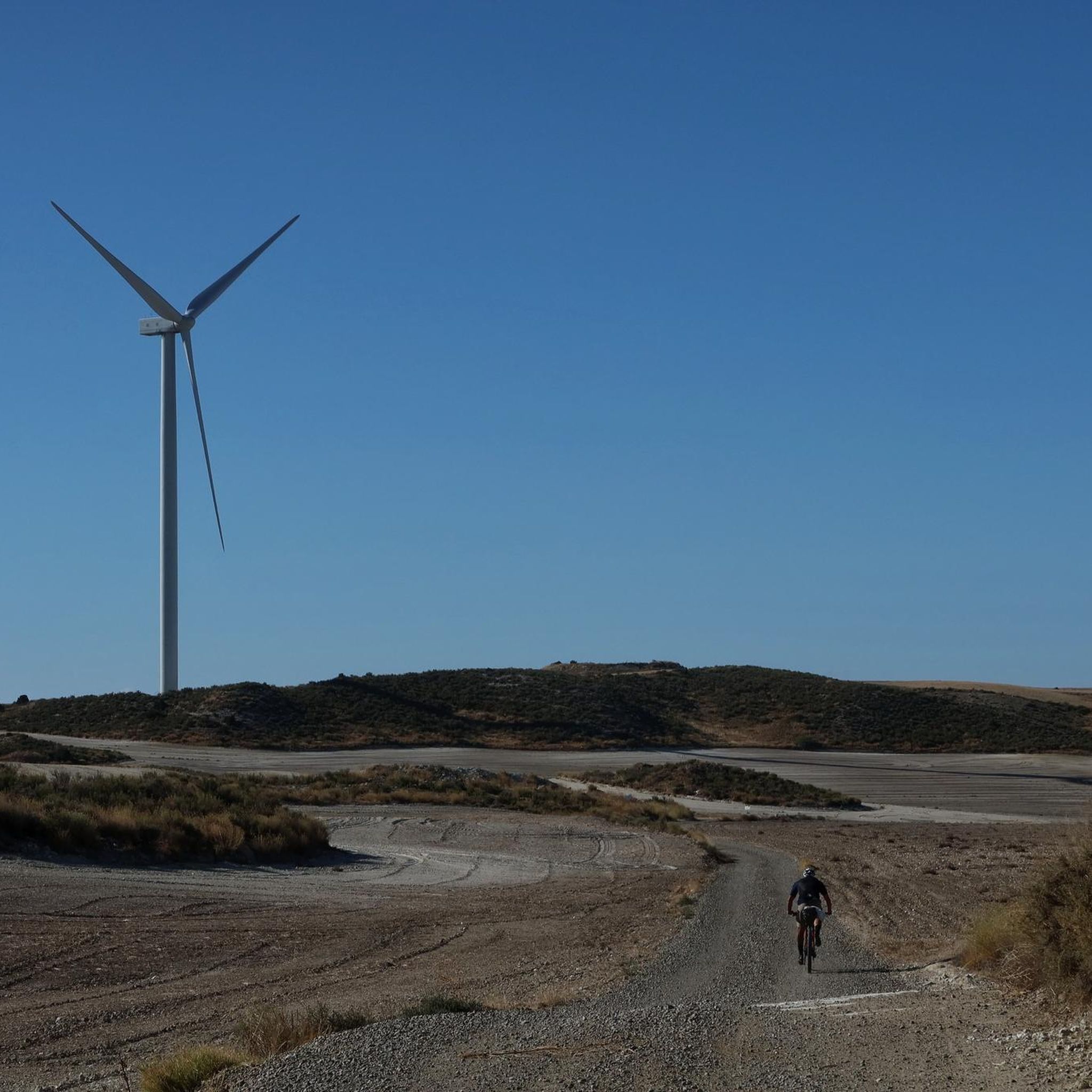
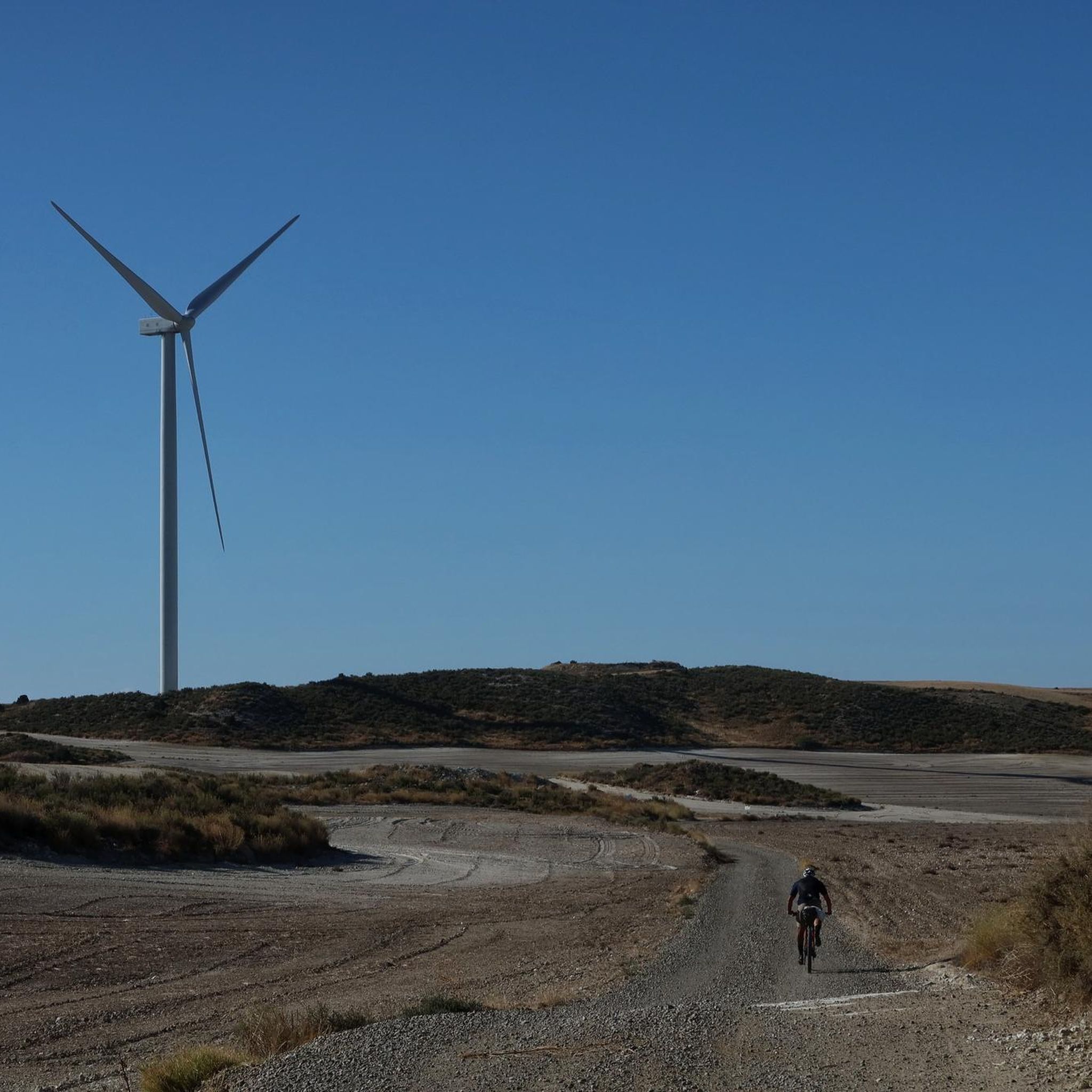
Rodanas is a complex that has an urbanization that has a Sanctuary, a picnic area and even a bar (with somewhat reduced hours), it is located in a mountain area, so for mtb lovers in the area it is a benchmark.
0
0

The beautiful town of Épila has a lot to teach you with how small it is. Apart from natural and scenic attractions worth visiting, we must also highlight the Condes de Aranda Palace (from the 16th century), the Marquises of Saudi or the Condes de Montenegrón building. If we also like to visit religious heritage, the town of the Valdejalón region has the Church of Santa María la Mayor or the hermitage of Santa María Magdalena
1
0
The beautiful town of Épila has a lot to teach you with how small it is. Apart from natural and scenic attractions worth visiting, we must also highlight the Condes de Aranda Palace (from the 16th century), the Marquises of Saudi or the Condes de Montenegrón building. If we also like to visit religious heritage, the town of the Valdejalón region has the Church of Santa María la Mayor or the hermitage of Santa María Magdalena
1
0
As we pass through the beautiful town of Lumpiaque belonging to the Valdejalón region, we can visit the parish church of San Francisco de Asís, built in the 16th century with a beautiful Mudejar bell tower, currently listed as a World Heritage Site; or also the Hermitage of Santa Bárbara, dating from the 17th century.
1
0

It is an artesian well, the result of the surveys to look for water in the years 1970-1980, since then it has continued to flow. It is located next to the Huechaseca ravine, with its 325 m. deep reaches a confined Jurassic aquifer, with an outlet of hot springs (28º) salinized under pressure. The minerals that dissolve in the water corrode the iron tube of the borehole, creating a curious reddish cone shape around it. It is located in the catalog of Places of Geological Interest (LIG) of Aragon, with the protection regime that this implies.
1
0

Located in a mountain area far from all the surrounding towns, the Sanctuary is made up of a church, the parish house, the house of the santero and a guesthouse. Around it grew a neighborhood of small houses still inhabited. Next to the Sanctuary there is a small restaurant that, without much sophistication, can be used to have a drink in the middle of the route. There are also tables and barbecues where (if restrictions allow) you can make your own food. The road from Epila has recently been paved. It is about 15 km with about 300 meters of unevenness, so it is a bit difficult in the direction of the Sanctuary but it is very easy in the direction of Epila. As it is a paved rural road, it has little traffic, mainly from local vehicles and especially on weekends. Once in the Sanctuary, you can make MTB routes in the surroundings, taking advantage of the unevenness of the surrounding mountains, and its pine forests (partly devastated two decades ago by a strong fire). Starting from Epila, it is an easy and not very demanding route of about 30 km that, although it crosses a large plain with few emotions, has the reward of arriving in the wooded area and the picnic area. Perfect for a family outing. http://www.sipca.es/censo/1-INM-ZAR-016-099-004/Santuario/de/Nuestra/Se%C3%B1ora/de/Rodanas.html#.X0KJETXtY2w
1
0
Frequently Asked Questions
What historical sites can I explore in Rueda de Jalón?
Rueda de Jalón is rich in history. You can visit the remains of the 9th-century Muslim Rueda de Jalón Castle, which offers breathtaking views. Also, explore Las Hermanicas, two square watchtowers associated with the castle, and admire the 17th-century Aragonese-style houses in the town center. The Jalón Sugar Factory is another historical landmark, representing the region's industrial heritage.
Are there any religious buildings or cultural sites to visit?
Yes, the 16th-century Church of Santa Ana is a significant cultural site in the town center. Further afield, the Sanctuary of Rodanas is a notable religious complex located in a mountainous area, featuring a church, parish house, and guesthouse. Nearby, you can also find the Church of Santa María la Mayor of Épila and the Parish Church of San Francisco de Asís of Lumpiaque, both with historical significance.
What natural attractions are there around Rueda de Jalón?
The area boasts several natural wonders. The Pozuelo de Aragón Geyser is a unique natural monument where an artesian well spouts over 2 meters high. You can also explore the Ojos de Pontil, a natural area with thermal springs and significant ecological value, featuring trails rich in diverse plant and animal species. The landscape is also characterized by extensive vineyards and fruit trees, and numerous caves are excavated into the walls of the ravine descending from the village.
What outdoor activities can I do near these attractions?
The mountainous terrain and pine forests around the Sanctuary of Rodanas offer excellent opportunities for hiking and mountain biking. You can find various routes that take advantage of the inclines and scenic views. For more detailed routes, explore the MTB Trails around Rueda De Jalón, Running Trails around Rueda De Jalón, and Road Cycling Routes around Rueda De Jalón.
Are there family-friendly activities or places to visit?
Yes, the Sanctuary of Rodanas is a good option for families. It has picnic areas and barbecues (if restrictions allow), making it suitable for a family outing. The paved rural road leading to the Sanctuary from Epila is also described as an easy and not very demanding route, perfect for a family bike ride.
Where can I find places to eat or stay near the attractions?
Near the Sanctuary of Rodanas, there is a small restaurant and picnic areas available. While specific cafes, pubs, or accommodation directly within Rueda de Jalón town are not detailed, the surrounding villages and towns in the Jalón river valley would offer various options.
What is the best time to visit Rueda de Jalón for outdoor activities?
The region's climate, with its vineyards and fruit trees, suggests pleasant conditions for outdoor activities during spring and autumn. These seasons typically offer milder temperatures, ideal for hiking, cycling, and exploring the natural and historical sites without the extreme heat of summer or the chill of winter.
What do visitors enjoy most about the attractions around Rueda de Jalón?
Visitors appreciate the diverse range of attractions, from historical landmarks like the Sanctuary of Rodanas to unique natural phenomena such as the Pozuelo de Aragón Geyser. The blend of cultural heritage, scenic landscapes, and opportunities for outdoor activities like MTB routes in the surrounding mountains are highly valued by the komoot community.
Are there any specific hiking trails recommended in the area?
The area around the Sanctuary of Rodanas is known for its hiking and mountain biking routes, taking advantage of the mountainous terrain and pine forests. While specific named hiking trails are not detailed, the general area offers varied paths. For more structured routes, you can explore the Running Trails around Rueda De Jalón guide, which includes several moderate loops.
Is there parking available at the main attractions?
While specific parking details for each attraction are not provided, the Sanctuary of Rodanas, being a complex with a small community and restaurant, would typically have parking facilities for visitors. For other sites like the Rueda de Jalón Castle or Ojos de Pontil, it is advisable to check local signage or information upon arrival.
What is the significance of the Rueda de Jalón Castle?
The Rueda de Jalón Castle is a significant 9th-century Muslim castle that played a crucial role in historical events. It served as an Islamic military post, a refuge, and a place of imprisonment during various conflicts. Despite its ruined state, its keep (Torre del Homenaje) and defensive enclosures adapted to the rugged terrain offer a glimpse into the region's past and provide panoramic views.

Get inspired with the komoot mobile app


Explore more
Still not found the Highlight you’re looking for? See guides of the top attractions in other regions:
