The best walks and hikes around Paratge Natural d'Interès Nacional del Massís del Pedraforca
4.6
(581)
6,456
hikers
31
hikes
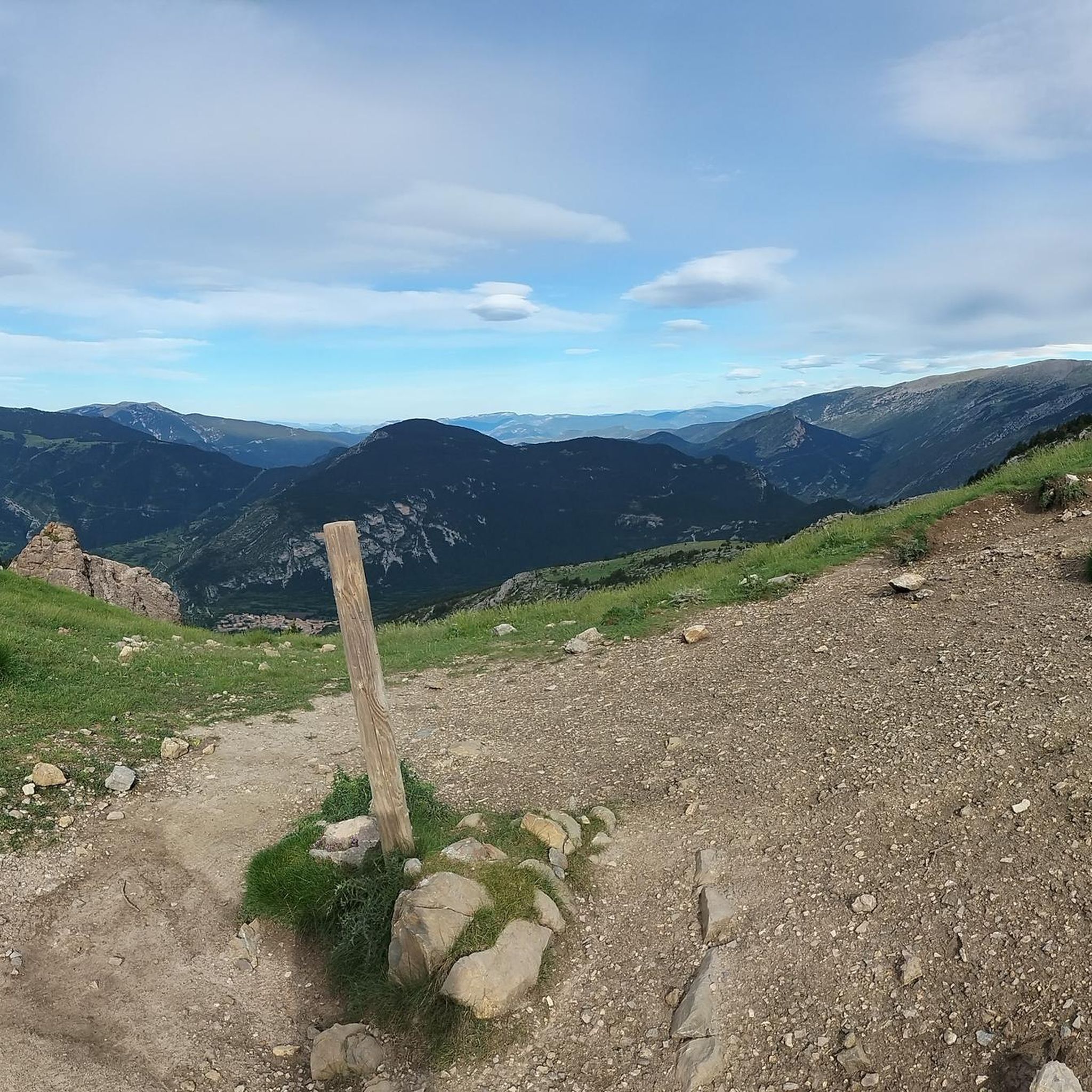
Hiking trails around Paratge Natural d'Interès Nacional del Massís del Pedraforca are characterized by the distinctive "U-shaped" silhouette of Pedraforca mountain, with its two main peaks, Pollegó Superior (2,506 m) and Pollegó Inferior (2,445 m). The region features diverse ecosystems, including lush oak, black pine, beech, and fir forests, alongside subalpine meadows. This massif is part of the larger Cadí-Moixeró Natural Park, offering varied terrain from challenging ascents to gentler forest paths.
Best hiking trails around Paratge Natural d'Interès Nacional del Massís del Pedraforca
- The most popular hiking route is El Collell Pass – Lluís Estasen Refuge loop from Paratge Natural d'Interès Nacional del Massís del Pedraforca, an 11.3 miles (18.2 km) trail that takes 5 hours 58 minutes to complete. This route offers a comprehensive experience of the massif's lower slopes and the popular refuge.
- Another top favourite among local hikers is Lluís Estasen Refuge – Pedraforca Scramble loop from Paratge Natural d'Interès Nacional del Massís del Pedraforca, a difficult 4.9 miles (7.8 km) path. This trail includes sections requiring scrambling, leading towards the iconic Pedraforca summit.
- Local hikers also love the Comabona Summit (2,548 m) – El Collell Pass loop from Paratge Natural d'Interès Nacional del Massís del Pedraforca, a 14.1 miles (22.8 km) trail leading through high mountain terrain, often completed in about 9 hours 35 minutes.
- Hiking around Paratge Natural d'Interès Nacional del Massís del Pedraforca is defined by dramatic U-shaped peaks, dense fir and beech forests, and subalpine meadows. The network offers options for different ability levels, from challenging summit ascents to more accessible forest walks.
- The routes in Paratge Natural d'Interès Nacional del Massís del Pedraforca are highly rated by the komoot community with an average score of 4.5 stars from over 150 reviews. More than 1800 hikers have used komoot to explore Paratge Natural d'Interès Nacional del Massís del Pedraforca's varied terrain.
Last updated: May 20, 2026
4.8
(36)
387
hikers
Hard hike. Very good fitness required. Mostly accessible paths. Sure-footedness required.
4.8
(6)
144
hikers
Hard hike. Very good fitness required. Sure-footedness, sturdy shoes and alpine experience required.

Sign up for free
5.0
(1)
37
hikers
Hard hike. Very good fitness required. Mostly accessible paths. Sure-footedness required.
2.0
(1)
9
hikers
11.1km
04:15
550m
550m
Moderate hike. Good fitness required. Mostly accessible paths. Sure-footedness required.
5.0
(3)
65
hikers
12.7km
06:26
1,290m
1,290m
Hard hike. Very good fitness required. Mostly accessible paths. Sure-footedness required.
Get access to more routes and recommendations from other explorers.
Sign up for free
Already have an account?
Our route recommendations are based on thousands of hikes, rides, and runs completed by other people on komoot.
Start today with a free account
Your next adventure awaits.
Login or Signup
Popular around Paratge Natural d'Interès Nacional del Massís del Pedraforca
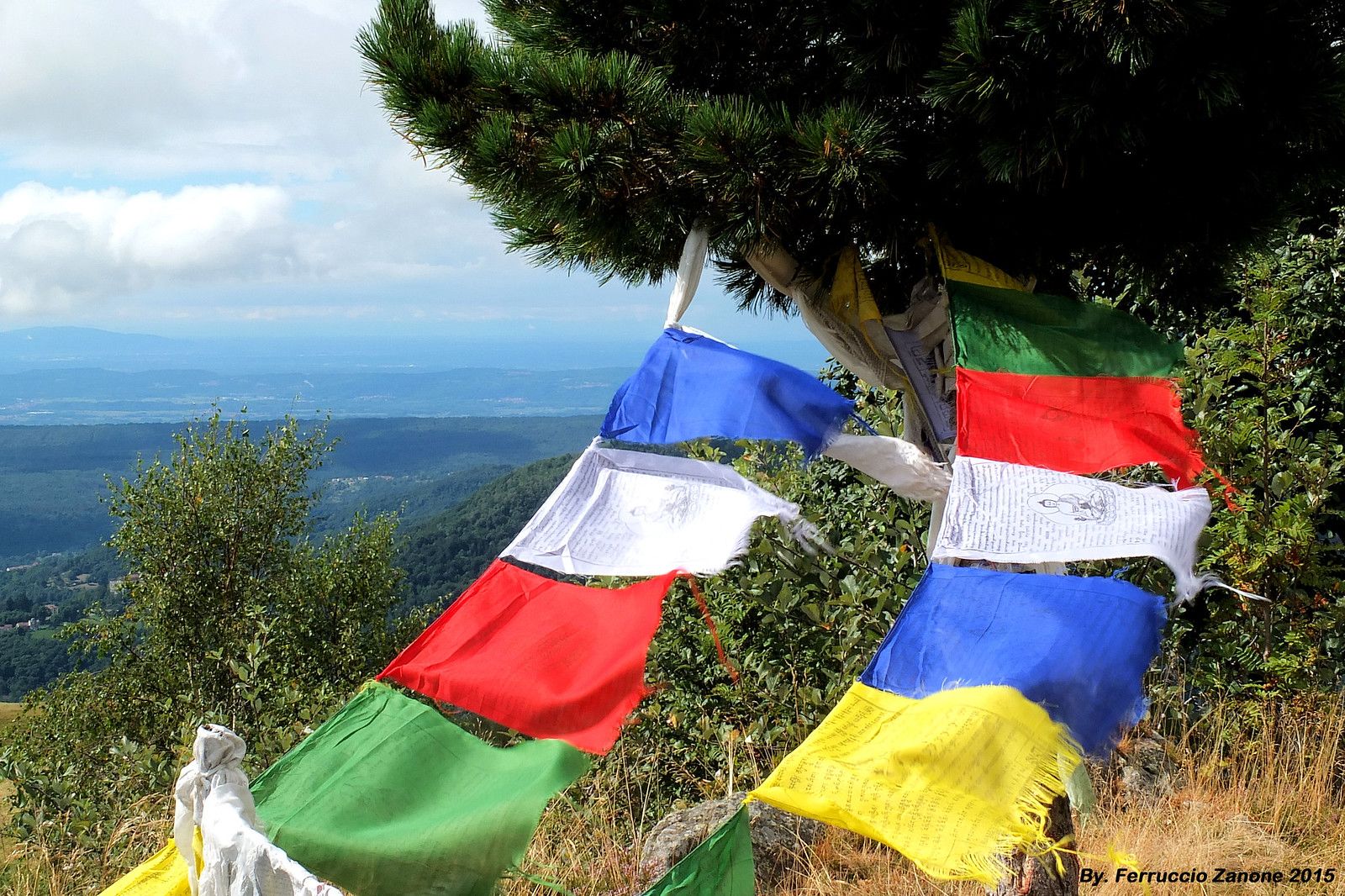
The symbol of Nepal in the Pyrenees – Cavalls del Vent
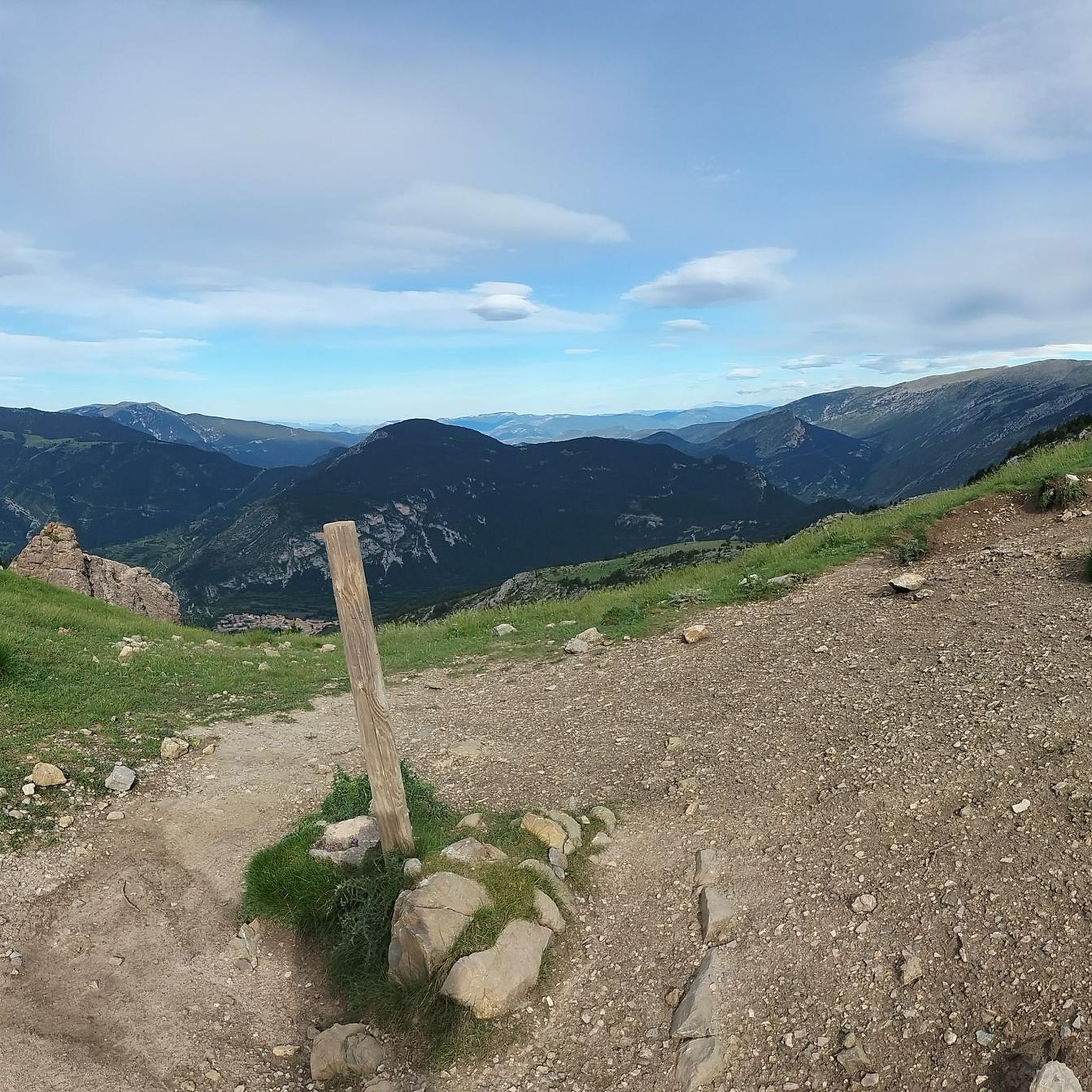
Running Trails around Paratge Natural d'Interès Nacional del Massís del Pedraforca
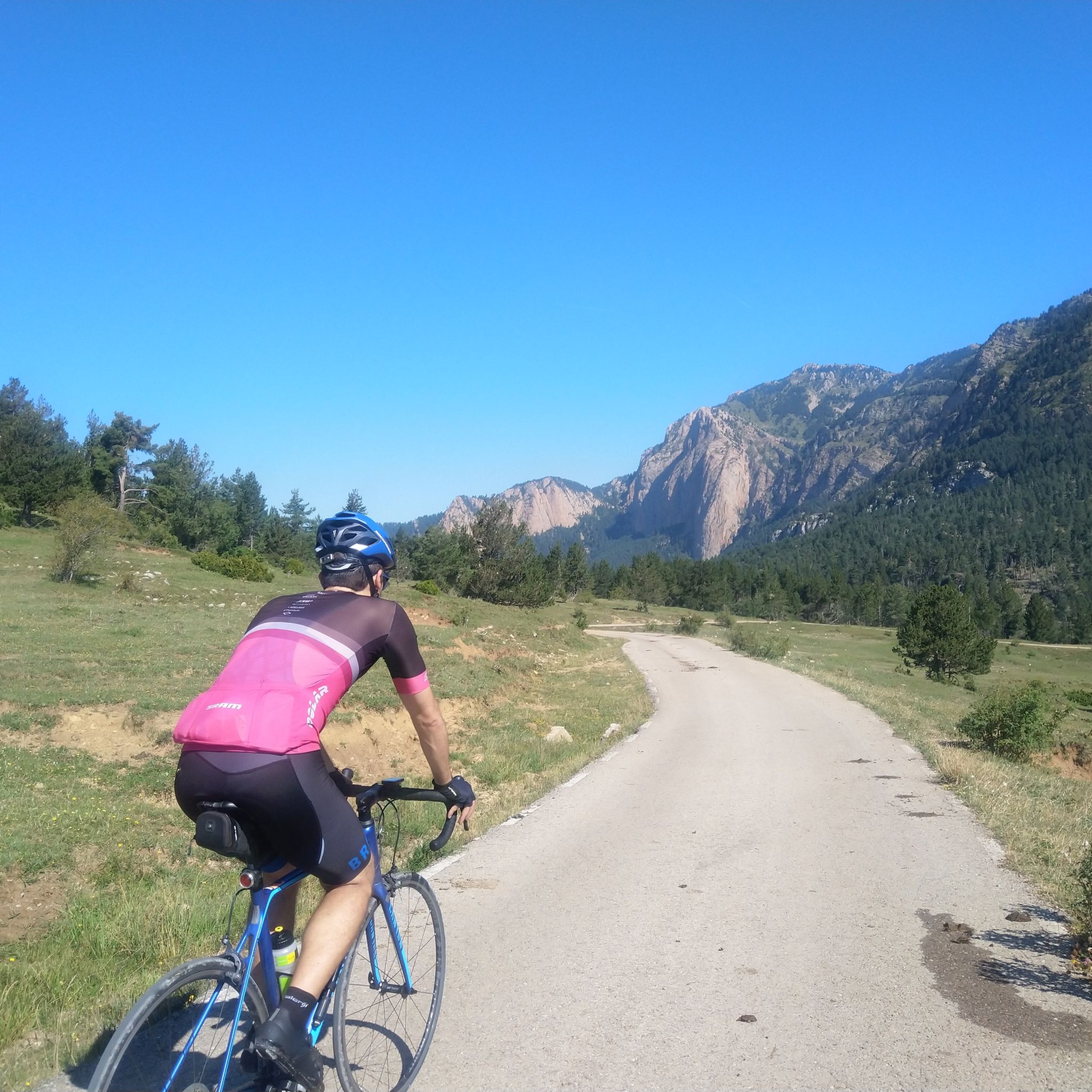
Road Cycling Routes around Paratge Natural d'Interès Nacional del Massís del Pedraforca
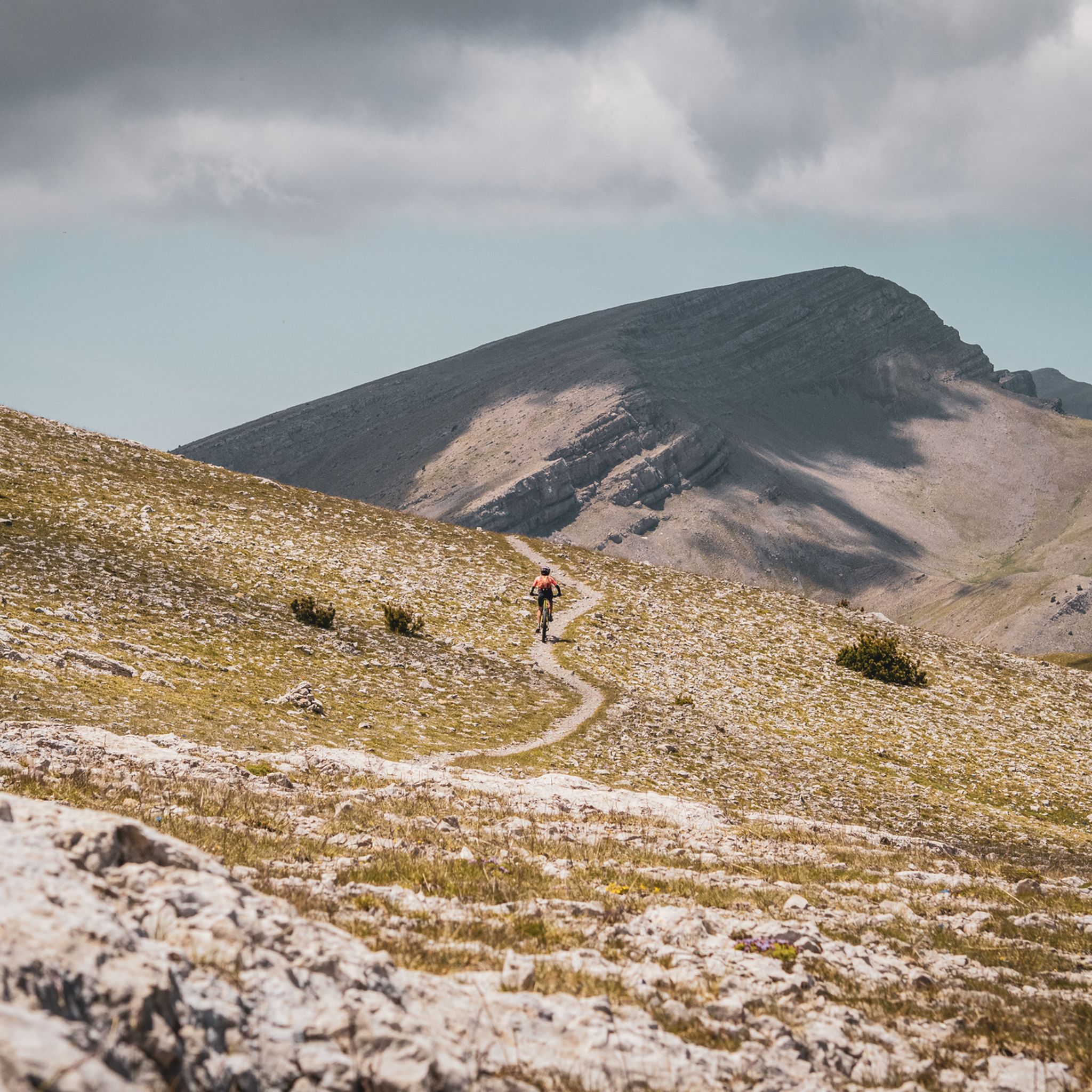
MTB Trails around Paratge Natural d'Interès Nacional del Massís del Pedraforca
Cycling around Paratge Natural d'Interès Nacional del Massís del Pedraforca

Mountain Hikes around Paratge Natural d'Interès Nacional del Massís del Pedraforca

Gravel biking around Paratge Natural d'Interès Nacional del Massís del Pedraforca
Other adventures around Paratge Natural d'Interès Nacional del Massís del Pedraforca

Tips from the Community

Located at the foot of the majestic Pedraforca, it is one of the most emblematic refuges in the Pyrenees. Starting point for classic ascents to the summit and ideal place to enjoy the high mountain atmosphere. The building, surrounded by meadows and forests, offers imposing views and an impressive calm. By mountain bike, the final access from Saldes is demanding, with a steep slope and loose stone; it is best to tackle it with patience and good traction. Tip: if you get there in the afternoon, stay for a few minutes — the light over Pedraforca is pure magic.
0
0

A beautiful refuge at the foot of the north face of Pedradorca, it's worth the climb to discover it.
1
0

Beautiful port unknown to the general public. It is a tough pass, which you climb in its first stretch up to the Coll de l'Escriga, always under a dense forest. The second section is much more affordable, with a descent section to Gliscareny, and with very good views of the valley. Only the Bagà slope is paved. The road is good, narrow and with very little traffic. It can be perfectly combined with Coll de Pal.
0
0

Pas dels Gosolans, where the people of Cerdanya used to pass with their flocks to reach Ripollès
0
0

After about an hour's climb from Prat d'Aguilo you reach this pass with its incredibly beautiful, barren landscape.
0
0

Short and safe grip on the ropes. You will like!
0
0
The views are beautiful but I recommend doing this route during the week so as not to arrive and meet a lot of people above. On weekends there can be a lot of traffic.
0
0

I would only recommend it because of the location in the countryside. Unfortunately, as a hut, it completely failed in July 2023.
0
0
Frequently Asked Questions
How many hiking trails are available in Paratge Natural d'Interès Nacional del Massís del Pedraforca?
There are over 30 hiking routes available in Paratge Natural d'Interès Nacional del Massís del Pedraforca, catering to various skill levels. This includes 1 easy route, 13 moderate routes, and 17 difficult routes, ensuring options for everyone from casual walkers to experienced mountaineers.
What is the best time of year to hike in Pedraforca?
The best time to hike in Pedraforca is generally from late spring to early autumn (May to October) when the weather is milder and trails are clear of snow. Summer offers lush landscapes, while autumn brings vibrant colors. Winter hiking is possible but requires appropriate gear and experience due to snow and ice conditions, especially at higher elevations.
Are there any challenging hikes for experienced trekkers in Pedraforca?
Yes, the Pedraforca massif is renowned for its challenging routes. The ascent to the Pedraforca summit itself is an emblematic and demanding climb, often involving sections like the Verdet Pass which requires scrambling. A particularly demanding route is the Lluís Estasen Refuge – Pedraforca Scramble loop, which includes sections requiring hands-on climbing. Another difficult option is the Comabona Summit (2,548 m) – El Collell Pass loop, a long trail through high mountain terrain.
Are there options for easier, family-friendly walks in the area?
Yes, while Pedraforca is known for its challenging peaks, there are gentler options suitable for families or those seeking a less strenuous experience. The region research mentions routes like the 'View of Gósol Village – View of Gósol and Pedraforca loop' or the 'Beech Spring loop from Saldes' as pleasant walks through forests and meadows. These trails offer a chance to enjoy the natural beauty without significant elevation gain.
Can I find circular hiking routes in Paratge Natural d'Interès Nacional del Massís del Pedraforca?
Yes, circular routes are a popular way to explore the massif. The El Collell Pass – Lluís Estasen Refuge loop is a comprehensive circular trail that takes you through the lower slopes and past the popular refuge. The Pedraforca Mountain Loop, mentioned in the region research, is another well-known circular path offering panoramic views of the ridgelines and valleys.
What natural landmarks or viewpoints can I see while hiking in Pedraforca?
The most iconic landmark is the Pedraforca mountain itself, with its distinctive "U-shaped" silhouette. Hikers can enjoy views from various points, including Pla de la Serra. The Pollegó Superior of Pedraforca (2,506 m) offers breathtaking panoramic views for those who reach the summit. The Gresolet Valley, with its well-preserved fir and beech forests, also provides stunning natural scenery.
Are there any refuges or notable buildings along the trails?
Yes, the Lluís Estasen Refuge is a very popular and important stop, located at the base of the massif. It serves as a common starting point for ascents and offers a place to rest and enjoy the high mountain atmosphere. The Gresolet Sanctuary is another notable religious building in the area, often passed on routes through the Gresolet Valley.
Is public transport available to reach the Pedraforca massif?
Public transport options to the immediate vicinity of the Pedraforca massif are limited. It is generally recommended to reach the area by car, especially for accessing trailheads. Some local bus services might connect to nearby towns like Saldes or Gósol, but onward travel to specific hiking starting points often requires private transport or taxis. It's advisable to check local schedules in advance.
Where can I park when visiting Pedraforca?
Designated parking areas are available near popular trailheads and points of interest, such as close to the Lluís Estasen Refuge or in the villages of Saldes and Gósol. These spots can fill up quickly during peak season, so arriving early is recommended. Always ensure you park in marked areas to avoid obstructing access or damaging the natural environment.
Are permits required for hiking or climbing in Pedraforca?
Generally, permits are not required for hiking on established trails within the Paratge Natural d'Interès Nacional del Massís del Pedraforca. However, for specific climbing routes, especially on the Pedraforca's walls, it's always best to check with local authorities or mountain guides for any specific regulations or safety recommendations. For general information about the natural park, you can visit Visit Pirineus.
Are dogs allowed on the trails in Pedraforca?
Dogs are generally allowed on most hiking trails in the Paratge Natural d'Interès Nacional del Massís del Pedraforca, provided they are kept under control, preferably on a leash, to protect wildlife and ensure the safety of other hikers. Always remember to clean up after your dog and respect the natural environment. Some specific protected areas or refuges might have restrictions, so it's good to check local signage.
What do other hikers enjoy most about the trails in Paratge Natural d'Interès Nacional del Massís del Pedraforca?
The area is highly rated by the komoot community, with an average score of 4.5 stars from over 150 reviews. Hikers often praise the dramatic and unique landscapes, especially the iconic Pedraforca mountain, the diverse ecosystems ranging from lush forests to subalpine meadows, and the well-maintained network of trails that offer a wide range of difficulties.
Most popular routes around Paratge Natural d'Interès Nacional del Massís del Pedraforca
Most popular attractions around Paratge Natural d'Interès Nacional del Massís del Pedraforca

Get inspired with the komoot mobile app


Explore more
Browse the best Hikes in other regions.
