The best cycling routes around National Park Hoces del Alto Ebro y Rudrón
4.9
(38)
609
riders
15
rides
Touring cycling around National Park Hoces del Alto Ebro y Rudrón offers routes through a landscape shaped by the Ebro and Rudrón rivers. The region features deep canyons, gorges, and ravines, contrasted by expansive moorlands at higher altitudes. Cyclists can navigate paths through riparian forests and areas of holm oak, beech, and gall oak. This diverse topography provides varied terrain for cycling exploration.
Best touring cycling routes around National Park Hoces del Alto Ebro y Rudrón
- The most popular touring…
Last updated: May 10, 2026
3
riders
40.3km
03:22
640m
640m
This difficult 25-mile gravel circular route from San Felices del Rudrón explores the dramatic Cañón del Ebro in Hoces del Alto Ebro y Rudró
7
riders
Hard bike ride. Very good fitness required. Mostly paved surfaces. Suitable for all skill levels.

Sign up for free
5.0
(1)
8
riders
28.1km
02:19
230m
230m
Moderate bike ride. Good fitness required. Mostly paved surfaces. Suitable for all skill levels.
6
riders
57.1km
05:57
1,510m
1,510m
Hard bike ride. Very good fitness required. You may need to push your bike for some segments of this route.
6
riders
24.2km
02:10
130m
130m
Moderate bike ride. Good fitness required. Mostly paved surfaces. Suitable for all skill levels.
Get access to more routes and recommendations from other explorers.
Sign up for free
Already have an account?
Our route recommendations are based on thousands of hikes, rides, and runs completed by other people on komoot.
Start today with a free account
Your next adventure awaits.
Login or Signup
Popular around National Park Hoces del Alto Ebro y Rudrón
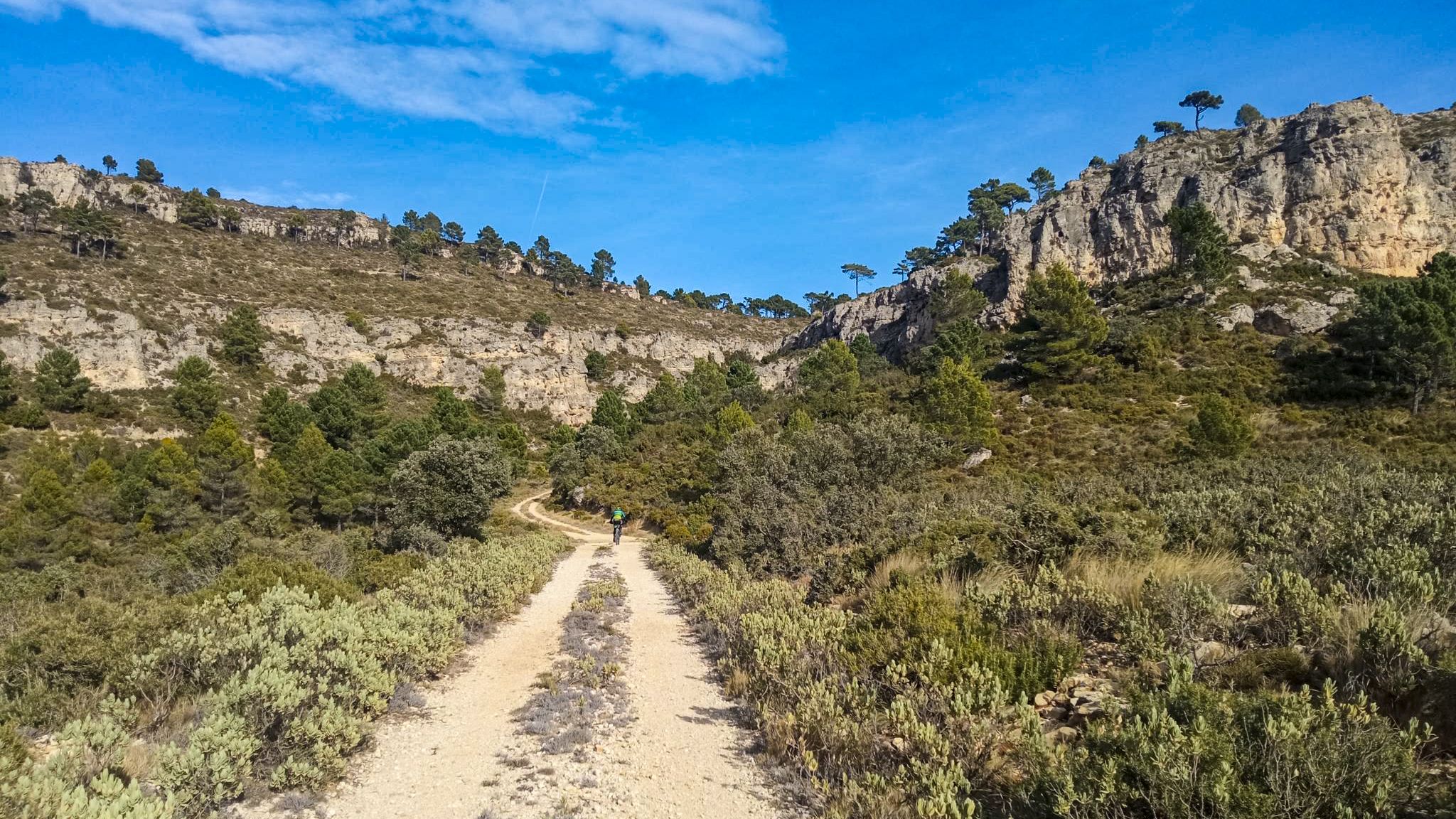
10 gravel routes to discover hidden gems in Spain
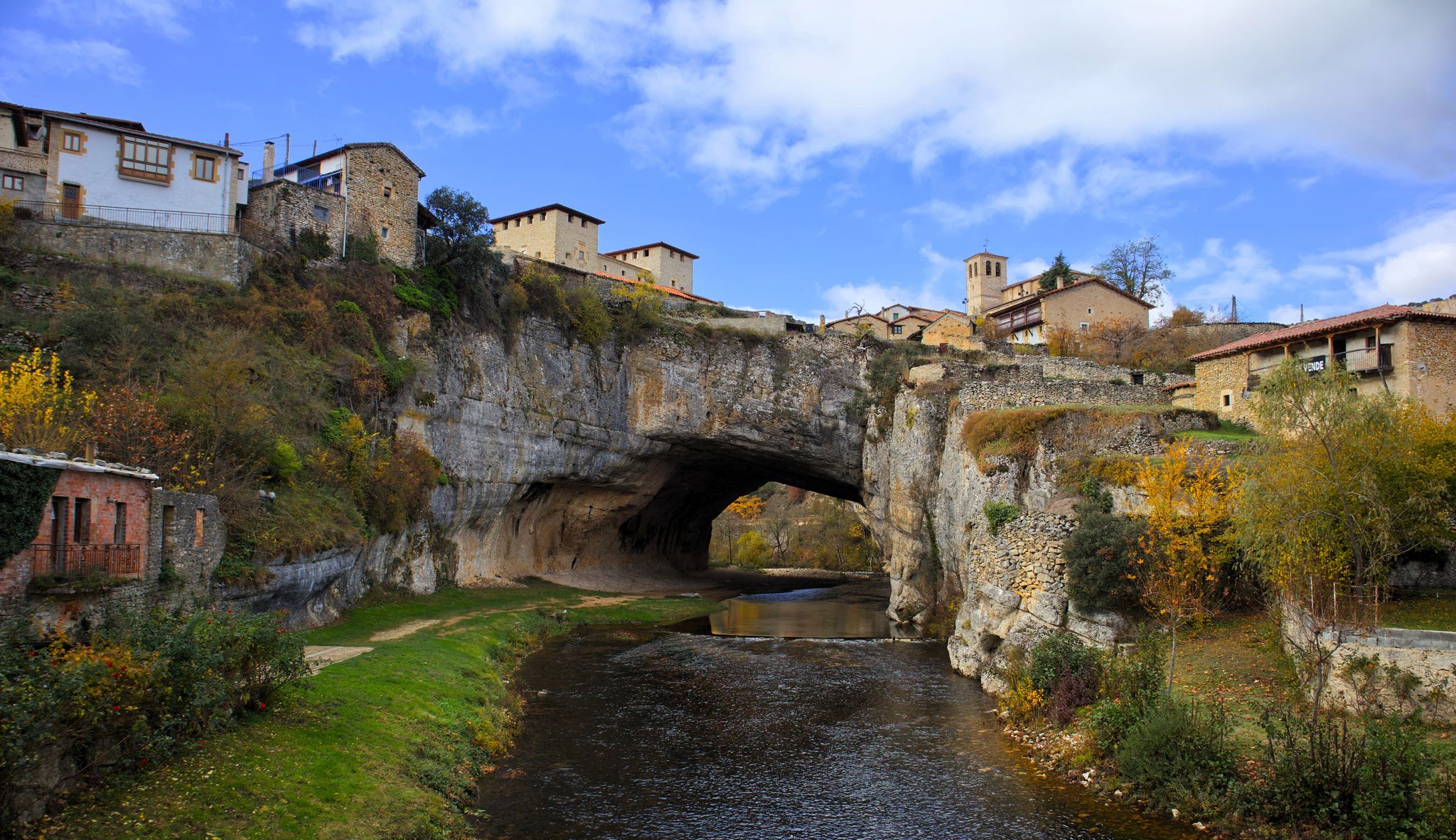
Endless valleys and historic villages – Route of the Senses (GR 85)
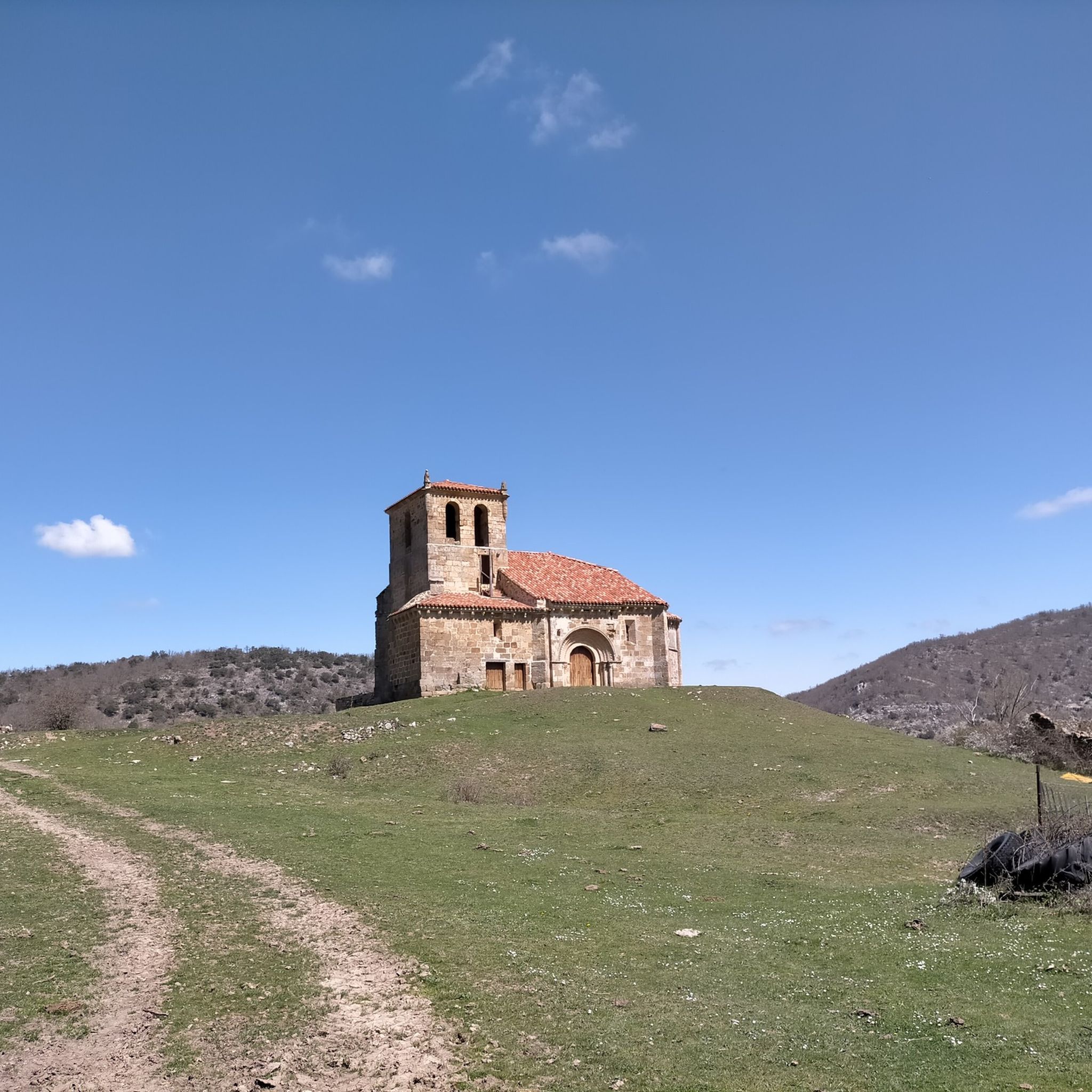
Hiking around National Park Hoces del Alto Ebro y Rudrón
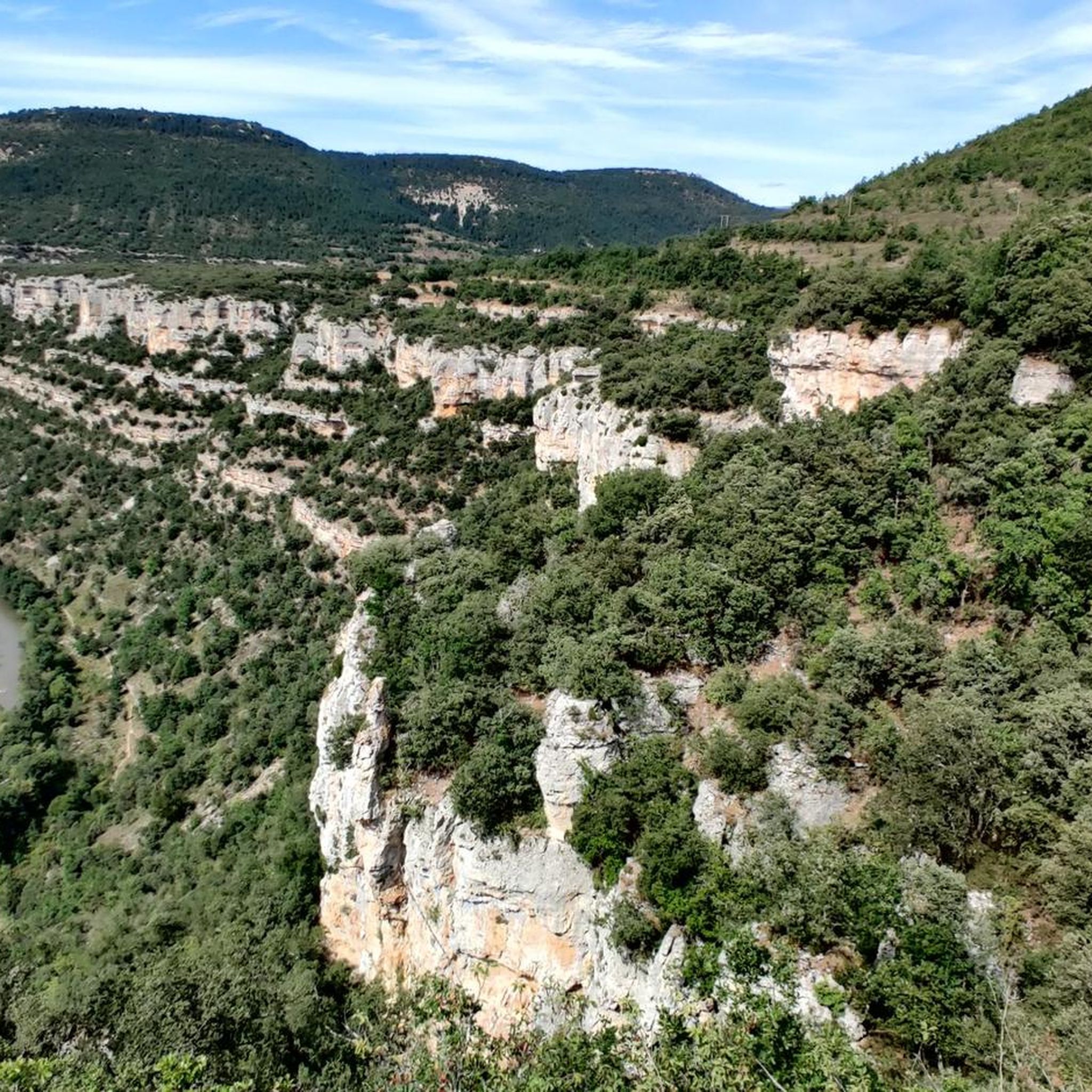
MTB Trails around National Park Hoces del Alto Ebro y Rudrón
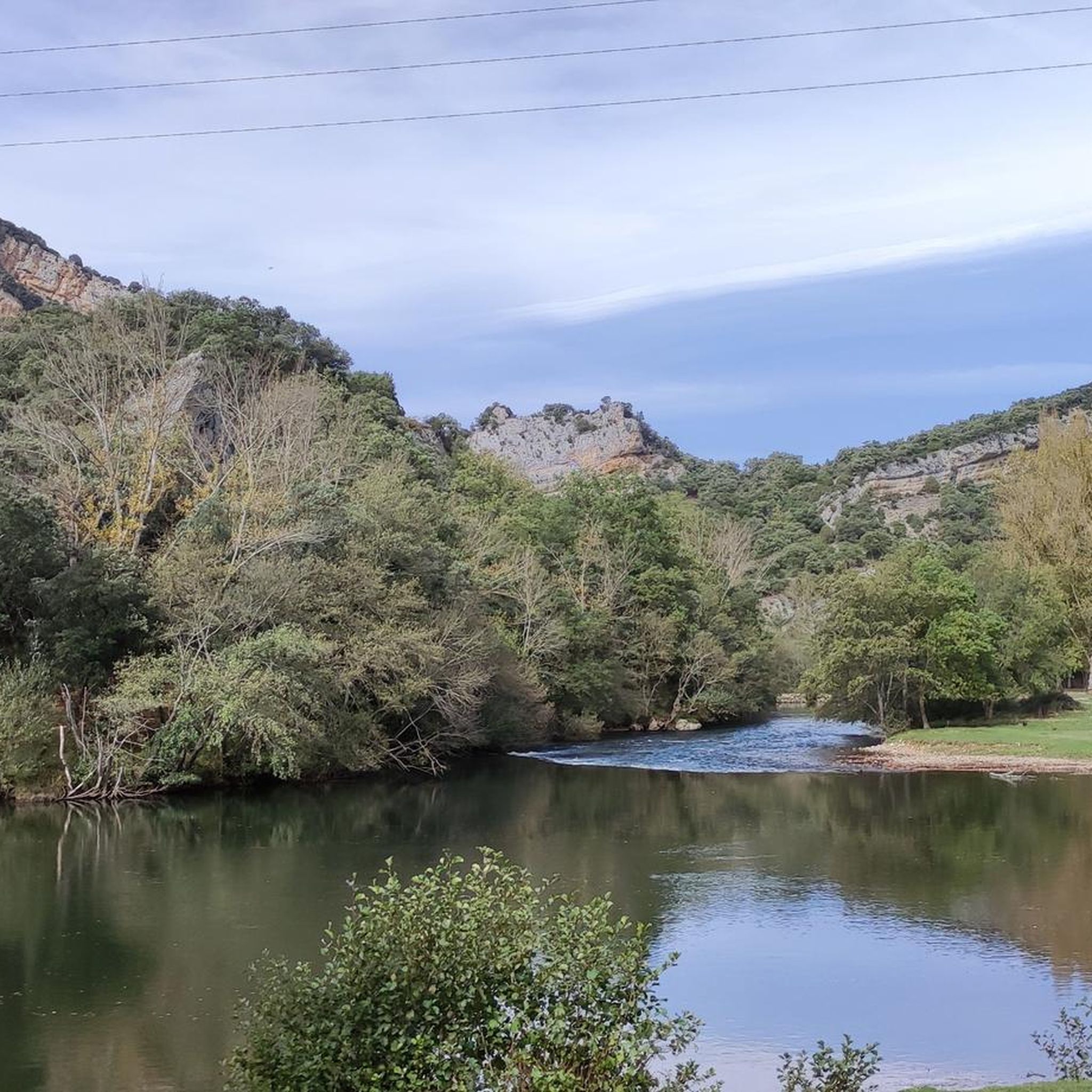
Road Cycling Routes around National Park Hoces del Alto Ebro y Rudrón

Gravel biking around National Park Hoces del Alto Ebro y Rudrón
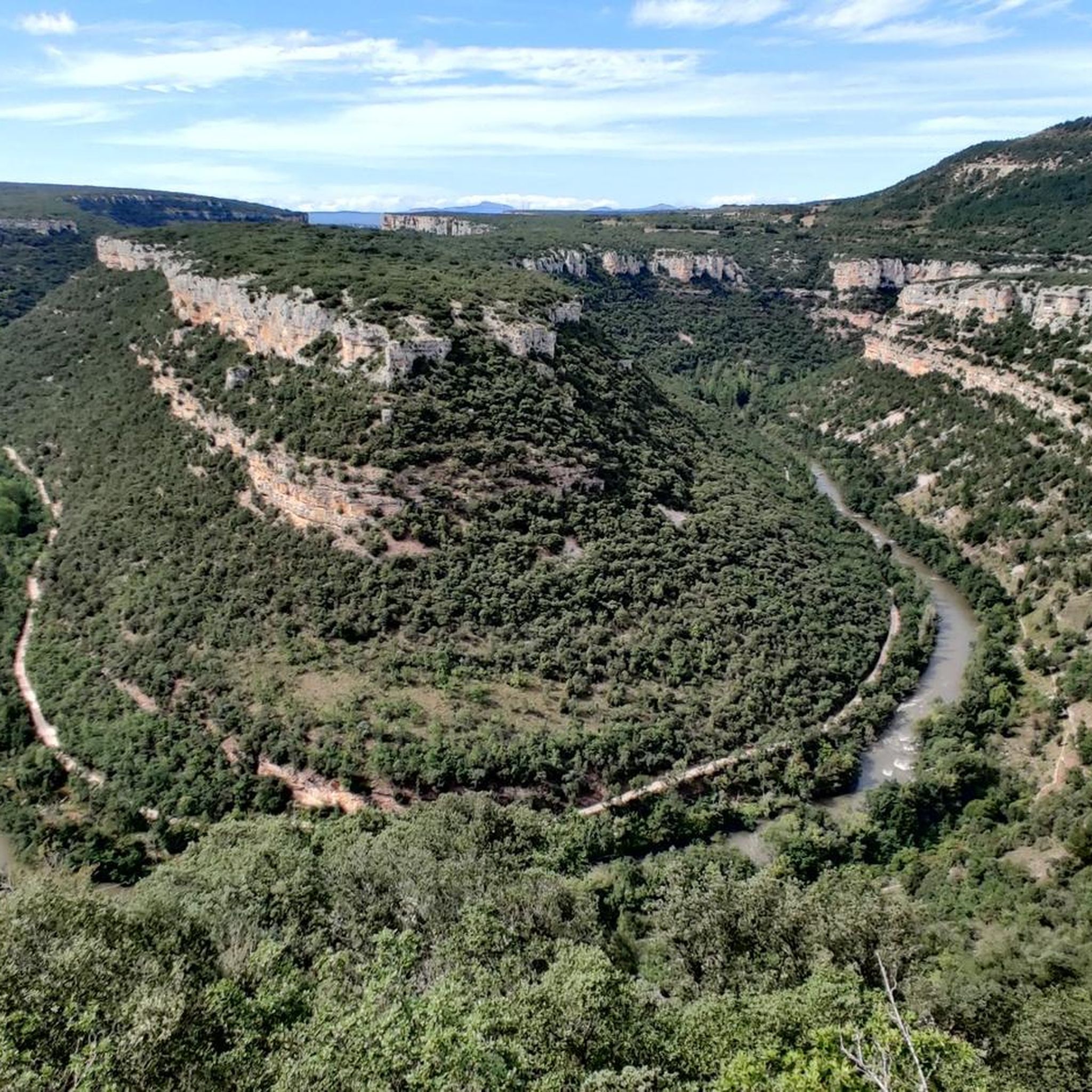
Running Trails around National Park Hoces del Alto Ebro y Rudrón
Other adventures around National Park Hoces del Alto Ebro y Rudrón


Tips from the Community

Spectacular area for hiking routes
0
0
Spectacular area for hiking routes
0
0
Spectacular area for hiking routes
0
0

The waterfall springs from the Cueva del Agua from a height of over 20 meters, at the base of the rocky cirque that embraces the village, originating from an aquifer located in the subsoil of the Páramo de Bricia, and it leaps everywhere, dividing the village into two halves, the Villa and the Puebla, and descends among the stone houses, creating a most photogenic scene.
2
0
A spectacular area for hiking trails
0
0
The Church of Saint Stephen the Protomartyr in Bañuelos del Rudrón, in the municipality of Tubilla del Agua (province of Burgos), is a jewel of Castilian rural Romanesque architecture, with a remarkable history and architecture. Construction: 11th century. Style: Romanesque, with later Baroque and Gothic elements. It was declared a Site of Cultural Interest (BIC) in 1997.
4
0

You might not want to go up to the village because you're too lazy, but once you get there, I assure you, you won't regret it. You can walk up the stairs or bike along the road from the village exit (heading upriver). It's clear that this is a tourist destination because it's home to most of the area's bars and restaurants.
0
0

From various shades of blue, ranging from turquoise to a dark ultramarine in the deepest part. To reach the well, there's a half-kilometer walk along a beautiful path that even has a cave entrance. When we arrived, it was a beautiful day, with people swimming and a caving group who had put on their diving suits and were exploring the depths of the underwater cave. A spectacle.
2
1
Frequently Asked Questions
How many touring cycling routes are available in National Park Hoces del Alto Ebro y Rudrón?
There are over 15 touring cycling routes available in National Park Hoces del Alto Ebro y Rudrón, offering a variety of experiences through its unique landscapes. The komoot community has rated these routes highly, with an average score of 4.9 stars.
What kind of terrain can I expect on touring cycling routes in the park?
The park's topography, shaped by the Ebro and Rudrón rivers, offers diverse terrain. You'll encounter deep canyons, gorges, and ravines, contrasted by expansive moorlands at higher altitudes. Routes often follow riverbanks through riparian forests, but also include more challenging, steep, and winding sections, providing a varied cycling experience.
Are there any routes suitable for families or beginners?
While many routes in the park are rated as difficult, there are a couple of moderate options that might be more suitable for families or those seeking a less strenuous ride. For example, the Ebro Trail – View of Orbaneja del Castillo loop from Quintanilla-Escalada is a moderate 28.1 km route that follows the Ebro river valley.
What natural features or landmarks can I see along the cycling routes?
The routes often pass by stunning natural wonders. You can encounter the famous Pozo Azul de Covanera, known for its crystalline blue waters, or the impressive Turquoise Pools and Waterfalls of Orbaneja del Castillo. Another easily accessible highlight is La Cañada Waterfall near Hoyos del Tozo.
Are there any circular touring cycling routes in the National Park?
Yes, many of the touring cycling routes in the National Park are designed as loops, allowing you to start and end in the same location. An example is the challenging Tubilleja de Ebro – Las Palancas Gorge loop from Posada Molino del Canto, which covers 39.3 km and features varied terrain through gorges.
What is the best time of year for touring cycling in Hoces del Alto Ebro y Rudrón?
The park's diverse ecosystems and riverside paths make it enjoyable across seasons. Spring and autumn generally offer pleasant temperatures and vibrant scenery, with less extreme weather. Summer can be warm, but many riverside routes provide shade. Winter cycling is possible, though some higher or more exposed sections might be affected by colder conditions.
Can I bring my dog on the cycling routes?
While specific regulations for dogs on cycling routes within the National Park Hoces del Alto Ebro y Rudrón can vary, generally, dogs are welcome on trails as long as they are kept under control, preferably on a leash, to protect wildlife and ensure the safety of other users. Always check local signage for any specific restrictions in certain areas.
Are there any routes that feature waterfalls?
Absolutely. The park is home to several beautiful waterfalls. The Pozo Azul de Covanera – La Cañada Waterfall loop from Covanera is a challenging 57.1 km route that will take you past La Cañada Waterfall. You can also visit the stunning Turquoise Pools and Waterfalls of Orbaneja del Castillo, which are often visible from nearby routes.
Where can I find parking for cycling routes?
Many villages and trailheads within and around the National Park offer designated parking areas for visitors. For instance, if you plan to cycle the Lavadero loop from Escalada, you would typically find parking available in or near the village of Escalada, which serves as a common starting point for local routes.
What are the most challenging touring cycling routes in the area?
The National Park is known for its challenging terrain, with 15 of its 17 touring cycling routes rated as difficult. The Ebro Canyon Trail, a 40.3 km route with significant elevation changes, is a prime example, navigating through the dramatic Ebro canyons and requiring a good level of fitness.
Are there opportunities for wild swimming along the cycling routes?
The Ebro and Rudrón rivers, along with natural springs like Pozo Azul, offer tempting spots. While specific designated swimming areas may vary, the crystalline waters of Pozo Azul de Covanera are a popular attraction. Always exercise caution and respect local regulations when considering swimming in natural bodies of water.
What do other touring cyclists enjoy most about cycling here?
The area is highly rated by the komoot community, with an average score of 4.9 stars from over 10 reviews. Cyclists often praise the dramatic geological formations, the serene riverside paths, and the opportunity to explore charming villages like Orbaneja del Castillo. The diverse ecosystems and panoramic viewpoints are also frequently highlighted as major draws.
Most popular routes around National Park Hoces del Alto Ebro y Rudrón
Most popular attractions around National Park Hoces del Alto Ebro y Rudrón

Get inspired with the komoot mobile app


Explore more
Browse the best Cycling routes in other regions.
