Attractions and Places To See around Soto De La Vega - Top 14
Attractions and places to see around Soto De La Vega highlight a region rich in history, cultural heritage, and natural landscapes. Situated between the Orbigo and Tuerto Rivers, this area features archaeological sites dating from prehistoric to medieval times. Visitors can explore historic religious architecture, including churches with Renaissance, Mudejar, and Baroque styles, and learn about the local traditions of fishing. The municipality offers a blend of historical landmarks and natural points of interest.
Best attractions and places to see…
Last updated: July 12, 2026
Plaza Mayor of La Bañeza
Highlight • Settlement
Translated by Google •
Tip by

Las Torcas de Barrientos Viewpoint
Highlight • Viewpoint
Translated by Google •
Tip by

Sign up now to discover places like this
Get recommendations on the best single tracks, peaks, & plenty of other exciting outdoor places.
Sign up for free
Castillo de Villanueva de Jamuz
Highlight • Castle
Translated by Google •
Tip by

Street Art and Monument to Santiago, La Bañeza
Highlight • Monument
Translated by Google •
Tip by

La Bañeza Town Hall and Clock Tower
Highlight • Monument
Architecturally, we …
Translated by Google •
Tip by

Sign up for free to discover even more attractions around Soto De La Vega.
Sign up for free
Already have an account?
Start today with a free account
Your next adventure awaits.
Login or Signup
Tips from the Community

Remains of a medieval castle in Villanueva de Jamuz. The cylindrical towers are an amazing structure.
3
0

Leonese town in the traditional region of La Valduerna. The birth of the city is dated from the 9th century, which shows the historical importance of this town. Architecturally, we can highlight the churches of San Salvador and Santa María and culturally the carnivals, its Holy Week and the patron saint festivals in August.
1
0
Medieval castle in the region of Tierra de La Bañeza, León. The castle of Villanueva de Jamuz is a Spanish fortress home to the famous Leonese knight Suero de Quiñones.
1
0
Important town in Leon with a rich architectural heritage that surprises many of its visitors. It is worth noting in the Plaza Mayor such as the churches of San Salvador or Santa María, or even the Town Hall, which are quite impressive.
1
0

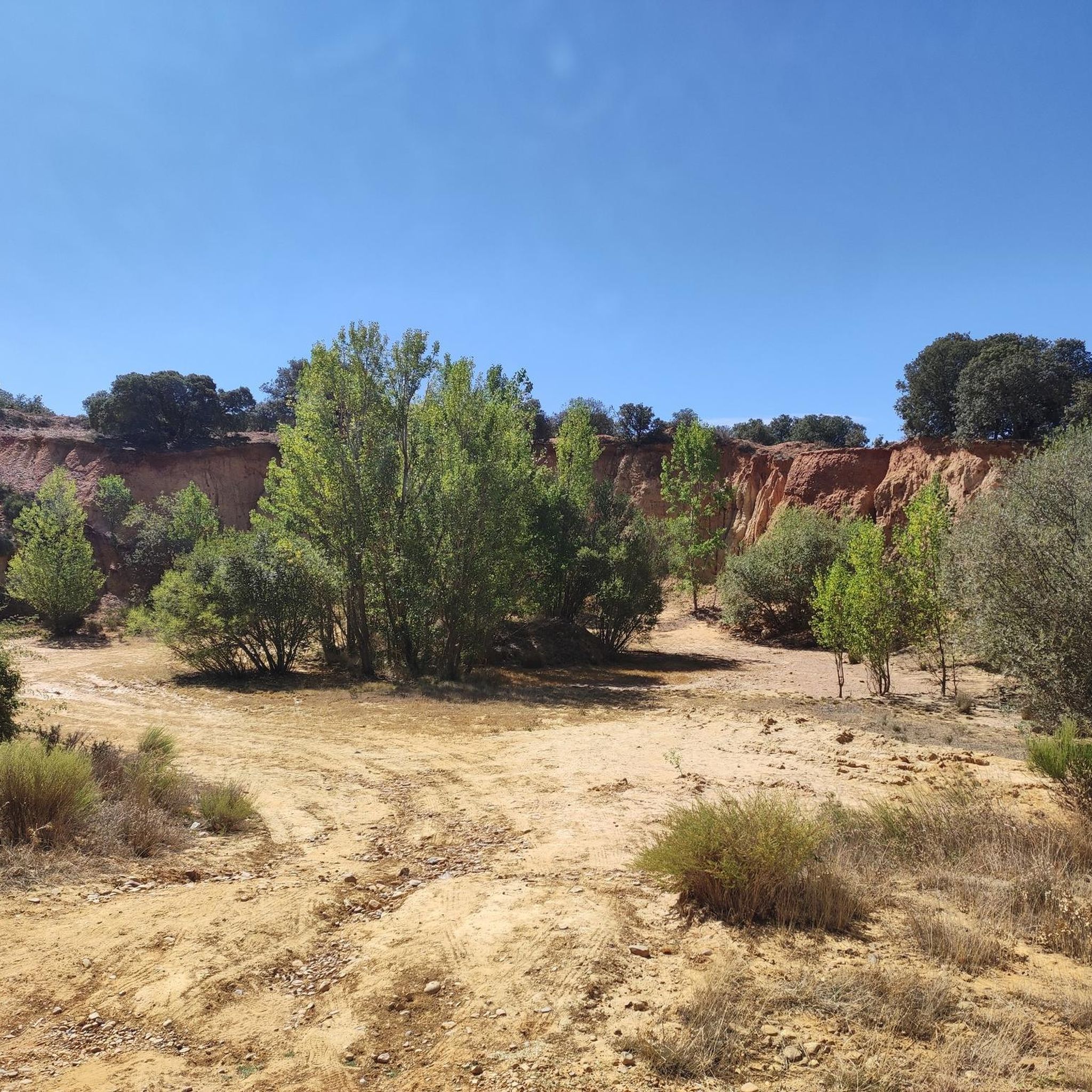
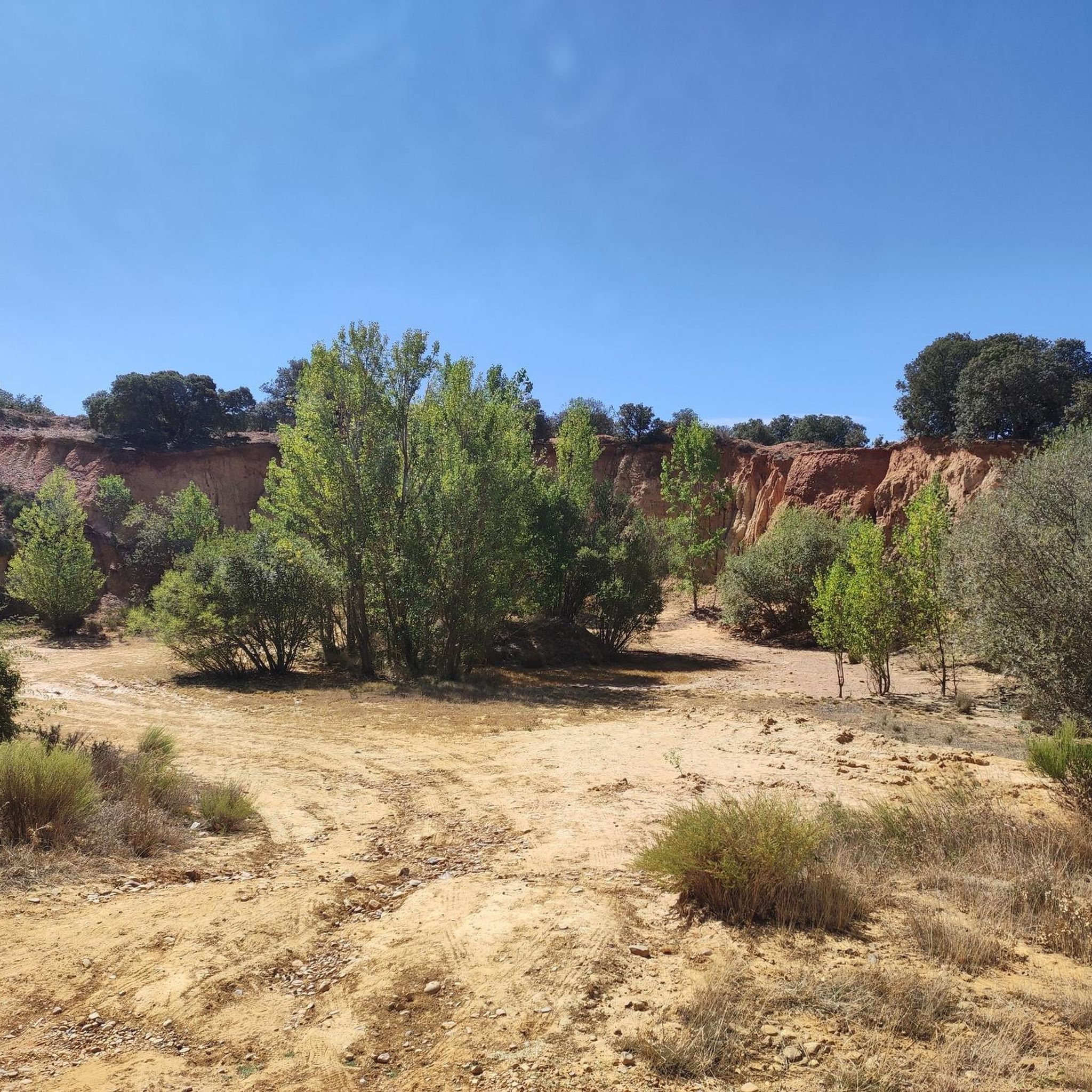
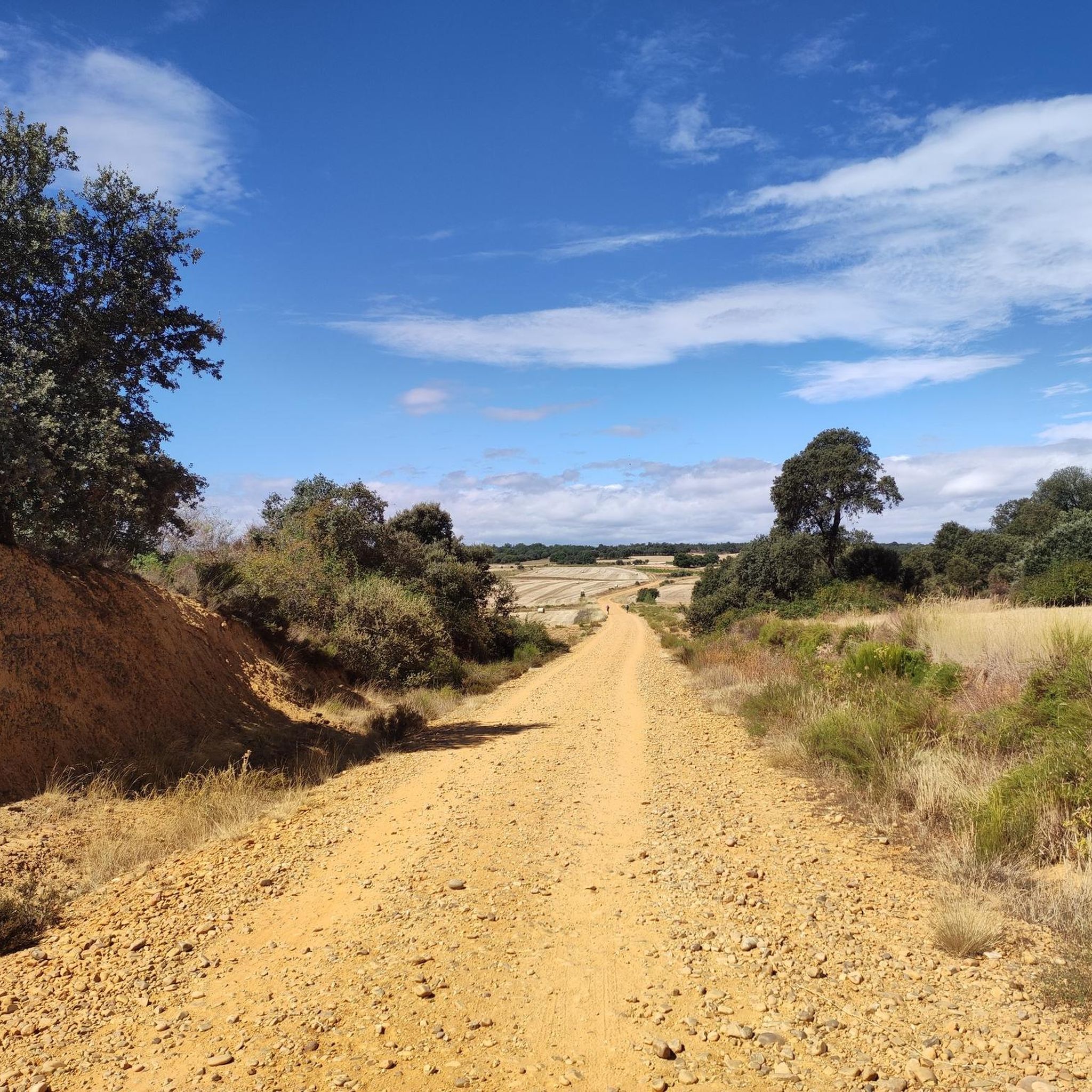
Each corner is a wonderful viewpoint towards the ravines with the various shades of ocher that the mountains acquire.
7
1

Important town in Leon with a rich architectural heritage that surprises many of its visitors. I love its main square and its railway infrastructure, which I think give it all its character, but there are also buildings like the churches of San Salvador or Santa María, or even the Town Hall, which are quite impressive.
2
0

It is essential to stop for a while and enjoy the "ephemeral" art of the murals scattered everywhere.
1
0

Small sculpture that pays homage to the apostle and the pilgrims in this city on the Camino.
2
0
Frequently Asked Questions
What historical sites can I explore around Soto De La Vega?
Soto De La Vega is rich in history, featuring several notable sites. You can visit the Castillo de Villanueva de Jamuz, which holds the remains of a medieval fortress with impressive cylindrical towers. The region also boasts archaeological sites dating from prehistoric to medieval Christian eras in Huerga de Garraballes and Santa Colomba de la Vega. Additionally, the Plaza Mayor of La Bañeza showcases a rich architectural heritage with historic buildings like the churches of San Salvador and Santa María, and the Town Hall.
Are there any natural viewpoints or scenic spots in the area?
Yes, for breathtaking natural views, visit Las Torcas de Barrientos Viewpoint. This spot offers expansive views towards ravines, allowing you to observe the various shades of ocher that the mountains acquire. The area is also defined by the fertile plains between the Orbigo and Tuerto Rivers, offering diverse landscapes.
What cultural landmarks are there to see?
Beyond historical sites, Soto De La Vega offers cultural landmarks. The Plaza Mayor of La Bañeza is a cultural hub with significant architecture. You can also find the Street Art and Monument to Santiago, La Bañeza, a small sculpture honoring pilgrims and featuring vibrant murals. The
Are there family-friendly attractions around Soto De La Vega?
Many attractions in the region are suitable for families. Both the Plaza Mayor of La Bañeza and Las Torcas de Barrientos Viewpoint are considered family-friendly. The Castillo de Villanueva de Jamuz, with its medieval ruins, can also be an engaging visit for families.
What kind of religious architecture can I find in Soto De La Vega?
The municipality is home to several churches with significant historical and artistic value. The Church of Santa Colomba de la Vega, a Site of Cultural Interest, features Renaissance and Mudejar styles and an impressive coffered ceiling. Other notable churches include the Renaissance and Neoclassical Church of Requejo de la Vega with 16th-century sculptures, the Baroque Church of Vecilla de la Vega, and the Church of Huerga de Garaballes, which houses an altarpiece by Pedro Villalba and Juan de Osinaga.
Where can I learn about local traditions, especially fishing?
To delve into local traditions, particularly fishing, visit the Museo Mundo Mosca. This 'living museum' serves as a center for leisure and interpretation of fishing, exhibiting traditional lures used for salmonid fishing in the internationally renowned Orbigo River plain. Complementing this, an interpretive trail runs parallel to the Orbigo River, offering insights into the area's diverse landscape and biology.
Are there cycling routes available near these attractions?
Yes, the area around Soto De La Vega offers various cycling opportunities. You can find several routes, including 'To the Sierra de casas Viejas from La Bañeza' and 'La Valderia - circular from La Banenza to Castrocalbon and Castrocontrigo'. For more options and detailed information, explore the Cycling around Soto De La Vega guide.
What running trails are there in the Soto De La Vega area?
If you enjoy running, there are several trails to explore. Options include 'La Bañeza Railway Station loop from La Bañeza' and 'Rio Duerna loop from La Bañeza'. You can discover more routes and their details in the Running Trails around Soto De La Vega guide.
Can I find mountain biking trails near Soto De La Vega?
Absolutely. The region provides mountain biking trails such as 'Tierras de La Bañeza – circular por el Valle del río Jamuz y la Sierra de Casas Viejas' and 'Plaza Mayor of La Bañeza – La Bañeza Railway Station loop from La Bañeza'. For a comprehensive list of routes, check the MTB Trails around Soto De La Vega guide.
What is the significance of the Orbigo and Tuerto Rivers in the region?
The Orbigo and Tuerto Rivers are central to Soto De La Vega's identity, as the municipality is situated on the fertile plain between them. This area has been inhabited since Roman times and is known for its rich agricultural land, supporting crops like corn, barley, wheat, sugar beet, potatoes, and the protected 'Alubia de la Bañeza-León' (beans). The Orbigo River is also internationally renowned for salmonid fishing.
Are there any examples of traditional or popular architecture to see?
Yes, an excellent example of popular architecture is the Molino de Requejo de la Vega, a traditional mill located in Requejo de la Vega. This site offers a glimpse into the historical building styles and functional structures of the region.
What is the Cofradía de la Santa Vera Cruz?
The Cofradía de la Santa Vera Cruz is a brotherhood founded in 1621 in Vecilla and Oteruelo de la Vega. It has deep historical roots in the region and continues to celebrate the Exaltation of the Holy Cross in September with a mass at its hermitage, showcasing a long-standing local tradition.
Most popular routes around Soto De La Vega

Get inspired with the komoot mobile app


Explore more
Still not found the Highlight you’re looking for? See guides of the top attractions in other regions:
