Top 13 Castles around Onda
Best castles around Onda are situated in a region characterized by its strategic location between the La Plana plain and the Sierra de Espadán mountain range. The area features historical fortifications with origins dating back to Roman and Muslim settlements, showcasing layers of architectural history. These sites offer insights into past civilizations and their strategic importance in the region. Onda itself is a Historic-Artistic Site, offering additional cultural points of interest.
Best castles around Onda
- The most popular castles is…
Last updated: June 29, 2026
Castro Castle
Highlight • Castle
Translated by Google •
Tip by

Onda Castle
Highlight • Castle
Translated by Google •
Tip by

Sign up now to discover places like this
Get recommendations on the best single tracks, peaks, & plenty of other exciting outdoor places.
Sign up for free
Jinquer
Highlight • Historical Site
**Ruins of the old …
Translated by Google •
Tip by
Alcalatén Castle
Highlight • Castle
Translated by Google •
Tip by
Castle of La Vall d'Uixó
Highlight • Castle
Translated by Google •
Tip by
Sign up for free to discover even more castles around Onda.
Sign up for free
Already have an account?
Start today with a free account
Your next adventure awaits.
Login or Signup

Other adventures around Onda

Tips from the Community

Islamic origins between the 10th and 12th centuries. After the Christian conquest by James I in 1233, the king granted the castle and the title of baron to the knight Ximén d'Urrea. It was a key military fortress for controlling the Tinença d’Alcalatén, and underwent renovations in the 15th and 16th centuries under Christian rule. It was declared a Site of Cultural Interest on May 30, 2000 (code RI-51-0010535).
1
0
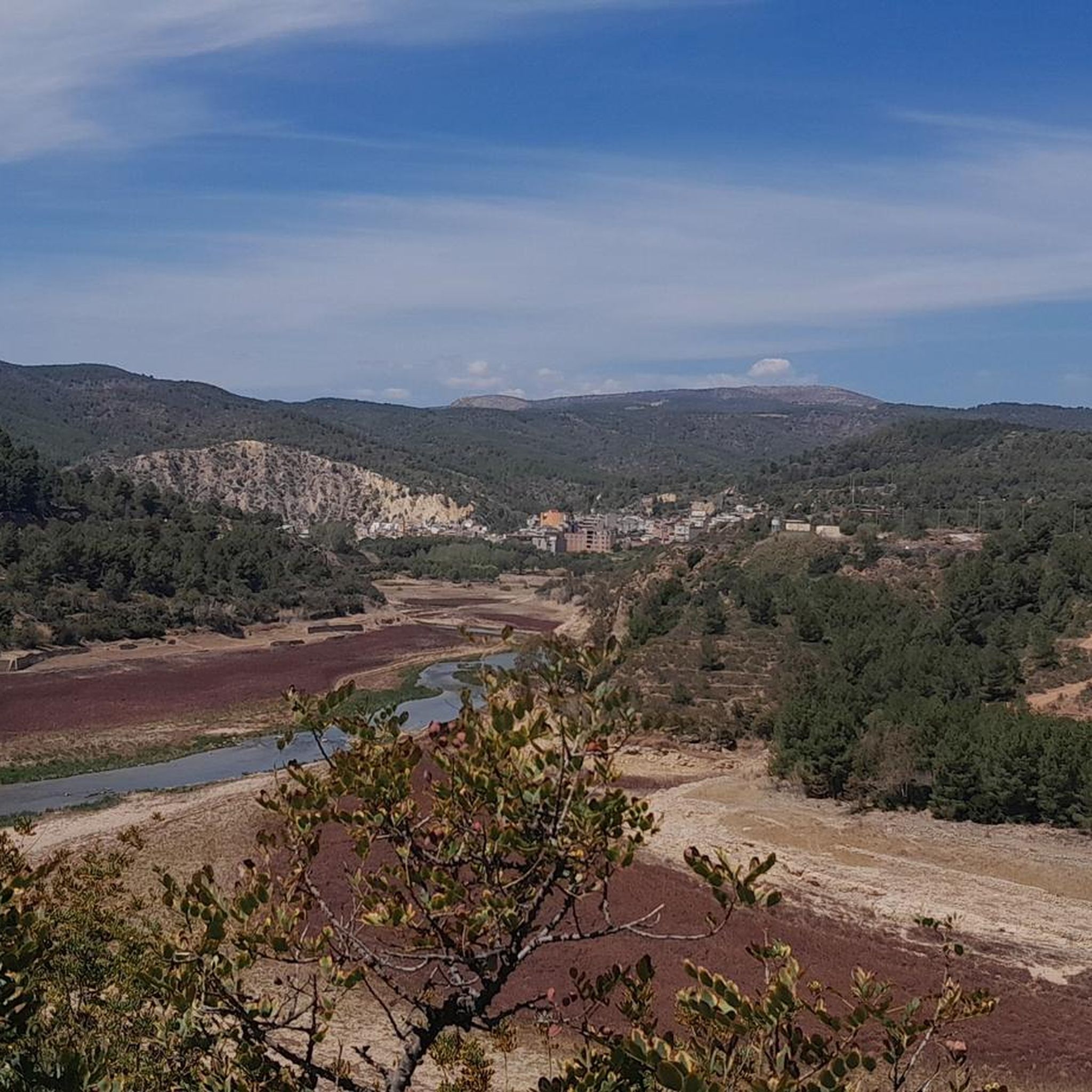
Here is detailed information about Alcalatén Castle (also called Castle of l’Alcalatén or Castle of San Salvador), located in L’Alcora (Castellón): It is located on the slope of Mount San Cristóbal (or San Salvador), about 3km north of L’Alcora, accessible by the CV-190 road towards Lucena del Cid, at an elevation of about 370m above sea level, overlooking the valley and the river of l’Alcora.
1
0

Castle complex/ruins with fantastic views. Unfortunately, dogs are not allowed in, so one always had to stay outside
2
0

After the Reconquista, many castles in the region were modified or rebuilt to adapt to Christian styles and needs.
7
0

The Castro Castle, an Arab fortress with an impressive watchtower at a height of about 780 m, was a fundamental bastion of the Moorish resistance at the time of their expulsion. It was taken by the Duke of Segorbe and General Cavanilles after the Castillo de Aín had also fallen. It was also used in the Carlist Wars. The castle covers an area of about 2,000 m2, where two parts can be distinguished: the "Albacar", a fortified refuge for the inhabitants of the towns dependent on the fortress; and on the other side, the castle itself, which presided surrounded by a large keep that was demolished in 1938 during the Civil War. The views are impressively beautiful.
9
0
Uixó Castle was built by the Arabs in the 10th century. Although it is in a ruined state, you can still clearly see the wall structure that defended it and gives it an imposing appearance. The fortress consisted of two well-differentiated enclosures, of which the first, the Albarca, the large space intended for the parade ground, can be distinguished. In the upper part, which would correspond to the citadel, the bases of some towers, remains of cisterns and remains of some buildings are preserved. https://castillosespanyoles.blogspot.com/2011/05/castillo-de-la-vall-duixo-castellon.html
7
0

This memorial complex has been created by the Alcudia de Veo City Council with the help of the Generalitat Valenciana (Department of Justice) and with the collaboration of various people and associations. The objective is to raise awareness about the devastating effects of war and the importance of conserving and disseminating heritage as a vehicle for transmitting our Historical Memory.
0
0
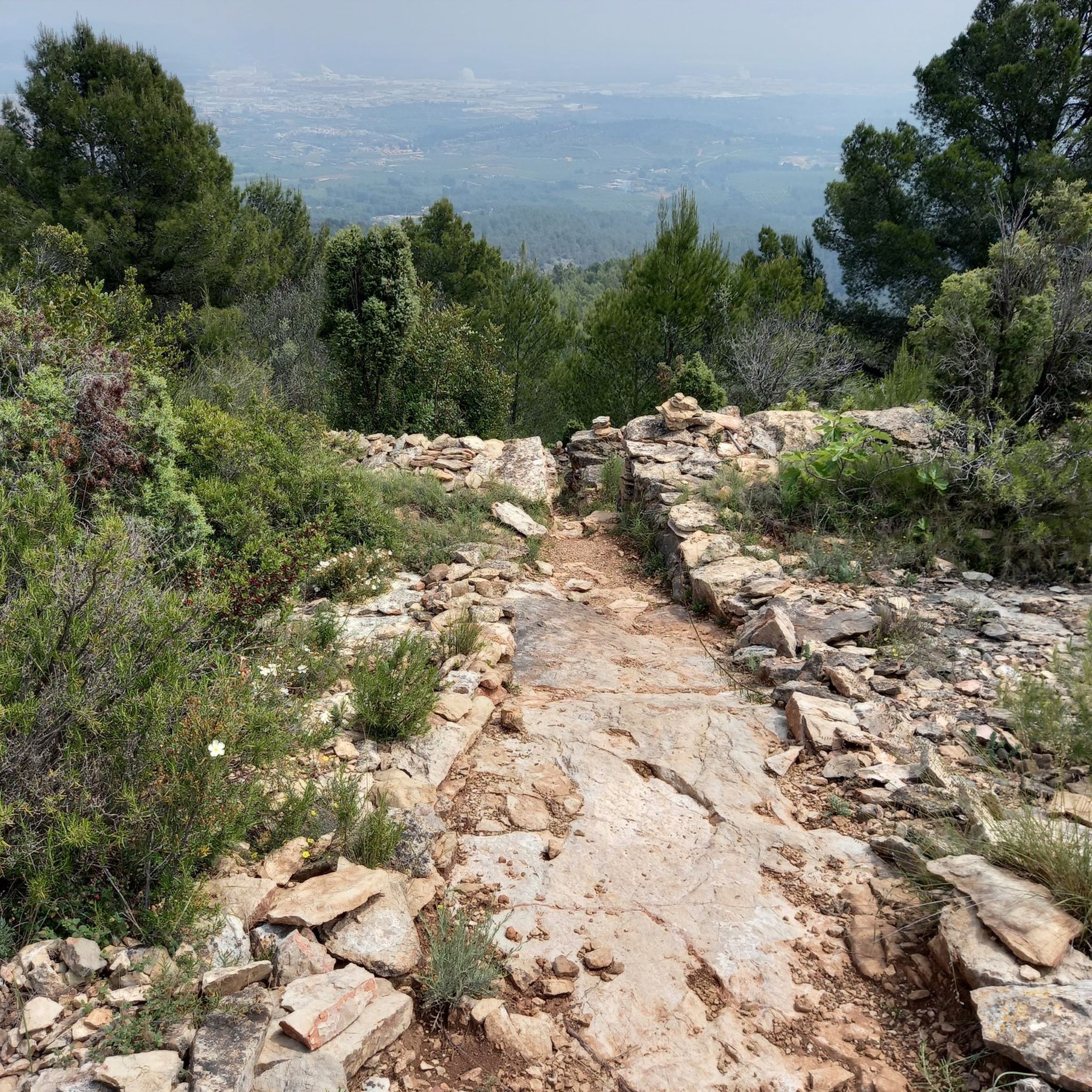
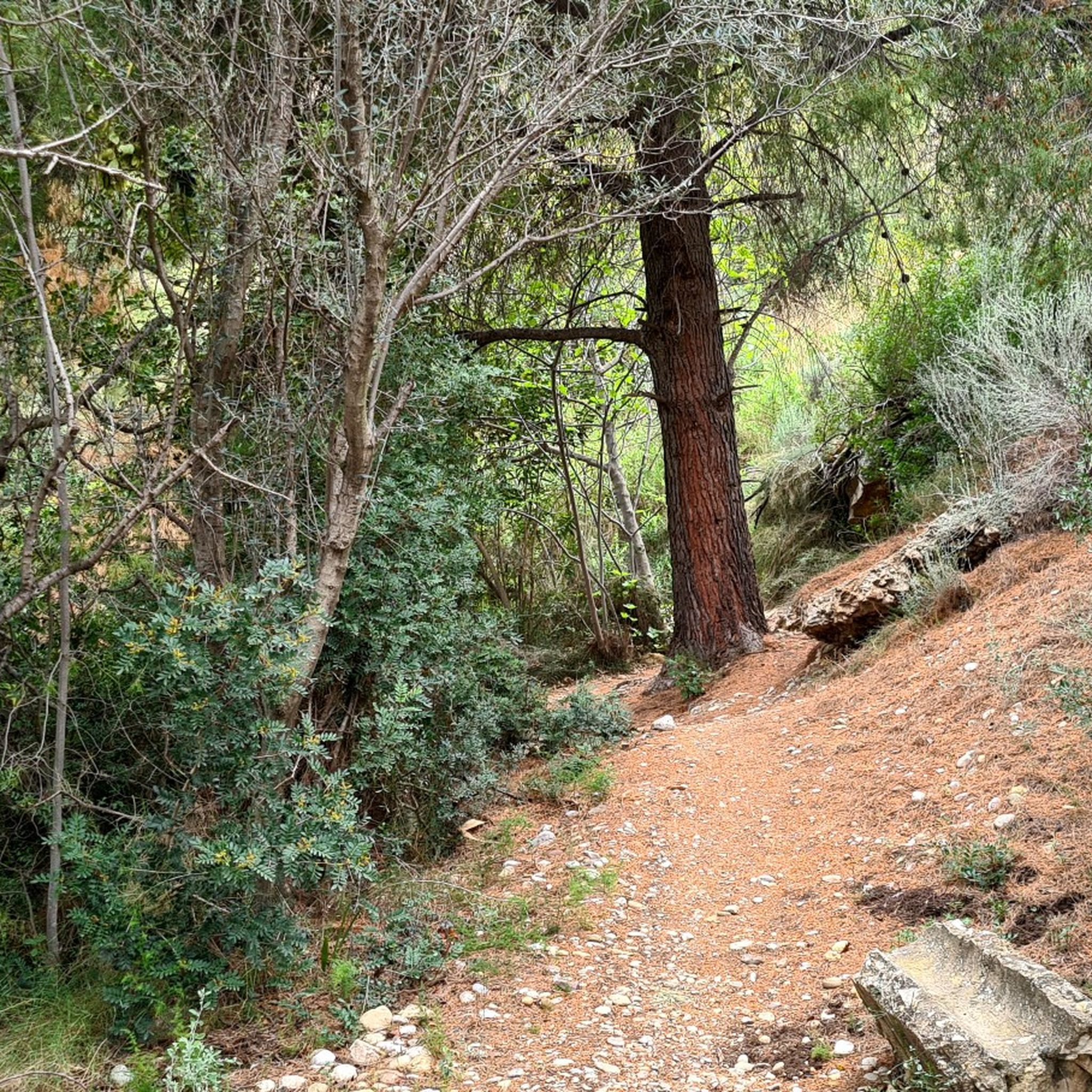
To get here the ideal is to do it from Alcudia de Veo. Taking the CV-215 in the direction of Algimia de Almonacid, at km 1 is the entrance to the Jinquer path. Following this path, you will reach the uninhabited area of Jinquer, where a few meters before the general information panel where the route begins is located. Once here, it is advisable to start the itinerary from the Jinquer desert, then take the path that passes next to Puntal del Gordo and end on the heights of Almenarilla, in the hills known as "Las Dos Tetas". The route passes between pines, holm oaks, cork oaks, poplars, chestnut trees and oaks in the heart of the Sierra de Espadán Natural Park, and allows you to enjoy privileged views over the coastal plain. In addition, it has indications along the way and explanatory panels together with some vestiges.
0
0
Frequently Asked Questions
What is the historical significance of Onda Castle?
Onda Castle is a site of immense historical importance, with foundations dating back to a 10th-century Muslim structure built upon an even older Roman settlement. It was known as the 'castle of 300 towers' due to its vast size and numerous turrets. The castle played a crucial strategic role between the La Plana plain and the Sierra de Espadán mountain range, witnessing various historical events including its capture by King Jaime I the Conqueror in 1238 and its occupation by Napoleonic troops. Today, it houses a museum showcasing archaeological finds and unique Muslim plasterwork.
Are there other historically significant castles to visit near Onda?
Yes, beyond Onda Castle, you can explore several other historically significant sites. Castro Castle, an Arab fortress with an impressive watchtower, was a fundamental bastion of Moorish resistance and offers panoramic views. The Alcalatén Castle is a medieval Almohad fortress from the 12th century, strategically built on a rock with beautiful views of l'Alcora. Also, the Castle of La Vall d'Uixó, though in ruins, still shows its imposing 10th-century Arab wall structure.
What kind of views can I expect from the castles around Onda?
Many castles in the Onda region offer spectacular panoramic views due to their strategic, elevated locations. For instance, Castro Castle provides incredible vistas of the surrounding mountains. Onda Castle, perched between the La Plana plain and the Sierra de Espadán, also offers excellent panoramic views of the landscape. Similarly, Alcalatén Castle provides beautiful views of the town of l'Alcora and the river.
What outdoor activities can I do near these castles?
The region around Onda offers a variety of outdoor activities, especially hiking and cycling. You can find numerous routes that pass by or near these historical sites. For hiking, explore options like the 'Santa Bàrbara Hermitage and Montí Menor Trail' or the 'PR-CV 360.1: Onda - The Pyramids - Onda Trail'. For cycling, popular routes include the 'Sitjar Reservoir Loop from Onda' or the 'Natural Park of Serra d'Espada — Circular from Onda'. You can find more details on these and other routes in the hiking guide and cycling guide for Onda.
Are there family-friendly options for visiting castles in the Onda area?
While specific 'family-friendly' designations are not always available for ancient ruins, Onda Castle is generally accessible and has a museum, which can be engaging for children interested in history. Its extensive grounds allow for exploration. For other castles, consider the terrain and accessibility for younger visitors, as some are ruins on elevated, rugged paths.
What is the best time of year to visit the castles around Onda?
The best time to visit the castles around Onda is typically during the spring (April-May) and autumn (September-October) months. During these seasons, the weather is generally mild and pleasant, making it ideal for exploring outdoor historical sites and enjoying the panoramic views without the intense heat of summer or the cooler, sometimes wetter, conditions of winter. Always check local weather forecasts before your visit.
Can I find information about the ancient civilizations that inhabited Onda Castle?
Yes, Onda Castle provides significant insights into the diverse civilizations that have occupied the area. Its foundations show layers from a 10th-century Muslim structure built upon an older Roman settlement, with vestiges of Iberian and Roman cultures also found. The castle currently houses a museum with a permanent exhibition of archaeological finds, including a rare collection of Muslim plasterwork from an early 13th-century palatial house, guiding visitors through the town's rich past.
Are there any abandoned or ruined castles near Onda that are interesting to explore?
Yes, the region has several fascinating ruined sites. The Jinquer site features the ruins of an old castle and town of Arab origin. This hamlet was evacuated during the Spanish Civil War and subsequently abandoned, remaining frozen in time. It's located within the Sierra de Espadán Natural Park and can be explored on foot or by mountain bike, offering a glimpse into a bygone era.
What is the 'castle of 300 towers' and where is it located?
The 'castle of 300 towers' is a historical nickname for Onda Castle. This metaphor refers to its impressive size and numerous turrets during its peak, with some historical accounts suggesting it had 'as many towers as there are days in the year.' It is located in the town of Onda itself, in the province of Castellón, Spain.
What makes the castles around Onda unique compared to other regions?
The castles around Onda are unique due to their deep historical layering, primarily showcasing significant Muslim and Almohad influences built upon even older Roman and Iberian foundations. Their strategic placement between the La Plana plain and the Sierra de Espadán mountain range made them crucial strongholds throughout history. Sites like Onda Castle, with its '300 towers' moniker and rare Muslim plasterwork museum, offer a distinct blend of cultural heritage and architectural evolution not commonly found elsewhere.
Are there any specific hiking trails that incorporate castle visits near Onda?
Yes, you can combine hiking with castle visits. For example, the 'Fuente de Castro – Onda Castle loop from Onda' is a challenging cycling route that passes by Onda Castle. While not exclusively hiking, many of the cycling routes can be adapted for walking or will lead you to trailheads near the castles. The hiking guide for Onda provides various routes, some of which offer views or access to historical sites.
What is the general condition of the castles in the Onda area?
The condition of the castles varies. Onda Castle is well-preserved and has undergone extensive restoration, featuring a museum and accessible areas. Other castles, like Castle of La Vall d'Uixó and Castro Castle, are primarily in a ruined state but still retain significant architectural elements like wall structures and watchtowers, offering an evocative glimpse into their past. The ruins of Jinquer are an example of an abandoned site, frozen in time.
Most popular attractions around Onda

Get inspired with the komoot mobile app


Explore more
Looking for the best castles somewhere else? Discover other guides around Onda:
