Attractions and Places To See around Palma Del Río - Top 20
Attractions and places to see around Palma Del Río include a rich tapestry of historical landmarks, cultural sites, and natural beauty. Situated at the confluence of the Genil and Guadalquivir rivers, the town is known for its fertile lowlands and extensive orange groves. This region offers picturesque landscapes and a deep agricultural heritage, alongside significant architectural and historical sites.
Best attractions and places to see around Palma Del Río
- The most popular attractions is Canal de los Presos del Bajo…
Last updated: July 7, 2026
Canal de los Presos del Bajo Guadalquivir
Highlight • Structure
Translated by Google •
Tip by

Hotel Monasterio de San Francisco
Highlight • Historical Site
Translated by Google •
Tip by
Sign up now to discover places like this
Get recommendations on the best single tracks, peaks, & plenty of other exciting outdoor places.
Sign up for free
Peñaflor Reservoir - Guadalquivir River
Highlight • River
Translated by Google •
Tip by
The Santa Lucía valley
Highlight • Natural
Translated by Google •
Tip by
Bembézar Dam
Highlight • Lake
Translated by Google •
Tip by

Sign up for free to discover even more attractions around Palma Del Río.
Sign up for free
Already have an account?
Start today with a free account
Your next adventure awaits.
Login or Signup


Tips from the Community

As a good pharaonic work, the builders decided to place a memorial obelisk with various images at the foot as a tribute to agricultural workers.
4
0

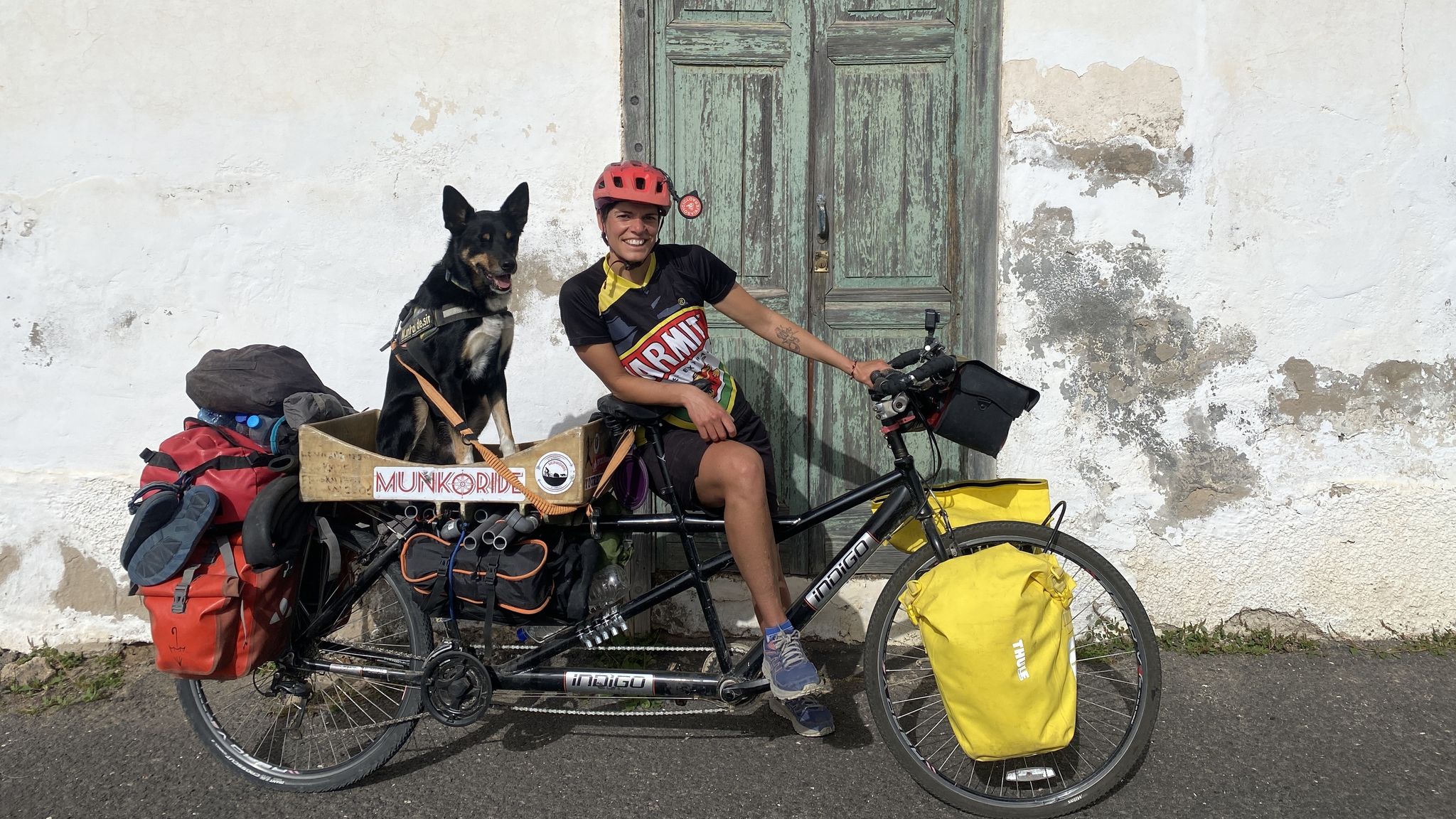
I always enjoy coming here on my road bike when traveling through Andalusia. The hotel is truly beautiful. And now there's even a bike station here.
0
0

The Convento de San Francisco was founded around 1492, during the time of the Catholic Monarchs, when Palma del Río was an important commercial and cultural centre. It was an important place for the Franciscans, who carried out their religious and social activities here. Over the centuries, the monastery underwent various changes and restorations. The monastery church is in the Gothic-Mudejar style, an architectural mix of Christian and Islamic elements. The delicate arches and the elaborate vaulted ceilings are notable. Some of the chapels in the monastery are decorated with impressive frescoes and paintings from the Renaissance and Baroque periods. The monastery is no longer used exclusively for religious purposes.
4
0

Great Hotel and Restarant with very cool bike storage and wash station!
0
0
The Canal de los Presos del Bajo Guadalquivir, also known as the Canal del Bajo Guadalquivir, is an important irrigation canal in the provinces of Seville and Cádiz. The canal was built between 1940 and 1962 and has a length of 158 kilometres. It starts at the Embalse de Peñaflor and ends at the Embalse de Don Melendo in Lebrija. The construction of the canal was carried out by thousands of political prisoners who were deployed in the Servicio de Colonias Penitenciarias Militarizadas during the dictatorship of Francisco Franco. The canal was originally intended to irrigate an area of 56,000 hectares, but today it covers an area of 80,000 hectares. The canal plays a crucial role in the agriculture of the region by providing irrigation to the fertile lands along the Guadalquivir. It is an important example of the infrastructure built during the Francoist period and has deep historical significance due to the working conditions of the prisoners who built it.
8
1
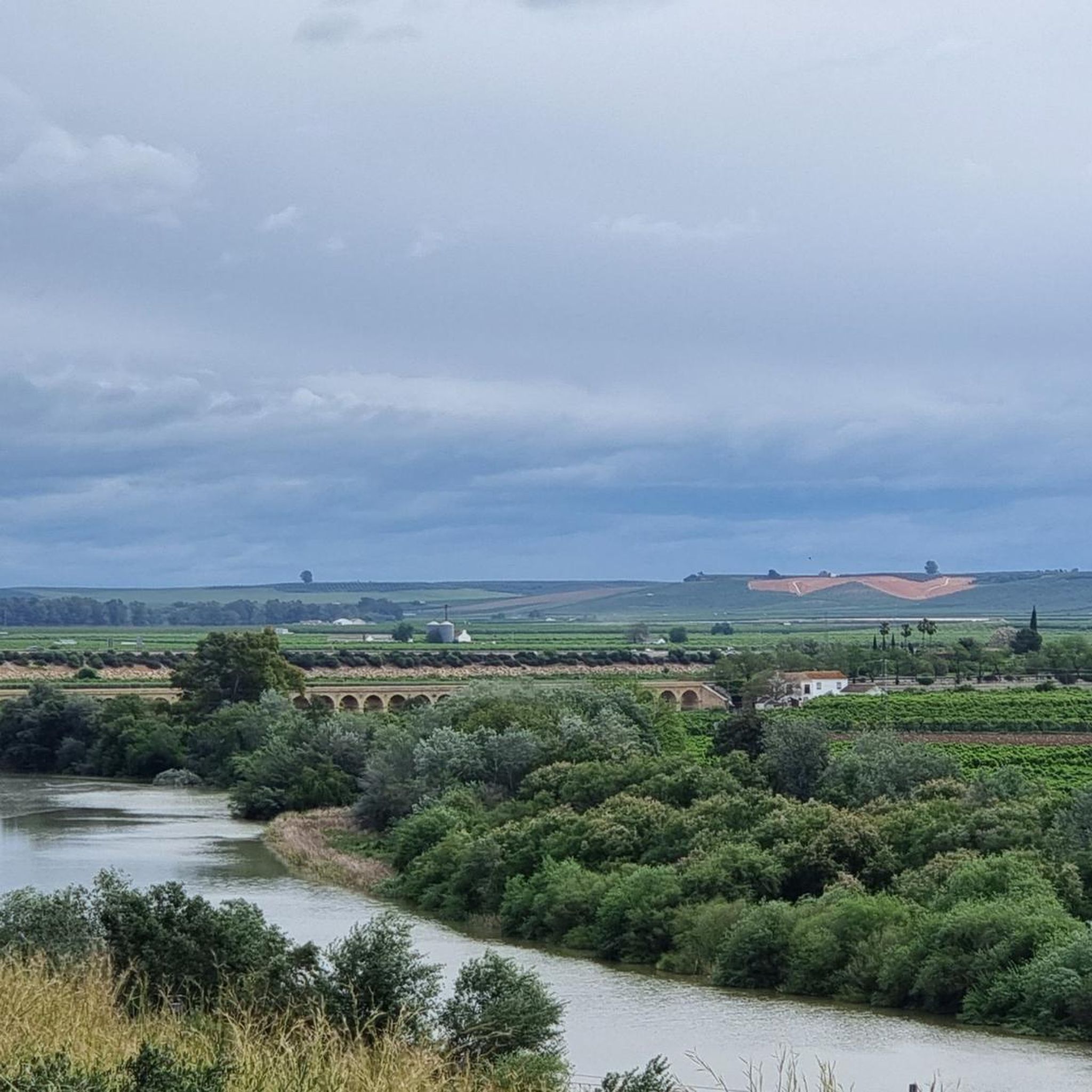
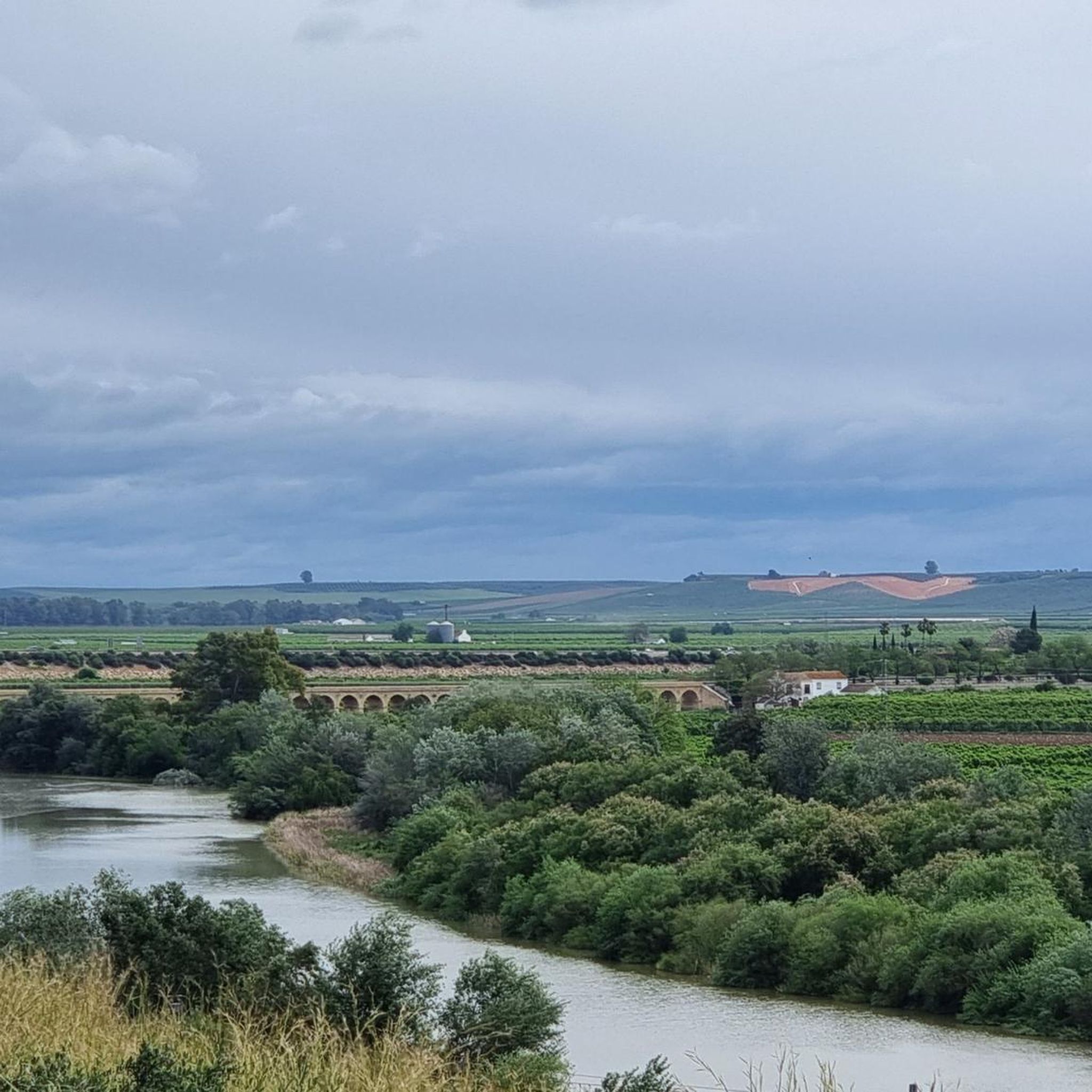
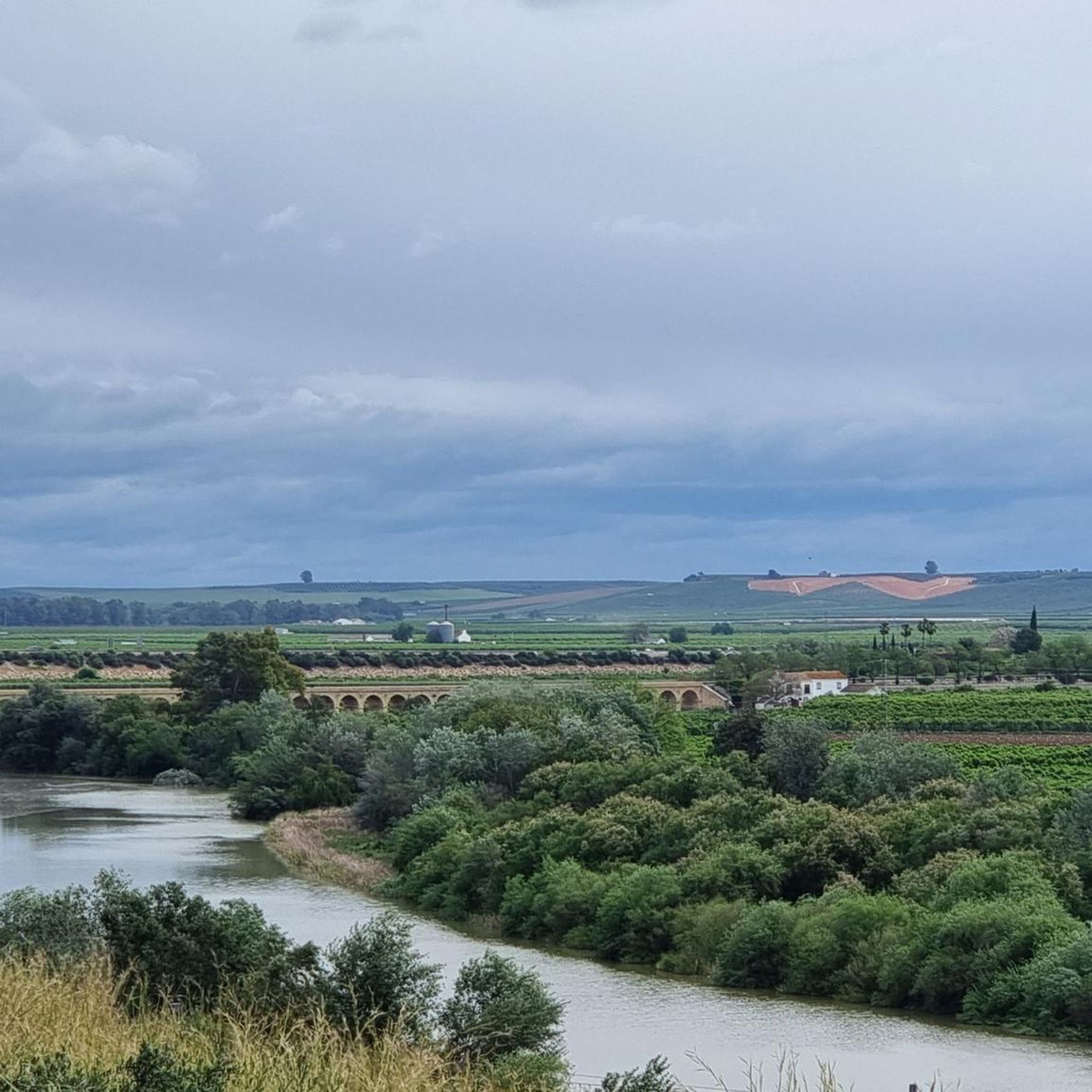
The Vega de Santa Lucía is a beautiful valley in the area surrounding Palma del Río. This valley is especially known for its orange groves, which cover the entire area and offer a beautiful view, especially in spring and summer when the blossoms are in bloom.
8
0
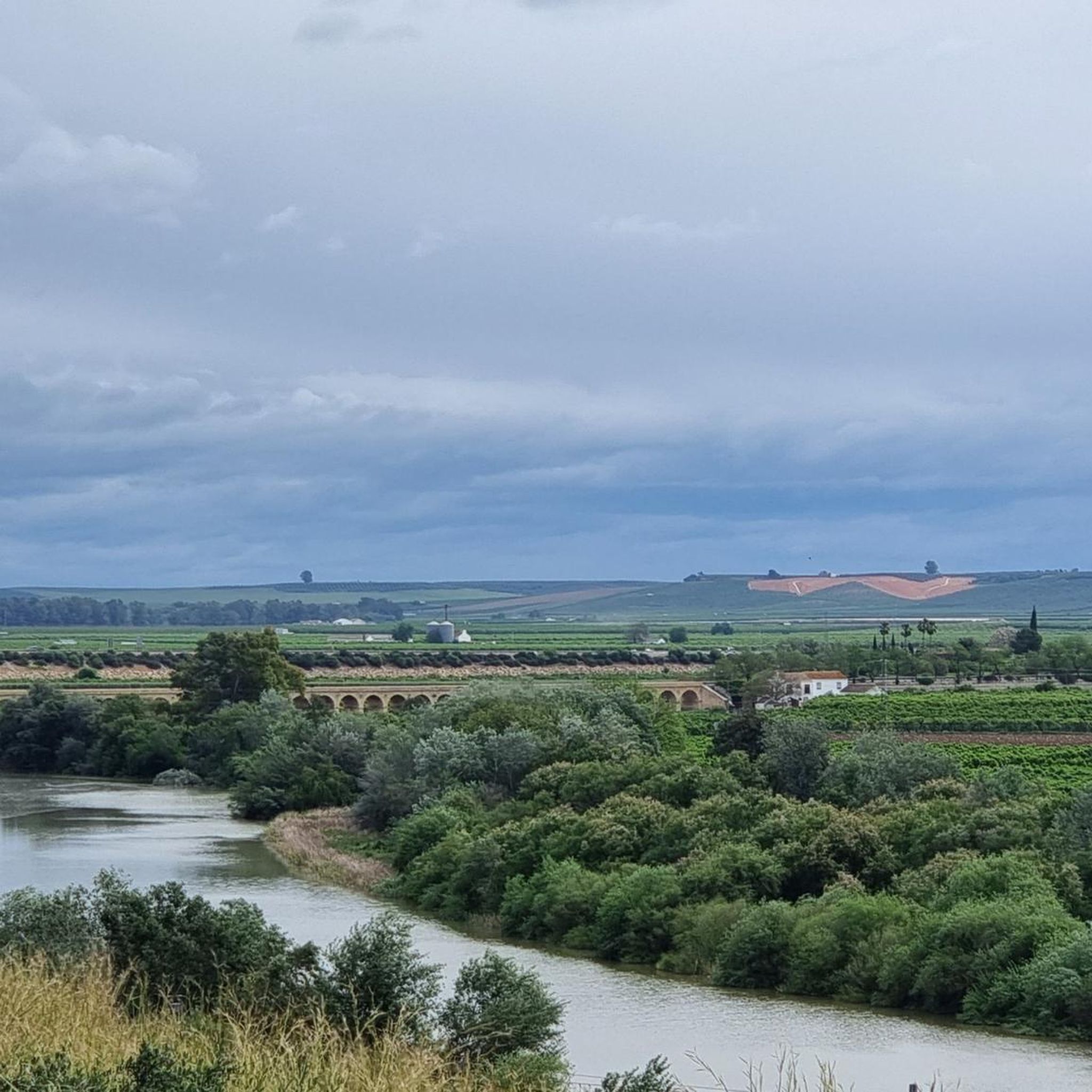
The Embalse de Peñaflor is a water storage facility located in the province of Seville. The reservoir was built in 1983 on the Guadalquivir River and has a capacity of 3 million cubic meters of water. It is an important source of water for irrigation, which is essential for agriculture in the region. The Embalse de Peñaflor dam is a so-called grave dam with a height of 19.7 meters and a length of 236 meters.
9
0
The Convento de San Francisco in Palma del Río is a historic monastery founded in the 15th century. It was originally built on the site of an old hermitage and was later expanded to serve as a hospital and infirmary for Franciscan friars. The monastery has a rich history and is now an important cultural heritage site in the region. The monastery is also known for a fresco depicting Fray Junípero Serra with an orange, a melon, a sandal and a lamb, symbols he brought back to America.
9
0
Frequently Asked Questions
What natural features can I explore around Palma Del Río?
Palma Del Río is uniquely situated at the confluence of the Genil and Guadalquivir rivers, offering picturesque landscapes. You can explore the vast orange groves in The Santa Lucía valley, which are particularly beautiful when the blossoms are in bloom. The region also features important water bodies like the Bembézar Dam and the Peñaflor Reservoir - Guadalquivir River, which are significant for irrigation and offer opportunities for bird watching.
What historical sites can I visit in Palma Del Río?
The town boasts a rich history. The Hotel Monasterio de San Francisco, originally a 15th-century monastery, is a significant cultural heritage site. Other notable historical landmarks include the Palacio Portocarrero with its blend of architectural styles and archaeological remains, the preserved Almohad walls in the historic center, and the Baroque Iglesia de Nuestra Señora de la Asunción.
Are there cultural attractions beyond historical buildings?
Yes, Palma Del Río offers several cultural points of interest. The Municipal Museum, housed in the former stables of the Portocarrero Palace, features collections on art, bullfighting, ethnography, and archaeology. The Convento de Santa Clara now hosts a museum dedicated to local high fashion designers Victorio & Lucchino, and the Coliseum Theatre is another cultural venue in the town.
Are there family-friendly attractions in Palma Del Río?
Many attractions in Palma Del Río are suitable for families. Exploring the orange groves in The Santa Lucía valley can be a pleasant experience for all ages. The Bembézar Dam is also considered family-friendly, offering a chance for bird watching. Additionally, the historic Hotel Monasterio de San Francisco is listed as a family-friendly historical site.
What outdoor activities are available near Palma Del Río?
The region around Palma Del Río is excellent for outdoor enthusiasts. You can find various routes for cycling, hiking, and mountain biking. For example, there are cycling routes like the 'Hornachuelos Old Town – Hornachuelos Viewpoint loop' and hiking trails such as the 'Palma del Río Bridges Route'. You can explore more options on the dedicated guide pages for Cycling around Palma Del Río, Hiking around Palma Del Río, and MTB Trails around Palma Del Río.
Are there hiking trails suitable for different skill levels?
Yes, there are hiking trails catering to various difficulties. For easy walks, consider the 'Carolinas Fountains Trail' or a general 'Hiking loop from Palma del Río'. More moderate options include the 'Palma del Río Bridges Route' and the 'Iron Bridge – Ermita de Belén loop'. You can find detailed information and more routes on the Hiking around Palma Del Río guide page.
Can I go cycling around Palma Del Río?
Absolutely! Palma Del Río offers several cycling routes. You can find easy loops like the 'Hospital de San Sebastian – Plaza Mayor de Andalucía loop' or more moderate challenges such as the 'Hornachuelos Dam loop'. For a comprehensive list of routes and their difficulties, visit the Cycling around Palma Del Río guide page.
When is the best time to visit Palma Del Río for outdoor activities?
The region's climate makes spring and autumn ideal for outdoor activities. In spring, the orange groves in the Vega de Santa Lucía are in bloom, filling the air with a pleasant scent. The weather is generally milder and more comfortable for hiking, cycling, and exploring historical sites without the intense heat of summer.
Where can I find scenic viewpoints in the area?
For scenic views, head to the Hermitage of Nuestra Señora de Belén, perched on a small hill at the village entrance, offering excellent panoramas. The confluence of the Genil and Guadalquivir rivers also provides picturesque landscapes. Additionally, The Santa Lucía valley is known for its beautiful views, especially over the extensive orange groves.
What is the significance of the Canal de los Presos del Bajo Guadalquivir?
The Canal de los Presos del Bajo Guadalquivir is an important irrigation canal built between 1940 and 1962. It plays a crucial role in the region's agriculture by providing water to fertile lands along the Guadalquivir. It also holds deep historical significance as it was constructed by thousands of political prisoners during the dictatorship of Francisco Franco.
Are there any unique architectural landmarks in Palma Del Río?
Yes, the Puente de hierro (Iron Bridge) from 1885 is an architectural symbol that crosses the Guadalquivir river, connecting the city with the railway station and the Hermitage of Belén. The Palacio Portocarrero also stands out with its unique blend of Mudejar gardens and Almohad-type walls, showcasing diverse architectural styles.
What are the main rivers in Palma Del Río?
Palma Del Río is uniquely located at the confluence of two significant rivers: the Genil and the Guadalquivir. This strategic position contributes to the region's fertile lowlands and abundant orchards, making the riverbanks and surrounding areas important natural features.
Most popular attractions around Palma Del Río

Get inspired with the komoot mobile app


Explore more
Still not found the Highlight you’re looking for? See guides of the top attractions in other regions:
