Attractions and Places To See around Montoro - Top 20
Best attractions and places to see around Montoro, a town in the province of Córdoba, Andalusia, is situated on a meander of the Guadalquivir River. Declared a Historic-Artistic Site in 1969, its architecture features reddish molinaza stone and labyrinthine streets. The region is characterized by its natural beauty, including the Sierra de Cardeña y Montoro Natural Park and extensive olive groves. This area offers a blend of historical landmarks, cultural sites, and natural landscapes for exploration.
Best attractions and places to see around Montoro
- The most popular attractions is Plaza de la Constitución de Cardeña, a settlement that serves as the central square of Cardeña. It is located within the Sierra de Cardeña y Montoro Natural Park and offers local gastronomy.
- Another must-see spot is Villafranca Iron Bridge, a metal bridge. This late 19th-century structure crosses the Guadalquivir River and is notable for its riveted iron design.
- Visitors also love Fountain in Montoro, a man-made monument. It is located in a municipality with a rich Iberian, Greek, Roman, and Muslim past, offering views of the Guadalquivir River.
- Montoro is known for its historical landmarks, cultural sites, and natural attractions. Visitors can explore ancient bridges, historic town squares, and protected natural areas.
- The attractions around Montoro are appreciated by the komoot community, with more than 20 upvotes and 10 photos shared by visitors.
Last updated: July 12, 2026
Plaza de la Constitución de Cardeña
Highlight • Settlement
Translated by Google •
Tip by

Villafranca Iron Bridge
Highlight • Bridge
Translated by Google •
Tip by

Sign up now to discover places like this
Get recommendations on the best single tracks, peaks, & plenty of other exciting outdoor places.
Sign up for free
Polar Viewpoint – Aldea del Cerezo
Highlight • Viewpoint
Translated by Google •
Tip by
Fountain in Montoro
Highlight • Monument
The first is part of the Sierra de Cardeña y Montoro Natural Park, and in it we can find vegetation of holm oaks, wild olive trees, stone and maritime pines and a population of melojo oak, rare in Andalusia. It is also an area of great fauna, hunting and livestock value. The second, which surrounds the town, is the axis of the landscape, life and history of the town; Due to the beauty of the meander, it is also known as the Andalusian Toledo. The third, populated by olive trees, places us in a truly Cordoba environment.
The town, with an Iberian, Greek, Roman, and Muslim past, is located on a small elevation that dominates the course of the river that divides it into two neighborhoods, offering an unmistakable image.
Declared a Historic-Artistic Site in 1969, it brings together a multitude of attractions and tourist attractions to visit, such as the bridge over the river, the Church of San Bartolomé, the Casa de las Tercias, its steep streets of white houses, or the Torre de Villaverde. Its Holy Week, declared of Tourist Interest, reaches its greatest splendor on the afternoon of Holy Thursday with the presence of the Roman Empire. It is one of the towns included in the Baético Romana Route.
Translated by Google •
Tip by

Colada del Cerezo to Venta del Charco
Highlight • Trail
Showing Translation
Tip by

Sign up for free to discover even more attractions around Montoro.
Sign up for free
Already have an account?
Start today with a free account
Your next adventure awaits.
Login or Signup
Popular around Montoro
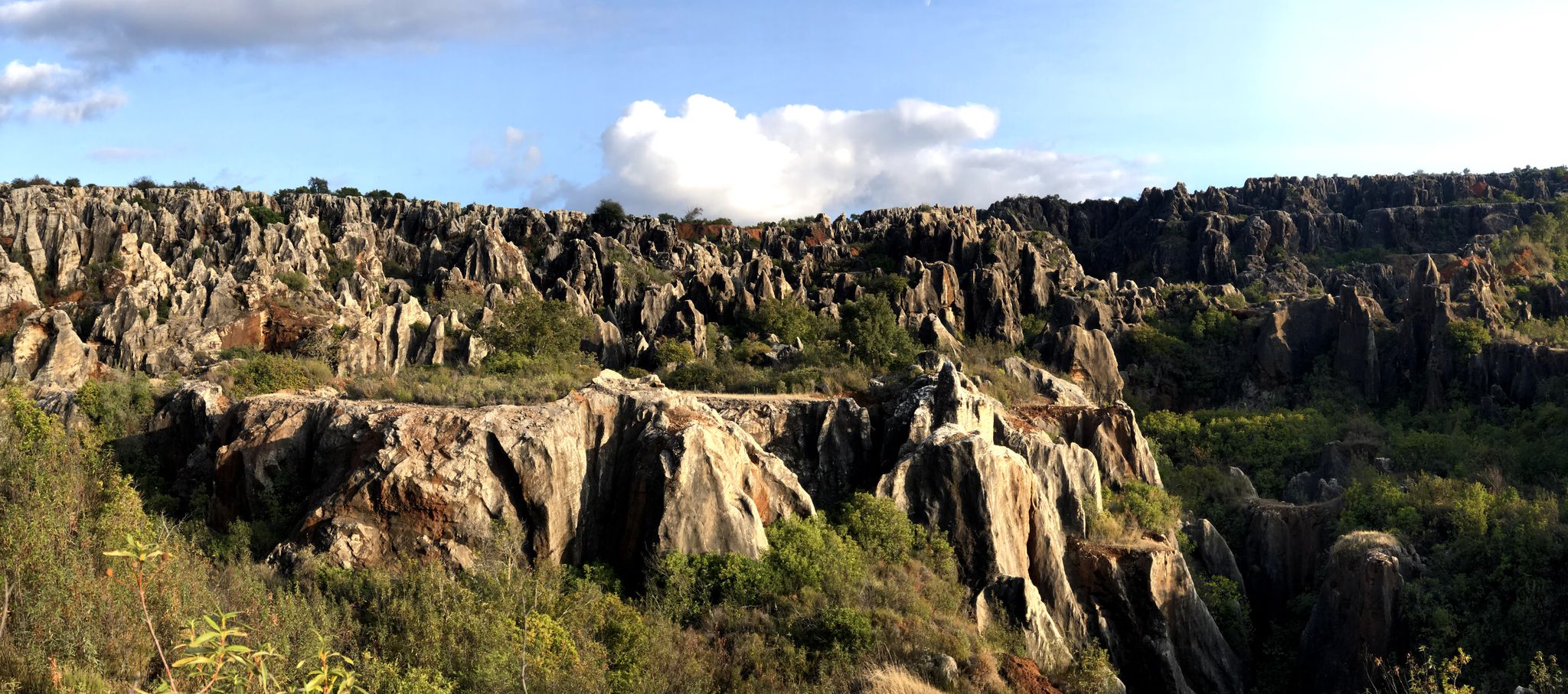
Cycling among the mysterious faults – Sierra Morena (GR 48)
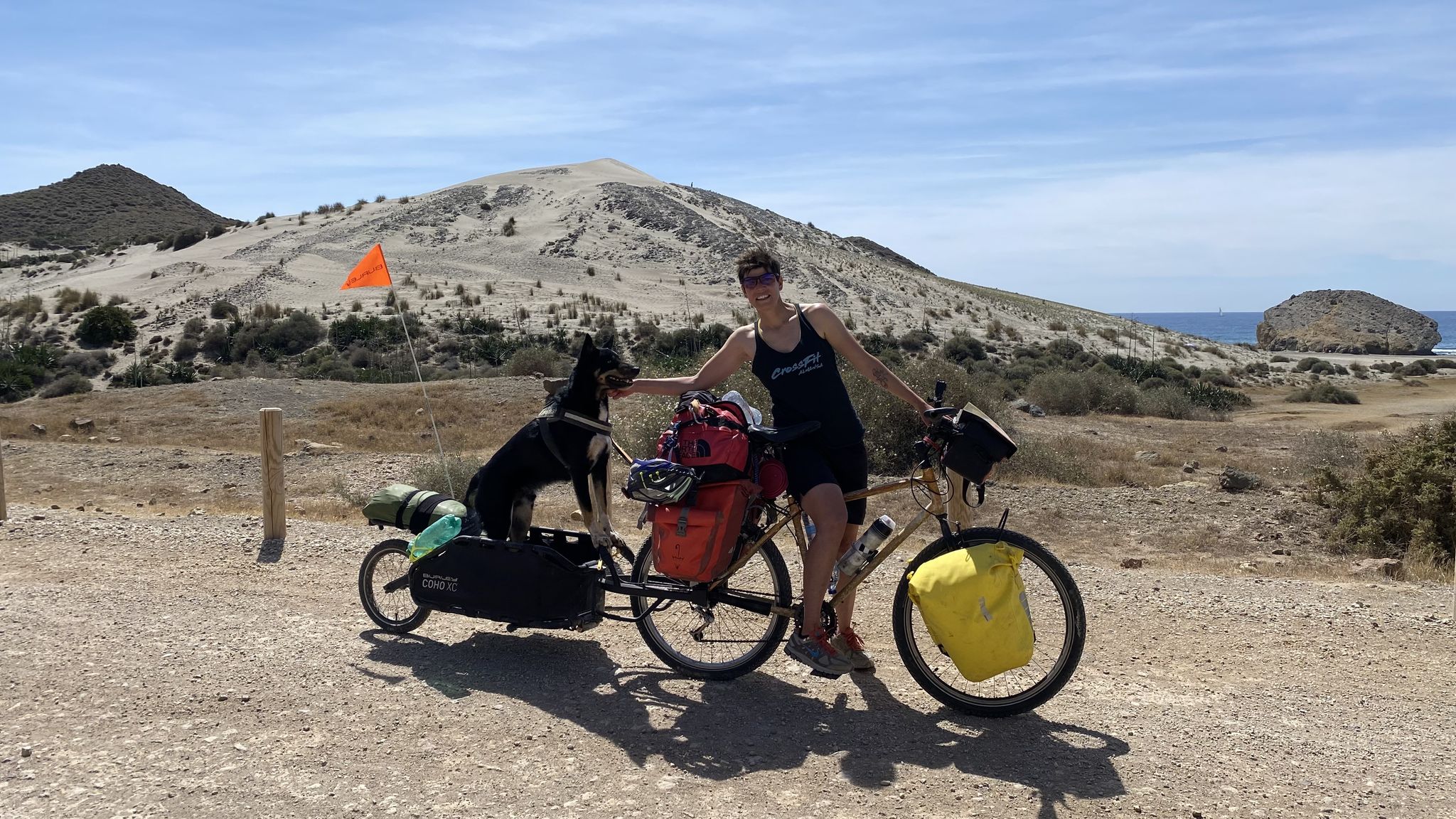
Let’s head south – cycle in Andalusia with me and my dog
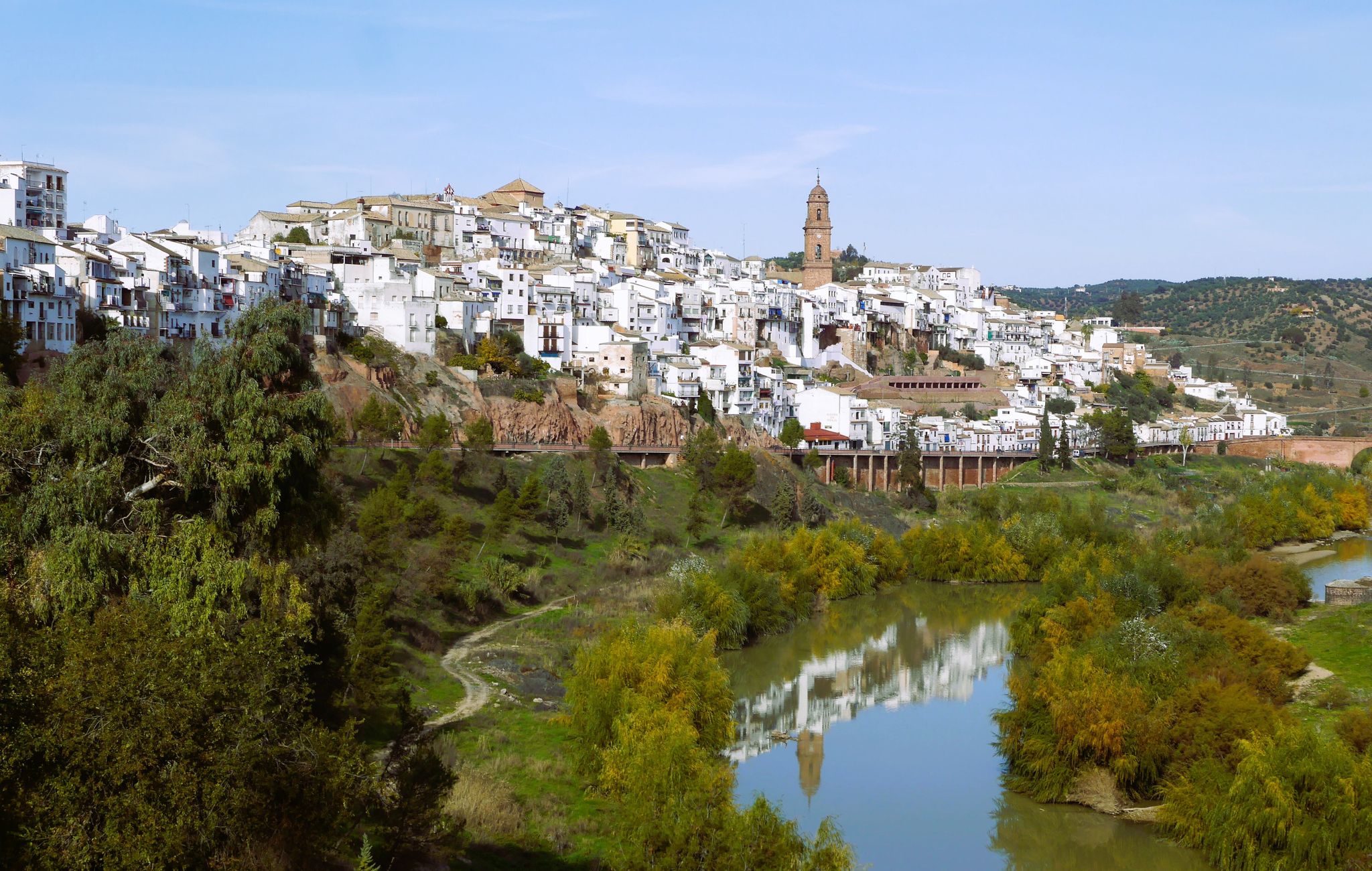
Hike the glorious countryside of Cordoba and Jaen – Sierra Morena (GR 48)
Road Cycling Routes around Montoro
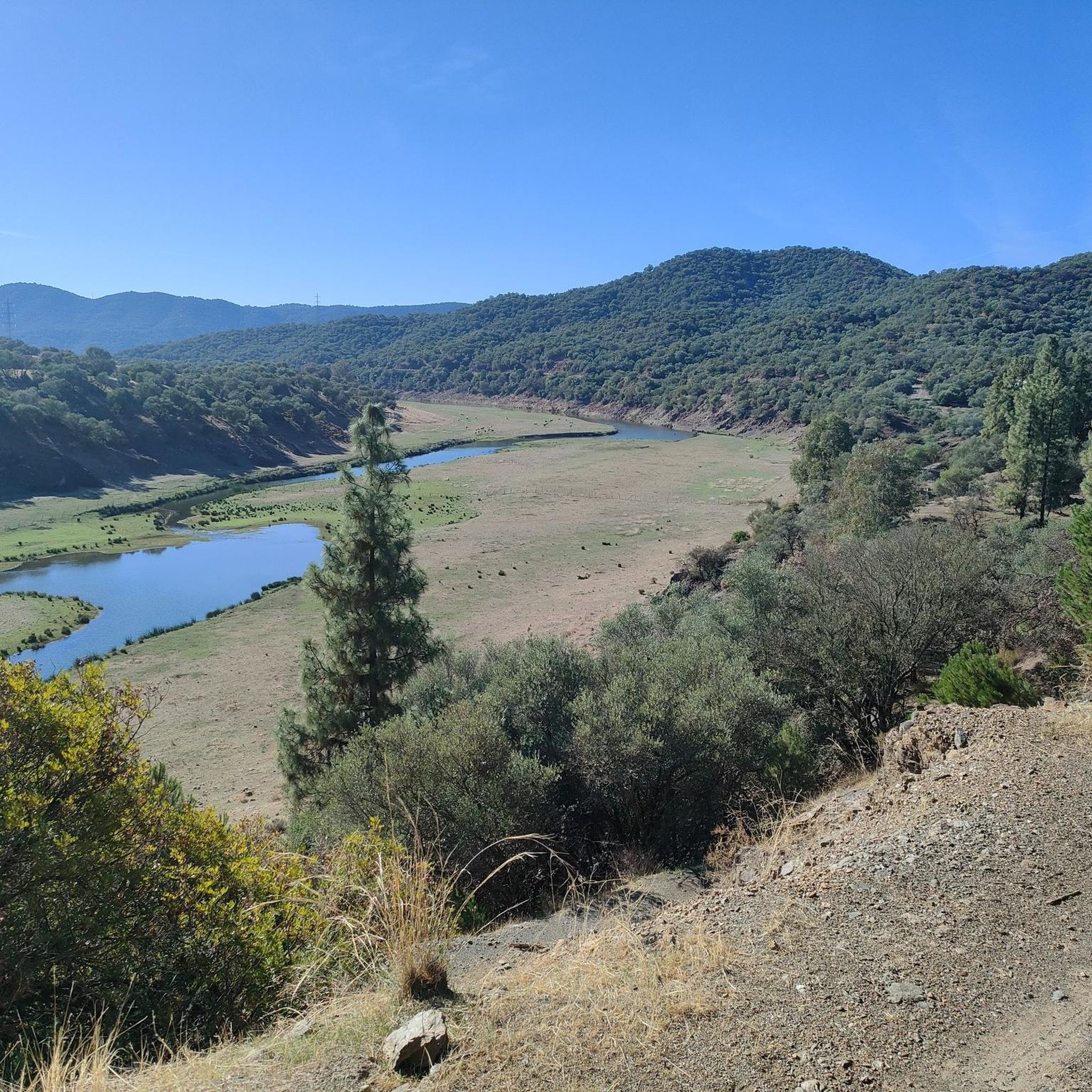
Running Trails around Montoro
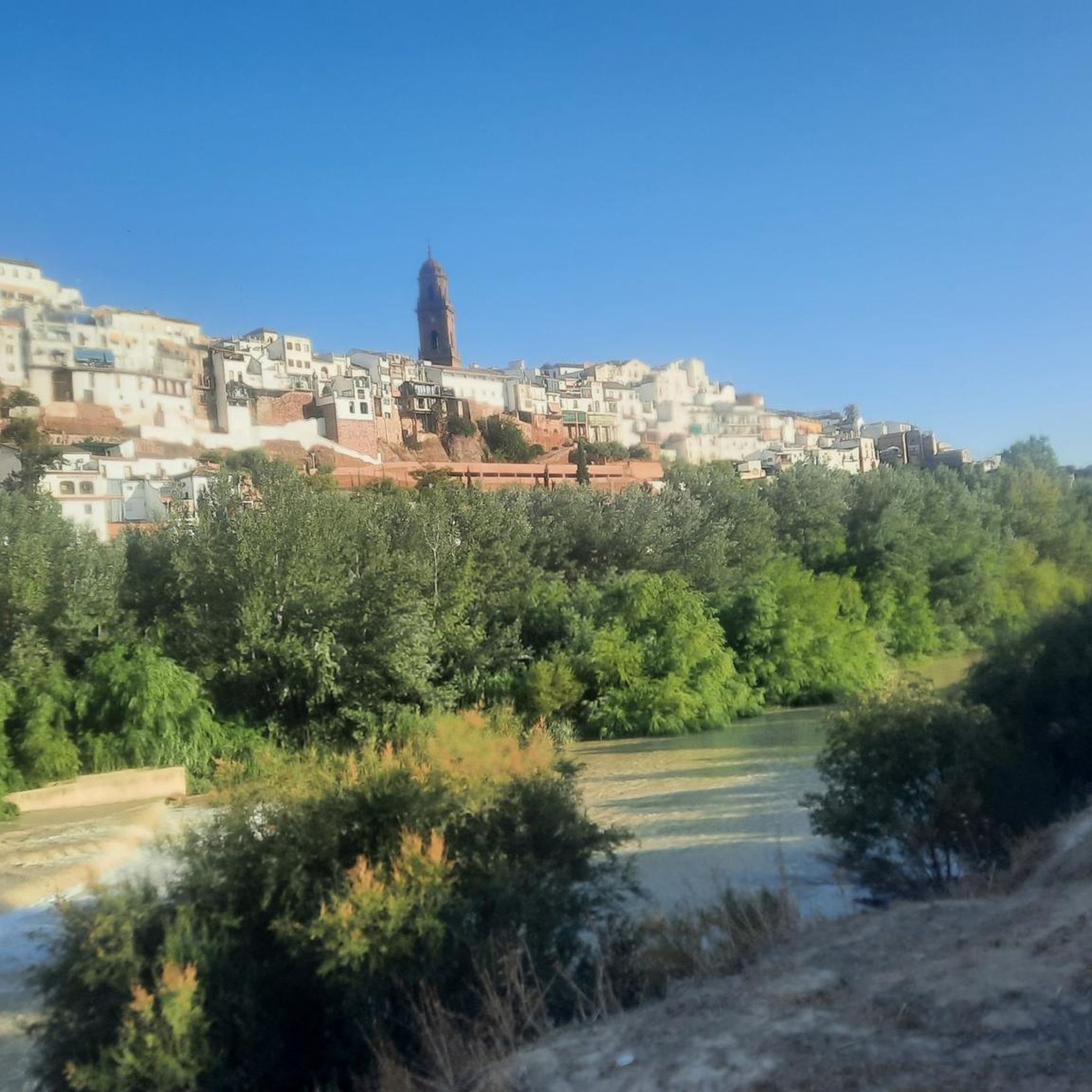
Hiking around Montoro
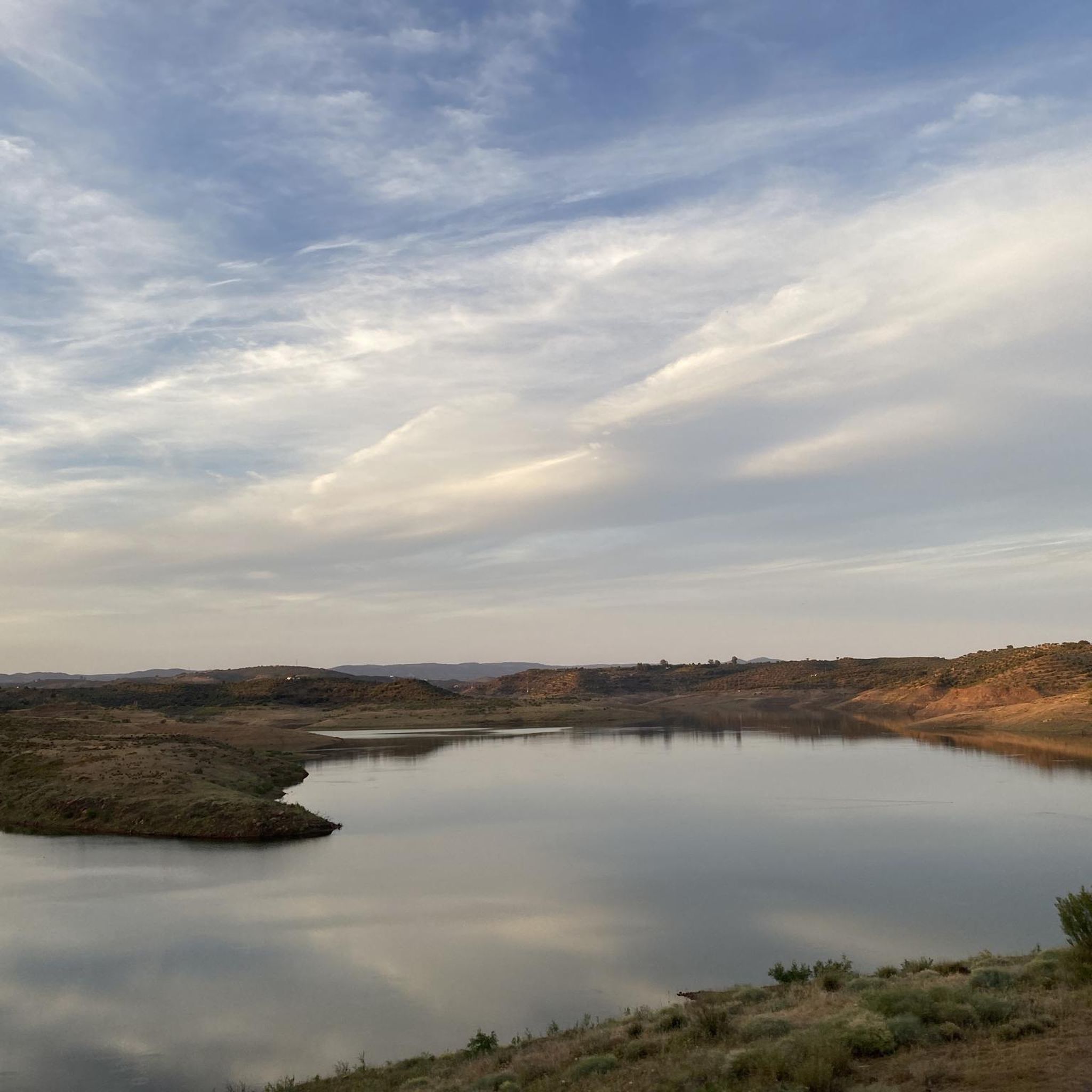
MTB Trails around Montoro
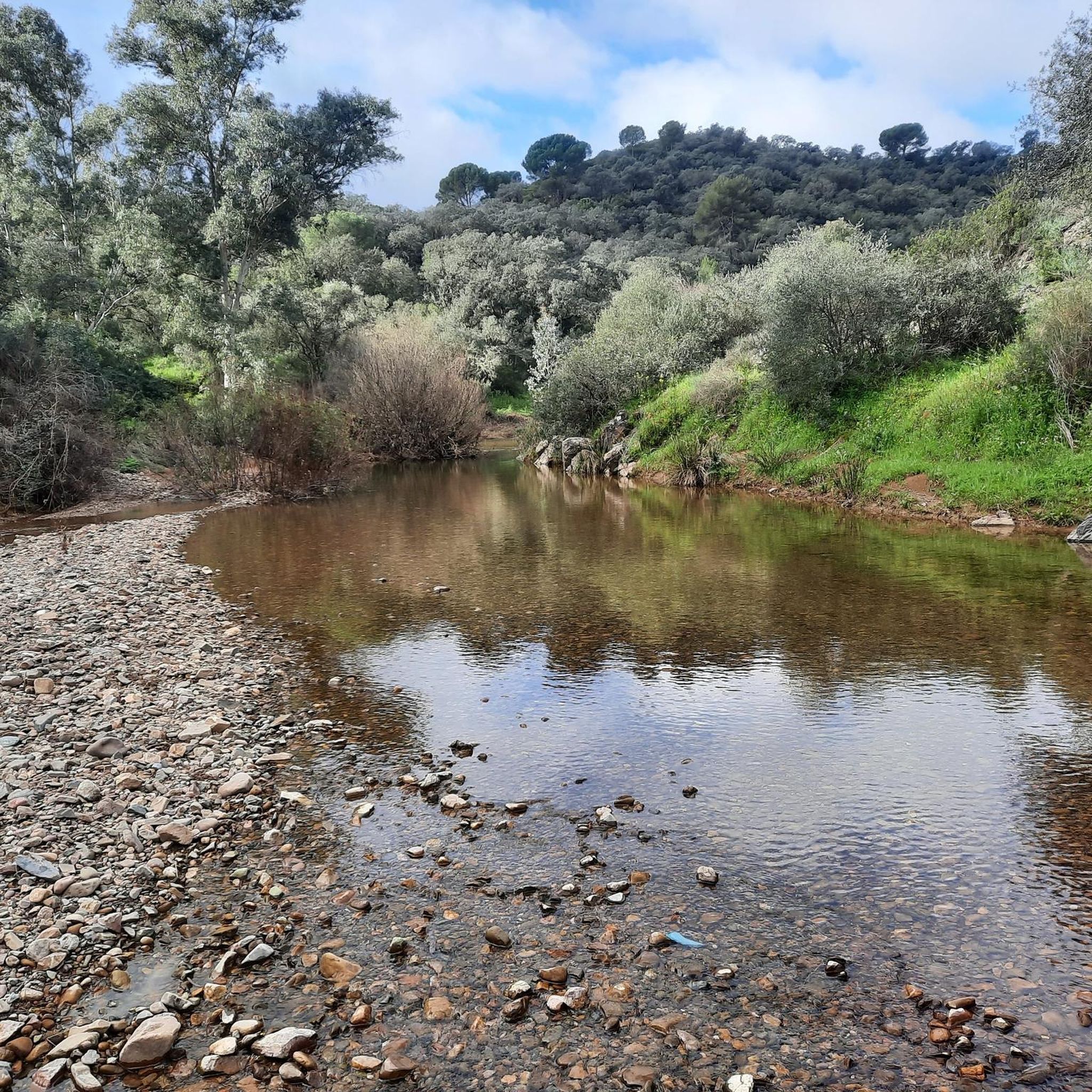
Cycling around Montoro
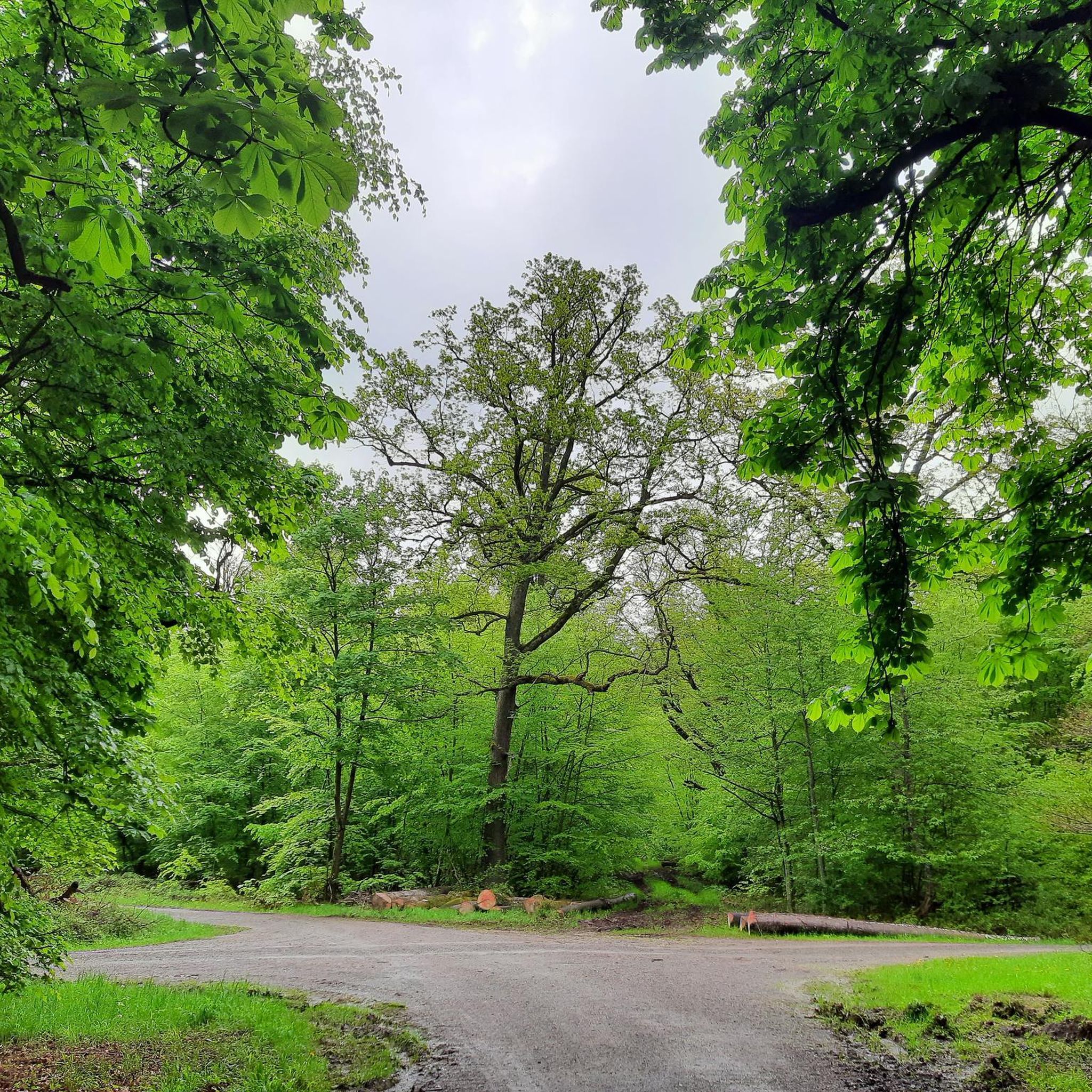
Gravel biking around Montoro
Other adventures around Montoro


Tips from the Community

The unpaved track that connects Venta del Charco with the village of El Cerezo is called "colada", and it is a highly recommended route for cycling due to its comfort, even though sometimes you have to wade across a stream that, depending on the flow, will be more or less difficult to cross.
11
0

A metal bridge crosses the Guadalquivir River on the outskirts of Villafranca de Córdoba. Built in the late 19th century, it is notable for its riveted iron structure, typical of the engineering of that era.
0
0
Cardeña is a town in the north of the province of Córdoba with a population of just over 1,400 inhabitants, at an altitude of 821 meters above sea level. The municipality of this beautiful town includes the small towns of La Venta del Charco and Azuel. The population trend, as in most towns in Spain, has been declining, with a loss of almost 500 inhabitants since 1979. It's worth stopping by its bakeries selling bread and typical local pastries, as well as traditional cured meats, and of course, enjoying a few beers while enjoying its gastronomy.
0
0

Cardeña is a small but historically and naturally important municipality in the region. It is located in the northeast of the province of Córdoba and is part of the Parque Natural Sierra de Cardeña y Montoro, a protected natural area. Cardeña is an ideal place for a break by bike, good food and nature worth seeing. Perfect for a bike tour with a culinary break in picturesque surroundings! The region was sparsely populated for a long time and was strategically used as a border area between Christian and Muslim dominions in the Middle Ages. During the reign of Charles III (1759-1788), Spain encouraged the settlement of remote areas. As a result of this colonization policy, several small villages were created in the Sierra Morena, including Cardeña.
2
0
Aldea del Cerezo, a small, historic settlement in the Parque Natural Sierra de Cardeña y Montoro, offers excellent conditions for exceptional stargazing. The region is part of the Reserva Starlight Sierra Morena, which is known for its exceptionally clear night skies with little light pollution. This award guarantees optimal conditions for nighttime sky observation. The secluded location of Aldea del Cerezo, far from major cities, minimizes light pollution and allows an unobstructed view of the firmament. The surrounding landscape with its rolling hills and open spaces offers ideal vantage points for astronomy enthusiasts. In the area around Aldea del Cerezo, one can not only explore the impressive architecture and history of the settlement, but also take the opportunity to admire the clear night skies and observe the stars in an incomparable setting.
2
0

Municipality located to the east of the province of Córdoba, on the border with Jaén. Most of it is located in the foothills of Sierra Morena, making the Guadalquivir River the border with the countryside. Therefore, the mountains, the river and the countryside are the three elements that determine the landscape. The first is part of the Sierra de Cardeña y Montoro Natural Park, and in it we can find vegetation of holm oaks, wild olive trees, stone and maritime pines and a population of melojo oak, rare in Andalusia. It is also an area of great fauna, hunting and livestock value. The second, which surrounds the town, is the axis of the landscape, life and history of the town; Due to the beauty of the meander, it is also known as the Andalusian Toledo. The third, populated by olive trees, places us in a truly Cordoba environment. The town, with an Iberian, Greek, Roman, and Muslim past, is located on a small elevation that dominates the course of the river that divides it into two neighborhoods, offering an unmistakable image. Declared a Historic-Artistic Site in 1969, it brings together a multitude of attractions and tourist attractions to visit, such as the bridge over the river, the Church of San Bartolomé, the Casa de las Tercias, its steep streets of white houses, or the Torre de Villaverde. Its Holy Week, declared of Tourist Interest, reaches its greatest splendor on the afternoon of Holy Thursday with the presence of the Roman Empire. It is one of the towns included in the Baético Romana Route.
0
0

Puente de los Remedios welcomes us to the town of Villafranca de Córdoba, this bridge crosses the Guadalquivir River, in the surroundings of this bridge there is a recreational area and a small pier.
0
0

Pedestrianized bridge that suffered damage during the Civil War and is still visible. That is why among the inhabitants of Villafranca the expression "to have more shots than the iron bridge" is common. Parallel to it runs the Puente de los Remedios, which replaced it for road traffic.
3
0
Frequently Asked Questions
What natural attractions can I explore around Montoro?
Montoro is uniquely situated on a promontory within an embedded meander of the Guadalquivir River, which has been classified as a natural monument since 2013. A significant portion of the northern area is part of the Sierra de Cardeña y Montoro Natural Park, characterized by Mediterranean woodland and diverse wildlife. You can also visit the Martín Gonzalo Reservoir, which offers picturesque natural surroundings and rich biodiversity.
Are there any historical landmarks to visit in Montoro?
Montoro boasts several historical landmarks, including the medieval Puente Mayor (also known as Puente de las Donadas), which crosses the Guadalquivir River. The Plaza Mayor (or Plaza de España) is the heart of the town, surrounded by ancestral homes and the Town Hall. Other notable sites include the Church of San Bartolomé, a significant work of Gothic Renaissance architecture, and the Church of Santa María de la Mota, the oldest religious building now housing the Municipal Archaeological Museum.
Where can I find the best panoramic views of Montoro and its surroundings?
Montoro offers several viewpoints that provide stunning panoramic views of the town, the river, and the surrounding landscape. These include Mirador del Imperio Romano, Mirador del Retamar, and Mirador de Entrehuertas. For a unique experience, the Polar Viewpoint – Aldea del Cerezo is also an excellent spot, especially for stargazing.
What cultural sites are available in Montoro?
The historic center of Montoro itself is a cultural site, with its narrow, sloping streets and characteristic reddish molinaza stone architecture. Key cultural institutions include the Municipal Archaeological Museum, located in the Santa María de la Mota Chapel, and the Oil Museum, housed within the historic Tercias Catedralicias building. The Museum of Holy Week showcases religious art and the town's strong Holy Week tradition.
Are there family-friendly attractions around Montoro?
Yes, several attractions are suitable for families. The Plaza de la Constitución de Cardeña offers a central square with local gastronomy and is located within a protected natural area. The Villafranca Iron Bridge is a pedestrian-friendly historical structure over the Guadalquivir River. The Martín Gonzalo Reservoir provides a beautiful setting for enjoying nature and outdoor activities with family.
What outdoor activities can I do near Montoro?
The region around Montoro offers various outdoor activities. You can find numerous running trails, including the 'Guadalquivir Riverbank Trail' and routes around the Martín Gonzalo Reservoir. For cycling enthusiasts, there are touring bicycle routes like the 'Sierra de Cardeña y Montoro Natural Park Loop'. Mountain biking is also popular, with trails such as the 'Villa del Río, Montoro, Lopera – ruta circular'. You can find more details on these activities in the running, cycling, and MTB guides for Montoro.
Is Montoro a good place for stargazing?
Yes, Montoro and its surroundings offer excellent conditions for stargazing. The region is part of the Reserva Starlight Sierra Morena, known for its clear night skies and minimal light pollution. The Polar Viewpoint – Aldea del Cerezo is particularly recommended for observing the stars in an incomparable setting.
What is the best time to visit Montoro for attractions and outdoor activities?
Montoro's attractions and outdoor activities can be enjoyed throughout much of the year. Spring (March to May) and autumn (September to November) generally offer pleasant temperatures for exploring historical sites and engaging in outdoor activities like hiking and cycling. Summers can be very hot, making early mornings or late evenings more suitable for outdoor pursuits. The Sierra de Cardeña y Montoro Natural Park is beautiful in all seasons, with varied flora and fauna.
Are there any unique architectural features in Montoro?
Montoro is renowned for its unique architecture, particularly its reddish molinaza stone, which gives the town a distinctive appearance. The historic center features labyrinthine streets and houses built into the hillsides. A truly unique sight is the House of Shells (Casa de las Conchas), known for its facade covered with over 45 million shells.
What do visitors enjoy most about Montoro?
Visitors frequently appreciate Montoro's blend of history, culture, and natural beauty. The town's unique setting on the Guadalquivir River meander, its charming historic center with steep, white streets, and the surrounding natural parks are often highlighted. The local gastronomy, especially Iberian products and fried suckling pig, also receives high praise, particularly in places like the Plaza de la Constitución de Cardeña.
Are there any accessible attractions in Montoro?
Yes, the Fountain in Montoro is noted as being wheelchair accessible, offering views of the Guadalquivir River in a municipality rich with history. While many historic centers can be challenging due to narrow, sloping streets, efforts are often made to ensure key public spaces are accessible.
Most popular routes around Montoro
Most popular attractions around Montoro

Get inspired with the komoot mobile app


Explore more
Still not found the Highlight you’re looking for? See guides of the top attractions in other regions:
