Attractions and Places To See around Montilla - Top 16
Best attractions and places to see around Montilla include historical sites, cultural landmarks, and natural landscapes. This region in Andalusia, Spain, is characterized by its vineyards and olive groves, set within a landscape of rolling hills. Montilla offers a blend of historical architecture and significant natural features, providing diverse experiences for visitors. The town is especially known for its Montilla-Moriles designation of origin for wines.
Best attractions and places to see around Montilla
- The most popular attractions is Castle of Espejo, a castle that served as a watchtower in the Cordovan countryside. Its name comes from the Latin "specula," meaning 'watchtower', and it was once the residence of the Dukes of Osuna.
- Another must-see spot is Ducal Palace of Fernán Núñez, an 18th-century Neoclassical style palace. This historical site is one of the most important civil buildings in the province of Cordoba and was declared an Asset of Cultural Interest.
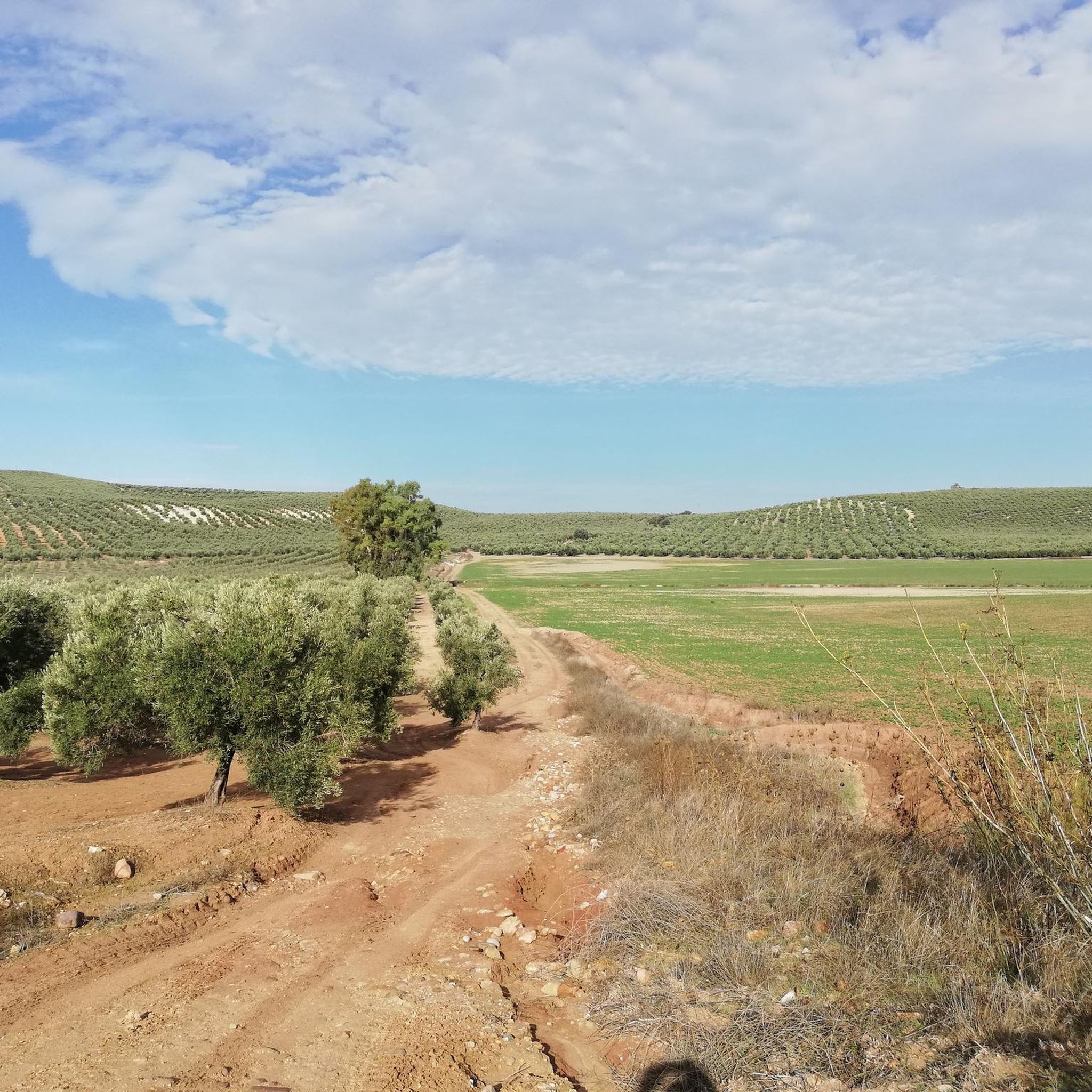
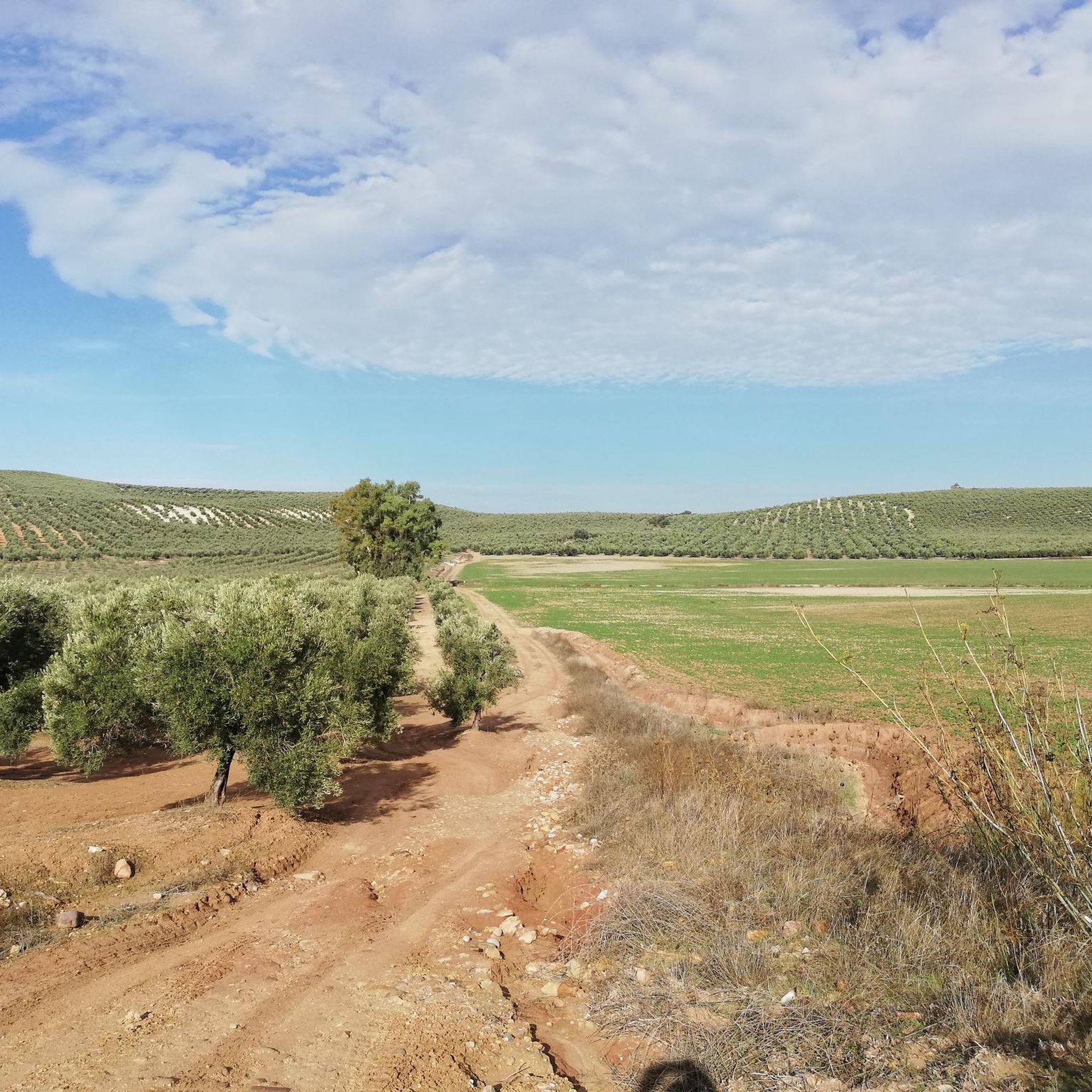
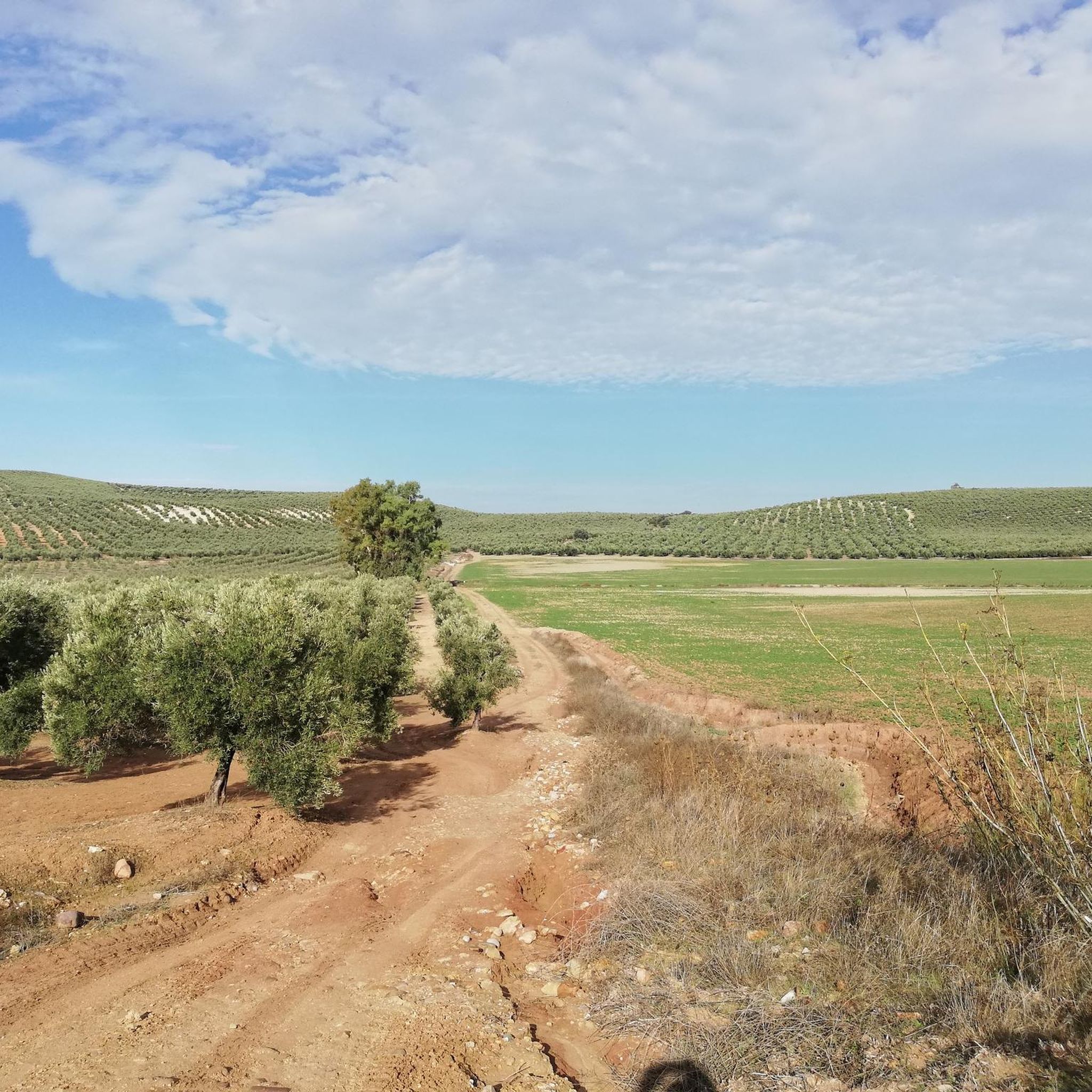
- Visitors also love Olive and almond fields, a natural area featuring extensive plantations. These fields are a prominent feature of the landscape between La Rambla and Puente Genil.
- Montilla is known for its historical sites, natural monuments, and agricultural landscapes. Visitors can explore castles, palaces, and significant natural areas like wetlands and extensive olive and almond groves.
- The attractions around Montilla are appreciated by the komoot community, with 10 upvotes and 10 photos.
Last updated: May 1, 2026
Castle of Espejo
Highlight • Castle
Translated by Google •
Tip by

Ducal Palace of Fernán Núñez
Highlight • Historical Site
Translated by Google •
Tip by

Sign up now to discover places like this
Get recommendations on the best single tracks, peaks, & plenty of other exciting outdoor places.
Sign up for free
Montilla Town Center
Highlight • Settlement
Translated by Google •
Tip by
Laguna de Zóñar Visitor Center
Highlight • Rest Area
Translated by Google •
Tip by
Plaza de San José
Highlight • Historical Site
Translated by Google •
Tip by
Sign up for free to discover even more attractions around Montilla.
Sign up for free
Already have an account?
Start today with a free account
Your next adventure awaits.
Login or Signup

Tips from the Community

Aguilar de la Frontera [2] is a Spanish municipality in the southwest of the province of Córdoba, in the autonomous community of Andalusia. The municipality is located in the region of Campiña Sur Cordobesa [3] and is the seat of the judicial district of the same name. [4] It lies at an altitude of 280 m above sea level [5] and about 47 km from the provincial capital, Córdoba. [6] In 2017, it had 13,476 inhabitants and a population density of 82.01 inhabitants/km². [7]
0
0

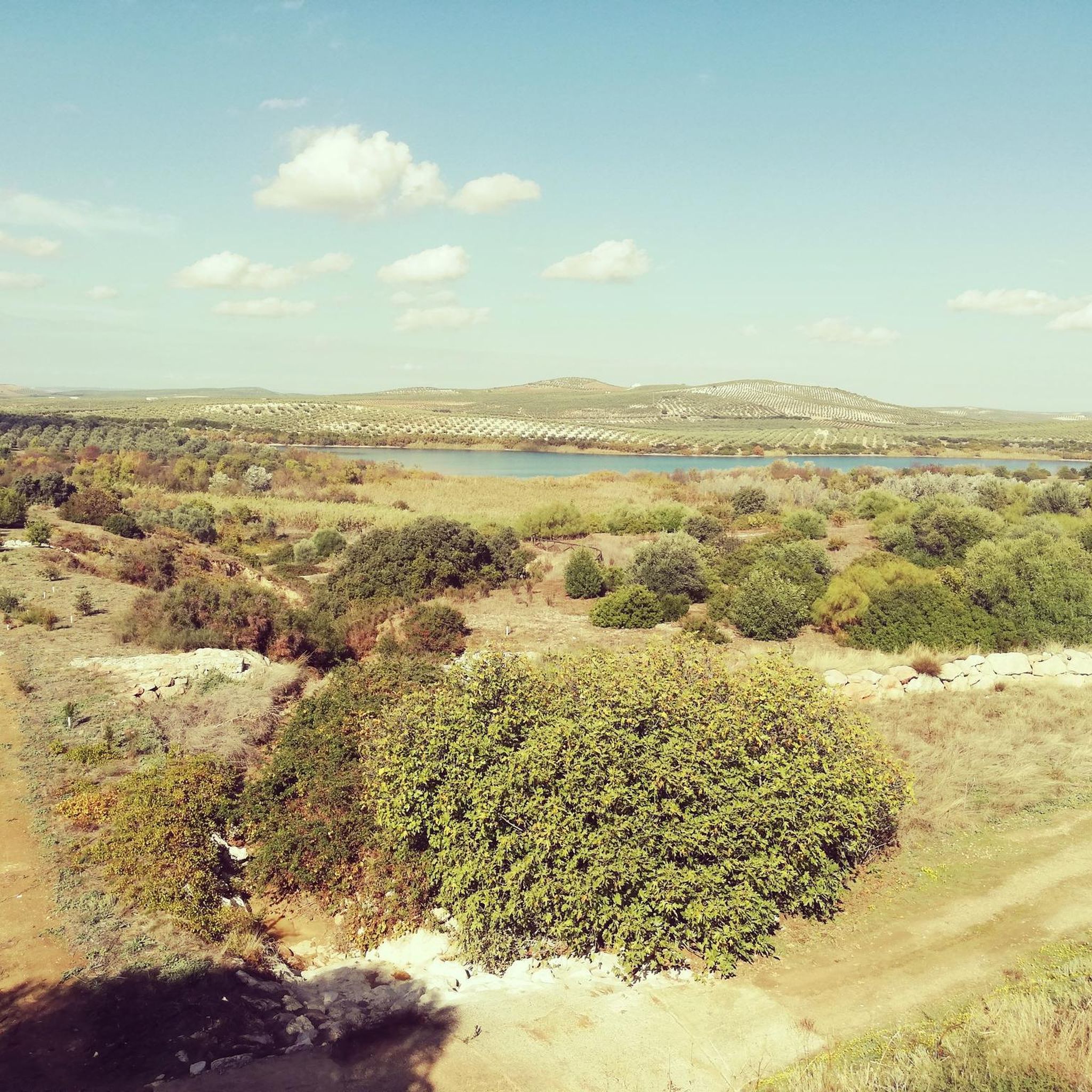
Laguna de Zóñar is a "Wetland of International Importance". It belongs to the Inventory of Protected Natural Areas of the Junta de Andalucía. It is the only natural lake in Andalusia, reaching a depth of 14 meters. It is the habitat of more than 30 species of birds, which we can observe walking through this unique place.
2
0
Laguna de Zóñar is a "Wetland of International Importance". It belongs to the Inventory of Protected Natural Areas of the Junta de Andalucía. It is the only natural lake in Andalusia, reaching a depth of 14 meters. It is the habitat of more than 30 species of birds, which we can observe walking through this unique place.
2
0
Work of the architect Juan Vicente Gutiérrez de Salamanca is an octagonal square. Built in 1806 in the neoclassical style, declared a Historic-Artistic Site in May 1974. It is one of the few squares of this type in Spain.
2
0
Neoclassical style palace, from the 18th century, declared an Asset of Cultural Interest. Inspiration for the design of the palace was the façade of the Palacio de las Necesidades, where the Spanish embassy in Lisbon was located.
2
0

In the heart of the Cordoba countryside, this town is especially known for its vineyards, even having its own designation of origin: Montilla-Moriles. Olive trees and cereals are also cultivated. The town is located in a sea of hills among which the Sierra de Montilla timidly stands out.
2
1
In the heart of the Cordoba countryside, this town is especially known for its vineyards, even having its own designation of origin: Montilla-Moriles. Olive trees and cereals are also cultivated. The town is located in a sea of hills among which the Sierra de Montilla timidly stands out.
2
1
Its name actually comes from the Latin "specula", which meant 'watchtower'. Its castle, residence of the Dukes of Osuna, is undoubtedly a singular watchtower in the middle of the Cordovan countryside with its endless cereal fields.
3
0
Frequently Asked Questions
What historical landmarks can I explore in Montilla?
Montilla is rich in history. You can visit the Castle of Espejo, a former watchtower and residence of the Dukes of Osuna. Also, the Ducal Palace of Fernán Núñez, an 18th-century Neoclassical palace, is a significant historical site. Within Montilla itself, explore the Convent of Santa Clara, the Palace of the Dukes of Medinaceli, and the Casa del Inca Garcilaso de la Vega, a 16th-century manor now a house-museum.
Are there any natural attractions or outdoor spaces to visit near Montilla?
Yes, Montilla offers several natural highlights. The Laguna de Zóñar Visitor Center provides access to Andalusia's only natural lake, a Wetland of International Importance and a habitat for over 30 bird species. You can also experience the extensive Olive and almond fields that characterize the landscape between La Rambla and Puente Genil. The Sierra de Montilla and areas like Cerro Don Juan, Piedra Luenga, and the Fountains Route offer diverse Mediterranean biodiversity.
What kind of museums are available in Montilla?
Montilla hosts several interesting museums. The Castle of Montilla, though largely in ruins, now houses the Wine Museum of Andalusia. You can also visit the Museo Garnelo, dedicated to the painter José Garnelo y Alda, and the Olive Oil Museum Juan Colín, which showcases historical oil extraction systems. For local history, the Local Historical Museum presents archaeological evidence of the city's past.
What are the best times of year to visit Montilla for tourism and outdoor activities?
Montilla is pleasant to visit during spring (April-May) and autumn (September-October) when temperatures are milder, ideal for exploring historical sites, vineyards, and enjoying outdoor activities like hiking and cycling. Summers can be very hot, while winters are generally mild.
Are there family-friendly activities or attractions in Montilla?
Many attractions in Montilla are suitable for families. The Ducal Palace of Fernán Núñez and the Laguna de Zóñar Visitor Center are both marked as family-friendly. Exploring the Montilla Town Center on foot allows families to discover its architecture and local gastronomy. The Olive Oil Museum and the Wine Museum also offer engaging insights into local traditions.
What outdoor activities, such as hiking or cycling, can I do near Montilla?
The Montilla region offers various outdoor activities. For running, you can find routes like 'Montilla y La Campiña – circular' or 'Climb to Las Useas loop from Montilla'. Cycling enthusiasts can explore options such as 'Montilla – Walk around Montilla loop' or 'Olive and almond fields – Ducal Palace of Fernán Núñez loop'. Gravel biking routes include 'Vía Verde del Aceite – Alamedal Viaduct loop'. You can find more details and routes on the Running Trails around Montilla, Gravel biking around Montilla, and Cycling around Montilla guide pages.
Where can I learn about Montilla's famous wine and olive oil production?
Montilla is renowned for its Montilla-Moriles wines and olive oil. You can visit the Wine Museum of Andalusia, located at the site of the Castle of Montilla, to learn about winemaking traditions. The Olive Oil Museum Juan Colín provides insights into historical olive oil extraction systems and the region's olive groves. Many local vineyards and bodegas also offer tours and tastings.
What religious sites are notable in Montilla?
Montilla has several significant religious sites. The Convent of Santa Clara, established in 1525, houses a collection of religious art. The Parish Church of San Francisco Solano is known for its facade and semicircular arches. Other notable sites include the Hermitage of La Rosa, the Chapel of Belen, Parroquia de San Sebastián, and Iglesia de San Agustín, which plays a significant role during Montilla's Holy Week. The House of San Juan de Ávila, preserved as it was in the 16th century, also contains religious relics.
How can I best explore the town center of Montilla?
The Montilla Town Center is best explored on foot. This allows you to appreciate its historical architecture, discover hidden plazas, and experience the local atmosphere. You can easily walk between landmarks like the Convent of Santa Clara, the Palace of the Dukes of Medinaceli, and various churches, stopping at local taverns and restaurants along the way.
What is the significance of the Montilla-Moriles designation of origin?
The Montilla-Moriles designation of origin is a protected status for wines produced in the region, particularly those made from Pedro Ximénez grapes. This designation ensures the quality and unique characteristics of Montilla's wines, which are a cornerstone of the local economy and culture. The region's vineyards are a prominent feature of the landscape.
Are there any specific viewpoints to enjoy scenic landscapes around Montilla?
Yes, the Castle of Espejo offers a singular viewpoint over the Cordovan countryside with its endless cereal fields. The Laguna de Zóñar Visitor Center also provides excellent vantage points for observing the lake and its birdlife. The general landscape of rolling hills, vineyards, and olive groves around Montilla offers numerous scenic vistas, especially from elevated points in the Sierra de Montilla.
What is the historical importance of the Casa del Inca Garcilaso de la Vega?
The Casa del Inca Garcilaso de la Vega is a 16th-century manor house that served as the residence of the Peruvian writer Garcilaso de la Vega from 1561 to 1591. It is historically significant as it was where he lived and worked during a crucial period of his life. Today, it functions as a house-museum and houses the Biblioteca Americanista, preserving his legacy and connection to Montilla.
Most popular routes around Montilla

Get inspired with the komoot mobile app


Explore more
Still not found the Highlight you’re looking for? See guides of the top attractions in other regions:
