Attractions and Places To See around Valverde Del Camino - Top 20
Best attractions and places to see around Valverde Del Camino, located in the province of Huelva, Spain, offers a diverse landscape blending historical landmarks, cultural sites, and natural features. The region is known for its traditional craftsmanship, particularly in leather goods, and features the unique Río Tinto Protected Landscape with its distinct reddish river. Visitors can explore a variety of environments, from historical town centers to extensive greenways and ancient bridges.
Best attractions and places to see around Valverde Del…
Last updated: July 12, 2026
Roman bridge over the Odiel River
Highlight • Bridge
Translated by Google •
Tip by

Valverde del Camino Town Center
Highlight • Settlement
Translated by Google •
Tip by

Sign up now to discover places like this
Get recommendations on the best single tracks, peaks, & plenty of other exciting outdoor places.
Sign up for free
Vía Verde Molino de Acha
Highlight • Trail
Translated by Google •
Tip by
Cachán Bridge
Highlight • Bridge
Translated by Google •
Tip by
Ermita de La Coronada
Highlight • Religious Site
Translated by Google •
Tip by
Sign up for free to discover even more attractions around Valverde Del Camino.
Sign up for free
Already have an account?
Start today with a free account
Your next adventure awaits.
Login or Signup
Tips from the Community

The Roman bridge over the Odiel River in Calañas is a historic structure that is part of the region's rich heritage. This bridge is a point of interest on several hiking trails that run through the area, allowing visitors to enjoy the natural beauty and cultural heritage of the area.
8
0

There are several places that can be visited to discover more of this town. For example, the Ermita del Santo, the old railway station (where you can see a wonderful Berlina car from 1900) and the Los Gabrieles dolmen complex, which can be seen on the outskirts of town. The most outstanding festivals are the Romería de San Pancracio in June and the August Fair during the week of August 15.
1
0
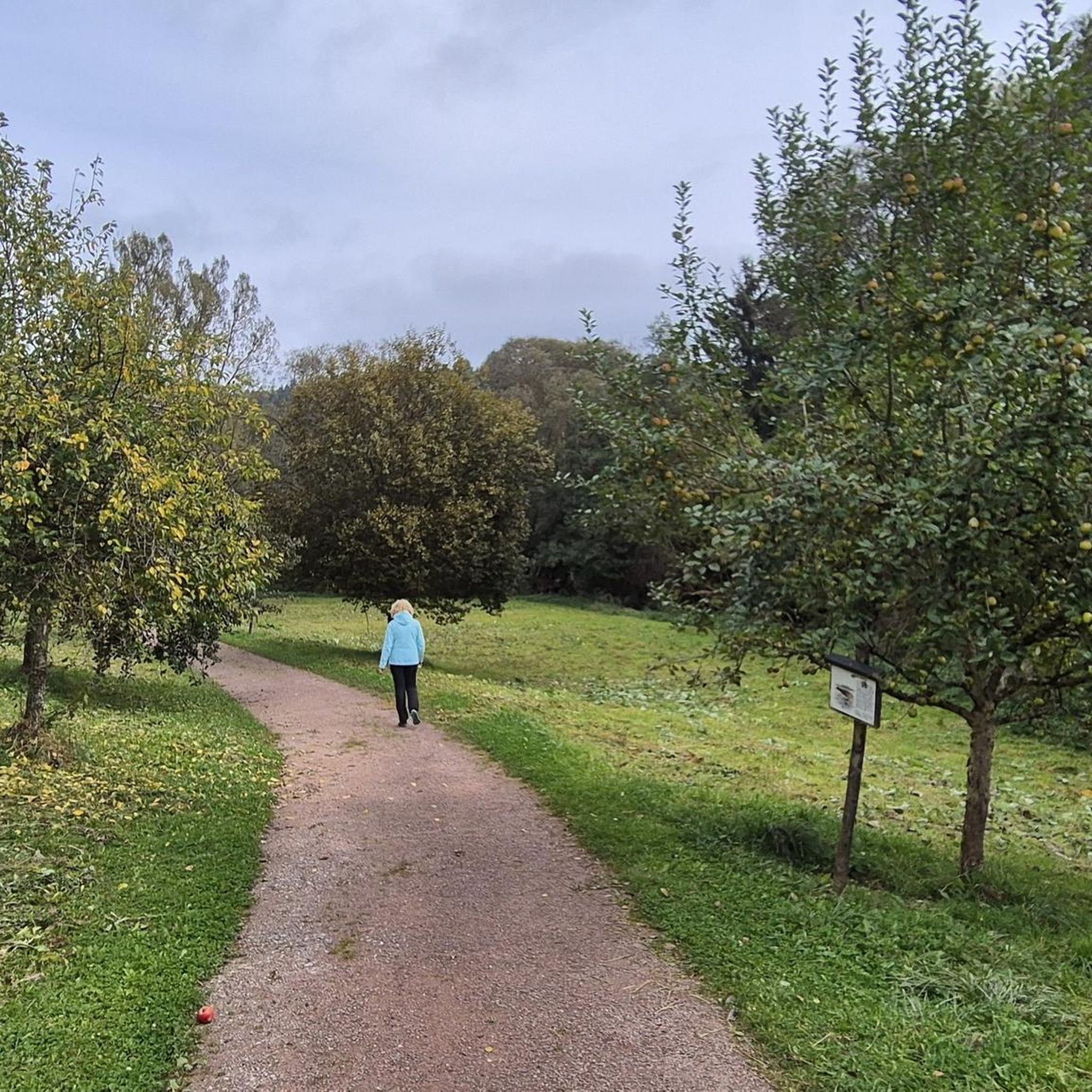
It goes from the banks of the Tinto to the ravines of the Serranía de Huelva with a length of 33.2km and a firm of asphalt and compacted gravel. The route passes through countryside, pine forests, cork oak meadows and eucalyptus repopulations. Its name comes from the group of Water Mills in Beas (flour mills from the 17th, 18th and 19th centuries).
1
0
The Cachán bridge is an old railway bridge located in Berrocal. Originally it was part of the Rio Tinto railway, which was in operation between 1875 and 1984.
2
0
It is located on the outskirts of the town of Calañas, in a charming place next to the Odiel river. It is worth a visit and explore the surroundings.
0
0
This work by the architect Ambrosio Figueroa corresponds to the 18th century, according to the files of the Municipal Archive of Calañas. The place chosen for its construction was the foot of Cabezo del Escamocho in the direction of the La Coronada archway and next to the dam of an old mill. The bridge is located at the entrance to Sotiel, before reaching the Hermitage of La Coronada, and is currently "out of service", since another modern bridge has been built near the previous one through which the A- road runs. 493 (La Palma del Condado - Rosal de la Frontera).
7
0
Located in front of the Hermitage of the Virgin of Spain, of which there is an oral and written tradition of being built next to a Roman necropolis. It says that it was built after the appearance of the Virgin of Coronada in the year 1520. The Virgin was found by Andúvalo from Calañés in the year 720, who, during the Muslim invasion, hid her under a rock where she made her appearance in the year 1520 to a shepherd from Valverde named Pedro Márquez. This rock is found in the Sanctuary under the High Altar.
10
0

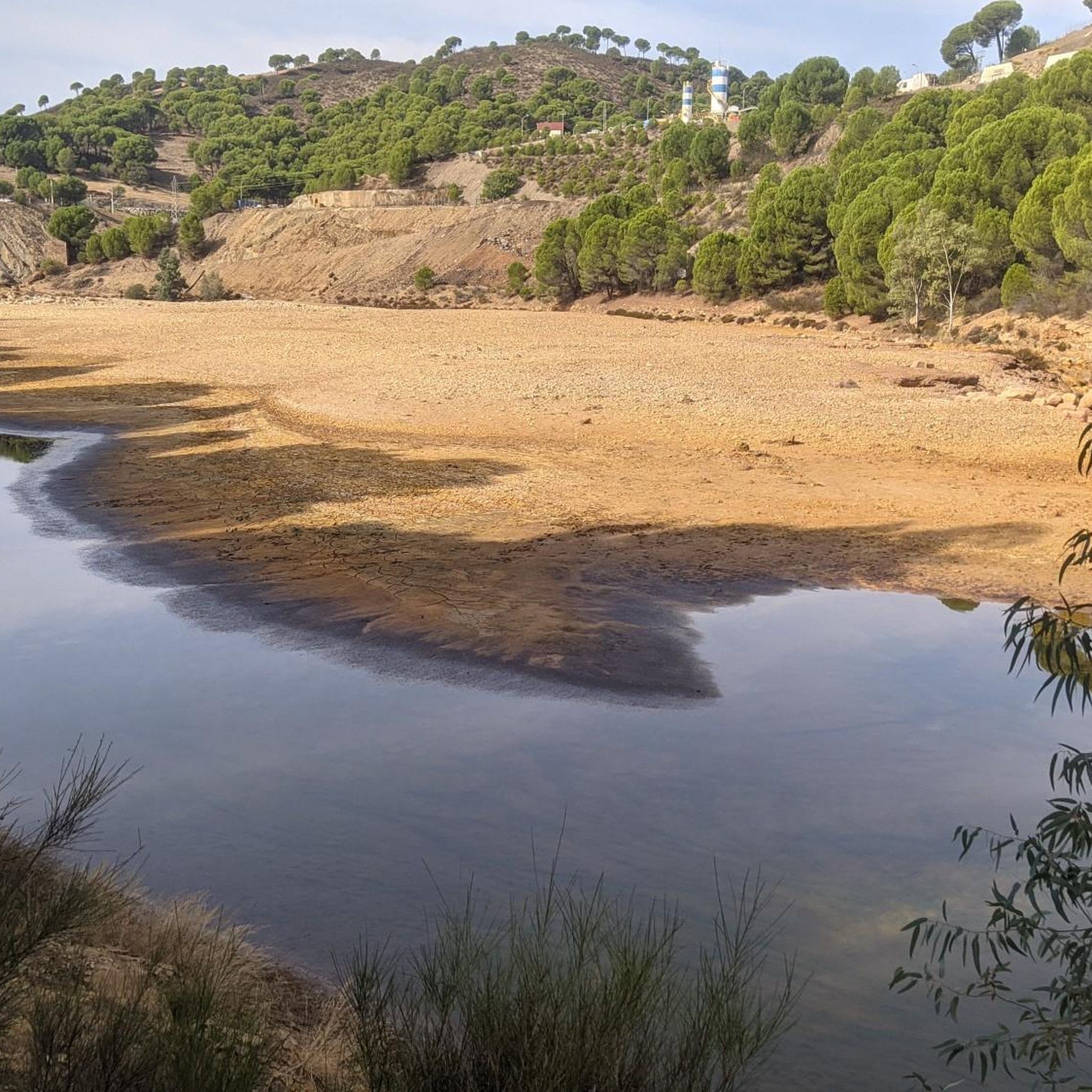
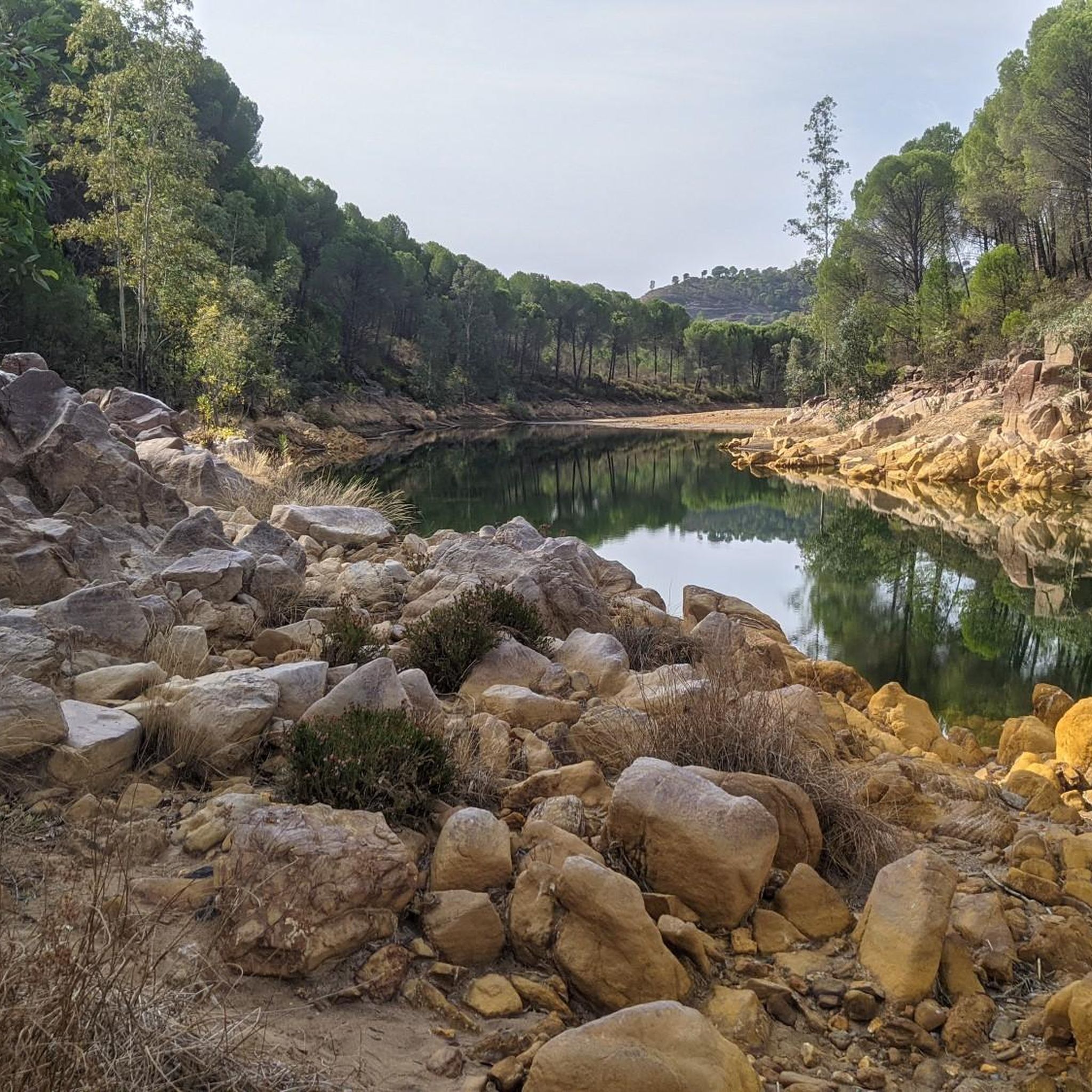
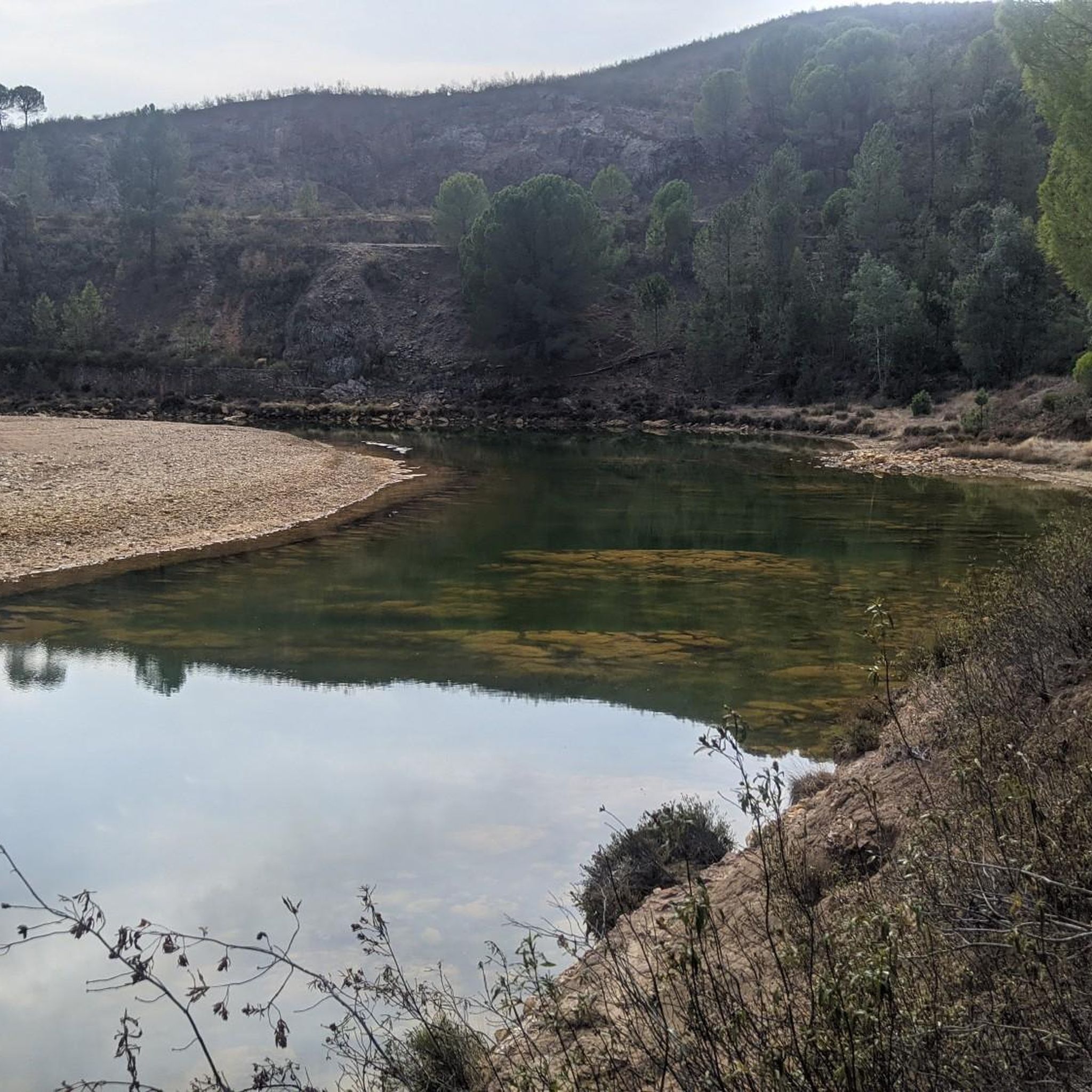
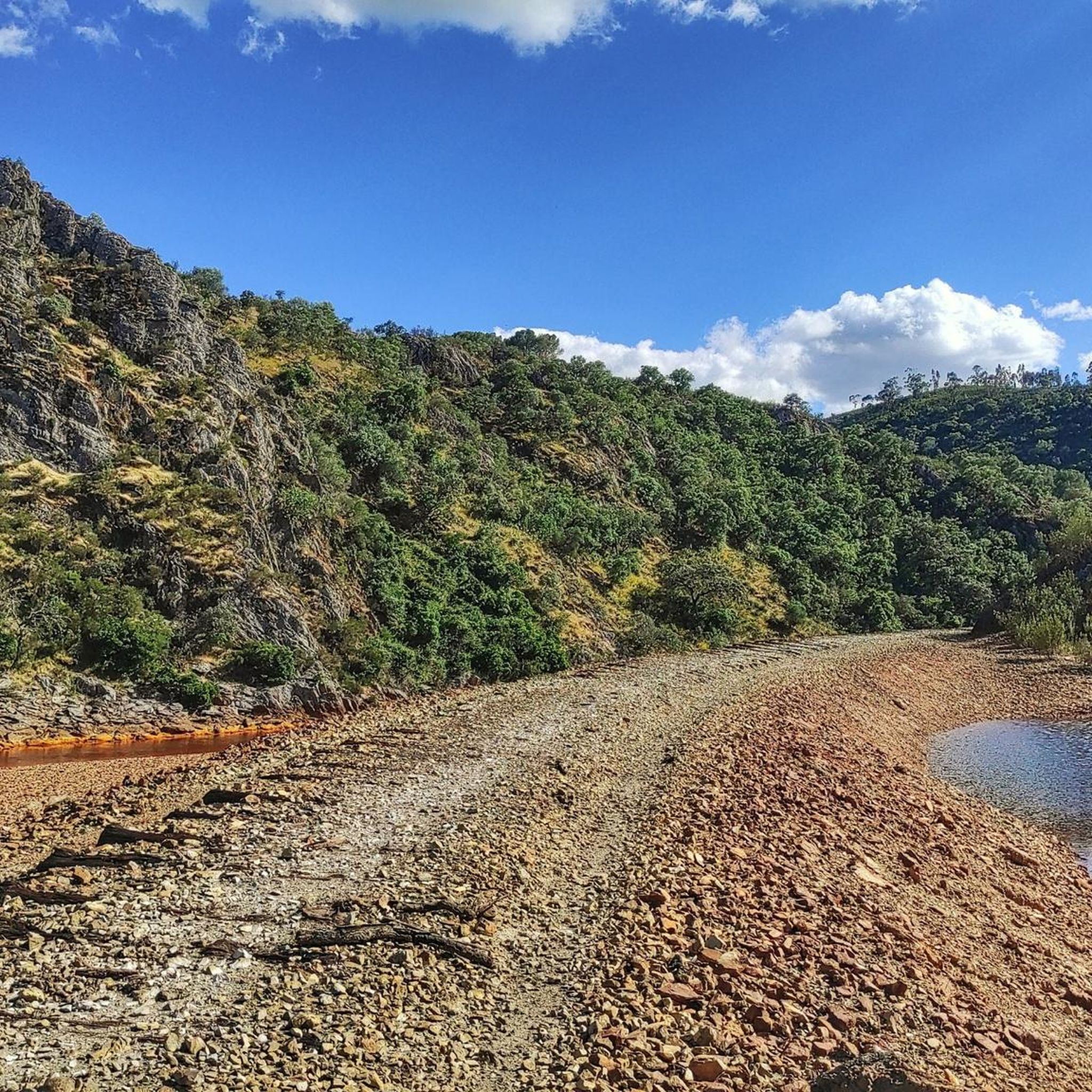
It is one of the most important rivers in the province of Huelva and it runs entirely through it. Its source is in the Sierra de Aracena, in a beautiful place known as Marimateos. This river meanders through Huelva until it flows into the Huelva estuary where it meets the Tinto river, another of the most important waterways in the region. In this place it is crossed by a Roman bridge that has been there for centuries or perhaps millennia.
1
1
Frequently Asked Questions
What are some of the most popular attractions to visit in Valverde del Camino?
Among the most popular attractions are the Vía Verde Molino de Acha, a scenic trail following an old railway line, and the Valverde del Camino Town Center, which offers several points of interest including the Ermita del Santo and the old railway station. Visitors also highly appreciate the historic Roman bridge over the Odiel River in Calañas, a significant landmark on local hiking trails.
Are there family-friendly attractions or activities in Valverde del Camino?
Yes, Valverde del Camino offers several family-friendly options. The Vía Verde Molino de Acha is suitable for families, offering a pleasant route through diverse landscapes. The Valverde del Camino Town Center itself is family-friendly, with sites like the old railway station and the Los Gabrieles dolmen complex on the outskirts. Additionally, the Ermita de La Coronada is set in a charming location next to the Odiel river, inviting tranquility and exploration for all ages.
What historical sites can I explore in Valverde del Camino?
Valverde del Camino is rich in history. You can visit the Valverde del Camino Town Center, which includes the Parish Church of Nuestra Señora del Reposo, a significant Renaissance building, and the Museo Casa Dirección, showcasing the town's heritage. The Roman bridge over the Odiel River and the Cachán Bridge, an old railway bridge, are also notable historical landmarks. Don't miss the Los Gabrieles Dolmen Complex, one of the most important megalithic art ensembles in the region.
What natural features or landscapes are unique to Valverde del Camino?
The region boasts unique natural features, most notably the Río Tinto Protected Landscape, known for its distinctive reddish river due to high mineral content. The Vía Verde Molino de Acha offers a journey through pine forests, cork oak meadows, and eucalyptus repopulations. Other natural points of interest include the Presa de los Silillos, a dyke used for drinking water and fishing, and the Pico de las Cuartas, a green area ideal for walks.
Are there good hiking trails near the attractions in Valverde del Camino?
Yes, there are several hiking trails available. The Roman bridge over the Odiel River and the Cachán Bridge are both points of interest on various hiking routes. For more options, you can explore the hiking routes around Valverde del Camino, which include trails like the 'Circular route along the Odiel River' and the 'Trail of the Dolmens of Los Gabrieles'.
Can I go cycling or mountain biking in Valverde del Camino?
Absolutely! The Vía Verde Molino de Acha is a popular cycle path, suitable for both cycling and gravel biking. You can find more cycling routes, including options for gravel biking and touring, by checking the gravel biking guide and the general cycling guide around Valverde del Camino. Routes range from easy loops to more challenging distances.
What is the best time of year to visit Valverde del Camino for outdoor activities?
Valverde del Camino generally experiences mild winters and hot summers. For outdoor activities like hiking and cycling, spring (March to May) and autumn (September to November) are ideal, offering pleasant temperatures and lush landscapes. Summers can be very hot, making early mornings or late afternoons more suitable for activities.
Are there any hidden gems or lesser-known spots worth visiting?
Beyond the main attractions, consider exploring the Ruta de los Molinos, a route that takes you past old mills central to the local industry. The El Saltillo and Lomero Llano Peri-urban Park, located between Beas and Valverde del Camino, offers tranquil recreational areas. The Dique de Campanario, a 10 km dyke southwest of town, also provides a pleasant walk away from the crowds.
What cultural experiences can I find in Valverde del Camino?
Valverde del Camino is known for its traditional craftsmanship, particularly in vaquero-style leather boots. You can learn about this heritage at the Museo Casa Dirección, which also showcases wood and metal workshops and the English influence on the town. The town also hosts various festivals, such as the Romería de San Pancracio in June and the August Fair, offering a glimpse into local traditions.
Where can I see unique geological formations or rivers?
The Río Tinto Protected Landscape is a must-see for its unique geological formations. The river's striking reddish color, caused by high concentrations of ferruginous salts and ferric sulfate, makes it a globally distinct site. You can also explore the areas around the Odiel River, which flows through Huelva and originates in the Sierra de Aracena, offering beautiful riverside scenery.
What do visitors enjoy most about the attractions in Valverde del Camino?
Visitors particularly enjoy the blend of historical and natural attractions. The well-preserved historical sites, such as the Roman bridges and the dolmen complex, offer a journey into the past. The diverse natural landscapes, from the unique Río Tinto to the greenways and pine forests, provide ample opportunities for outdoor activities and scenic walks. The town's authentic charm and traditional craftsmanship also leave a lasting impression.
Most popular routes around Valverde Del Camino
Most popular attractions around Valverde Del Camino

Get inspired with the komoot mobile app


Explore more
Still not found the Highlight you’re looking for? See guides of the top attractions in other regions:
