Attractions and Places To See around Zalamea La Real - Top 20
Best attractions and places to see around Zalamea La Real include a rich blend of historical sites, significant mining heritage, and diverse natural landscapes within the Huelva province. The area is notable for its ancient megalithic constructions, such as the Dólmenes de El Pozuelo, and its unique geological features like the source of the Río Tinto. Visitors can explore a landscape characterized by pine and eucalyptus forests, alongside remnants of Mediterranean forests. This region offers a variety of outdoor and…
Last updated: July 15, 2026
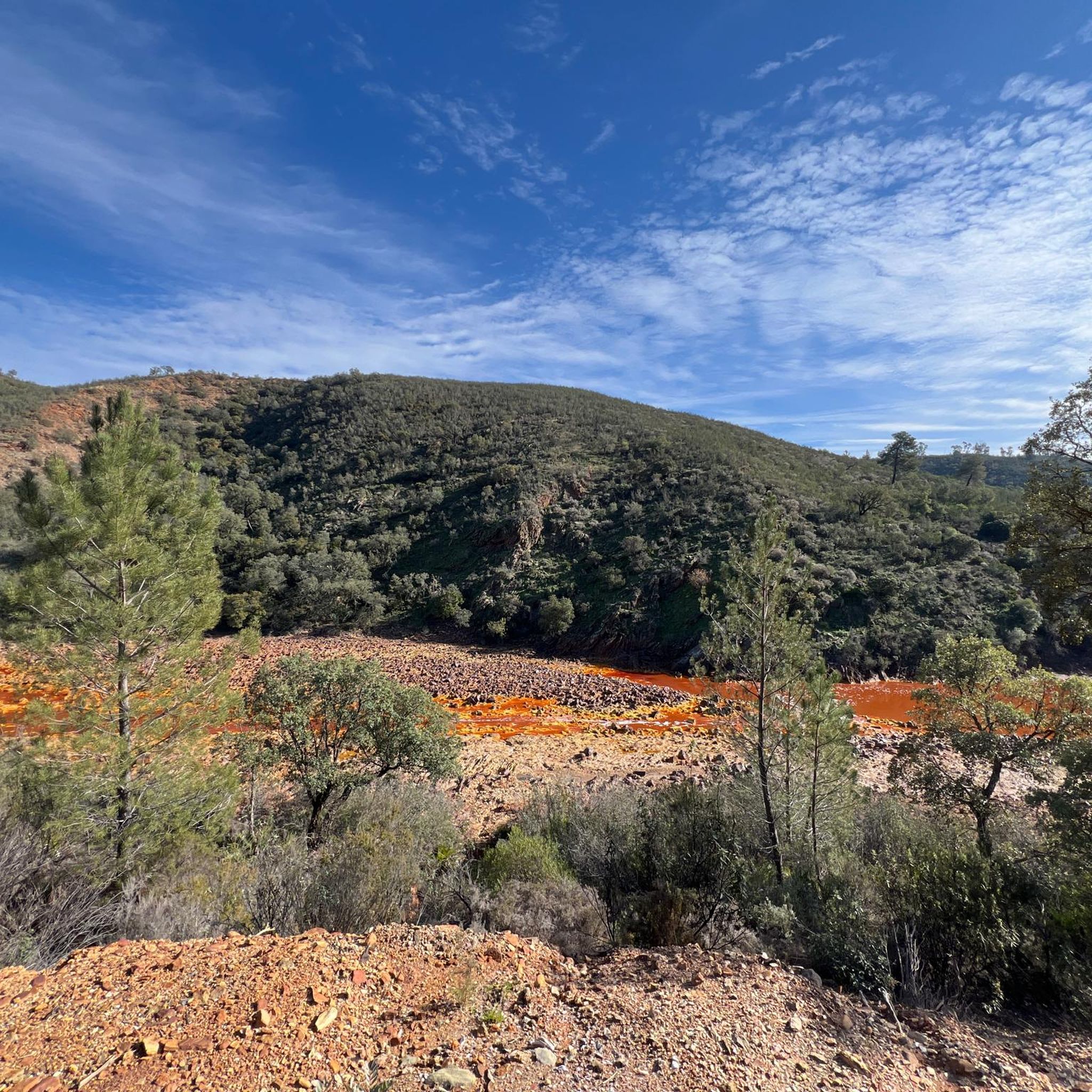
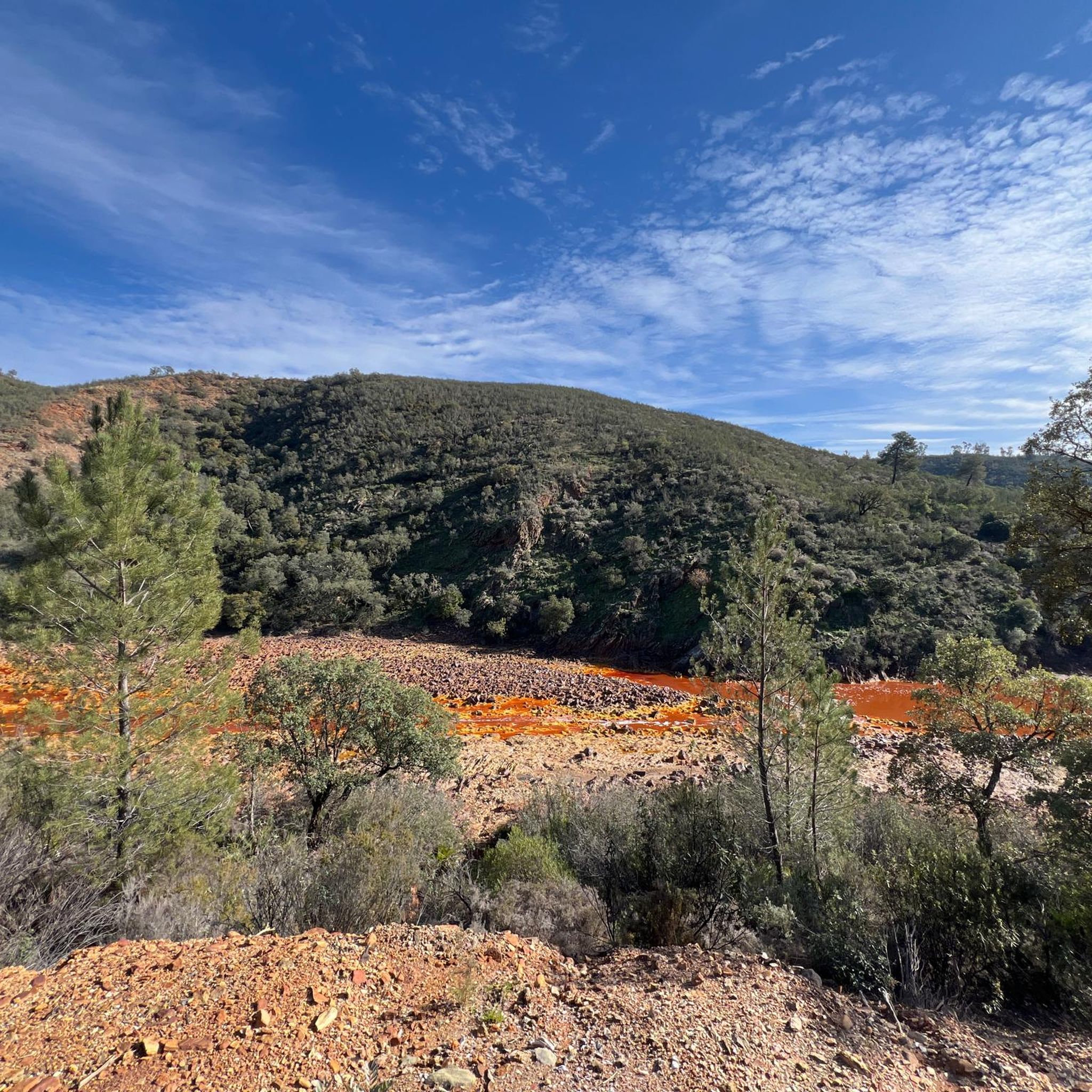
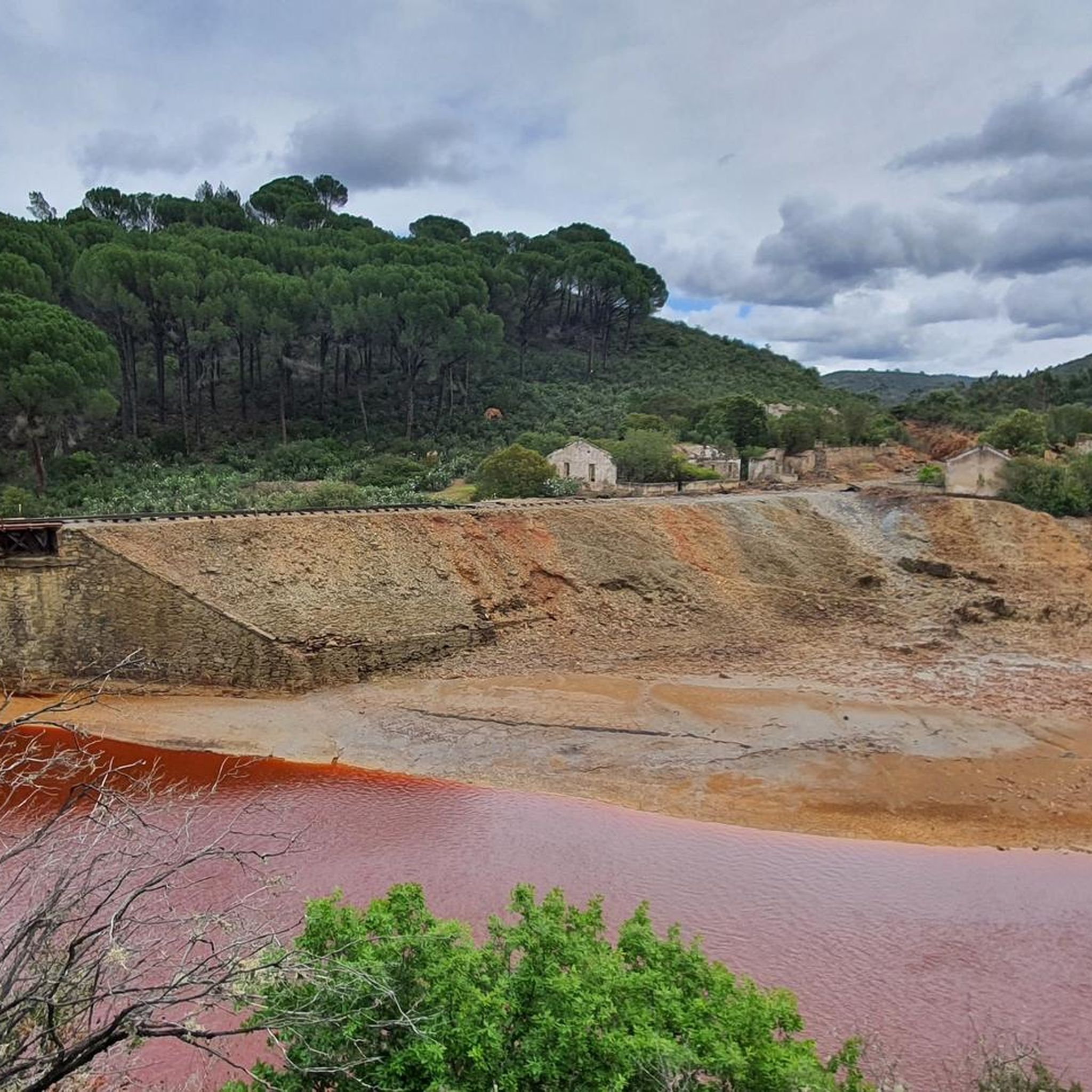
Source of the Río Tinto
Highlight • River
Showing Translation
Tip by

Roman bridge over the Odiel River
Highlight • Bridge
Translated by Google •
Tip by

Sign up now to discover places like this
Get recommendations on the best single tracks, peaks, & plenty of other exciting outdoor places.
Sign up for free
Peña del Hierro
Highlight • Natural Monument
Showing Translation
Tip by
Corta Atalaya Mine
Highlight • Structure
Translated by Google •
Tip by
Valverde del Camino Town Center
Highlight • Settlement
Translated by Google •
Tip by

Sign up for free to discover even more attractions around Zalamea La Real.
Sign up for free
Already have an account?
Start today with a free account
Your next adventure awaits.
Login or Signup
Tips from the Community

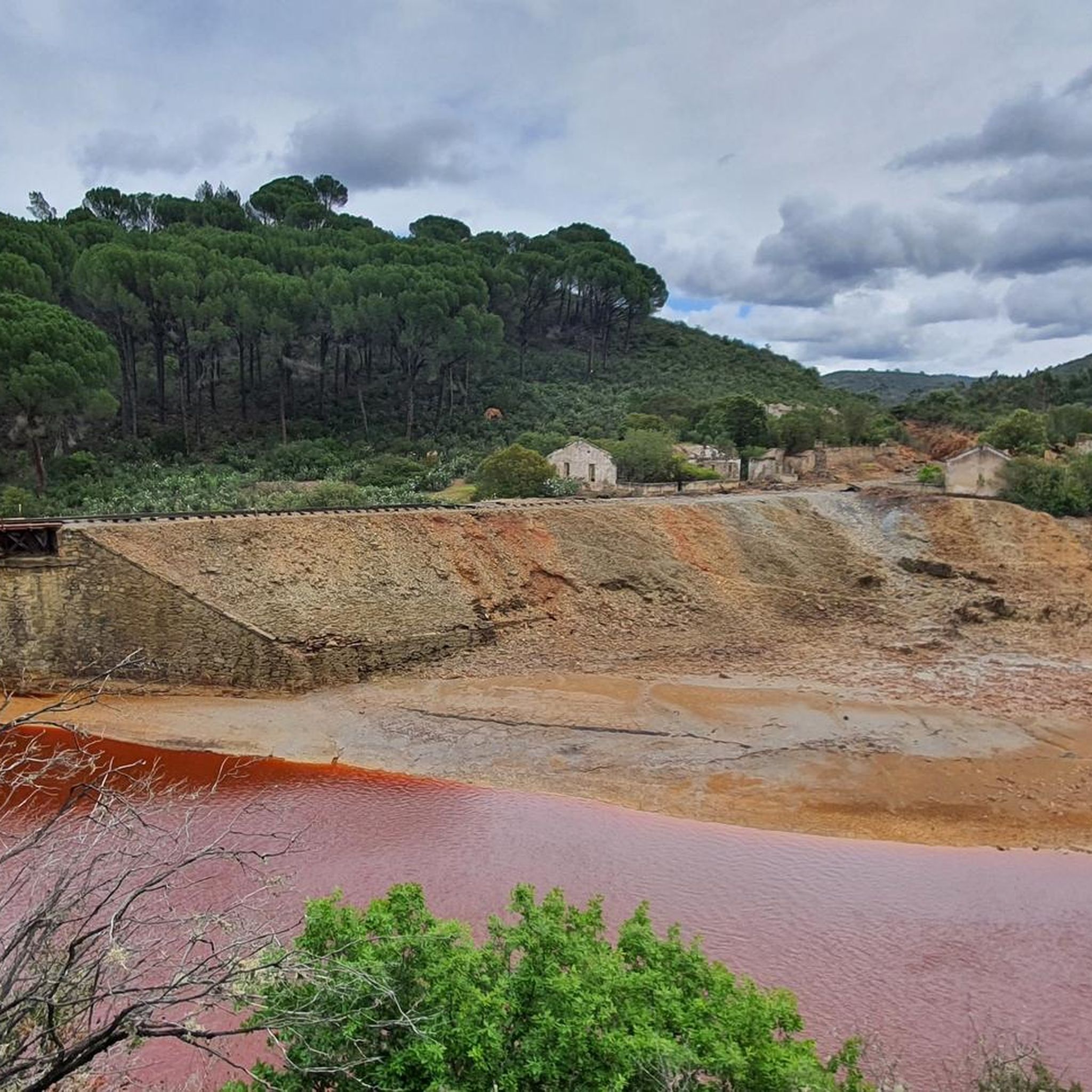
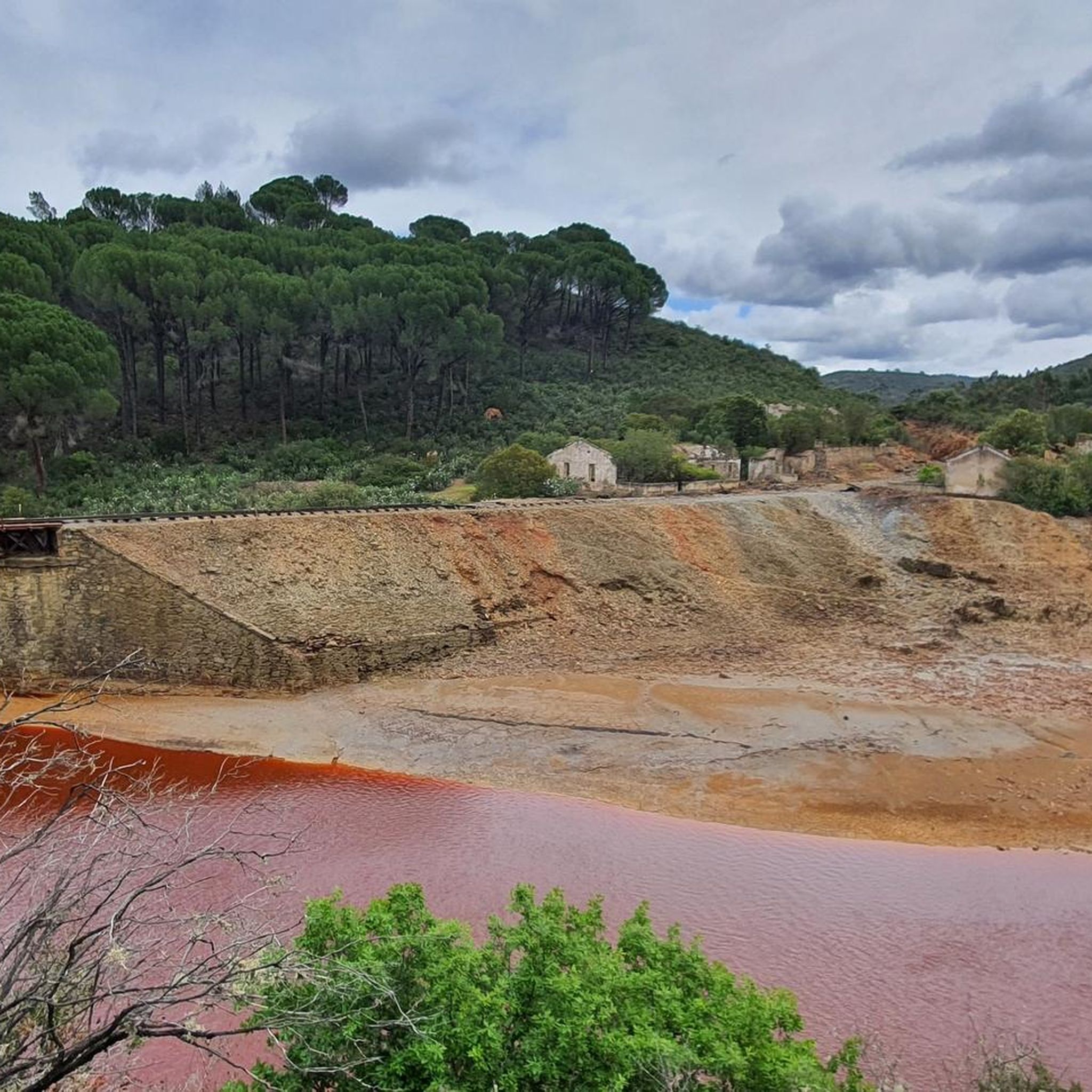
The Peña del Hierro Viewpoint, located in Nerva (Huelva), is part of the Riotinto Mining Park and offers one of the most impressive views of the source of the Tinto River, as well as the mining crater of the old pyrite mine.
1
0
The source of the Tinto River is located in the municipality of Nerva, in the province of Huelva, Andalusia, and is one of the most unique landscapes in Europe due to its reddish color and its scientific and geological value.
1
0
The Roman bridge over the Odiel River in Calañas is a historic structure that is part of the region's rich heritage. This bridge is a point of interest on several hiking trails that run through the area, allowing visitors to enjoy the natural beauty and cultural heritage of the area.
8
0

To get to the viewpoint, paid access is required. The hiking trail ends here at a fence. Nevertheless, a somewhat limited view of the opencast mine is possible
2
0
A circular route of approx. 3 kilometers leads around the Montera de Gossan natural monument. Don't miss it because of the beautiful views.
0
0

There are several places that can be visited to discover more of this town. For example, the Ermita del Santo, the old railway station (where you can see a wonderful Berlina car from 1900) and the Los Gabrieles dolmen complex, which can be seen on the outskirts of town. The most outstanding festivals are the Romería de San Pancracio in June and the August Fair during the week of August 15.
1
0
Corta Atalaya was the largest open pit (mainly copper) mine in Europe and at one time the largest in the world. It has a roughly elliptical shape, 1,200 meters long, 900 meters wide and 350 meters deep.
1
0
This work by the architect Ambrosio Figueroa corresponds to the 18th century, according to the files of the Municipal Archive of Calañas. The place chosen for its construction was the foot of Cabezo del Escamocho in the direction of the La Coronada archway and next to the dam of an old mill. The bridge is located at the entrance to Sotiel, before reaching the Hermitage of La Coronada, and is currently "out of service", since another modern bridge has been built near the previous one through which the A- road runs. 493 (La Palma del Condado - Rosal de la Frontera).
7
0
Frequently Asked Questions
What natural wonders can I explore around Zalamea La Real?
The region offers several unique natural features. You can visit the Source of the Río Tinto, known for its distinctive reddish waters and scientific significance. Other natural highlights include the serene Embalse de Jarrama, ideal for water sports, and the impressive Cascada de La Tallisca, which is particularly grand after heavy rains. Don't miss the ancient Milenario Acebuche, a millennial wild olive tree declared a natural monument.
Are there significant historical or archaeological sites to visit?
Yes, Zalamea La Real is rich in history. The Roman bridge over the Odiel River is a notable historical structure. You can also explore the Dólmenes de El Pozuelo, one of Europe's most important megalithic sites, and the Grabados Rupestres de Los Aulagares, ancient rock engravings older than the dolmens. The Iglesia de Nuestra Señora de la Asunción, a 14th-century Gothic-Mudejar church, also offers a glimpse into the town's past.
What mining heritage attractions are there near Zalamea La Real?
The area is deeply connected to its mining past. The Corta Atalaya Mine is an impressive open-pit mine and a significant tourist attraction. You can also visit the Mina de Chinflón, one of Europe's oldest underground metallurgical mines. The broader Riotinto Mining Park, including the Museo Histórico de Ríotinto and the Mines of Río Tinto Train, offers extensive insights into 5,000 years of mining history.
Can I find family-friendly activities in the area?
Many attractions are suitable for families. The Corta Atalaya Mine and the Riotinto Mining Park offer engaging experiences for all ages. Exploring the Valverde del Camino Town Center with its historical sites and the old railway station can also be enjoyable for families. The natural routes like the Vía Verde and Camino del Membrillo provide opportunities for family walks or bike rides.
What kind of outdoor activities and trails are available?
Zalamea La Real offers diverse outdoor activities. The Vía Verde and Camino del Membrillo are excellent routes for exploring the natural surroundings, which include pine, eucalyptus, holm oak, and cork oak forests. For more structured outdoor adventures, you can find numerous cycling routes, running trails, and mountain biking trails in the area, catering to various difficulty levels.
Where can I go for a run near Zalamea La Real?
There are several running trails available. For example, you can try the "Peña del Hierro y nacimiento del Río Tinto - running circular desde Nerva" which is a challenging 15 km loop. Another option is the "Río Odiel – running circular on the Vía Verde del Camino," a moderate 10 km route. You can find more options on the running trails guide page.
What are some unique cultural landmarks in Zalamea La Real itself?
Beyond the church, Zalamea La Real boasts several cultural sites. The Plaza de Toros, built in the late 19th century, is considered one of the region's most important bullrings. The Mercado de Abastos is a modernist-industrial building from 1904 with English colonial architectural features. The town also has several historic hermitages, including the oldest, Ermita de San Vicente Mártir, dating back to the early 15th century.
Is there anything to see related to the Río Tinto beyond its source?
Absolutely. While the Source of the Río Tinto is a key natural attraction, the river's unique characteristics are a result of the region's extensive mining history. The Riotinto Mining Park and its associated attractions, such as the Museo Histórico de Ríotinto and the Mines of Río Tinto Train, directly showcase the impact and legacy of mining along the river, explaining its distinctive reddish hue.
What is the best time of year to visit Zalamea La Real for outdoor activities?
The spring (March to May) and autumn (September to November) months generally offer the most pleasant weather for outdoor activities like hiking, cycling, and exploring historical sites. Temperatures are milder, and the natural landscapes are vibrant. Summers can be very hot, making early mornings or late afternoons preferable for outdoor excursions.
Can I visit an ethnographic museum in Zalamea La Real?
Yes, the Casa Cilla, an 18th-century building, now houses the Ethnographic Museum of Zalamea la Real. It offers insights into the local culture, traditions, and way of life throughout the region's history.
What do visitors particularly enjoy about the attractions here?
Visitors are often captivated by the unique blend of ancient history and industrial heritage. The striking landscapes, especially around the Source of the Río Tinto and the vast Corta Atalaya Mine, are frequently highlighted. The opportunity to explore megalithic sites and the rich mining past through museums and train rides also receives high praise.
Are there any ancient rock art sites nearby?
Yes, just 2 kilometers from the town center, you can find the Grabados Rupestres de Los Aulagares. These rock engravings are even older than the dolmens, dating from 1800 to 1500 B.C., and represent megalithic schematic art, offering a fascinating look into prehistoric times.
Most popular routes around Zalamea La Real
Most popular attractions around Zalamea La Real

Get inspired with the komoot mobile app


Explore more
Still not found the Highlight you’re looking for? See guides of the top attractions in other regions:
