Attractions and Places To See around Brieva - Top 20
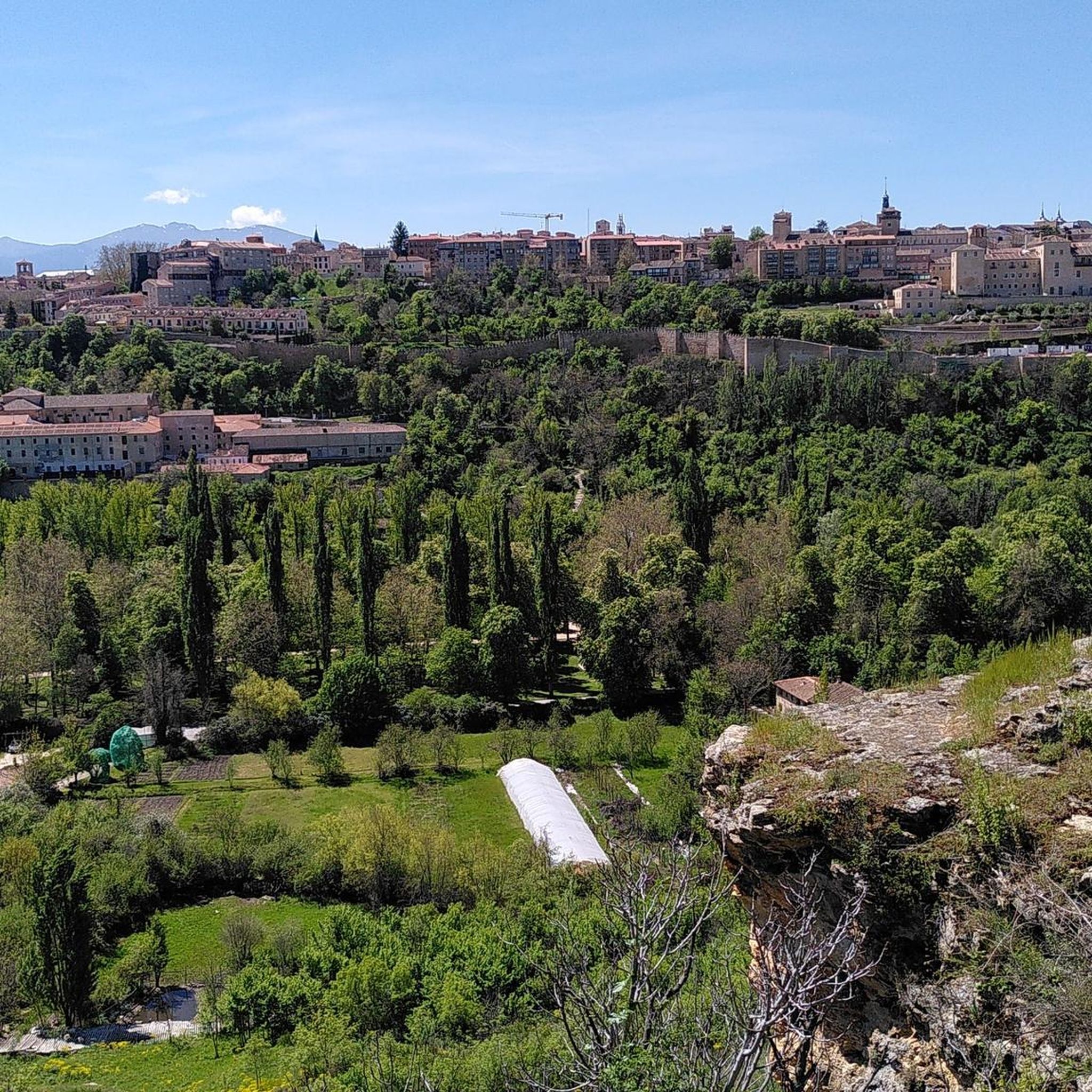
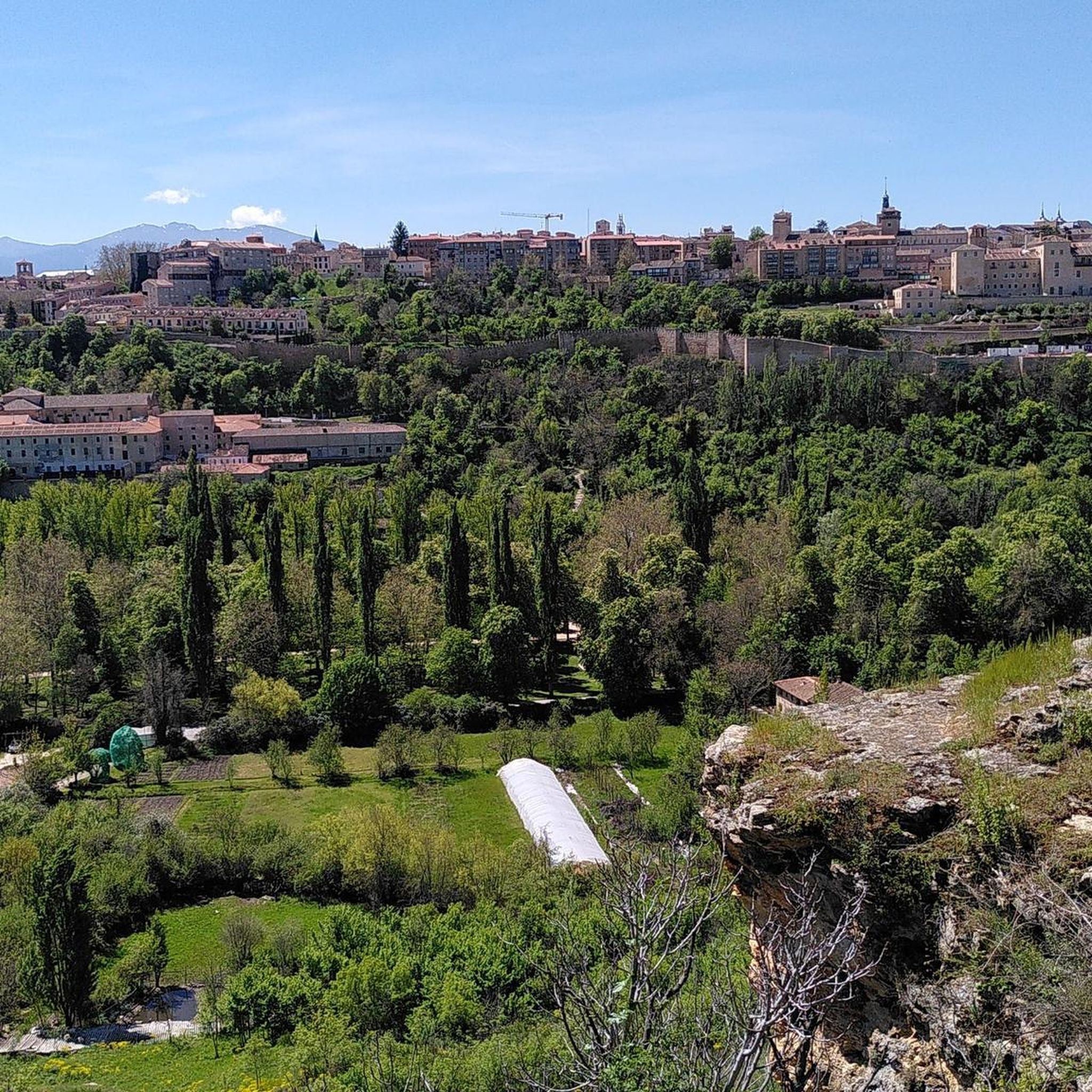
Best attractions and places to see around Brieva include historical landmarks and natural features in the nearby city of Segovia and its surroundings. Brieva is situated at the foot of the Sierra de Guadarrama, offering a traditional mountain town setting with rural paths. The area provides opportunities for tranquil walks and mountain biking, complementing the rich historical sites found close by.
Best attractions and places to see around Brieva
- The most popular attractions is Aqueduct of Segovia, a man-made…
Last updated: August 30, 2026
Aqueduct of Segovia
Highlight • Monument
Translated by Google •
Tip by

Church of the Vera Cruz
Highlight • Religious Site
Translated by Google •
Tip by
Sign up now to discover places like this
Get recommendations on the best single tracks, peaks, & plenty of other exciting outdoor places.
Sign up for free
San Lázaro Bridge
Highlight • Bridge
Translated by Google •
Tip by
Segovia Bullring
Highlight • Monument
Before its creation, bullfighting festivities were held in the city's main square.
Translated by Google •
Tip by
Segovia's Plaza Mayor
Highlight • Settlement
Translated by Google •
Tip by

Sign up for free to discover even more attractions around Brieva.
Sign up for free
Already have an account?
Start today with a free account
Your next adventure awaits.
Login or Signup


Tips from the Community

Turn around and you see the bridge and the alcazar... what a view!
0
0
Plaza Mayor is the central square of Segovia. It's surrounded by historic buildings including the town hall, the Juan Bravo Theatre, and the Segovia Cathedral. Great place to hang out.
0
1

Information about the “Acueducto de Segovia” and many more photos can be found in the corresponding hiking highlight at => https://www.komoot.com/de-de/highlight/4225055
3
0

Fantastic construction, it impressed me as much as the first time I saw it as a child.
3
0
The nerve center of the city.
3
0
This church, which is dedicated to the Holy Cross (Latin “Santa Croce” / Spanish “Santa Cruz”), draws its patronage from the cross on which Jesus Christ died. The veneration of the Holy Cross goes back to a large extent to Saint Helena, who was the mother of Emperor Constantine the Great (who recognized Christianity as a religion after his victory at the “Milvian Bridge” in front of Rome and in the year 312 for a long time the persecution ended with the “tolerance edict” of Milan). In the early fourth century she undertook a pilgrimage to the Holy Land (Israel / Palestine) and from there brought numerous relics with her to Europe, including the “True Cross” (“VERA CRUZ”) on which Jesus Christ was crucified. Helena is therefore often depicted with a cross as an attribute. The church celebrates the festival of the discovery, public presentation and veneration of the Holy Cross – called “Exaltation of the Cross” – on September 14th.
1
0

The Segovia Aqueduct is an impressive architectural structure that dates back to the 1st century AD. C. and was built by the Romans during the occupation of Hispania. Its main function was to supply water to the city of Segovia, transporting it from the mountains to the urban center. The aqueduct carries the waters of the Fuenfría spring, located in the mountains about 17 kilometers from the city, to the center of Segovia. The water is collected in a cistern called El Caserón and then taken through an ashlar canal to a second tower known as Casa de Aguas. After traveling more than 15 km, you arrive at the city. The Segovia Aqueduct is a heraldic symbol of the city and one of the most impressive works that the Romans left in their vast empire. If you ever have the opportunity to visit, I recommend that you do so. It's really amazing! 😊🏛️
13
0
The square was built in 1805 and is classified as a second category square. Before its creation, bullfighting festivities were held in the city's main square.
2
0
Frequently Asked Questions
What historical landmarks can I explore near Brieva?
Near Brieva, you can explore significant historical landmarks such as the Aqueduct of Segovia, a Roman engineering marvel from the 1st century AD. Also, visit the majestic Segovia Cathedral, one of Spain's latest Gothic cathedrals, and the iconic Alcázar of Segovia, a castle that served as a residence for Castilian kings.
Are there natural attractions or viewpoints around Brieva?
Brieva is nestled at the foot of the Sierra de Guadarrama, offering rural paths and fields ideal for tranquil walks. While the main attractions are historical, the surrounding natural environment provides scenic views, especially during sunset. The Alcázar of Segovia also offers excellent views of the old town and surrounding areas from its keep.
What outdoor activities are available near Brieva?
The area around Brieva, particularly in the Sierra de Guadarrama, is excellent for outdoor activities. You can find opportunities for tranquil walks and mountain biking. For more structured activities, explore the nearby hiking routes, running trails, and MTB trails.
Are there family-friendly attractions in the area?
Yes, several attractions near Brieva are considered family-friendly. The Aqueduct of Segovia, Segovia Cathedral, and Alcázar of Segovia are all popular choices for families, offering historical insights and impressive architecture that can captivate visitors of all ages.
Can I find accessible attractions near Brieva?
The Aqueduct of Segovia is noted as a wheelchair-accessible attraction, allowing a broader range of visitors to experience this ancient Roman structure.
What is the best time of year to visit Brieva for outdoor activities?
The natural environment surrounding Brieva, particularly the Sierra de Guadarrama, is suitable for outdoor activities. While specific seasonal recommendations are not provided, spring and autumn generally offer pleasant weather for hiking and mountain biking, avoiding the extremes of summer heat or winter cold.
Are there opportunities for hiking near Brieva?
Yes, the region offers various hiking opportunities. You can find several routes, including easy loops like the 'Cueva de la Vaquera (sur) – Casa de Condesa loop from Peñarrubias de Pirón' (7 km) or more challenging ones like the 'Malangosto Pass – Malangosto Cross loop from Sotosalbos' (19 km). More details can be found in the hiking guide for Brieva.
What kind of historical architecture can I expect to see in Brieva itself?
Brieva (Segovia) is known for its traditional mountain town charm and historical architecture. Its streets feature an irregular layout, flanked by stone houses adorned with wrought iron and wooden details, reflecting a blend of functionality and traditional aesthetics. The Iglesia de San Vicente Mártir is a central Romanesque church.
Where can I go for mountain biking near Brieva?
The natural environment surrounding Brieva is ideal for mountain biking. There are numerous MTB trails available, ranging from moderate to difficult. Examples include the 'Río Pirón, Peñarrubias de Pirón y río Viejo — circular desde Sotosalbos' (50 km) or the 'Segovia Cathedral – Aqueduct of Segovia loop from Brieva' (60 km). Explore more options in the MTB trails guide for Brieva.
What do visitors particularly enjoy about the attractions near Brieva?
Visitors frequently praise the impressive scale and historical significance of the attractions. For instance, the Aqueduct of Segovia is admired for its ancient Roman engineering, while the Alcázar of Segovia is often described as a 'Disney fairy tale castle' with superb displays and great views. The overall experience of exploring these World Heritage sites is highly valued.
Are there any religious sites worth visiting near Brieva?
Yes, besides the grand Segovia Cathedral, you can visit the Church of the Vera Cruz. Founded by the Knights of the Order of the Holy Sepulcher in 1208, this unique church is dedicated to the Holy Cross and offers a glimpse into medieval religious history.
Can I find walking routes with parking near Brieva?
While specific parking details for each route are not provided, many outdoor activity guides, such as the hiking guide for Brieva, typically start from accessible points in or near towns, implying parking availability. The traditional urban center of Brieva itself offers a starting point for rural paths.
What are some unique historical structures besides the main landmarks?
Beyond the major sites, the San Lázaro Bridge in Segovia is a historical testimony connecting the city with its past and natural environment, featuring seven visible arches. In Brieva itself, the traditional urban center with its stone houses and the Iglesia de San Vicente Mártir contribute to the historical charm.

Get inspired with the komoot mobile app


Explore more
Still not found the Highlight you’re looking for? See guides of the top attractions in other regions:
