The best walks and hikes around Castel De Cabra
4.5
(2)
54
hikers
16
hikes
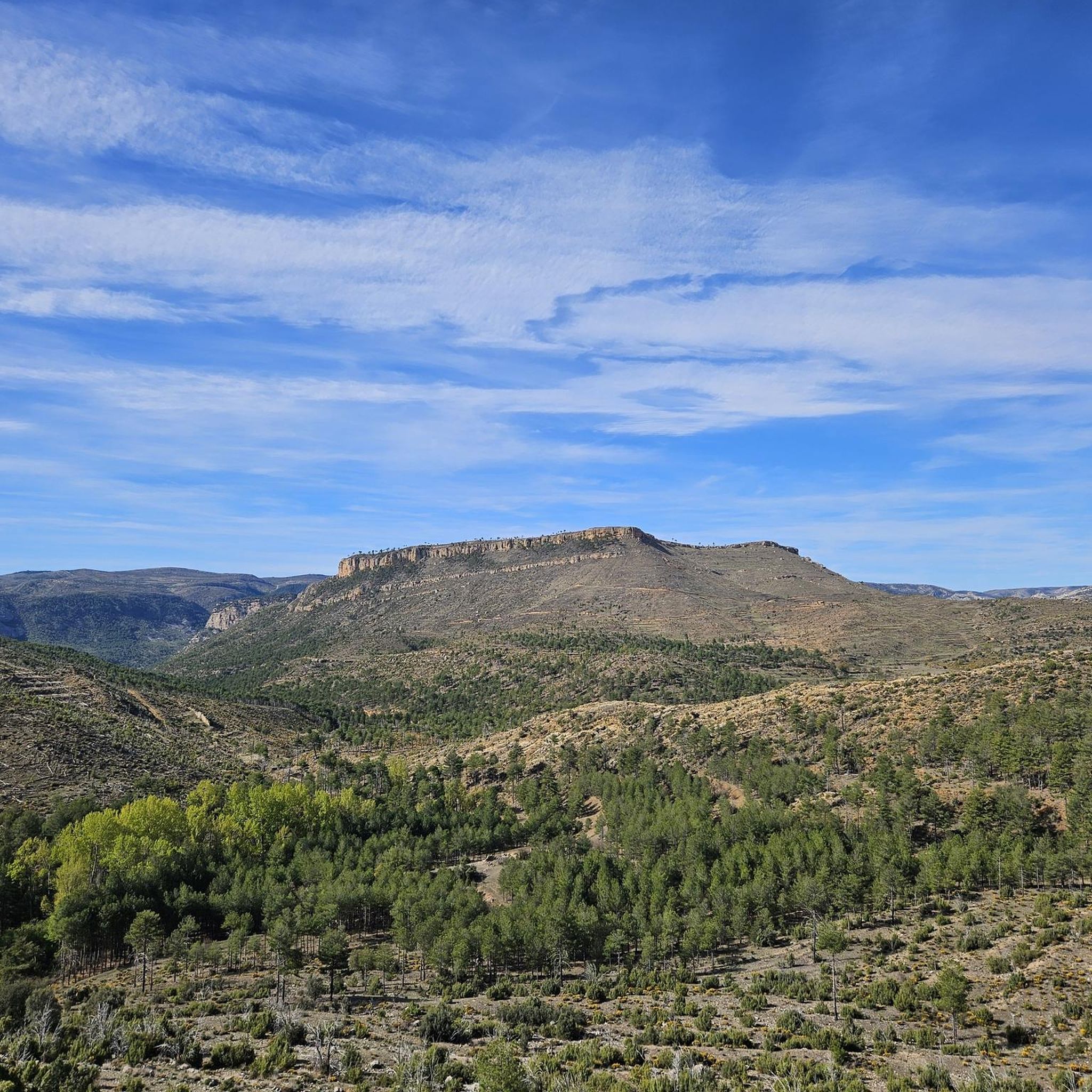
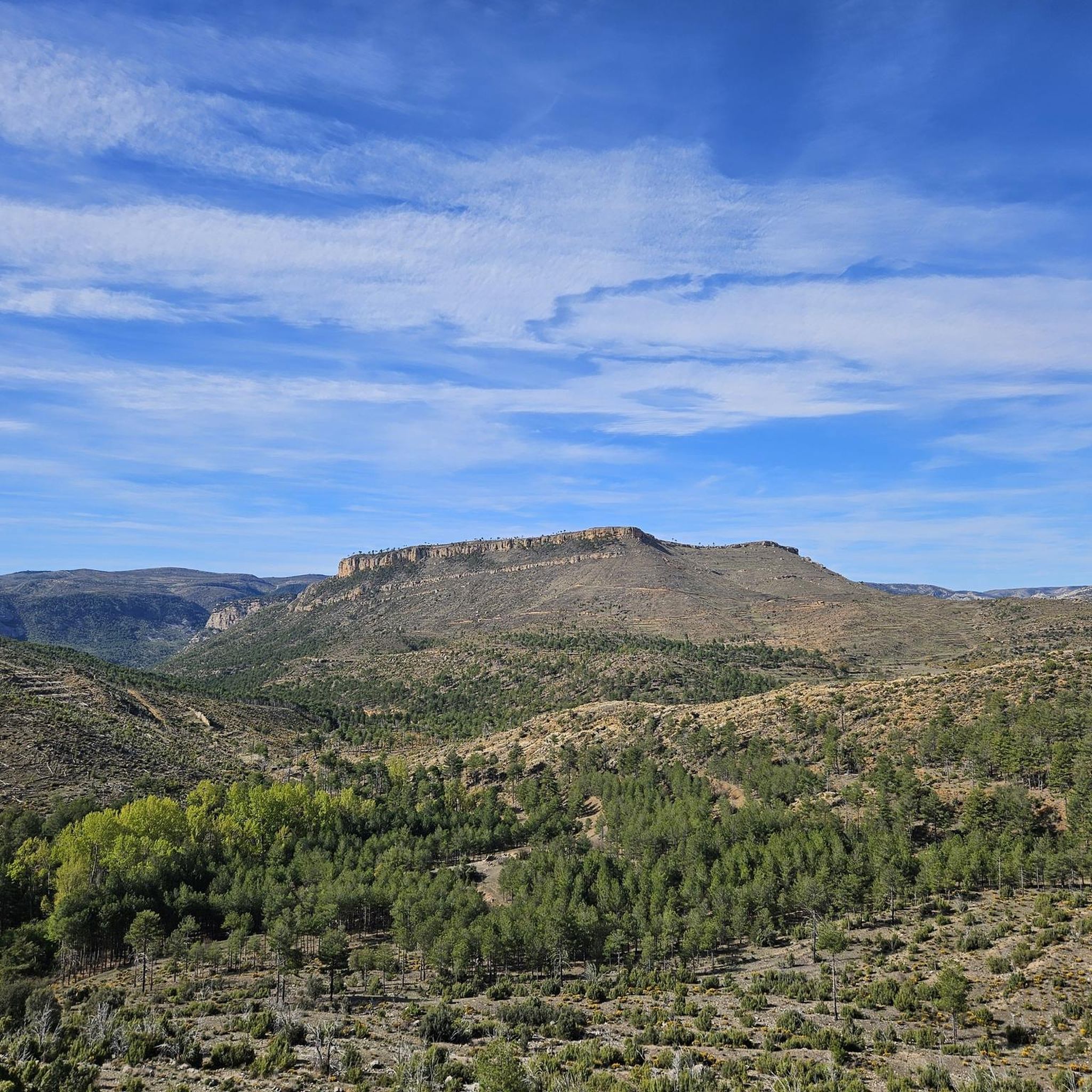
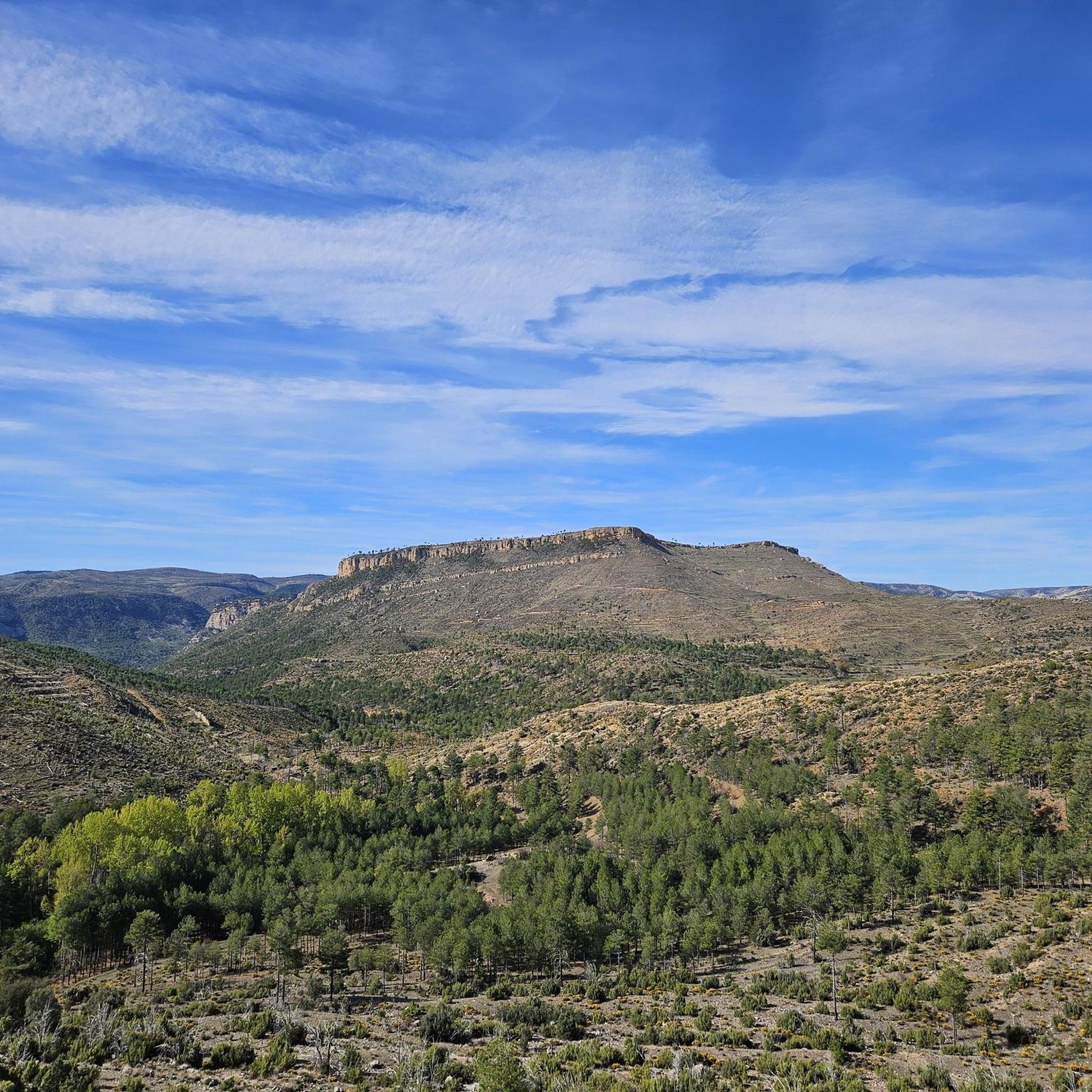
Hiking around Castel De Cabra offers diverse natural landscapes within the Iberian System, situated in the province of Teruel, Aragon, Spain. The region is characterized by mountainous terrain, deep ravines, and well-preserved riparian forests along the Cabra River. At an altitude of 1088 meters, the area provides varied elevations and geological features, including the Sierra de San Just. These natural elements create a range of hiking opportunities for different skill levels.
Best hiking trails around Castel De Cabra
- The most…
Last updated: July 11, 2026
1
hikers
14.4km
04:13
390m
390m
Moderate hike. Good fitness required. Easily-accessible paths. Suitable for all skill levels.
2
hikers
Hard hike. Very good fitness required. Easily-accessible paths. Suitable for all skill levels.

Sign up for free
29.0km
07:52
400m
400m
Hard hike. Very good fitness required. Easily-accessible paths. Suitable for all skill levels.
5.0
(1)
16
hikers
12.3km
03:40
370m
370m
Moderate hike. Good fitness required. Easily-accessible paths. Suitable for all skill levels.
9
hikers
10.7km
03:13
350m
350m
Moderate hike. Good fitness required. Easily-accessible paths. Suitable for all skill levels.
Get access to more routes and recommendations from other explorers.
Sign up for free
Already have an account?
Our route recommendations are based on thousands of hikes, rides, and runs completed by other people on komoot.
Start today with a free account
Your next adventure awaits.
Login or Signup
Tips from the Community

The Sanctuary/Monastery of Santa María del Olivar is located in Estercuel, within the natural setting of the Serranía de Montalbán mountain range, in the Andorra-Sierra de Arcos region. Although often referred to as a sanctuary, its official name is the Monastery of Santa María del Olivar. It is one of the most important historical and artistic monuments in the area and has been a significant spiritual center for over seven centuries. Located 4 km from Estercuel, in the province of Teruel, it lies within the river valley and is surrounded by pine forests. It sits atop a hill at an altitude of 700 meters, overlooking the valley watered by the Escuriza River.
2
0

We are in the town of Gargallo, located at the foot of Muela Alta. Another of the beautiful towns in Teruel where we highlight the Church of Nuestra Señora de la Piedad, the Hermitage of San Blas or the Nacimiento del Río Escuriza.
1
0
We are in the beautiful town of Ejulve, located in the Andorra-Sierra de Arcos region. We, adventurers, highlight this town for being the starting point of The Silent Route tourist route that covers several of the most outstanding places in the region by bicycle. Throughout the municipality of Ejulve is the Órganos de Montoro Natural Monument, the Cueva del Recuenco, the Sierra de Majalinos or the Masías de Ejulve, which also have their own BTT route.
1
0

The town of Peñas Royas is located within the municipality of Montalbán and on the banks of the Martín River. It is surrounded by a very picturesque landscape as well as singular due to the curious geological formations of the area. The path along the river is also very picturesque and does not present technical difficulties, ideal for a recreational walk.
1
0
This marvelous Aragonese Gothic-style Monastery was built in the 16th century and is located in a privileged natural environment that is worth visiting. With the possibility of spending a retreat and rest stay in addition to other activities, this site offers everything you need. For more information you can consult the official website: https://www.monasterioelolivar.com/
1
1
It is a recreational area with everything you need to spend a nice day next to this small but picturesque lake located very close to the town of Gargallo.
1
0
This town in the interior of Teruel has been located in a privileged environment at the foot of the Muela Alta. It is very quiet and picturesque, with many alternative hiking trails to explore the area and the Maestrazgo Cultural Park.
1
0
On the banks of the Guadalopillo River and at the foot of the Sierra de Majalinos rises this picturesque and quiet village typical of the interior of Teruel. In the heart of the Maestrazgo Cultural Park, this town offers many alternative hiking routes to tour this beautiful area of Aragon.
1
1
Frequently Asked Questions
How many hiking trails are available around Castel de Cabra?
There are over 10 hiking trails around Castel de Cabra, offering a variety of experiences for different skill levels. The region features diverse natural landscapes within the Iberian System.
What kind of terrain can I expect when hiking in Castel de Cabra?
Hiking in Castel de Cabra involves varied terrain, including mountainous areas, deep ravines, and well-preserved riparian forests along the Cabra River. The municipality is situated at an altitude of 1088 meters, on the northern side of the Sierra de San Just, providing scenic and sometimes challenging environments.
Are there any easy or beginner-friendly hiking routes in the area?
Yes, among the 14 available routes, 2 are classified as easy, and 10 as moderate, making the area accessible for beginners and those looking for less strenuous walks. For example, the Ejulve – Ejulve Village loop from Ejulve is a moderate option that offers a good introduction to the local landscape.
Can I find circular hiking routes around Castel de Cabra?
Yes, there are circular routes available. A notable one is the Ejulve - Gargallo - Las Calderas – circular route through the Cultural Park of Maestrazgo (PR-TE 93), which is a difficult 24.3 km path traversing varied landscapes.
Are there any waterfalls or significant natural features to see?
Yes, the region boasts interesting natural features. You can visit the Waterfall in Barranco de la Hoz Mala on the Guadalope River. The area is also known for its deep ravines and fluvial landscapes along the Cabra River.
What are some interesting places to explore near the hiking trails?
Beyond the trails, you can explore cultural and natural highlights. Consider visiting the Sanctuary of Santa María del Olivar, or the settlements of La Cañadilla and Estercuel. The region also features geological formations like the Sima de Calasanz cave.
Is Castel de Cabra a good destination for family hikes?
With a mix of easy and moderate trails, Castel de Cabra can be suitable for families. The diverse environments, including riparian forests and mountain views, offer engaging scenery for all ages. It's advisable to check the difficulty and length of specific routes to match your family's capabilities.
What is the best time of year to go hiking in Castel de Cabra?
The diverse natural landscapes and mountainous terrain suggest that spring and autumn would be ideal for hiking in Castel de Cabra, offering pleasant temperatures and vibrant scenery. Summer might be warm, while winter could present colder conditions, especially at higher altitudes.
What kind of wildlife might I encounter while hiking?
The northwestern area of Castel de Cabra is part of the ZEPA (Special Protection Area for Birds) of the Desfiladeros del Río Martín, making it a significant area for ornithology. You might spot griffon vultures, Egyptian vultures, peregrine falcons, golden eagles, red-billed choughs, and black wheatears.
What do other hikers say about the trails in Castel de Cabra?
The routes in Castel de Cabra are highly rated by the komoot community, with an average score of 4.5 stars from a few reviews. Hikers often praise the varied terrain, from challenging ascents to scenic riverine paths, and the well-preserved natural environments.
Are there any long-distance or challenging hikes available?
Yes, for those seeking more challenging experiences, there are difficult routes available. The Gargallo - Monastery of Santa María del Olivar (PR-TE 93) is an 29.0 km trail, often completed in about 7 hours 50 minutes, leading through mountainous terrain and cultural sites.
What are the geological features of the area?
Castel de Cabra is known for its interesting geological formations. One notable feature is the Sima de Calasanz, a cave with a 162-meter route and a 37-meter descent, suitable for caving with appropriate speleological equipment. The region's mountainous terrain and deep ravines also showcase its geological heritage.
Most popular routes around Castel De Cabra
Most popular attractions around Castel De Cabra

Get inspired with the komoot mobile app


Explore more
Browse the best Hikes in other regions.
