Attractions and Places To See around Peñaflor De Hornija - Top 12
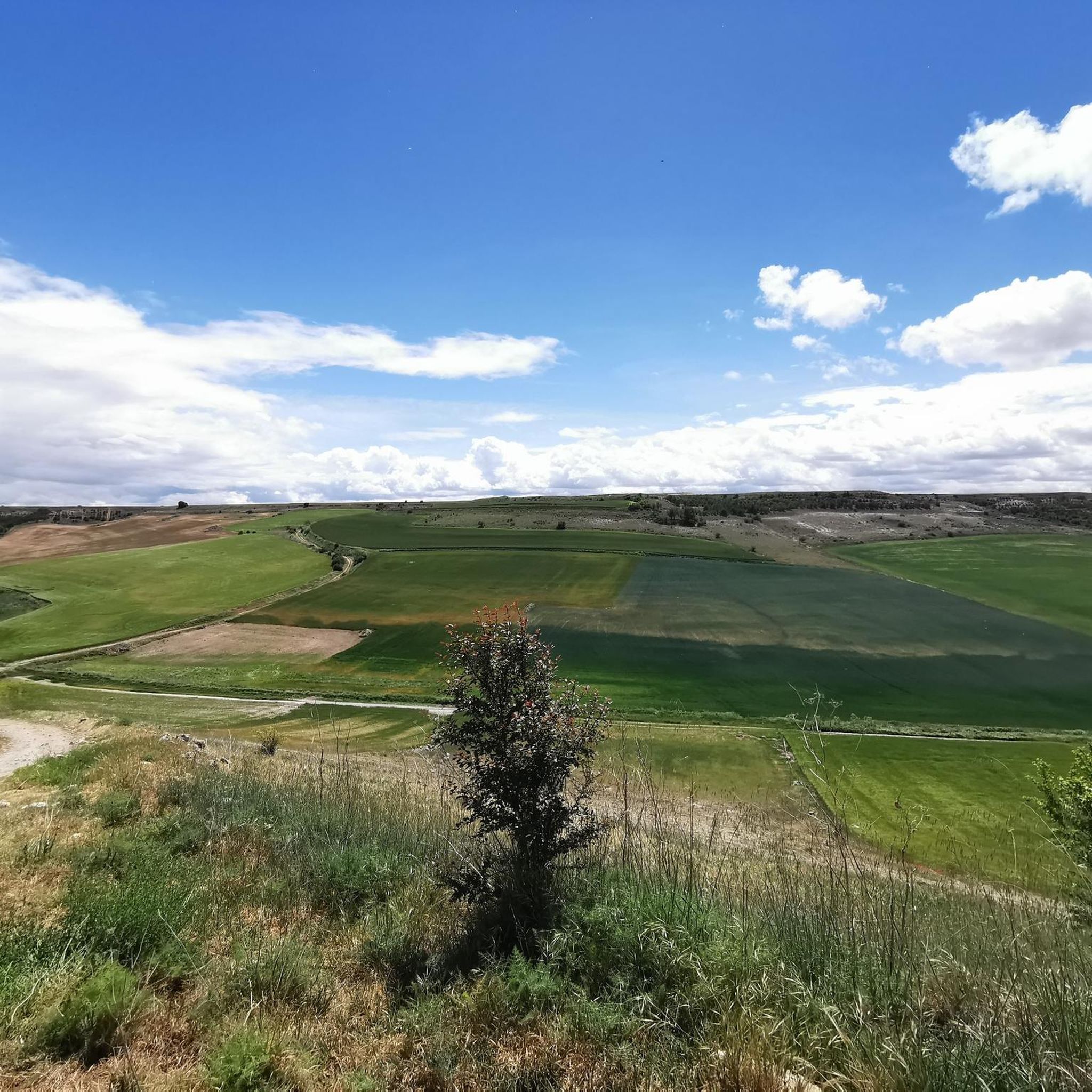
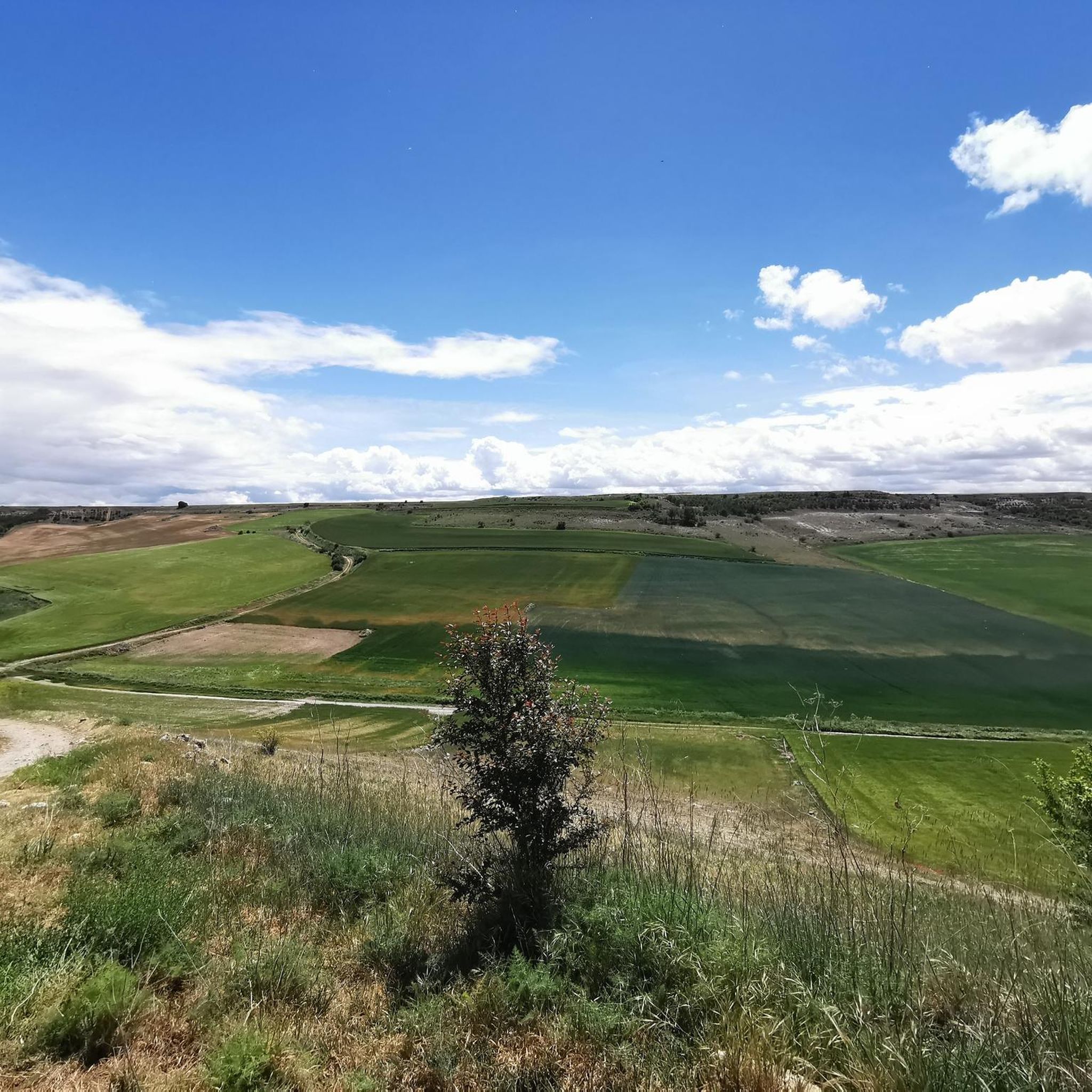
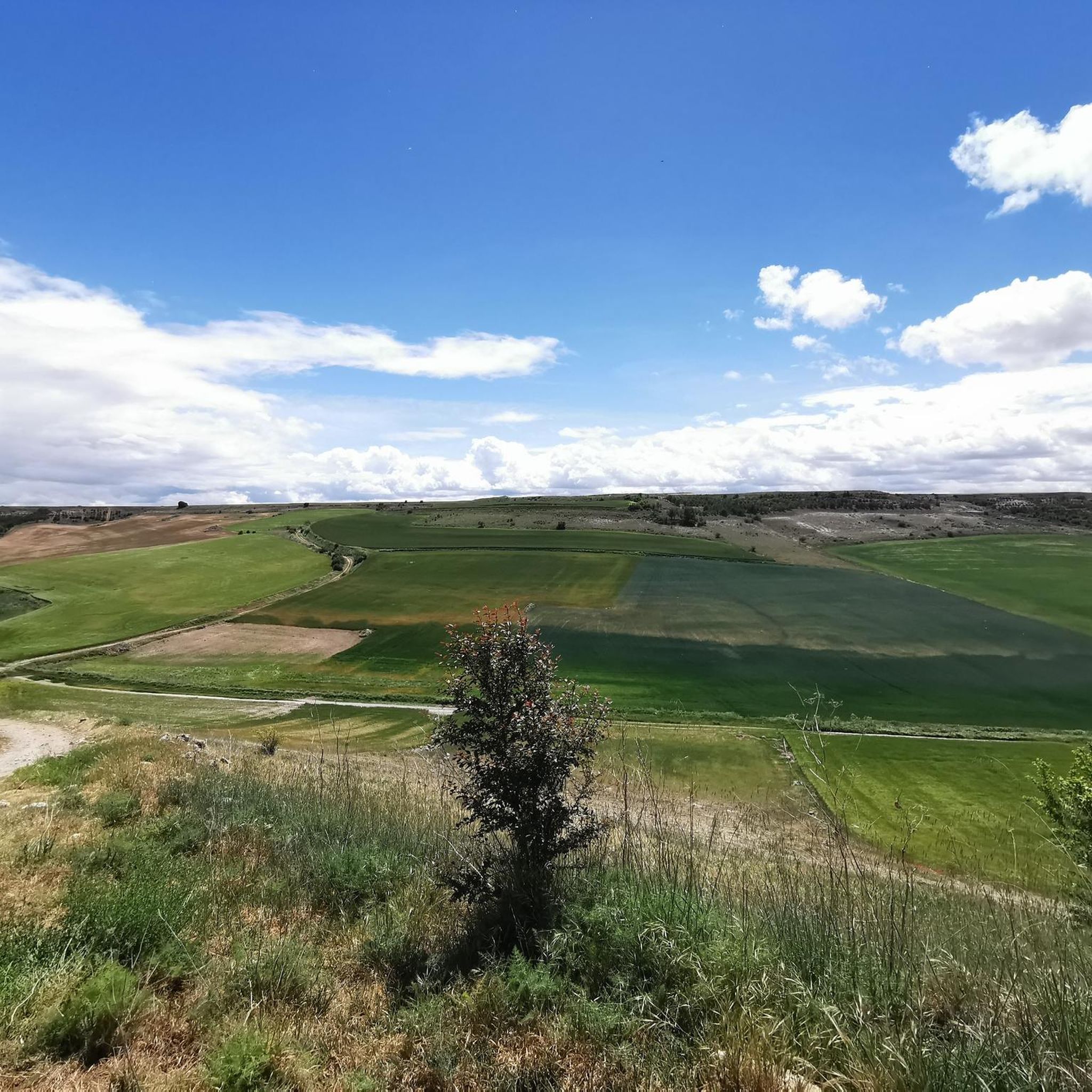
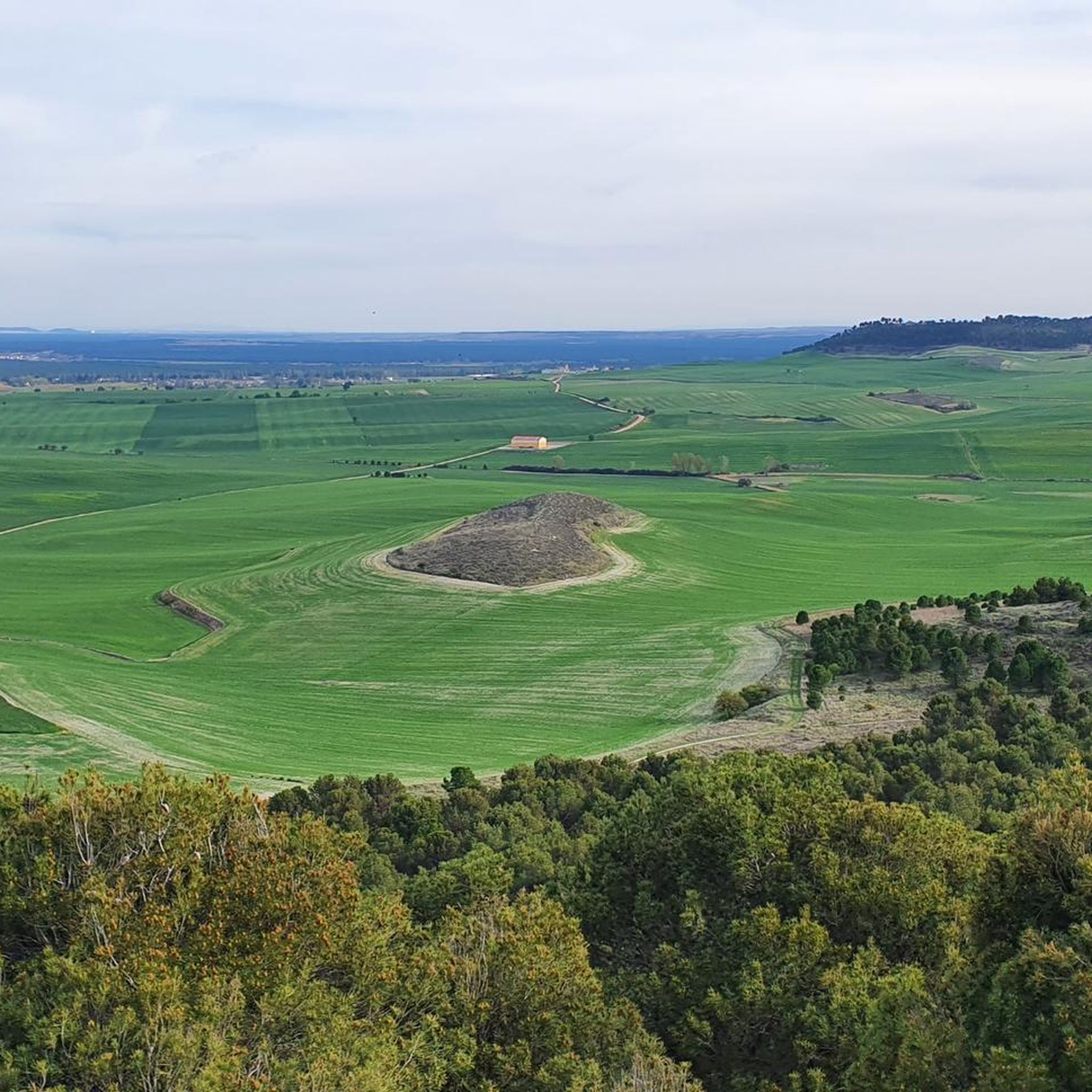
Best attractions and places to see around Peñaflor De Hornija include a blend of historical, cultural, and natural sites. Situated as a viewpoint of the Montes Torozos, the area offers extensive views over the Hornija River Valley. This region, with its prehistoric and Roman remnants, is also part of the Camino de Madrid route of the Way of Saint James. The landscape features the Torozo Hills and provides opportunities for outdoor activities like cycling and hiking.
Best attractions and places…
Last updated: May 17, 2026
Monastery of La Santa Espina
Highlight • Religious Site
Translated by Google •
Tip by

Greenway of the Tren Burra
Highlight (Segment) • Cycleway
Translated by Google •
Tip by

Sign up now to discover places like this
Get recommendations on the best single tracks, peaks, & plenty of other exciting outdoor places.
Sign up for free
Tren Burra Trail
Highlight • Trail
Translated by Google •
Tip by
Bajoz River Reservoir
Highlight • Lake
Translated by Google •
Tip by

Wamba
Highlight • Religious Site
Translated by Google •
Tip by

Sign up for free to discover even more attractions around Peñaflor De Hornija.
Sign up for free
Already have an account?
Start today with a free account
Your next adventure awaits.
Login or Signup
Tips from the Community

Technical and fun trial with constant ups and downs
0
0

It is a small reservoir on the Bajoz River, a tributary of the Duero. You can go around it, walking or cycling, for a pleasant walk of just over 4 km.
0
0
It is worth the visit. It lasts about 50' and they explain it very well. We visit the monastery and the church. Visiting schedule: FRIDAY: 16:00-17:00-18:00. SATURDAYS: Morning: 10:00 11:00-12:00- 13:00 Afternoon: 16:00-17:00- 18:00 SUNDAYS AND HOLIDAYS: Morning: 10:00-11:00-12:00-13:00 Afternoon: 16:00-17:00-18:00 https://lasantaespina.es/oficina-de-turismo/
0
0

Historical and spiritual treasure dating from the 12th century. The Cistercian monastery captivates with its mix of Romanesque and Gothic architecture. The monastery is known for being a point of pilgrimage and for its charming natural environment, which invites reflection and tranquility.
1
0

This is an amazing and beautiful historical site. It is obtained from the relic relics that have been housed in one of its chapels for almost nine centuries.
0
0
At this point the Greenway of the Burra Train and the Zaratán Trails join. The Burra Train is much more of a road while the Senderos de Zaratán are more of a trail.
0
0
This old railway line has been converted into a bike path. The old train linked the towns of Valladolid and Medina de Rioseco, extending to Villalón de Campos. It was inaugurated in 1884, being used both for the transport of passengers and merchandise. It went out of use in 1969.
0
0

You can see the Monastery of La Santa Espina through a triumphal arch from the s. XVI. The Monastery was built by Doña Sancha de Castilla, sister of Emperor Alfonso VII in 1147.
1
0
Frequently Asked Questions
What historical and religious sites can I visit around Peñaflor De Hornija?
The area is rich in history. You can explore the 13th-century Church of Santa María de la Expectación and the 16th-century Chapel of El Santo Cristo de las Eras, known for its significant sculpture of Christ. Another notable site is the Monastery of La Santa Espina, a sanctuary dating from the 12th century, which houses a relic from the holy crown of Christ. Additionally, the Church of Santa María de Wamba is a historic religious building in the province of Valladolid.
Are there any natural viewpoints or scenic areas near Peñaflor De Hornija?
Yes, Peñaflor De Hornija is known as a 'viewpoint of the Montes Torozos,' offering extensive panoramic views over the Hornija River Valley. The town's strategic location provides excellent spots for appreciating the Castilian landscape. You can also visit the Bajoz River Reservoir, a small reservoir where you can enjoy a pleasant walk or cycle around its just over 4 km perimeter.
What cycling opportunities are available around Peñaflor De Hornija?
The region offers excellent cycling routes. A popular option is the Greenway of the Tren Burra, an old railway line converted into a bike path, suitable for both passengers and merchandise transport until 1969. This greenway is also part of the Cycling around Peñaflor De Hornija guide, which features routes like the 'Montes Torozos Castles and Monasteries Loop'.
Are there family-friendly attractions in the area?
Several attractions are suitable for families. The Greenway of the Tren Burra is a family-friendly cycle way. The Monastery of La Santa Espina and the Church of Santa María de Wamba are also listed as family-friendly historical sites. Additionally, the Bajoz River Reservoir offers a gentle walk or cycle that families can enjoy.
What kind of hiking trails can I find near Peñaflor De Hornija?
The area provides various trails for hiking. The Tren Burra Trail is a technical and fun trail with constant ups and downs, where the Greenway of the Burra Train and the Zaratán Trails converge. The region is also part of the Camino de Madrid route of the Way of Saint James, offering sections for pilgrims. For more options, you can explore the MTB Trails around Peñaflor De Hornija guide, which includes routes that can be adapted for hiking.
What is the significance of the Camino de Santiago in Peñaflor De Hornija?
Peñaflor De Hornija is an important resting point on the Camino de Madrid route of the Way of Saint James. Pilgrims often find accommodation in an inn located in the Plaza Mayor, making it a significant stop for those undertaking the pilgrimage.
What do visitors particularly enjoy about the attractions around Peñaflor De Hornija?
Visitors appreciate the blend of historical and natural beauty. The Greenway of the Tren Burra is praised for being a well-converted bike path with historical significance. The Church of Santa María de Wamba is noted for its historic charm and being surrounded by roads with minimal traffic, ideal for quiet exploration. The Tren Burra Trail is enjoyed for its technical and fun experience with varied terrain.
Are there any specific tips for visiting the Monastery of La Santa Espina?
The Monastery of La Santa Espina is renowned for housing a relic from the holy crown of Christ, which has been an object of veneration for centuries. The building itself showcases different architectural periods and notable reforms, built by Doña Sancha de Castilla in 1147. You can view the monastery through a triumphal arch from the 16th century.
What is the 'Tren Burra' and where can I experience it?
The 'Tren Burra' refers to an old railway line that linked Valladolid and Medina de Rioseco. It has been converted into the Greenway of the Tren Burra, a popular bike path. You can also experience its legacy on the Tren Burra Trail, which offers a more technical and fun experience with constant ups and downs, where the greenway converges with other trails.
What kind of archaeological findings have been made in Peñaflor De Hornija?
Peñaflor De Hornija has a long history, with archaeological findings attesting to its previous settlements. These include remnants from prehistoric times, such as deer antlers and polished black pottery, as well as Roman coins, highlighting its significance through various historical periods.
Are there opportunities for road cycling near Peñaflor De Hornija?
Yes, the area is suitable for road cycling. The Road Cycling Routes around Peñaflor De Hornija guide features several options, including routes like 'Medina de Rioseco and Tordehumos Castle Loop' and 'Urueña from Monasterio de la Santa Espina – circular by San Cebrián de Mazote', offering varying distances and difficulty levels.
What is the best time of year to visit Peñaflor De Hornija for outdoor activities?
While specific seasonal data isn't provided, the region's climate suggests that spring and autumn would be ideal for outdoor activities like cycling and hiking, offering milder temperatures. Summers can be hot, and winters can be cold, so planning accordingly for weather conditions is advisable.

Get inspired with the komoot mobile app


Explore more
Still not found the Highlight you’re looking for? See guides of the top attractions in other regions:
