National Park Fuentes Carrionas y Fuente Cobre-Montaña Palentina
National Park Fuentes Carrionas y Fuente Cobre-Montaña Palentina
The best mountain hikes around National Park Fuentes Carrionas y Fuente Cobre-Montaña Palentina
5.0
(1)
44
hikers
3
hikes
Mountaineering routes around National Park Fuentes Carrionas y Fuente Cobre-Montaña Palentina traverse a rugged landscape characterized by high peaks, deep valleys, and alpine terrain. This region, part of the Cantabrian Mountains, features prominent summits like Peña Prieta, Curavacas, and Espigüete, offering challenging ascents and panoramic views. The natural park protects diverse ecosystems, including rocky outcrops, mountain pastures, and areas of subalpine forest, providing varied environments for mountaineering.
Best mountaineering routes around National Park Fuentes Carrionas y Fuente Cobre-Montaña Palentina
- The…
Last updated: May 20, 2026
4
hikers
10.4km
05:57
1,080m
1,080m
Hard mountaineering route. Very good fitness required. Sure-footedness, sturdy shoes and alpine experience required.
5
hikers
11.8km
03:39
430m
430m
Moderate mountaineering route. Good fitness required. Easily-accessible paths. Suitable for all skill levels.

Sign up for free
9
hikers
8.94km
03:11
520m
530m
Moderate mountaineering route. Good fitness required. Easily-accessible paths. Suitable for all skill levels.
Our route recommendations are based on thousands of hikes, rides, and runs completed by other people on komoot.
Start today with a free account
Your next adventure awaits.
Login or Signup
Popular around National Park Fuentes Carrionas y Fuente Cobre-Montaña Palentina
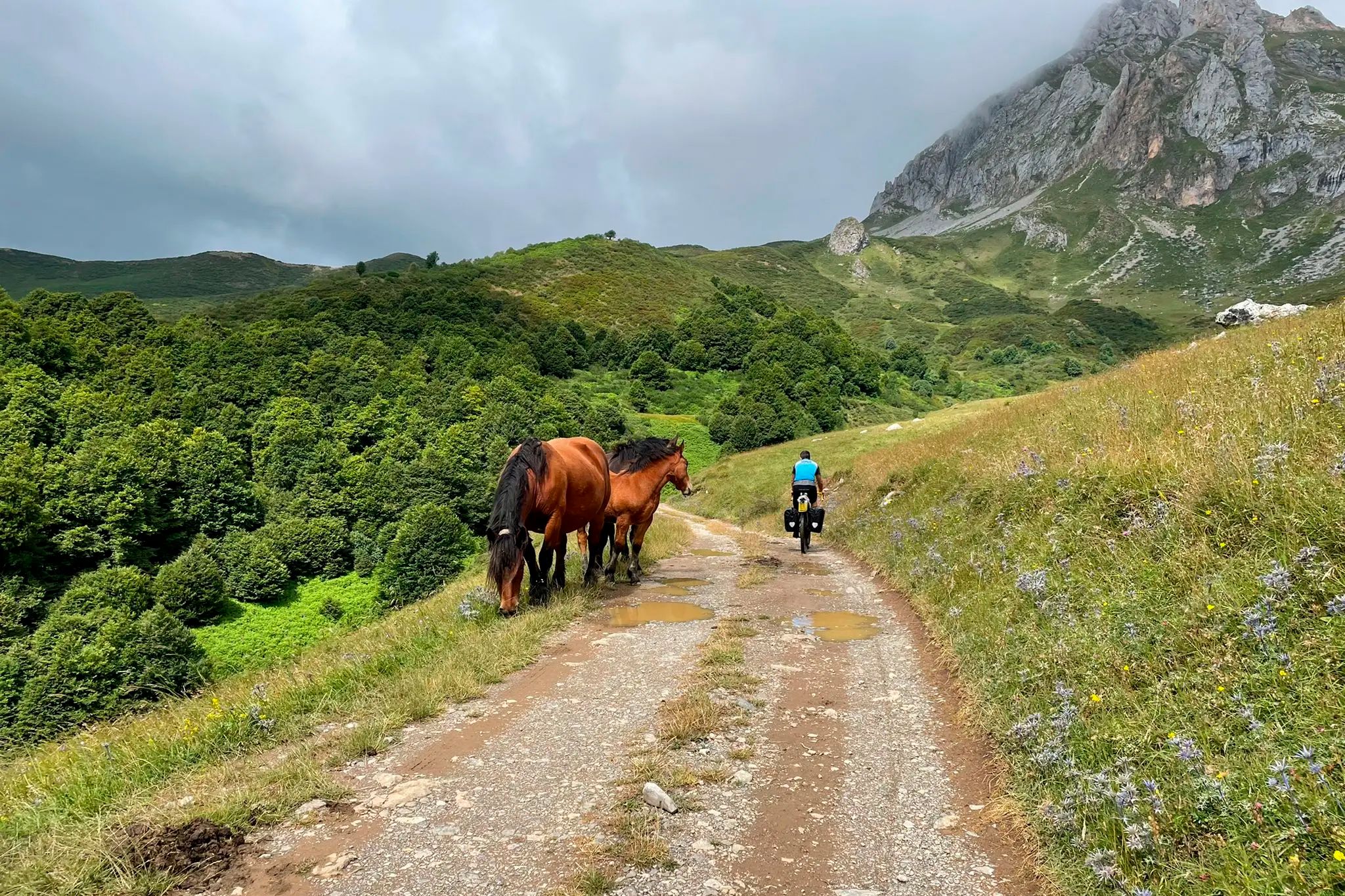
TransCantabrica – Extreme mountain biking in northern Spain
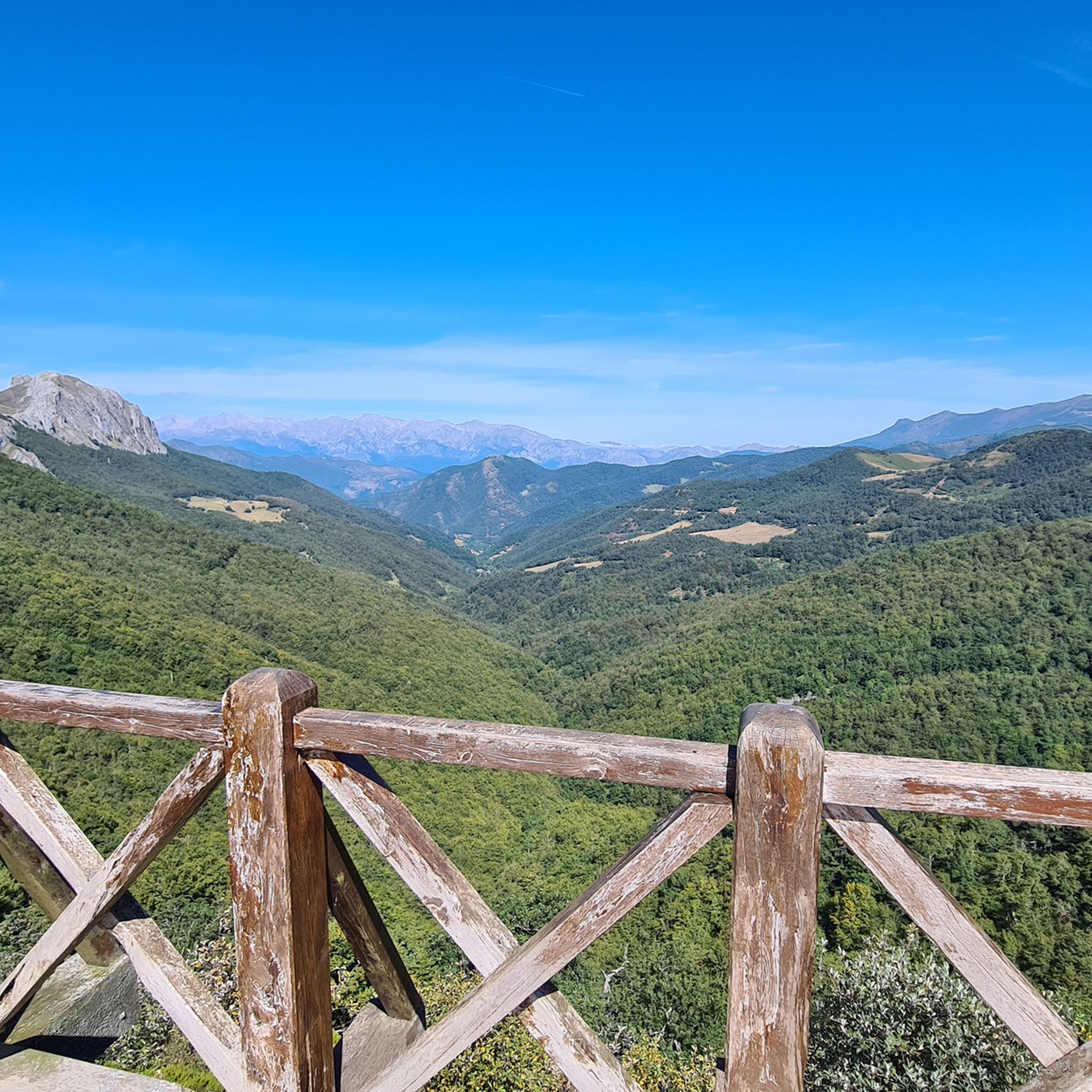
Hiking around National Park Fuentes Carrionas y Fuente Cobre-Montaña Palentina
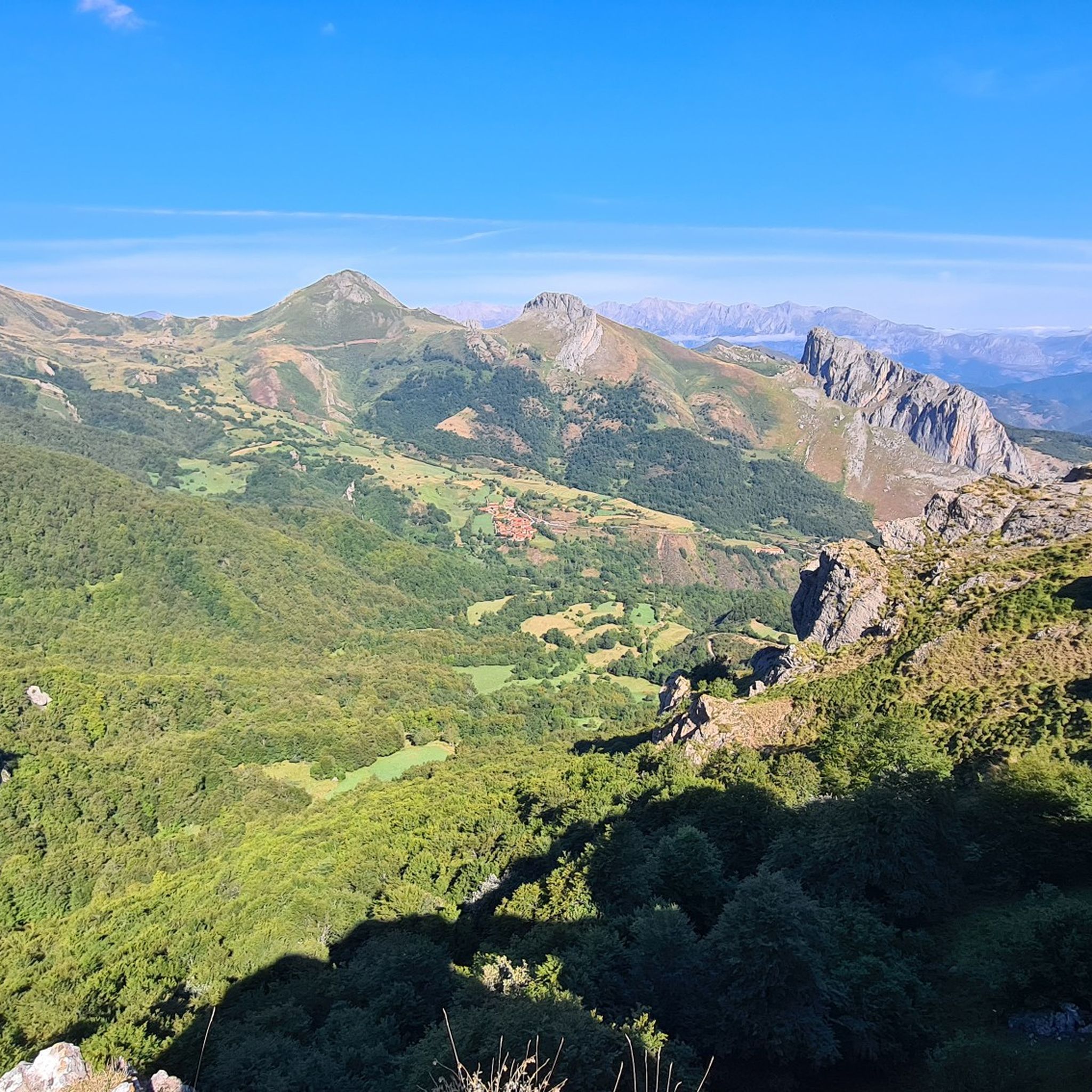
MTB Trails around National Park Fuentes Carrionas y Fuente Cobre-Montaña Palentina
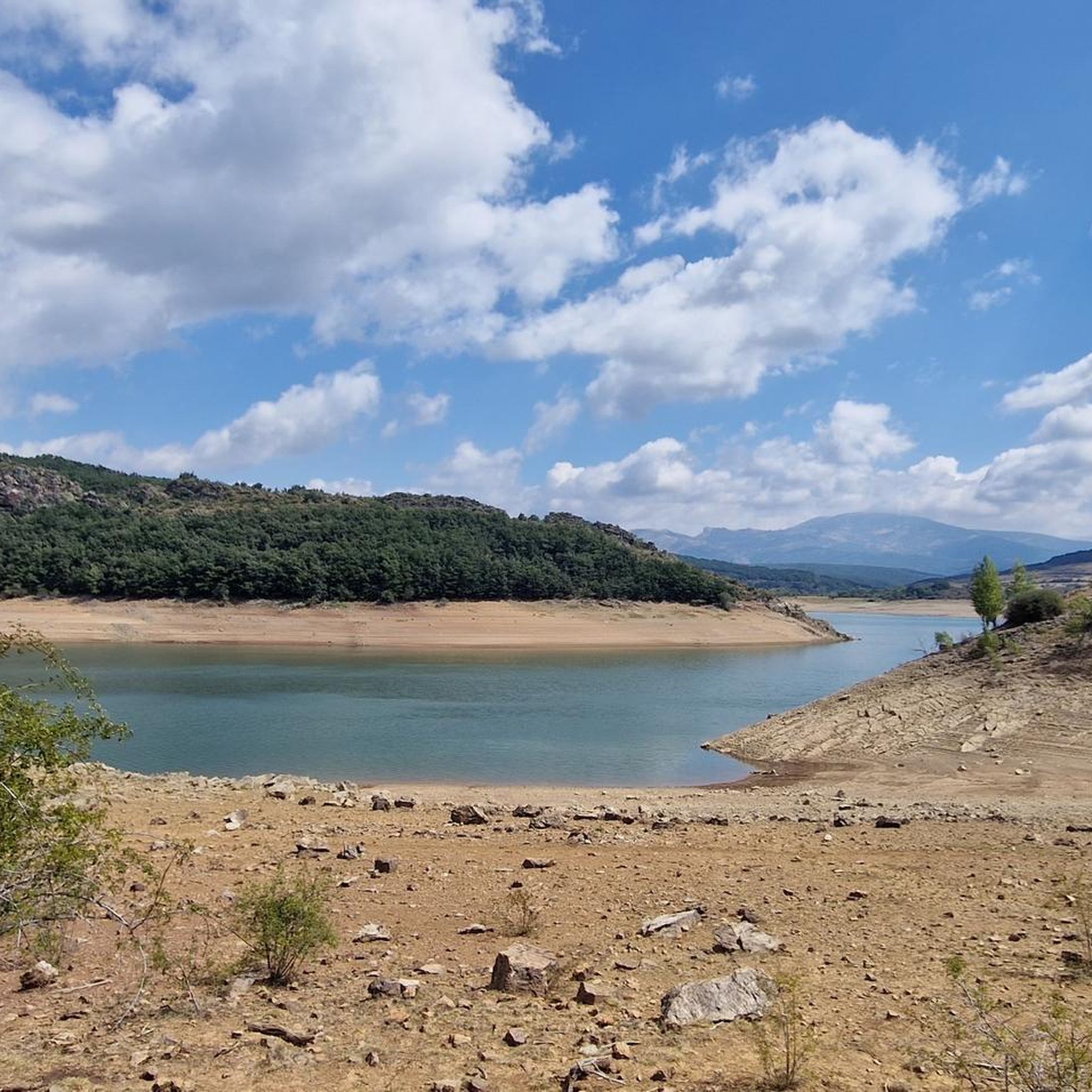
Cycling around National Park Fuentes Carrionas y Fuente Cobre-Montaña Palentina
Running Trails around National Park Fuentes Carrionas y Fuente Cobre-Montaña Palentina
Road Cycling Routes around National Park Fuentes Carrionas y Fuente Cobre-Montaña Palentina

Gravel biking around National Park Fuentes Carrionas y Fuente Cobre-Montaña Palentina
Other adventures around National Park Fuentes Carrionas y Fuente Cobre-Montaña Palentina

Tips from the Community

A varied tour with a box seat view of the southern Picos in Spain: This circular hike does not run through the Picos de Europa itself, but it has everything that makes a hiker's heart beat faster in Cantabria: Comfortable, wide paths alternate with short, steep climbs on narrow paths, sometimes it goes through sparse forests, sometimes the eye can hardly get enough of the views. The whole thing is spiced up with two small ponds that invite you to have a picnic along the way, a small, Stone Age megalithic tomb and the (albeit barely visible) remains of an Iron Age settlement. The brilliant highlight of the tour is the Pico Jano. From the almost 1,500 m high summit and the subsequent short ridge hike, you can look out over the entire south side of the Picos de Europa, the Liébana valley and to the south over the Cantabrian divide as if from a box seat.
2
0

It is a very beautiful trail that goes from the Pinollano parking lot to La Cascada del Mazobre. It is a popular hike and not too difficult for biking.
0
0

The route is quite difficult and without major highlights along the way. It's steep up and steep down again. A good level of fitness is important. The grandiose view from the summit then compensates for the exertion. ☺️
0
0

Palencia summit located in the town of Cardaño de Abajo which can be ascended by several routes, although several of them present a fairly high technical difficulty.
1
1

At 1446 meters above sea level, the peak of El Pico Jano is the highest in the Sierra de Collaín and you will feel that you are touching the clouds, or failing that, you will be above them! As there are no obstacles ahead, the views are truly amazing and will invite you to stay there for a few minutes enjoying this beautiful landscape of the Cantabrian mountain range.
1
0
Very picturesque path with beautiful views that runs through the Castro de la Tejera and allows you to reach Pico Jano.
2
0

The path that runs from Pinollano to La Cascada de Mazobre is 3 km of good track.
1
0
Climbing the east ridge is very demanding. Going down the north slope requires a lot of attention to avoid falls.
1
0
Frequently Asked Questions
How many mountaineering routes are available in National Park Fuentes Carrionas y Fuente Cobre-Montaña Palentina?
There are over 5 mountaineering routes documented in National Park Fuentes Carrionas y Fuente Cobre-Montaña Palentina, offering a range of experiences for different skill levels.
Are there any moderate mountaineering routes suitable for beginners in the Montaña Palentina region?
Yes, while many routes are challenging, there are options like the Cueva del Cobre loop from Parking Cueva del Cobre, which is a moderate 7.4-mile (11.8 km) trail. Another moderate option is the Embalse de la Tejera – Pico Jano loop from Pico Jano, covering 5.7 miles (9.1 km).
What is the best time of year for mountaineering in National Park Fuentes Carrionas y Fuente Cobre-Montaña Palentina?
The ideal time for mountaineering in this region is typically from late spring to early autumn (June to September). During these months, the weather is generally more stable, and snowmelt allows access to higher elevations. However, always check local weather forecasts and trail conditions before heading out, as mountain weather can change rapidly.
Are there any circular mountaineering routes in the park?
Yes, all the featured mountaineering routes in this guide are circular. For example, you can explore the challenging Peña Prieta (2,538 m) loop from Cardaño de Arriba or the equally demanding Diente del Oso – Curavacas loop from Vidrieros.
What kind of wildlife can I expect to see while mountaineering in Fuente Cobre trails?
The National Park Fuentes Carrionas y Fuente Cobre-Montaña Palentina is known for its rich biodiversity. Keep an eye out for Cantabrian brown bears, wolves, chamois, and various bird species, including griffon vultures and golden eagles. Early mornings or late evenings offer the best chances for wildlife spotting.
Are there specific parking areas for trailheads in National Park Fuentes Carrionas?
Many popular trailheads, such as those for the Espigüete loop from Parking Pinollano and the Cueva del Cobre loop, have designated parking areas. It's advisable to arrive early, especially during peak season, as spaces can fill up quickly. Always park responsibly and respect local regulations.
What are some notable landmarks or viewpoints along these mountaineering routes?
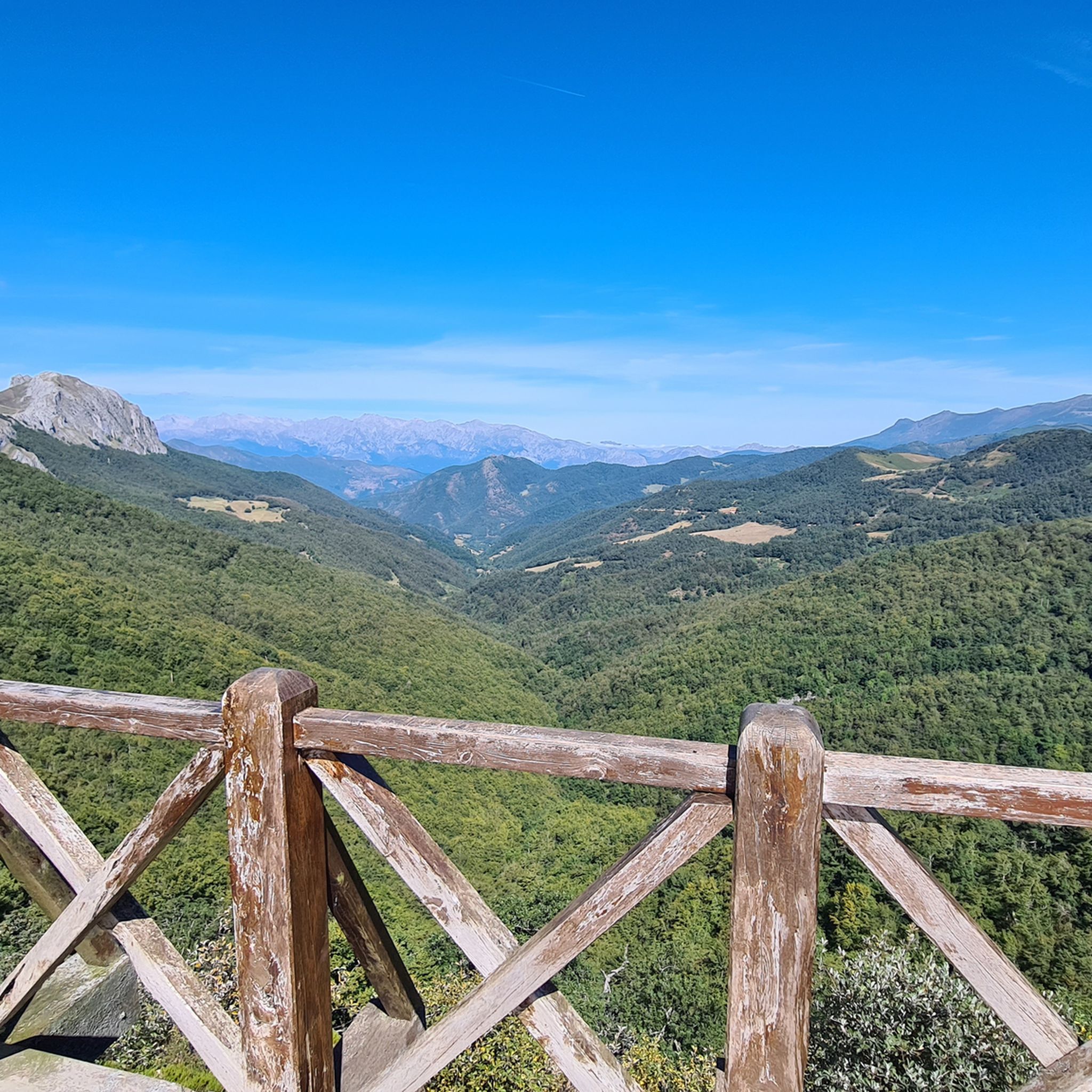
The region offers stunning panoramic views and natural landmarks. You can find impressive vistas at Piedrasluengas Viewpoint or Alto de La Varga Viewpoint. The peaks themselves, such as Curavacas (2524m) and Espigüete Summit (2,454 m), are significant points of interest.
Is public transport available to access hiking areas in Fuente Cobre?
Public transport options to the more remote trailheads within the National Park Fuentes Carrionas y Fuente Cobre-Montaña Palentina are limited. It is generally recommended to use a private vehicle to reach the starting points of most mountaineering routes. Some smaller villages might have infrequent bus services, but these often do not align with trailhead access.
What do other mountaineers enjoy most about the routes in Montaña Palentina?
The komoot community highly rates the mountaineering routes in National Park Fuentes Carrionas y Fuente Cobre-Montaña Palentina, with an average score of 5.0 stars. Reviewers often praise the challenging ascents, the rugged and exposed ridges, and the breathtaking panoramic views from prominent peaks like Peña Prieta and Curavacas.
Are there any specific considerations for winter mountaineering in this region?
Winter mountaineering in Montaña Palentina requires significant experience and specialized gear due to heavy snowfall and challenging conditions. Routes can become much more difficult, requiring ice axes, crampons, and avalanche safety equipment. It's crucial to check avalanche forecasts and be prepared for extreme weather.
Are dogs allowed on the mountaineering trails in National Park Fuentes Carrionas y Fuente Cobre-Montaña Palentina?
Generally, dogs are permitted on trails within the National Park, but they must be kept on a leash to protect wildlife and ensure the safety of other hikers. Always check specific trail regulations, as some areas, especially those with sensitive wildlife or grazing livestock, may have stricter rules or seasonal restrictions.
Are there any cafes or places to eat near the mountaineering routes?
While the immediate trailheads are often remote, you can find small cafes and restaurants in the nearby villages such as Cardaño de Arriba, Vidrieros, or Cervera de Pisuerga. These villages serve as good bases for stocking up on supplies or enjoying a meal after your mountaineering adventure.
Most popular routes around National Park Fuentes Carrionas y Fuente Cobre-Montaña Palentina
Most popular attractions around National Park Fuentes Carrionas y Fuente Cobre-Montaña Palentina

Get inspired with the komoot mobile app


Explore more
Browse the best Mountain Hikes & Routes in other regions.
