Attractions and Places To See around Cacabelos - Top 20
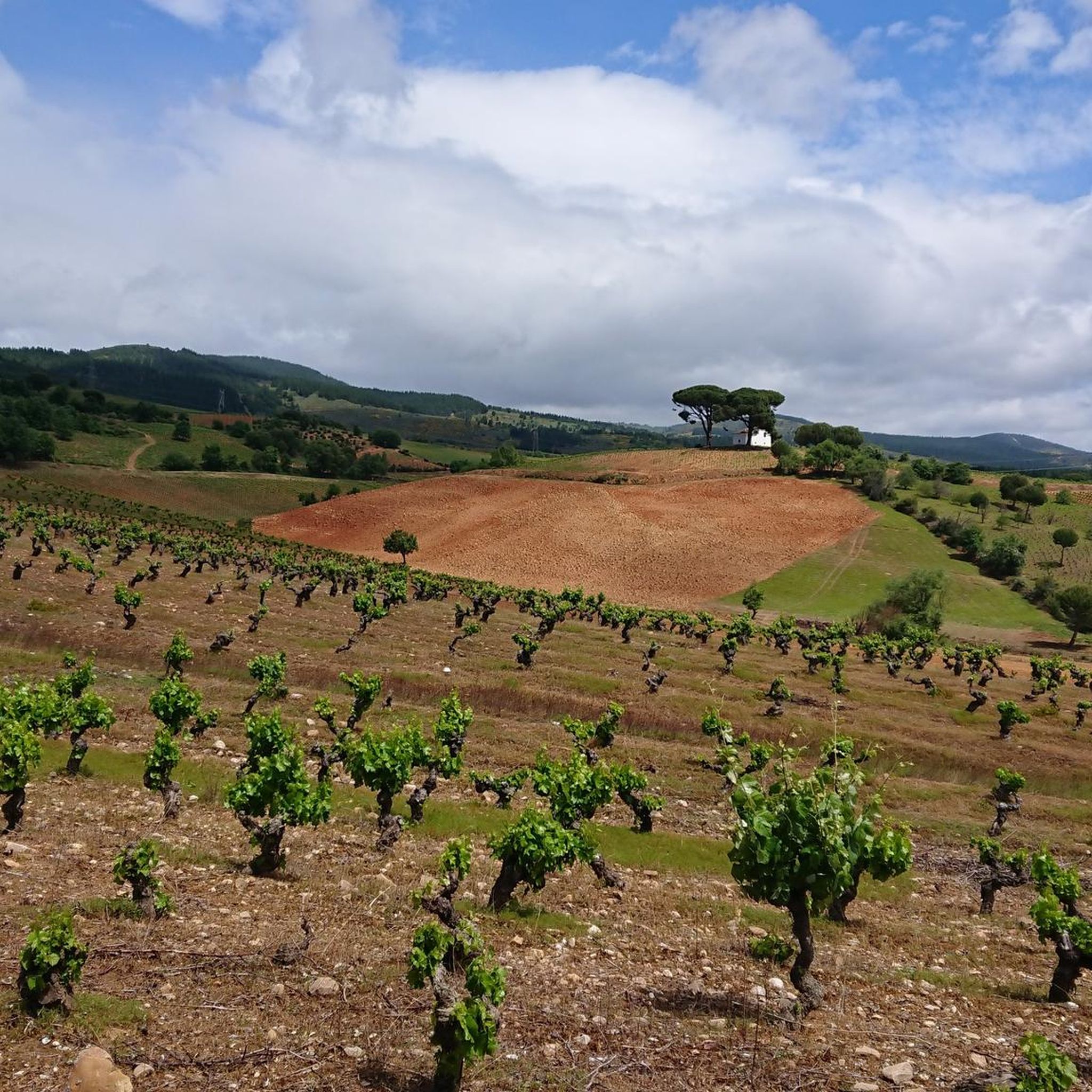
Best attractions and places to see around Cacabelos include historical sites, cultural venues, and natural landscapes. Located on the Way of Saint James in the El Bierzo region, Cacabelos is situated on the banks of the River Cúa and is surrounded by vineyards. The town offers a blend of ancient Roman history, medieval architecture, and a rich wine heritage. Visitors can explore a variety of sites reflecting its past and natural setting.
Best attractions and places to see around Cacabelos
- The most popular attractions is Villafranca del Bierzo Castle, a castle that is a large square with circular cubes in the corners and palatial rooms. Its impressive walls give a well-fortified impression, reflecting its historical significance.
- Another must-see spot is Church of Santiago (Holy Door of Forgiveness), Villafranca del Bierzo, a religious building with a Holy Door. This church offers pilgrims who cannot reach Santiago the same indulgences.
- Visitors also love Quinta Angustia Sanctuary and Cacabelos Pilgrims' Hostel, an 18th-century religious building. This colossal temple features a main altarpiece from 1758 and rococo-like paintings.
- Cacabelos is known for its ancient Roman sites, medieval churches, and vibrant wine culture. The area offers a variety of attractions to see and explore, from historical landmarks to natural landscapes.
- The attractions around Cacabelos are appreciated by the komoot community, with more than 300 upvotes and over 100 photos shared by visitors.
Last updated: August 30, 2026
Villafranca del Bierzo Castle
Highlight • Castle
Here we find the Santiago church from 1186, the 16th century fortress, the authentic Calle del Agua, the Plaza Mayor, the San Nicolas church, a Jesuit monastery and a former monastery church of San Francisco. Francis of Assisi founded the monastery in the 13th century on his pilgrimage to Santiago.
Translated by Google •
Tip by

Church of Santiago (Holy Door of Forgiveness), Villafranca del Bierzo
Highlight • Religious Site
Translated by Google •
Tip by

Sign up now to discover places like this
Get recommendations on the best single tracks, peaks, & plenty of other exciting outdoor places.
Sign up for free
Church of San Esteban de Columbrianos
Highlight • Religious Site
I hope you find this architectural gem interesting! 😊
Translated by Google •
Tip by
Quinta Angustia Sanctuary and Cacabelos Pilgrims' Hostel
Highlight • Religious Site
Translated by Google •
Tip by
San Nicolás El Real Monastery and Hostel
Highlight • Religious Site
I hope you have a pleasant stay at this historic hostel! 😊
Translated by Google •
Tip by
Sign up for free to discover even more attractions around Cacabelos.
Sign up for free
Already have an account?
Start today with a free account
Your next adventure awaits.
Login or Signup
Tips from the Community

The Church of Santiago dates back to the 12th century, the Puerta del Perdón (Door of Forgiveness), and is located next to the Cathedral of Santiago. They are the only ones that can grant the Jubilee, in this case it will be due to illness or accident that prevents you from continuing on to the Cathedral of Santiago de Compostela.
0
0
Inside is the patron saint of Vilafranca, Christ of Hope... and a magnificent altarpiece from the same 17th century.
0
0

This is the former Monastery dedicated to San Nicola di Bari
5
0
Stage of the Camino de Santiago. It goes from the vineyards of Bierzo to the green mountains of the mythical O Cebreiro pass
5
0

The former monastery in the middle of Villa Franca del Birzo is now a hotel and hostel. It is an interesting place and a wonderful place to stay.
5
0

Sant ESTEVE or ESTEBAN, Saint Stephen, patron saint of this church, is one of the first seven deacons of the original Jerusalem community and, as the New Testament reports, is the first martyr (martyr) of early Christianity. The church commemorates his death on the second day of Christmas, December 26th. When Stephen expressed his vision of the open heavens, "But he, filled with the Holy Spirit, looked up into heaven and saw the glory of God, and Jesus standing at the right hand of God" (Acts chapter 7 verse 55), the people were so outraged that they drove him out of the city and stoned him.
1
0
Around the church is the official hostel with many sleeping cabins, a shower and toilets. The hostel is definitely worth visiting and staying overnight
3
0

This private hostel is designed for pilgrims on the French Camino de Santiago, but also welcomes tourists and travelers. It is located in the center of Villafranca, a city declared a Historic-Artistic Site. The building, declared a Site of Cultural Interest, dates back to the 17th century and was originally a school of the Company of Jesus. Its architectural design combines educational and religious functions. I hope you have a pleasant stay at this historic hostel! 😊
5
0
Frequently Asked Questions
What historical sites can I explore in Cacabelos?
Cacabelos offers a rich history, including the ancient Roman site of Castro Ventosa, also known as Bergidum Flavium, which features a magnificent late Roman Empire wall and panoramic views. The town's Villafranca del Bierzo Castle, a 16th-century fortress with impressive walls, is another significant historical landmark nearby. You can also see the Puente Mayor, a bridge dating from the 16th and 18th centuries, and Calle Santa María, historically home to the town's main gates and stone mansions.
Are there any significant religious buildings to visit in Cacabelos?
Yes, Cacabelos and its surroundings are home to several notable religious buildings. The Church of Saint Mary of the Assumption of Cacabelos, originally consecrated in 1108, retains its Romanesque apse. The 18th-century Quinta Angustia Sanctuary houses the carving of Cacabelos' patron saint. Nearby, the Church of Santiago in Villafranca del Bierzo is particularly significant for pilgrims, as it offers a Holy Door granting indulgences.
What museums are there in Cacabelos?
Cacabelos features two main museums. The Cacabelos Archaeological Museum (M.AR.CA.) takes you on a journey from prehistory to the 20th century, showcasing significant archaeological pieces from the ancient Roman town of Bergidum Flavium. Additionally, the Wine Museum provides insights into El Bierzo's strong wine heritage, displaying implements and devices related to wine production in the region.
What natural features can I enjoy around Cacabelos?
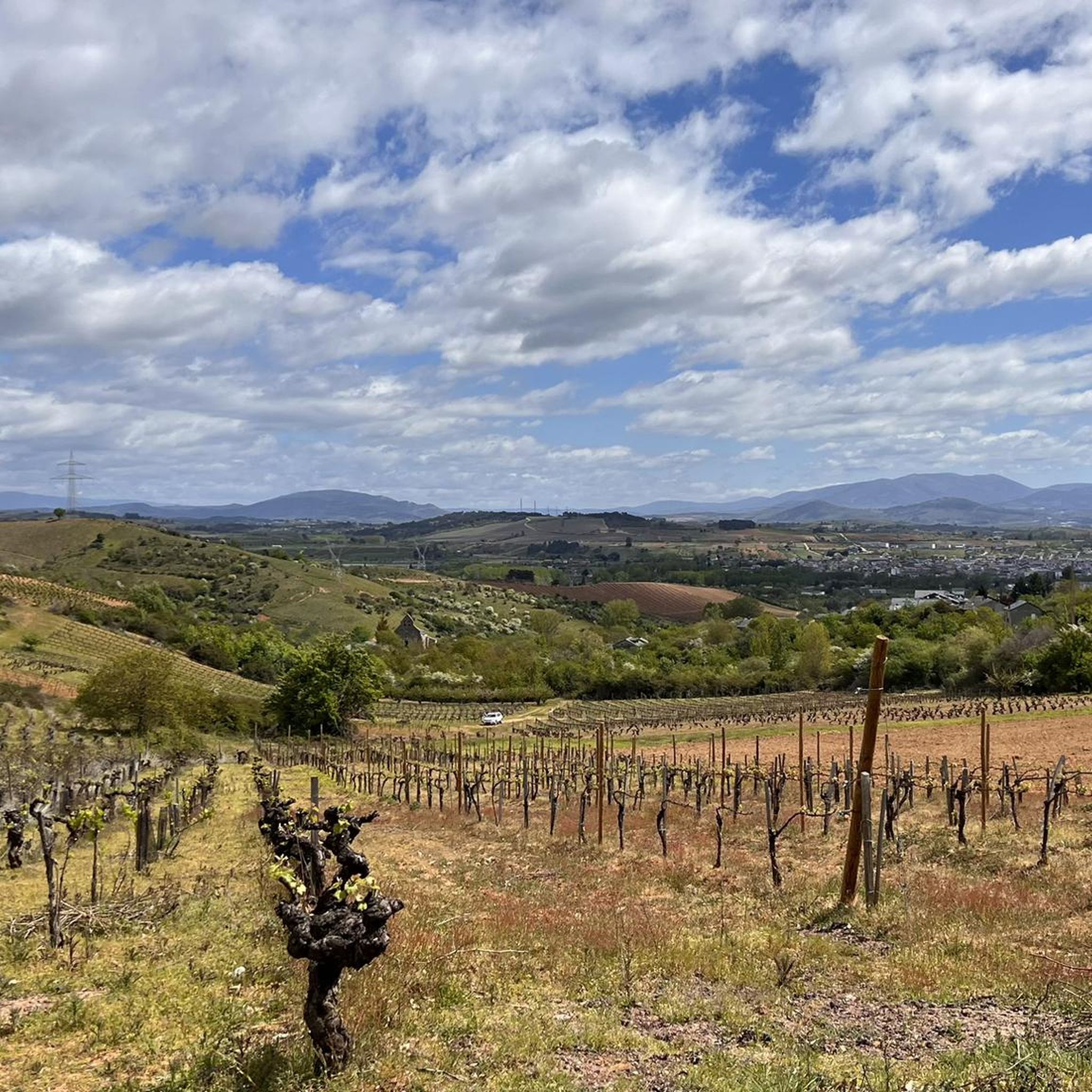
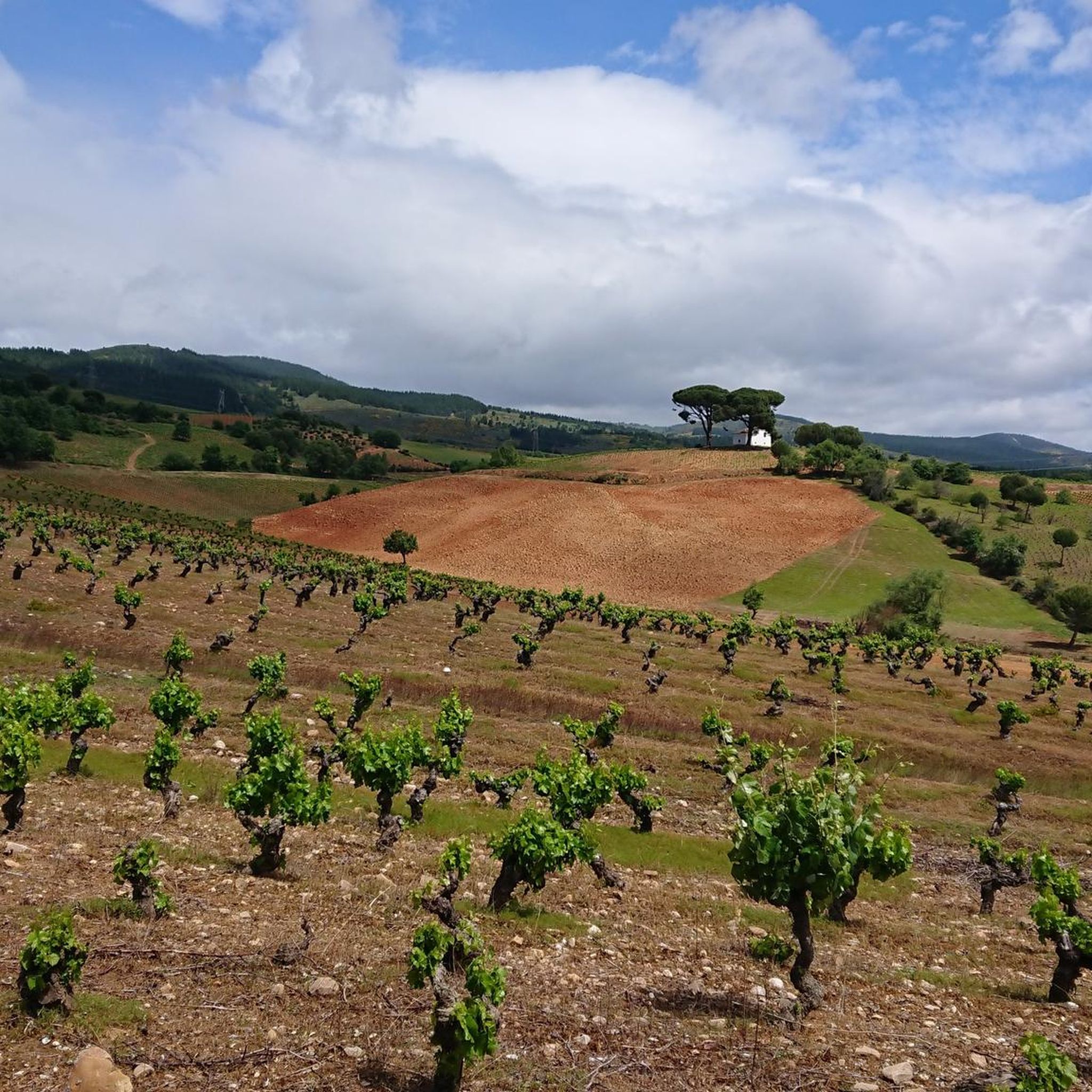
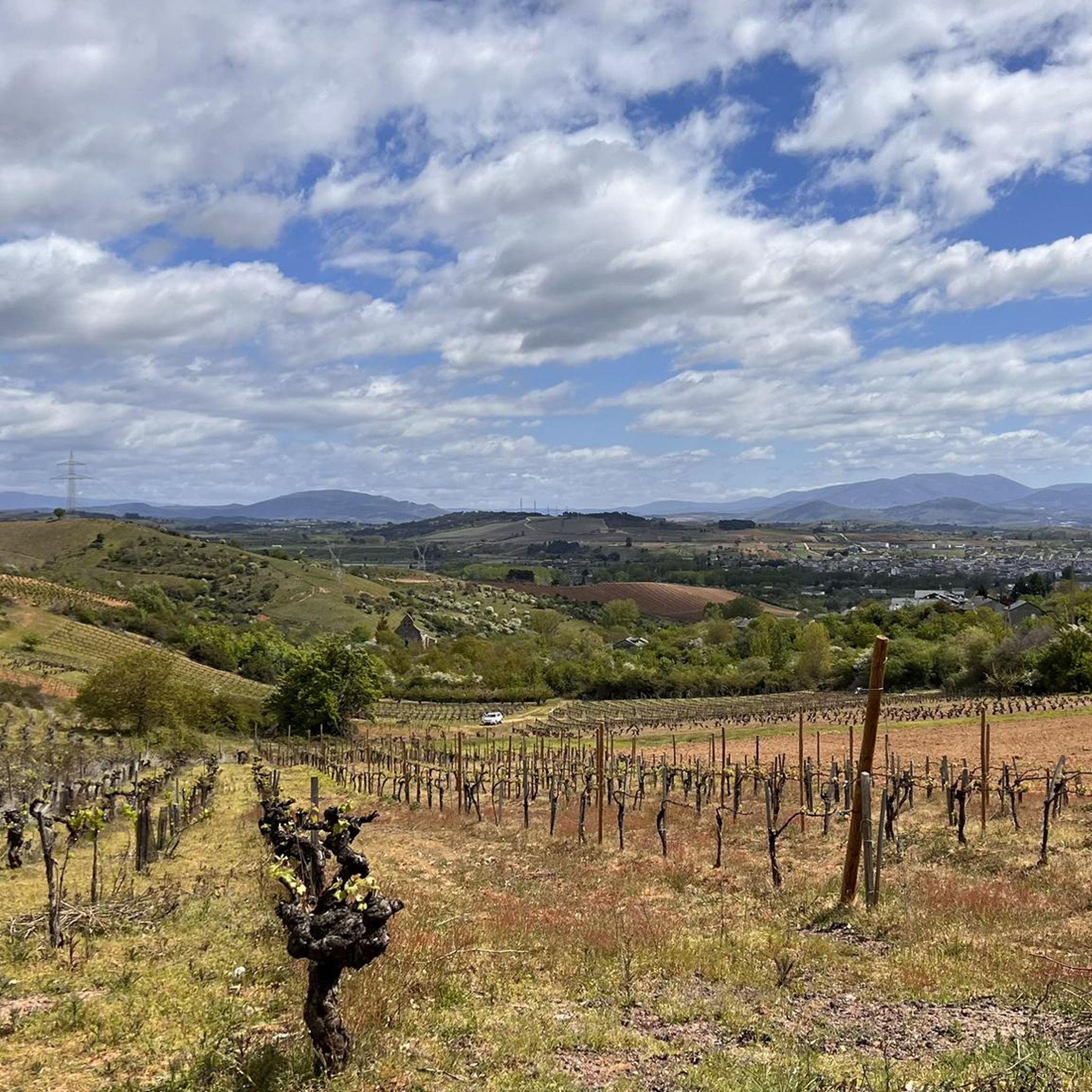
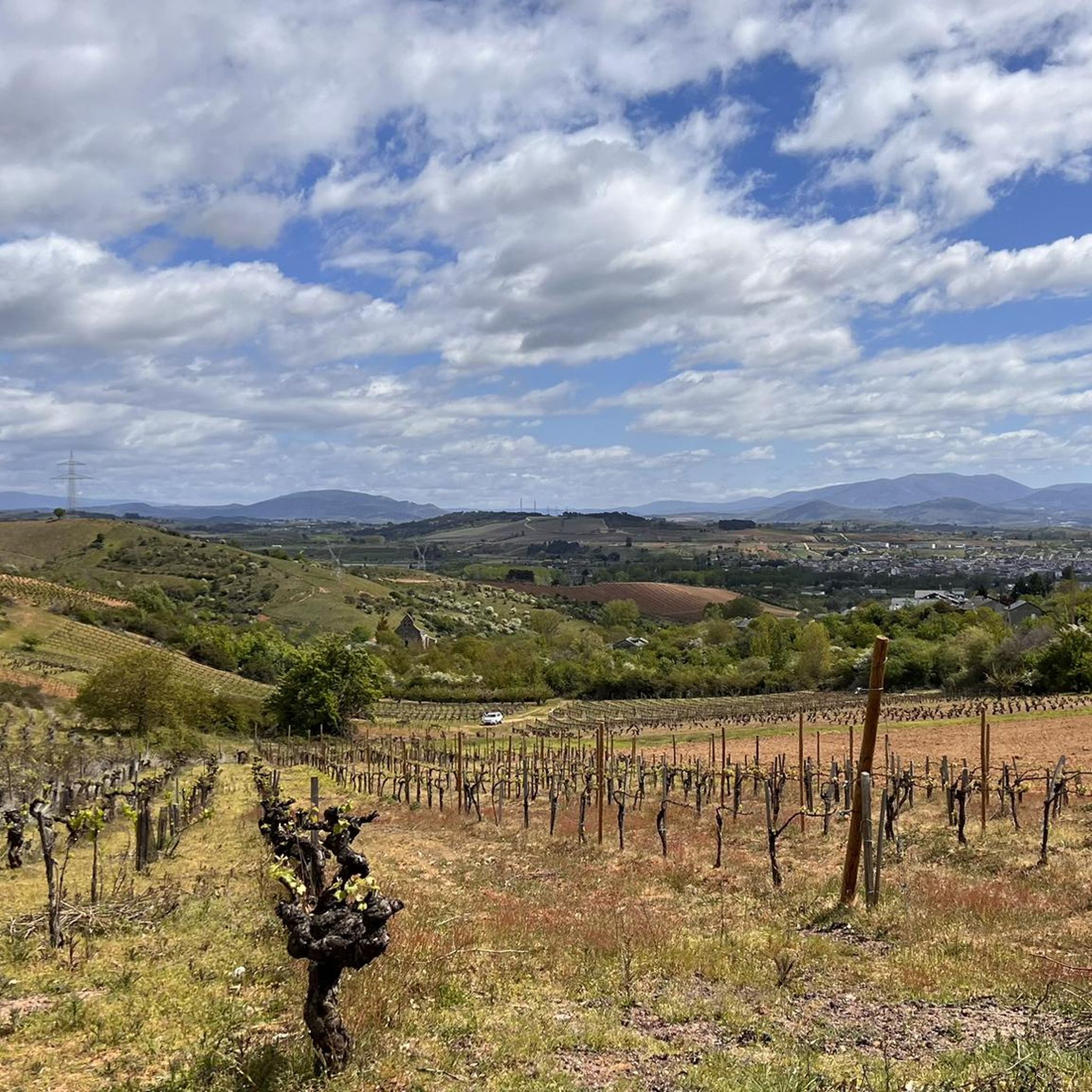
Cacabelos is nestled in a region of natural beauty. The town is situated on the banks of the River Cúa, which offers a beautiful riverside walk and a fluvial beach during summer. The surrounding landscape is characterized by extensive vineyards, reflecting its status as the capital of the Bierzo Designation of Origin wine region. Exploring these vineyards is a popular rural tourism experience.
Are there opportunities for outdoor activities like hiking or cycling near Cacabelos?
Absolutely. The area around Cacabelos is ideal for outdoor enthusiasts. You can find numerous routes for various activities. For running, explore options like the Cúa River in Cacabelos loop. Mountain biking trails include the Natural Spring on the Trail – Cúa River in Cacabelos loop. Cyclists can enjoy routes such as the Bicibelos – Cúa River in Cacabelos loop. These guides offer a range of difficulties and distances.
What is the significance of Cacabelos to the Camino de Santiago?
Cacabelos holds significant importance for pilgrims on the Way of Saint James. It is a charming town located directly on the Camino, historically serving as a crucial stop with five pilgrim hospitals during the Middle Ages. The Hermitage of San Roque (Vera Cruz) is an important stop for pilgrims, and the Church of Santiago in Villafranca del Bierzo offers a Holy Door for those unable to complete their journey to Santiago.
Are there family-friendly attractions in Cacabelos?
Yes, Cacabelos offers several family-friendly options. The riverside walk along the River Cúa and its fluvial beach are great for families, especially in summer. Historical sites like Villafranca del Bierzo Castle can be engaging for children. The town's vibrant atmosphere, especially during summer, and its rich history provide an educational and enjoyable experience for all ages.
What is the best time of year to visit Cacabelos?
Cacabelos is lively, especially in summer, due to the influx of pilgrims and tourists who come to enjoy its attractions, heritage, and gastronomy. The summer months are ideal for enjoying the fluvial beach on the River Cúa and outdoor activities. Spring and autumn offer pleasant weather for exploring historical sites and vineyards without the peak summer crowds, with autumn being particularly beautiful as the vineyards change color.
Can I find good viewpoints or panoramic spots around Cacabelos?
Yes, the archaeological site of Castro Ventosa, located a few kilometers from Cacabelos, offers extraordinary panoramic views of the surrounding El Bierzo region and its vineyards. This elevated position provides a fantastic perspective of the landscape and the ancient Roman settlement.
What is the El Bierzo region known for, and how does Cacabelos fit in?
El Bierzo is known for its unique character, natural beauty, and rich wine heritage. Cacabelos is situated in the heart of El Bierzo and is considered the capital of the Bierzo Designation of Origin wine region. The town perfectly blends ancient Roman history, medieval architecture, and a vibrant wine culture, making it a prime example of the region's diverse appeal. Nearby natural areas like Las Médulas, the Valley of Silence, and the Ancares Sierra further highlight El Bierzo's exceptional scenery.
Are there any easy walking trails near Cacabelos?
Yes, you can find easy walking trails, particularly along the River Cúa. The riverside walk offers a pleasant and accessible option for a leisurely stroll. For more structured routes, you can explore the Running Trails around Cacabelos guide, which includes moderate loops like the Cúa River in Cacabelos loop, suitable for walking as well.

Get inspired with the komoot mobile app


Explore more
Still not found the Highlight you’re looking for? See guides of the top attractions in other regions:
