Attractions and Places To See around Villacañas - Top 20
Best attractions and places to see around Villacañas include a blend of historical sites, unique architecture, and significant natural wetlands. Located in the province of Toledo, Spain, this region features underground silos that served as homes, alongside diverse religious heritage. The area is also home to important natural havens like the Humedales de Villacañas, known for their rich flora and fauna.
Best attractions and places to see around Villacañas
- The most popular attractions is Laguna Grande de Villafranca, a…
Last updated: July 2, 2026
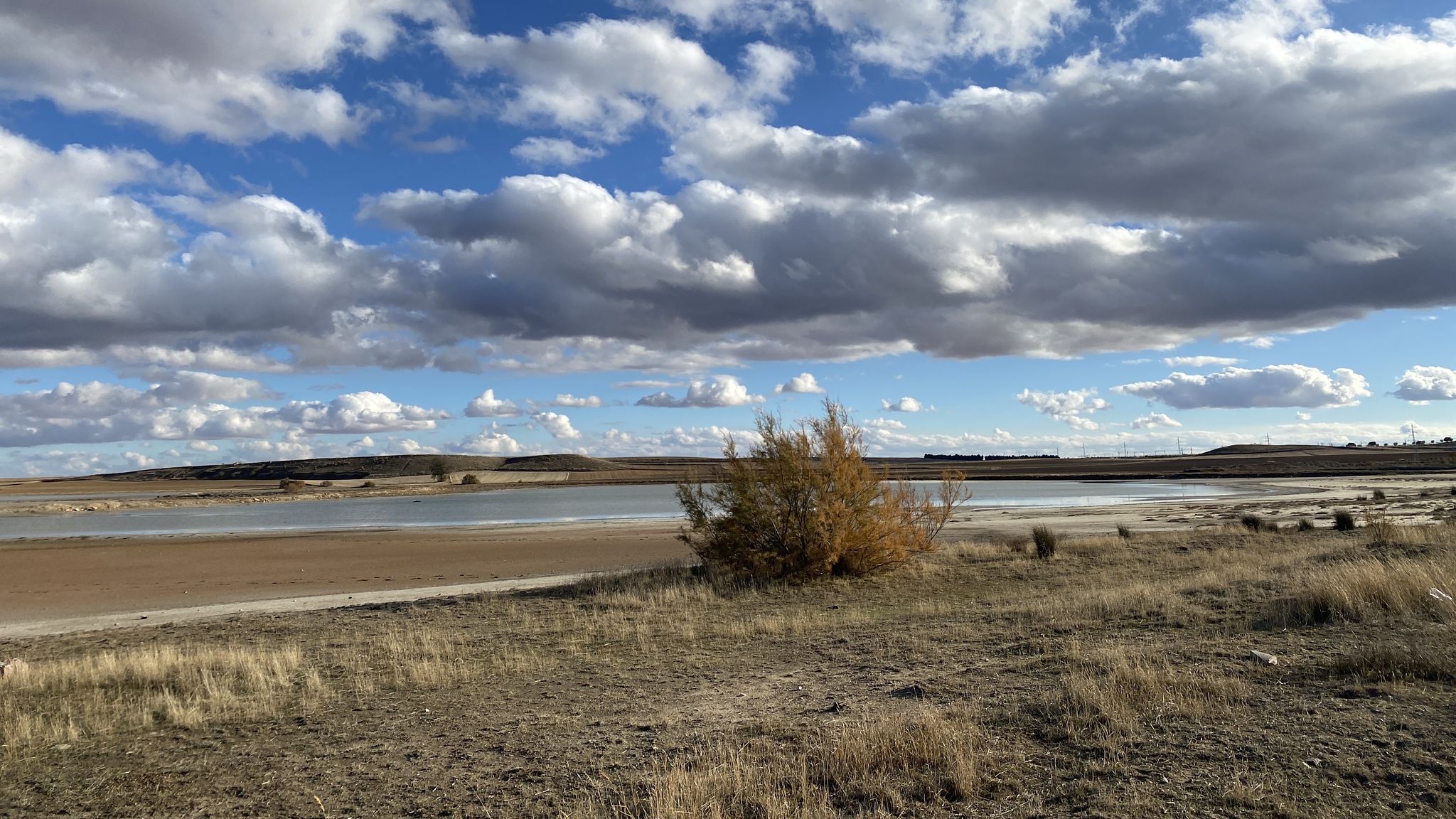
Laguna Grande de Villafranca
Highlight • Lake
Translated by Google •
Tip by

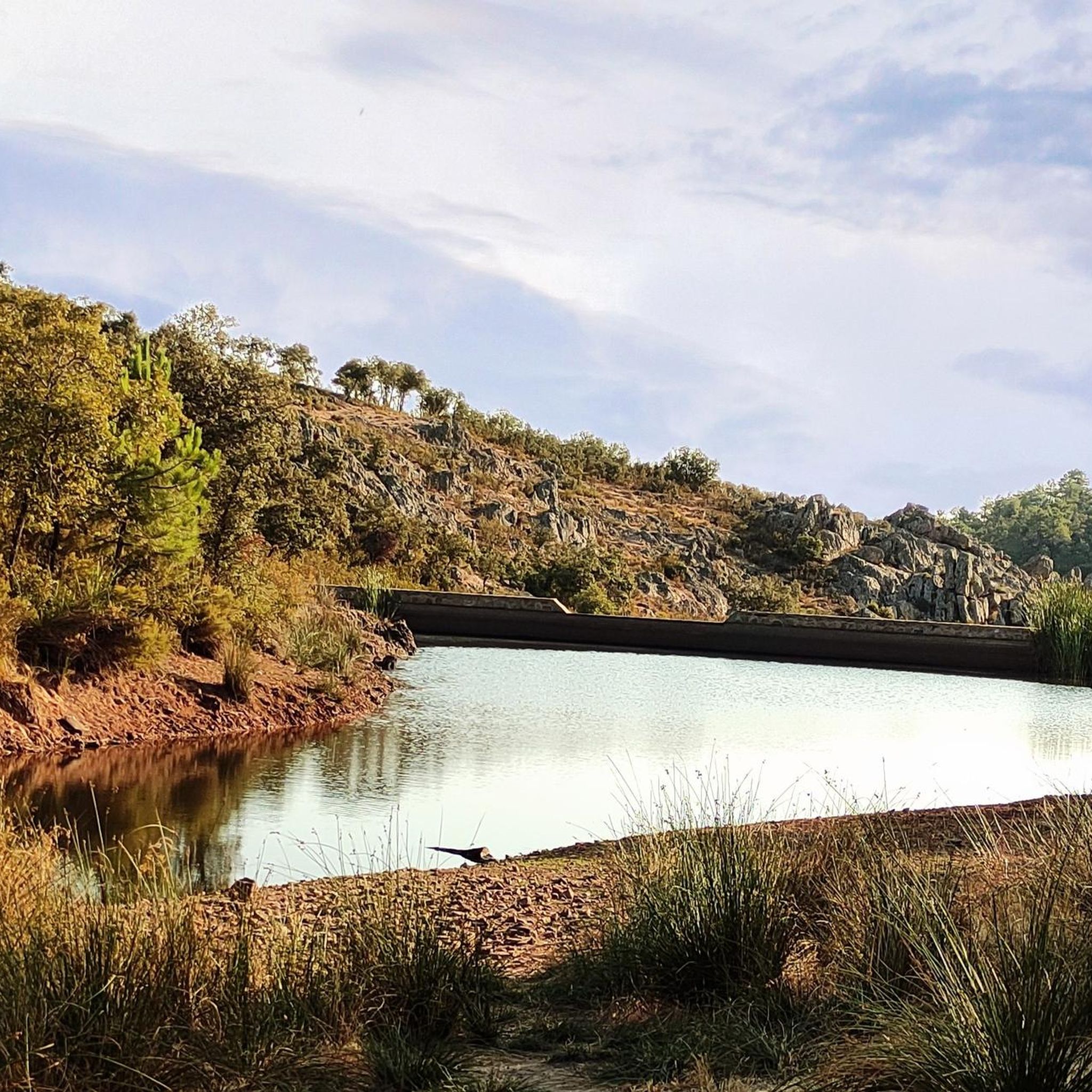
The Ammunition Depot
Highlight • Structure
Translated by Google •
Tip by
Sign up now to discover places like this
Get recommendations on the best single tracks, peaks, & plenty of other exciting outdoor places.
Sign up for free
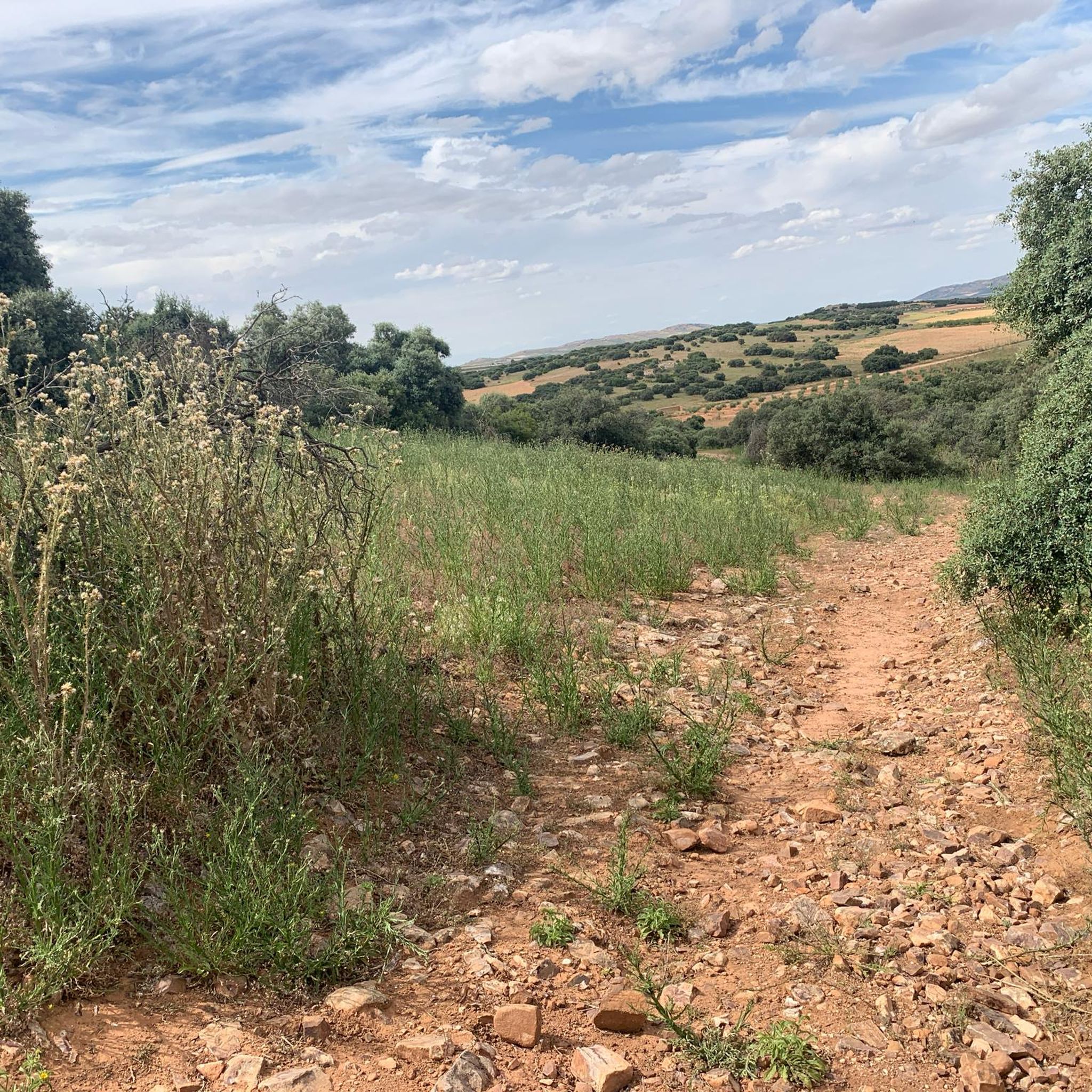
Madridejos
Highlight • Settlement
Translated by Google •
Tip by

Church of Nuestra Señora de la Asunción (Tembleque)
Highlight • Religious Site
Translated by Google •
Tip by
Laguna de Peñahueca
Highlight • Lake
Translated by Google •
Tip by

Sign up for free to discover even more attractions around Villacañas.
Sign up for free
Already have an account?
Start today with a free account
Your next adventure awaits.
Login or Signup

Other adventures around Villacañas

Tips from the Community

Madridejos, in the province of Toledo, is a perfect destination for a cultural and natural getaway in the heart of Toledo's La Mancha region.
7
2

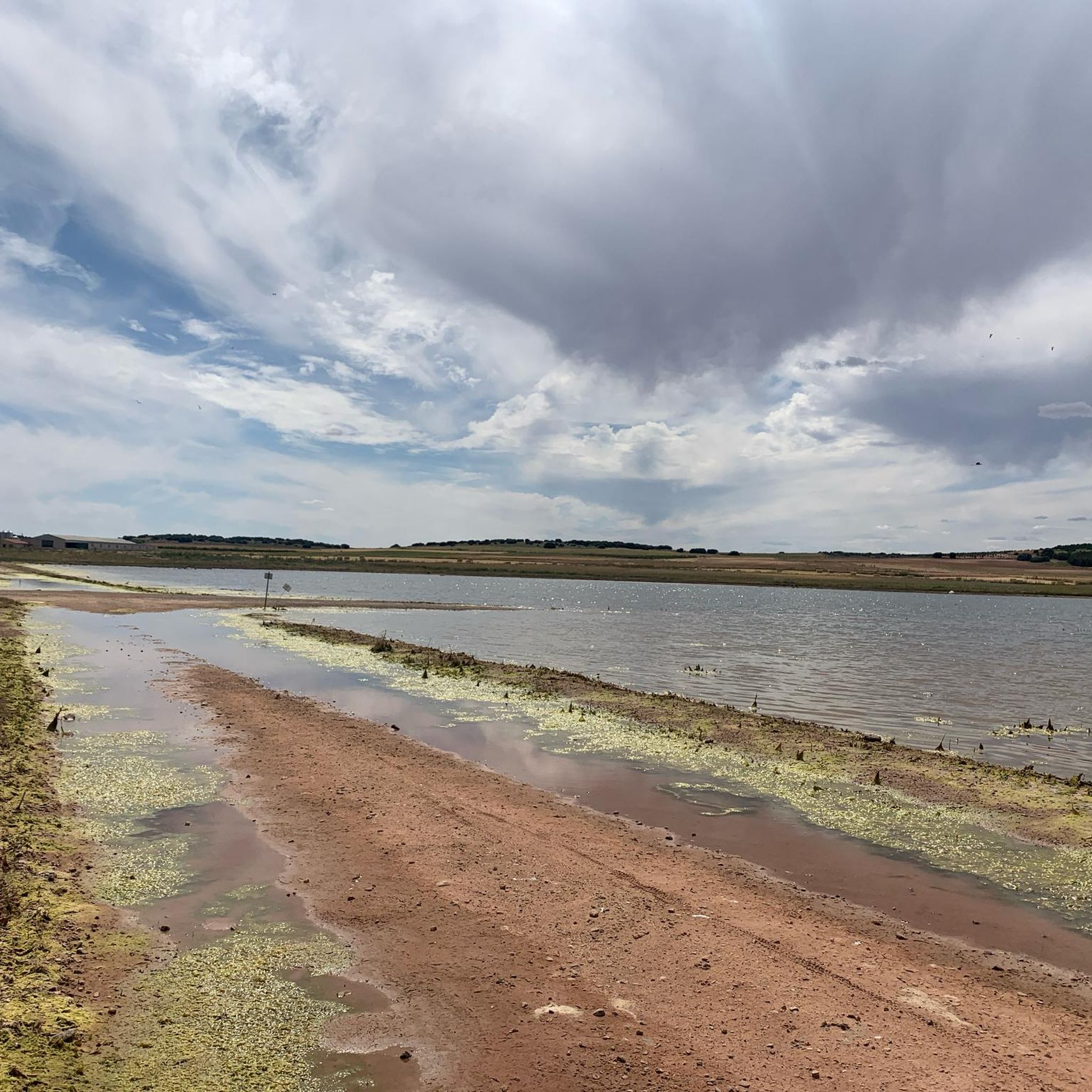
After riding through dry environments, a nice place to stop and watch the birds for a while.
1
1
The Laguna Grande de Villafranca de los Caballeros is one of the largest river lagoons in La Mancha and the only one in the region with recreational use. With its 2.5 km long beach, it is a popular tourist destination, especially in the summer months.
16
0

We are facing the Laguna Grande in the city of Villafranca de los Caballeros, with a more than acceptable water level thanks to the recent rains. This area is very well suited for resting and relaxing as they have numerous roofs with tables and seats to eat and enjoy the surroundings.
10
0
At the same entrance is the Cross of the Fallen of Tembleque.
29
0
The church of Our Lady of the Assumption of Tembleque owes its construction to the expedition to Oran in 1509, commanded by Cardinal Cisneros. Indeed, in gratitude for the million maravedíes and the company of soldiers supplied by the town of Tembleque, Cisneros made large donations for the construction of the temple, to which were added the contributions of the Priors of San Juan and those of the residents of San Juan. Wobbly. It is a transitional building between Gothic and Renaissance. Essentially built in the first half of the 16th century, the modifications carried out between 1582 and 1596 were supervised by Nicolás Vergara el Mozo. It has a Latin cross plan, a single nave of considerable height and a polygonal head. The factory is made of ashlar with powerful buttresses on the outside.
40
0

The next wetland is the Laguna Grande de Quero, first you have to pass through the town and then the immense endorheic lake emerges surrounded by whitish mountains. The high level of salinity of the water prevents numerous species of birds from abounding, but it has always been a source of resources due to the collection of salt for canning in brine. The path passes the bed of the Cigüela River and enters the surroundings of the Villafranca lagoons, included like all in the Natura 2000 Network within La Mancha Húmeda and declared a Biosphere Reserve by UNESCO. The Fauna Reserve is the artificial union of the Small and Large lagoons, creating a huge swamp surface of permanent, deep waters with abundant aquatic and steppe birds prowling over the reed beds on the banks. In the lagoons it is easy to see red duck, mallard, crested pochard, common pochard, little grebe, common coot, great crested grebe and marsh harrier. The shore of the Laguna Grande is equipped with bathing areas for the summer season, recreational spaces, bird observatories and an interpretation center, maintaining a tradition of public use that dates back to the 18th century, when the inhabitants of Villafranca de los Knights took advantage of the medicinal properties of saline waters to cure rheumatic ailments and skin diseases.
5
0
Underground galleries built in 1936 with the aim of storing the ammunition destined for the planes of the combat squadron of the airfield. These galleries were built manually by stonemasons from Villafranca de los Caballeros. They occupy the land of an old quarry. It was a military zone until the 70s. It still retains part of its old fence.
11
0
Frequently Asked Questions
What are the main natural attractions around Villacañas?
The region is rich in natural beauty, particularly its wetlands. The Laguna Grande de Villafranca is one of the largest river lagoons in La Mancha, featuring a 2.5 km long beach and popular for recreation. The Humedales de Villacañas, part of the La Mancha Húmeda Biosphere Reserve, include several lagoons like Laguna Larga and Laguna de Peñahueca, which are vital refuges for migratory birds and offer unique landscapes.
Are there any unique historical sites to explore in Villacañas?
Villacañas is famous for its unique underground architecture, specifically the Silos. These 18th-century underground constructions served as homes and storage. You can explore these dwellings and visit the Ethnographic Museum, housed within a restored silo, to learn about local life and traditions. Another historical site is the Camuñas Town Hall, a notable man-made monument in a nearby town.
What kind of religious heritage can I discover in the area?
The area boasts a rich religious heritage. The impressive 16th-century Parish Church of Nuestra Señora de la Asunción in Villacañas features a Gothic style with heraldic shields. Nearby, the Church of Nuestra Señora de la Asunción (Tembleque) is a significant 16th-century building transitioning between Gothic and Renaissance styles. Other hermitages like Ermita del Cristo del Coloquio, Ermita de San Roque, and Ermita de la Virgen de la Concepción also contribute to the local religious landscape.
Are there family-friendly activities available near Villacañas?
Yes, several attractions are suitable for families. The Laguna Grande de Villafranca is a popular family destination, especially in summer, offering a beach, picnic areas, and recreational facilities. The wetlands, with their marked trails and observatories, provide opportunities for nature walks and birdwatching, which can be an engaging activity for children.
Where can I go birdwatching or observe wildlife?
The Humedales de Villacañas are a prime location for birdwatching. These wetlands, including Laguna Larga and Laguna de Peñahueca, are crucial refuges for migratory birds. You can spot species like flamingos, the white-headed duck, black-billed geese, common spoonbills, and cranes. The wetlands feature marked trails and observatories to enhance your wildlife viewing experience.
What are the best outdoor activities or trails for hiking?
The Villacañas area offers various hiking opportunities, particularly around its natural wetlands. You can explore trails like the "Laguna Larga de Villacañas – circular by the Natural Path of the La Mancha Wetlands" (15.4 km, moderate) or the "Laguna Grande de Quero Loop" (4.7 km, easy). For more options, visit the Hiking around Villacañas guide.
Are there options for mountain biking (MTB) near Villacañas?
Yes, there are several mountain biking trails in the vicinity. Routes such as the "Tembleque and El Romeral Windmills Trail" (41.7 km, moderate) and the "Hermitage of San Gregorio – Old train station loop from Villacañas" (40.1 km, moderate) offer scenic rides. You can find more MTB routes in the MTB Trails around Villacañas guide.
What is the best time of year to visit Villacañas for outdoor activities?
The wetlands, particularly Laguna de Peñahueca, are especially beautiful in summer when their waters acquire various shades and the surrounding cereal fields turn golden. However, for comfortable hiking and biking, spring and autumn offer milder temperatures. If visiting in summer, remember to bring insect repellent for wetland areas.
Is there anything accessible for visitors with mobility considerations?
Some attractions in the region offer accessibility. For instance, the Camuñas Town Hall is noted as wheelchair accessible. Additionally, some observatories within the Humedales de Villacañas are designed to be accessible and include braille panels, making the natural beauty available to a wider range of visitors.
Can I find any cultural workshops or museums in Villacañas?
Yes, Villacañas offers cultural insights beyond its historical buildings. The Ethnographic Museum, located within a restored silo, showcases local culture and traditions. Additionally, the Taller de Especial Interés Artesanal - María Raboso provides guided visits and demonstrations, allowing visitors to experience local crafts firsthand.
What makes the Silos of Villacañas unique?
The Silos of Villacañas are unique because they are 18th-century underground constructions that served as homes and storage spaces. These fascinating architectural treasures offer a glimpse into the daily life of past eras and are recognized as a Cultural Interest Asset. Exploring them provides a distinct cultural experience not commonly found elsewhere.
What do visitors particularly enjoy about the attractions here?
Visitors appreciate the blend of historical and natural sites. The Laguna Grande de Villafranca is loved for its recreational opportunities and being a great spot for family relaxation. The town of Madridejos is noted for its cultural and natural getaway potential, including a well-documented Saffron museum. The unique underground silos also leave a lasting impression on visitors.
Are there any easy walking trails suitable for beginners?
Yes, there are easy walking trails, particularly around the lagoons. The "Laguna Grande de Quero Loop" is an easy 4.7 km route, and the "Laguna de Tirez – circular route" is another easy option at 6.7 km. These trails are perfect for those looking for a gentle introduction to the region's natural beauty. More options can be found in the Hiking around Villacañas guide.
Most popular attractions around Villacañas

Get inspired with the komoot mobile app


Explore more
Still not found the Highlight you’re looking for? See guides of the top attractions in other regions:
