The best road cycling routes around Parc Natural del Montseny
4.3
(333)
23,991
riders
186
rides
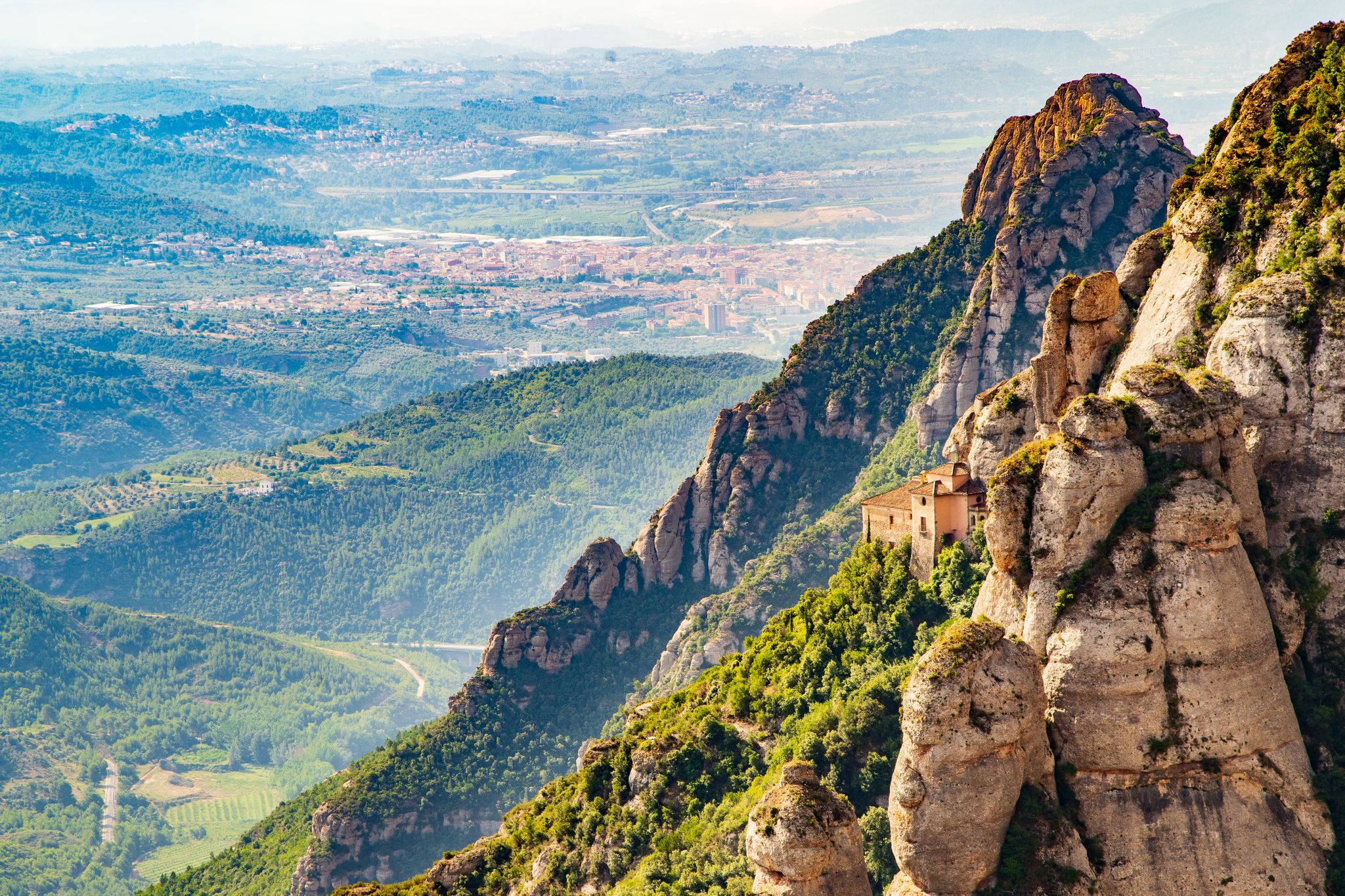
Road cycling around Parc Natural del Montseny offers diverse landscapes, from Mediterranean forests on lower slopes to Euro-Siberian and Boreo-Alpine biomes at higher altitudes. The region is characterized by challenging climbs, well-maintained roads, and prominent peaks such as Turó de l'Home and Coll Formic. Varied terrain includes dense beech and fir forests, holm oak woodlands, and significant water features like the Santa Fe Reservoir and the River Tordero basin.
Best road cycling routes around Parc Natural del Montseny
- The most…
Last updated: October 24, 2026
4.0
(2)
81
riders
38.9km
03:22
1,260m
1,260m
Hard road ride. Very good fitness required. Some segments of this route may be unpaved and difficult to ride.
12
riders
43.7km
02:49
1,130m
1,130m
Hard road ride. Very good fitness required. You may need to push your bike for some segments of this route.

4.3
(11)
788
riders
96.2km
04:52
1,100m
1,100m
Hard road ride. Very good fitness required. Some segments of this route may be unpaved and difficult to ride.
5.0
(1)
110
riders
Hard road ride. Very good fitness required. Mostly well-paved surfaces and easy to ride.
17
riders
Moderate road ride. Some segments of this route may be unpaved and difficult to ride.
Get access to more routes and recommendations from other explorers.
Already have an account?
Our route recommendations are based on thousands of hikes, rides, and runs completed by other people on komoot.
Start today with a free account
Your next adventure awaits.
Popular around Parc Natural del Montseny



Other adventures around Parc Natural del Montseny


Tips from the Community

ideal for walking, jogging and cycling.
3
0
It seamlessly connects the town with the neighboring municipalities of Calella and Santa Susanna
3
0

One of the best-known accesses to the Corredor from Vallgorguina. From here we cross the Vallgorguina stream to begin the ascent towards Pedra Gentil, Santa Eulàlia de Tapioles and the numerous forest tracks of the massif. The bridge has been here since 1869, when Josep Pradell pushed for its construction to facilitate passage over the stream. It has two large arches for the water and a small side passage. A common landmark for those of us who ride through this area on bicycles.
0
0
The parish of Sant Andreu is already documented in 1083, but this church is not that one: the current one began to be built in 1825 and was inaugurated in 1848 because the town had grown and the medieval temple had been left away from the center. The curious thing is inside: it preserves a 16th-century baptismal font, probably from the old church. And the image of Sant Andreu that currently presides over the altar is also not the original: it is from after the Civil War. So the building is about 200 years old, the font about 500, and the parish almost 1,000. One of those places that seem to have nothing special until you start to scratch a little.
0
0

Bon punt de sortida de varies excursions, sobretot per fer el Matagalls.
0
0

It is a very pleasant stretch of road thanks to the shade of the vegetation and the low traffic. In winter it tends to be damp, so I recommend caution.
1
0


Parking is difficult in the area after 10:00. The area is beautiful and has great views. You can take a practically flat route (Collformic to the ruins of El Café, but it's not circular), a more challenging one like Matagalls. And many more!
0
0
Frequently Asked Questions
How many road cycling routes are available in Parc Natural del Montseny?
Parc Natural del Montseny offers a wide selection of road cycling routes, with over 170 tours available. These range from challenging mountain climbs to more moderate paths, catering to various skill levels.
What is the best time of year for road cycling in Parc Natural del Montseny?
The varied ecosystems of Montseny mean conditions can change with elevation. Generally, spring and autumn offer pleasant temperatures for cycling. Summers can be warm, especially at lower altitudes, but higher routes provide cooler air. Winters can bring snow to the peaks, making some challenging climbs inaccessible.
Are there any beginner-friendly road cycling routes in the Montseny area?
While Montseny is known for its challenging climbs, there are options for less experienced riders. Approximately 15 easy routes are available, often featuring gentler paths and paved sections. For a more moderate experience, there are also around 86 moderate routes to explore.
What kind of terrain can I expect on road cycling routes in Parc Natural del Montseny?
Road cycling in Montseny is characterized by diverse terrain. You'll encounter challenging climbs, smooth surfaces, and scenic mountain passes. The routes traverse Mediterranean forests with holm oaks and cork trees at lower elevations, transitioning to Central European beech and fir forests at higher altitudes, offering varied landscapes and shaded sections.
What are some notable landmarks or viewpoints along the road cycling routes?
Many routes offer breathtaking views and pass by significant natural features. You can find panoramic vistas from peaks like Turó de l'Home or Matagalls. The Coll Formic Pass is another prominent point. You might also encounter the serene Vallforners Reservoir or various Romanesque churches and isolated hermitages.
Are there any circular road cycling routes in Parc Natural del Montseny?
Yes, many road cycling routes in Montseny are designed as loops, allowing you to start and finish in the same location. An example is the challenging Turó de l'Home Climb Loop, which offers a demanding ascent and extensive views.
What do other road cyclists enjoy most about cycling in Parc Natural del Montseny?
The area is highly rated by the komoot community, with an average score of 4.3 stars from over 240 reviews. Cyclists often praise the challenging climbs, the well-maintained roads, and the breathtaking scenery that ranges from dense forests to panoramic mountain vistas.
Are there any routes that feature water features like reservoirs or waterfalls?
Yes, water is a defining characteristic of Montseny. Routes may pass by the Santa Fe Reservoir (Pantà de Santa Fe). While direct road cycling routes to waterfalls might be limited, the region is rich with streams and rivers like the Tordero and Riera d'Arbúcies, and the Riera de Gualba is known for its waterfalls and pools, which can be explored off-bike.
Can I find cafes or places to rest along the road cycling routes?
Yes, towns and villages within and around Parc Natural del Montseny, such as Viladrau, offer amenities including cafes and places to rest. The region's cultural heritage also means you might find small establishments near Romanesque churches or other historical sites.
How accessible is Parc Natural del Montseny for road cyclists using public transport?
Parc Natural del Montseny is about an hour's drive from Barcelona, making it an accessible escape. While specific public transport options for cyclists directly to trailheads may vary, major towns surrounding the park are generally well-connected, from where you can begin your ride into the natural park.
Are there any challenging road cycling routes for experienced riders?
Absolutely. Montseny is renowned for its demanding ascents. Routes like the Osor Road – Els Nínxols of Osor loop from Sant Feliu de Buixalleu, covering over 118 km with significant elevation gain, or the climb to Turó de l'Home, are considered among the steepest and most challenging in Catalonia. Approximately 72 difficult routes are available for experienced cyclists.
What kind of forests will I cycle through in Parc Natural del Montseny?
The park's unique blend of ecosystems means you'll experience a variety of forests. Lower slopes feature Mediterranean holm oaks and cork trees, while higher altitudes transition to Central European beech and fir forests. This rich forestry provides shaded routes and a sense of immersion in nature.
Most popular routes around Parc Natural del Montseny
Most popular attractions around Parc Natural del Montseny

Get inspired with the komoot mobile app


Explore more
Browse the best Road cycling routes in other regions.
