The best walks and hikes around Yebra
4.4
(9)
36
hikers
6
hikes
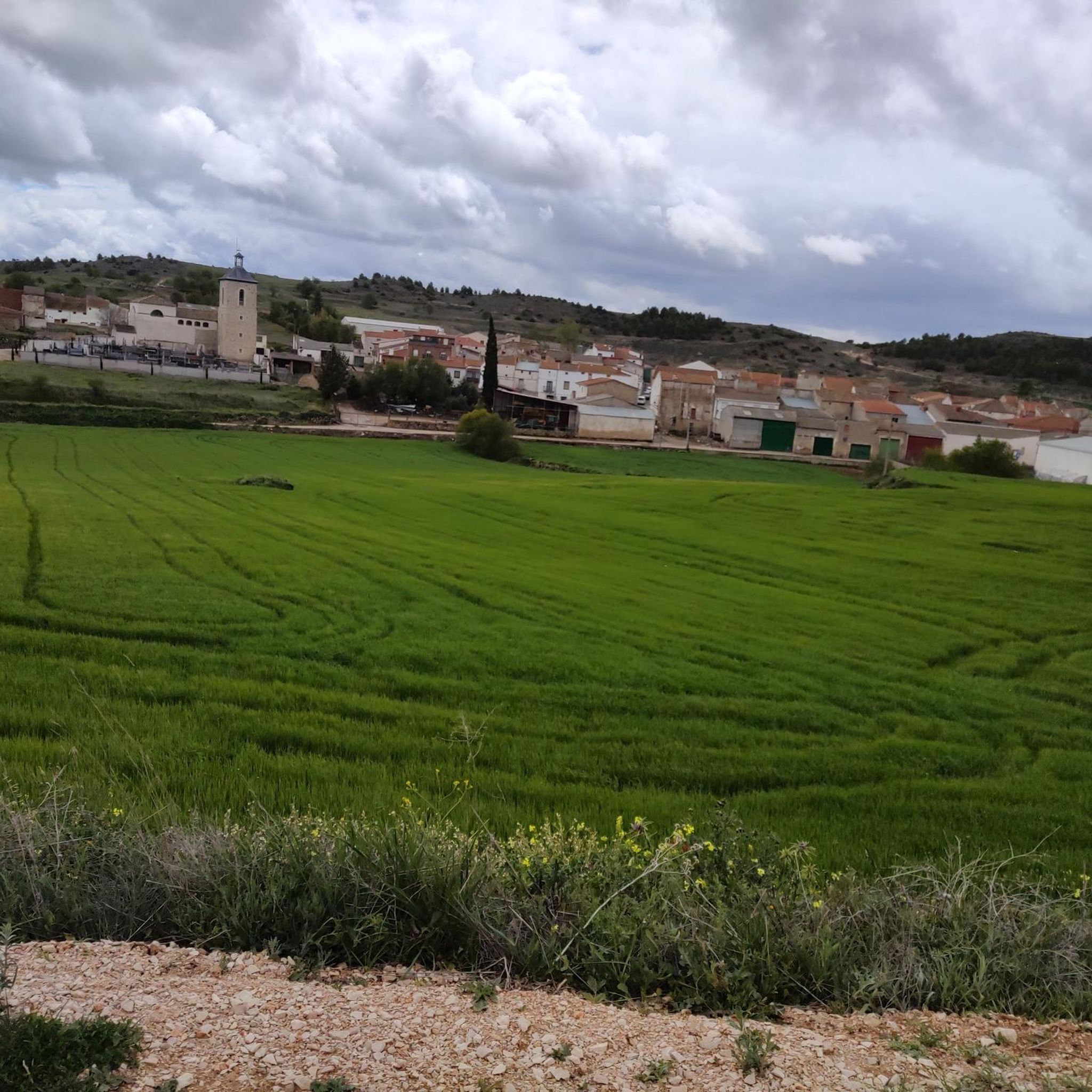
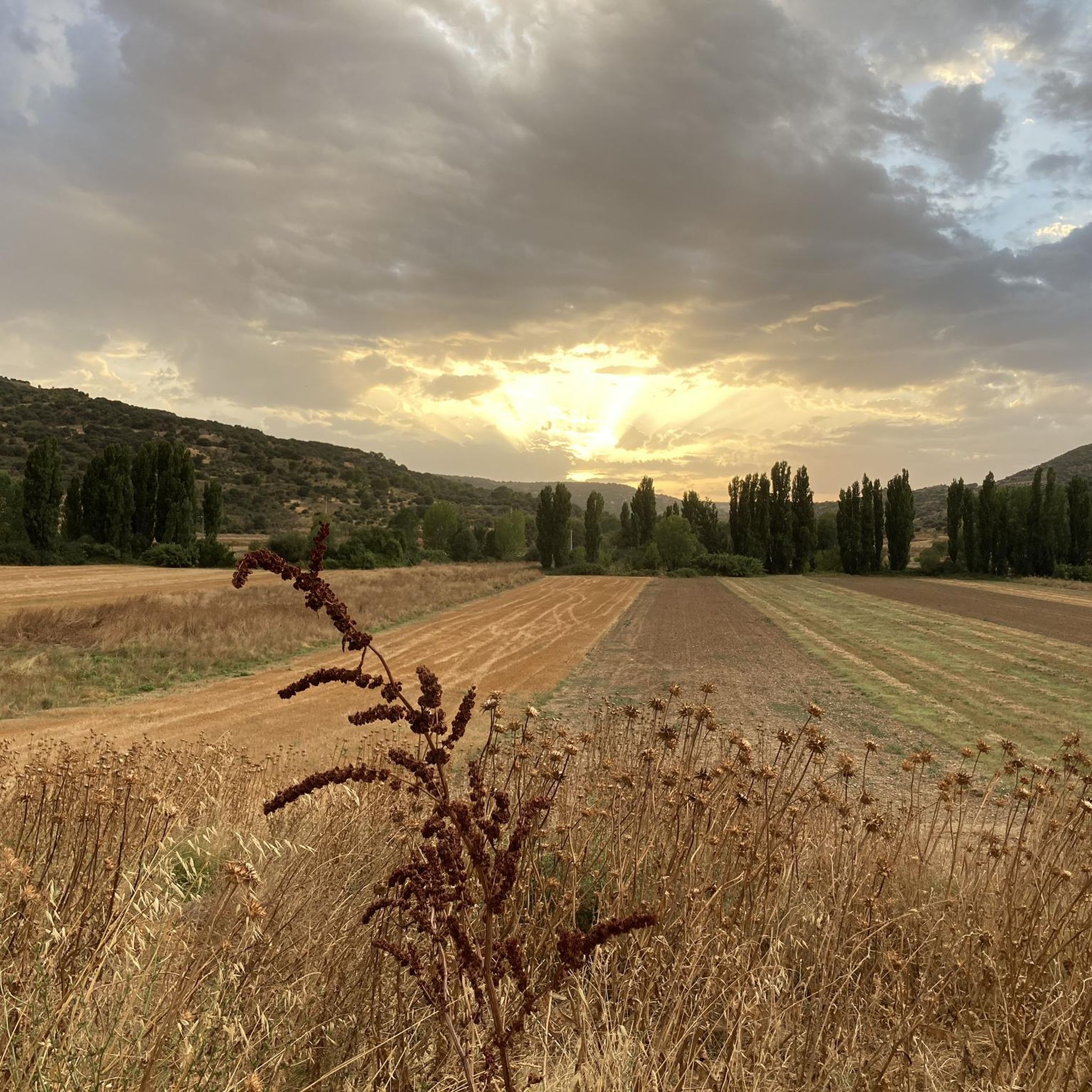
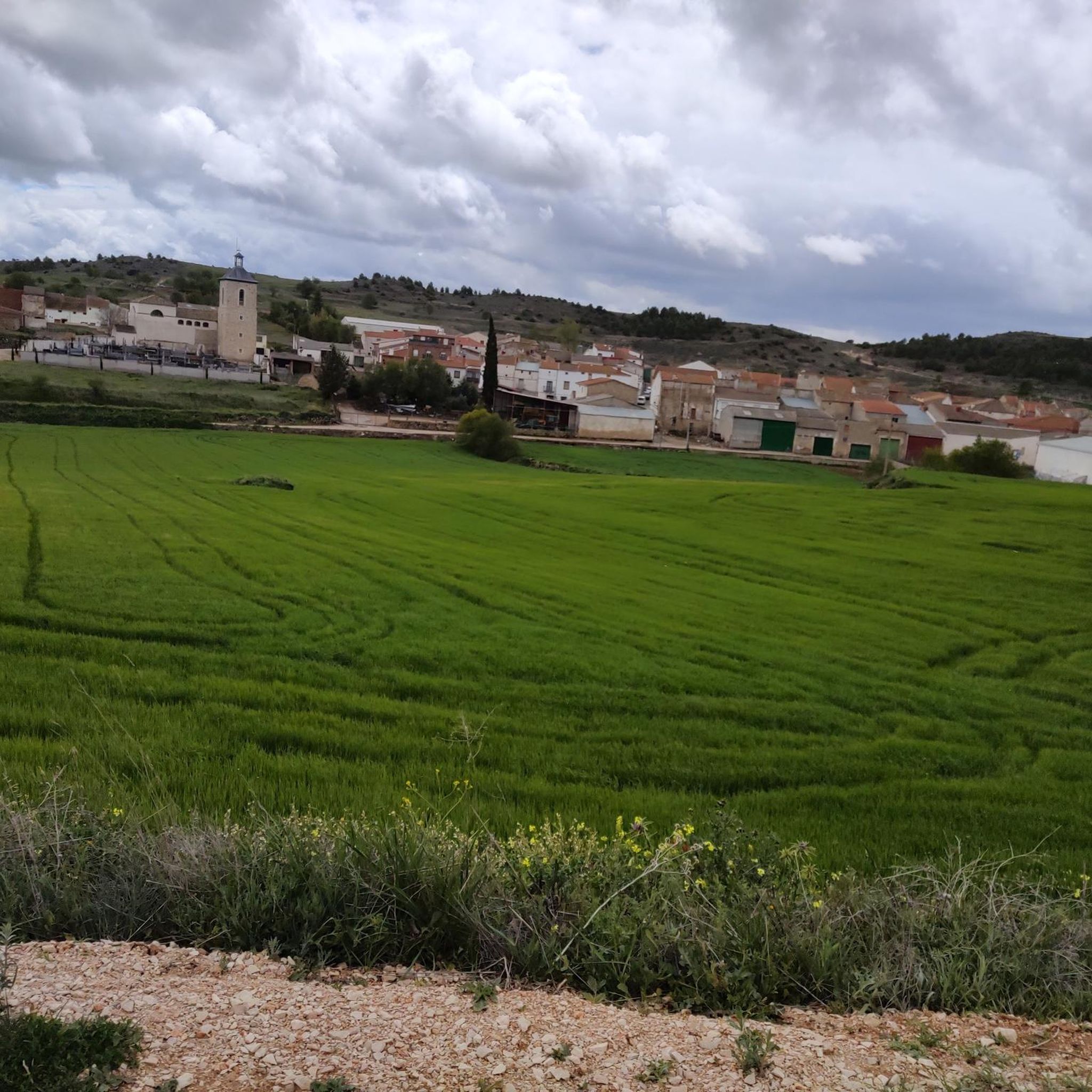
Hiking around Yebra offers a network of trails through a landscape characterized by rolling hills, agricultural fields, and historical sites. The region features varied terrain with moderate elevation changes, providing diverse hiking experiences. Many routes incorporate cultural heritage points and offer views of the surrounding countryside. The area's composition makes it suitable for exploring on foot.
Best hiking trails around Yebra
- The most popular hiking route is Camino de Zorita and Recópolis Loop, a 9.0 miles (14.6 km) trail…
Last updated: May 11, 2026
5.0
(2)
3
hikers
14.6km
03:57
200m
200m
Moderate hike. Good fitness required. Easily-accessible paths. Suitable for all skill levels.
8
hikers
4.64km
01:17
80m
80m
Easy hike. Great for any fitness level. Easily-accessible paths. Suitable for all skill levels.

Sign up for free
5.0
(1)
1
hikers
12.1km
03:26
260m
260m
Moderate hike. Good fitness required. Easily-accessible paths. Suitable for all skill levels.
4.5
(2)
12
hikers
16.8km
04:30
190m
190m
Moderate hike. Good fitness required. Easily-accessible paths. Suitable for all skill levels.
3.0
(2)
5
hikers
12.3km
03:30
290m
290m
Moderate hike. Good fitness required. Easily-accessible paths. Suitable for all skill levels.
Our route recommendations are based on thousands of hikes, rides, and runs completed by other people on komoot.
Start today with a free account
Your next adventure awaits.
Login or Signup
Popular around Yebra
Tips from the Community

The hermitage is located on a hill north of Hontoba, in the La Alcarria region, overlooking the Tajuña and Hontoba stream valleys from a promontory that reaches an altitude of approximately 901 meters. Its origins are unclear, although according to legend, the Virgin Mary appeared to a shepherd and asked that a hermitage be built. There are indications of a 13th-century chapel where the Virgin was already venerated. It was also a place of retreat for nobles such as Íñigo López de Mendoza, 4th Duke of the Infantado, in the 16th century. The hermitage is listed on the Red List of Endangered Heritage due to its alarming state of general ruin.
1
0

The castle of Zorita de los Canes stands on a hill on one of the banks of the Tagus River. It is a fortification of Arab origin built in the 9th century.
4
1
Recópolis is an archaeological site located near Zorita de los Canes. Here are the ruins of an ancient Visigothic city.
3
2
In the plain of the Arles river, between the Tagus and the Tajuña, the Villa Ducal de Pastrana welcomes us. Its multiple samples of artistic and cultural heritage have given it the title of Artistic Historical Site. Pastrana is enriched with figures and literary stories; Thus, its Carmelite convents were founded by Saint Teresa and Saint John of the Cross. Moratín later settled in the town for long periods of time and, closer to our days, Camilo José Cela immortalized it by portraying it in his Viaje a la Alcarria. The Plaza de la Hora is governed by the imposing Ducal Palace, in Renaissance style and with an abundance of Mannerist elements. Some wonderful coffered ceilings also designed by Alonso de Covarrubias, in Plateresque style, have been preserved. Likewise, the skirting boards of Toledo tiles in the Mudejar style stand out. It offers its visitors the opportunity to visit various museums and emblematic monuments of the town. DUCAL PALACE TAPESTRY MUSEUM SANTA TERESA V CENTENARY MUSEUM
18
0
A typical Gothic castle whose current shape was arranged by the masters of the Order of Calatrava, inside which we will find interesting remains from the different periods in which it was occupied. The Iron Gate, the result of the reforms of Caliph Al-Nasir in the 10th century; the Priory Church of San Benito inside the enclosure; the crypt with a Visigothic Corinthian capital, reused as a baptismal font; the Sala del Moro, covered by a hemispherical ashlar vault; the Torre del Espolón, adaptation to the use of artillery, from the s. XVI; the cistern; the Omega room, with two rooms excavated in the rock, a ribbed plaster vault and a bench running along the walls; the watchtower And all this, in the surroundings of the Visigothic city of Recópolis.
6
2

Fortification located in the Spanish municipality of Zorita de los Canes (Guadalajara). It is located on the hill under which the town is located, on the left bank of the Tagus River. Strategically located, the fortress began to be built at the end of the 9th century by order of the Cordovan emir Mohamed I. It was ceded by Alfonso VIII of Castile to the Order of Calatrava in 1174.2 It was declared a Historic-Artistic Monument on June 3, 1931.
4
2
Old Humilladero from the 16th century that was used as the final point of prayer and meditation for the processions of the Via Crucis.
2
1
Frequently Asked Questions
How many hiking trails are available around Yebra?
There are 6 hiking trails documented around Yebra on komoot, offering a variety of experiences. These include 2 easy routes and 4 moderate routes, catering to different fitness levels.
Are there easy hiking trails suitable for beginners or families in Yebra?
Yes, Yebra offers easy hiking trails perfect for beginners or families. A notable option is the Pastrana Cultural Heritage Route, an easy 2.9-mile (4.6 km) path that guides hikers through the historic town of Pastrana, highlighting its cultural landmarks with minimal elevation changes.
What kind of terrain can I expect on hiking trails around Yebra?
Hiking around Yebra is characterized by rolling hills, agricultural fields, and historical pathways. The terrain generally features moderate elevation changes, providing diverse hiking experiences through open plains and countryside. You'll encounter a mix of natural landscapes and areas with cultural heritage.
Are there circular hiking routes available in Yebra?
Yes, several circular routes are available. For example, the Camino de Zorita and Recópolis Loop is a popular 9.0-mile (14.6 km) circular trail that explores historical sites. Another option is the Hontoba and Ermita de los Llanos Loop, a 7.5-mile (12.1 km) route passing through open plains and a local hermitage.
What historical sites or landmarks can I see along the hiking trails?
Many trails in Yebra incorporate historical sites. You can explore the Recópolis Archaeological Site and the Zorita de los Canes Castle, which are featured on routes like the Camino de Zorita and Recópolis Loop. The town of Pastrana, with its cultural landmarks, is also a highlight on the Pastrana Cultural Heritage Route.
What is the best time of year to go hiking in Yebra?
The best time for hiking in Yebra is typically during spring (April to June) and autumn (September to November). During these seasons, the weather is generally mild and pleasant, with comfortable temperatures for walking. Summer can be quite hot, while winter might bring colder temperatures, though trails remain accessible.
Are dogs allowed on the hiking trails around Yebra?
Generally, dogs are welcome on most hiking trails around Yebra, especially in the open countryside. It's always recommended to keep your dog on a leash, particularly when passing through agricultural areas or near livestock, and to ensure you clean up after them. There are no specific restrictions mentioned for the trails in this region.
Where can I find parking for hiking trails in Yebra?
Parking is typically available in or near the starting points of the trails, often in the villages or towns that serve as trailheads. For routes like those starting near Pastrana or Hontoba, you can usually find public parking areas within the settlements. It's advisable to check specific route details on komoot for precise parking information.
Which hiking trails in Yebra offer the best viewpoints?
Many trails in Yebra offer scenic views of the surrounding countryside, characterized by rolling hills and agricultural landscapes. Routes that traverse higher ground or open plains, such as the Hontoba and Ermita de los Llanos Loop, often provide expansive vistas. The Camino de Zorita and Recópolis Loop also offers views as it winds through varied terrain.
What do other hikers enjoy the most about hiking in Yebra?
The hiking trails around Yebra are highly rated by the komoot community, with an average score of 4.4 stars from over 9 reviews. Hikers often praise the region for its blend of natural landscapes and rich cultural heritage, appreciating the opportunity to explore historical sites while enjoying the peaceful countryside.
Are there any less crowded hiking routes around Yebra?
While the main routes are popular, Yebra's network of trails offers options for quieter experiences. To find less crowded paths, consider exploring some of the moderate routes that venture further into the countryside, such as the Hiking loop from Mondéjar. These routes often provide a more secluded hiking experience away from the most frequented spots.
Are there any wild swimming spots near Yebra's hiking trails?
While Yebra is not primarily known for wild swimming, the region is traversed by the Tajuña River. The Road Along the Tajuña River is a highlight, and while direct wild swimming spots aren't explicitly marked on hiking trails, local knowledge or further exploration along the riverbanks might reveal suitable, safe areas. Always exercise caution and respect local regulations if considering swimming in natural waters.
Most popular routes around Yebra
Most popular attractions around Yebra

Get inspired with the komoot mobile app


Explore more
Browse the best Hikes in other regions.
