Attractions and Places To See around Milagro - Top 13
Best attractions and places to see around Milagro, Navarra, Spain, include a mix of historical sites, natural landscapes, and cultural points of interest. Located in the Ebro river basin, this region offers diverse terrain, from river confluences to historical castles. Visitors can explore significant architectural landmarks and natural viewpoints that provide panoramic vistas of the surrounding valleys and rivers. The area is characterized by its rich history and varied outdoor opportunities.
Best attractions and places to see around Milagro
- The…
Last updated: June 29, 2026
Marcilla Castle
Highlight • Castle
This 15th-century Gothic fortress …
Translated by Google •
Tip by

St. Michael's Collegiate Church
Highlight • Religious Site
Translated by Google •
Tip by

Sign up now to discover places like this
Get recommendations on the best single tracks, peaks, & plenty of other exciting outdoor places.
Sign up for free
Peñalén Gorge
Highlight • Gorge
The viewpoint offers …
Translated by Google •
Tip by
Funes
Highlight • Settlement
Translated by Google •
Tip by
Abbatial Palace
Highlight • Historical Site
Translated by Google •
Tip by
Sign up for free to discover even more attractions around Milagro.
Sign up for free
Already have an account?
Start today with a free account
Your next adventure awaits.
Login or Signup
Tips from the Community

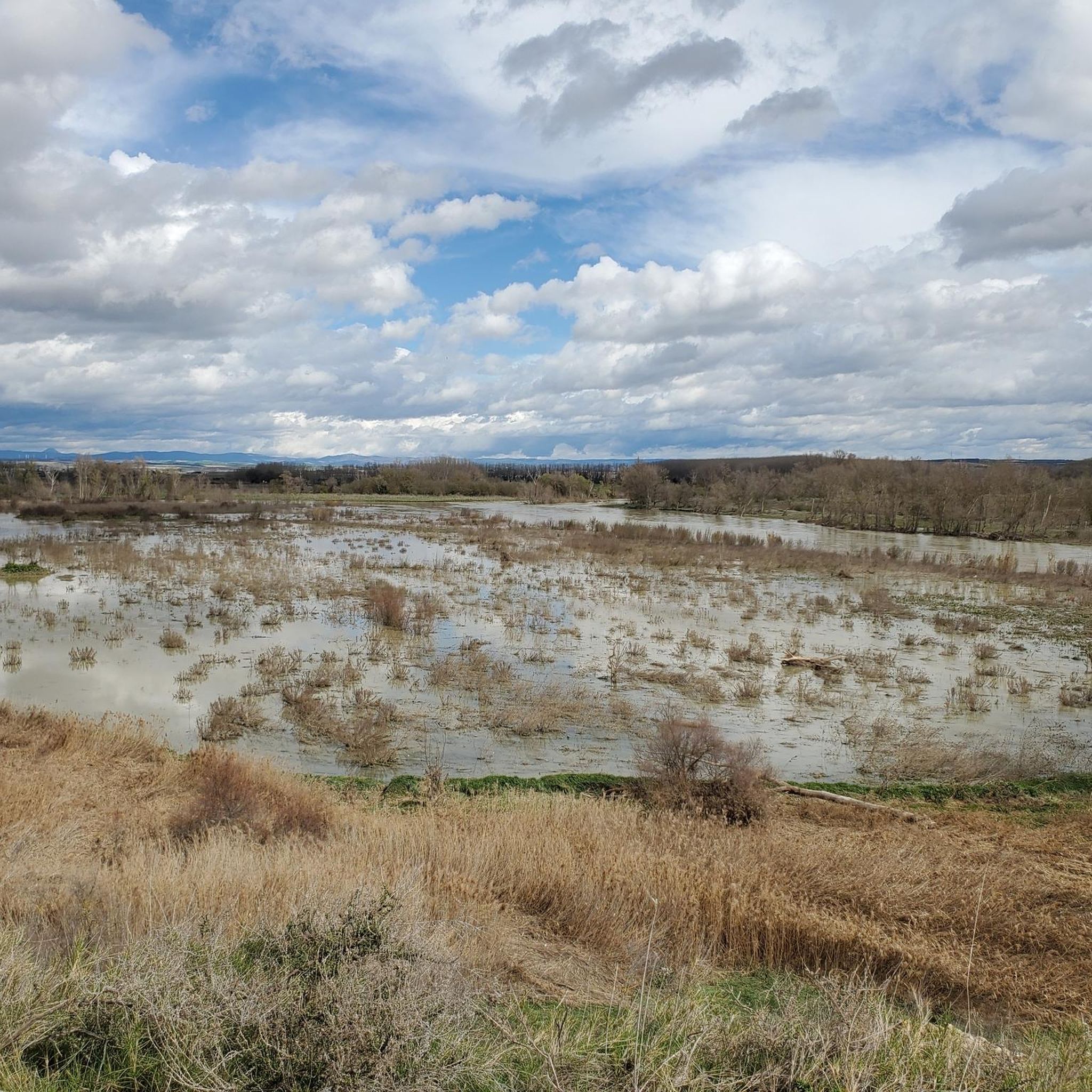
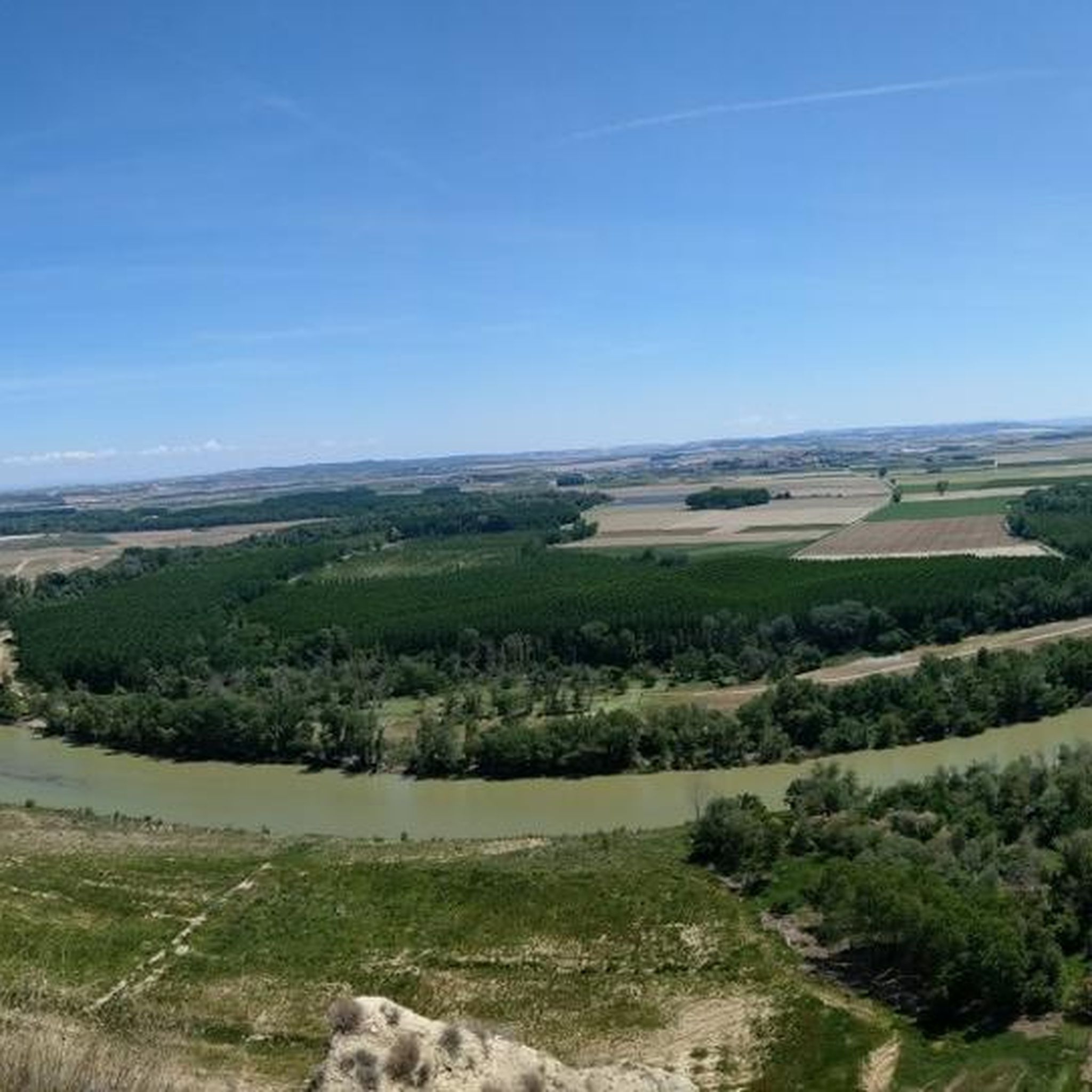
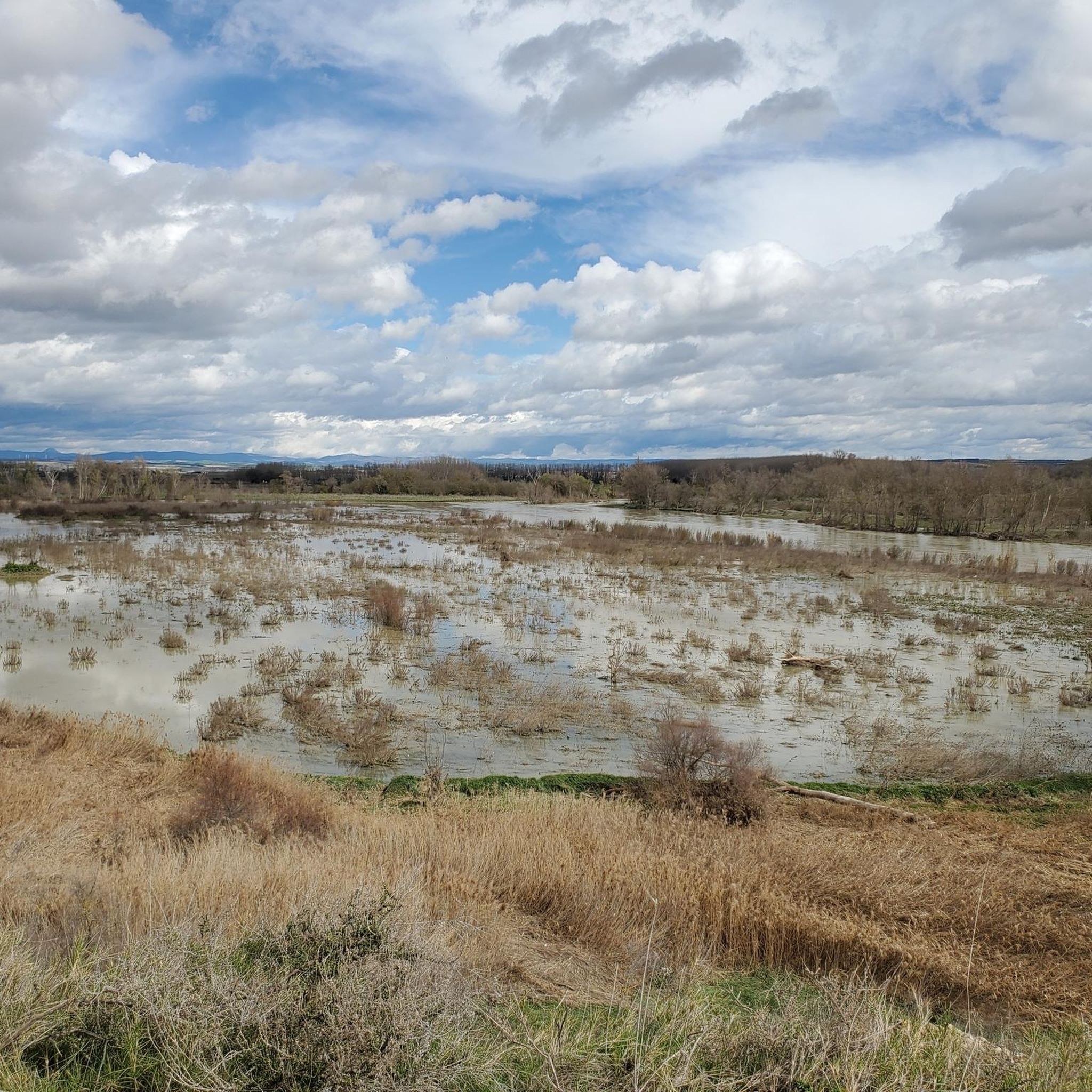
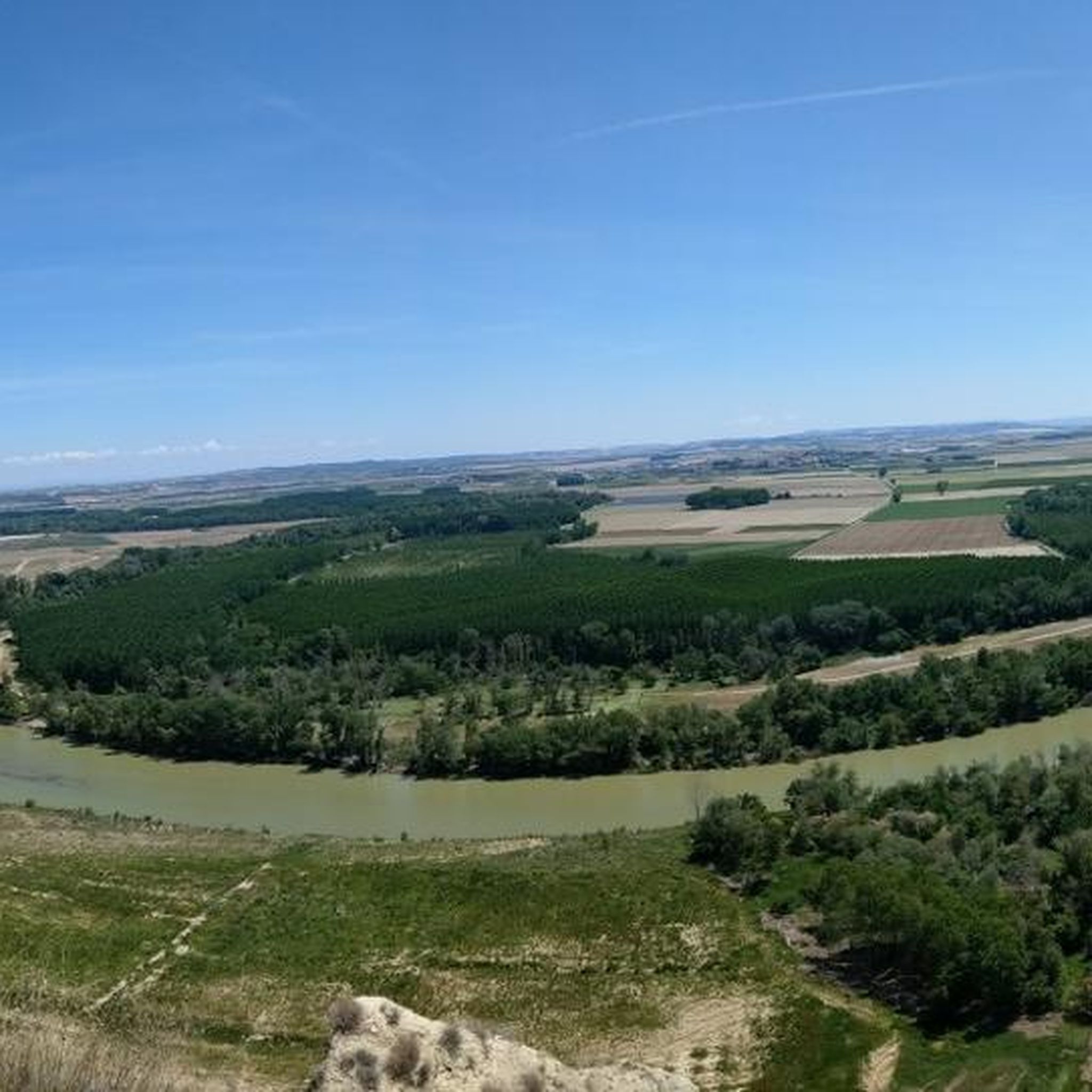
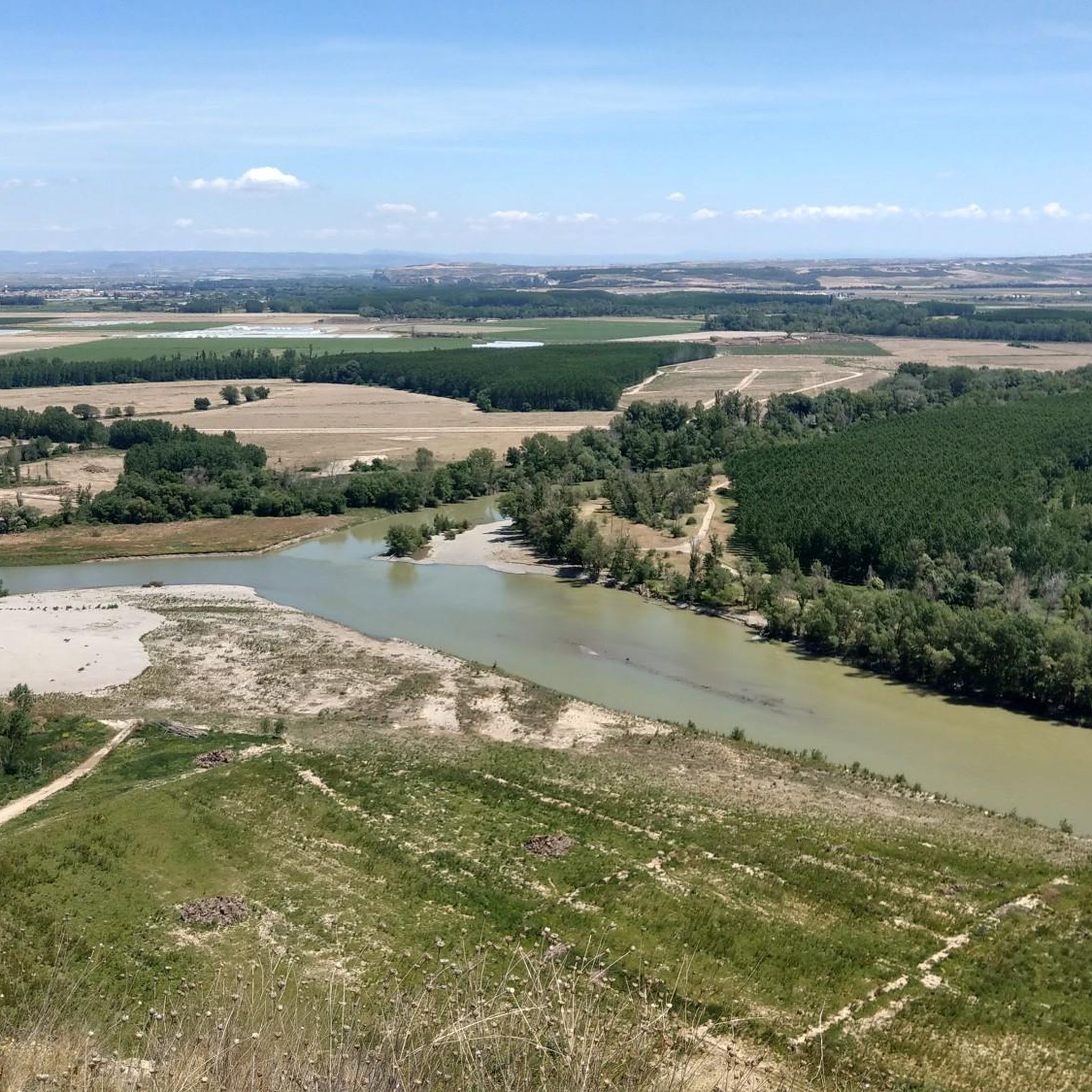
The Peñalén Ravine, also known as the King's Ravine, is a stunning natural spot located about 7 km from Funes, in the Ribera Alta region of Navarre. The viewpoint offers a vertical drop of approximately 392 m, where on clear days you can see the Bardenas Reales, Villafranca, Marcilla, and even the Pyrenees.
3
0
What to see and do Church of St. James the Apostle ("La Giraldilla") A 17th-century Renaissance building with a lookout tower and Baroque altarpieces by Vicente Berdusán. Peñalén Ravine (King's Ravine) A canyon with spectacular natural beauty and historical significance: the site of the death of Sancho IV. It offers circular routes (approximately 13 km), ideal for hiking or mountain biking. Mount Gurugú / Stations of the Cross – Hermitage of Our Lady of Portegado A route for pilgrims to a viewpoint with panoramic views, offering much-loved nighttime vistas. Roman Wineries along the Ebro River An archaeological site dating back to the 1st century BC, with four preserved wine presses, reflecting the region's winemaking tradition.
3
0
Funes is a destination with great diversity in a compact area. It offers history (Roman and medieval), stunning natural beauty (ravines, rivers, viewpoints), a unique winemaking heritage, and excellent hiking and biking trails without the need for long journeys. The contrast between the robust heritage and the serenity of the riverside landscape creates an immersive and authentic experience. Ideal for those seeking a blend of cultural and natural activities, whether as a couple, in a group, or alone.
3
0
It is located at Plaza de la Cava, 1, in the town center of Marcilla (Navarra), easily accessible and surrounded by bars and a children's playground. This 15th-century Gothic fortress was built of brick on a stone foundation by Mosén Pierres de Peralta, with material and financial support from Charles III the Noble. It served both as a defensive stronghold and as a palatial residence for the Marquesses of Falces, descendants of Peralta. In 1516, the Marchioness Ana de Velasco saved the castle from being demolished by order of Cardinal Cisneros.
5
0

The Alfaro Abbey Palace is the city's most prominent civil building, constructed in the 18th century according to plans by Ventura Rodríguez to serve as the abbot's residence and as a storage facility for wine tithes. Following the confiscation of church property in 1855, it passed into the hands of the State and today houses the Cultural Center and several municipal offices.
1
0
The Collegiate Church of San Miguel Arcángel is one of the most imposing churches in La Rioja, easily recognizable by its enormous brick façade and twin towers. Its interior houses numerous chapels and a remarkable Renaissance choir, making a visit a comprehensive journey through different artistic styles. Furthermore, its roof is home to the largest colony of white storks in the world on a single building, a unique feature that makes it even more worthwhile to visit.
2
0

Unbelievable! 100 storks nest on the cathedral!
0
0

Marcilla is most famous for its castle, but there are also other very interesting places to visit, such as the Church of San Bartolomé, the Virgen del Plu, the Monastery of Santa Maria and its small streets and squares.
1
1
Frequently Asked Questions
What historical attractions can I explore around Milagro?
The region around Milagro is rich in history. You can visit Marcilla Castle, a 15th-century Gothic fortress that served as both a defensive stronghold and a palatial residence. Another significant site is St. Michael's Collegiate Church, known for its imposing brick façade, twin towers, and a large colony of white storks on its roof. The town of Funes also offers Roman and medieval history, including the 17th-century Church of St. James the Apostle.
Are there any significant natural landmarks or viewpoints near Milagro?
Yes, Milagro offers several natural highlights. The Peñalén Gorge, also known as the King's Ravine, is a stunning natural spot with a vertical drop of approximately 392 meters where the Arga and Aragón rivers meet. You can also visit the View of Barranco del Rey and the confluence of the Arga and Aragón rivers, which offers beautiful panoramic views and has historical significance. Additionally, the nearby Churute Mangroves Ecological Reserve provides opportunities to explore tropical dry forests and observe wildlife.
What cultural experiences does Milagro offer?
Milagro provides a variety of cultural experiences. You can immerse yourself in the local lifestyle at the Mercado Municipal, a bustling marketplace offering fresh produce and local crafts. The city also celebrates its agricultural heritage with three Pineapple Monuments, including an 8-meter-high metallic structure. For a glimpse into ancient history, the Complejo Turístico Visaltur exhibits archaeological pieces from the Milagro-Quevedo culture. The Milagro Train Station, part of the 'Tren de la Dulzura' route, features a Train Museum and Cafe.
What unique agricultural heritage can I discover in Milagro?
Milagro is known as 'The Land of Pineapples' and 'the sweetest city in Ecuador.' You can explore this heritage through the various Pineapple Monuments located around the city. The region is also deeply connected to the sugar industry, with the 'La Ruta del Azúcar' offering insights into sugarcane production. Furthermore, you can take Cocoa Farm Tours, such as those at Finca Cumandá, to learn about the fascinating process of Ecuadorian chocolate production.
Are there family-friendly places to visit in the Milagro area?
Many attractions around Milagro are suitable for families. Marcilla Castle is easily accessible and surrounded by a children's playground. The town of Funes is also considered family-friendly, offering a mix of history and natural beauty. For outdoor recreation, Quinta Forestal 'El Bosque' provides green areas, sports courts, a swimming pool complex, and children's games, along with typical dishes.
Where can I find hiking trails near Milagro?
There are several hiking opportunities around Milagro. You can find trails like the 'Barranco del Rey – circular desde Funes' (approx. 11.8 km, moderate difficulty) or shorter options like 'Barranco del Rey from Funes via the Rio Arga' (approx. 6.4 km, easy difficulty). For more options, explore the Hiking around Milagro guide.
Are there options for gravel biking around Milagro?
Yes, gravel biking is a popular activity in the area. Routes include the 'Aragón River and Arga River loop from Villafranca de Navarra' (approx. 40.7 km, moderate difficulty). More challenging routes like the 'Bardenas Reales Natural Park – Castildetierra loop' are also available. You can find more details and routes in the Gravel biking around Milagro guide.
What running routes are available in Milagro?
Milagro offers various running routes for different fitness levels. You can try the 'Marcilla Castle loop from Marcilla' (approx. 6.1 km, moderate difficulty) or the 'Castillo de Milagro loop from Milagro' (approx. 10.8 km, moderate difficulty). For more running options, check out the Running Trails around Milagro guide.
What makes <a href="https://www.komoot.com/highlight/5625705" target="_blank" rel="noopener">St. Michael's Collegiate Church</a> a notable visit?
St. Michael's Collegiate Church is one of the most imposing churches in the region, recognized by its enormous brick façade and twin towers. Its interior features numerous chapels and a remarkable Renaissance choir. A unique aspect is its roof, which hosts the largest colony of white storks in the world on a single building, adding a distinctive natural element to this historical structure.
What can I expect when visiting Funes?
Funes is a charming town offering a blend of history and natural beauty. You can visit the 17th-century Church of St. James the Apostle, known for its large tower. The town is divided by the Arga River, providing serene riverside landscapes. Nearby, the Peñalén Ravine offers spectacular natural beauty and historical significance as the site of King Sancho IV's death. Funes also has a winemaking heritage, with Roman Wineries along the Ebro River.
What do visitors particularly enjoy about the attractions around Milagro?
Visitors appreciate the diverse offerings around Milagro, from the historical depth of sites like Marcilla Castle and St. Michael's Collegiate Church to the stunning natural beauty of the Peñalén Gorge and river confluences. The blend of cultural heritage, scenic viewpoints, and outdoor activities like hiking and biking is highly valued. Many also enjoy the well-preserved historical sites and the unique natural elements, such as the stork colony at the Collegiate Church.
Is there a good place for relaxation and social gatherings in Milagro?
Yes, Parque Central (Central Park) is considered the heart of Milagro. It offers lush gardens, a charming gazebo, and a lively atmosphere, making it an ideal spot for relaxation and social gatherings. It also features one of the Pineapple Monuments, adding to its local charm.

Get inspired with the komoot mobile app


Explore more
Still not found the Highlight you’re looking for? See guides of the top attractions in other regions:
