Attractions and Places To See around Tocina - Top 20
Best attractions and places to see around Tocina, a municipality in the Seville Province of Andalusia, are found along the Guadalquivir River. This region offers a blend of historical, cultural, and natural attractions, reflecting its continuous human habitation since Neolithic times. The landscape is characterized by cultivated fields, natural areas, and archaeological remains from Roman and Moorish eras. Visitors can explore a variety of sites that showcase the area's rich heritage and diverse environment.
Best attractions and places to see…
Last updated: July 1, 2026
Canal
Highlight • Structure
The Lower Guadalquivir Canal (also known as the Canal de los Presos) is an irrigation canal, hydraulic infrastructure originally intended to irrigate an …
Translated by Google •
Tip by

Villanueva del Río y Minas Bridge
Highlight • Bridge
Translated by Google •
Tip by

Sign up now to discover places like this
Get recommendations on the best single tracks, peaks, & plenty of other exciting outdoor places.
Sign up for free
Archaeological Site of Mulva-Munigua
Highlight • Historical Site
Translated by Google •
Tip by

Huéznar Reservoir
Highlight • Lake
Translated by Google •
Tip by

Lago Azul
Highlight • Lake
Translated by Google •
Tip by
Sign up for free to discover even more attractions around Tocina.
Sign up for free
Already have an account?
Start today with a free account
Your next adventure awaits.
Login or Signup

Tips from the Community

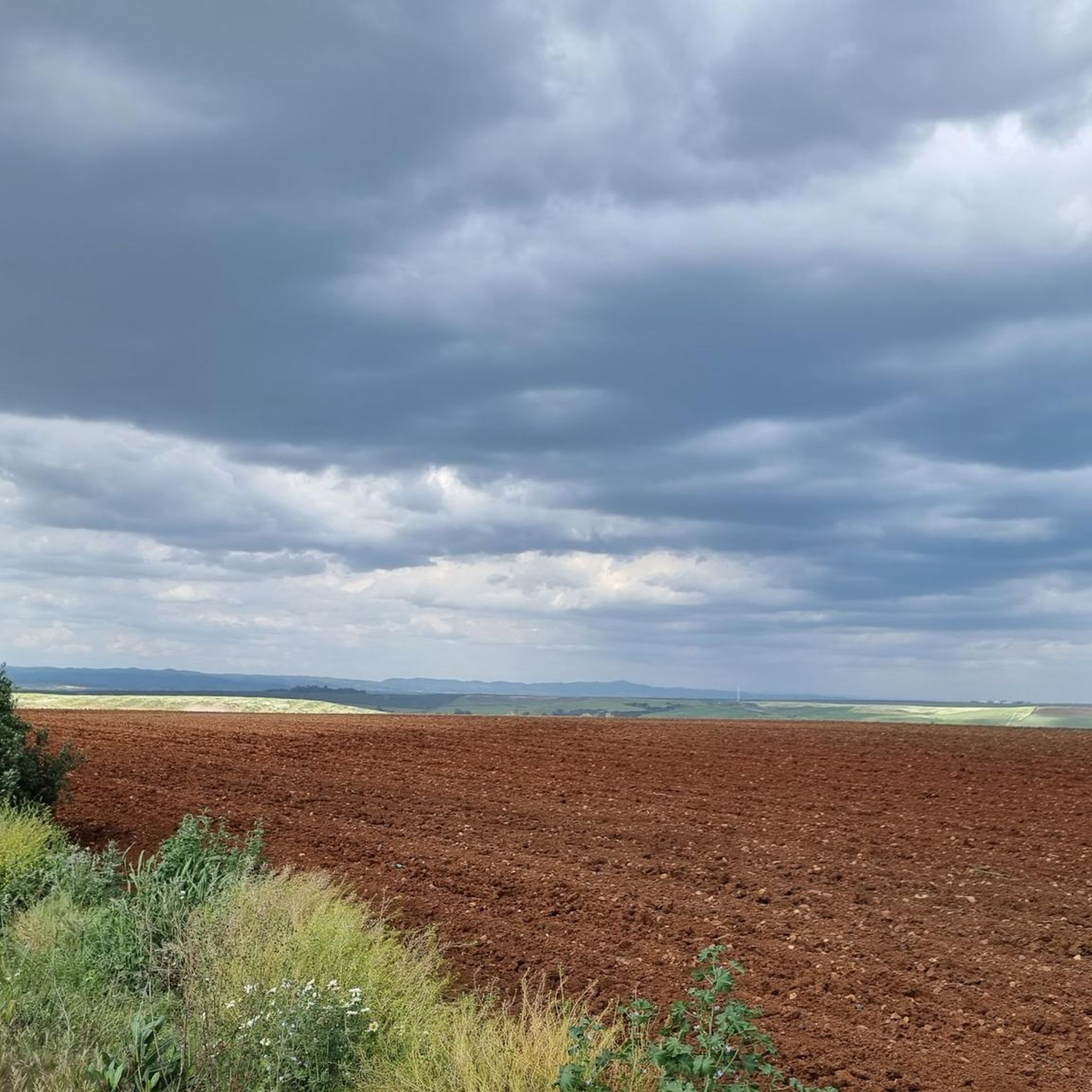
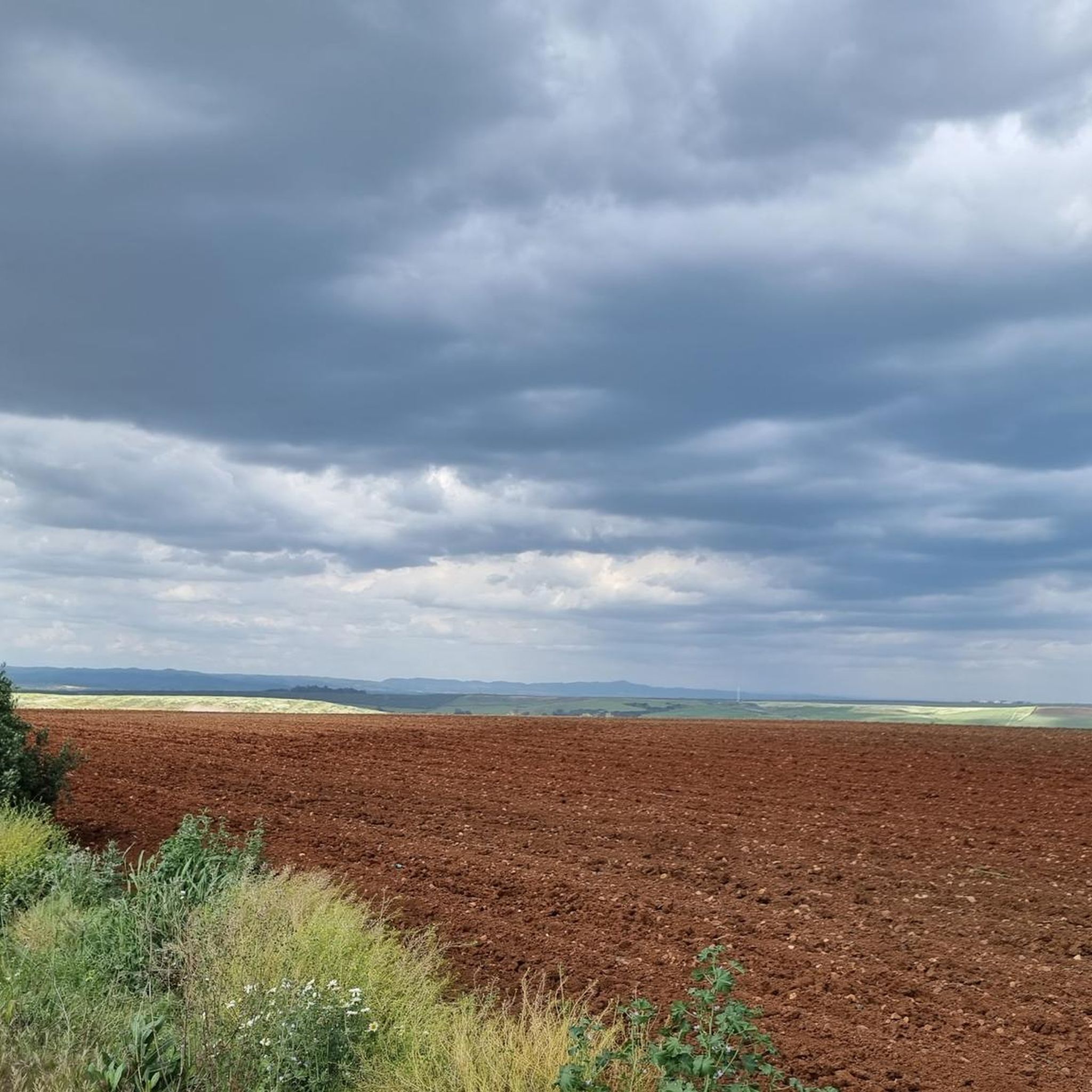
Canal de los presos del bajo guadalquivir: The Lower Guadalquivir Canal (also known as the Canal de los Presos) is an irrigation canal, hydraulic infrastructure originally intended to irrigate an area of 56,000 hectares in the provinces of Seville and Cádiz. It currently irrigates an area of 80,000 hectares that falls under the Community of Irrigators of the Lower Guadalquivir. It was built during the first Franco regime by several thousand political prisoners who were framed in the service of militarized penitentiary colonies, created in September 1939. They were the public works of the Franco regime that "for a long time [from 1940 to 1962] used political prisoners as the main labor force".
6
0


This artificial lake represented a mining extraction of land within the town, already known for mining. Currently and after it was abandoned in the seventies, it has been refilled with water to what is now known as Lago Azul.
0
0
Ancient ruins unusual for their location, as they are quite remote from the town of Villanueva del Río y Minas. However, the old shrine is a beautiful place to see!!
0
0
Beautiful bridge that crosses the Rivera del Huesna at the top of the town of Vilanueva del Río y Minas. White and orange bridge, different but beautiful!
1
0


Handsome arch bridge over the Rivera del Huéznar. At the foot of the bridge there is a nice little park.
1
1
Interesting and unusual Roman ruins. At one point it was called a castle but it is actually a sanctuary. It is worth a visit.
1
1
Frequently Asked Questions
What historical and cultural sites can I explore in Tocina?
Tocina boasts a rich history. You can visit the Baroque Archaeological Site of Mulva-Munigua, the ruins of a significant Roman city with temples and a necropolis. Within Tocina, the 18th-century Iglesia de San Vicente Mártir and the 17th-century Ermita de Nuestra Señora de la Soledad are notable religious landmarks. The Old Train Station and Former Sugar Factory in Los Rosales also offer a glimpse into the region's industrial past.
Are there natural areas or features to enjoy around Tocina?
Yes, the region offers several natural attractions. The Área Natural de La Playita borders the River Guadalquivir, featuring eucalyptus groves and recreation grounds. You can also visit Huéznar Reservoir, a dam-fed lake, and Lago Azul, a lake near the urban center with a mining history. The fertile lands along the Guadalquivir are also characterized by cultivated fields and market gardens.
What outdoor activities are popular near Tocina?
The area around Tocina is excellent for outdoor enthusiasts. You can find numerous routes for walking, cycling, and horse riding. For specific trails, consider exploring the options for hiking around Tocina, MTB trails around Tocina, and cycling around Tocina, which include routes like the 'Archaeological complex of Mulva-Munigua — circular' and the 'Vega del Guadalquivir Towns Loop'.
Are there any family-friendly attractions or activities in the Tocina area?
Many natural and historical sites around Tocina are suitable for families. The Área Natural de La Playita offers recreation grounds and picnic areas. The Villanueva del Río y Minas Bridge has a nice little park at its foot, and both Huéznar Reservoir and Lago Azul are generally considered family-friendly spots for enjoying nature.
What is the significance of the Canal near Tocina?
The Canal, also known as the Lower Guadalquivir Canal, is a significant irrigation infrastructure. It was originally built during the first Franco regime, largely by political prisoners, to irrigate a vast area in the provinces of Seville and Cádiz. Today, it continues to irrigate approximately 80,000 hectares.
What do visitors particularly enjoy about the attractions near Tocina?
Visitors appreciate the blend of historical depth and natural beauty. The distinctive white and orange Villanueva del Río y Minas Bridge is noted for its appearance. The Archaeological Site of Mulva-Munigua is valued for its interesting and unusual Roman ruins, offering a unique historical experience. The serene setting of the Huéznar Reservoir is also a popular spot.
Are there any Roman ruins or archaeological sites in the vicinity?
Yes, the most prominent Roman site is the Archaeological Site of Mulva-Munigua, declared an Asset of Cultural Interest. It features ruins of a Roman city with religious temples, a necropolis, and hot springs, which served as an important administrative and religious center. Additionally, Tocina itself has archaeological remains from Roman settlements at Fuente del Mocho and Huerta Paco Pozo.
What kind of terrain can I expect on hiking trails around Tocina?
The terrain around Tocina varies, encompassing cultivated fields, market gardens, and natural areas along the Guadalquivir River. Trails often follow riverbanks, pass through eucalyptus groves, and can lead to historical sites like Mulva-Munigua, which might involve more varied, sometimes remote, landscapes. You can find detailed information on specific routes and their difficulty on the hiking guide for Tocina.
Is there a specific bridge that is a notable landmark?
Yes, the Villanueva del Río y Minas Bridge is a notable landmark. This distinctive white and orange arch bridge crosses the Rivera del Huéznar and is appreciated for its unique appearance.
What is the history behind Lago Azul?
Lago Azul, also known as Lago de Mirador, is located very close to the urban center. The basin it now occupies was once an open-pit coal mining site. In the 1950s, an underground spring caused unforeseen flooding, leading to the abandonment of the mine. Today, it's a lake where various activities, including cave diving, are practiced.
Are there any specific churches or hermitages worth visiting in Tocina?
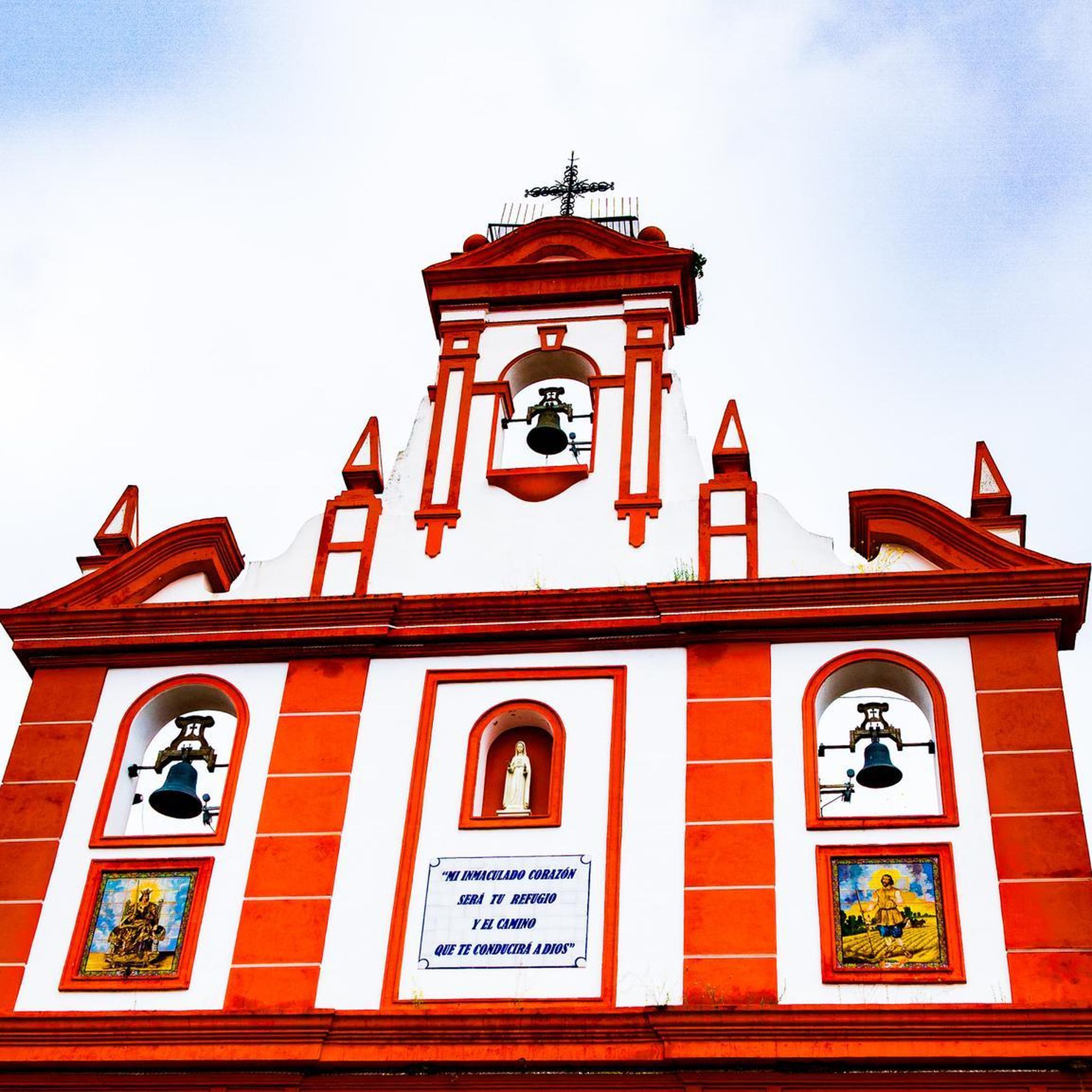
Tocina is home to several significant religious buildings. The Iglesia de San Vicente Mártir, a Baroque temple built between 1703 and 1711, features works by notable artists and houses statues of the town's patron saints. The 17th-century Ermita de Nuestra Señora de la Soledad contains works by Manuel Pineda Calderón and is known for the revered sculpture of the Cristo de la Vera Cruz. In Los Rosales, you can find the Nuestra Señora de Fátima Parish Church.
What agricultural products is the Tocina region known for?
Thanks to the fertile land along the River Guadalquivir, the Tocina region is known for producing excellent fruits and vegetables. These include oranges, artichokes, peaches, and potatoes, which are characteristic of the surrounding cultivated fields and market gardens.

Get inspired with the komoot mobile app


Explore more
Still not found the Highlight you’re looking for? See guides of the top attractions in other regions:
