The best cycling routes around Villa Del Río
2.9
(10)
155
riders
35
rides
Touring cycling around Villa Del Río offers routes through the Guadalquivir Valley, characterized by the presence of the Guadalquivir River and its colorful riverside forest. The region provides access to the Sierra Morena mountain range, featuring diverse landscapes. Routes often traverse agricultural areas, including olive groves, and connect to protected natural areas like the Sierra de Cardeña y Montoro Natural Park. The terrain varies from relatively gentle riverbanks to more challenging ascents into the foothills.
Best touring cycling routes around…
Last updated: July 4, 2026
Moderate bike ride. Good fitness required. Some segments of this route may be unpaved and difficult to ride.
45
riders
98.1km
08:21
1,610m
1,610m
Hard bike ride. Very good fitness required. You may need to push your bike for some segments of this route.

Sign up for free
5.0
(3)
5
riders
47.6km
03:44
660m
660m
Hard bike ride. Very good fitness required. Mostly paved surfaces. Suitable for all skill levels.
5
riders
36.1km
02:50
480m
480m
Hard bike ride. Very good fitness required. Mostly paved surfaces. Suitable for all skill levels.
5
riders
41.1km
03:27
590m
590m
Hard bike ride. Very good fitness required. Mostly paved surfaces. Suitable for all skill levels.
Get access to more routes and recommendations from other explorers.
Sign up for free
Already have an account?
Our route recommendations are based on thousands of hikes, rides, and runs completed by other people on komoot.
Start today with a free account
Your next adventure awaits.
Login or Signup



Tips from the Community

The first stop on the old road to the Sanctuary of the Virgin of the Head is where pilgrims rest and have a light lunch before continuing their journey. Here you'll find several watering troughs so the horses can quench their thirst during the approximately 20-kilometer trek from the city of Andújar. A small chapel has also been built where pilgrims can pray to the Virgin.
6
0

In Lopera, we find one of the best examples of castles built by the Military Order of Calatrava in the province of Jaén. Declared a Cultural Monument in 1991, this fortress retains its original walled enclosure, although over the years it has also served as a residence and, in the mid-20th century, even as a winery.
0
0
Porcuna is a small town and a municipality (municipio) in southern Spain with 5,907 inhabitants (as of 2024) in the west of the province of Jaén in the autonomous community of Andalusia.
0
0
The hermitage of San Ginés is an important milestone for pilgrim walkers who make the journey from Andújar to the Sanctuary of the Virgen de la Cabeza, along what is known as the old road or bridle path. San Ginés is the place where there is a kind of hill that leaves Andújar behind in the view, to soon resume the views of the Jándula river valley. Walkers usually stop there to rest and regain strength. The hermitage and its surroundings were also rehabilitated a few years ago.
10
0
It is a hermitage of the same name and a resting place for pilgrims on the way up to the Sanctuary of the Virgin of the Head. From here a descent begins until the passage through the Jándula River.
13
0

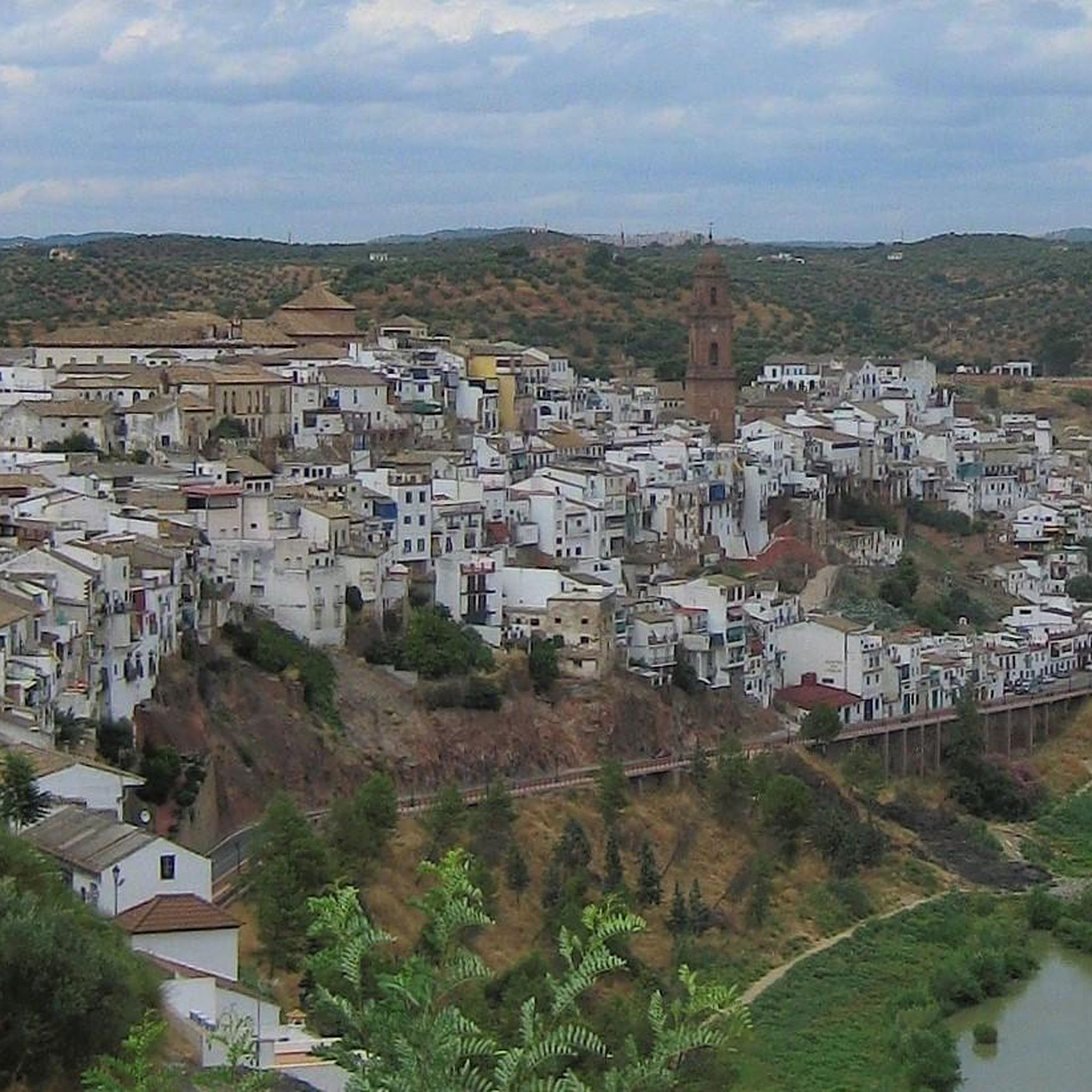
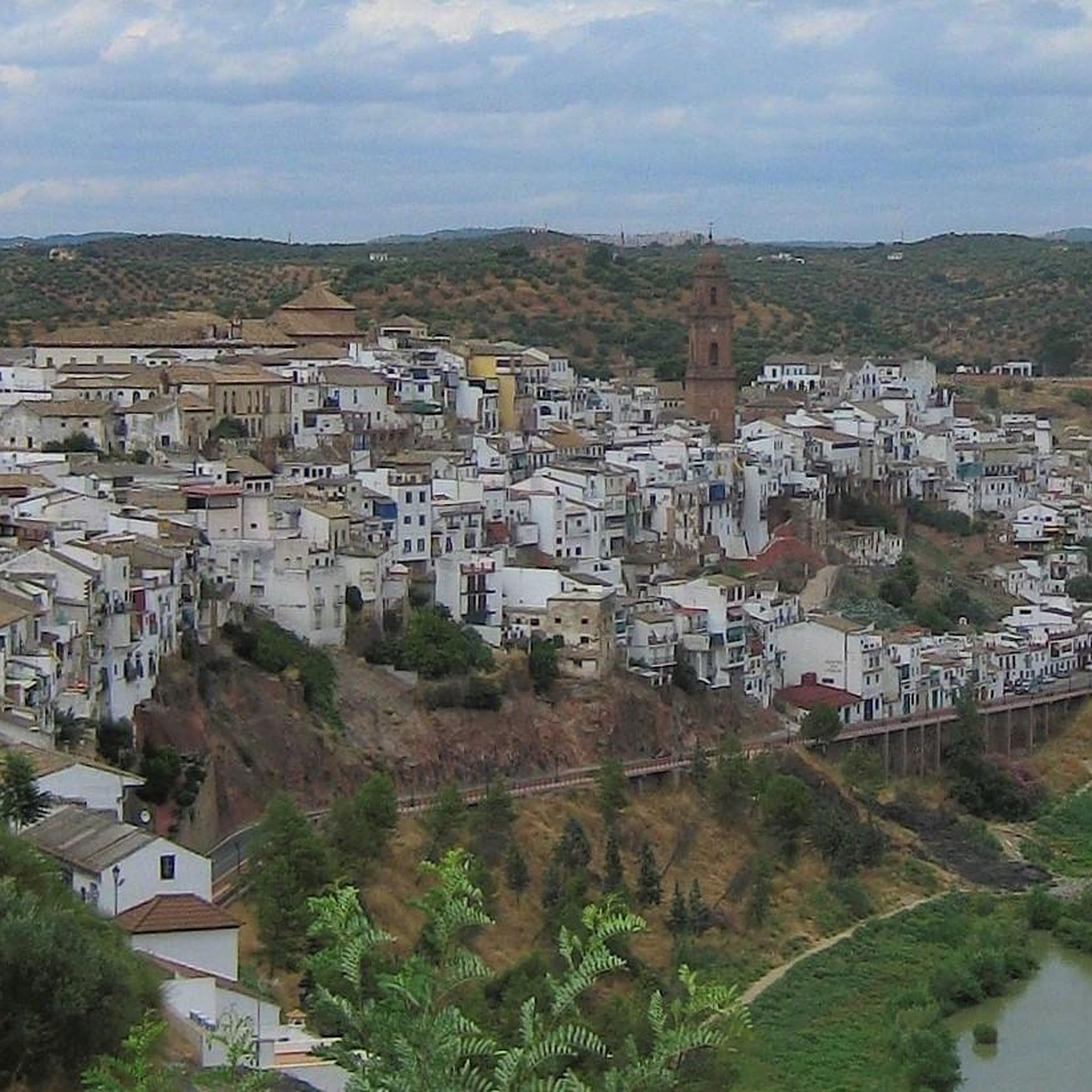
Municipality located to the east of the province of Córdoba, on the border with Jaén. Most of it is located in the foothills of Sierra Morena, making the Guadalquivir River the border with the countryside. Therefore, the mountains, the river and the countryside are the three elements that determine the landscape. The first is part of the Sierra de Cardeña y Montoro Natural Park, and in it we can find vegetation of holm oaks, wild olive trees, stone and maritime pines and a population of melojo oak, rare in Andalusia. It is also an area of great fauna, hunting and livestock value. The second, which surrounds the town, is the axis of the landscape, life and history of the town; Due to the beauty of the meander, it is also known as the Andalusian Toledo. The third, populated by olive trees, places us in a truly Cordoba environment. The town, with an Iberian, Greek, Roman, and Muslim past, is located on a small elevation that dominates the course of the river that divides it into two neighborhoods, offering an unmistakable image. Declared a Historic-Artistic Site in 1969, it brings together a multitude of attractions and tourist attractions to visit, such as the bridge over the river, the Church of San Bartolomé, the Casa de las Tercias, its steep streets of white houses, or the Torre de Villaverde. Its Holy Week, declared of Tourist Interest, reaches its greatest splendor on the afternoon of Holy Thursday with the presence of the Roman Empire. It is one of the towns included in the Baético Romana Route.
0
0
The Puente de las Donadas or Puente de las Doncellas, is located over the Guadalquivir River and connects the Retamar neighborhood with the rest of the town. Also known as Puente Mayor, it is located in the town of Montoro, Córdoba, and belongs to the Commonwealth of Alto Guadalquivir.
0
0
The Three Eyes Bridge or Iron Bridge is a bridge built by the French engineer Gustave Eiffel. It is located near Villa del Río in the province of Córdoba, Spain, on the A-3101 on the Guadalquivir River.
0
0
Frequently Asked Questions
What kind of terrain can I expect on touring cycling routes around Villa Del Río?
The routes around Villa Del Río offer a diverse landscape. You'll find paths along the Guadalquivir River, characterized by relatively gentle terrain and picturesque riverside forests. As you venture towards the Sierra Morena, the terrain becomes more varied, with ascents into the foothills. Many routes also traverse agricultural areas, including extensive olive groves.
Are there any easy touring cycling routes suitable for beginners in Villa Del Río?
Yes, there are options for beginners. While many routes feature varied terrain, you can find easier paths, particularly those closer to the Guadalquivir River. Komoot lists 1 easy touring cycling route in the area, alongside 13 moderate options that might also be suitable for those looking for a slightly greater challenge.
What are some of the longer touring cycling routes available?
For those seeking a longer challenge, the Marmolejo Spa – San Ginés Hermitage loop from Villa del Rio is a significant option. This difficult route spans 60.6 miles (97.6 km) and features substantial elevation gain, traversing varied landscapes between the spa and hermitage.
Can I find circular touring cycling routes in the area?
Yes, several routes are designed as loops, allowing you to start and end in the same location. An example is the Yacimiento de Cerrillo Blanco y Castillo de Lopera - circular through the olive groves of Porcuna, a 20.7-mile (33.4 km) moderate route. Another is the Castillo de Lopera – Cañete de las Torres loop from Lopera, which is 29.6 miles (47.6 km).
What natural features or landmarks can I see along the touring cycling routes?
Cycling around Villa Del Río offers views of the Guadalquivir River and its colorful riverside forest. You can also explore the foothills of the Sierra Morena. Specific points of interest include the Fountain in Montoro, the Martín Gonzalo Reservoir, and the historic Marmolejo Spa. The town of Montoro itself is also a notable landmark.
Are there any routes that pass through historical towns or cultural sites?
Absolutely. Many routes connect historical sites and towns. For instance, the Castillo de Lopera – Cañete de las Torres loop from Lopera leads through historical towns and rural areas. Villa del Río itself has historical significance, with an emblematic castle (now the town hall) and a Roman bridge (Puente Romano) that once carried the Vía Augusta.
What do other touring cyclists say about the routes in Villa Del Río?
The touring cycling routes in Villa Del Río are well-regarded by the komoot community, holding an average score of 2.8 stars from over 9 reviews. More than 159 touring cyclists have used komoot to explore the varied terrain, often praising the diverse landscapes from riverbanks to olive groves and mountain foothills.
Is Villa Del Río a good base for exploring protected natural areas by bike?
Yes, Villa Del Río is an excellent base. It serves as one of the main access points to the Sierra Morena, and its proximity to the Sierra de Cardeña y Montoro Natural Park makes it ideal for cyclists interested in exploring protected natural areas. Idyllic trails connect the town to these regions, offering opportunities for wildlife observation.
Are there any touring cycling routes that offer views of the Guadalquivir River?
Many touring cycling routes in the region are defined by their proximity to the Guadalquivir River. You can expect picturesque routes along the riverbanks, often passing through the colorful riverside forest, providing scenic views of this important waterway.
How many touring cycling routes are there in Villa Del Río?
There are over 30 touring cycling routes available around Villa Del Río, offering a wide range of options for different skill levels and preferences. These include 1 easy, 13 moderate, and 19 difficult routes.
What is the best season to visit Villa Del Río for touring cycling?
While not explicitly stated in the guide data, considering the region's climate, spring (March to May) and autumn (September to November) are generally the most pleasant seasons for touring cycling in Andalusia. Temperatures are milder, making long rides more comfortable than during the hot summer months.
Most popular routes around Villa Del Río
Most popular attractions around Villa Del Río

Get inspired with the komoot mobile app


Explore more
Browse the best Cycling routes in other regions.
