The best cycling routes around Foz-Calanda
5.0
(1)
45
riders
22
rides
Touring cycling around Foz-Calanda offers diverse landscapes, from semi-arid steppes to Mediterranean forests and premontane ecosystems. The region features varied terrain, including mountain ranges like Sierra de Peñas Blancas and Monte Tolocha, providing routes with significant elevation changes. Cyclists can explore paths that wind through natural heritage sites and past the scenic Embalse de Calanda. This area provides a network of routes suitable for different cycling preferences.
Best touring cycling routes around Foz-Calanda
- The most popular touring cycling route is…
Last updated: July 1, 2026
12
riders
37.5km
03:42
610m
610m
Hard bike ride. Very good fitness required. Mostly paved surfaces. Suitable for all skill levels.
6
riders
42.7km
02:48
540m
540m
Hard bike ride. Very good fitness required. Mostly paved surfaces. Suitable for all skill levels.

Sign up for free
6
riders
38.7km
03:40
520m
520m
Hard bike ride. Very good fitness required. Mostly paved surfaces. Suitable for all skill levels.
7
riders
51.6km
05:21
1,170m
1,170m
Hard bike ride. Very good fitness required. Mostly paved surfaces. Suitable for all skill levels.
4
riders
25.9km
02:41
600m
600m
Hard bike ride. Very good fitness required. Mostly paved surfaces. Suitable for all skill levels.
Get access to more routes and recommendations from other explorers.
Sign up for free
Already have an account?
Our route recommendations are based on thousands of hikes, rides, and runs completed by other people on komoot.
Start today with a free account
Your next adventure awaits.
Login or Signup
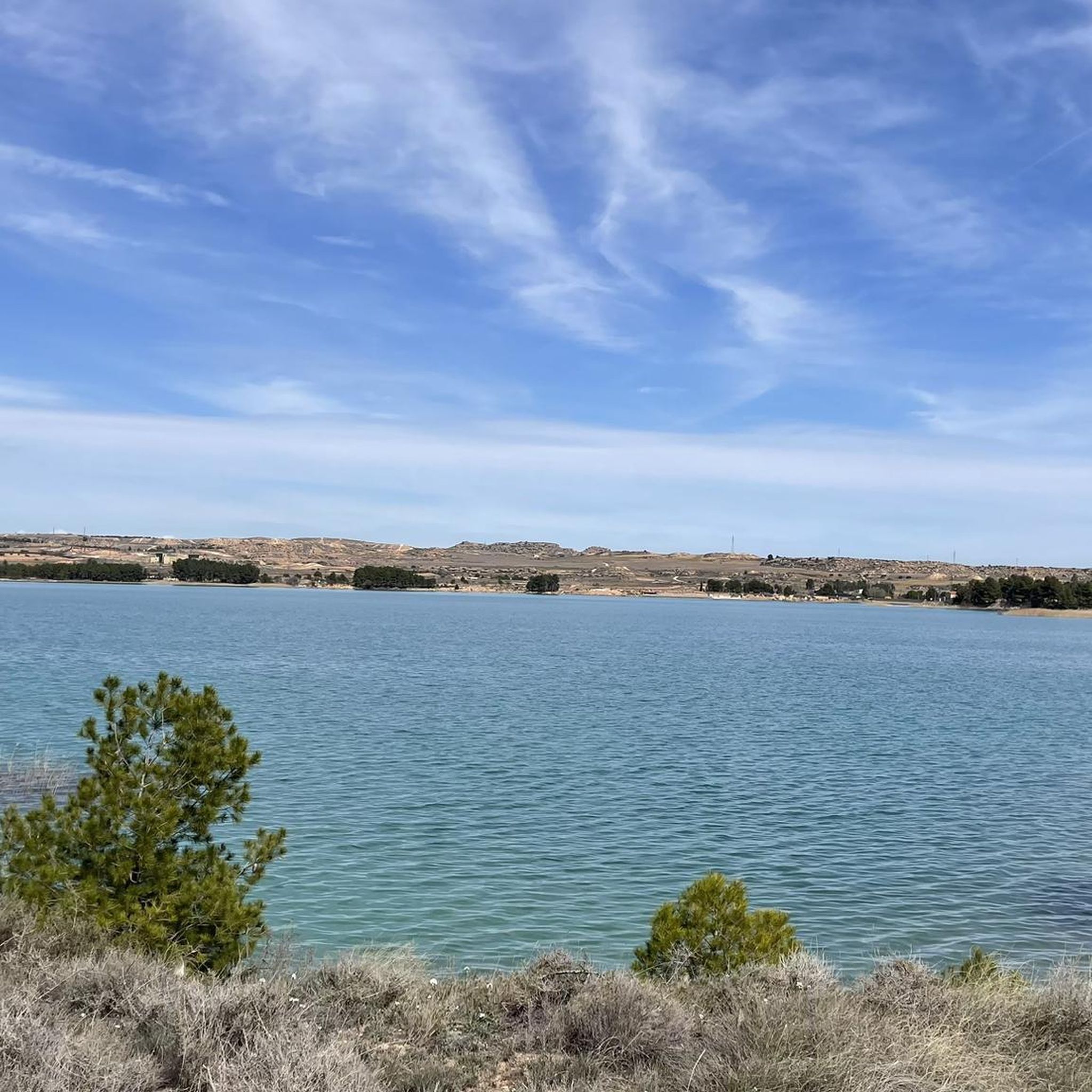
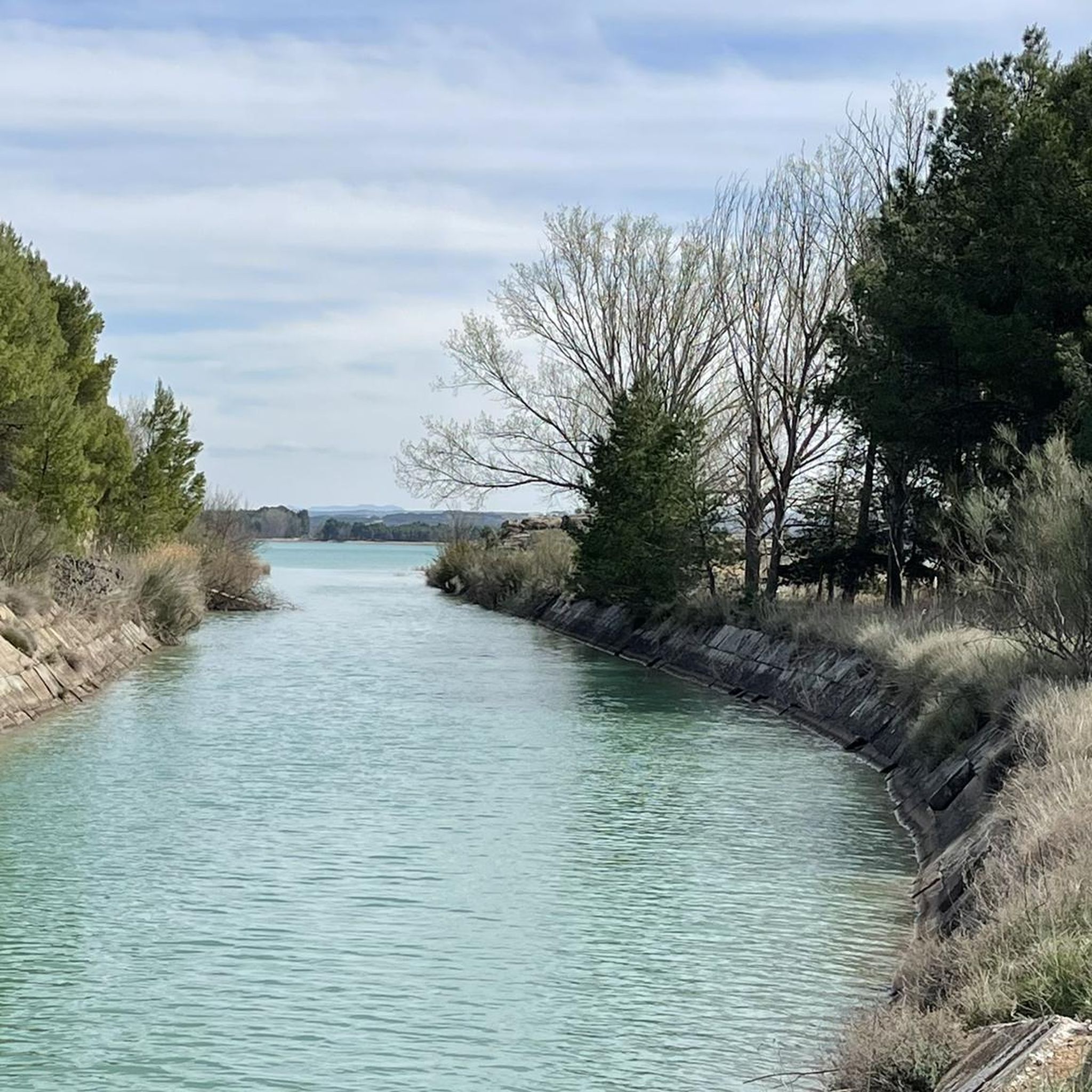

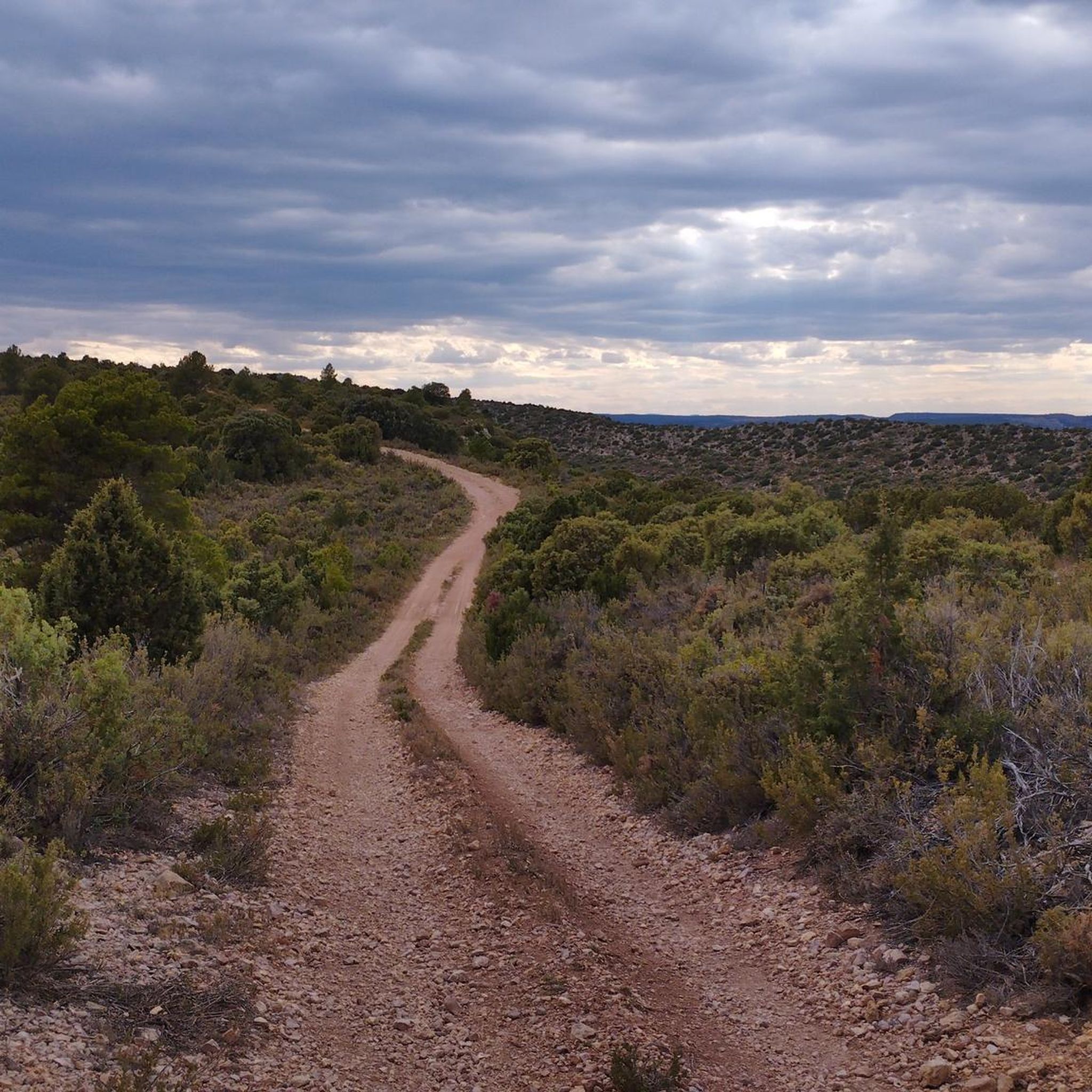
Tips from the Community

Here you can get a delicious baguette for €1.10, 24/7. It tastes great!
0
0

The Church of Our Lady of Hope in Calanda (Teruel) is a prominent Baroque church with a rich history dating back to the 13th century. The original building was a small church constructed in the late 13th century. In 1462, Pedro Vacca, Lord of Calanda, rebuilt and expanded it, linking it to the Order of Calatrava.
2
0

Bridge over the Guadalope River in Castelserás.
1
0

Near the path we will find these three specimens of trees that make up the route of the Singular Trees of Andorra. In this case it is about the Holm oaks or holm oaks of La Sarda, great size and longevity.
2
0

This picturesque but quiet town in the interior of Teruel is internationally known for its entrances in the Holy Week festivities. In addition to this, it is also an ideal place to start several hiking routes in the area, including a visit to the Los Arcos Aqueduct.
1
1
It is a section of the aqueduct that provided Teruel with water and made it independent of the cisterns. Today it is recognized as a monument of engineering of that time and a historical symbol of the province. The works were started in 1537 and continued until 1558 and was known as the work of "La traída de agua"
3
0

Castelserás is a town that is part of Baja Aragón, eight km from Alcañiz. The entire town is located on a hill and where the main street separates the old medieval center. At the top is the parish church of Our Lady of the Nativity. One of the best-known festivals is on January 19, where a large bonfire is made to honor San Sebastian.
0
0
Andorra is located between the valleys of the Martín and Guadalope rivers, next to the small Regallo river. It is located on the side of a hill 714 m above sea level, where it originated, although now it has been moving towards the plain. The population was known in the middle of the 20th century for the arrival of the railway that gave way to the mining activities of the population of Andorra.
1
0
Frequently Asked Questions
What kind of terrain can I expect on touring cycling routes around Foz-Calanda?
Foz-Calanda offers a diverse range of landscapes for touring cyclists. You can expect routes that traverse semi-arid steppes, Mediterranean forests, and premontane ecosystems. The region also features mountain ranges like Sierra de Peñas Blancas and Monte Tolocha, providing varied terrain with options for significant elevation changes and scenic views.
Are there touring cycling routes suitable for beginners in Foz-Calanda?
While many routes in Foz-Calanda are rated as 'difficult' due to elevation changes, there are also 'moderate' options that can be suitable for touring cyclists with some experience. For example, the Los Arcos Aqueduct – Castelserás loop from Calanda is a moderate route covering 21.1 miles (34.0 km) with an elevation gain of around 400 meters, offering a good balance for those looking for a less strenuous ride.
How many touring cycling routes are available in Foz-Calanda?
There are 13 touring cycling routes available around Foz-Calanda, as tracked by komoot. These routes offer a variety of distances and difficulty levels to explore the region's diverse landscapes.
What are some notable landmarks or attractions I can see along touring cycling routes?
Many routes offer opportunities to explore cultural and natural highlights. You might cycle past the historic Calanda, known for its Baroque church, or the charming town of Castelserás with its medieval center. The ruins of the 18th-century Desert Convent of Calanda are also a unique sight. For natural beauty, routes often feature views of the Calanda Reservoir and panoramic vistas from spots like Mirador del Monte Tolocha.
Are there any circular touring cycling routes in the Foz-Calanda area?
Yes, several touring cycling routes in Foz-Calanda are designed as loops, allowing you to start and end in the same location. An example is the View of Calanda Reservoir – Calanda loop from Calanda, which is a 16.9-mile (27.2 km) route offering scenic views of the reservoir.
What is the best time of year for touring cycling in Foz-Calanda?
Foz-Calanda experiences a Mediterranean climate. Spring and autumn generally offer the most pleasant temperatures for touring cycling, avoiding the intense heat of summer and the cooler, potentially wetter conditions of winter. These seasons provide comfortable weather for exploring the diverse landscapes.
Are there any family-friendly touring cycling options in Foz-Calanda?
While the region has many routes with significant elevation, some moderate routes can be adapted for families with older children or those using e-bikes. The area's network of paths and the support for e-bikes on many trails can make touring more accessible for families looking to explore together. Always check the route's elevation profile and distance to ensure it matches your family's capabilities.
Can I bring my dog on touring cycling routes in Foz-Calanda?
While specific regulations for dogs on all touring cycling routes can vary, the general outdoor environment of Foz-Calanda is welcoming to pets. If you plan to visit specific attractions or dedicated bike parks like Tajudo Enduro Bike Park, it's advisable to check their individual dog policies beforehand. Always ensure your dog is well-behaved, on a leash where required, and that you carry water and waste bags.
Where can I find parking for touring cycling routes in Foz-Calanda?
Many touring cycling routes in Foz-Calanda start from towns like Calanda or Alcorisa, where public parking is generally available. For routes originating near specific natural sites or trailheads, look for designated parking areas. It's recommended to check the starting point of your chosen route on komoot for specific parking suggestions.
Are there cafes or places to eat along the touring cycling routes?
Routes often pass through or near towns such as Calanda and Castelserás, where you can find cafes, restaurants, and other amenities to refuel. It's a good idea to plan your route to include stops in these towns, especially on longer rides, to enjoy local cuisine and take a break.
What do other touring cyclists enjoy most about cycling in Foz-Calanda?
Touring cyclists frequently praise the diverse landscapes, which range from semi-arid steppes to Mediterranean forests, and the scenic views offered by mountain ranges like Sierra de Peñas Blancas. The opportunity to combine cycling with visits to cultural heritage sites, such as the Los Arcos Aqueduct or the historic towns of Calanda and Castelserás, is also highly valued.
How can I reach Foz-Calanda by public transport with my bike?
Public transport options to Foz-Calanda, particularly for carrying bikes, can be limited. Some regional bus services, like Hife, might offer bike transport on specific routes or with prior arrangement. It's highly recommended to contact the bus company directly in advance to confirm their bike carriage policy and availability for your intended journey to Calanda or nearby towns.
Are there any advanced touring cycling routes for experienced riders?
Yes, Foz-Calanda offers several challenging routes for experienced touring cyclists. For instance, the Rest Area with Water Point – Alcorisa town center loop from Alcorisa is a difficult 32.4-mile (52.1 km) route with over 1100 meters of elevation gain, providing a significant challenge and rewarding views for advanced riders.
Most popular attractions around Foz-Calanda

Get inspired with the komoot mobile app


Explore more
Browse the best Cycling routes in other regions.
