The best walks and hikes around La Lastrilla
4.4
(246)
1,776
hikers
86
hikes
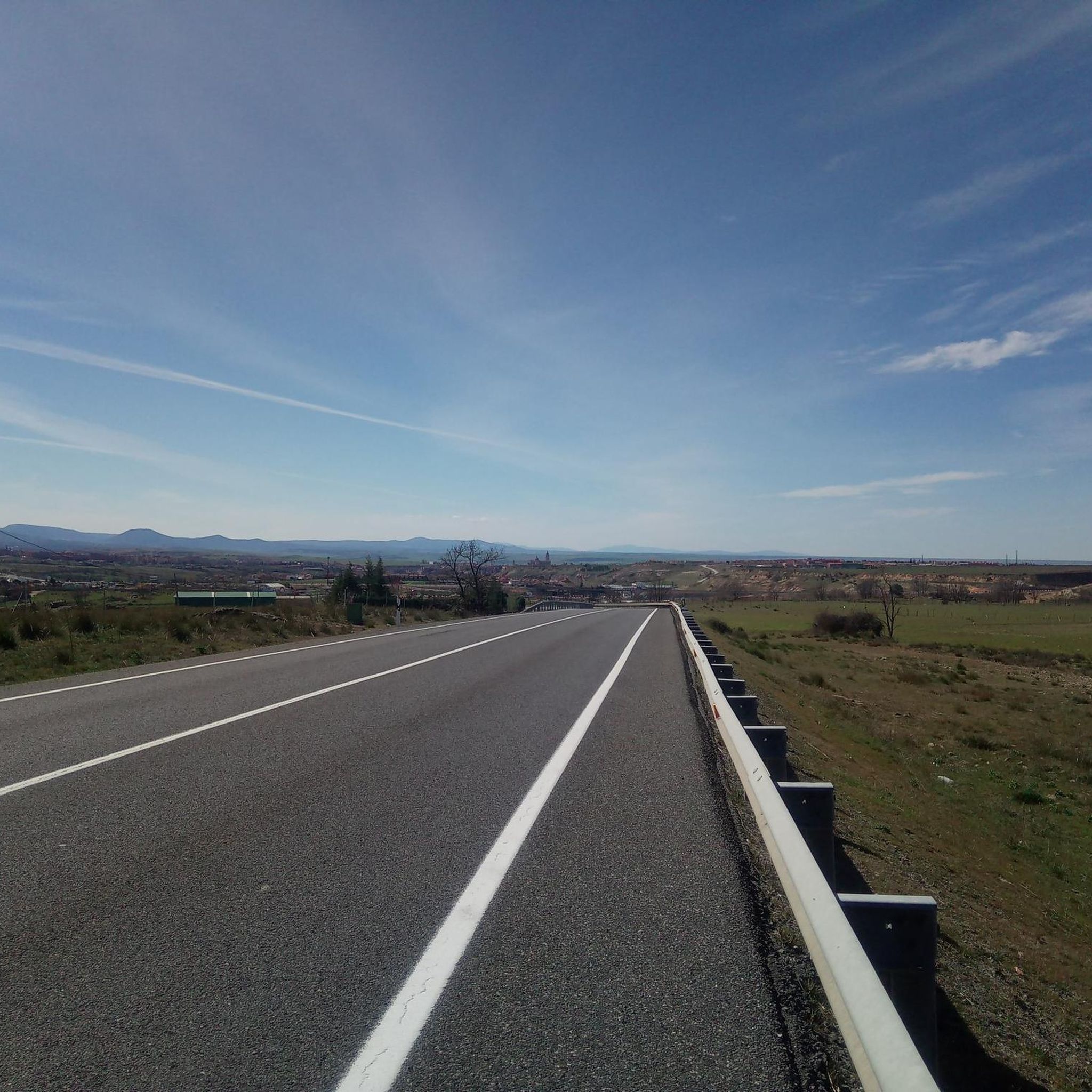
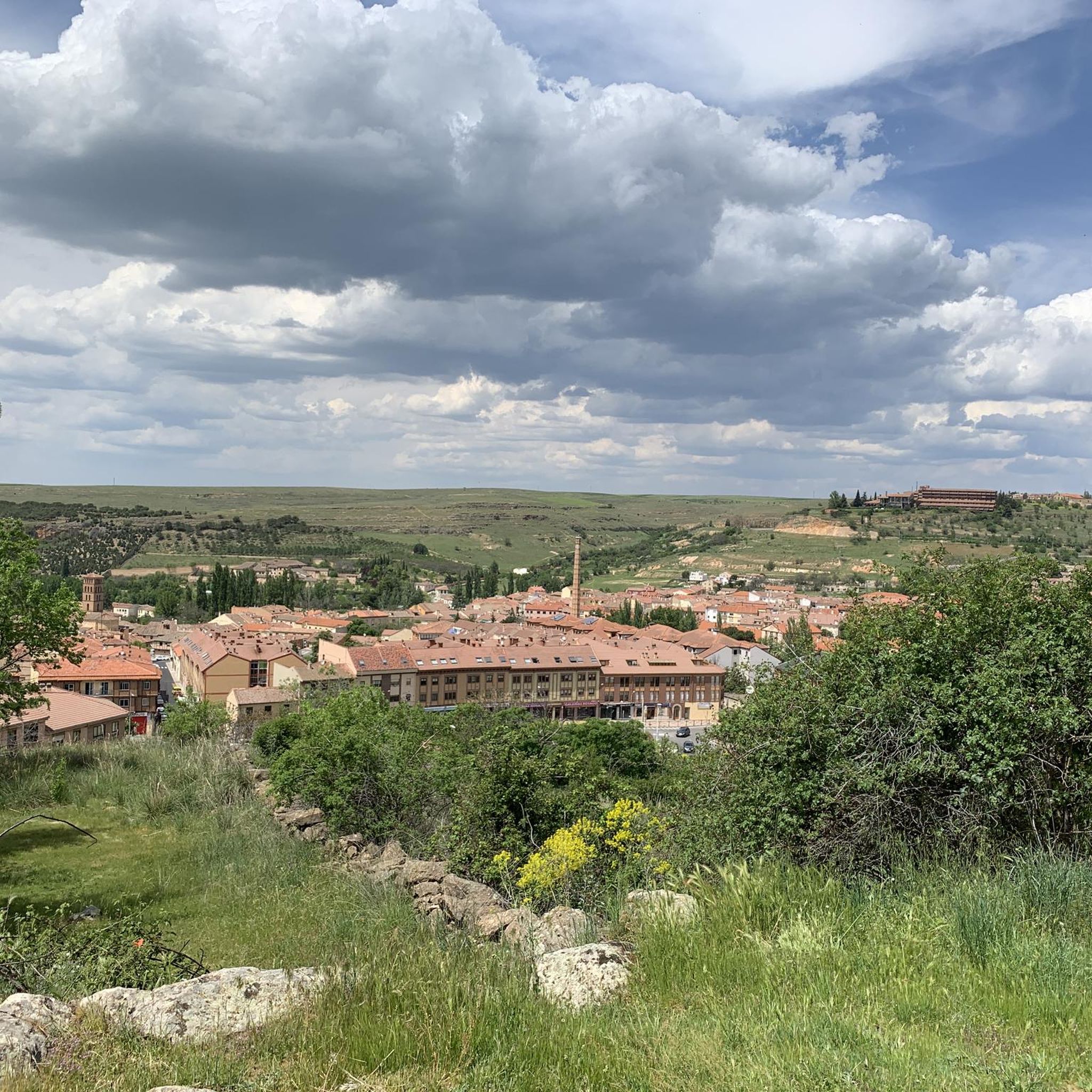
Hiking around La Lastrilla offers access to diverse natural and historical landscapes near Segovia. Situated at an altitude of over 1000 meters, the region is characterized by rural paths, the Eresma River Valley, and the River Ciguiñuela. The terrain includes sandy and granite compositions, providing varied ground for exploration. Many routes offer views of Segovia's iconic monuments, such as the Alcázar, Cathedral, and Aqueduct.
Best hiking trails around La Lastrilla
- The most popular hiking route is Ciudad de Segovia: the…
Last updated: July 15, 2026
4.8
(4)
12
hikers
4.61km
01:18
100m
100m
Easy hike. Great for any fitness level. Easily-accessible paths. Suitable for all skill levels.
4.6
(14)
80
hikers
9.12km
02:31
150m
150m
Moderate hike. Good fitness required. Easily-accessible paths. Suitable for all skill levels.

Sign up for free
4.8
(4)
25
hikers
9.39km
02:35
160m
160m
Moderate hike. Good fitness required. Easily-accessible paths. Suitable for all skill levels.
4.5
(2)
11
hikers
3.17km
00:56
90m
80m
Easy hike. Great for any fitness level. Easily-accessible paths. Suitable for all skill levels.
12
hikers
1.42km
00:25
30m
30m
Easy hike. Great for any fitness level. Easily-accessible paths. Suitable for all skill levels.
Get access to more routes and recommendations from other explorers.
Sign up for free
Already have an account?
Our route recommendations are based on thousands of hikes, rides, and runs completed by other people on komoot.
Start today with a free account
Your next adventure awaits.
Login or Signup

Tips from the Community

A beautiful 12th century romanesque gem in the centre of Segovia
0
1
The best view on the Segovia Aqueduct
1
0
Plaza Mayor is the central square of Segovia. It's surrounded by historic buildings including the town hall, the Juan Bravo Theatre, and the Segovia Cathedral. Great place to hang out.
0
1

Information about the “Acueducto de Segovia” and many more photos can be found in the corresponding hiking highlight at => https://www.komoot.com/de-de/highlight/4225055
3
0

Indeed, it is an excellent viewpoint of the aqueduct.
3
0
Fantastic construction, it impressed me as much as the first time I saw it as a child.
3
0
Another of the churches that are a "must".
3
0
It can hardly compete with the nearby cathedral, but it is also pretty.
3
0
Frequently Asked Questions
How many hiking trails are available around La Lastrilla?
There are over 80 hiking trails around La Lastrilla, offering a wide range of options for different preferences and skill levels. You can find routes varying from easy strolls to more challenging excursions.
What kind of terrain can I expect on hikes around La Lastrilla?
The terrain around La Lastrilla is quite varied, characterized by rural paths, the Eresma River Valley, and the River Ciguiñuela. You'll encounter sandy and granite compositions, as well as areas with riparian vegetation and holm oak groves. Many routes offer scenic views of Segovia's iconic monuments.
Are there hiking routes suitable for beginners or families with children?
Yes, La Lastrilla offers many easy hiking options. Out of the 88 available routes, 37 are classified as easy, making them ideal for beginners or families looking for a relaxed outdoor experience. An example is the Ciudad de Segovia: the Aqueduct and the Alcázar — circular, which is an easy 2.9-mile (4.6 km) trail.
What historical landmarks can I see while hiking near La Lastrilla?
Many hiking routes around La Lastrilla offer stunning views of Segovia's historic landmarks. You can often spot the iconic Alcázar of Segovia, the Cathedral, and the Aqueduct from various vantage points. Some trails, like the Segovia Aqueduct – Segovia Cathedral loop from La Albuera, directly connect these significant cultural sites.
Are there any natural features or viewpoints to explore?
Absolutely. The region is rich in natural beauty, including the Valle del Eresma with its diverse vegetation. You can find viewpoints offering expansive views of Segovia, such as the Mirador del Alcázar, or explore areas like The Alameda of Parral, known for its riparian environment. The View of the Embalse del Pontón Alto is another notable natural highlight.
What do other hikers enjoy most about the trails in La Lastrilla?
The hiking trails around La Lastrilla are highly rated by the komoot community, with an average score of 4.4 stars from over 200 reviews. Hikers often praise the combination of natural beauty with historical sights, the varied terrain, and the panoramic views of Segovia's monuments.
Are there circular hiking routes available in the area?
Yes, La Lastrilla is an excellent base for circular hiking routes. Many trails are designed as loops, allowing you to start and end at the same point. Examples include the Ciudad de Segovia: the Aqueduct and the Alcázar — circular and the The Alameda of Parral – Alameda Bridge loop from Segovia.
What is the best time of year to go hiking in La Lastrilla?
La Lastrilla, situated at over 1000 meters altitude, offers pleasant hiking conditions during spring and autumn when temperatures are mild. Summer can be warm, but early mornings or late afternoons are still enjoyable. Winter hiking is possible, but it's advisable to check local weather conditions, as the altitude can bring colder temperatures.
Are dogs allowed on the hiking trails around La Lastrilla?
Generally, dogs are welcome on many rural paths and natural trails around La Lastrilla. However, it's always recommended to keep them on a leash, especially in areas with wildlife or near livestock, and to check for any specific local regulations or signage on individual routes.
Where can I find parking for hiking trails near La Lastrilla?
Given La Lastrilla's proximity to Segovia and its rural nature, parking is often available in or near the starting points of many trails, particularly in the municipality itself or at access points to the Eresma River Valley. For routes that start closer to Segovia, public parking facilities in the city would be an option.
How can I reach the hiking trails near La Lastrilla using public transport?
La Lastrilla is well-connected to Segovia, which is a major transport hub. You can typically reach La Lastrilla from Segovia via local bus services. From La Lastrilla, many trails are accessible directly, or you can take short walks to reach trailheads. For routes starting directly in Segovia, public transport within the city can take you to the starting points.
Are there any cafes or restaurants near the hiking trails in La Lastrilla?
La Lastrilla itself has local amenities, including cafes and restaurants, where you can refuel before or after your hike. Given its close proximity to Segovia, you'll find a much wider selection of dining options just a short distance away, perfect for enjoying local cuisine after a day on the trails.
Most popular routes around La Lastrilla
Most popular attractions around La Lastrilla

Get inspired with the komoot mobile app


Explore more
Browse the best Hikes in other regions.
